Skip to content

Recipes with yeast

5 recipes that use yeast, with photos, step-by-step instructions and cook times. The quickest, Fartons, takes 45 minutes. It is most often cooked with caster sugar, egg and whole milk.

Got a few things in the fridge? Search by everything you have

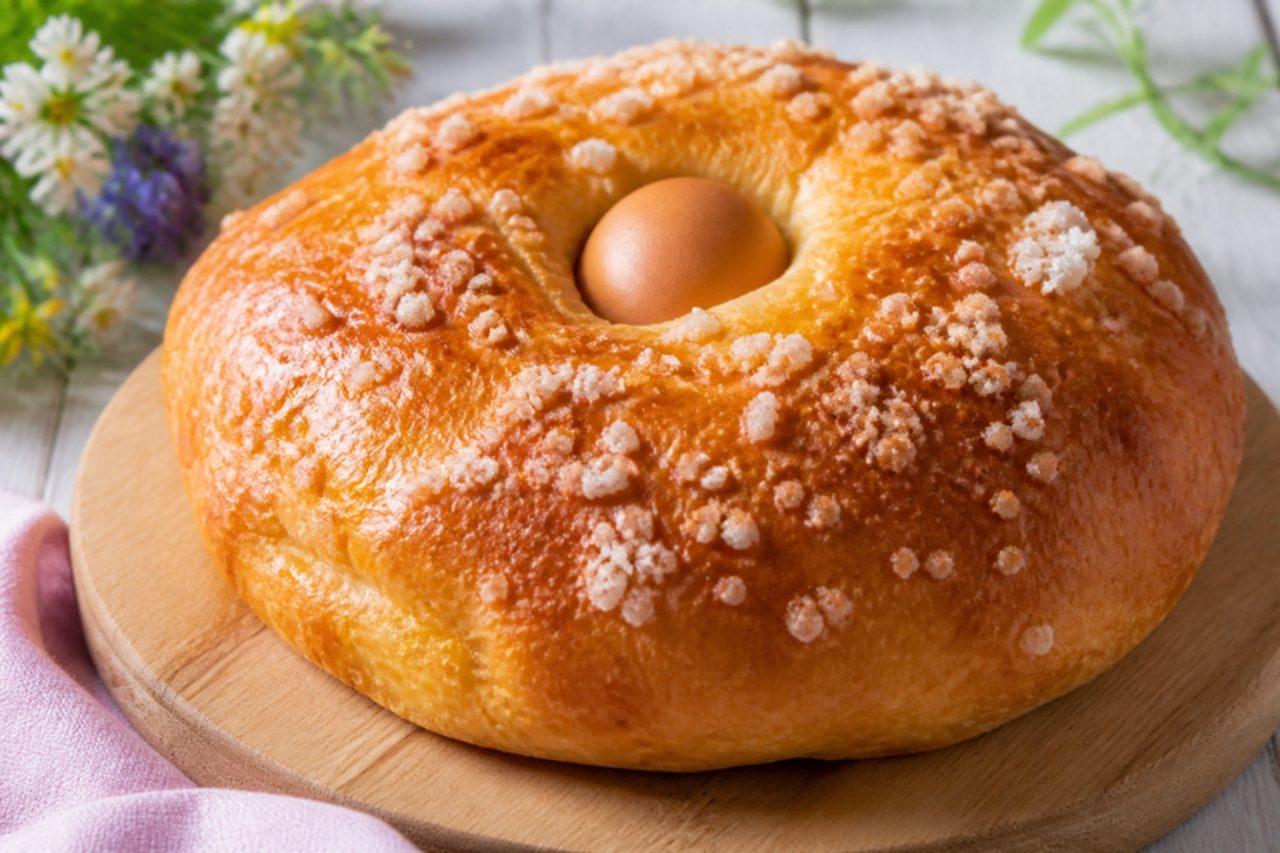
Mona de Pascua

On Easter Monday, families across the Valencian Community head out to the countryside or the beach to "menjar-se la mona": they eat an orange-scented sweet brioche, often with a whole egg baked on top, and children crack the egg on a friend's forehead. The bun is soft and fluffy, glazed and sprinkled with sugar or coloured aniseed sprinkles. Here the eggs are hard-boiled first, so they are cooked through whatever the size of your bun. A common mistake is adding all the flour at once to a sticky dough; it softens as you knead, so hold back the last 50 g until you've kneaded for a few minutes. Chef's tip: make the starter the evening before and the dough on the day; the slow start gives a lighter crumb that stays soft for two days.

by KrazyBadal 0 views

Fartons

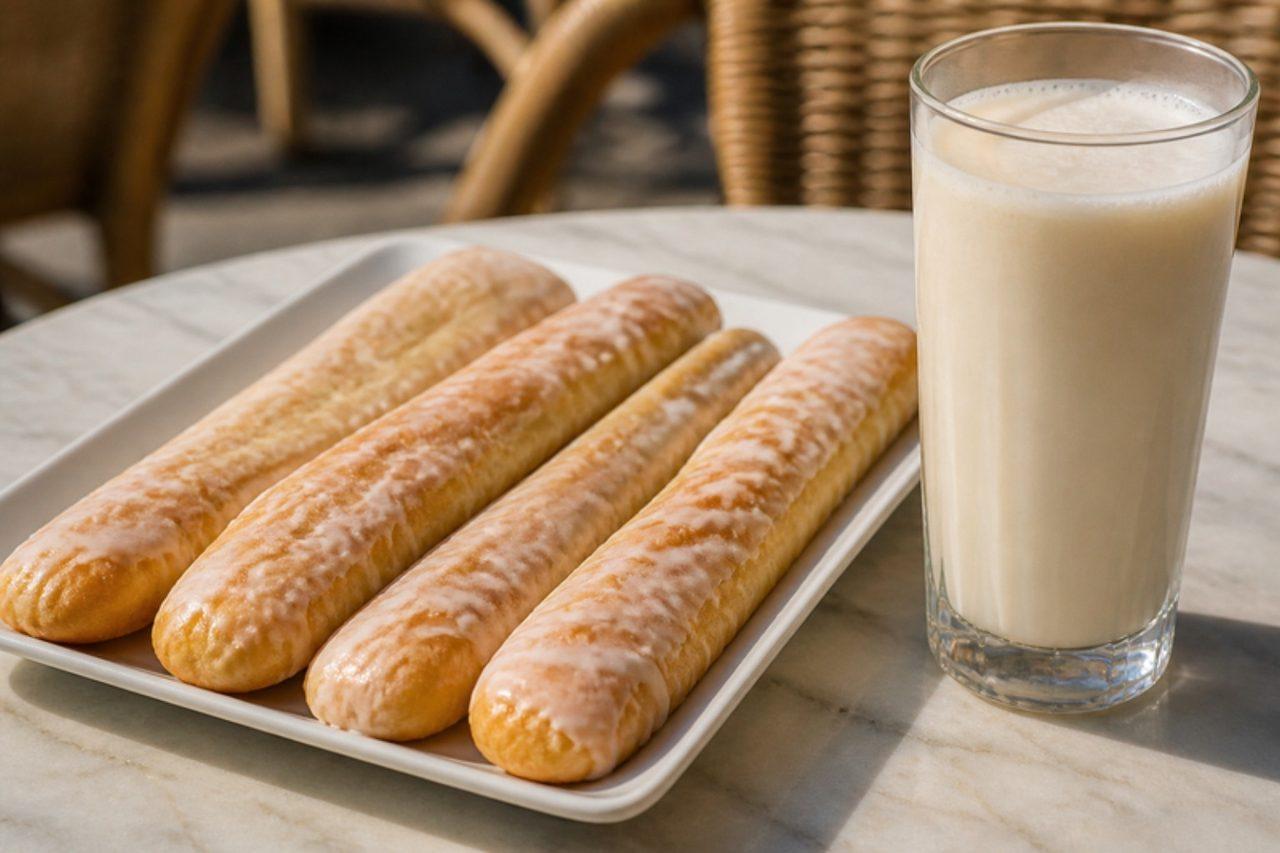
In Alboraya, just north of Valencia, the horchaterías that serve cold tiger-nut horchata in summer put a plate of fartons beside every glass: long, slim, soft buns with a shiny sugar glaze, designed to be dunked and to soak up the milky drink without falling apart. The dough is enriched with egg, milk and sunflower oil rather than butter, which gives them their light, cottony crumb. They are just as good with coffee or cold milk. A common mistake is rushing the second rise; under-proved fartons stay tight and bready instead of airy. Chef's tip: roll each strip a little thinner than you think, about as thick as your finger, because they almost double in the oven.

by KrazyBadal 0 views

Buñuelos de calabaza

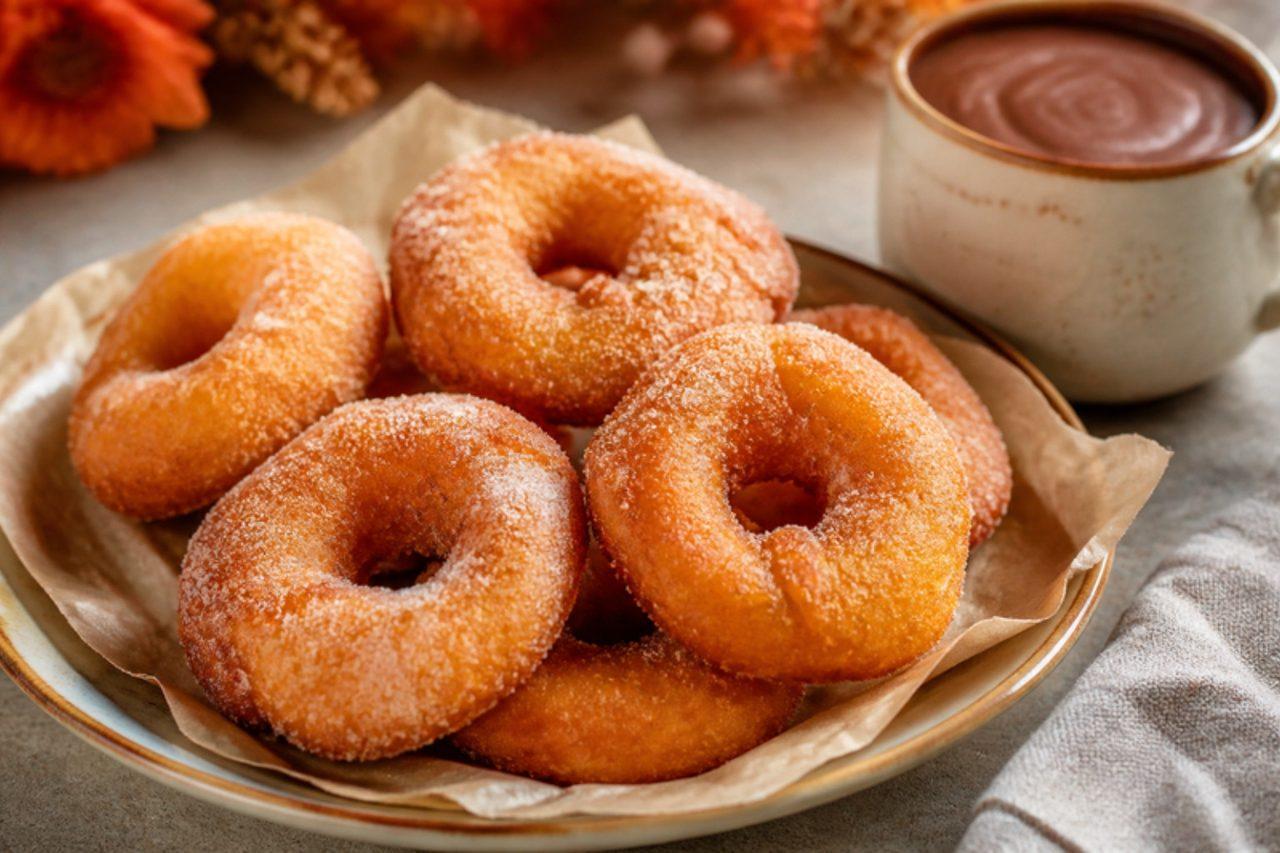
When the Fallas bonfires go up in Valencia each March, every other street corner has a stall frying bunyols de carabassa: rough, ring-shaped pumpkin doughnuts pulled from the oil by the dozen and eaten standing up, usually with a cup of thick hot chocolate. The dough is little more than yeasted flour and cooked pumpkin, which keeps the inside soft and faintly orange and the outside crisp and blistered. They contain no egg, milk or butter, so they are suitable for vegans. A common mistake is adding flour until the dough feels like bread dough; it should be sticky and slack, almost a thick batter, or the doughnuts come out heavy. Chef's tip: keep a bowl of water beside the pan and wet your hands before shaping each one; the dough then slides off your fingers into the oil instead of clinging to them.

by KrazyBadal 0 views

Makowiec

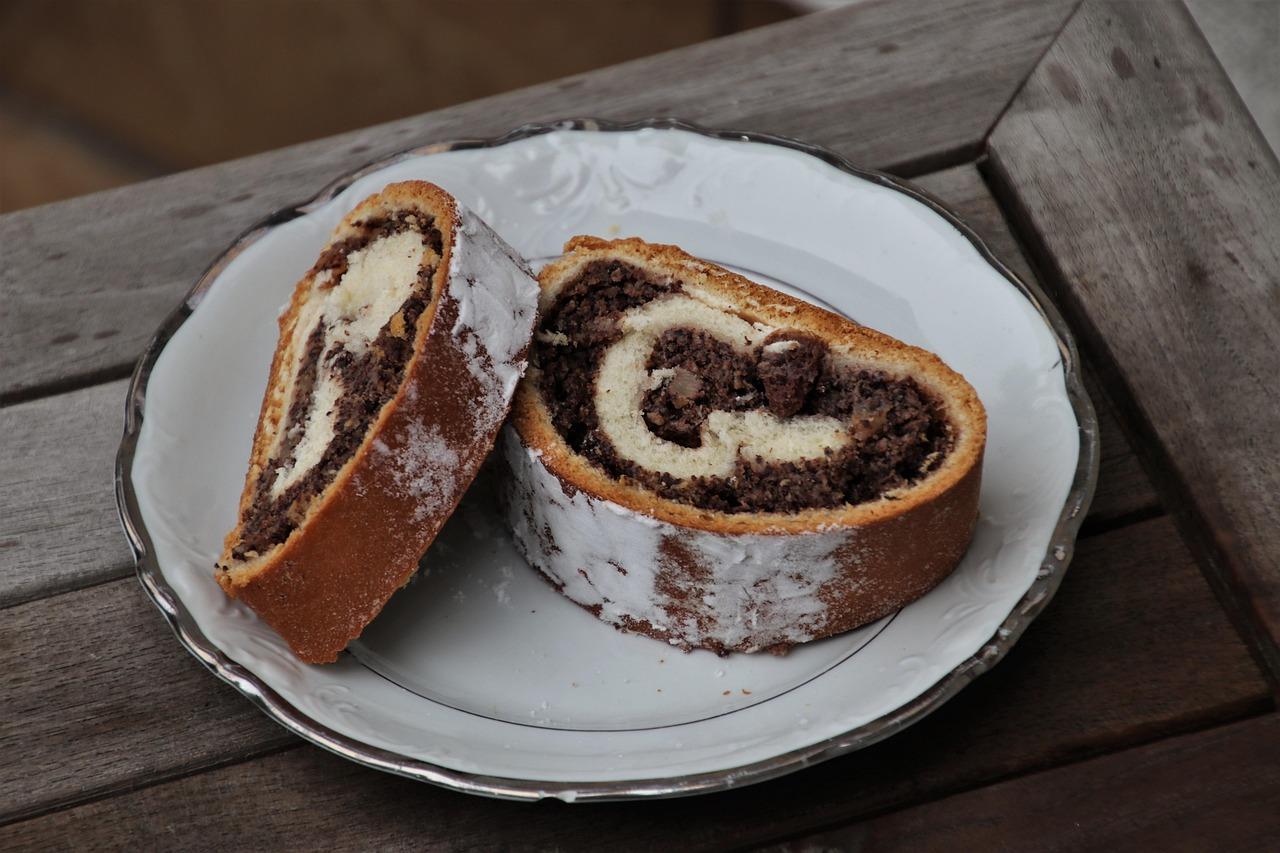
Makowiec is the poppy seed roll that sits on almost every Polish Christmas Eve and Easter table; in Silesia and Lesser Poland poppy seeds stand for plenty in the year ahead. A soft, buttery yeast dough is rolled around a thick, black, honey-sweet filling of ground poppy seeds with raisins, walnuts and candied orange peel, then baked and glazed so each slice shows a tight spiral. It takes time, but the process is calm and the roll keeps for days. Chef's tip: grind the soaked poppy seeds two or three times, until they look grey and pasty; whole or once-ground seeds give a gritty filling that falls out of the slices.

135 minPolishBaking
by KrazyBadal 0 views

Pączki

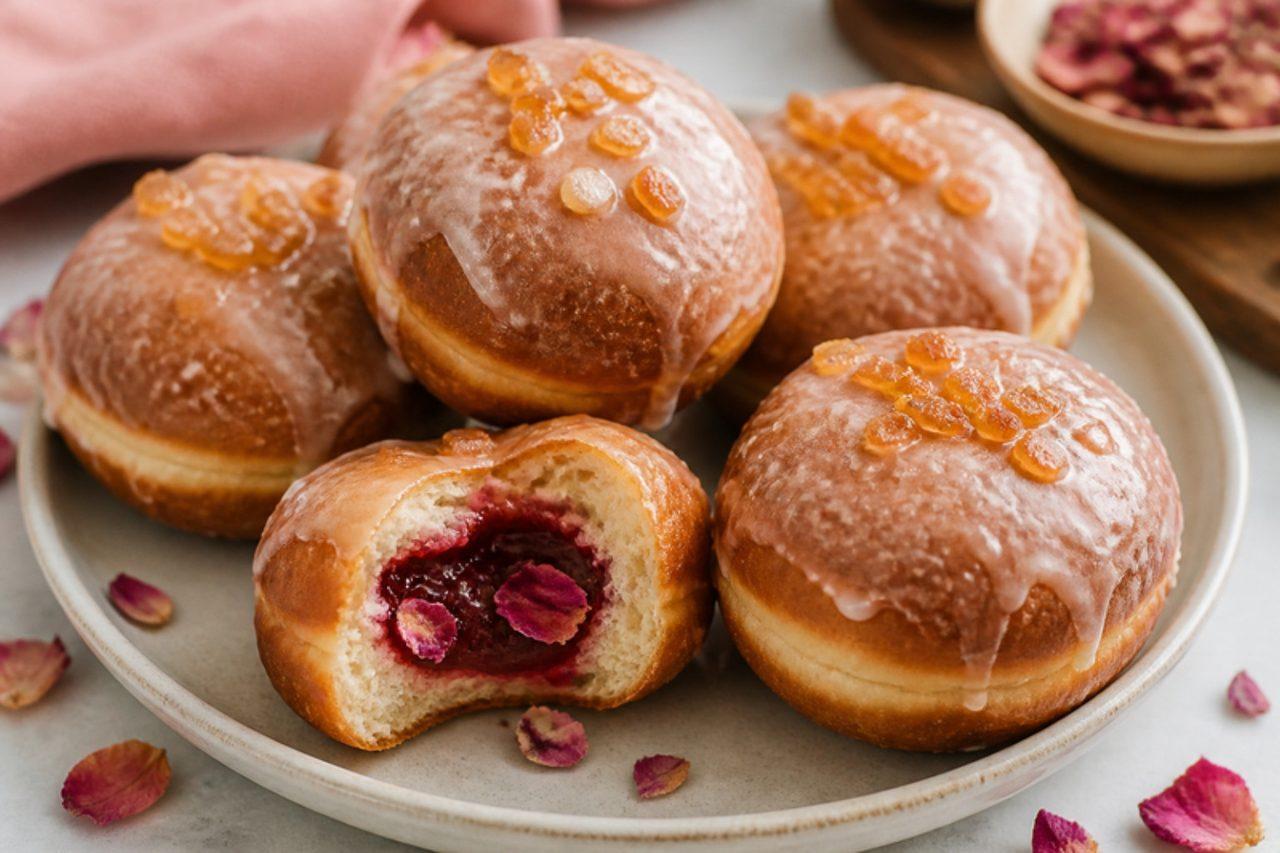
Pączki are the rich, yeasted doughnuts Poland eats by the dozen on Tłusty Czwartek, Fat Thursday, the last Thursday before Lent, when Warsaw bakeries such as the old ones on Nowy Świat have queues round the block from dawn. A good pączek is round and heavy for its size, with a pale ring around its middle, a fine, yolk-rich crumb and a filling of rose-petal jam (konfitura z róży) or plum butter, finished with icing and candied orange peel. A spoon of vodka or spirytus in the dough is an old trick: it evaporates in the hot oil and stops the dough soaking up fat. Chef's tip: keep the oil between 165 and 175°C with a thermometer; hotter and they burn outside while raw in the middle, cooler and they turn greasy.

by KrazyBadal 0 views

Goes well with yeast