Skip to content

Recipes with whole wheat berries

9 recipes that use whole wheat berries, with photos, step-by-step instructions and cook times. The quickest, Ayran aşı, takes 60 minutes. It is most often cooked with cinnamon, raisins and cumin.

Got a few things in the fridge? Search by everything you have

Belila

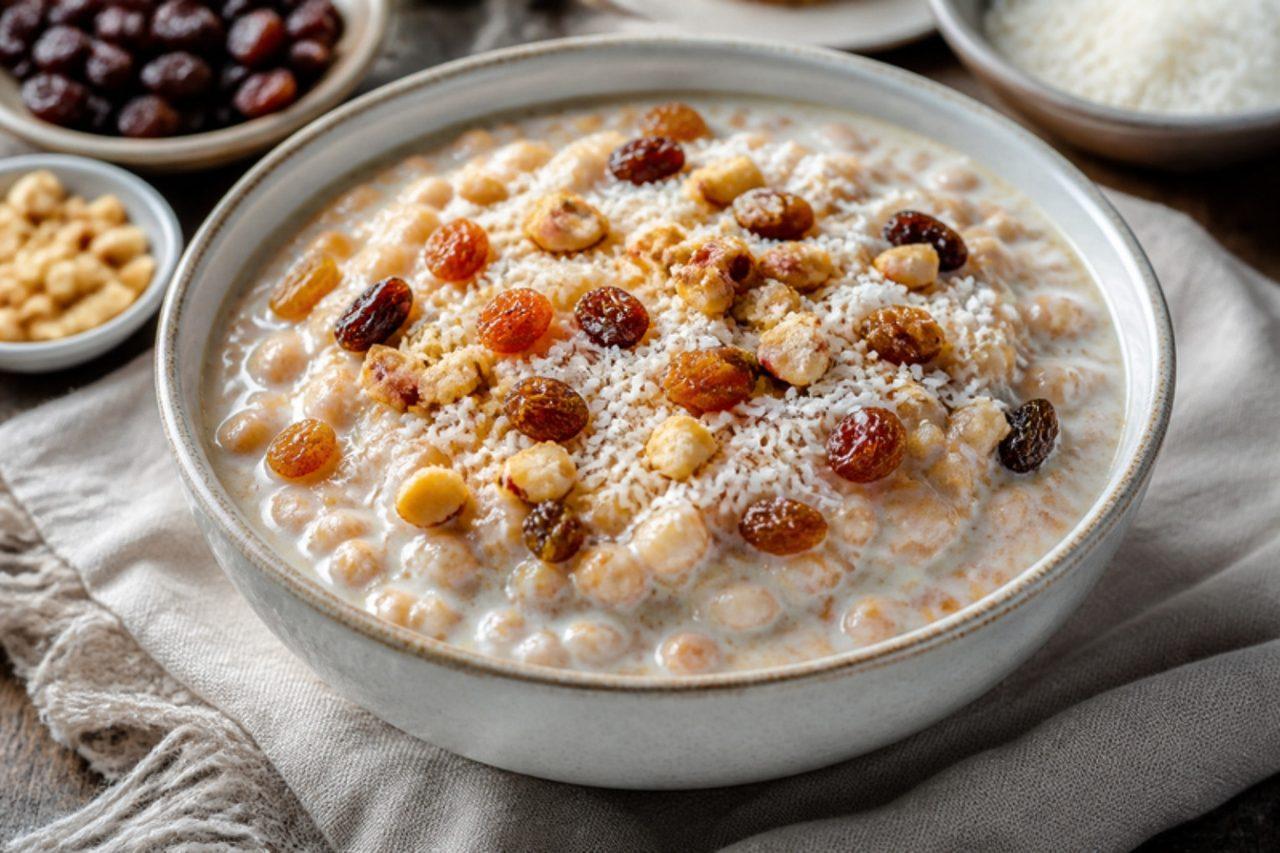
Cold mornings in Cairo and the Delta are when mothers put a pot of belila on the stove, and street vendors sell it in cups from big steaming pans in winter. Plump whole wheat grains are simmered until they burst, then served in hot, sweet, vanilla-scented milk and showered with nuts, raisins and coconut, so every spoonful is chewy, creamy and crunchy at once. Children love it for breakfast and it is a favourite for sahur before a day of fasting in Ramadan. The wheat needs soaking overnight; with ready-cooked wheat, it is done in 15 minutes. Undercooked wheat stays hard and chalky, so cook it until most grains have split open. Most people go wrong by not cooking the wheat long enough; the berries should burst and be tender, not chewy pellets in the milk. Chef's tip: cook a big batch of wheat and keep it in the fridge for up to 4 days, then warm portions in milk.

by KrazyBadal 0 views

Dafina

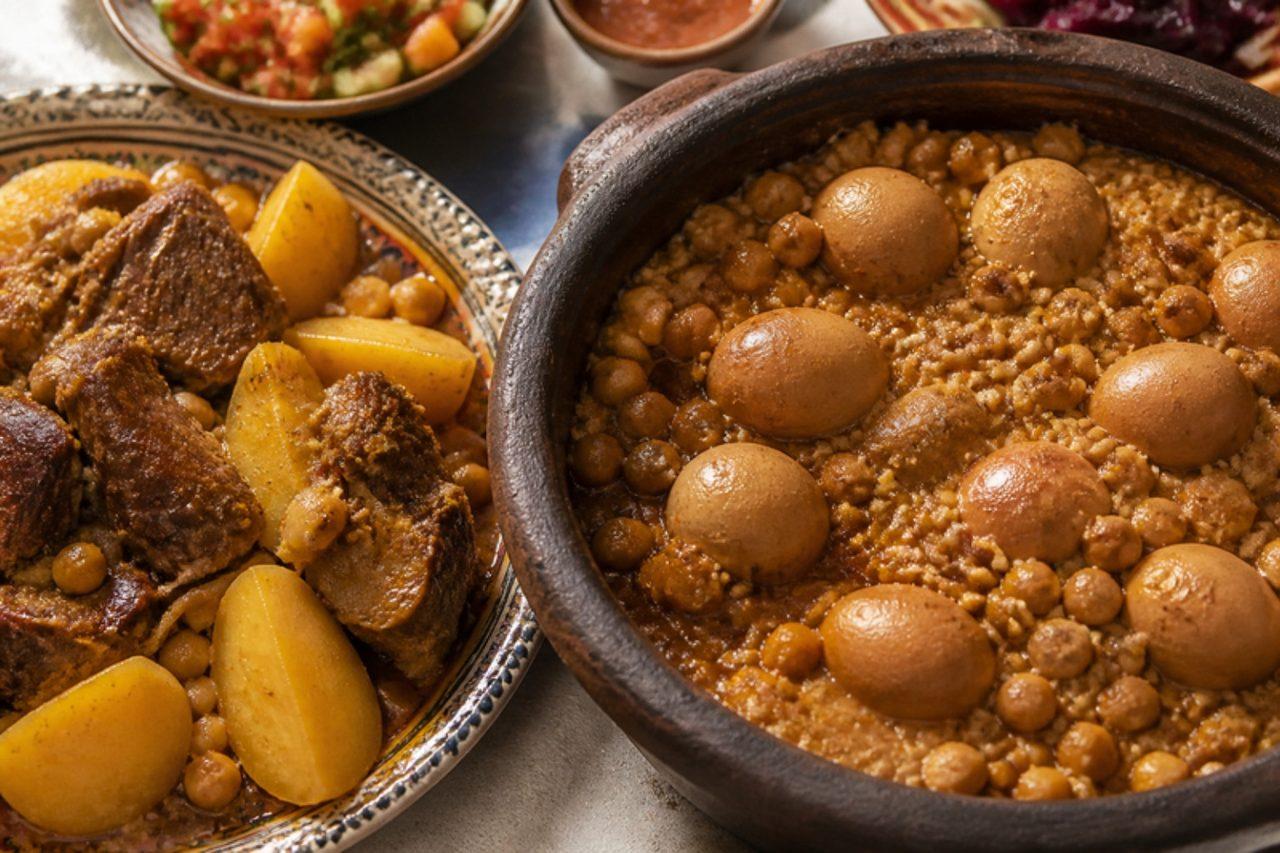
Dafina, meaning buried or covered, is what Moroccan Jewish families from Casablanca to Meknes set to cook before sundown on Friday, so a hot lunch is waiting after synagogue on Saturday without lighting a fire on the Sabbath. Beef, a marrow bone, chickpeas, potatoes, sweet potatoes and dates go into one big pot with whole eggs in their shells and a cloth bag of wheat berries, all seasoned with paprika, turmeric, cinnamon and a little honey. Overnight the eggs turn creamy and brown, the wheat becomes sticky, and the broth is sweet-savoury and deep. There is no pork in it, and kosher cooks use kosher beef. Chef's tip: wrap the wheat berries loosely in a cloth bag or a roasting bag with holes; packed too tight, the grain cannot swell and stays hard.

760 minMoroccanMeat
by KrazyBadal 0 views

Hergma

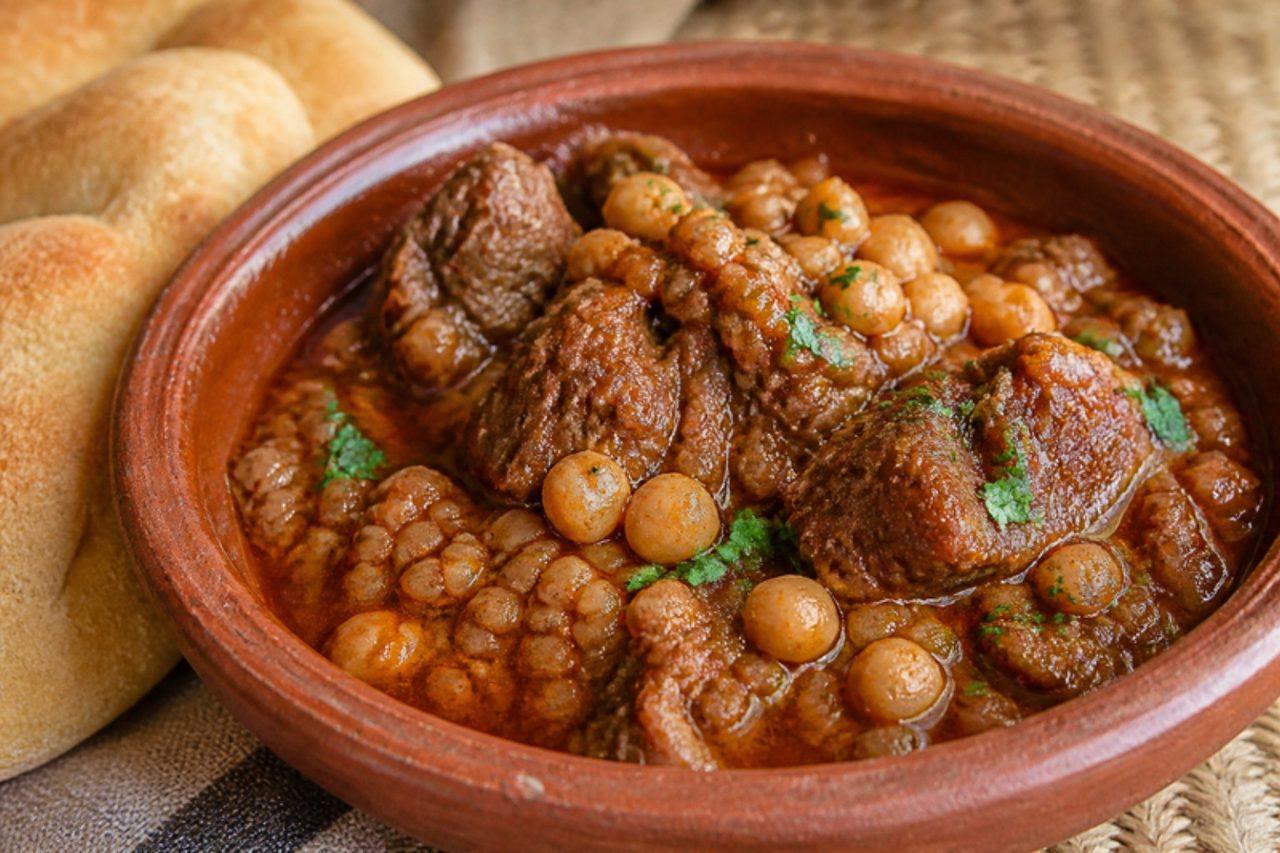
Sticky with gelatine and warmed by cumin and ginger, hergma is the winter comfort food of Rabat's working kitchens and the dish families make from the trotters after Eid al-Adha. The feet cook for hours with chickpeas, whole wheat berries, garlic and a warm mix of paprika, cumin and ginger, until the gelatine melts into a sauce so sticky it glues your fingers together. Some cooks add raisins for a sweet edge. Eat it hot with bread, picking the tender meat and soft cartilage from the bones. A butcher who sells halal or Mediterranean cuts will clean, singe and split the trotters for you; ask for that. Chef's tip: blanch the trotters and throw away the first water; it carries off the scum and gives a clean-tasting sauce.

260 minMoroccanMeat
by KrazyBadal 0 views

Ourkimen (Yennayer pulse and grain stew)

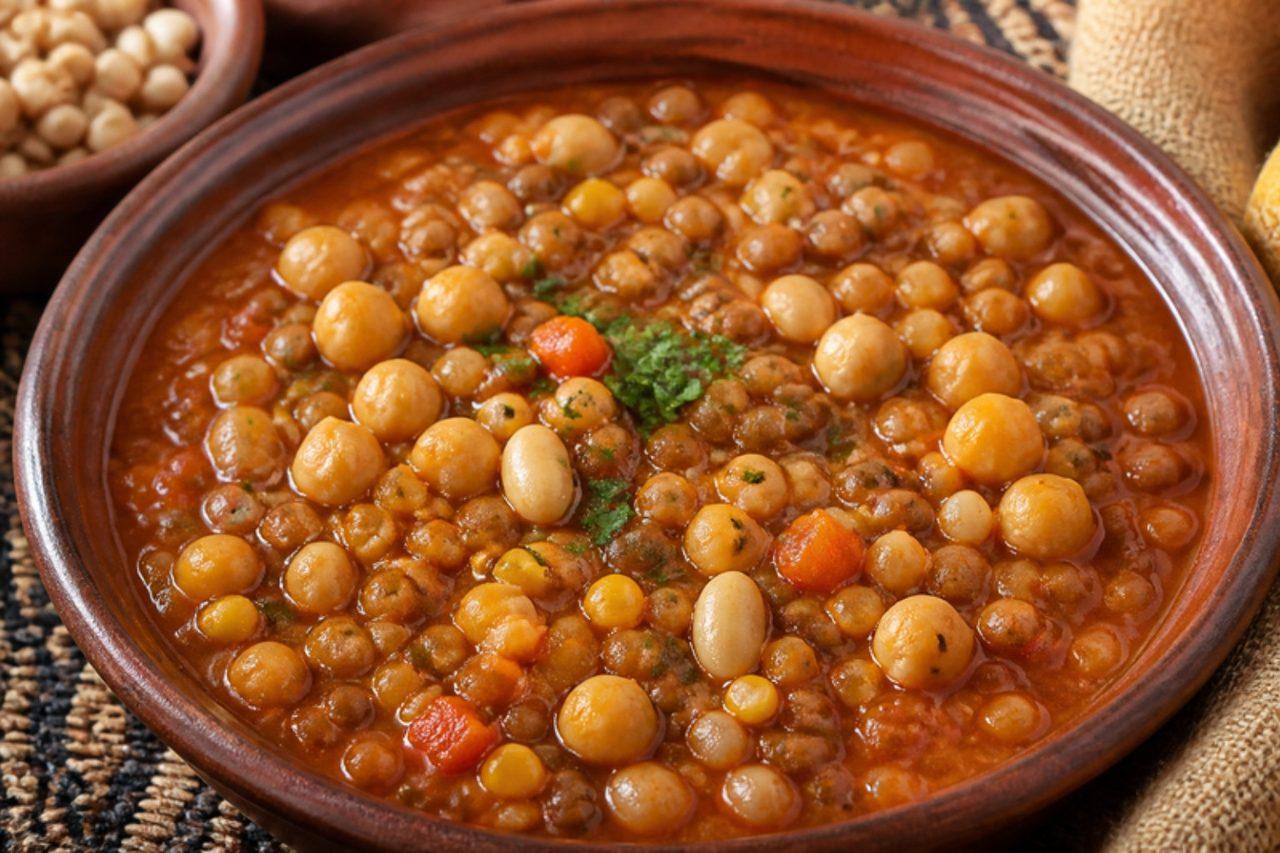
Ourkimen is cooked across the Souss and the Atlas for Yennayer, the Amazigh New Year on 12–13 January, when a pot of mixed dried beans, chickpeas, wheat berries and corn is simmered for hours to wish for a plentiful harvest. Many families add lamb's feet or dried meat; this is the meat-free version, made the way many cooks prepare it when meat is not on the table, and it is still deeply savoury from tomato, cumin, paprika and a good dose of olive oil. The grains turn chewy and the pulses creamy, and the stew is eaten hot from bowls with bread. Start the soaking the night before; the stew then needs about 3 1/2 hours of gentle simmering. People who have G6PD deficiency (favism) should leave out the dried broad beans and use more white beans. Chef's tip: stir from the bottom every 20 minutes in the last hour; as the stew thickens it catches easily.

by KrazyBadal 0 views

Samanu

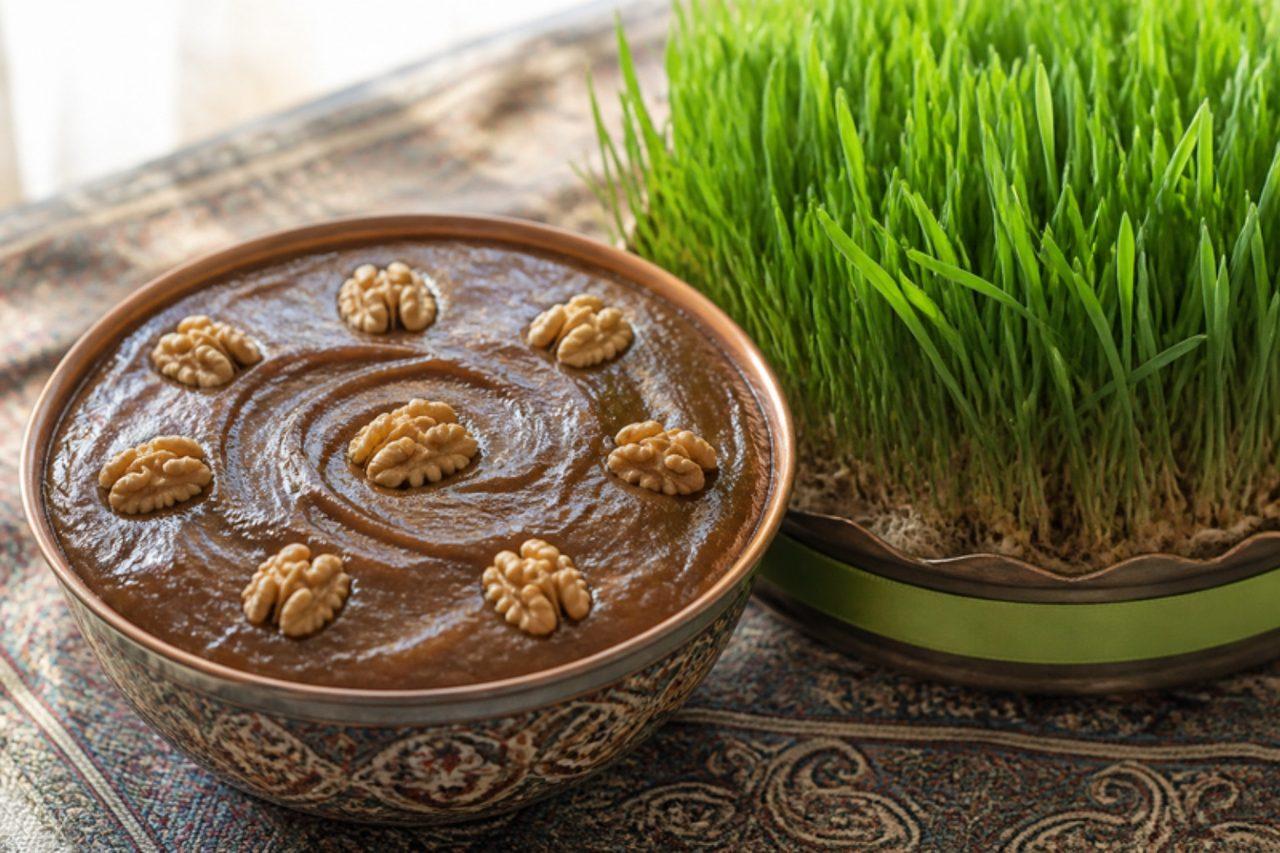
Samanu is one of the seven 's' items on the Nowruz haft-sin table, standing for strength and abundance, and in many neighbourhoods of Tehran and Shiraz women still gather to stir the great pot through the night, singing and taking turns. It is made from nothing but sprouted wheat juice and flour, cooked very slowly for many hours until the natural malt sugars caramelise into a thick, toffee-brown, gently sweet pudding. This home version uses a smaller batch, but it still takes days of sprouting and a long, patient simmer. The common mistake is turning the heat up to rush it, which scorches the base and makes the samanu bitter. Chef's tip: drop a few clean walnut halves into the pot near the end; tradition says whoever finds one in their bowl will have a lucky year.

by KrazyBadal 0 views

Aşure

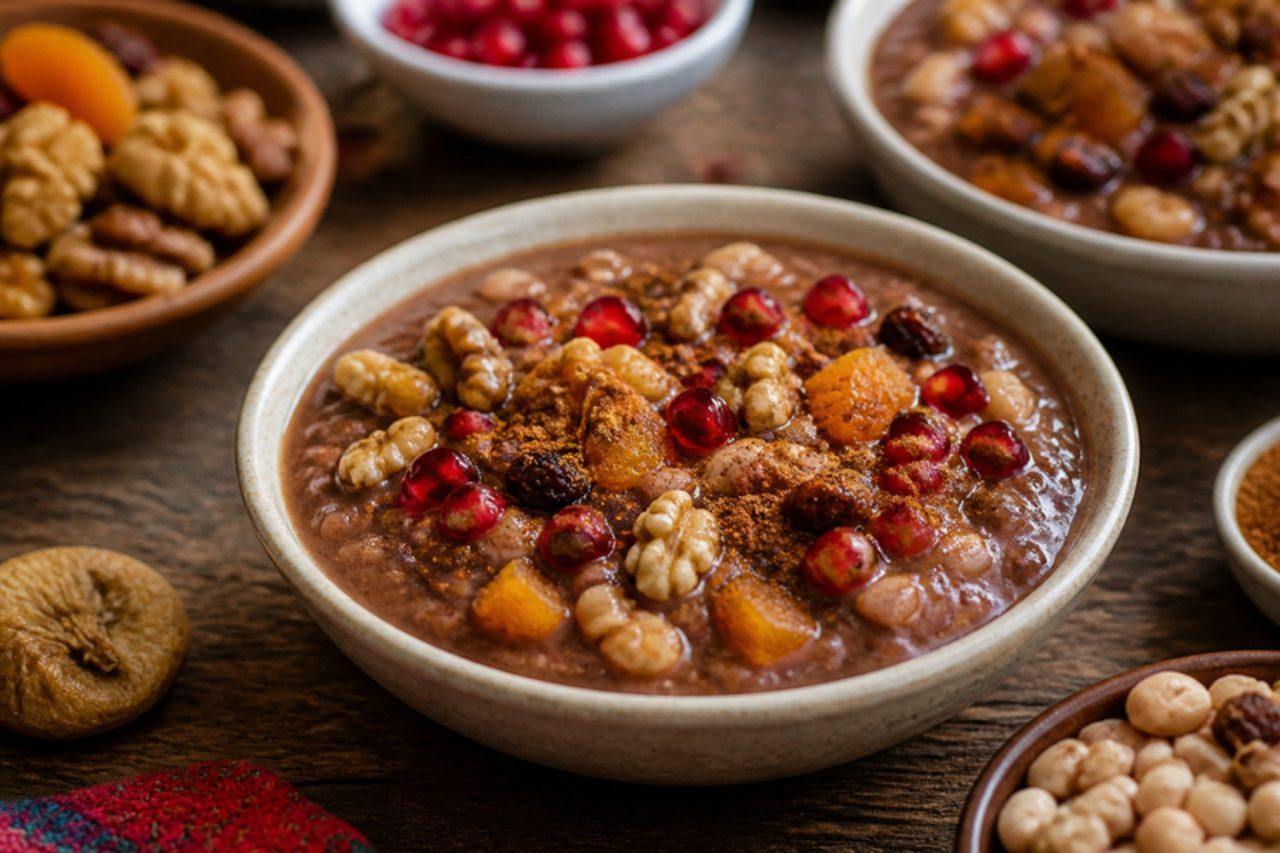
In the month of Muharram, kitchens all over Anatolia, especially in conservative Konya and Sivas, boil great pots of aşure and send bowls to every neighbour, regardless of faith, so the sweet is as much about sharing as eating. Legend says it was cooked on Noah's ark from the last of the stores, which is why it combines whole wheat, chickpeas, white beans, dried apricots, figs and raisins in a thick, gently sweet pudding. It's topped with walnuts, pomegranate and cinnamon. Common mistake: adding sugar before the wheat is fully tender; sugar firms the grains and they never soften. Chef's tip: soak the wheat and pulses overnight and cook the wheat in its soaking water for the creamiest result.

by KrazyBadal 0 views

Ayran aşı

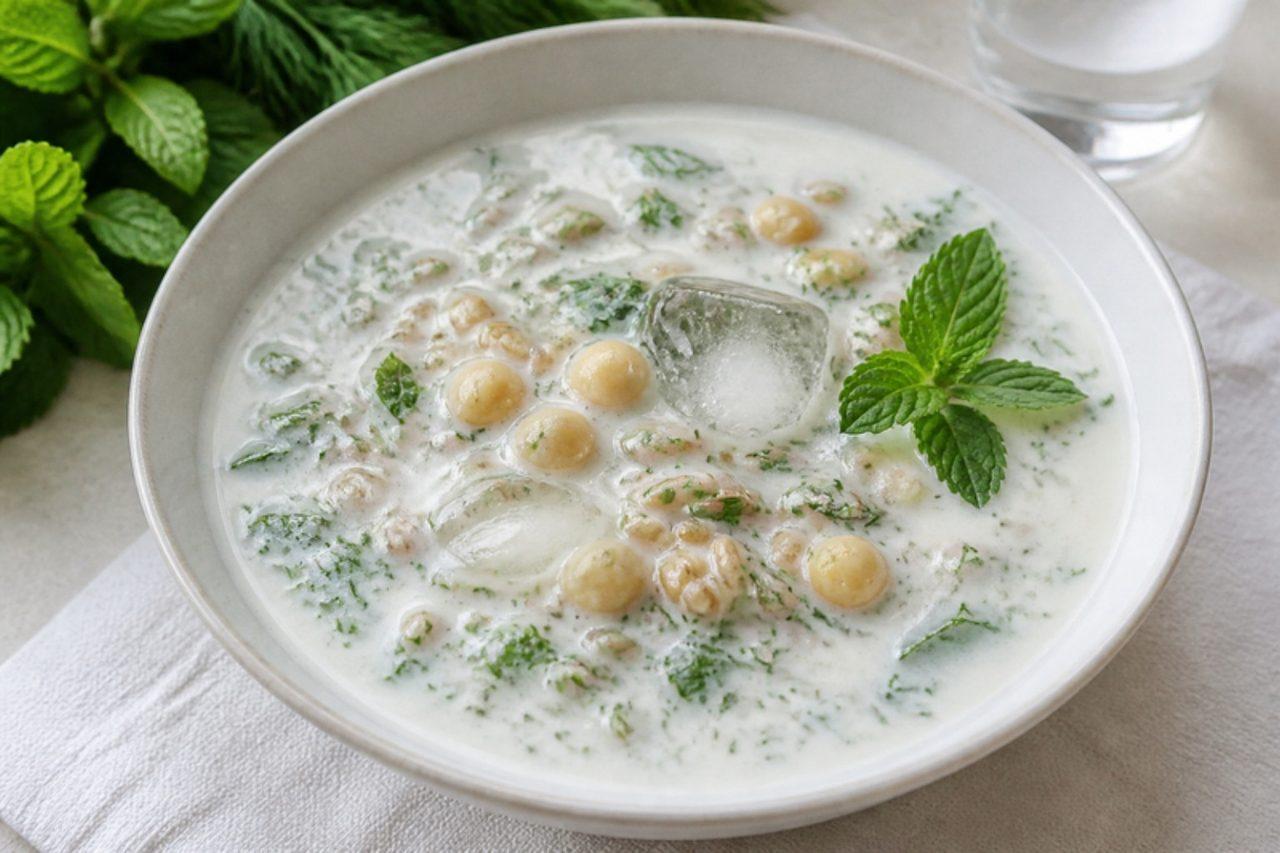
When the summer heat hits the eastern plateau around Erzurum, Erzincan and Sivas, families switch from hot soups to ayran aşı, a cold soup of thinned yoghurt with cooked whole wheat, chickpeas and handfuls of mint, dill and purslane or cucumber. It's ladled from a big bowl at lunch with flatbread, and it's as refreshing as a drink but filling as a meal. Common mistake: adding the grains while still hot, which makes the yoghurt split and turn sour-tasting; cool them completely first. Chef's tip: make it a few hours before serving and chill; the wheat soaks up the yoghurt and the herbs perfume the whole bowl.

by KrazyBadal 0 views

Kutia

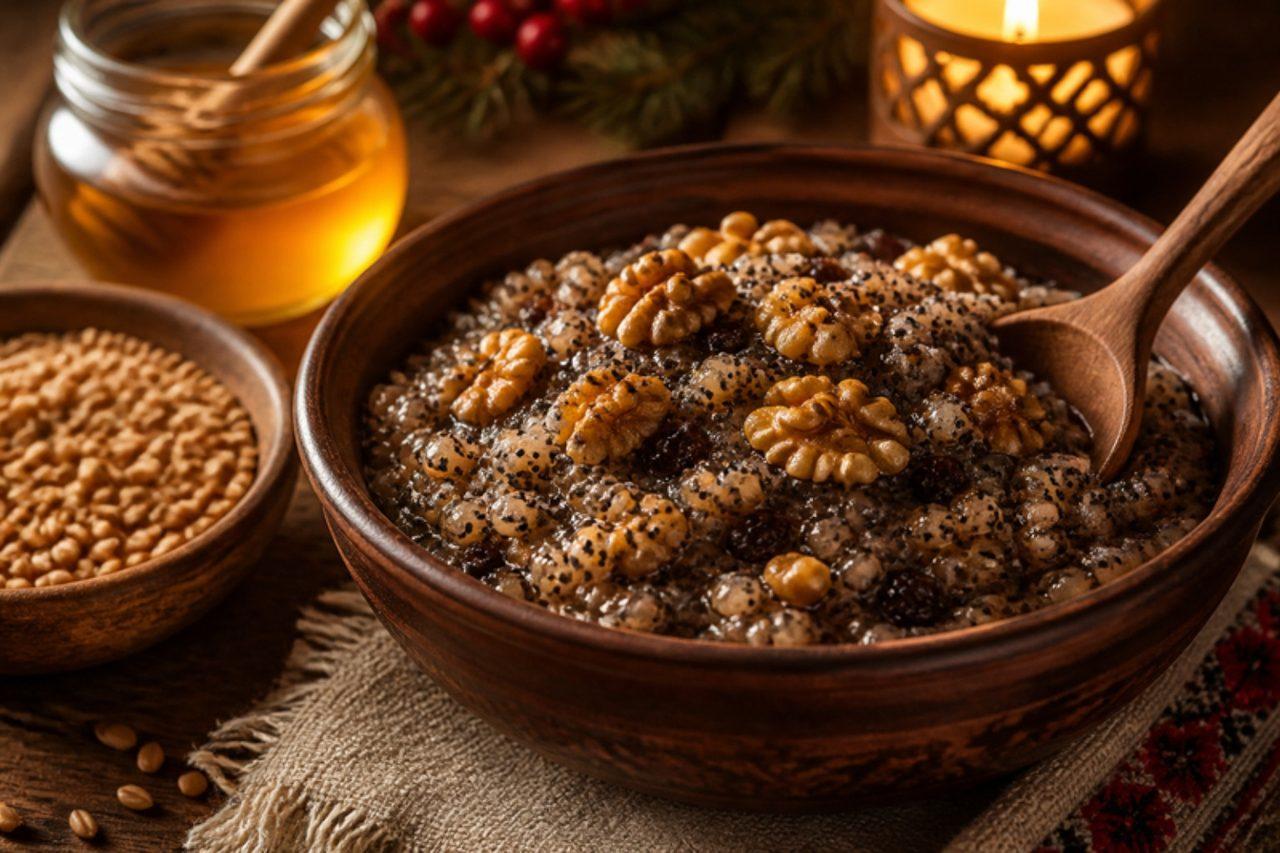
Kutia is the first dish tasted on Ukrainian Christmas Eve, once the first star appears in the sky: a bowl of whole wheat berries mixed with ground poppy seed 'milk', honey, walnuts and raisins. Families in Lviv, Ternopil and the villages of the west traditionally throw a spoonful at the ceiling for luck and set a bowl aside for departed relatives, and the head of the house greets the evening with it. It is eaten at room temperature, sweet, nutty and chewy, and the spoon must touch every guest's plate. Chef's tip: soak and grind the poppy seed until it turns white and milky; common mistake is using it whole, which leaves kutia gritty and grey instead of creamy.

by KrazyBadal 0 views

Harees

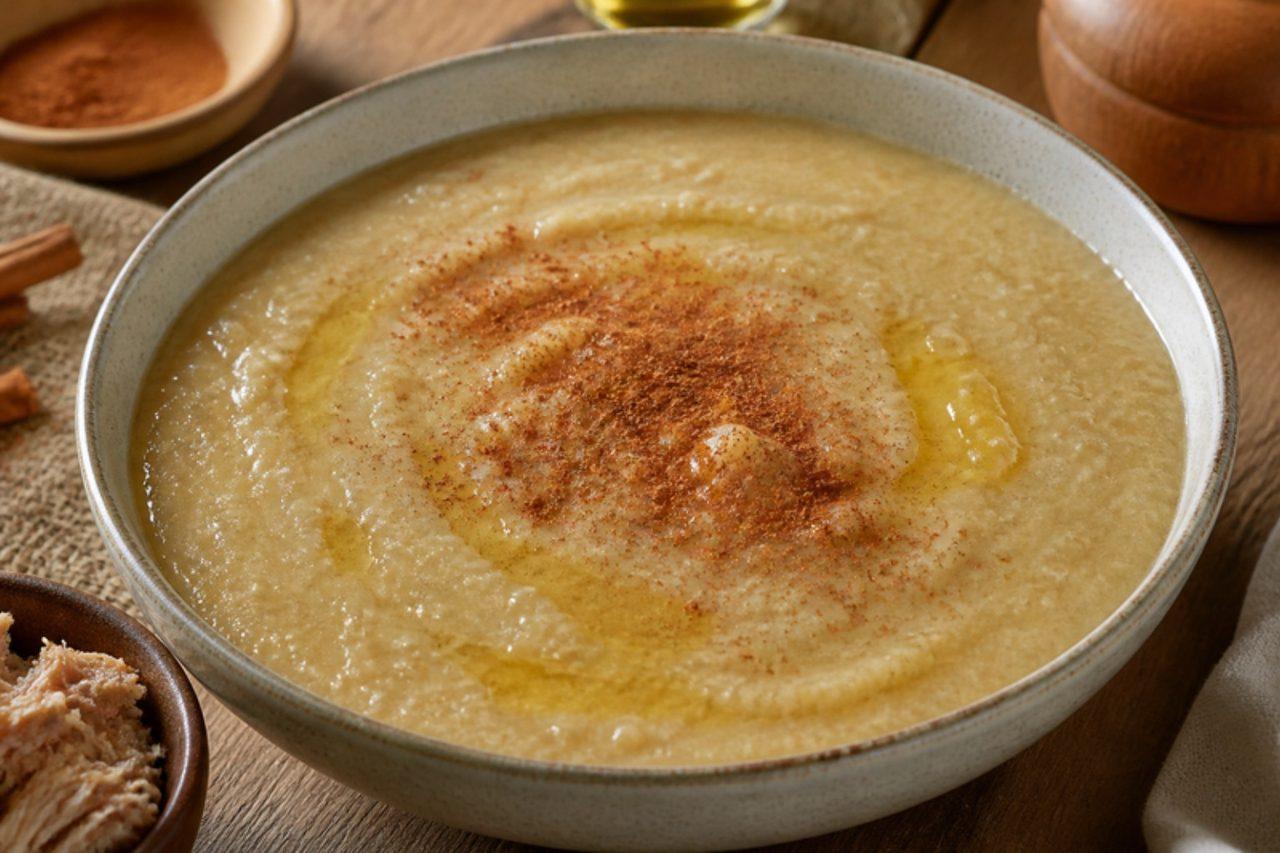
Harees is one of the oldest dishes of the Arabian Gulf, made in the UAE, Oman and Saudi Arabia for Ramadan iftar, Eid and weddings, when big pots are stirred for hours and shared with neighbours. Whole wheat and chicken cook slowly together until the grain bursts and the meat falls apart, then everything is beaten to a smooth, sticky porridge and finished with ghee and a little cinnamon. It is soft, mild and very comforting. Chef's tip: beat it hard with a wooden spoon (or briefly with a stick blender) at the end; that is what gives harees its elastic texture.

by KrazyBadal 0 views

Goes well with whole wheat berries