Skip to content

Recipes with wet-milled short-grain rice flour

7 recipes that use wet-milled short-grain rice flour, with photos, step-by-step instructions and cook times. The quickest, Garaetteok, takes 45 minutes. It is most often cooked with sesame oil, mugwort powder and caster sugar.

Got a few things in the fridge? Search by everything you have

SongpyeonStuffed rice cakes

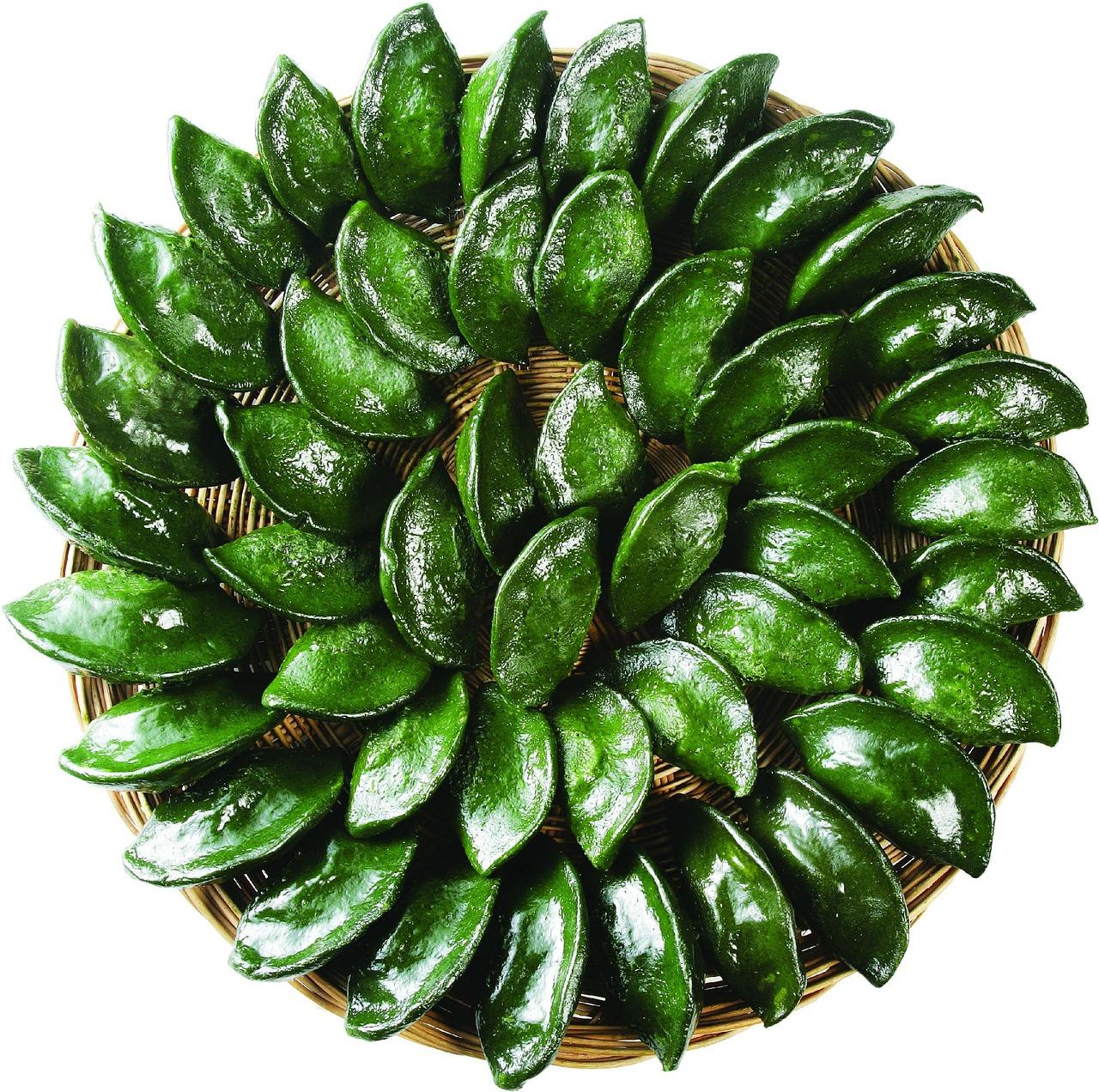
On the eve of Chuseok, the harvest moon festival, families all over Korea sit around one table pinching songpyeon, and the old saying goes that whoever shapes the prettiest ones will have pretty children. The chewy rice-flour shells are filled with crunchy toasted sesame and sugar that melts into a syrup as they steam, and the batch is laid on fresh pine needles so the cakes pick up a faint forest scent. They go to the ancestral table first, then out to everyone with a cup of tea. The common mistake is a dough that is too dry: it cracks while you shape it and splits in the steamer, so it should feel as soft as an earlobe. Rice cakes are dense and sticky, so cut them small for young children and older people and make sure they eat sitting down: they are a known choking risk. Chef's tip: brush the steamed cakes with sesame oil while they are still hot; it stops them sticking together and gives that glossy finish you see at the market.

by KrazyBadal 0 views

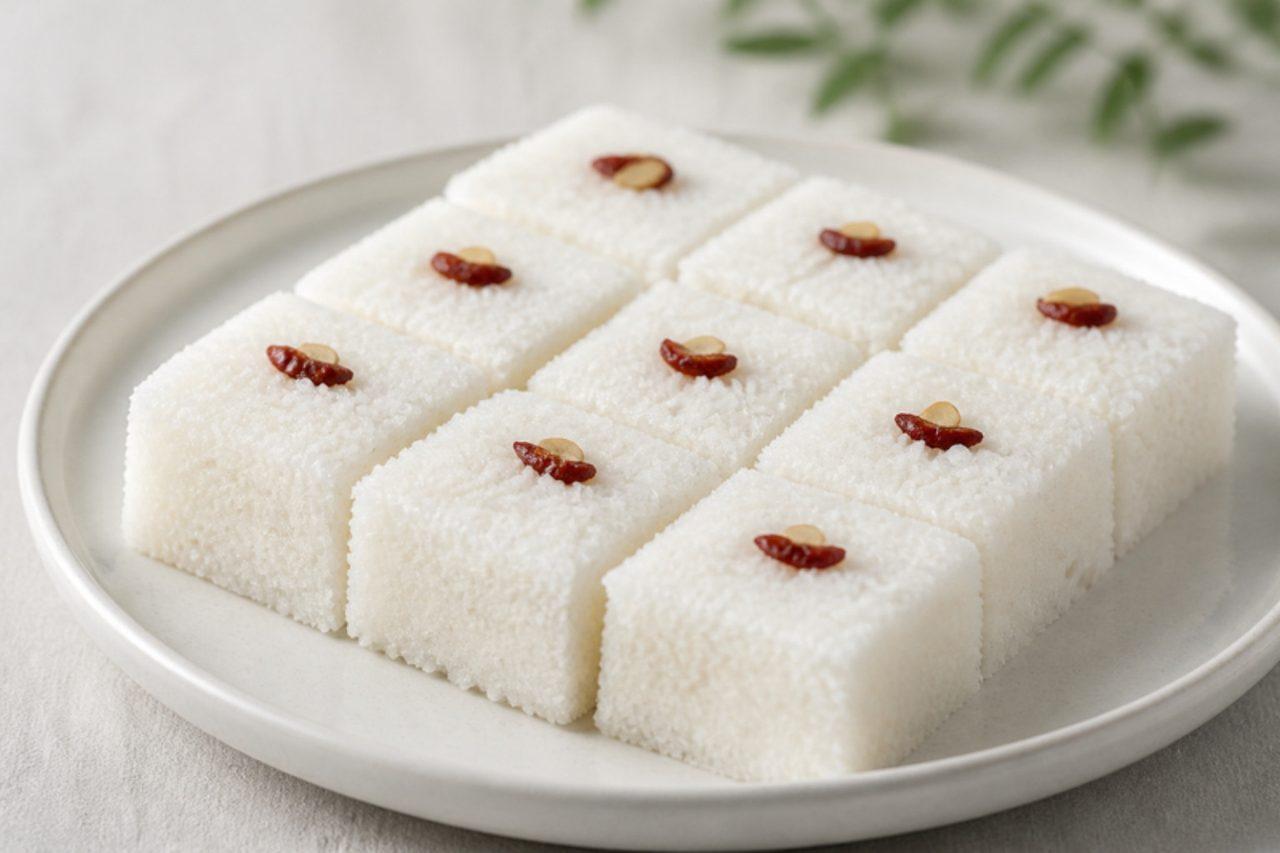
BaekseolgiWhite steamed rice cake

Baekseolgi, 'white snow cake', is the plain steamed rice cake that Korean families share out on a baby's baek-il, the 100th day, and at the doljanchi first-birthday party, where its pure white colour stands for a clean, long life. Custom says it should go to a hundred neighbours. It has a fine, crumbly-soft, cake-like texture and a mild, milky rice sweetness, best eaten the day it is made with a cup of barley tea. The usual mistake is skipping the sieving: unsieved flour steams into a heavy, patchy cake, so push it through twice. Rice cakes are chewy and sticky, a known choking risk: cut them into small pieces for young children and older people and eat them sitting down. Chef's tip: score the raw cake into portions before steaming; it cooks more evenly and you can lift pieces out cleanly.

by KrazyBadal 0 views

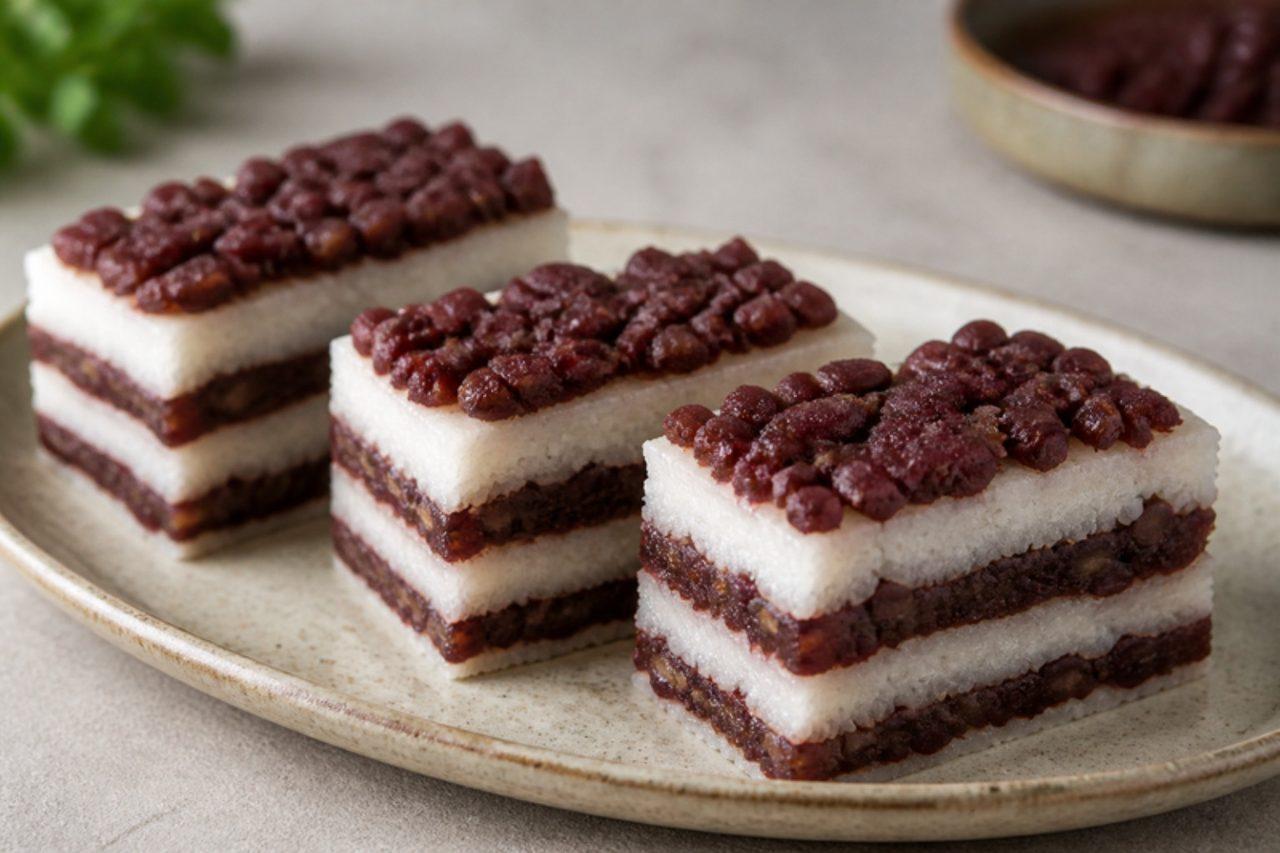
SirutteokRed bean steamed rice cake

Sirutteok, named after the earthenware siru steamer, is the rice cake Koreans make to bless a new home, open a shop or mark the autumn harvest at a village gosa ceremony; the red adzuki beans were believed to chase away bad luck, and a slice is often left at the door. Layers of fluffy rice flour are steamed between layers of coarse, salted red bean crumble, so every bite is soft, a little sweet and earthy. The common mistake is mashing the beans to paste: the crumble should stay dry and grainy or the layers turn soggy. Rice cakes are chewy and sticky, a known choking risk: cut them into small pieces for young children and older people and eat them sitting down. Chef's tip: cook the beans until just tender, drain them, then dry them out in the pan over a low heat until the crumble falls apart.

by KrazyBadal 0 views

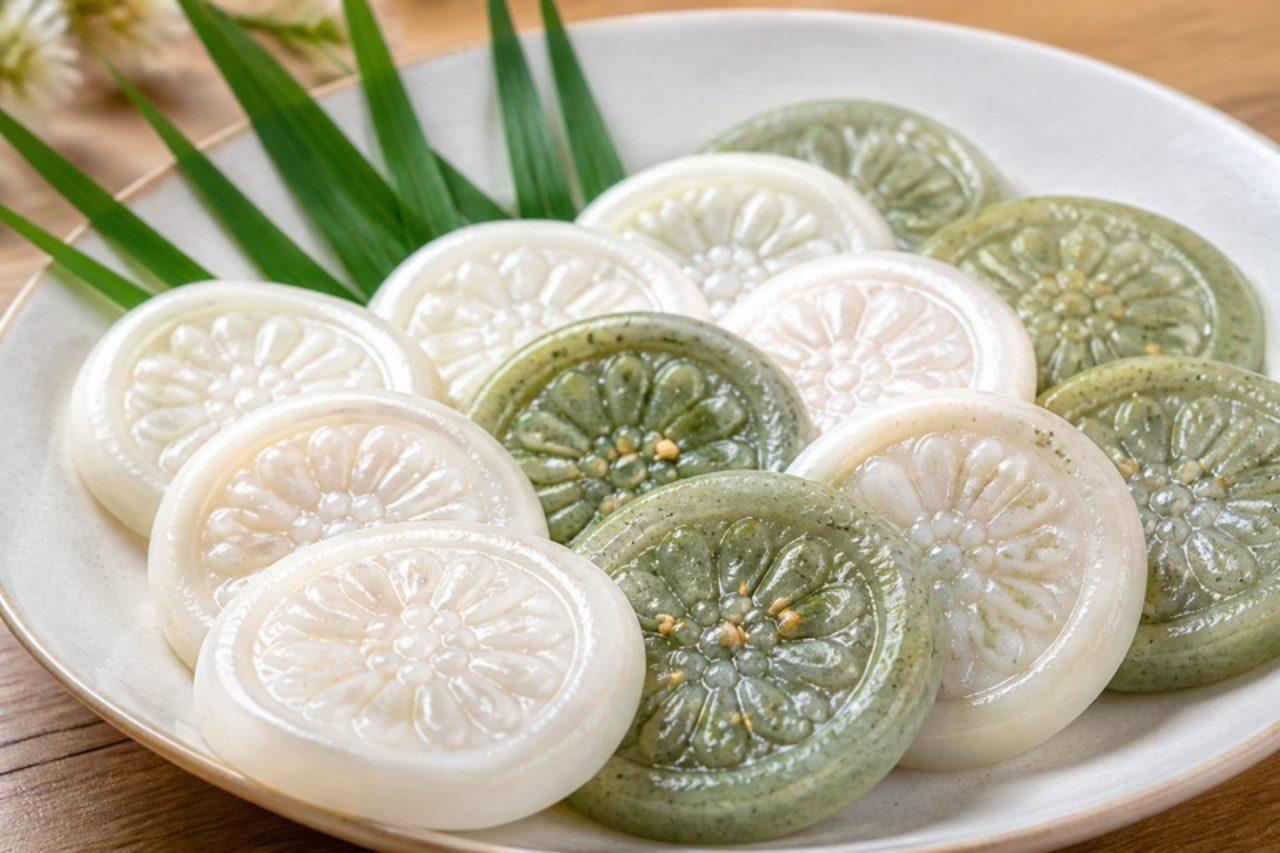
JeolpyeonStamped rice cakes

Jeolpyeon are the patterned rice cakes Korean tteok shops press with carved wooden stamps called tteoksal, so each piece carries a flower or a wish for long life; they appear at weddings, 60th birthdays and Dano, the early-summer festival, when they were made green with mugwort or Korean ox-eye daisy. The cakes are plain and only lightly salted, firm yet chewy, and glossy with sesame oil. The common mistake is pounding too little: the dough must be kneaded until completely smooth, or the stamp won't leave a clean pattern and the cakes crack. Rice cakes are chewy and sticky, a known choking risk: cut them into small pieces for young children and older people and eat them sitting down. Chef's tip: no stamp? Press the base of a decorative glass or a clean biscuit mould into each piece.

by KrazyBadal 0 views

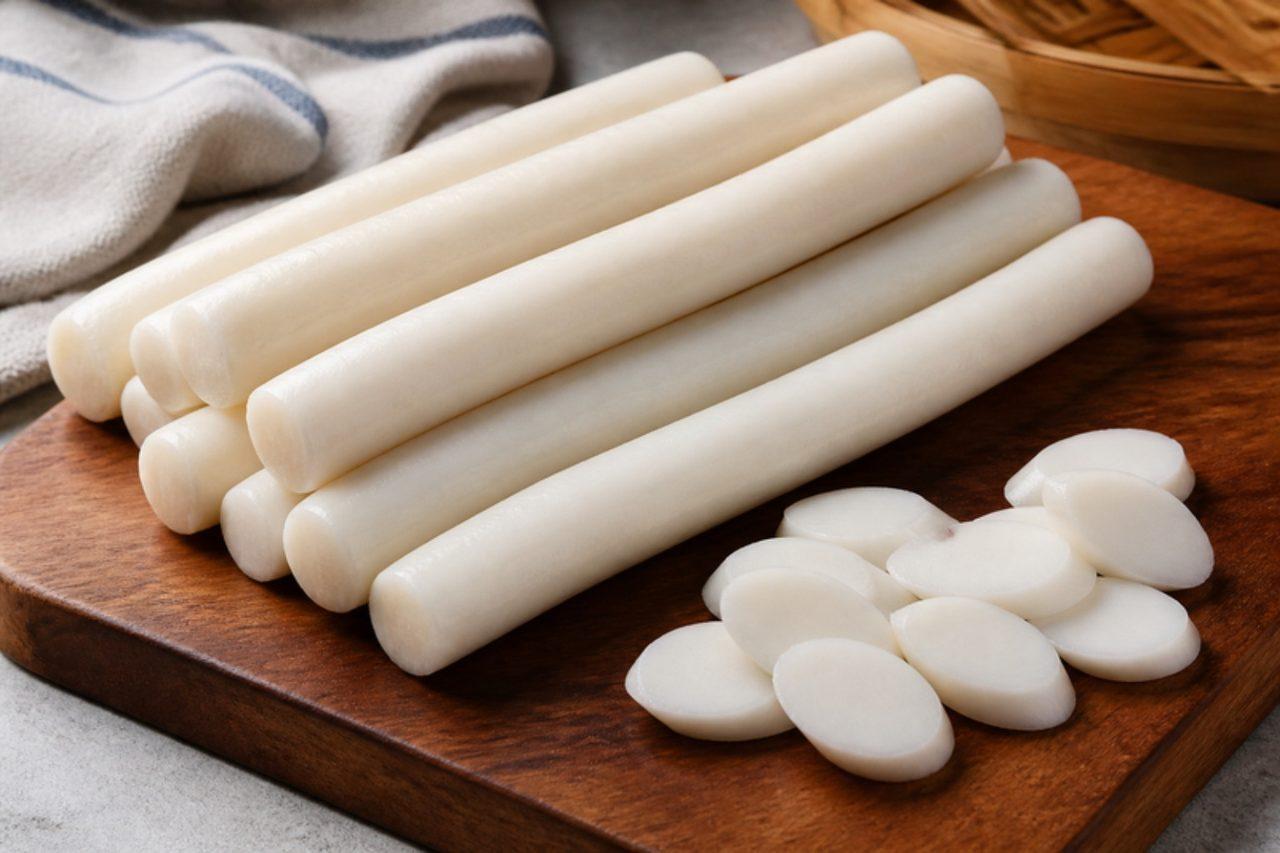
GaraetteokLong cylinder rice cakes

Garaetteok are the long white rice-cake logs that Korean mills churn out before Seollal, when families queue with their own rice to have them pressed and then slice them into ovals for tteokguk, the New Year soup. The length is meant to wish for a long life. Freshly made, they are soft and chewy and eaten warm, dipped in honey or toasted over a grill; once they firm up they are sliced for soup or cut into sticks for tteokbokki. Making them at home is simple, though the logs come out a little less glossy than machine-pressed ones. The usual mistake is rolling the dough when it has cooled: it must be hot to stay smooth. Rice cakes are chewy and sticky, a known choking risk: cut them into small pieces for young children and older people and eat them sitting down. Chef's tip: leave the logs to firm overnight before slicing on the diagonal; they cut cleanly instead of squashing.

by KrazyBadal 0 views

Mujigae tteokRainbow rice cake

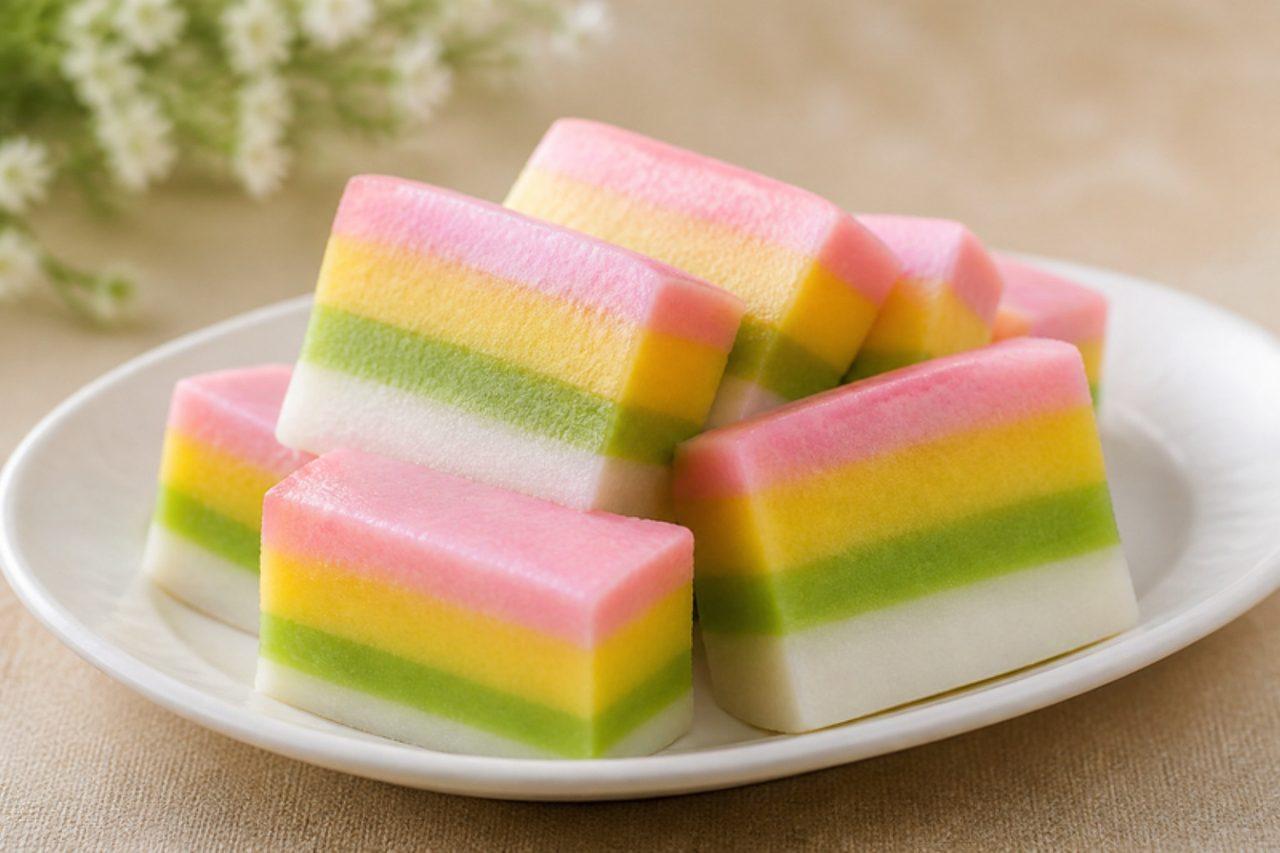
Mujigae tteok is the rice cake of children's birthdays and school picnics in Korea, with soft stripes of pink, yellow, green and white that stand for harmony and happiness; it is also a fixture on the doljanchi first-birthday table. Each layer is the same lightly sweet, fluffy steamed rice flour, coloured naturally. The common mistake is packing the layers down: press too hard and the cake turns dense and the colours bleed, so spread each layer and just level it with a scraper. Rice cakes are chewy and sticky, a known choking risk: cut them into small pieces for young children and older people and eat them sitting down. Chef's tip: colour each portion of flour before sieving it, so the colour is even with no streaks.

by KrazyBadal 0 views

KkultteokHoney-filled rice cakes

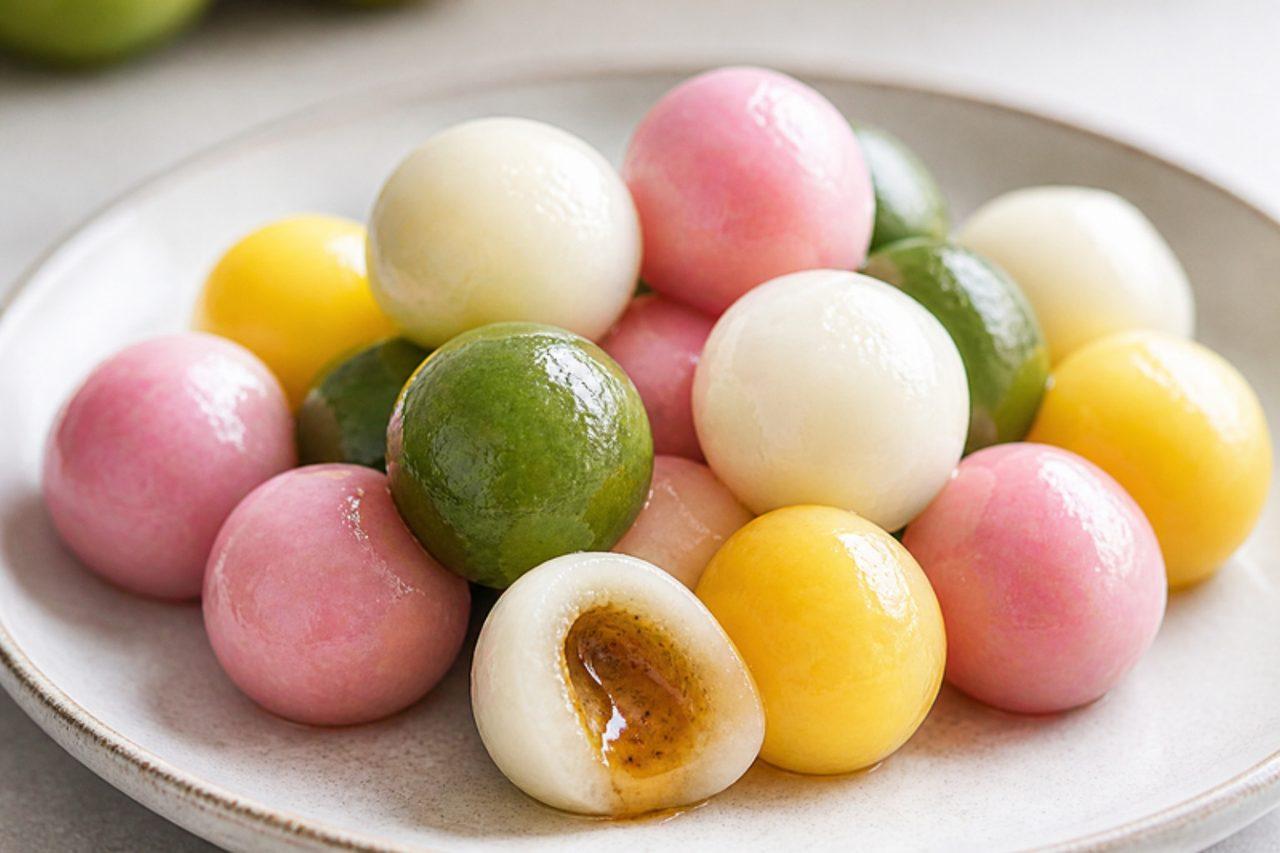
Kkultteok, 'honey rice cake', are the bite-sized coloured balls lined up in the windows of Korean tteok shops and on every Chuseok and birthday tray; bite one and a sweet, runny syrup of brown sugar and sesame bursts out. Despite the name, the filling is usually sugar, which melts into a honey-like syrup as the dumplings cook. The cakes are boiled, cooled in water and glossed with sesame oil. The common mistake is using too much filling or a thin dough, so the balls burst in the pot; keep the wall about 5 mm thick and seal well. Rice cakes are chewy and sticky, a known choking risk: cut them into small pieces for young children and older people and eat them sitting down. The filling is very hot straight from the pot, so let them cool before giving them to children. Chef's tip: let the boiled balls sit 1 minute in ice water; the shell firms up and the syrup inside turns fully liquid.

by KrazyBadal 0 views

Goes well with wet-milled short-grain rice flour