Skip to content

Recipes with thick plum butter

4 recipes that use thick plum butter, with photos, step-by-step instructions and cook times. The quickest, Rohalyky, takes 75 minutes. It is most often cooked with icing sugar, caster sugar and milk.

Run out of thick plum butter? The same weight of ghee or coconut oil.

Got a few things in the fridge? Search by everything you have

Rohalyky

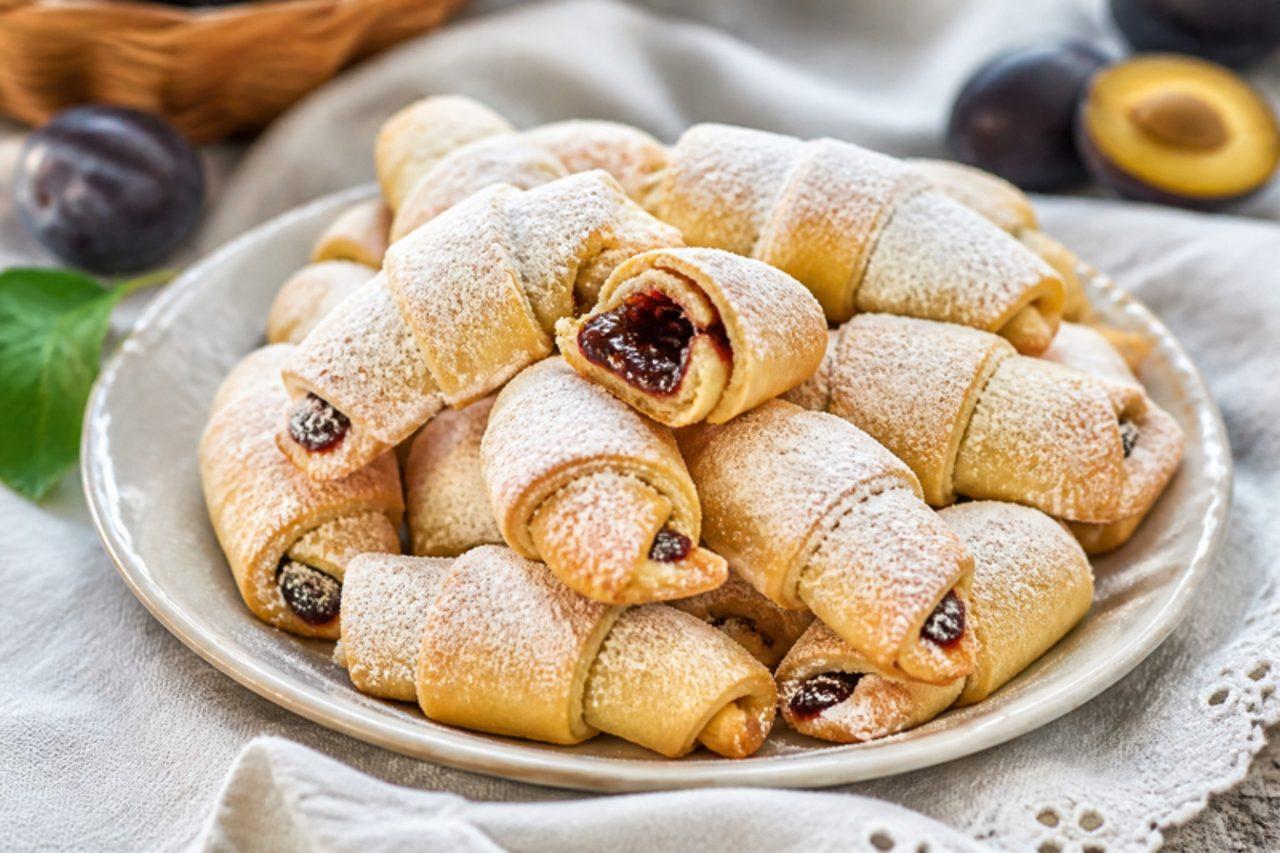
Around Christmas and Easter, tins of rohalyky pile up on the sideboards of Ivano-Frankivsk and Ternopil: little horns of tender dough wrapped around thick plum butter or sugared walnuts, then buried in icing sugar. The dough is made with sour cream and lots of butter, so it bakes flaky and light rather than crunchy, and the filling stays sticky inside. They keep for a week in a tin and are offered to every guest with tea or coffee. Where most people go wrong is using runny jam, which bubbles out and burns on the tray; you need very thick povydlo-style plum butter or a jam that holds its shape on a spoon. Chef's tip: keep half the dough in the fridge while you roll the other half; warm dough tears and the crescents lose their neat layers.

by KrazyBadal 0 views

Flódni

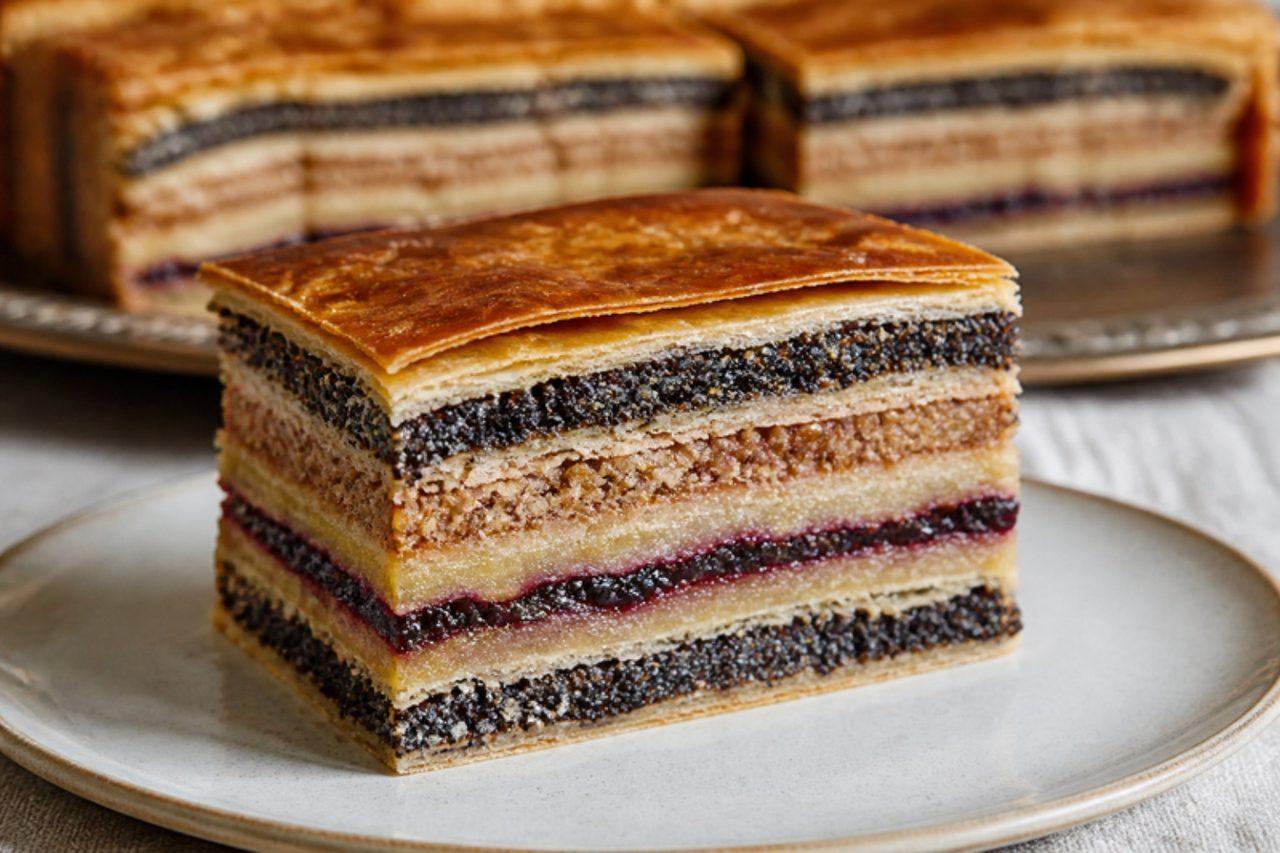
Four stripes of filling, black poppy seed, golden apple, nutty walnut and dark plum jam, stacked between thin sheets of shortcrust: that is flódni, the Hungarian-Jewish pastry of Budapest's old Jewish quarter around Kazinczy and Dob streets. Jewish families bake it for Purim and Hanukkah, and the bakeries of the seventh district sell it by the slab all year. Each cut slice should be moist, dense and not too sweet, best with a glass of tea or black coffee. Many families make the dough with a little sweet white wine and use margarine so it can follow a meat meal; this version keeps it alcohol-free with grape juice, and you can swap the butter for a firm baking margarine to make it dairy-free. The usual slip is rolling the sheets too thick, so the pastry swamps the fillings; each one should be barely 3 mm. Chef's tip: bake it a day ahead and slice it cold with a hot, wet knife, because the layers settle overnight and cut cleanly.

by KrazyBadal 0 views

Lekváros bukta

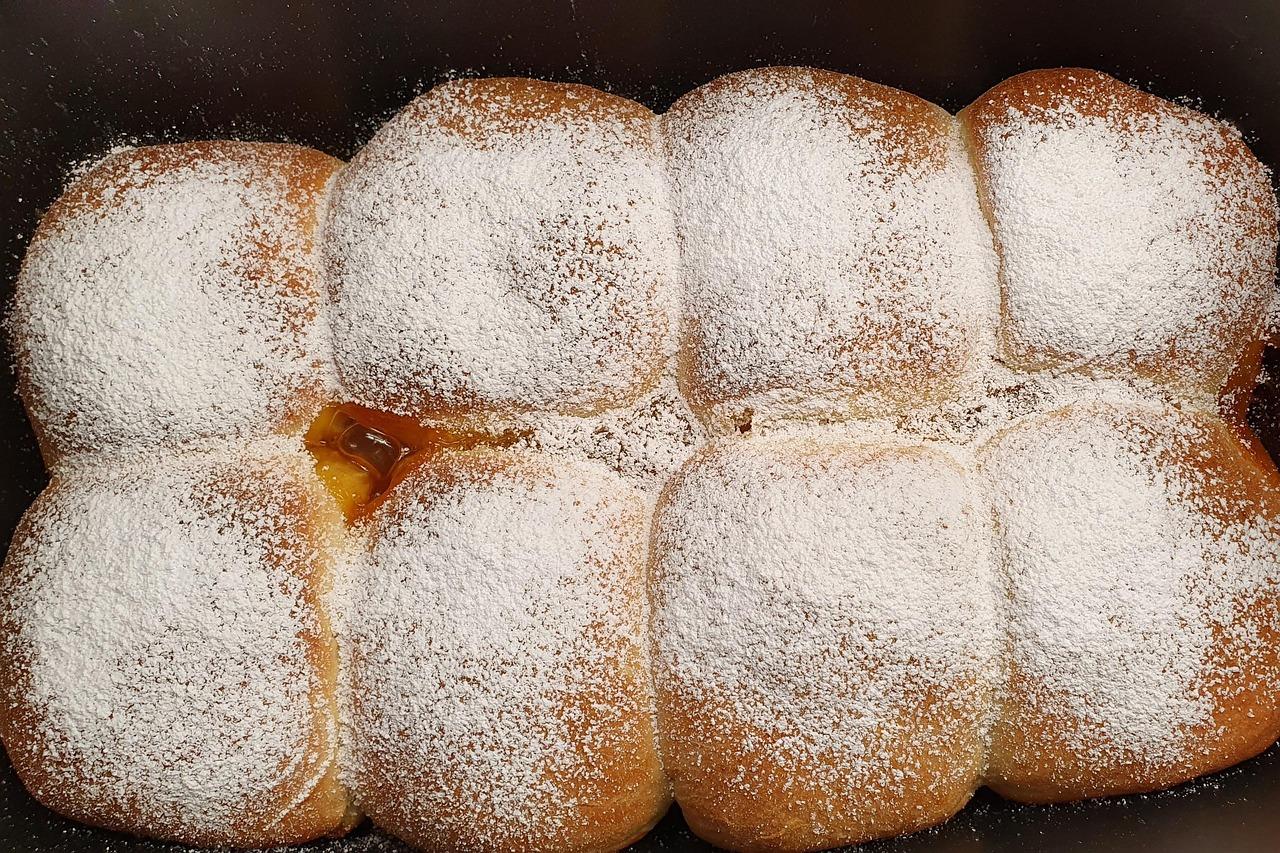
Grandmothers across Hungary bake a tray of bukta on a Sunday afternoon, and school bakeries sell them for the walk home: soft, milky yeast buns, each folded around a spoon of thick plum butter and baked so close together that they rise into one another. Pulled apart, the sides stay tender and pale while the tops shine golden, and the dark, tart plum filling balances the sweet dough. Serve them warm with a glass of cold milk or cocoa. The usual slip is using runny jam, which bubbles out and burns on the tray; it must be a thick lekvár that holds its shape on a spoon. Chef's tip: brush each bun with melted butter before it goes into the tin, so the buns rise together but still pull apart neatly.

by KrazyBadal 0 views

Cornulețe

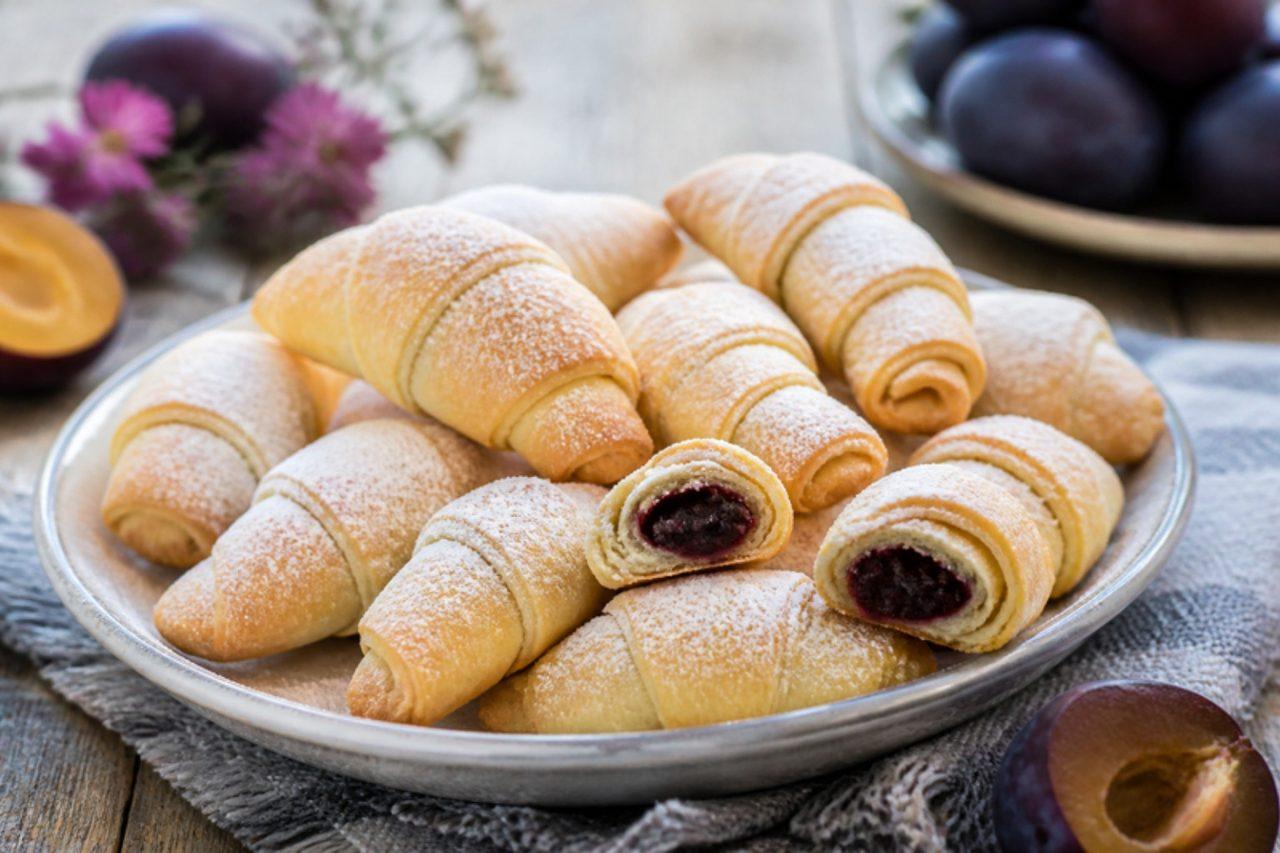
Cornulețe are the little crescent cookies that fill tins in Romanian kitchens before Christmas and New Year, and that grandmothers in Sibiu and Timișoara bake by the hundred for weddings and name days. This version uses a tender yeasted dough made with butter and yogurt, wrapped around a spoonful of thick plum jam (magiun) or rose rahat and rolled into horns. They bake pale and soft, not flaky, and are rolled in vanilla sugar while warm (the recipe makes 32, two per serving), which sets them apart from the cream-cheese rugelach of Jewish baking. Chef's tip: use thick jam and pinch the ends shut; runny jam is the usual mistake and bubbles out and burns on the tray.

by KrazyBadal 0 views

Goes well with thick plum butter