Skip to content

Recipes with whole spices

9 recipes that use whole spices, with photos, step-by-step instructions and cook times. The quickest, Ayam masak merah, takes 50 minutes. It is most often cooked with onion, coriander and garlic.

Got a few things in the fridge? Search by everything you have

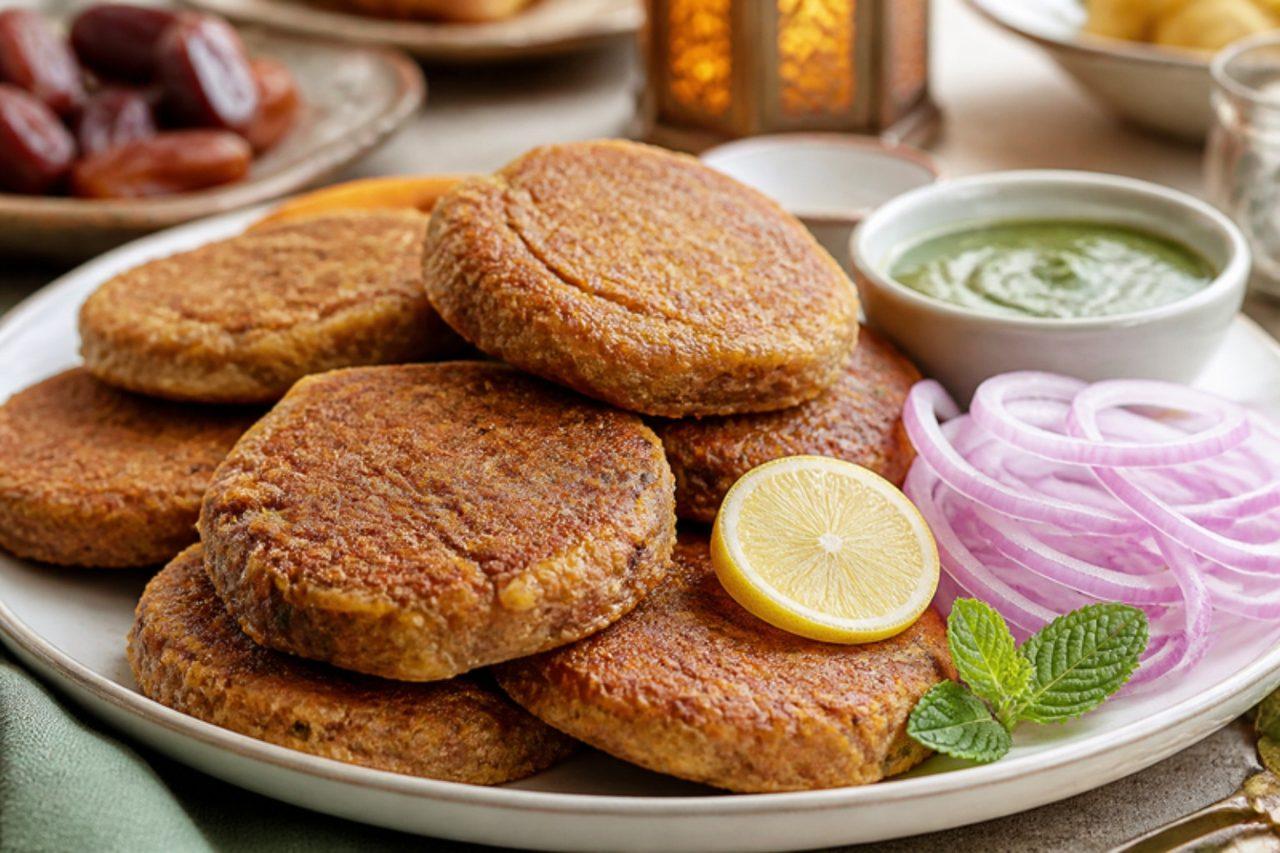
Shami kebab

Freezers across Pakistan fill up with shami kebabs in the week before Ramadan, because these soft patties of boiled beef and chana dal, ground with whole spices and fresh herbs, are the backbone of iftar: fried from frozen in minutes as the sunset call to prayer approaches, and eaten with tamarind or mint chutney, onion rings and a sip of Rooh Afza. They appear again at Eid tables and in school lunch boxes all year, sandwiched in a bun as a "bun kebab". The texture should be smooth, with flecks of herbs and a crisp egg coating. A soggy mix that falls apart in the pan is the usual headache, caused by leaving water in the pot; cook the meat and dal until bone dry before grinding. Chef's tip: for a vegetarian version, replace the beef with boiled potato and double the chana dal; shape and fry the same way.

by KrazyBadal 0 views

Aab gosht

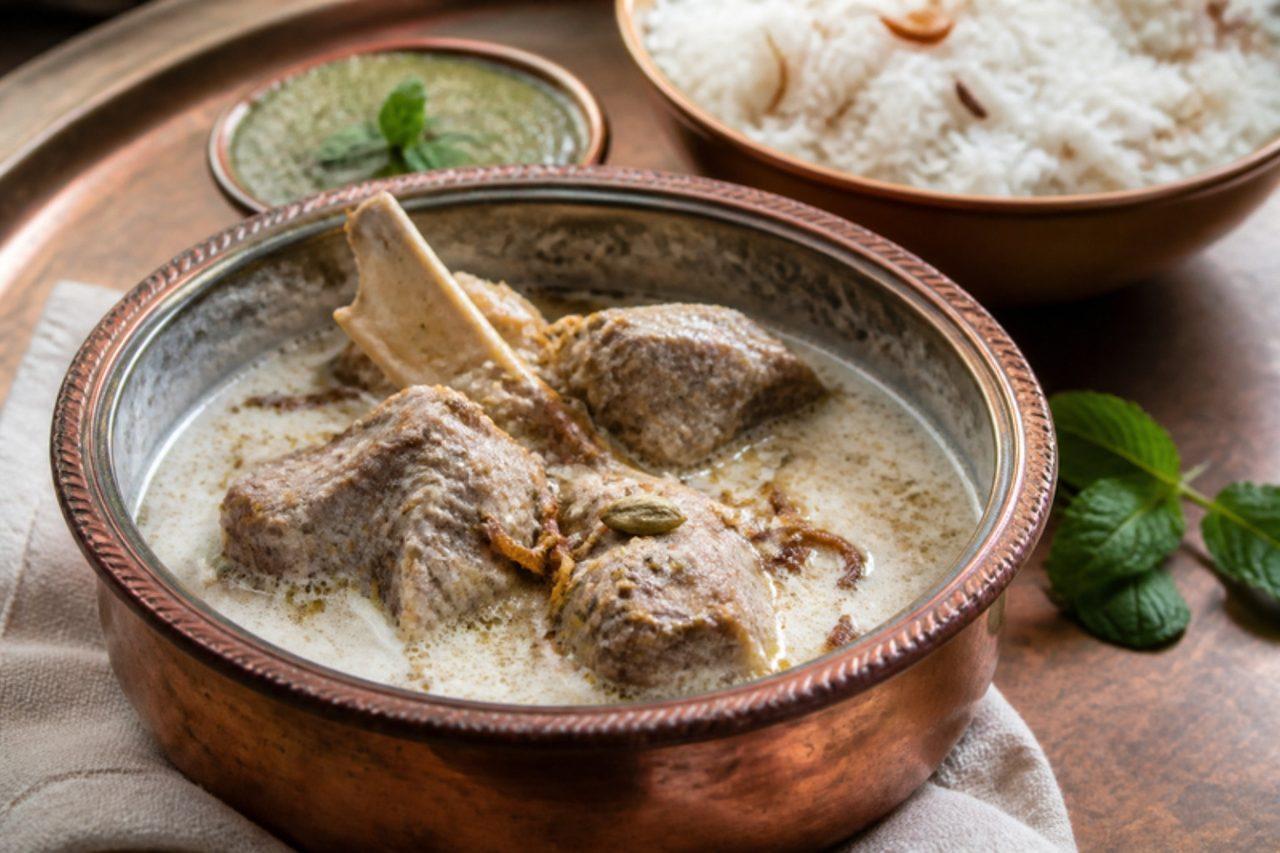
Pale, gentle and fragrant with green cardamom, aab gosht is the Kashmiri kitchen's answer to anyone who thinks the cuisine is all chilli. Mutton on the bone is first boiled with whole spices, then finished in reduced milk with fennel and dry ginger until the sauce turns ivory and thick, almost like a savoury kheer. It is a wazwan dish and a family favourite for Sunday lunch among Kashmiri households in Muzaffarabad and Lahore, eaten over plain rice with a sharp green chutney on the side for contrast. Boiling the milk hard is what ruins it, since it catches on the base and leaves a scorched taste through the whole pot. Chef's tip: reduce the milk in a separate wide pan while the meat cooks, then combine them; it thickens faster and is far less likely to burn.

by KrazyBadal 0 views

Yakhni pulao

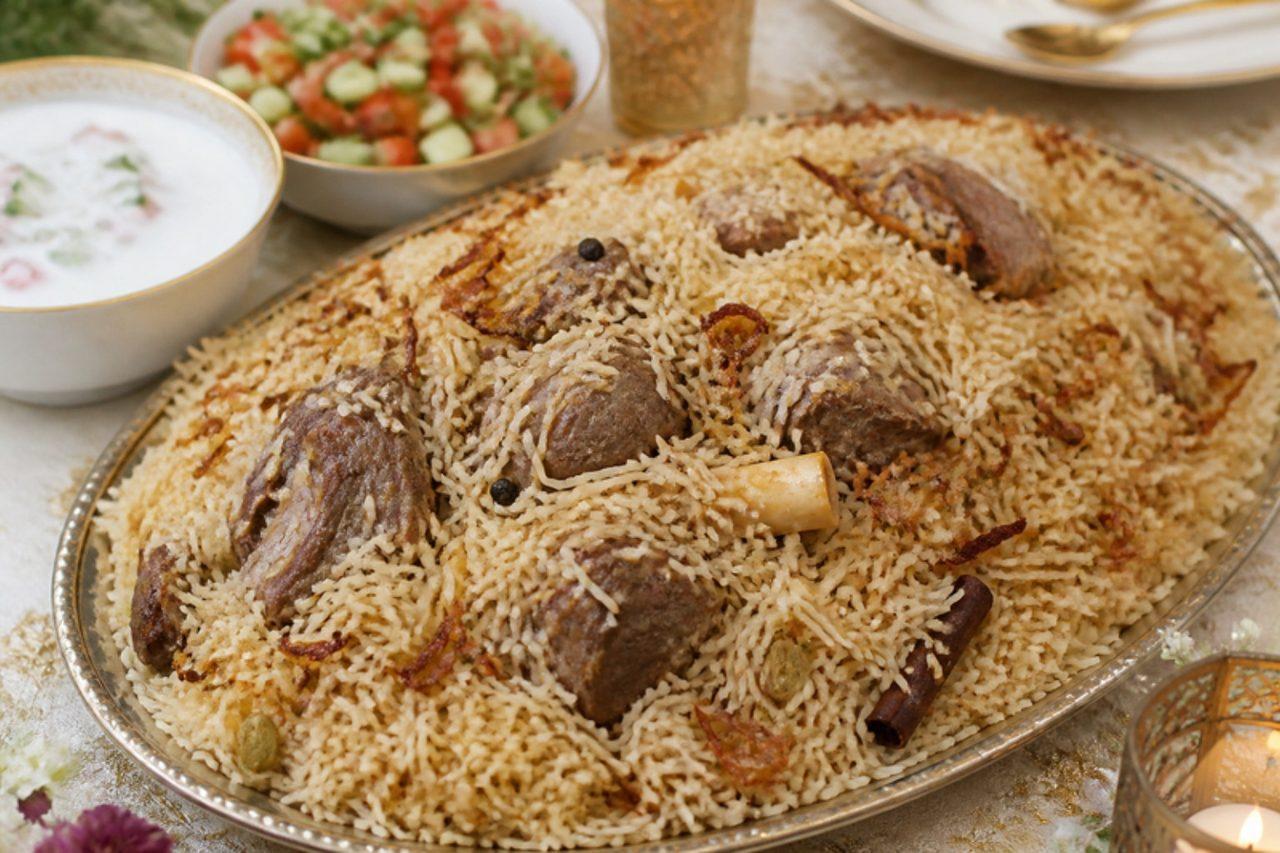
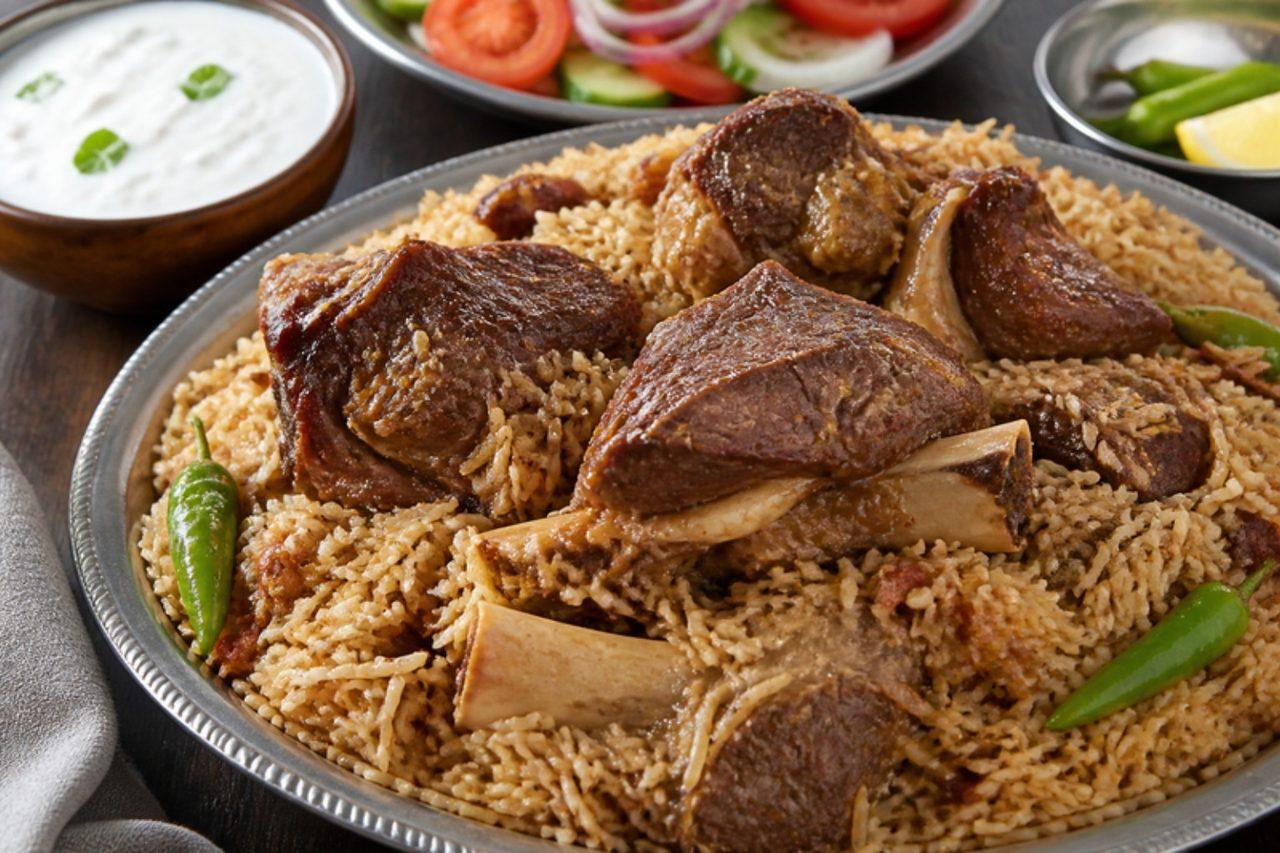
Where biryani shouts, yakhni pulao murmurs: basmati rice cooked in a clear, aromatic mutton stock (the yakhni) with fennel, coriander seed, garlic and whole spices, so every grain is light brown, separate and scented, with tender pieces of meat folded through. Many Pakistani families, especially in Peshawar, Rawalpindi and Karachi's older neighbourhoods, prefer it to biryani for Eid lunch and wedding dinners, and it comes with raita, kachumber salad and sometimes a shami kebab on the side. Its depth comes only from the stock, so that part cannot be rushed. Getting the liquid ratio wrong is what spoils it most often; measure the strained stock exactly rather than pouring it in by eye. Chef's tip: tie the fennel and coriander seeds in a muslin bag for the stock, so you can lift them out and keep the rice clean.

by KrazyBadal 0 views

Shab deg

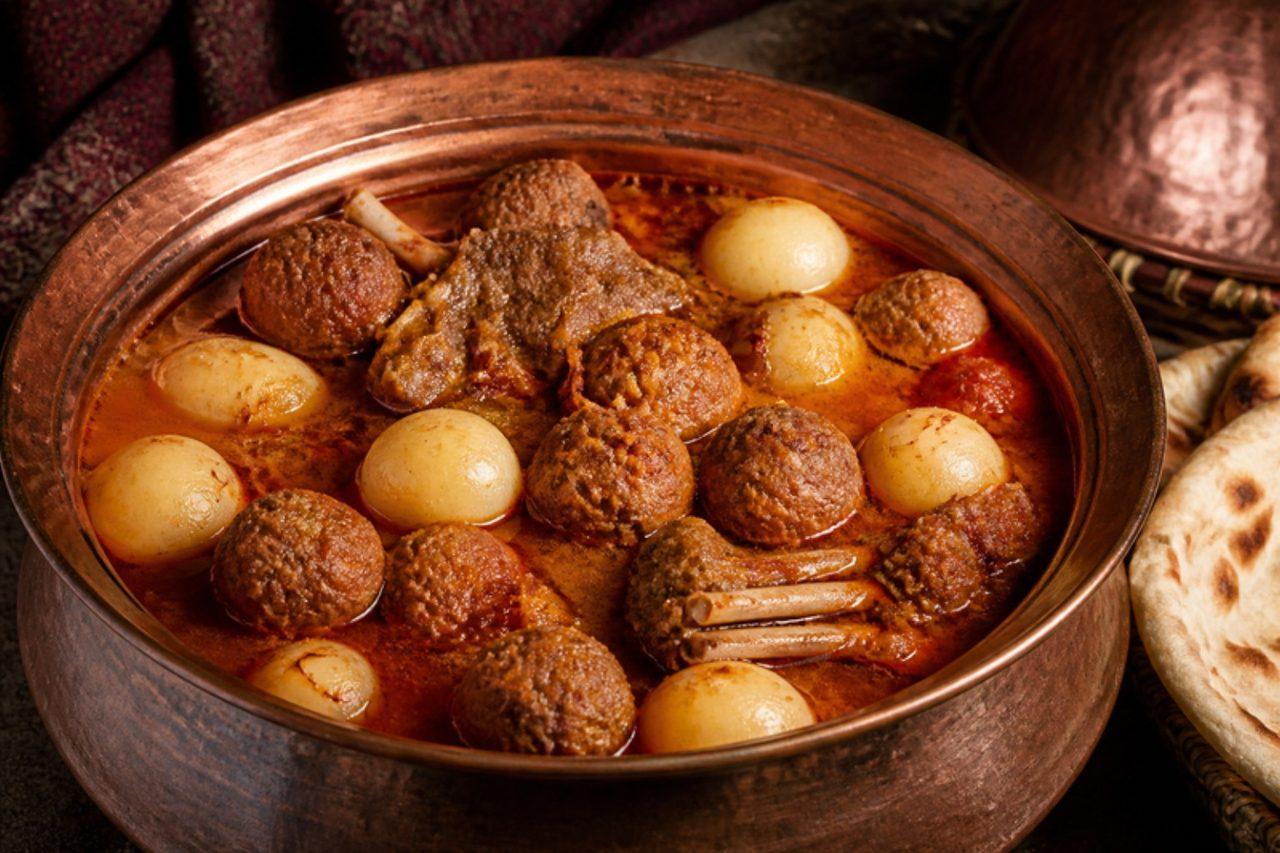
Shab deg is the "night pot": in old Lahore and in Kashmiri families the deg really was set on dying embers after the evening meal and opened at dawn, by which time whole turnips had soaked up the mutton juices and turned almost sweet. It is a winter dish made when turnips are at their best, usually for a wedding breakfast or a cold Sunday, and it arrives as tender meat on the bone, soft meatballs and golden turnips in a thick saffron-scented gravy, eaten with naan or sheermal. A low oven gives the same slow, even heat without anyone staying up. Many cooks drop the meatballs in raw and stir hard, and they fall apart; fry them first and slide them in without stirring. Chef's tip: prick the turnips all over and rub them with a little salt and sugar before frying, which draws out their bitterness and helps them colour.

by KrazyBadal 0 views

Memoni akhni

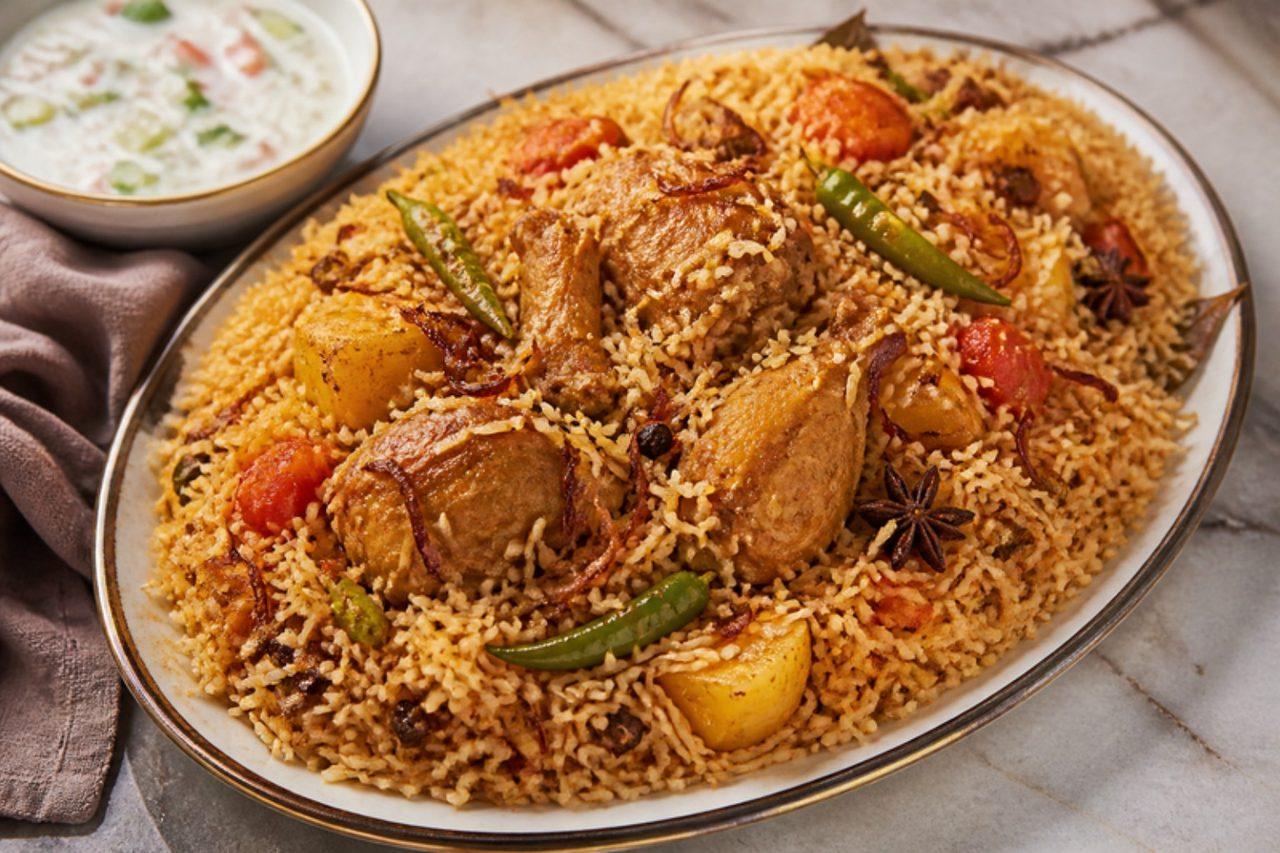
Ask a Memon family in Karachi's Kharadar or Mithadar what they cook for a Sunday crowd and akhni comes up before biryani. It is a one-pot rice of chicken, whole spices, green chillies and potatoes, lighter and less layered than biryani, with the rice cooked straight in the spiced gravy so every grain tastes of it, and a final steam under a tight lid. The colour is pale gold, not red, and the heat comes from fresh chilli and black pepper. It is served with a tangy raita, kachumber salad and sometimes a Memon-style sweet chutney. The usual problem is mushy rice, from using too much water or stirring after it goes in; measure carefully and leave it alone. Chef's tip: fry the potatoes in the oil before anything else so they hold their shape through the steaming and pick up a golden edge.

by KrazyBadal 0 views

Bannu pulao

Bannu, a town in southern Khyber Pakhtunkhwa, has given its name to one of Pakistan's richest rice dishes, now sold by pulao houses across Peshawar, Islamabad and Karachi with the town's name painted proudly over the door. Its secret is the stock: beef and marrow bones simmered for hours until the liquid turns cloudy and gelatinous, then used to cook long-grain rice so every grain is glossy with beef fat. The rice is served piled up with fist-sized pieces of boiled beef on top, alongside raita and a fresh chilli-tomato salad, at weddings and Friday lunches. Watery rice is the common failure, because the stock is not reduced enough; it must be concentrated, almost like gravy. Chef's tip: let the stock cool and lift off some of the fat, then fry the onions in that fat, so nothing is wasted and the rice tastes of beef throughout.

by KrazyBadal 0 views

Khaddi kebab

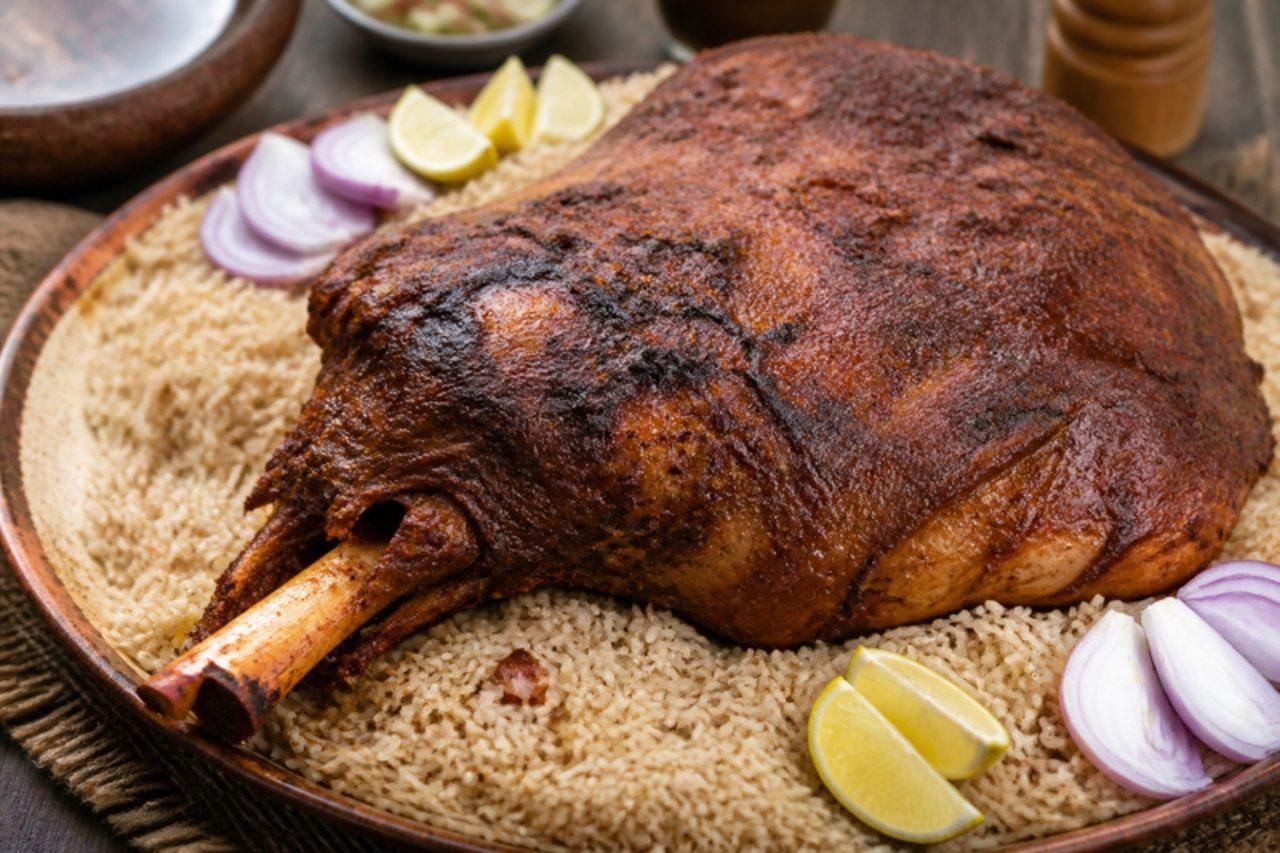
A khaddi, in Baloch country, is a pit dug in the ground and lined with hot stones; a whole goat or lamb, rubbed with salt and spices and stuffed with rice, is lowered in, covered with earth and left for hours, then dug out for weddings and tribal feasts. Few home cooks have a pit, so this version roasts a bone-in lamb shoulder low and slow under foil, then sets it on a tray of part-cooked rice so the rice drinks the dripping juices, the same marriage of meat and rice the pit gives. The meat should pull apart with a spoon and the rice taste deeply of lamb. Stuffing raw rice inside a big joint is where cooks go wrong at home: the centre stays underdone and is not safe, so cook the rice under the meat instead. Chef's tip: roast the lamb the day before, chill it in its juices and lift off the hard fat, then reheat with the rice; it carves more neatly too.

by KrazyBadal 0 views

Sarawak laksa

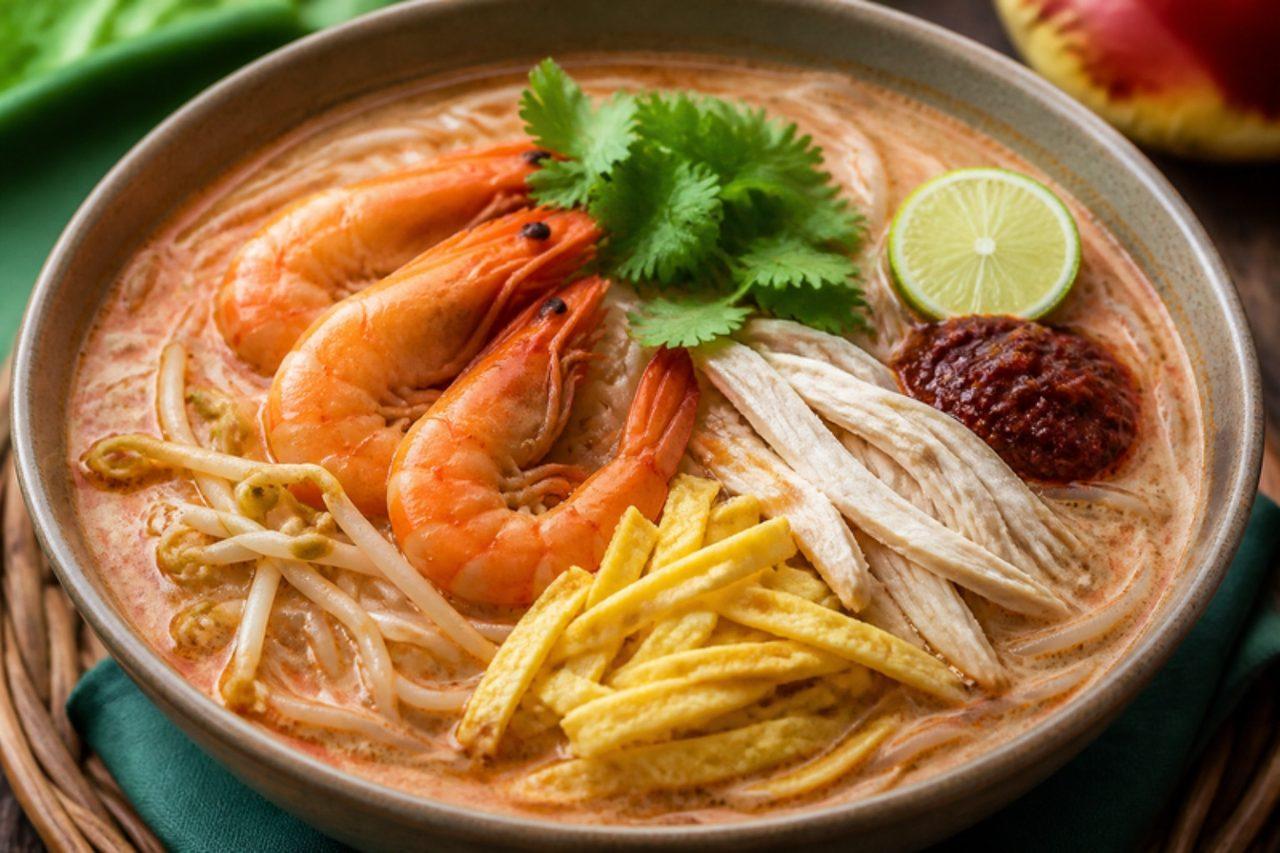
Kuching wakes up to laksa Sarawak, ordered at coffee shops before work and reaching its peak on a lazy Sunday morning. It looks nothing like curry laksa: the broth is a russet, gently creamy soup built on a complex paste of chillies, shallots, galangal, toasted sesame, peanuts and warm whole spices, cooked into a chicken and prawn-shell stock with tamarind and a little coconut milk. Thin rice vermicelli is topped with shredded chicken, whole prawns, ribbons of omelette and bean sprouts, and every bowl comes with lime and a dab of sambal belacan. The work is in the paste, which keeps well and makes several batches. Chef's tip: toast the spices, sesame seeds and peanuts separately in a dry pan before grinding; it gives the broth its deep, roasted aroma.

by KrazyBadal 0 views

Ayam masak merah

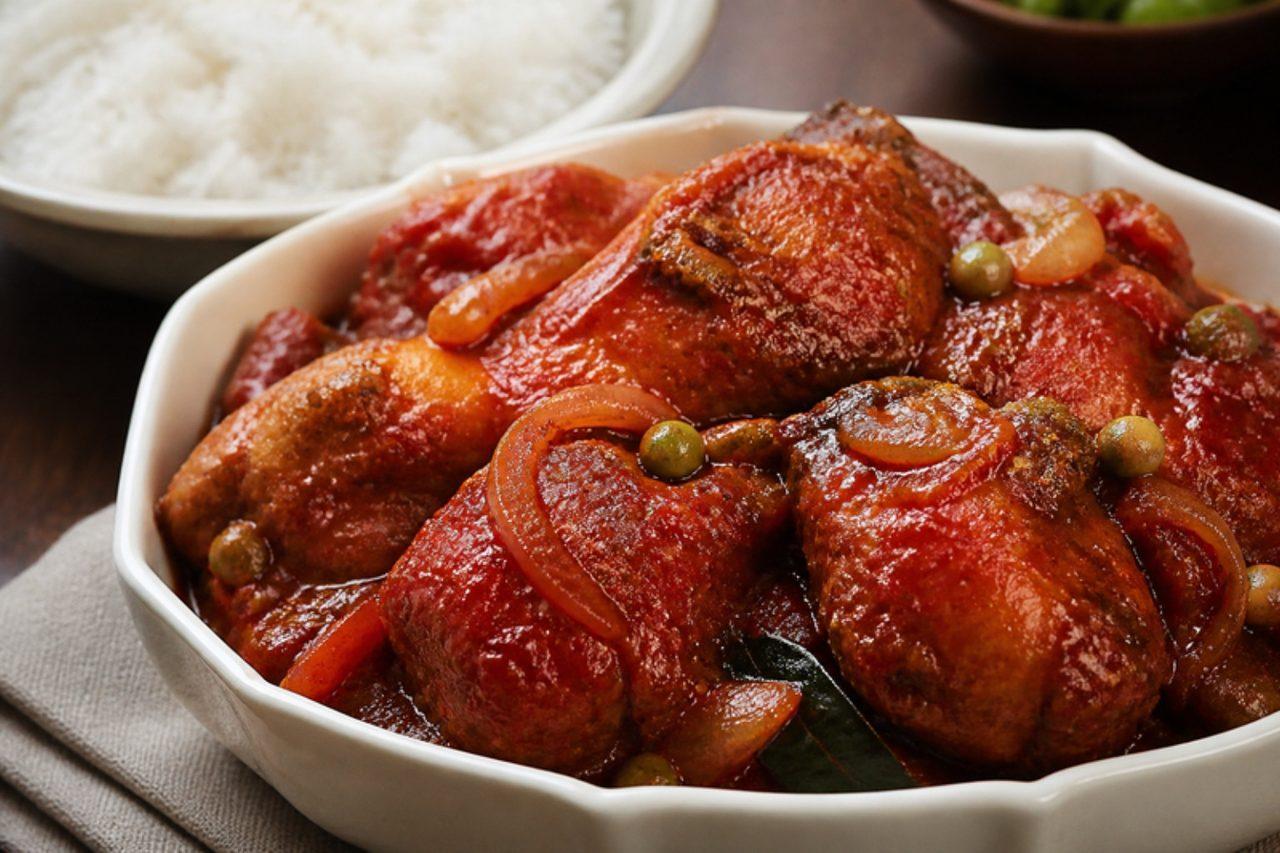
Red-cooked chicken turns up at almost every Malay kenduri (wedding feast) and Hari Raya open house across Malaysia, ladled out of huge pots beside nasi minyak or plain rice. The chicken pieces are fried first so the skin firms up, then simmered in a brick-red sauce of blended dried chillies, tomato and onion that tastes sweet first, then hot, then tangy. Cinnamon, star anise and cloves give it a warm, almost festive smell, and a splash of coconut milk at the end rounds off the edges. Serve it with steamed rice, cucumber slices and a spoon of acar (pickled vegetables). Chef's tip: fry the chilli paste until it darkens and the oil seeps out (pecah minyak) before any tomato goes in; raw paste makes the sauce taste harsh and bitter.

by KrazyBadal 0 views

Goes well with whole spices

Recipes with whole spices: 9 easy ideas · WhatToEat.Today