Skip to content

Recipes with sour pomegranate molasses

3 recipes that use sour pomegranate molasses, with photos, step-by-step instructions and cook times. The quickest, Zeytoon parvardeh, takes 20 minutes. It is most often cooked with garlic, golpar and mint.

Got a few things in the fridge? Search by everything you have

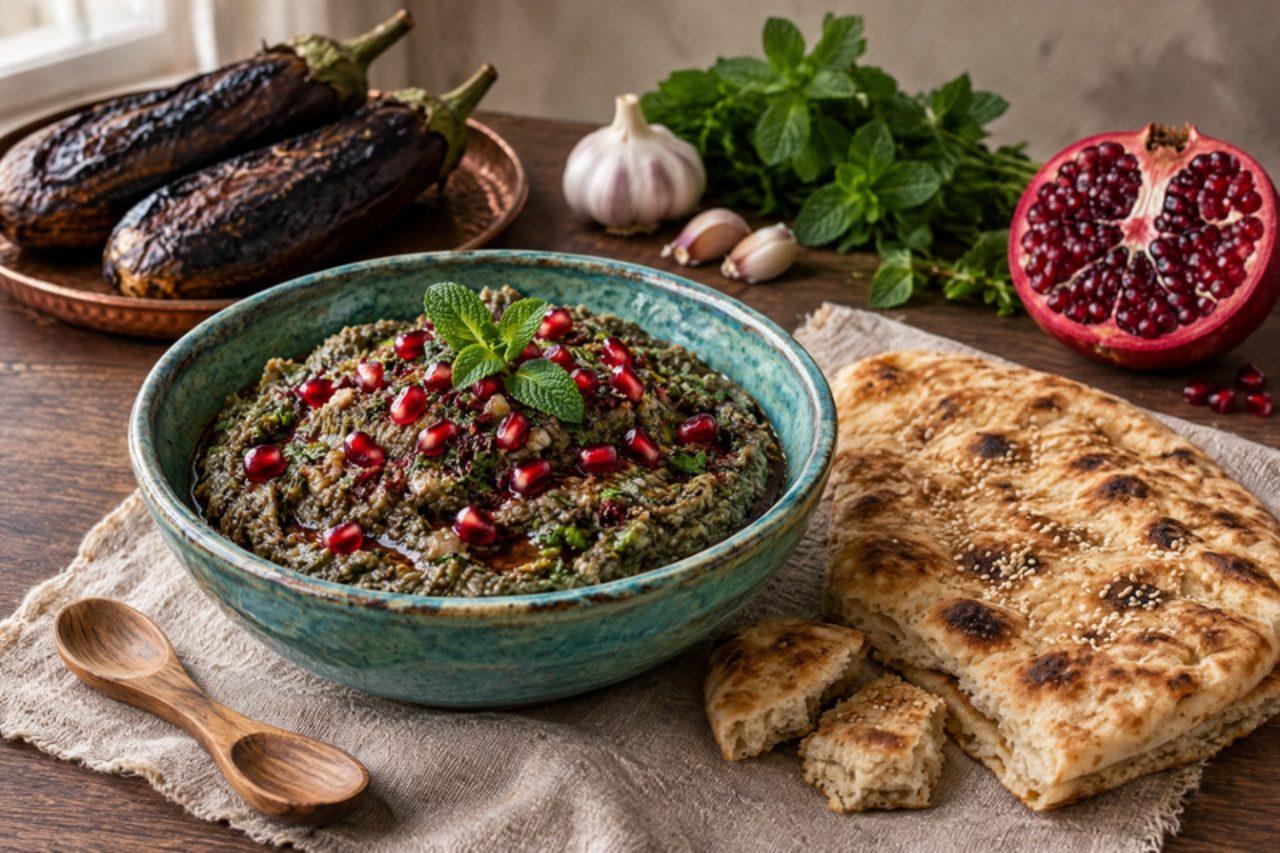
Nazkhatoon

Nazkhatoon comes from Gilan, the green, rainy province on Iran's Caspian coast, where it is eaten in summer as a starter or side with grilled fish, rice and fresh herbs. Charred eggplant is chopped with tomato, garlic and mint, then sharpened with sour pomegranate molasses and verjuice, so it tastes smoky, tart and fresh at once. Suitable as part of a balanced diet, it is a vegetable salad with no grain: about 110 kcal and 14 g carbohydrate per portion. The usual mistake is using sweet pomegranate syrup; it must be the sour Gilani style, and a little goes a long way. Chef's tip: chop everything by hand rather than in a blender, so the salad keeps some texture.

by KrazyBadal 0 views

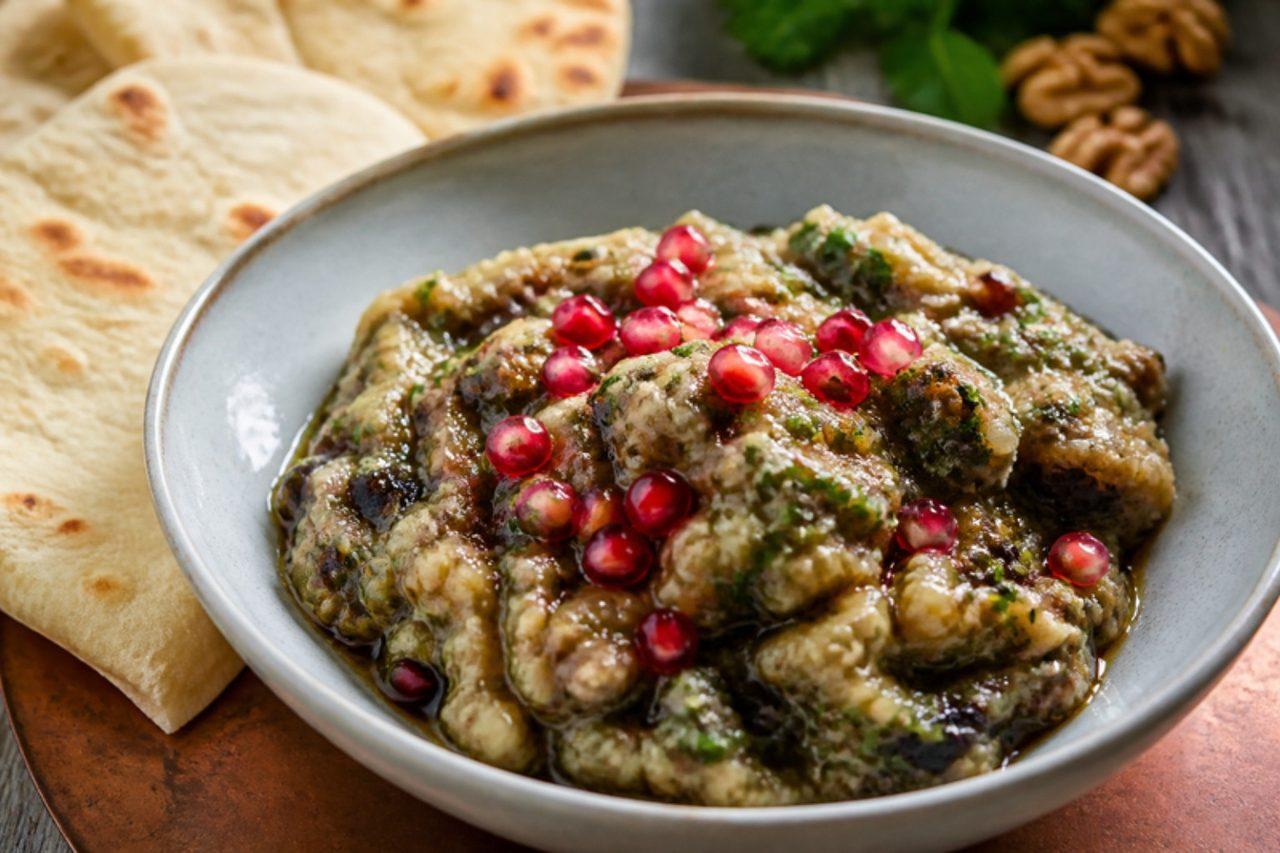
Kal kabab

Kal kabab comes from the rice-growing plains around Rasht, where late-summer aubergines are charred straight on the embers and mashed with a green, sour mixture of herbs, walnuts, garlic and sour pomegranate paste. Unlike Tehran's creamy kashk-e bademjan it has no dairy and is eaten cool, as a starter or side with kateh and grilled food, scooped up with bread. Golpar, ground Persian hogweed seed, adds a resinous edge. A common mistake is pulling the aubergines off the flame too early: they must collapse completely and the skin must blacken all over, or the flesh is bitter and the dish lacks smoke. Chef's tip: pound the walnuts, garlic and herbs to a paste before adding the aubergine, so the sour green flavour runs through every bite.

by KrazyBadal 0 views

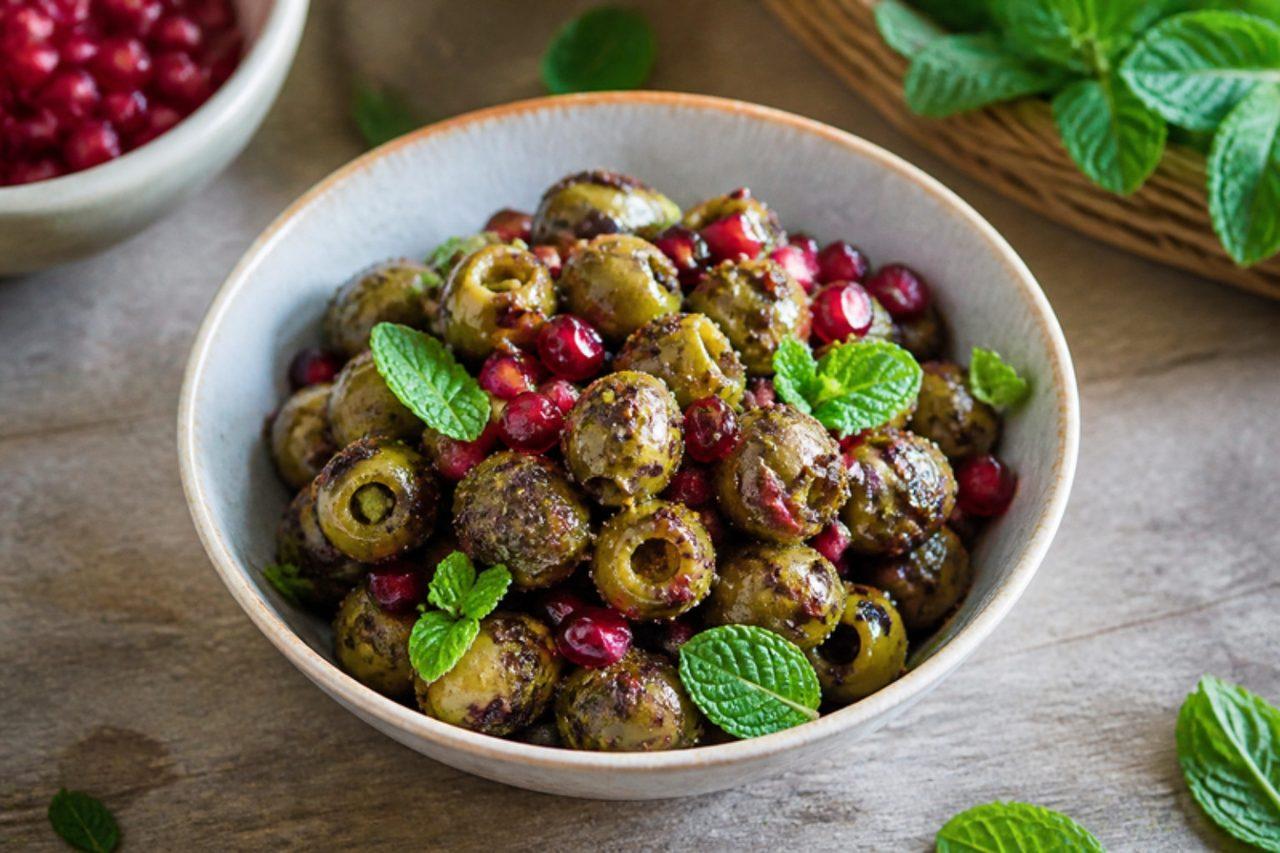
Zeytoon parvardeh

Rudbar, in the olive valleys of southern Gilan, is famous for zeytoon parvardeh, 'nurtured olives': plump green olives tossed in a thick paste of ground walnuts, sour pomegranate molasses, garlic, fresh mint and golpar, then left to mellow for a day or two. Gilanis serve them as a starter or a side with rice and fish, and every visitor to the north brings jars home. The common mistake is using pitted olives in brine straight from the jar without rinsing, which makes the dressing salty and harsh. Chef's tip: rinse the olives and leave them to soak in fresh water for 30 minutes first; they drink up the marinade much better.

by KrazyBadal 0 views

Goes well with sour pomegranate molasses