Skip to content

Recipes with salt for the mămăligă

3 recipes that use salt for the mămăligă, with photos, step-by-step instructions and cook times. The quickest, Scrumbie la grătar, takes 35 minutes. It is most often cooked with garlic, water for the mămăligă and yellow cornmeal.

Got a few things in the fridge? Search by everything you have

Scrumbie la grătar

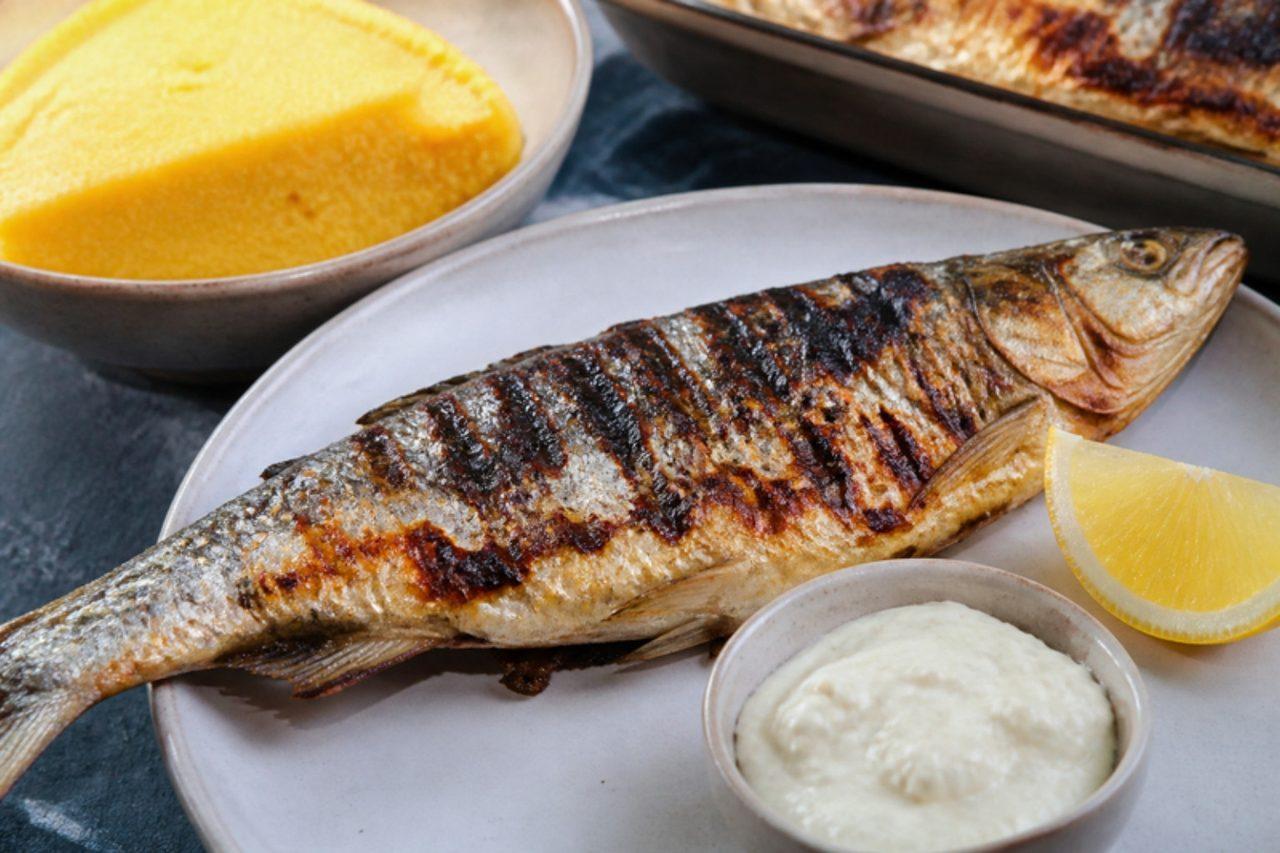
Every spring, when the shad swim up the Danube to spawn, the fish markets of Tulcea and Brăila fill with scrumbie, and the smell of it grilling drifts across the riverside terraces through April and May. The fish is oily and full of flavour, so it needs nothing more than salt, a hot grill and a bowl of mujdei, the raw garlic sauce, with soft mămăligă to calm the heat of the garlic. Shad has many fine bones; diners eat it slowly, lifting the flesh off in strips. If you cannot find shad, herring or mackerel are the closest substitutes. The usual slip is turning the fish too early, so the skin tears; wait until it lifts on its own. Chef's tip: slash the sides of the fish every 1.5 cm right down to the bone; the heat gets in and the tiny bones soften.

by KrazyBadal 0 views

Ostropel de pui

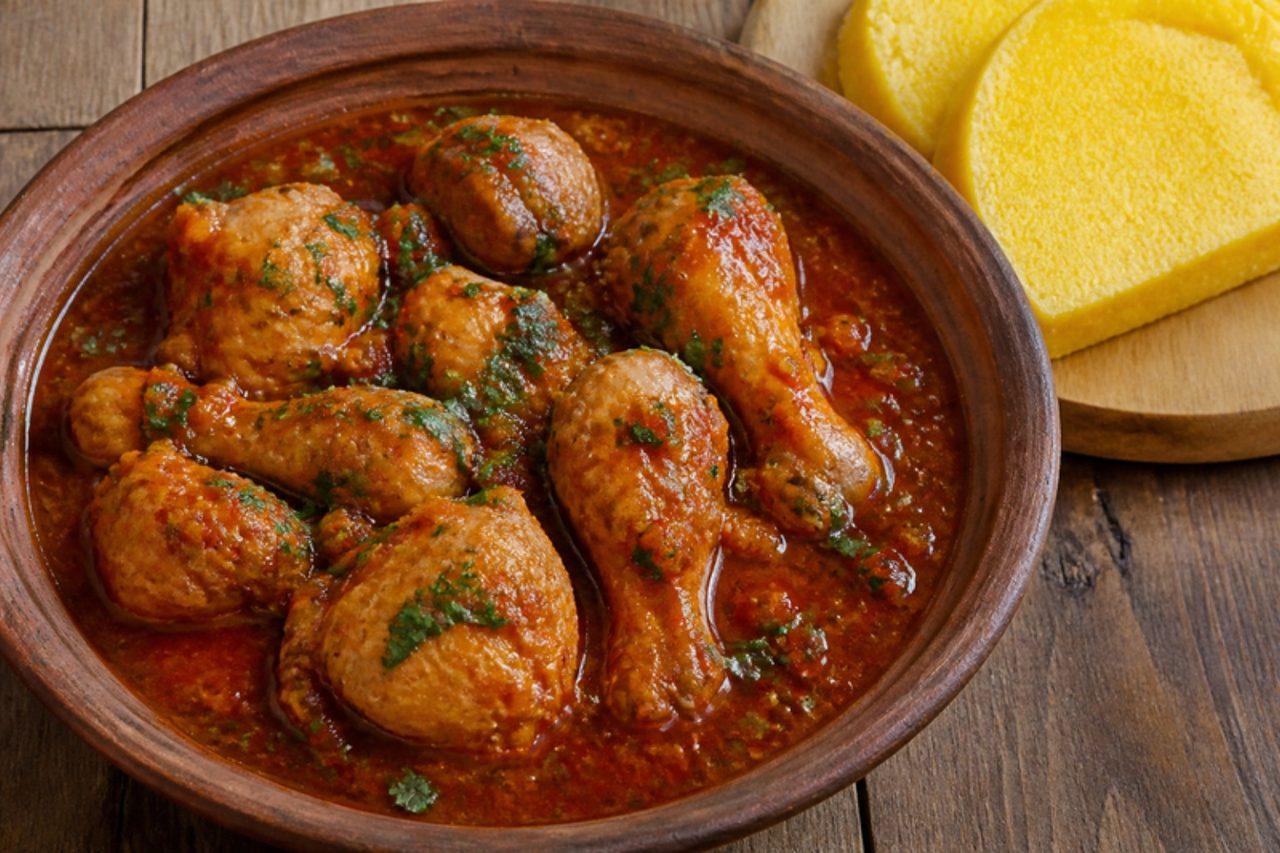
Garlic is the backbone of Oltenian cooking, and nowhere more than in ostropel, the Craiova-style chicken stew that home cooks make for name days and Sunday lunch. Pieces of chicken are browned, then simmered in a glossy red sauce of tomatoes, a whole head of garlic and thyme until the meat slips from the bone. The sauce should be thick enough to coat a spoon, rich and sweet-sharp, with the garlic mellowed but still loud. It goes on the table with a mound of soft mămăligă and a bowl of pickled peppers or a cucumber salad. The common mistake is adding all the garlic at the start; half goes in at the end, raw and crushed, for that fresh punch. Chef's tip: thighs and drumsticks stay juicier than breast in a long braise, and the skin gives the sauce body.

by KrazyBadal 0 views

Tochitură

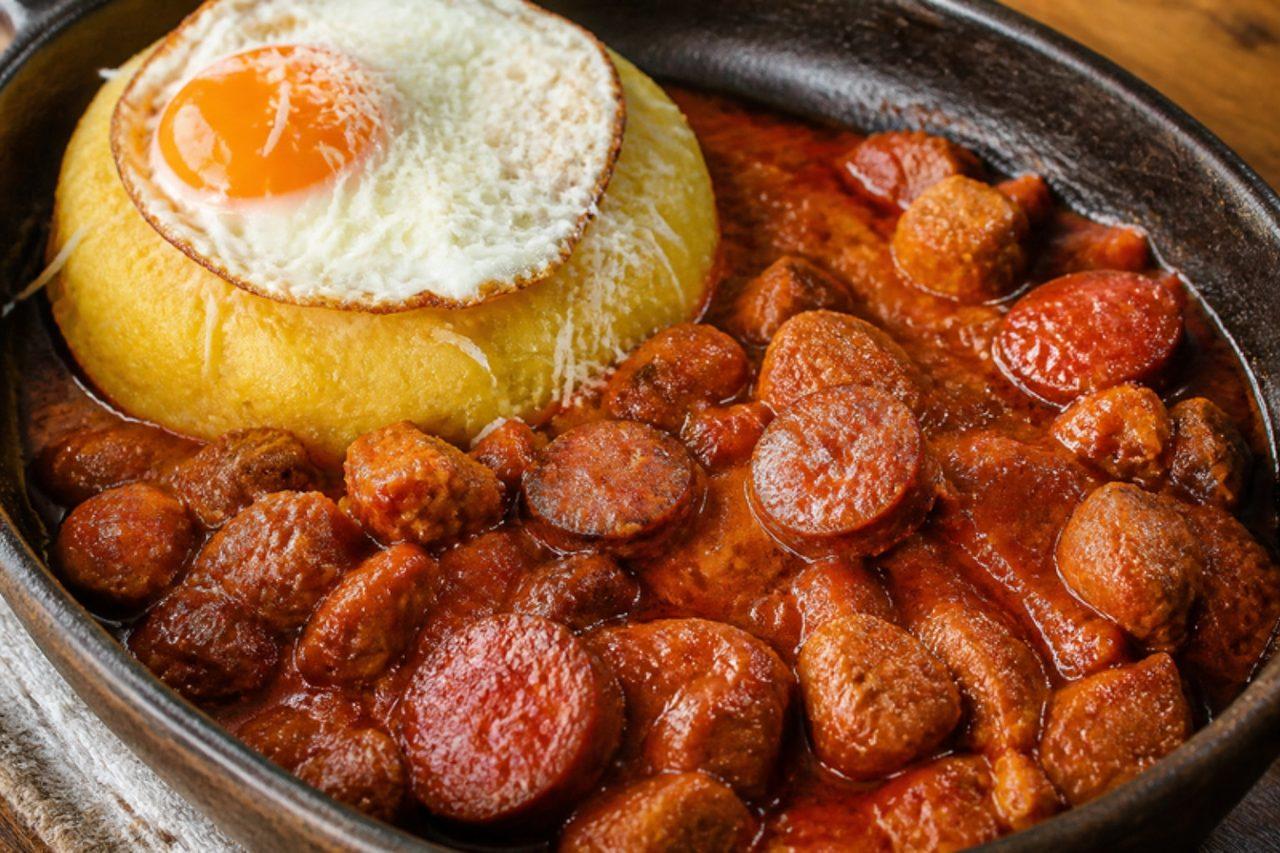
Ask for tochitură in a roadside han near Iași or Piatra Neamț and it arrives as a full plate: cubes of pork shoulder and pork sausage stewed in a garlicky, red-tinged sauce, a hill of mămăligă, a fried egg perched on top and crumbled salty sheep's cheese over everything. It is a dish for cold days and big appetites, rich, peppery and smoky. Traditionally a glass of dry white wine goes into the pan; for an alcohol-free version use the same amount of stock with 1 tablespoon of cider vinegar. The cheese is usually telemea or brânză de burduf. A frequent slip is cooking the pork hard and fast, which leaves it chewy; a gentle simmer turns it tender. Chef's tip: stir a spoon of crushed garlic into the sauce in the last minute only, so it stays fresh and fierce against the rich meat.

by KrazyBadal 0 views

Goes well with salt for the mămăligă