Skip to content

Recipes with saba bananas

6 recipes that use saba bananas, with photos, step-by-step instructions and cook times. The quickest, Nilagang saba mash for babies, takes 20 minutes. It is most often cooked with brown sugar, jackfruit and agar jelly cubes.

Run out of saba bananas? Mango, same weight.

Got a few things in the fridge? Search by everything you have

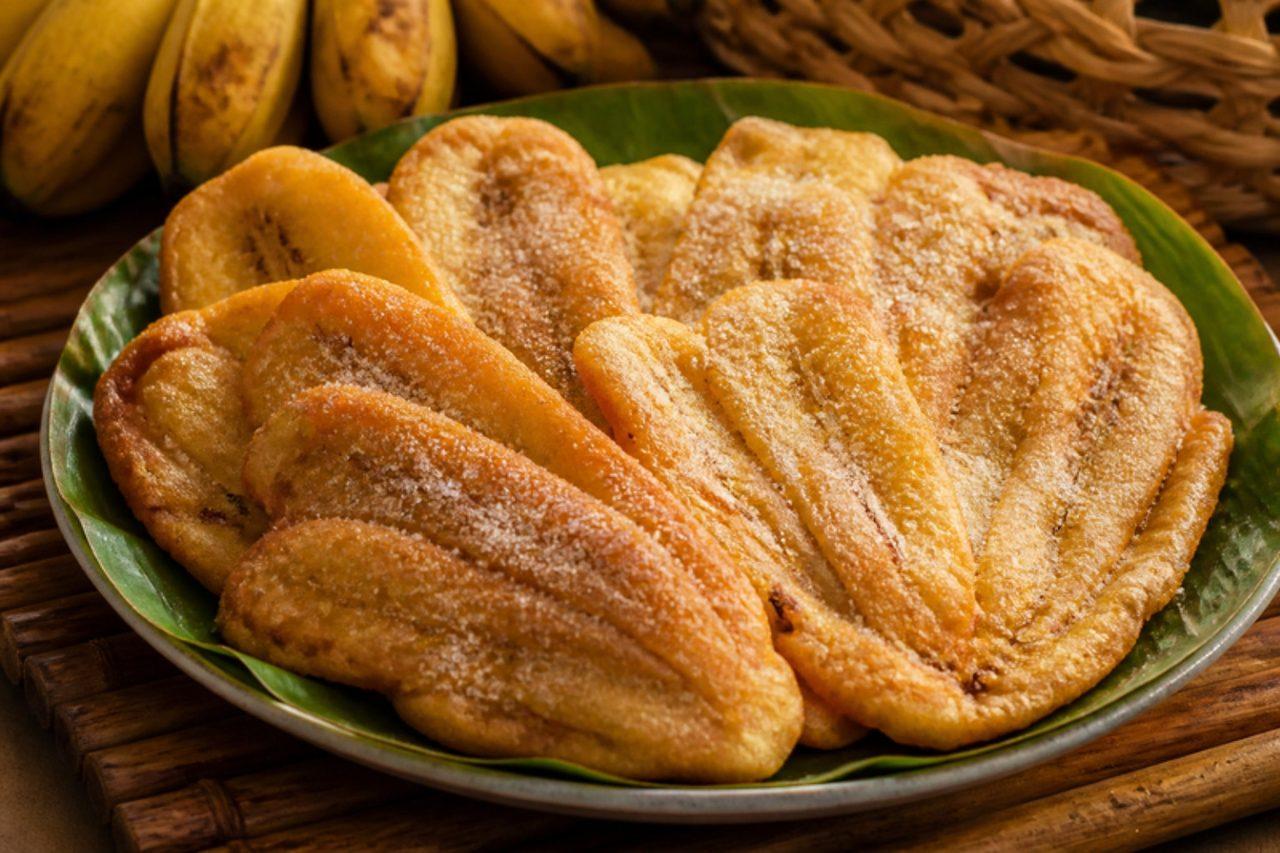
Maruya (Filipino banana fritters)

Maruya is classic Filipino merienda: in barrios from Luzon to Mindanao, saba bananas are sliced into fans, dipped in batter and fried for the children's afternoon snack. Outside is crisp and lacy, inside the banana turns soft, sticky and tangy-sweet. A light dusting of sugar is enough because the fruit is sweet. It contains gluten, milk and egg. Saba bananas can be found in Asian shops; firm, just-ripe plantains work too. Chef's tip: choose bananas that are yellow with a few brown spots; under-ripe saba stays starchy, overripe falls apart in the oil.

by KrazyBadal 0 views

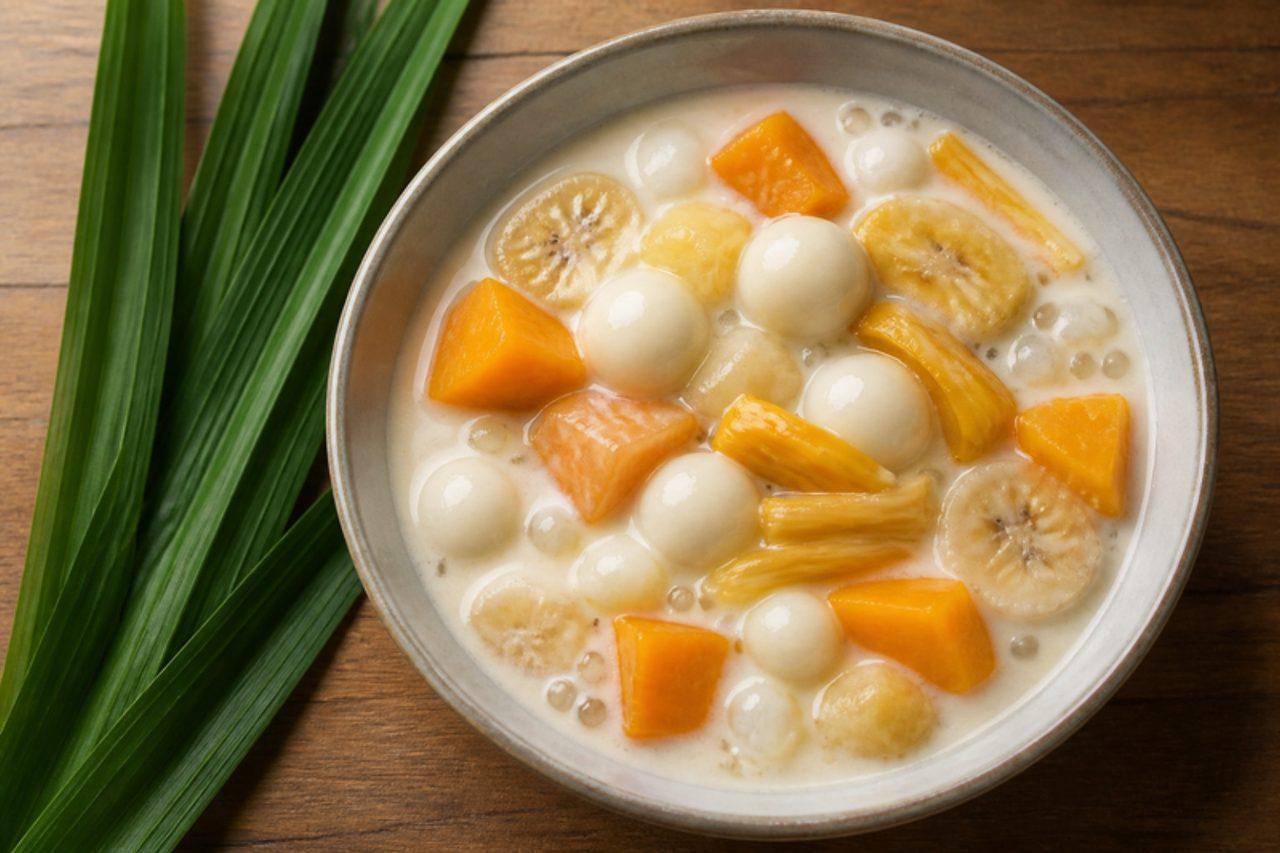
Ginataang bilo-biloRice balls in coconut milk

On rainy afternoons across Luzon, a big pot of ginataan bubbles on the stove and the whole street seems to know about it. Little balls of glutinous rice dough, saba banana, purple and orange sweet potato, strips of ripe jackfruit and sago pearls all simmer together in sweet coconut milk until it thickens into a soft, fragrant soup. Serve it hot in bowls, or cold the next day when it sets almost like pudding. Chef's tip: make the rice balls no bigger than a marble; large ones stay raw and gummy in the middle long after the bananas have collapsed.

by KrazyBadal 0 views

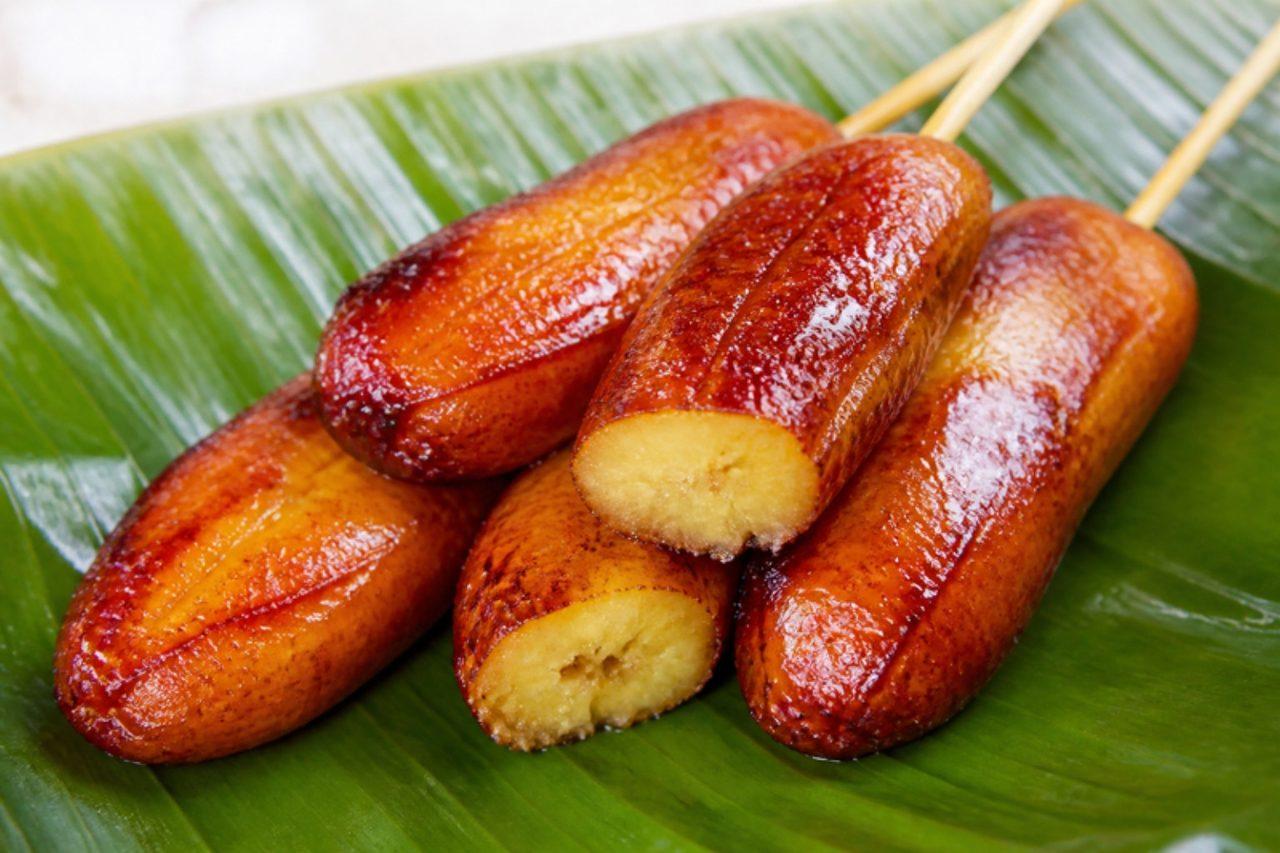
Banana cueCaramelised fried bananas

Walk past any Manila school gate or jeepney stop around three in the afternoon and you will find a vendor turning saba bananas in a wok of bubbling oil and brown sugar. The sugar melts and clings to the fruit, setting into a thin, crackly amber shell over soft, slightly tart flesh, and the bananas are sold two or three to a bamboo stick. Sweet potato cooked the same way is called camote cue. Eat them warm with a glass of iced sago't gulaman. Chef's tip: add the sugar only once the bananas are already golden; sugar thrown in at the start burns black before the fruit is cooked through.

by KrazyBadal 0 views

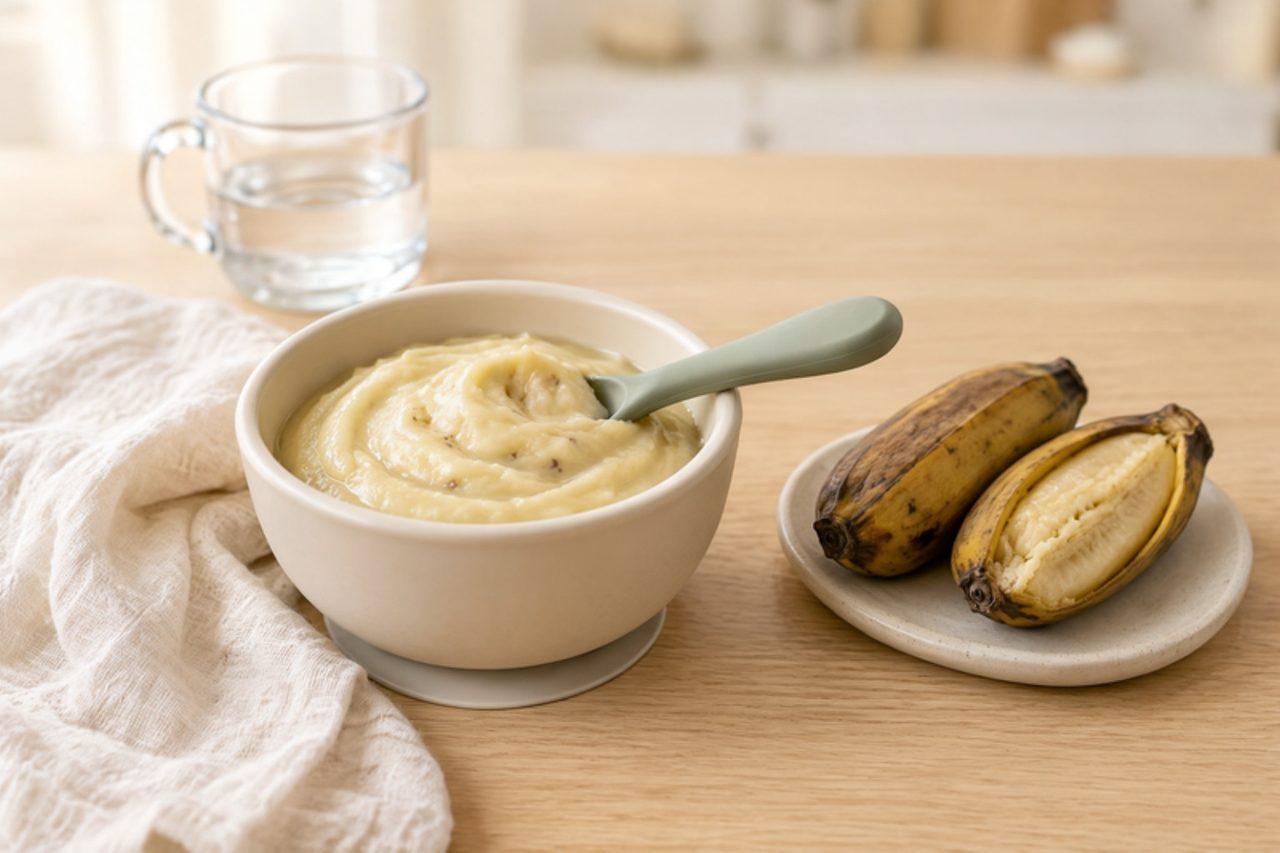
Nilagang saba mash for babiesBoiled banana mash for babies

Saba, the short, square-edged cooking banana piled in every palengke from Quezon City to Davao, is boiled in its skin for nilagang saging, a merienda (afternoon snack) eaten with a cup of coffee. For babies, the same boiled saba is peeled and mashed into a soft, peachy, honey-sweet purée, and it is one of the most common first foods in Filipino homes. Saba is firmer and starchier than an eating banana, which is why it is always cooked. Nothing is added: no salt, sugar or condensed milk under one. It is free of the major allergens. Chef's tip: pick saba whose skins are yellow with black spots; green ones are too starchy and can upset small tummies.

by KrazyBadal 0 views

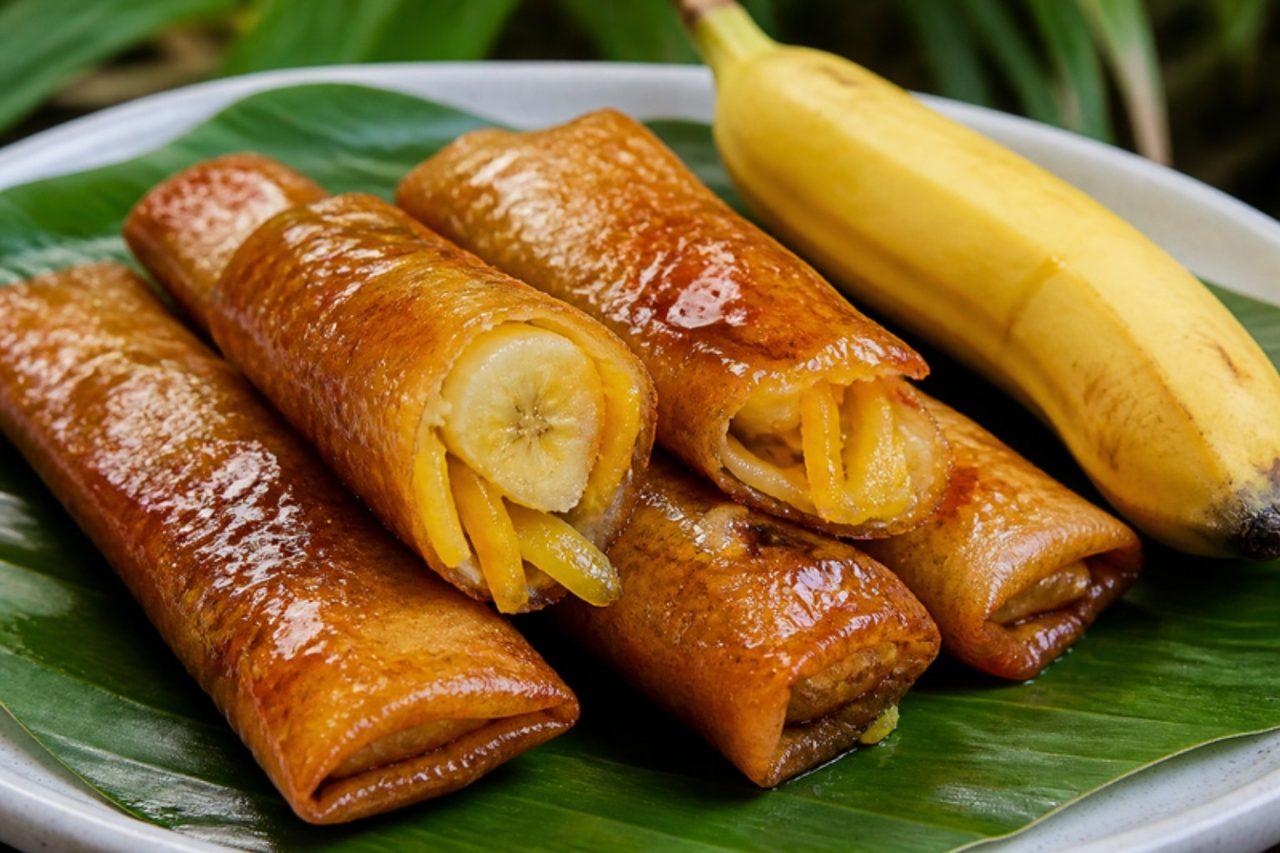
TuronFried banana spring rolls

Turon is the afternoon snack sold by vendors on every Filipino street corner, school gate and jeepney stop around three o'clock, often next to banana cue on bamboo skewers. A slice of saba banana and a strip of ripe jackfruit are rolled in a thin spring roll wrapper with brown sugar, then fried in oil that has more brown sugar sprinkled in it, so each roll comes out wrapped in a crackly, glassy caramel shell. It is eaten hot with your fingers, when the banana inside has turned soft and sticky. Saba is a short, firm cooking banana; ripe plantain is the closest substitute. Chef's tip: roll them tightly with no air pockets, or the caramel blows holes in the wrapper.

by KrazyBadal 0 views

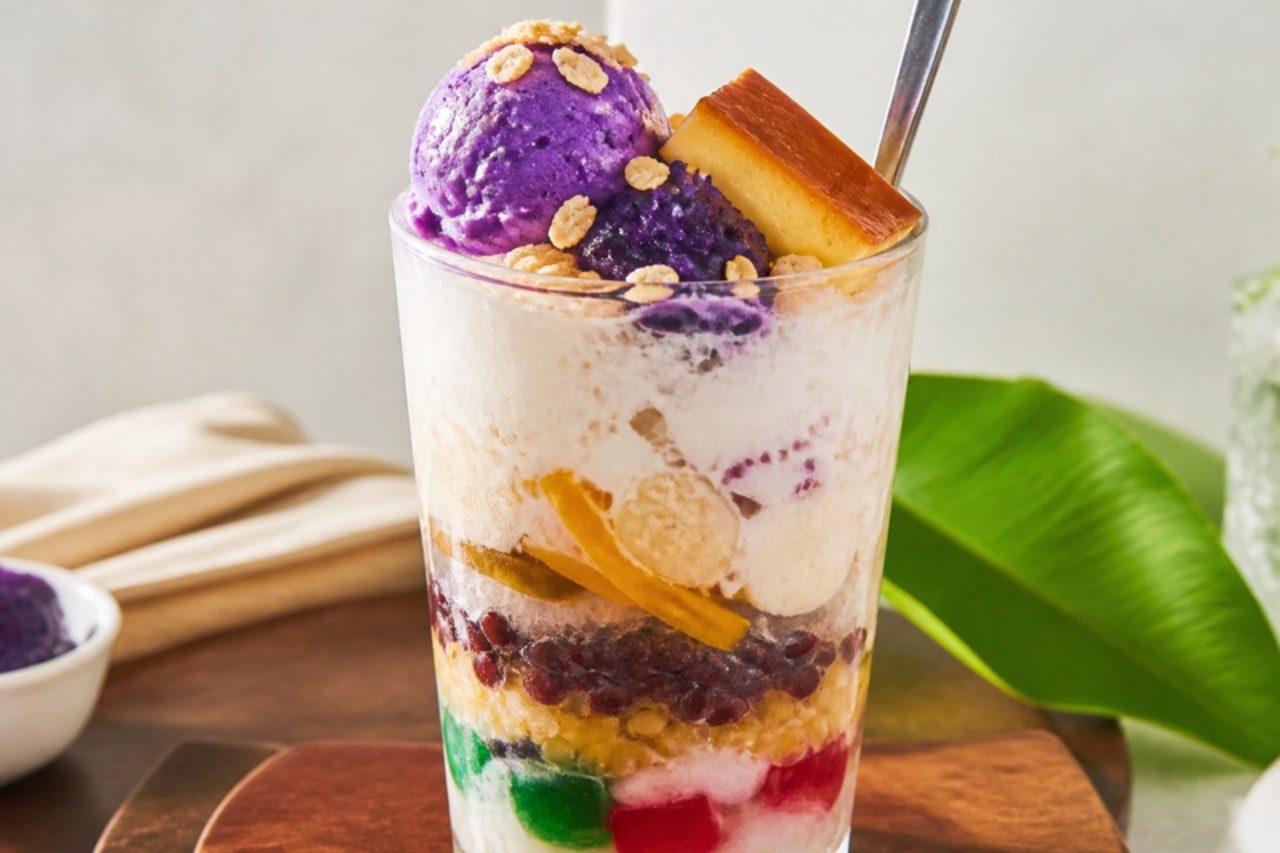
Halo-haloShaved ice dessert

Halo-halo ('mix-mix') is what the Philippines eats through the hot dry months of March to May, bought from roadside stalls and snack shops and eaten slowly with a long spoon in a tall glass. Sweetened beans and chickpeas, banana cooked in brown sugar, jackfruit, nata de coco and sugar-palm fruit go in first, then a mountain of finely shaved ice, a splash of evaporated milk and a crown of ube halaya, a slice of leche flan or a scoop of ube ice cream, with crunchy pinipig (toasted pounded rice) on top. Unlike Malaysian ais kacang, there's no syrup over the ice: the sweetness comes from the layers and the milk. You stir everything together before eating. Chef's tip: chill the glasses and the toppings first so the ice doesn't melt before you have finished building.

by KrazyBadal 0 views

Goes well with saba bananas