Skip to content

Recipes with red bird's eye chillies

16 recipes that use red bird's eye chillies, with photos, step-by-step instructions and cook times. The quickest, Vegan nuoc cham, takes 5 minutes. It is most often cooked with garlic, makrut lime leaves and sugar.

Got a few things in the fridge? Search by everything you have

Vegan nuoc cham

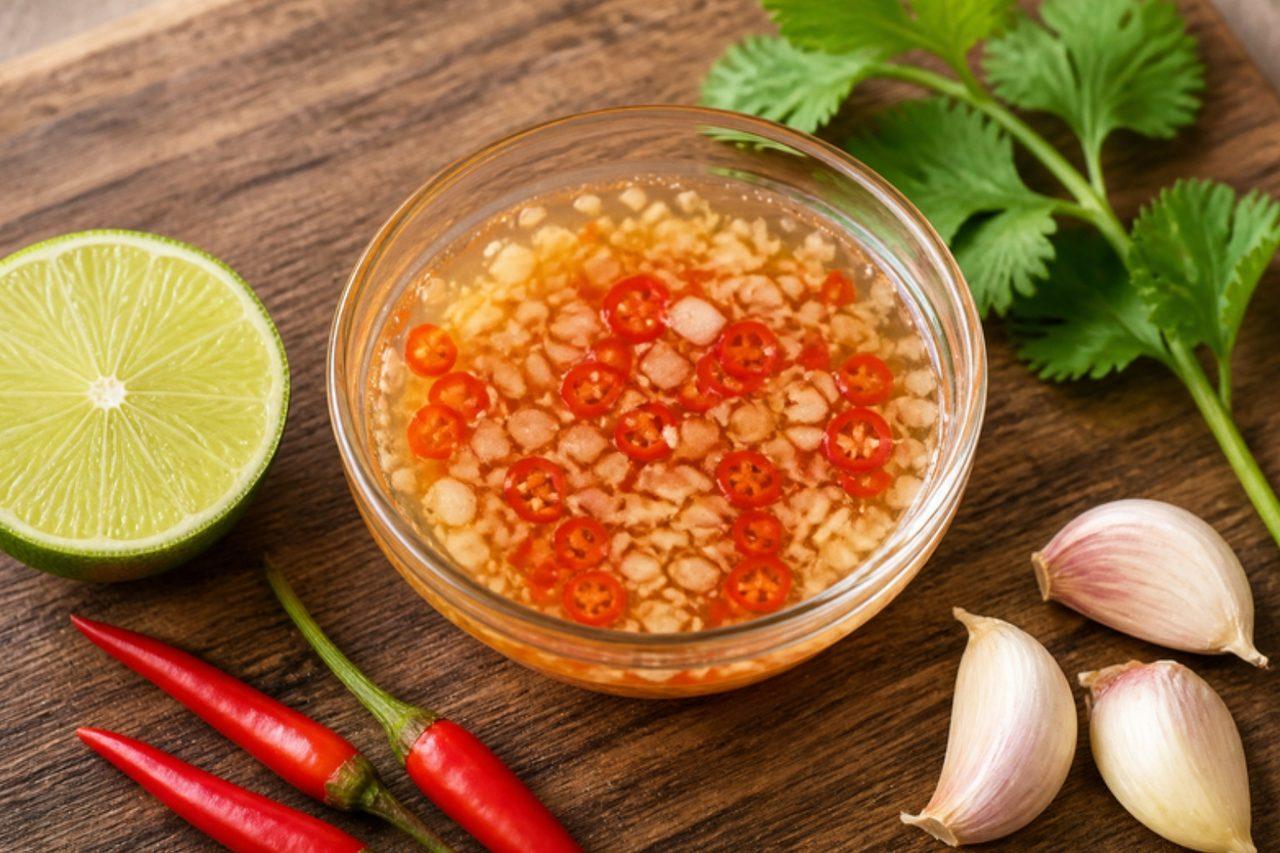
Nước chấm is the dipping sauce that goes with almost everything in Vietnam: spring rolls, bánh xèo, noodle salads and broken rice. Buddhist vegetarian cooks, all over the country, make it without fish sauce, using light soy sauce and a little coconut water for the deep, rounded taste. It should be thin, clear and pale amber, with flecks of garlic and chilli floating on top. Chef's tip: dissolve the sugar in the warm water first, then add the lime and soy, and stir in the garlic and chilli last, pounded with a pinch of sugar, so they float on the surface instead of sinking.

by KrazyBadal 1 views
Vegetable pho

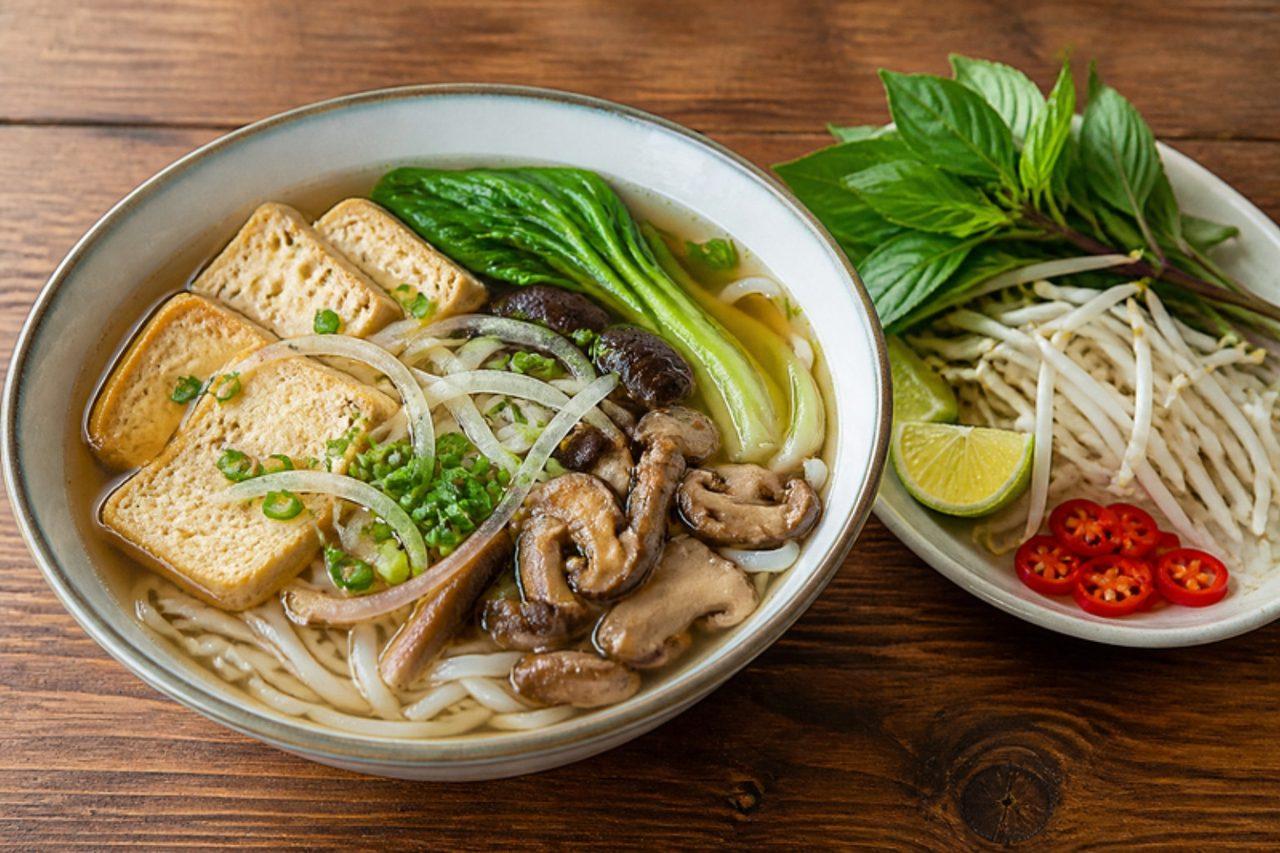
Pho began in the north, around Hanoi and Nam Định, and is now eaten all over Vietnam, often for breakfast. Phở chay is the Buddhist vegetarian version served in temple kitchens and chay restaurants: the deep, clear broth comes from charred onion and ginger, toasted star anise, cinnamon and cloves, simmered with daikon, carrot, sweetcorn and dried shiitake instead of beef bones. Silky flat rice noodles, golden tofu and mushrooms go in the bowl, and everyone adds their own bean sprouts, Thai basil, lime and chilli at the table. Chef's tip: char the onion and ginger until properly blackened in patches and toast the spices in a dry pan until they smell like warm Christmas cake; that smoky, perfumed base is what makes the broth taste like pho and not vegetable soup.

60 minSoupsVeganGluten free
by KrazyBadal 0 views

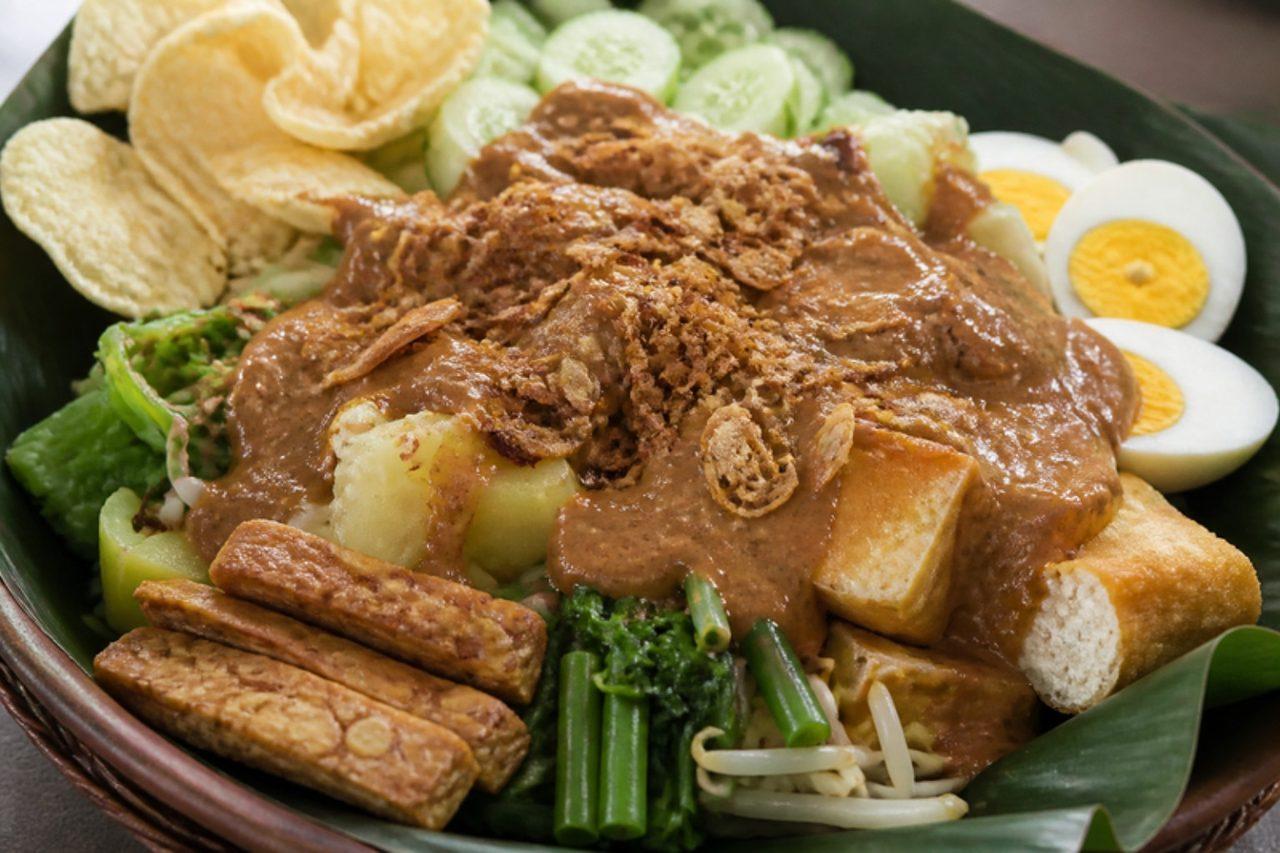
Gado-gado

In Jakarta, gado-gado is lunch from a pushcart: the Betawi seller grinds the peanut sauce to order on a stone ulekan, then tips blanched greens, potato, tofu, tempeh and egg into it and mixes everything by hand. The name roughly means "mix-mix", and that is how it's eaten, with every vegetable coated in a sauce that's nutty, sweet from palm sugar, sour from tamarind and as hot as you ask for. It's a full meal on its own, crunchy with emping or rice crackers on top. Chef's tip: loosen the peanut sauce with warm water only at the end and stop when it coats a spoon like custard; too thin and it slides off the vegetables and pools on the plate.

35 minSaladsGluten free
by KrazyBadal 0 views

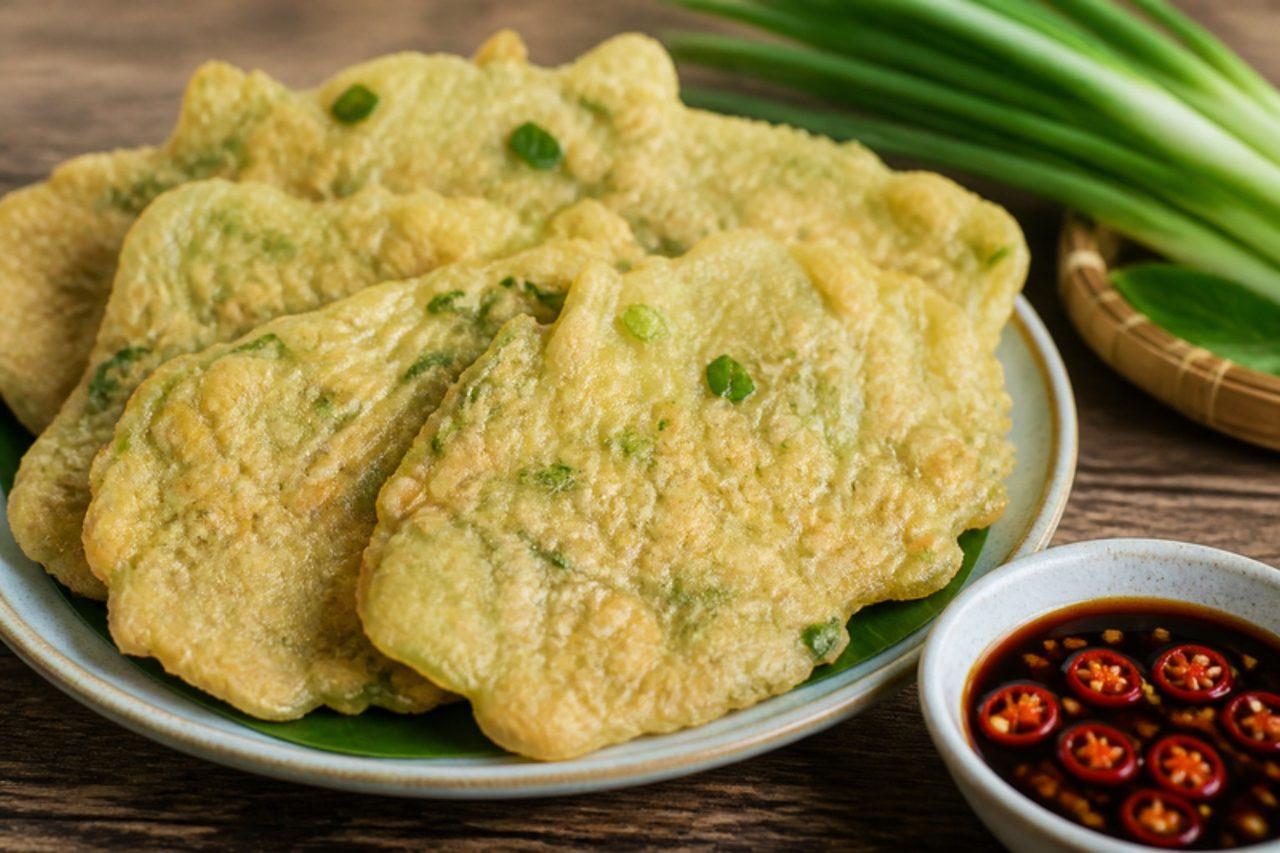
Tempe mendoan

Mendoan comes from Banyumas in Central Java, and in Purwokerto it's sold by the stack at every roadside stall, eaten warm with a raw bird's eye chilli bitten between mouthfuls or dunked in sweet soy. The name comes from the Banyumas word mendo, meaning half-cooked: the batter is deliberately fried only until set and pale, so it stays soft and bendy rather than crisp. Make it with thin, wide tempeh slices so each one is mostly batter and herbs. Chef's tip: fry for barely a minute a side in very hot oil and pull the slices out while they're still pale gold and floppy — that limp, tender texture is the whole point.

by KrazyBadal 0 views

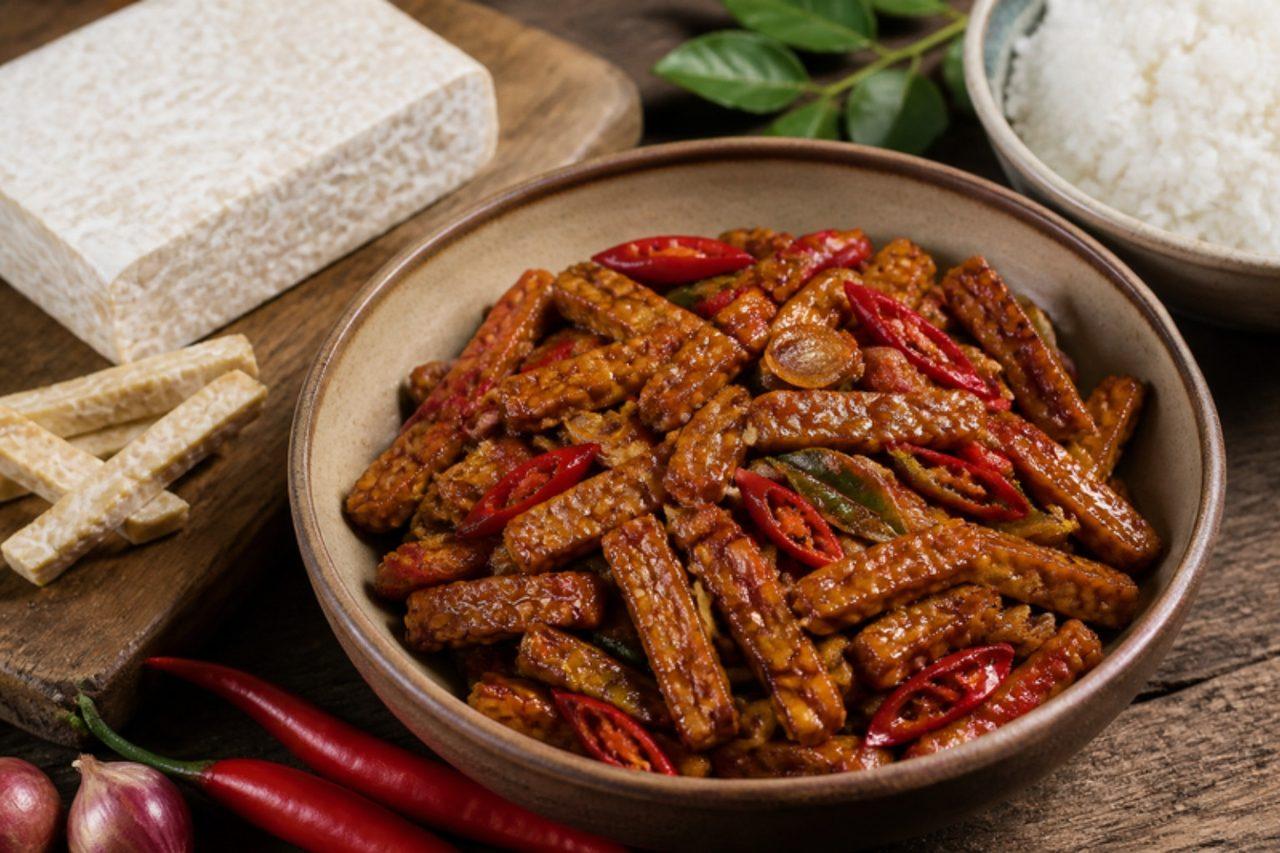
Tempe orek

Across Java, tempe orek is the side dish every household keeps in a tub: crisp sticks of tempeh fried and then tossed in a sweet-salty glaze of kecap manis, palm sugar, garlic and chilli. It goes into lunch boxes with plain rice, onto nasi campur plates, and lasts several days without losing its chew, which is why student boarding houses and office canteens rely on it. Some cooks add peanuts or green beans; this version stays classic. Chef's tip: fry the tempeh sticks properly crisp before glazing and keep the glaze to a thick syrup, so the tempeh stays crunchy rather than going soft.

25 minSidesVegan
by KrazyBadal 0 views

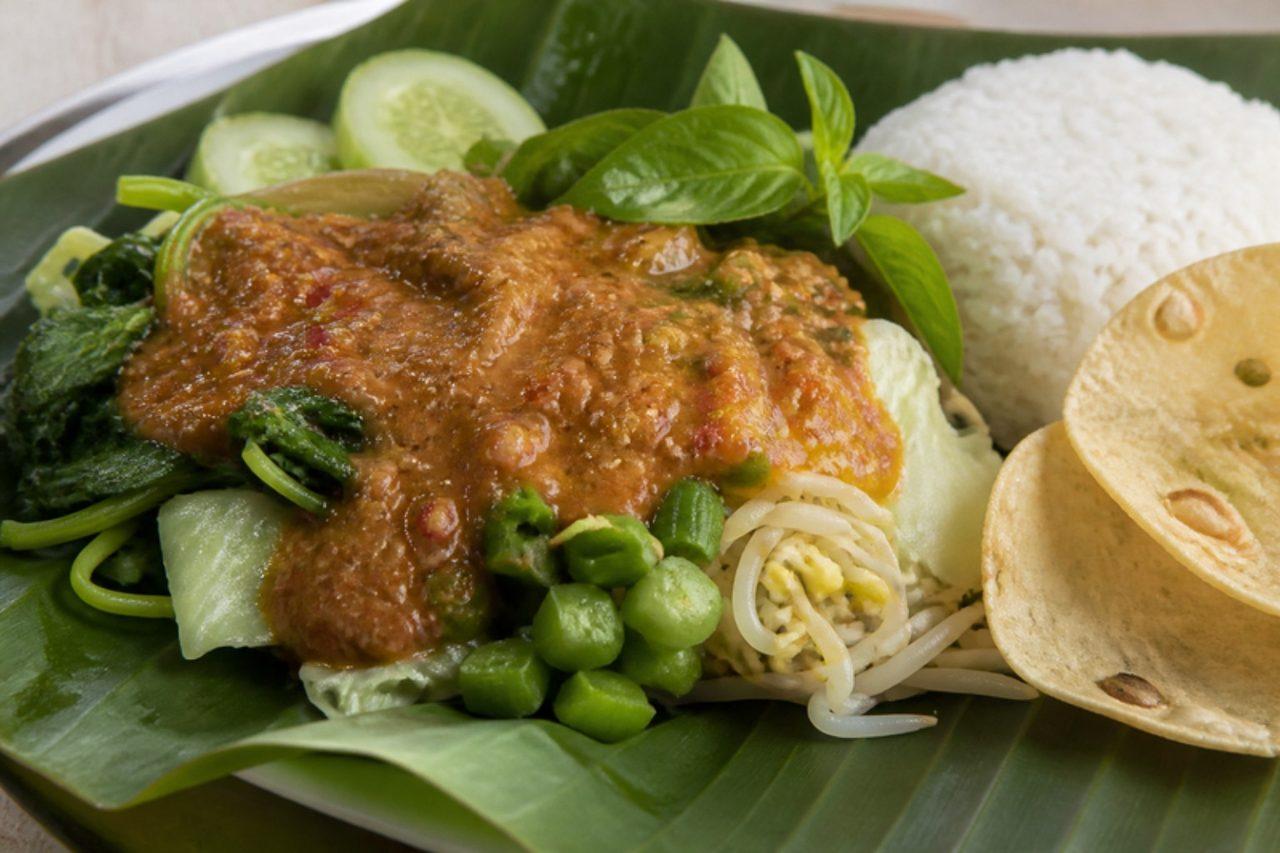
Pecel

Madiun, in East Java, calls itself the home of nasi pecel, and its stalls serve it from early morning on banana leaf: rice under a heap of blanched spinach, bean sprouts, long beans and cabbage, drowned in a peanut sauce that's thinner, hotter and more herbal than gado-gado's. The difference is kencur, an earthy, camphor-scented root that gives pecel its signature smell, and lime leaf pounded into the paste. A crisp peanut rempeyek cracker is broken on top. Chef's tip: make a block of pecel paste ahead and dissolve just what you need in hot water each time — that's how East Javanese households do it, and it keeps for weeks in the fridge.

25 minSaladsVeganGluten free
by KrazyBadal 0 views

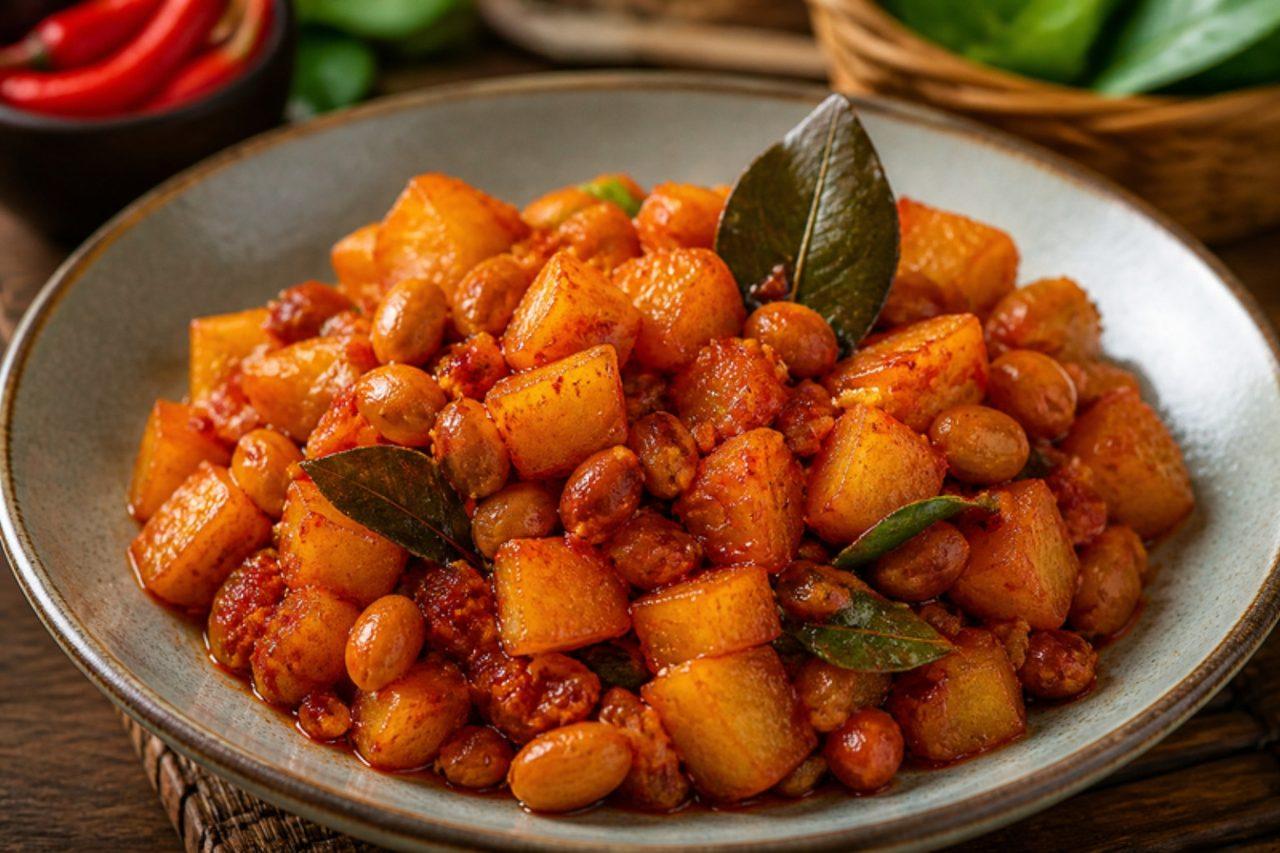
Sambal goreng kentang

Sambal goreng kentang turns up wherever there's a celebration in Java and Sumatra: on Lebaran tables next to ketupat and opor, in wedding buffets, and in boxes of nasi kotak handed out at gatherings. The potatoes are cut small, fried until crisp and golden, then tossed through a red chilli and shallot sambal sweetened with palm sugar and sharpened with tamarind, so each cube is coated and chewy at the edges. It keeps well and is eaten at room temperature with rice. Chef's tip: soak and dry the potato cubes thoroughly before frying; damp potatoes spit, steam and never crisp up.

35 minSidesVeganGluten freeSpicy
by KrazyBadal 0 views

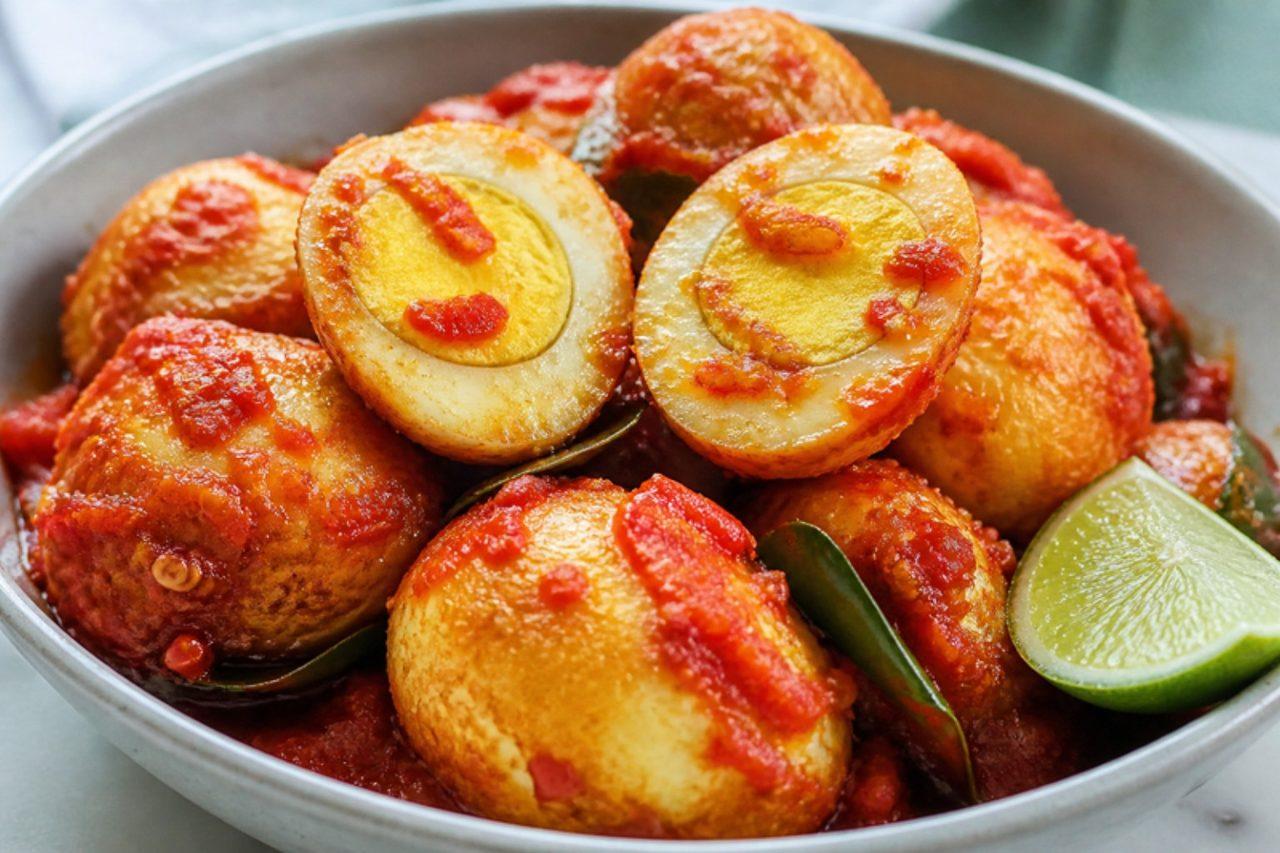
Telur balado

Telur balado is a fixture of the nasi Padang counter and of West Sumatran home cooking: hard-boiled eggs fried until their whites blister and turn golden, then smothered in balado, the coarse red sambal of chilli, shallot and tomato that the Minangkabau cook with almost everything. The fried skin of the eggs grips the sauce, and the sambal is bright and fresh rather than long-cooked. It's a cheap, quick weekday lunch with rice and greens, and it travels well in lunch boxes. Chef's tip: grind the balado coarse, not smooth — the Padang version should look rough and glossy, with visible flecks of chilli skin.

25 minSidesGluten freeSpicy
by KrazyBadal 0 views

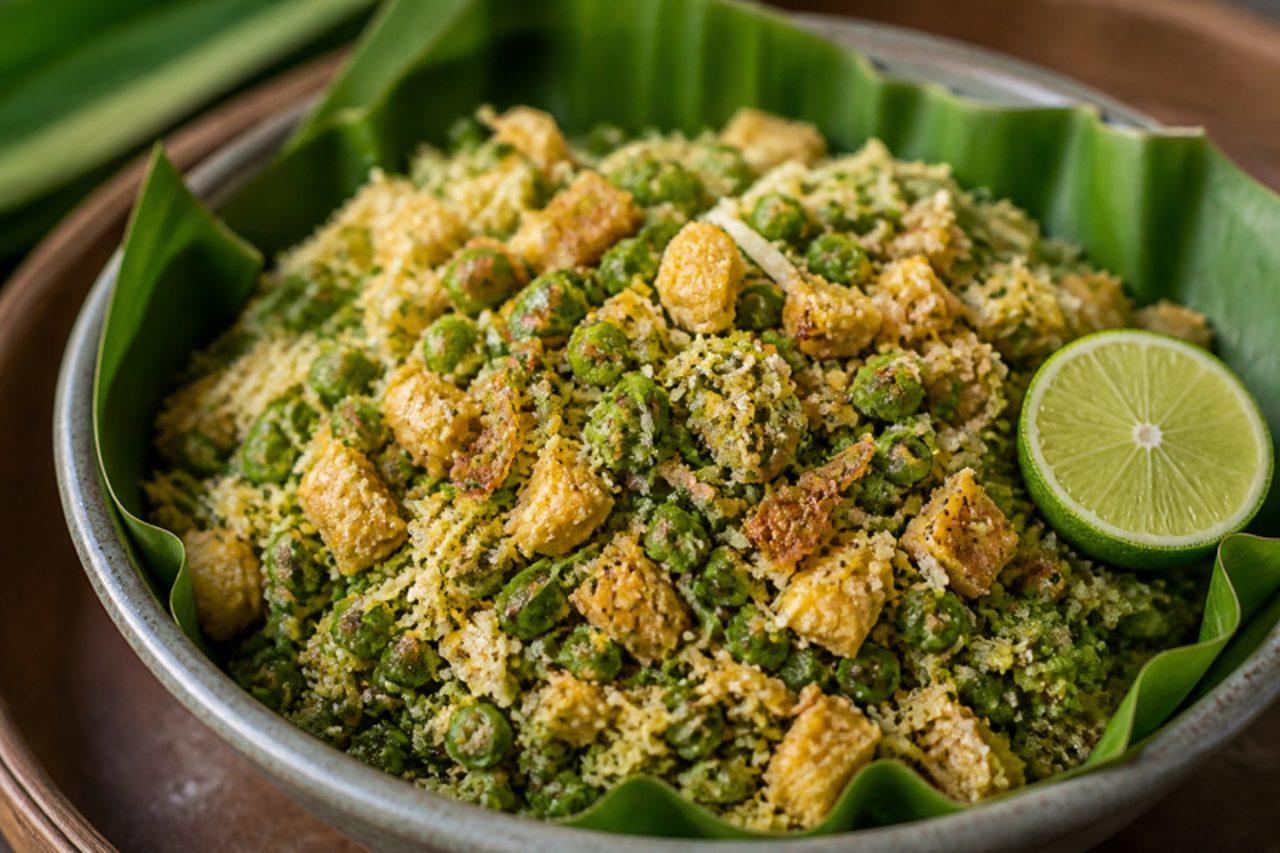
Vegetable lawar

Lawar is the dish of Balinese ceremonies: before a temple festival or a family rite, the men of the banjar gather at dawn to chop and mix it by hand in huge quantities. Many versions include meat, but lawar kacang, made with long beans, is common at home and at Balinese warungs, and it shows off base genep, the island's master spice paste of shallot, garlic, galangal, kencur, turmeric and chilli. Mixed with toasted grated coconut, it's crunchy, fragrant, sour and hot, and is eaten with rice the day it's made. Chef's tip: mix the lawar just before serving and with your hands, squeezing gently, so the spice paste works into the beans; made too early, it goes watery and dull.

40 minSaladsVeganGluten free
by KrazyBadal 0 views

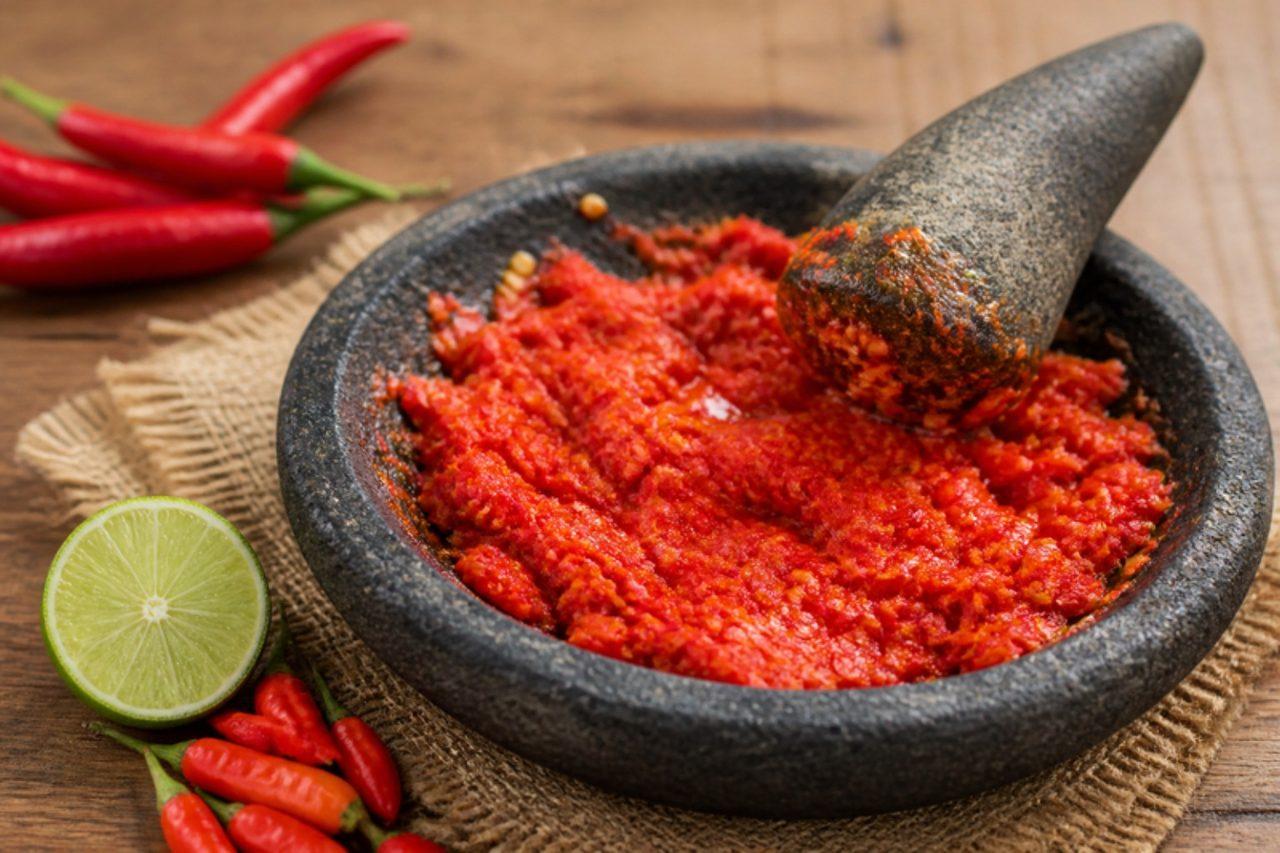
Sambal oelek

Every Indonesian kitchen has an ulekan, the flat stone mortar that gives sambal oelek its name, and this is the most basic thing ground in it: fresh red chillies and salt, pounded to a coarse, wet, fiery mash. It's the foundation many cooks start from, stirred into fried rice and soups, spooned beside every meal at warung tables nationwide, and the base for more complex cooked sambals. Making it fresh tastes brighter and fruitier than any jar. Chef's tip: wear gloves and pound rather than blitz if you can — crushing releases the oils and gives a juicier, more fragrant sambal than chopping blades.

by KrazyBadal 0 views

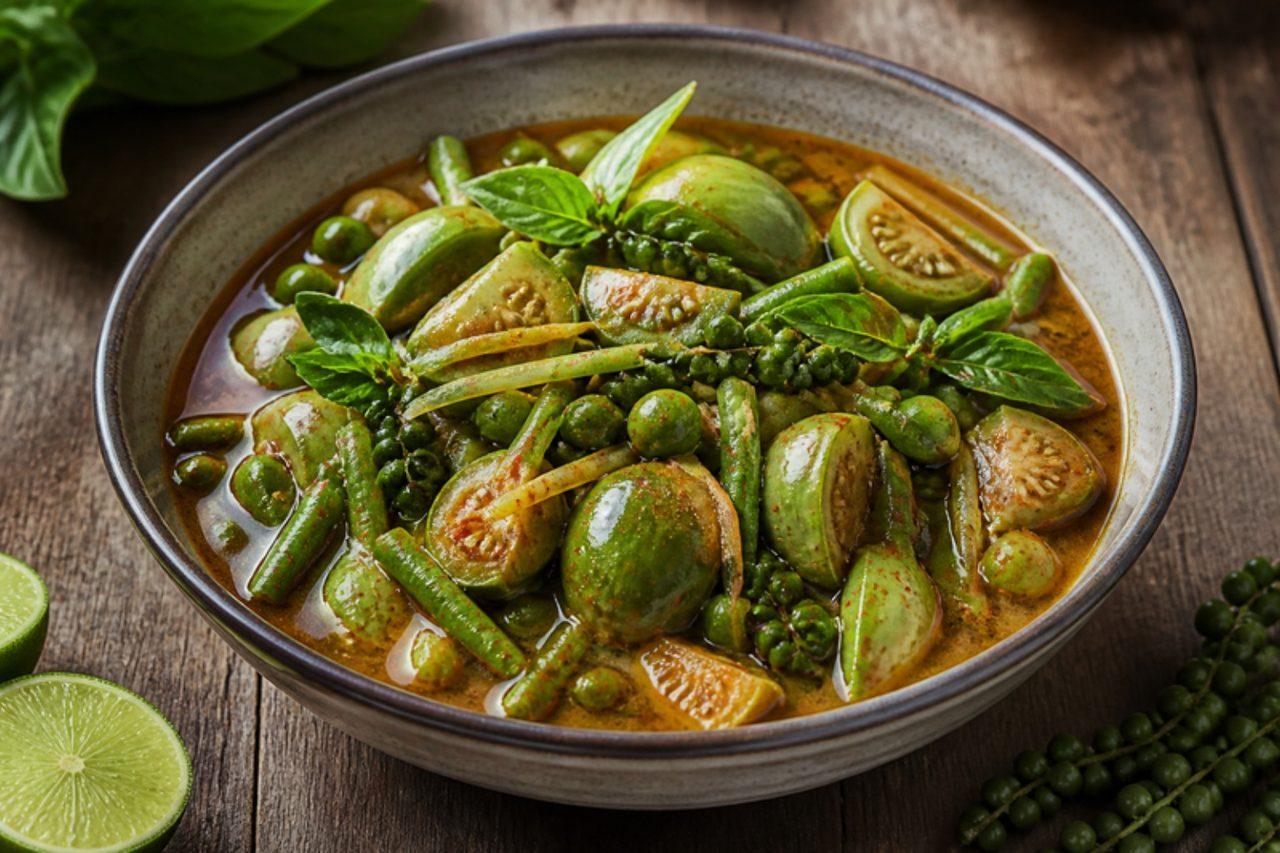
Kaeng pa (jungle curry)

Kaeng pa means 'forest curry', and around Ayutthaya, Suphan Buri and the rice-farming plains north of Bangkok it is the curry cooked when there is no coconut to hand: a thin, fiery, herb-scented broth packed with whatever vegetables grew nearby. It turns up at roadside curry-and-rice shops in the Central region, ladled over jasmine rice at lunchtime. Without coconut milk the flavour is sharp and clean, carried by wild ginger (krachai), fresh green peppercorns and holy basil. This version uses a home-pounded red paste with no shrimp paste and seasons with soy sauce instead of fish sauce. Chef's tip: fry the paste in a little oil until it smells toasty before any water goes in; raw paste makes a curry that tastes flat and grassy.

35 minCurriesVeganGluten freeSpicy
by KrazyBadal 0 views

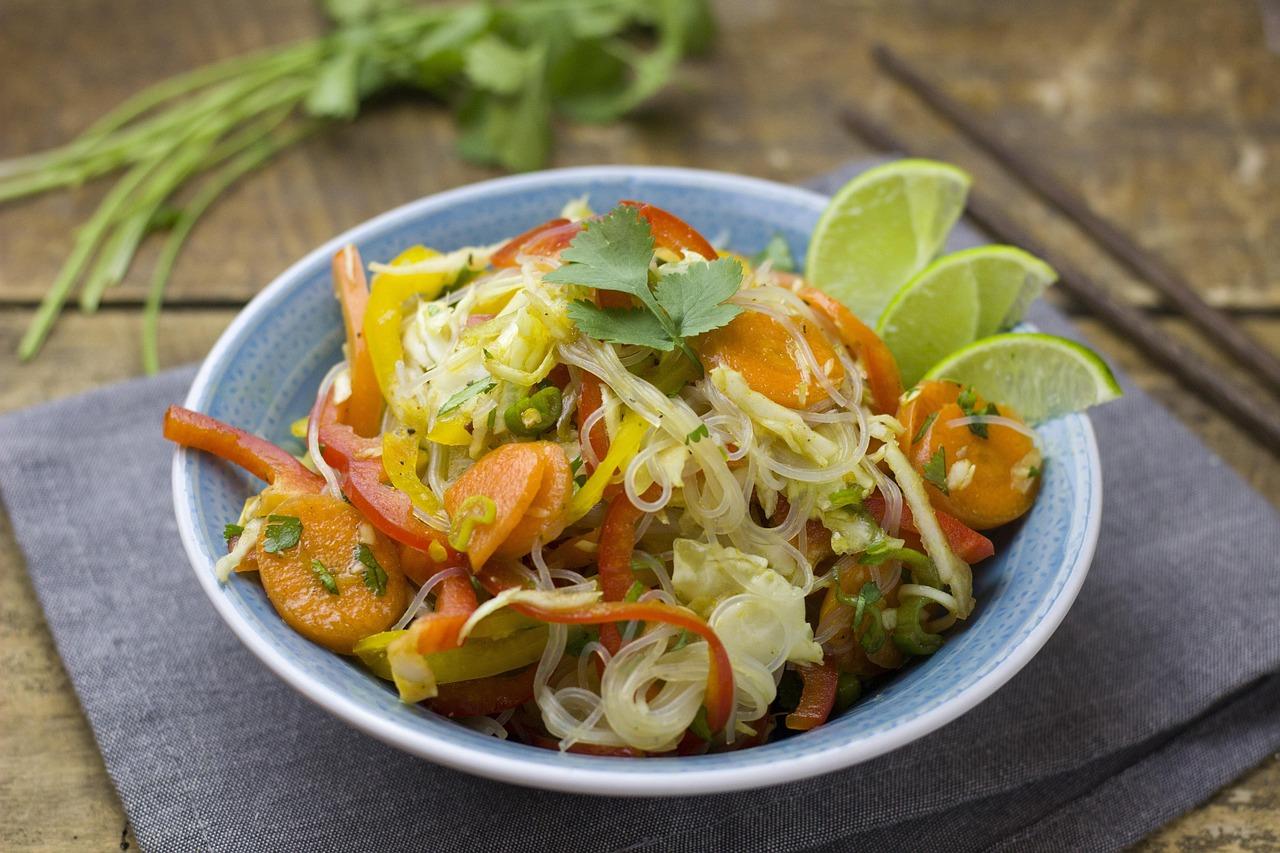
Yam woon sen (vegetarian glass noodle salad)

Yam woon sen is the glass-noodle salad sold from the trays of 'yam' vendors in Bangkok's evening markets and served alongside beer at Central Thai gatherings. The street version is tossed with minced pork and prawns; this vegetarian one swaps them for crumbled firm tofu and crunchy wood ear mushrooms, which give the same mix of soft and bite. The noodles are dressed while still warm so they drink up the sour, salty, sweet and hot dressing, then finished with celery leaves, coriander and peanuts. Eat it at room temperature as a light lunch or as one dish in a shared spread. Chef's tip: celery leaves are not a garnish here; Thai cooks use Chinese celery as a main herb, so be generous.

25 minSaladsVeganGluten free
by KrazyBadal 0 views

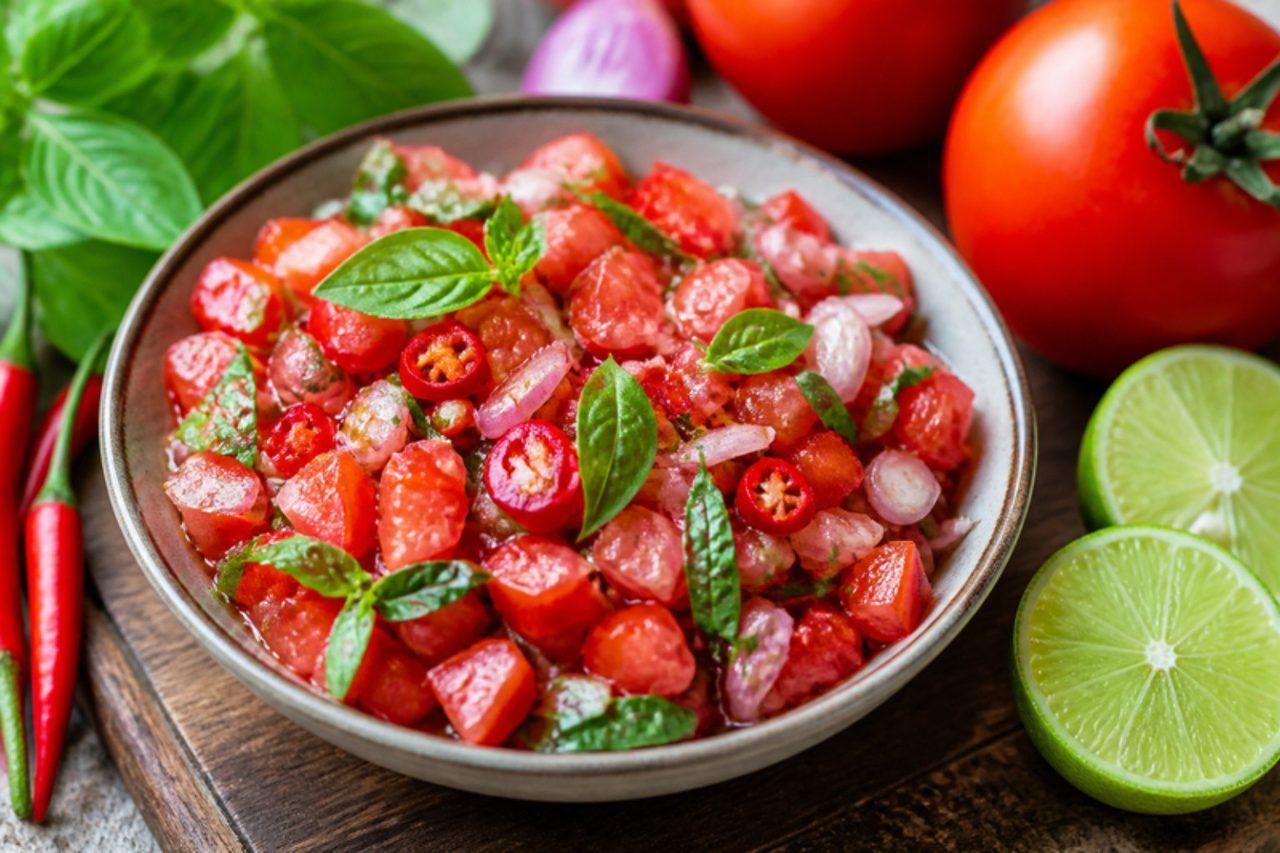
Dabu-dabu

Every table in Manado, North Sulawesi, has a bowl of dabu-dabu: diced tomato, shallot and red chilli with calamansi juice and lemon basil, sometimes dressed with hot oil. It is spooned over grilled food, fried tofu and the pumpkin porridge tinutuan, and its cool juiciness makes very hot chilli easier to take. Unlike Bali's sambal matah, it is built on tomato and stays chunky and wet. Chef's tip: salt the tomatoes and leave them 5 minutes before mixing, so they release juice that becomes the dressing.

by KrazyBadal 0 views

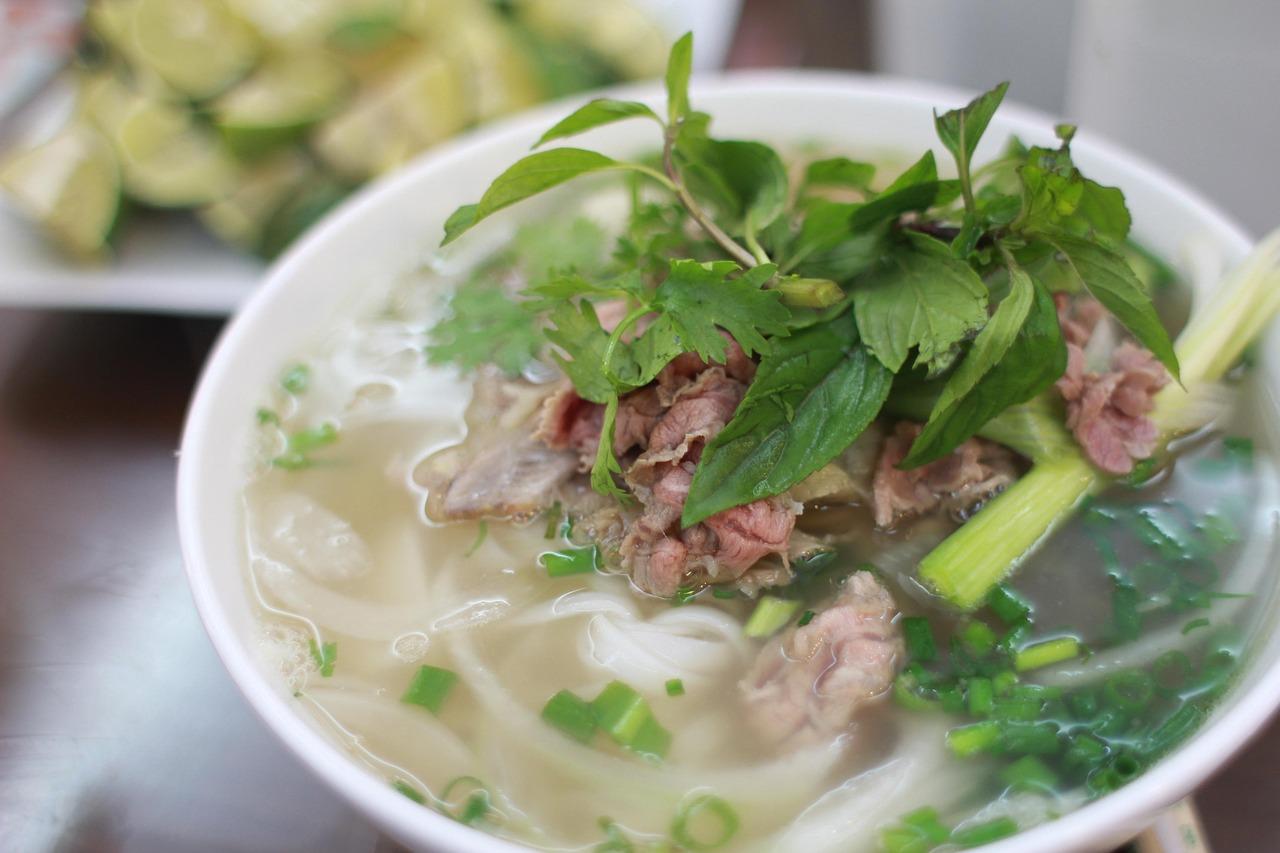
Pho bo

Before Hanoi's offices open, pavement pho stalls are already busy, with diners on low plastic stools bent over bowls of rice noodles in a clear, spiced beef broth. The northern style is restrained: brisket and thin slices of raw beef that cook in the bowl, spring onion and a little coriander, with lime and chilli on the side rather than a heap of herbs and sauces. The work is in the broth, simmered slowly from bones with blackened onion and ginger and a small bag of toasted spices. Make it on a weekend; it keeps for three days and the bowls then take ten minutes. Chef's tip: char the onion and ginger until they are properly black in patches, because that smoky sweetness is what makes the broth taste of pho rather than plain beef stock.

240 minSoups
by KrazyBadal 0 views

Ca loc nuong trui (straw-grilled whole fish)

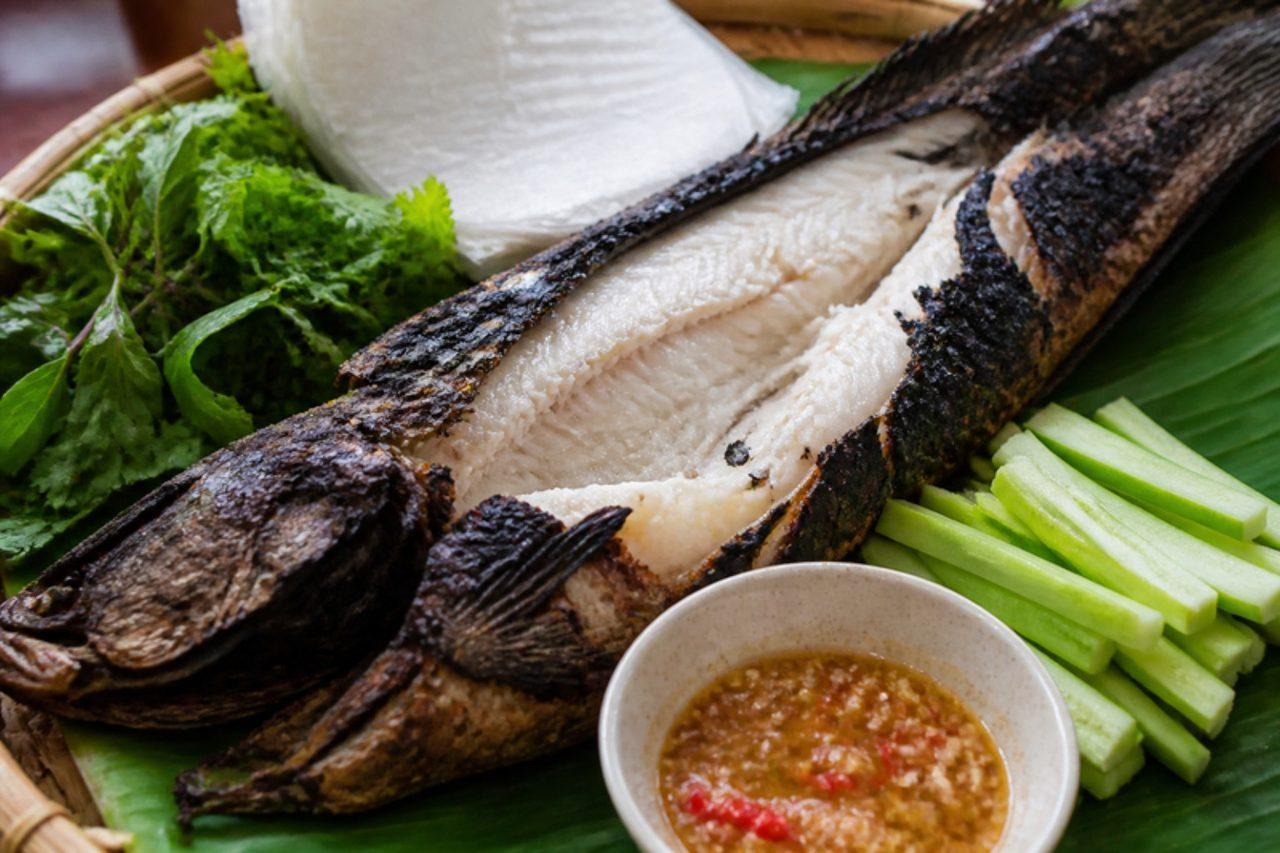
After the rice harvest in the Mekong Delta, farmers would catch snakehead from the flooded fields, skewer each fish on a stick, stand it in the ground and pile dry rice straw over it before setting it alight. When the straw burns away the blackened skin peels off to reveal steaming, sweet white flesh, which is rolled in rice paper with herbs, cucumber and rice noodles. Countryside restaurants around Cần Thơ still serve it this way. Snakehead is hard to buy outside Asia, so use sea bass, barramundi or tilapia and a barbecue or a hot oven. Chef's tip: push a long metal skewer from mouth to tail so you can turn the fish over without it breaking.

50 minFish
by KrazyBadal 0 views

Frango piri-piri

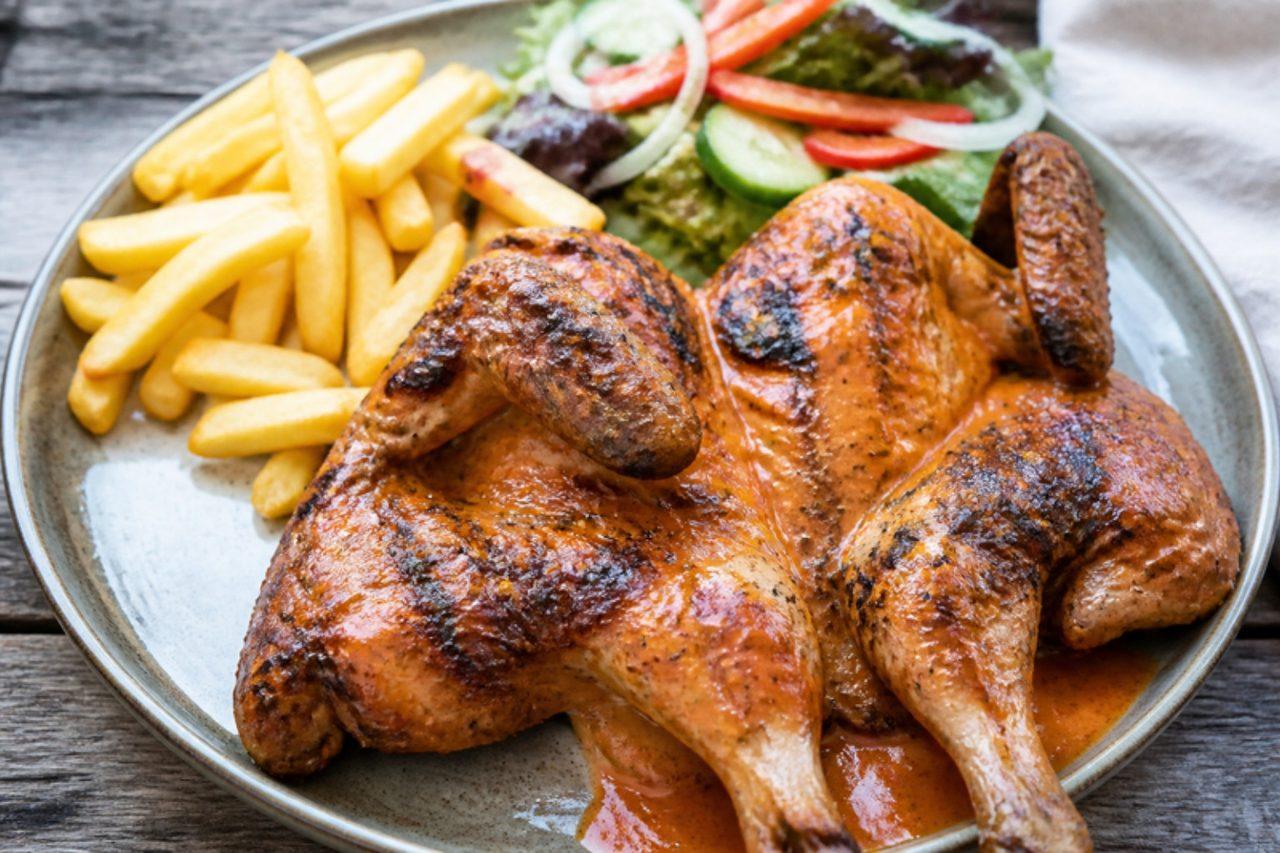
Guia, a small inland village in the Algarve, is famous across Portugal for its churrasqueiras, where flattened chickens are grilled over charcoal and painted with fiery piri-piri sauce; families drive out on summer evenings just to eat it. The bird marinates in a blend of small hot chillies, garlic, lemon, paprika and olive oil, then grills until the skin is blistered and the meat juicy. Serve with chips, rice or a tomato salad, and extra sauce for brave diners. Chef's tip: keep back some of the sauce before it touches the chicken; that fresh portion is for basting and the table.

70 minChickenGluten freeSpicy
by KrazyBadal 0 views

Goes well with red bird's eye chillies