Skip to content

Recipes with purple basil

10 recipes that use purple basil, with photos, step-by-step instructions and cook times. The quickest, Satsebeli, takes 15 minutes. It is most often cooked with coriander, garlic and tomato.

Got a few things in the fridge? Search by everything you have

Mangal salad

At every summer kebab grill in the Absheron villages outside Baku, a few aubergines, peppers and tomatoes are thrown straight onto the coals beside the skewers, then peeled, chopped with onion, basil and coriander and dressed with oil. Mangal salad tastes deeply smoky, soft and sweet, and is served with the meat or on its own with bread. A common mistake is pulling the vegetables off before the skins are fully black; the flesh stays firm and lacks smoke. Chef's tip: let the charred vegetables sweat in a covered bowl for 10 minutes; the skins slip off easily and the juices collect for the dressing.

by KrazyBadal 0 views

Chirbuli

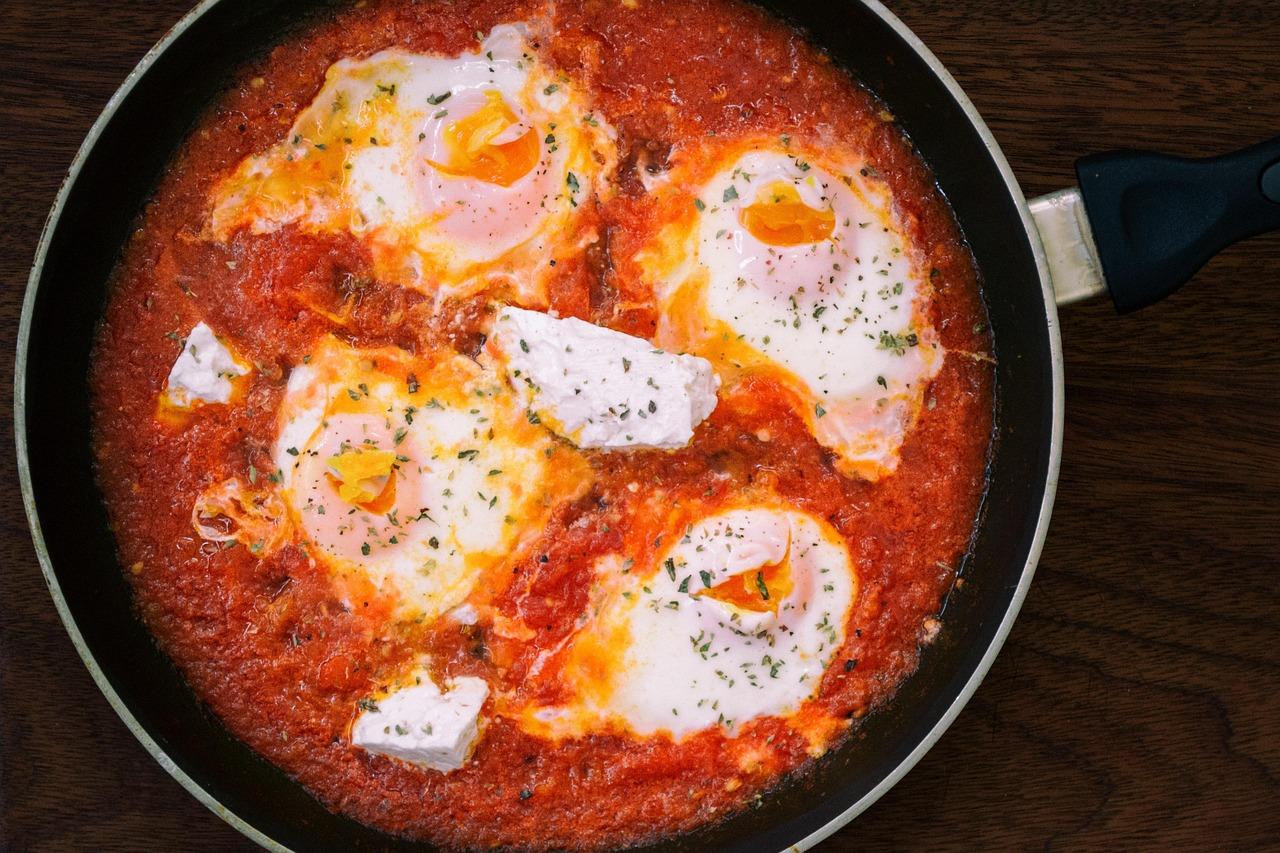
Families in Batumi and the coastal villages of Adjara make chirbuli for slow weekend breakfasts: onions and ripe tomatoes stewed with a spoon of crushed walnuts and plenty of herbs, with eggs cracked into the sauce and cooked until just set, so the yolks run into it. It is a cousin of shakshuka with a Georgian walnut richness, eaten with bread to wipe up the plate. A common mistake is putting the lid on and walking away; the yolks overcook and go chalky in a minute. Chef's tip: grind the walnuts with garlic and coriander seed first, so they melt into the sauce instead of staying gritty.

by KrazyBadal 0 views

Satsebeli

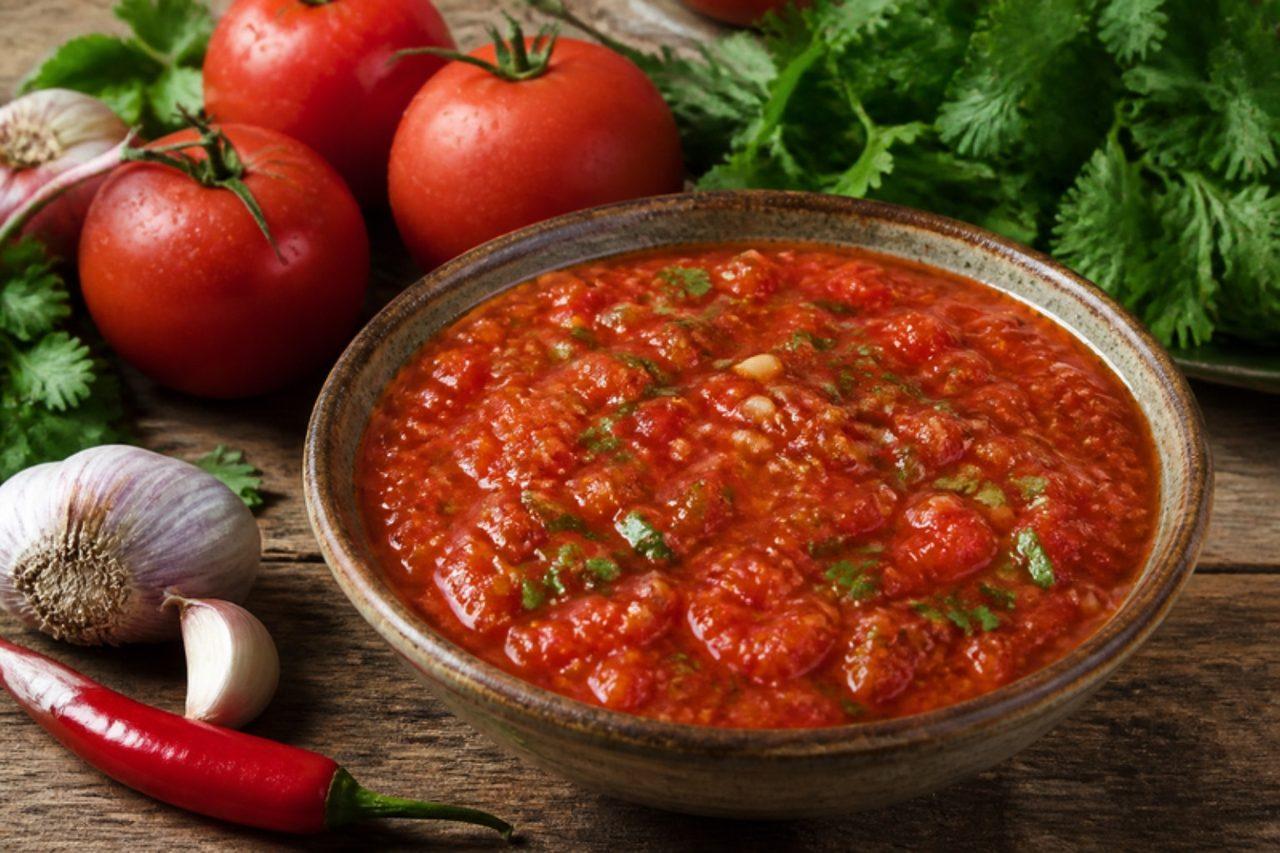
Satsebeli is the uncooked tomato sauce that comes beside mtsvadi skewers at every summer barbecue in Kakheti, and beside khinkali in Tbilisi taverns: very ripe tomatoes, rubbed to a pulp, then sharpened with garlic, hot pepper and a fistful of herbs. It should taste bright, fresh and a little fiery. A common mistake is blending it smooth, which makes it frothy and pale; Georgian cooks grate or chop by hand so it keeps some texture. Chef's tip: make it no more than an hour before eating; the herbs darken and the garlic grows harsh if it sits overnight.

by KrazyBadal 0 views

Chanakhi

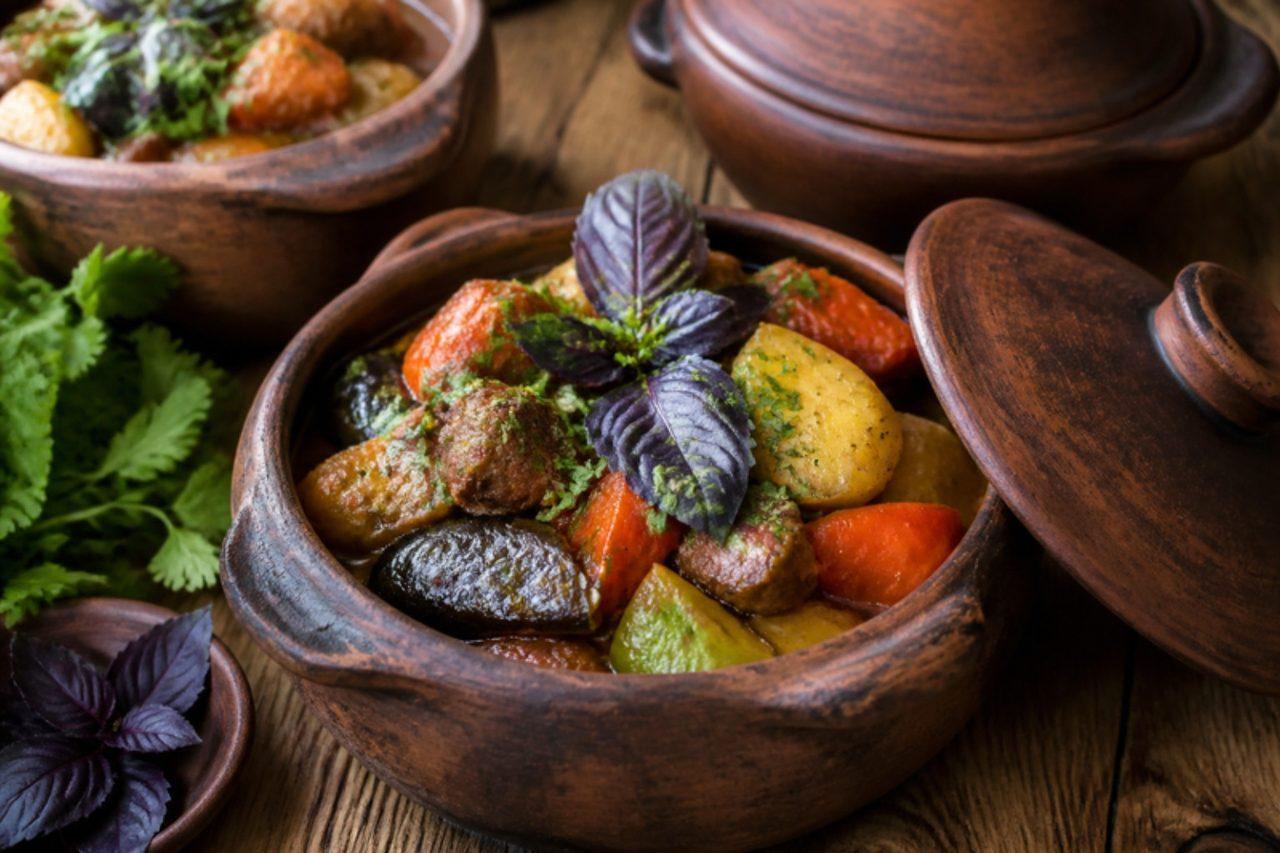
In Tbilisi homes and restaurants chanakhi arrives in its own small clay pot, the lid lifted at the table to release a cloud of steam smelling of lamb, tomato, basil and garlic. Lamb, potato, aubergine, onion and tomato are layered raw with herbs and left to cook slowly in their own juices, so the vegetables soak up the lamb fat and the meat goes spoon-soft. A common mistake is adding too much water; the vegetables release plenty, and a watery pot tastes flat. Chef's tip: put a tomato slice on top of each pot as a lid of its own, which bastes everything below as it melts.

150 minGeorgianMeatGluten free
by KrazyBadal 0 views

Kchuch

A kchuch is the round clay pot of Gyumri's kitchens, and the dish cooked in it takes its name: layers of vegetables and herbs, sealed and slow-baked until everything collapses into a rich, juicy stew. Shirak families often add lamb, but the vegetable version is a summer and Lenten favourite, heavy with aubergine, potatoes, peppers, tomatoes and garlic. A common mistake is slicing the potatoes thick, which leaves them hard when the aubergine is already soft. Chef's tip: lay the tomatoes and herbs on top and seal the lid with a strip of dough or foil, so the steam stays in and the vegetables cook in their own juices.

by KrazyBadal 0 views

Green beans with egg

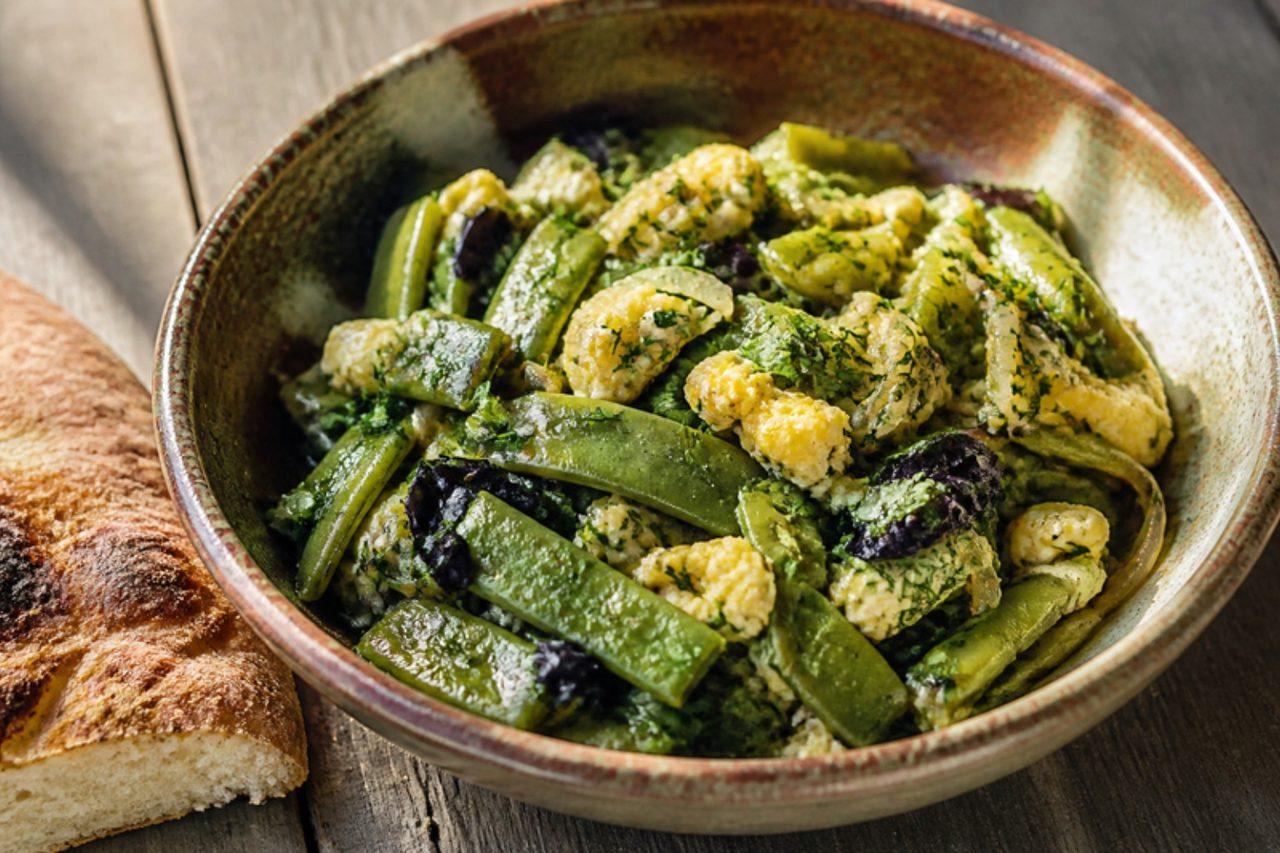
In the villages around Gori and Mtskheta, high summer brings sacks of flat green beans, and this is how many Kartli families eat them on a weekday: slowly softened with onion, then tossed with coriander, basil and garlic and bound at the last minute with beaten egg. The result sits halfway between a warm salad and a soft scramble, eaten with a hunk of shoti bread and a few slices of cheese. A common mistake is adding the eggs while the pan is still wet with bean water; they turn watery and grey instead of clinging in golden curds. Chef's tip: Georgian cooks use purple basil (reyhan), and its clove-like scent is what makes the dish taste of home, so look for it at Turkish or Georgian grocers.

by KrazyBadal 0 views

Ajapsandali

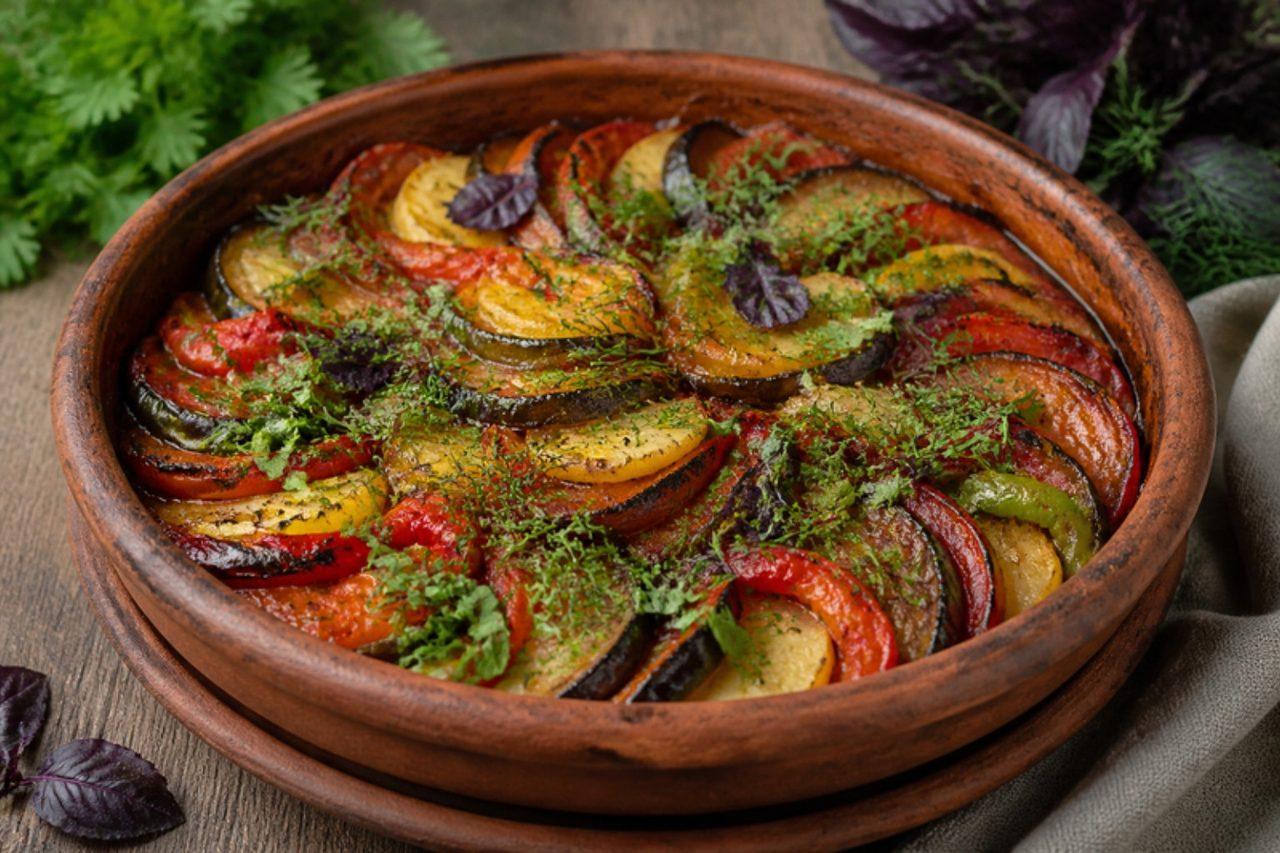
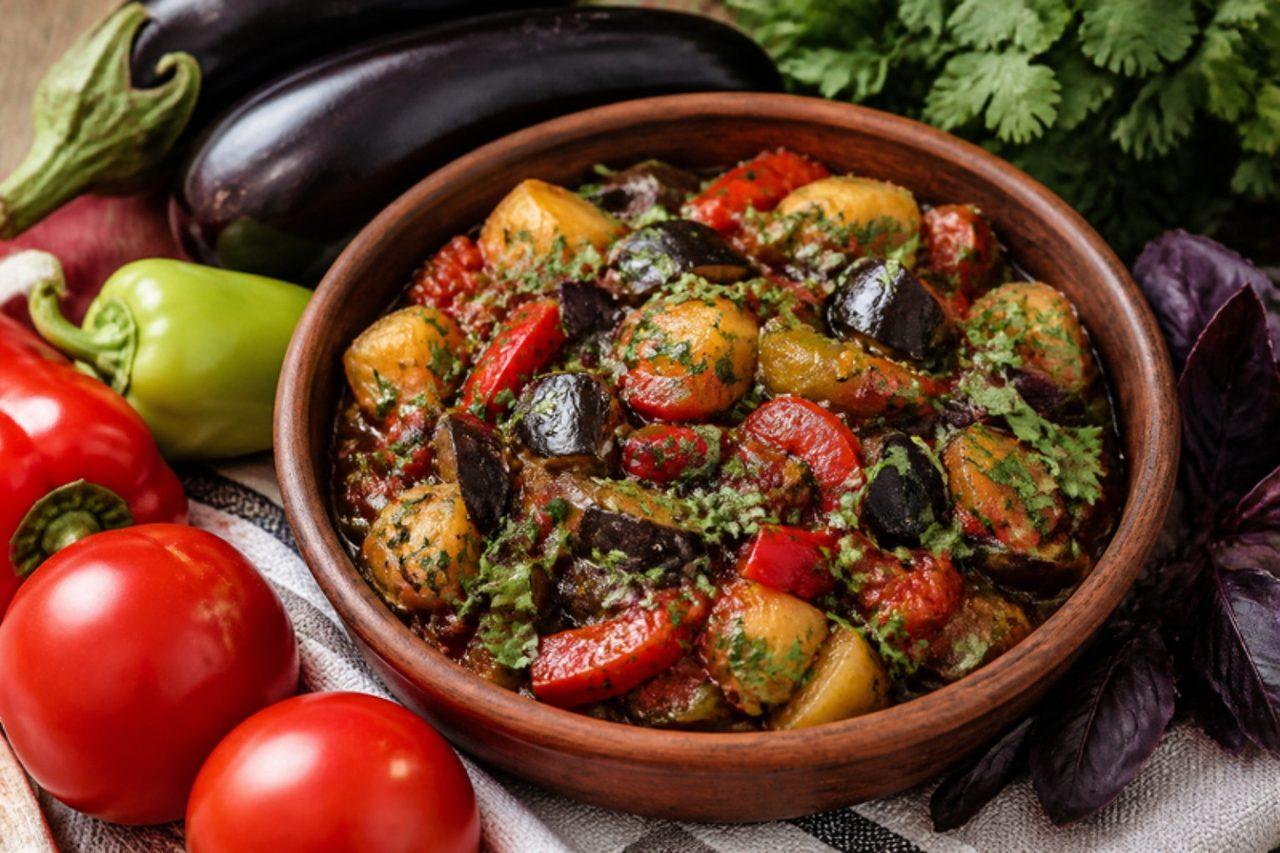
Ajapsandali is what Georgian kitchens make in late summer, when the markets of Tbilisi and the gardens of Kakheti are heaped with aubergines, peppers and tomatoes. The vegetables are fried briefly, layered in a pot and left to stew gently until soft and sweet, then finished with a whole handful of coriander, basil and garlic. It is eaten warm with bread as a main dish during Lent, or cold the next day as a side at a feast. The common mistake is stirring it too often, which breaks everything into mush; shake the pan instead and let the layers keep their shape. Chef's tip: fry the aubergine on its own first until golden; this one step gives the whole stew its deep, rounded flavour.

by KrazyBadal 0 views

Achichuk

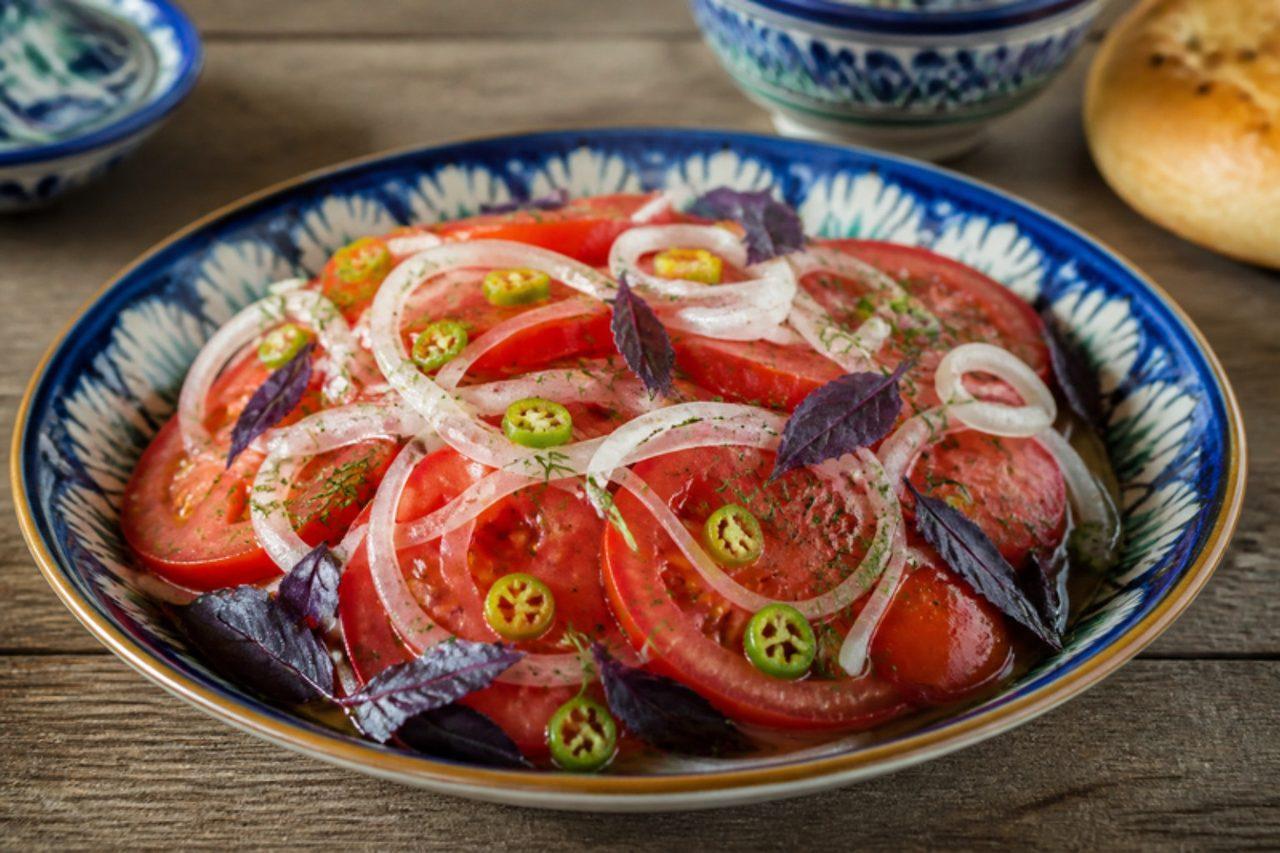
Achichuk, which means 'sharp' in Uzbek, is the thin-sliced tomato and onion salad that sits beside every platter of plov from Bukhara to the Ferghana Valley. In summer Tashkent markets overflow with heavy, sweet tomatoes and this salad is little more than those tomatoes, rings of mild onion, a hot green chilli, salt and black pepper, with a fistful of basil (reyhan) or dill. Some families call it shakarob. It is meant to cut through the richness of rice cooked in oil, so it has no dressing beyond the juice the tomatoes give. Chef's tip: soak the onion in salted iced water for 10 minutes; it loses its harsh bite but stays crunchy, which is how Uzbek cooks get the onion so gentle.

by KrazyBadal 0 views

Vegetable khorovats

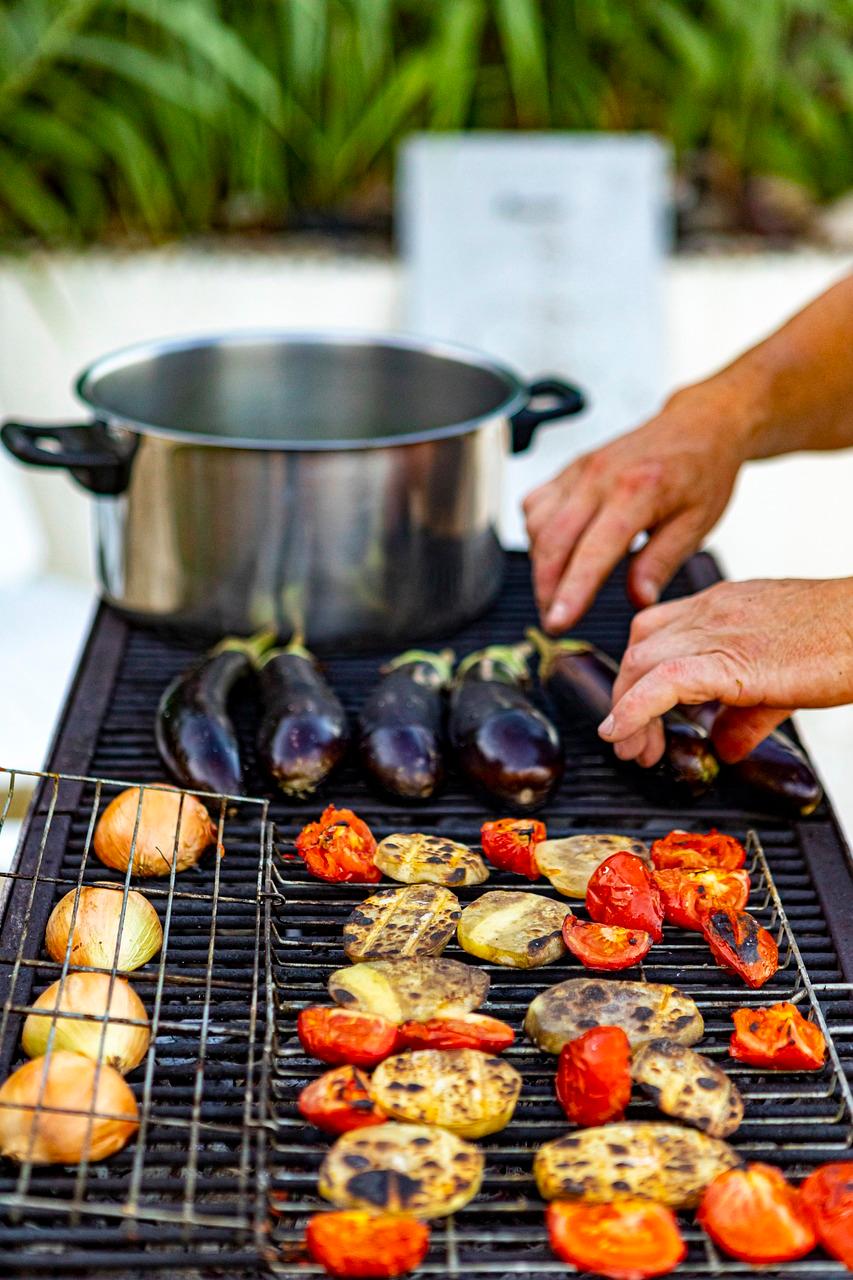
No Armenian summer weekend at the dacha passes without a khorovats, the charcoal grill fired up in the garden from Dilijan to Lake Sevan. Alongside the skewers, whole aubergines, peppers and tomatoes are grilled until black and collapsing, then peeled and chopped with raw onion, garlic and herbs into a smoky, juicy salad. Served on its own with lavash, salty cheese and pickles, it makes a full meal, and it is one of the dishes that Armenians say tastes of summer itself. It works on a barbecue or straight on a gas flame. Chef's tip: grill the vegetables whole, without oil and without cutting them; the skins burn and peel away, while the flesh steams inside and soaks up the smoke.

by KrazyBadal 0 views

Georgian salad with walnut dressing

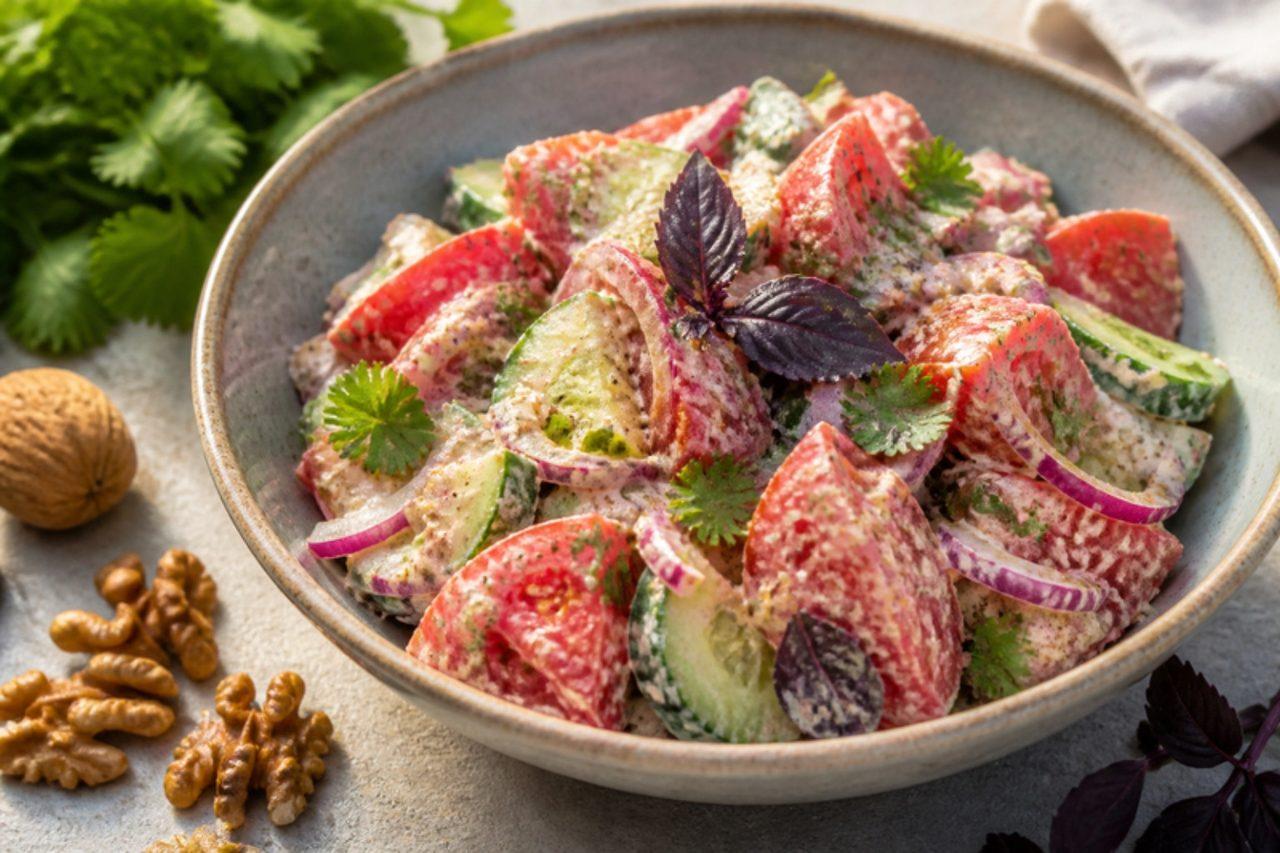
On a Georgian table in July and August the tomato and cucumber salad is not dressed with oil and lemon but with ground walnuts loosened with water and vinegar, so the dressing turns creamy and nutty. You find it in Tbilisi kitchens, in Kakhetian village gardens where the tomatoes come off the vine warm, and next to every khachapuri. It takes fifteen minutes and is best eaten as soon as it is made. A common mistake is salting the tomatoes too early, which floods the bowl with juice and thins the dressing; dress and salt just before it goes to the table. Chef's tip: use purple (opal) basil if you can find it; its clove-like scent is what makes this salad taste Georgian.

by KrazyBadal 0 views

Goes well with purple basil