Skip to content

Recipes with pork stock

9 recipes that use pork stock, with photos, step-by-step instructions and cook times. The quickest, Bak chor mee, takes 45 minutes. It is most often cooked with garlic, light soy sauce and coriander.

Got a few things in the fridge? Search by everything you have

Kyay oh

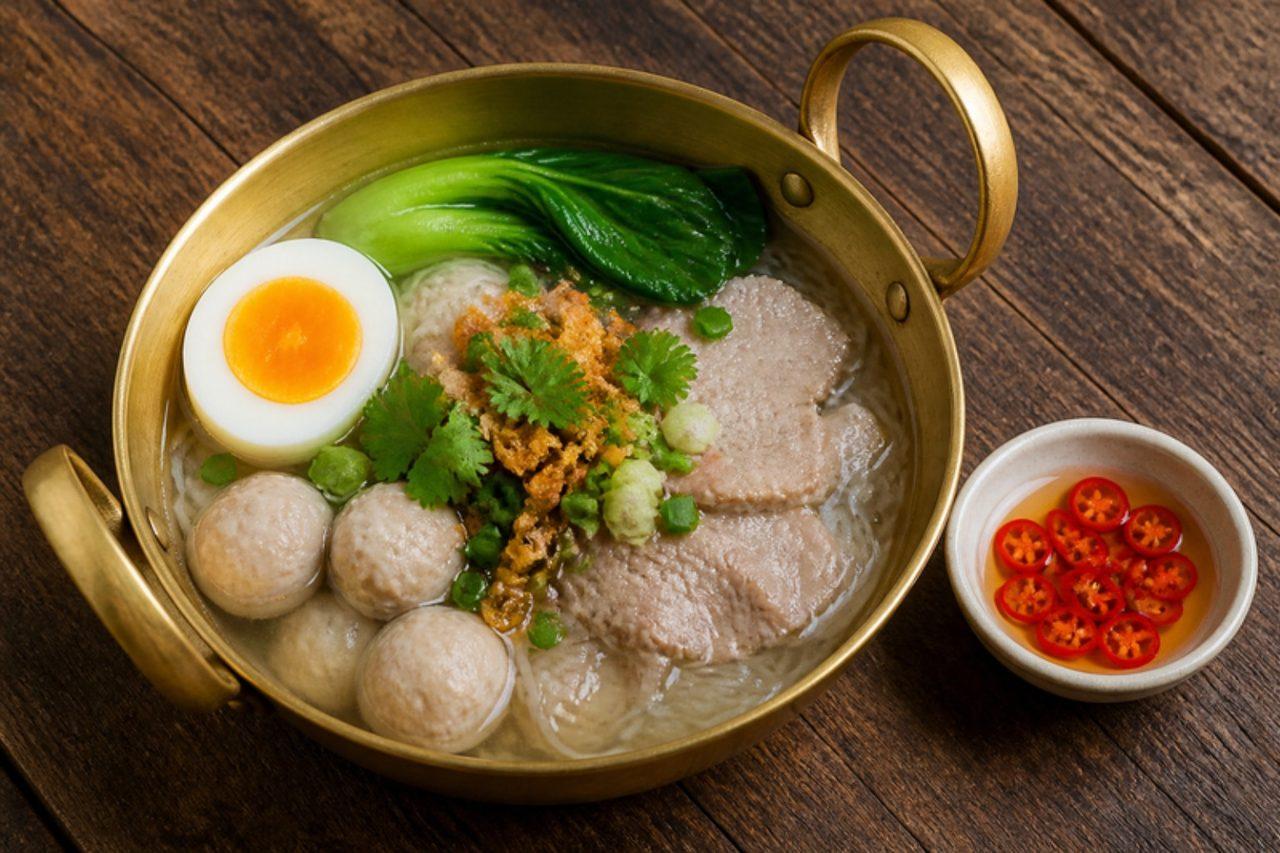
Served bubbling in a small brass pot, which is what kyay oh means, this Chinese-Burmese soup fills the late-night noodle shops of Yangon's Chinatown and the busy breakfast places of Mandalay. A clear, peppery pork broth carries thin rice noodles, springy hand-rolled pork balls, sliced pork, tender greens and an egg cracked in at the last moment so it poaches in the pot. Garlic oil, white pepper and a side of vinegar with chopped chilli keep each spoonful sharp and warming. The pitfall is boiling the broth hard once the pork balls are in; they toughen and the soup turns cloudy, so keep it at a gentle bubble. Chef's tip: slap the pork mince against the bowl for a minute before shaping; it gives the balls their bouncy, almost crunchy texture.

by KrazyBadal 0 views

Danzai noodles

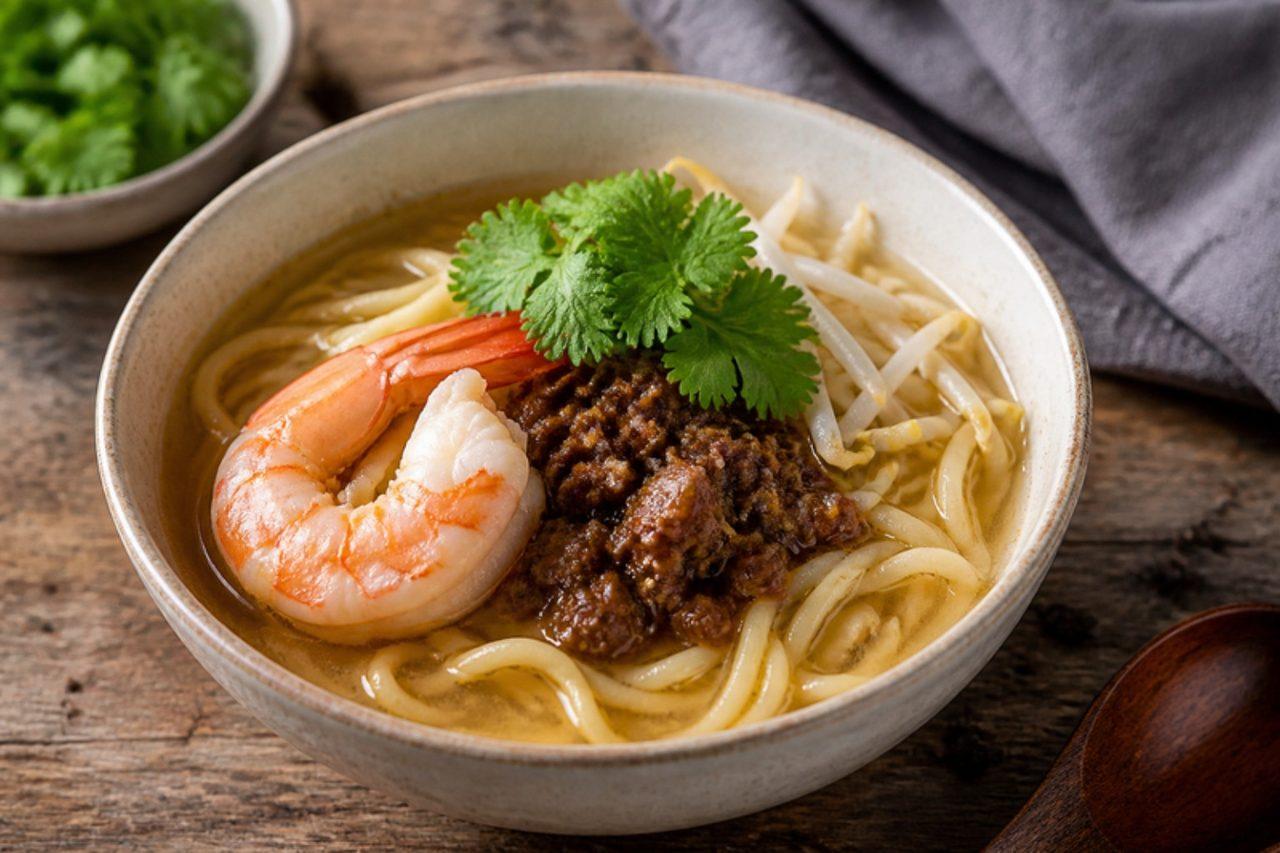
Tainan's most famous snack began with fishermen who, in the stormy months when boats stayed in harbour, carried noodles and broth through the streets on a shoulder pole. It is still served in deliberately small bowls, eaten as a between-meals bite rather than a dinner: springy yellow noodles and bean sprouts in a sweet, clear prawn-shell broth, crowned with a spoonful of slow-cooked minced pork, a single prawn, garlic paste and a dot of black vinegar. Pork is the heart of the topping, braised until sticky with shallots and five-spice. The mistake to avoid is drowning the bowl: use only enough broth to half-cover the noodles, so the meat sauce seasons it. Chef's tip: toast the prawn shells and heads in a dry pot until they turn bright red before adding water; it doubles the sweetness of the broth.

by KrazyBadal 0 views

Bak chor mee

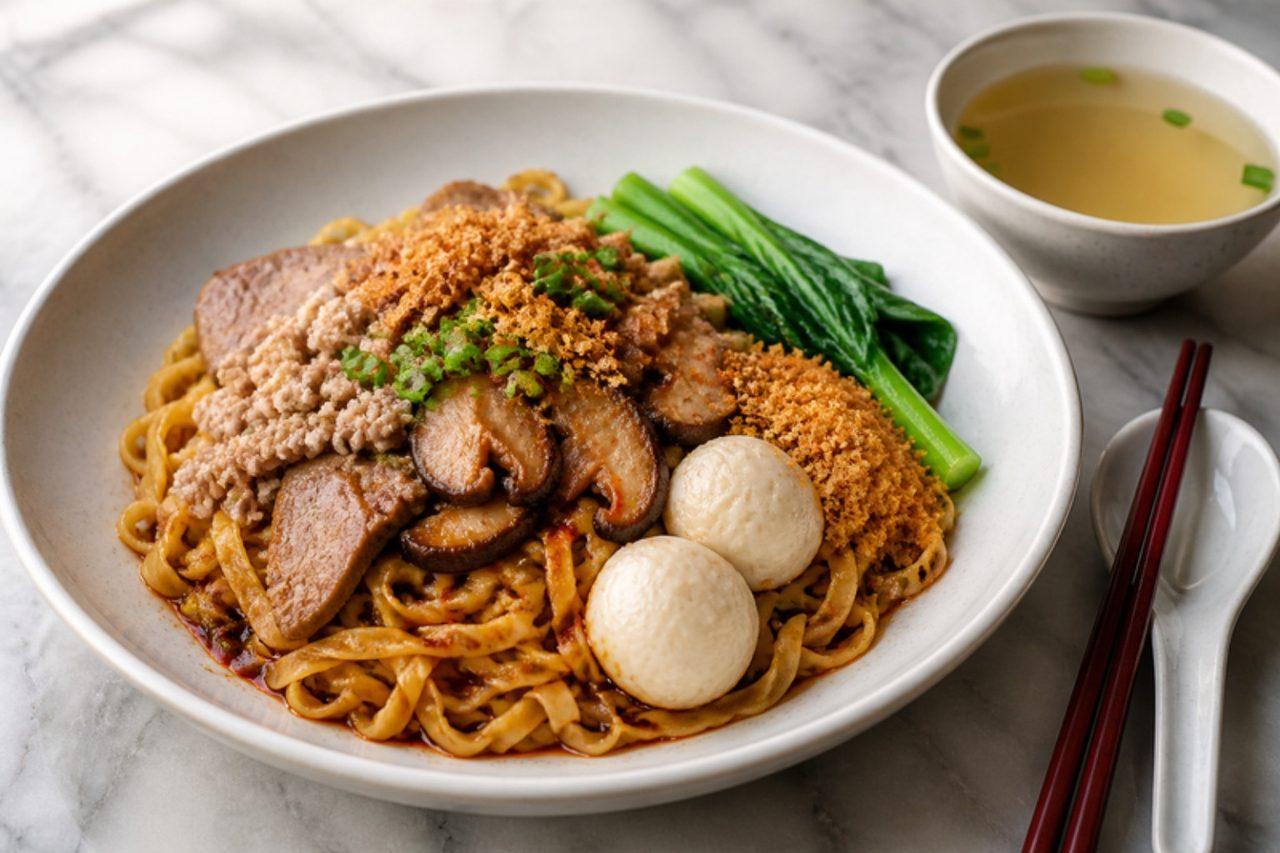
Queue at almost any Teochew noodle stall in a Singapore kopitiam before work and the order you hear most is a bowl of bak chor mee, dry, with extra vinegar. Springy flat mee pok is tossed at the bottom of the bowl in black vinegar, chilli paste, soy and a spoon of pork lard, then crowned with loosely poached minced pork, slices of pork liver, fish balls and sweet braised mushrooms, with a small bowl of clear pork soup on the side. It should taste sour first, then hot, then rich, and the noodles must stay bouncy rather than soft. Where most home cooks go wrong is cooking the noodles in one long boil: they turn limp and soak up the sauce instead of carrying it. Chef's tip: blanch the noodles twice, plunging them into cold water in between, which is how the hawkers get that al dente snap.

by KrazyBadal 0 views

Lor mee

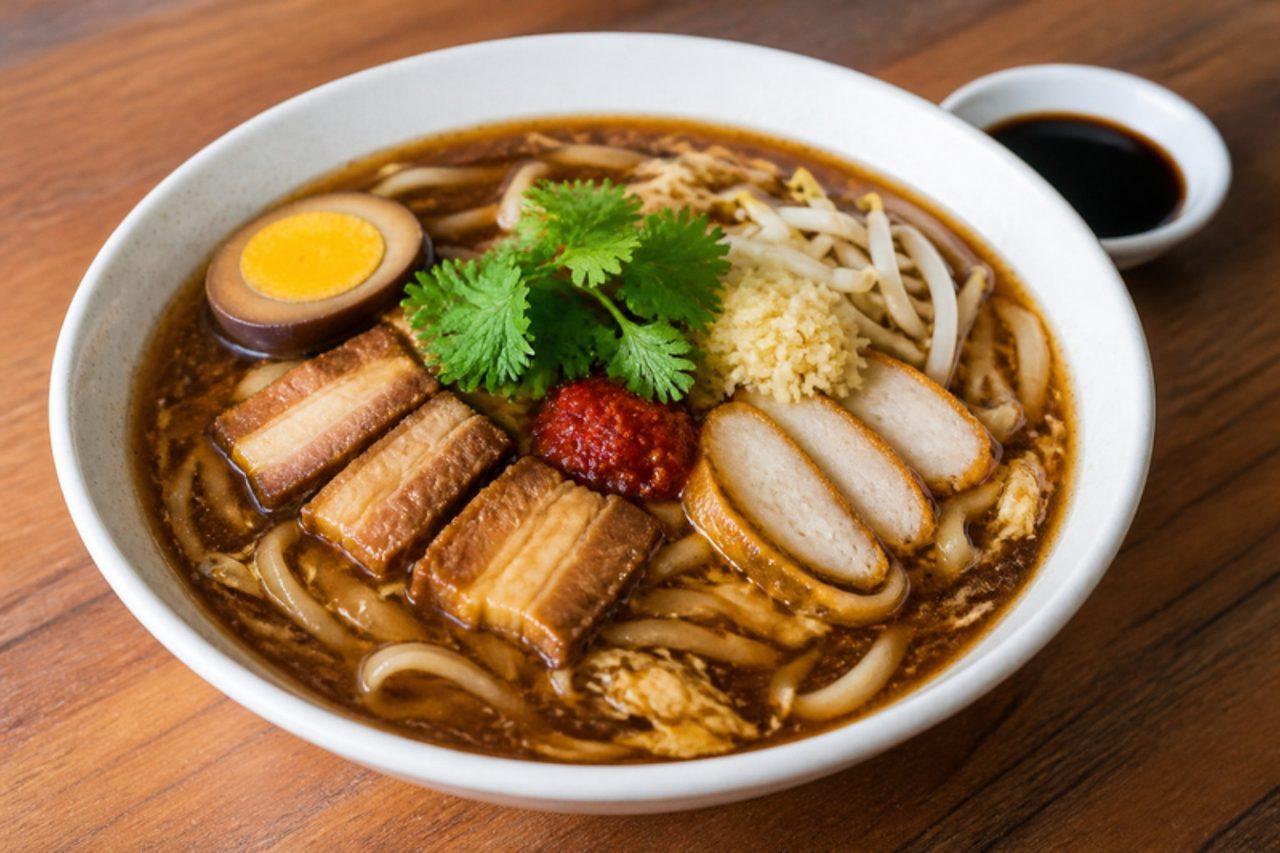
Thick, glossy and almost spoon-standing, the gravy is the whole point of lor mee, a Hokkien breakfast and lunch bowl found in hawker centres from Old Airport Road to Tiong Bahru. Fat, flat yellow noodles are buried under a dark, five-spice and garlic gravy thickened with starch and threaded with silky egg ribbons, then topped with slices of soy-braised pork belly, a halved braised egg, fish cake and bean sprouts. At the table it is finished with a spoon of minced raw garlic, a splash of black vinegar and chilli, which cut through the richness. Many first attempts end with lumpy gravy, because the starch slurry was poured into a furiously boiling pot all at once. Chef's tip: braise the pork the day before; the chilled fat lifts off the braising liquid in one sheet, and the meat slices neatly.

by KrazyBadal 0 views

Maczanka po krakowsku

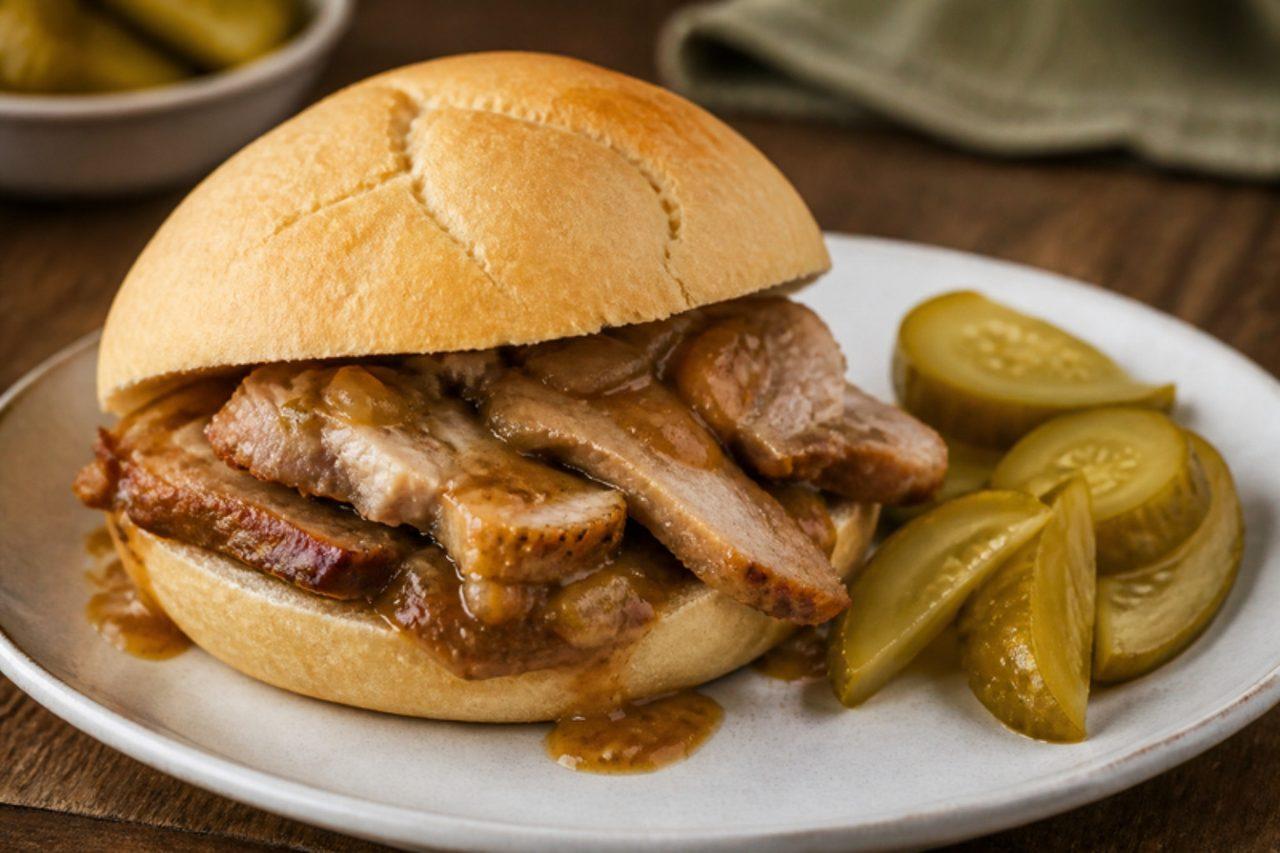
Long before burgers reached the Rynek, Kraków's taverns sold maczanka, a soft bread roll split, dunked in the cooking juices of slowly braised pork shoulder and stuffed with sliced meat. The name comes from maczać, to dip, and the dipping is the whole point: the roll should drip, so eat it over a plate with a knife and fork or a stack of napkins. The pork is braised with plenty of onion, caraway and marjoram until it slices like butter, and the juices go glossy and savoury. Serve it with a pickled cucumber and a sharp beetroot and horseradish relish (ćwikła). Where most people go wrong is rushing the braise at a boil, which tightens the meat instead of softening it. Chef's tip: braise the shoulder the day before, chill it in its juices and slice it cold; it cuts neatly and reheats beautifully in the liquid.

150 minPolishMeat
by KrazyBadal 0 views

Taiwanese oyster vermicelli

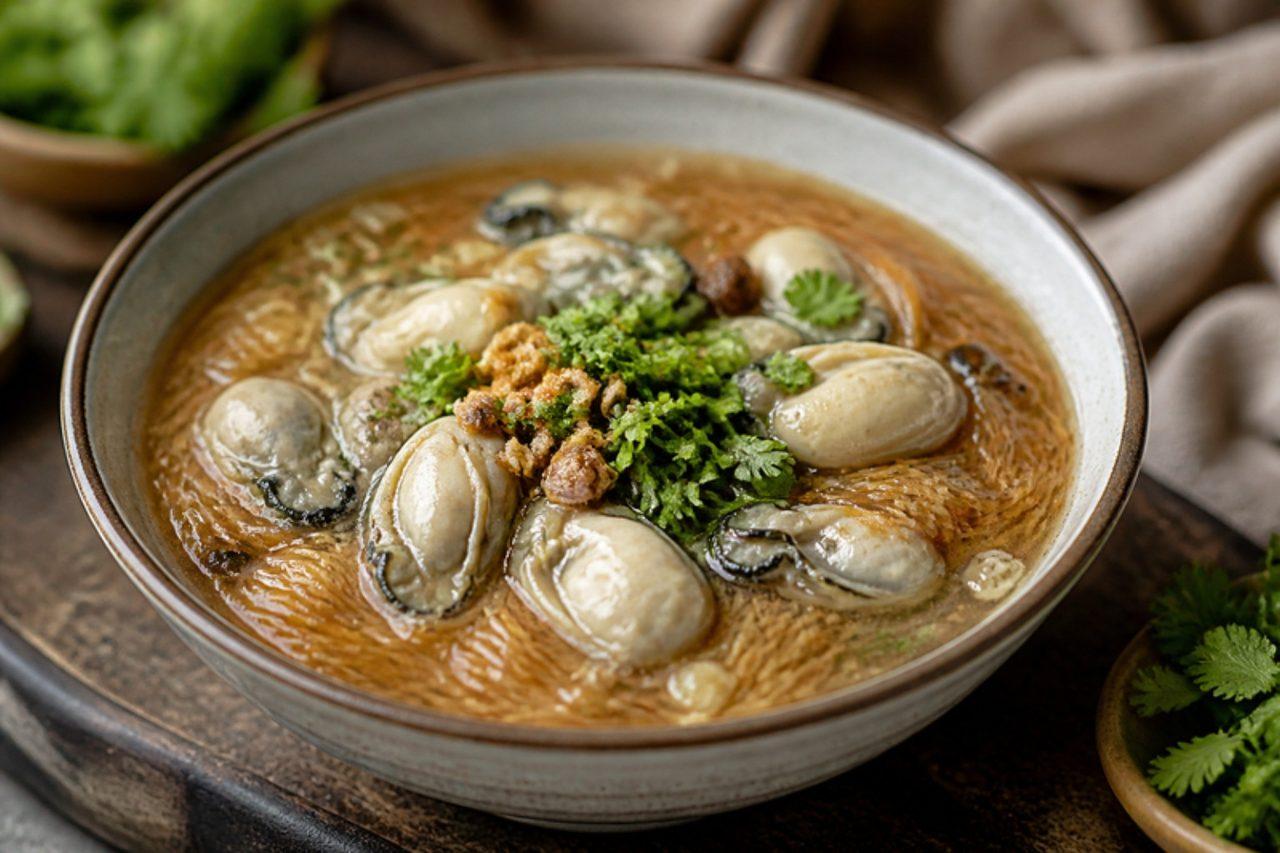
Around Ximending in Taipei, people queue at standing-room stalls for a paper cup of this, spooning it up on the pavement as an afternoon snack or a late supper after the cinema. The thin brown wheat vermicelli melts into a glossy, bonito-scented broth thickened with starch, with plump starch-coated oysters and chewy pieces of braised pork intestine through it, finished with black vinegar, garlic and coriander. Buy oysters already shucked and very fresh from a fishmonger you trust; braised pork belly makes an easy stand-in for the intestine. The usual mistake is boiling the noodles separately until they turn to mush: the red vermicelli is pre-steamed and only needs a few minutes in the broth to soften. Chef's tip: coat the oysters in starch and drop them into barely simmering broth at the very end, so they stay plump with a silky jacket instead of shrinking.

by KrazyBadal 0 views

Carapulcra

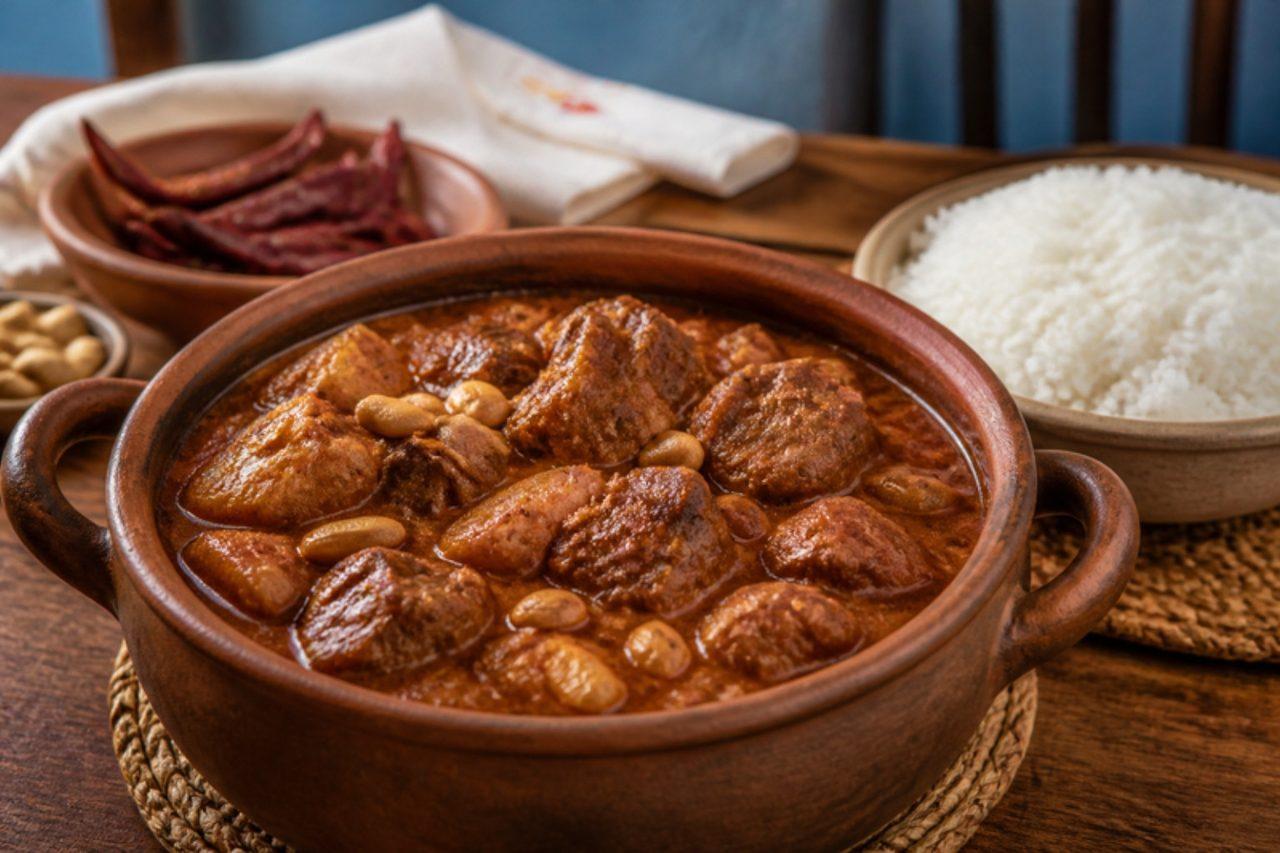
Older than Peru itself, carapulcra comes from the Afro-Peruvian kitchens of Chincha, south of Lima, where it is cooked in big pots for saints' days and family lunches and served next to a mound of sopa seca, a pairing locals call the 'matrimonio'. Pieces of papa seca, potato that has been boiled, sun-dried and broken into nuggets, are toasted and simmered with pork shoulder in a brick-red sauce of ají panca, garlic, cumin and ground peanuts, until the potato swells into chewy, savoury lumps and the sauce turns thick and nutty. Most people skip toasting the papa seca, and the stew tastes flat; the dry pan is where the flavour comes from. Chef's tip: stir often in the last half hour and add hot stock a ladle at a time; papa seca drinks liquid and catches on the base without warning.

by KrazyBadal 0 views

Puca picante

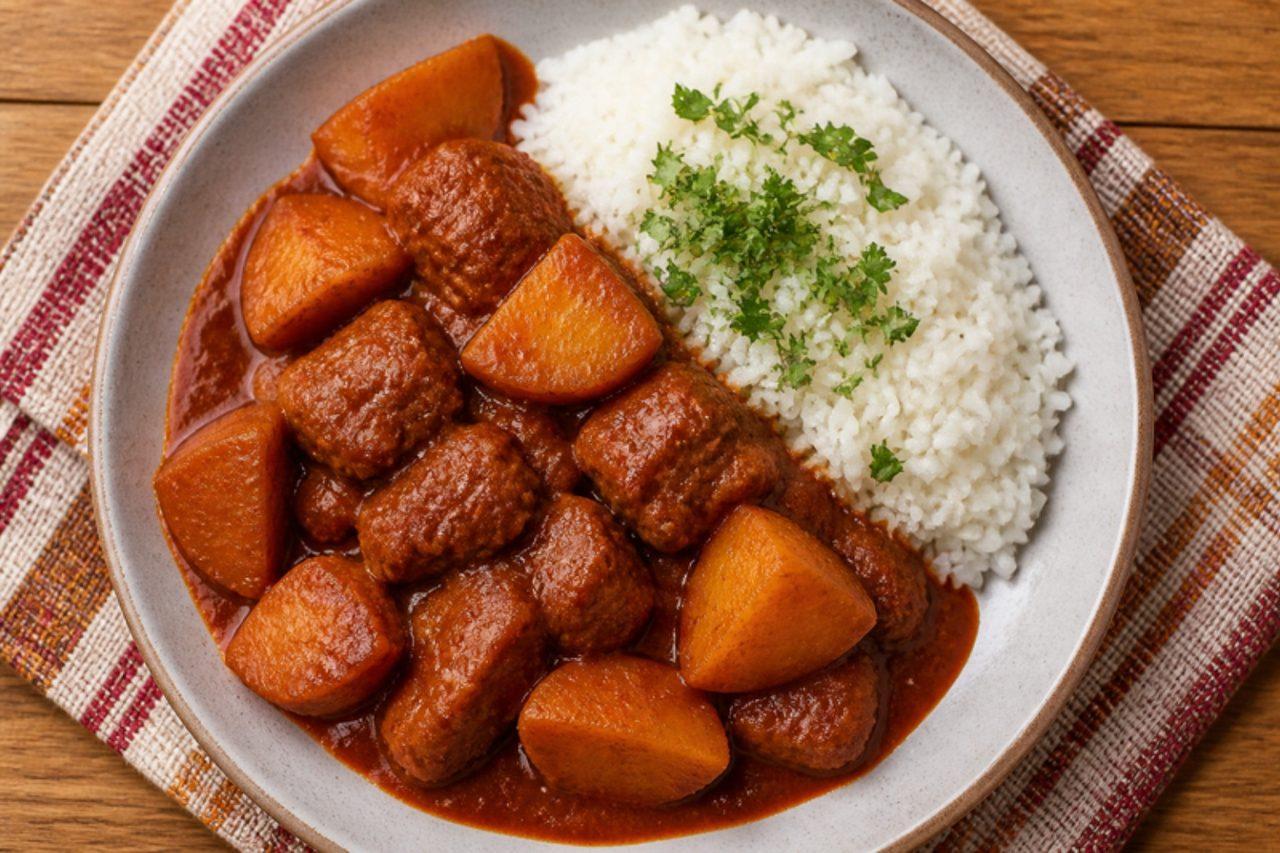
Puca means red in Quechua, and Ayacucho's puca picante is as red as a stew gets, thanks to ají panca and a little beetroot. Cubes of pork and potato simmer in a sauce thickened with ground toasted peanuts until creamy, nutty and mildly hot; it is served at Ayacucho's Sunday lunches and during Semana Santa with white rice, a fried pork chunk on top and a sharp salsa criolla. A frequent error is too much beetroot, which makes it earthy and sweet; you only need enough for the colour. Chef's tip: toast the peanuts in a dry pan before grinding them, and the sauce tastes twice as deep.

by KrazyBadal 0 views

Penang lor bak

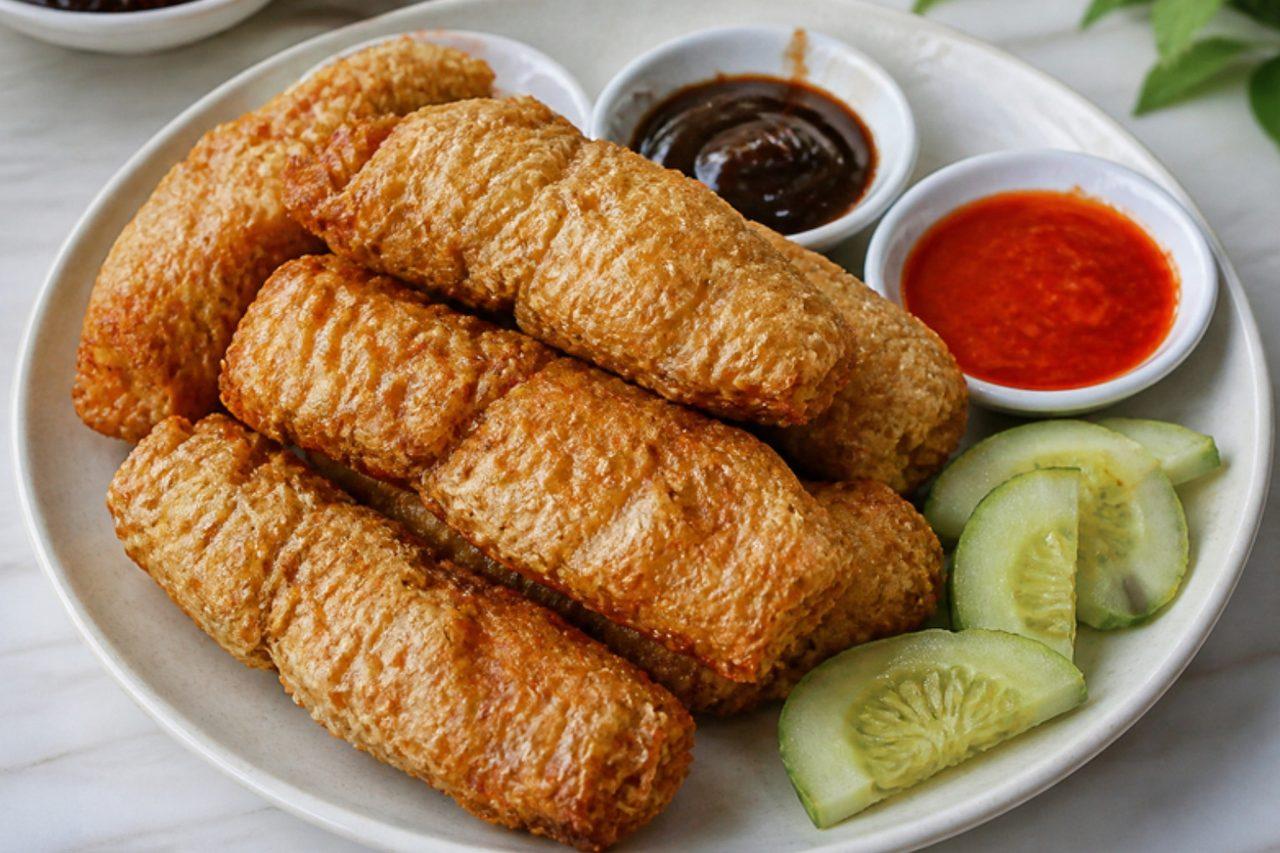
Every Penang lor bak stall shows off a tray of fried things, but the five-spice pork roll is the reason people queue. Minced pork and chopped water chestnut, seasoned with five-spice, soy and garlic, are rolled tight in sheets of dried beancurd skin, steamed, then fried until the skin shatters like thin pastry. Slices are dipped in two sauces: a thick, starchy 'lor' gravy streaked with egg and a bright chilli sauce. They are a favourite with drinks at the hawker centres along Kimberley Street or as part of a Chinese New Year spread. Chef's tip: wipe the beancurd skin with a damp cloth rather than soaking it; too wet and it tears and will not crisp.

by KrazyBadal 0 views

Goes well with pork stock