Skip to content

Recipes with pimento-stuffed olives

4 recipes that use pimento-stuffed olives, with photos, step-by-step instructions and cook times. The quickest, Puerto Rican piononos, takes 60 minutes. It is most often cooked with garlic, onion and capers.

Got a few things in the fridge? Search by everything you have

Asopao de pollo

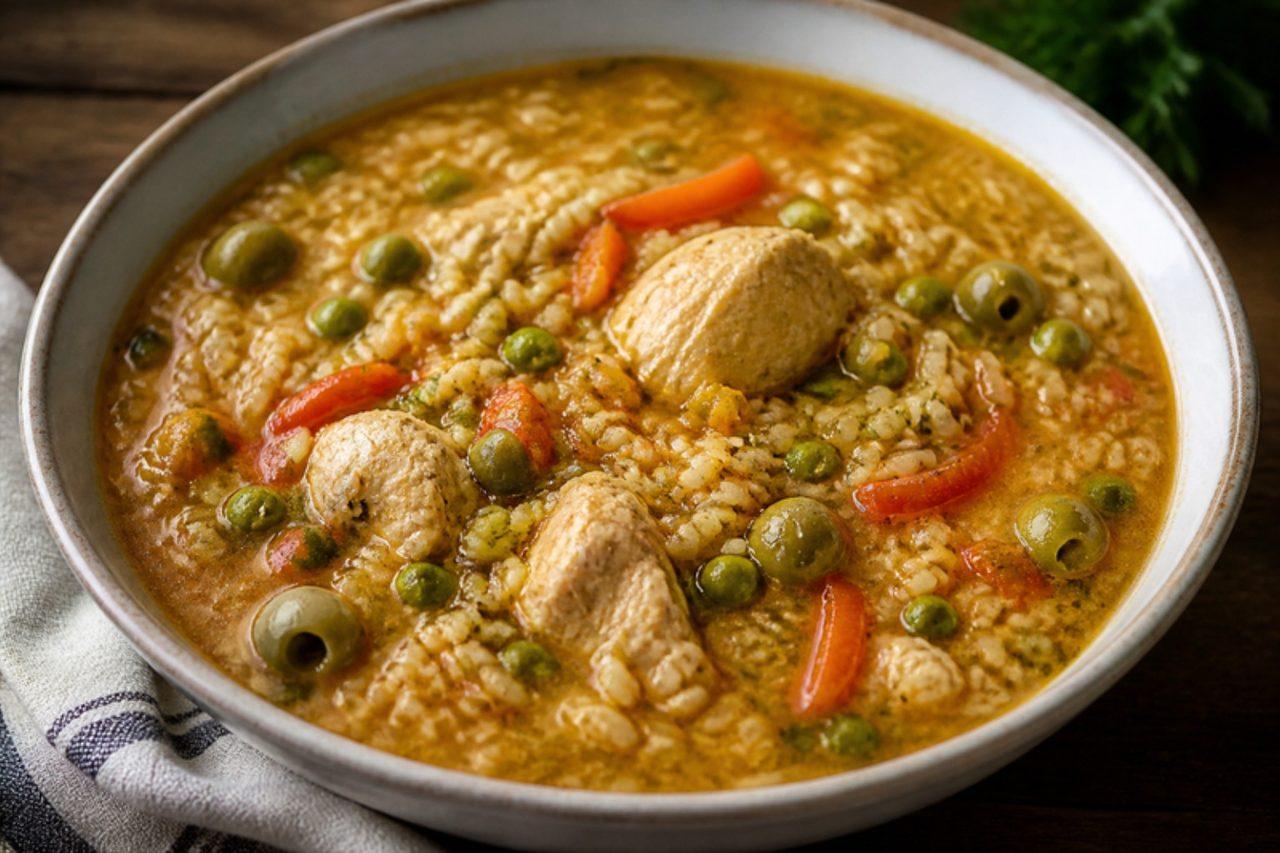
Somewhere between a soup and a risotto, asopao is the pot Puerto Rican mothers put on for a rainy Sunday, a cold, or a hangover after a long party night, and it is spooned straight from deep bowls with tostones on the side. Bone-in chicken is seasoned with garlic, oregano and lime, simmered in a sofrito broth, then rice goes in until the whole pot turns thick and brothy, finished with olives, capers, peas and strips of roasted pepper. The common mistake is making it ahead: the rice keeps drinking the broth and turns stodgy, so cook it just before eating, or keep extra stock to loosen leftovers. Chef's tip: take the pot off the heat while the rice is still a touch firm; it carries on cooking in the bowl.

by KrazyBadal 0 views

Puerto Rican pasteles

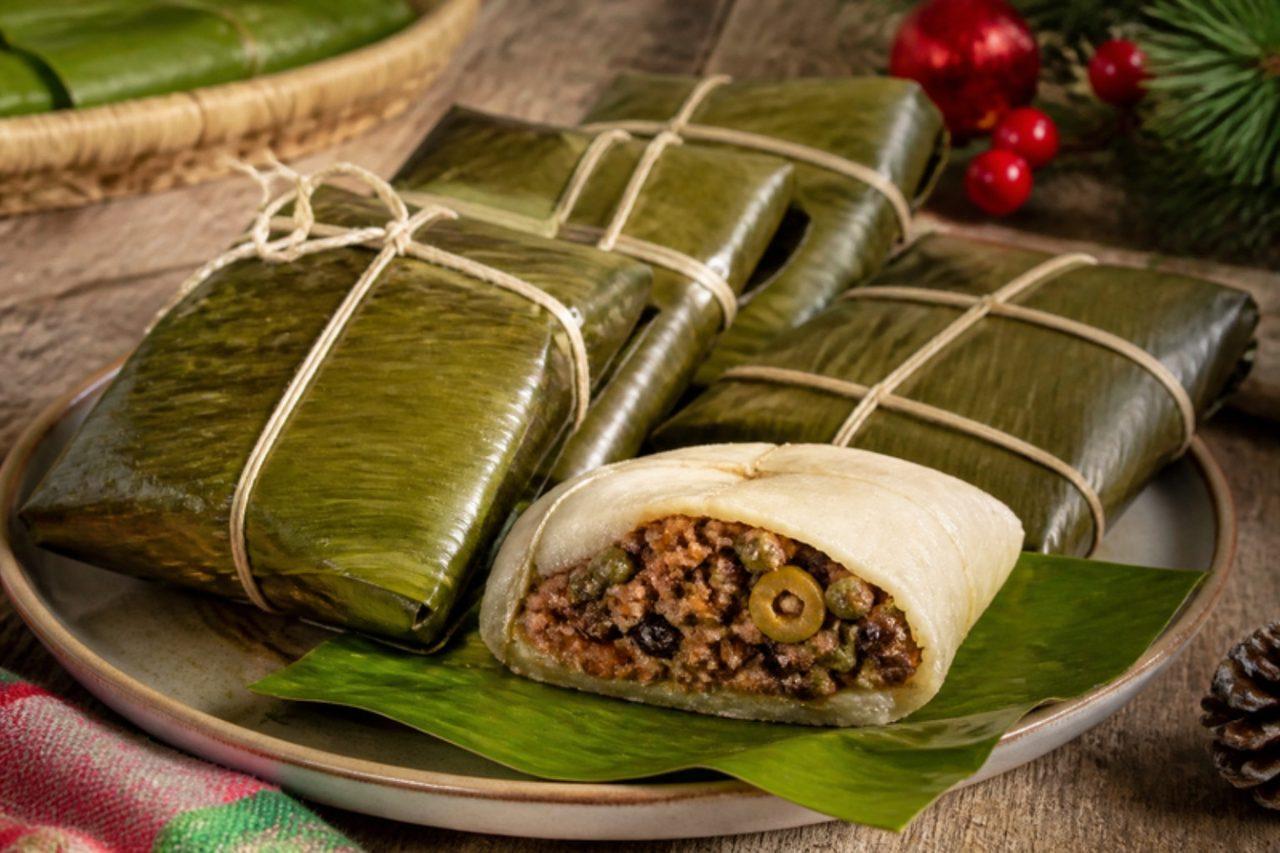
Making pasteles is a December production line in Puerto Rican homes, from Orocovis in the mountains to the Bronx: one person grates, one seasons, one spreads masa on plantain leaves and someone else ties the strings, and dozens go into the freezer for Nochebuena. The masa is grated green banana, yautía and a little calabaza coloured with annatto oil; the filling is diced pork shoulder stewed with sofrito, olives, capers and chickpeas. Each parcel is boiled until the masa sets into a soft, savoury pudding. The common mistake is spreading the masa too thick, which leaves a raw, gummy centre. For a vegetarian version, fill them with chickpeas and diced vegetables stewed in the same sauce. Chef's tip: grate the roots on the finest side of the grater (or blitz them with a little of the annatto oil) for the smooth, silky masa that marks a good pastel.

by KrazyBadal 0 views

Trinidad pastelles

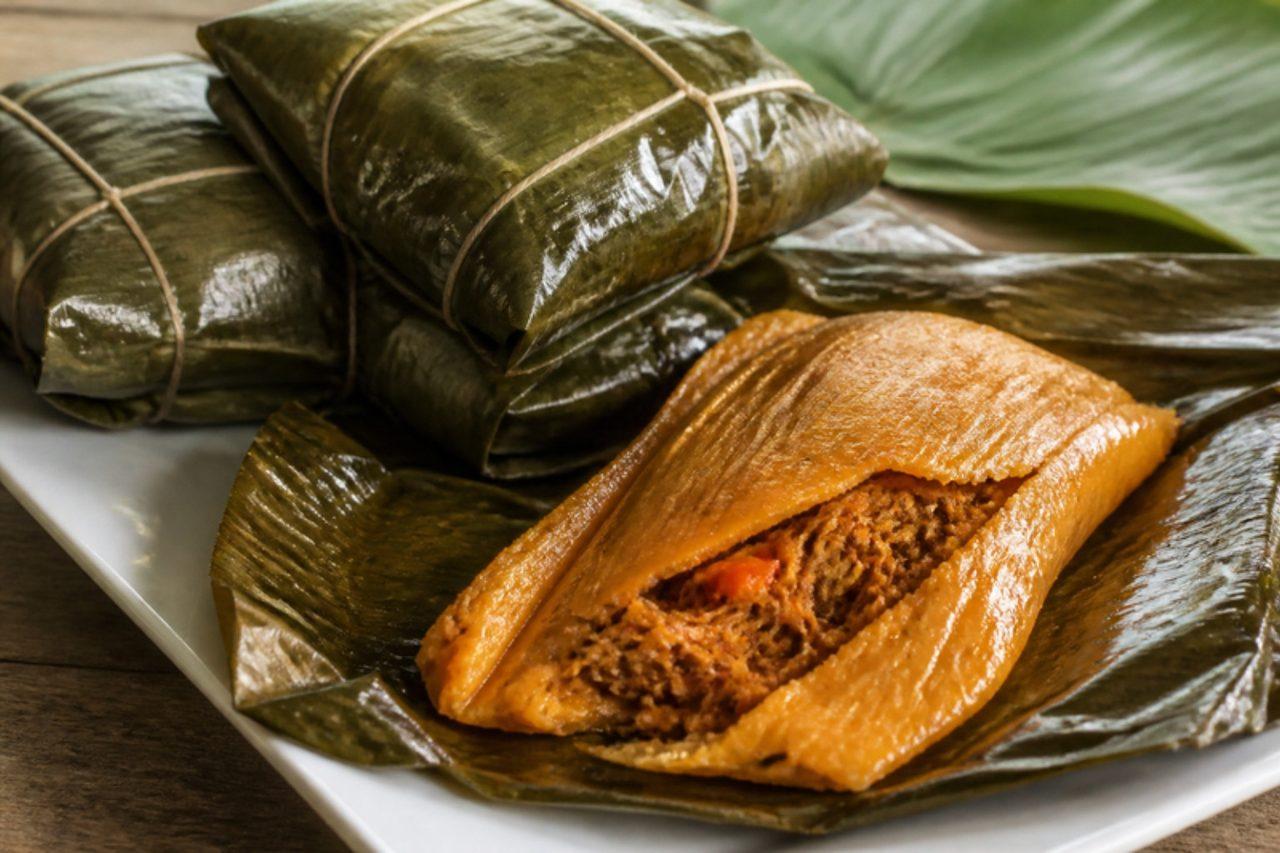
Trinidad's Venezuelan-rooted pastelles are a Christmas ritual: families gather in the kitchen, press thin cornmeal dough onto banana leaves, spoon on a filling of minced beef and pork with olives, capers and raisins, then fold and steam dozens at a time to freeze for the season. Once cooked they are soft, savoury and slightly sweet, with the leaf perfuming the dough. This version uses beef and pork mince; a lentil filling makes a vegetarian pastelle. The most common mistake is pressing the dough too thick, which turns the parcels stodgy; it should be thin enough to see the leaf's shine through. Chef's tip: pass the banana leaves over a flame for a few seconds until they turn glossy and pliable, so they fold without tearing.

by KrazyBadal 0 views

Puerto Rican piononos

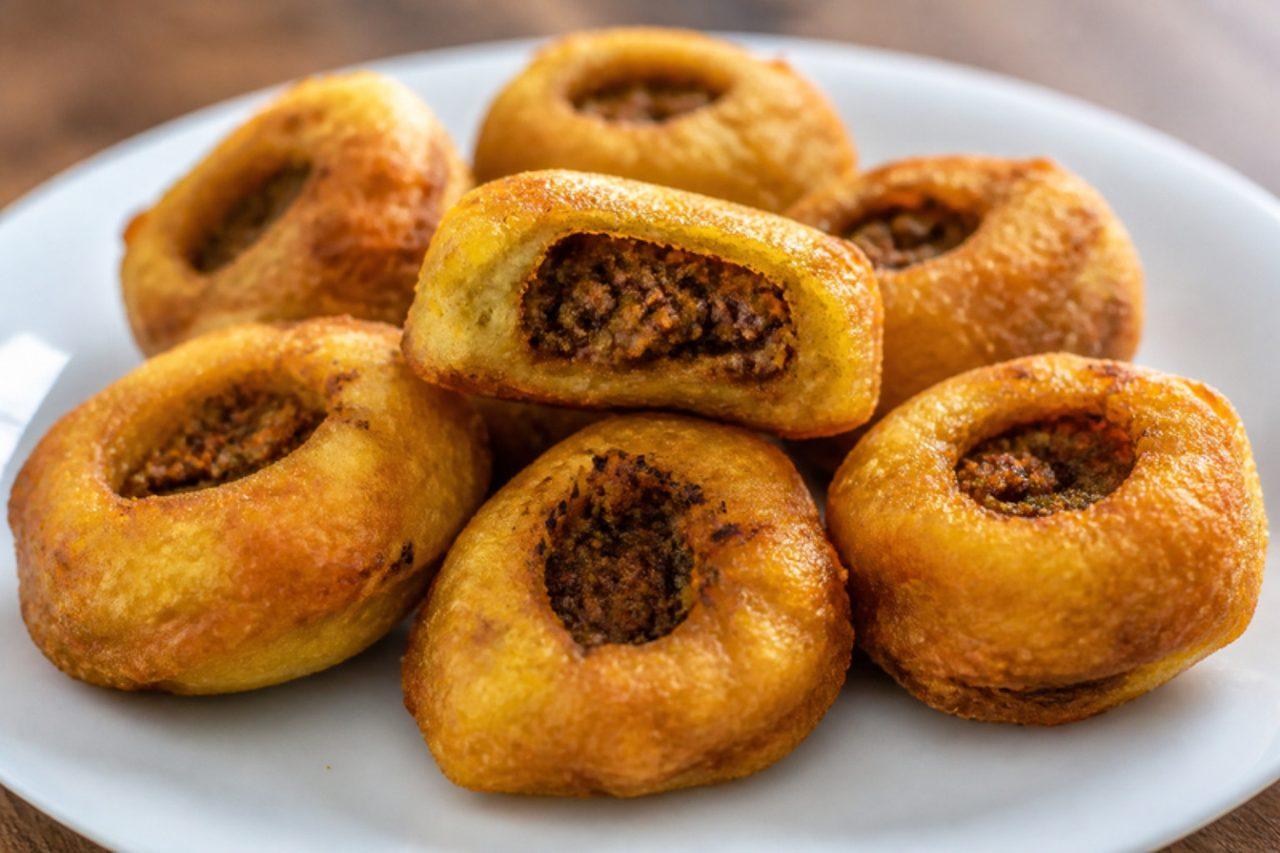
Around Loíza and in the frituras kiosks of Piñones, piononos are sweet-and-savoury rings of ripe plantain wrapped around beef picadillo, sealed with beaten egg and fried until golden. The sugar in very ripe plantain caramelises against the salty, olive-studded filling, and they are served hot as a starter or a whole lunch with salad. The common mistake is using yellow plantains that are only just ripe; they crack when bent, so wait until the skins are mostly black. Chef's tip: fry the plantain strips only until soft and pliable, not crisp, so they wrap round the filling without snapping.

by KrazyBadal 0 views

Goes well with pimento-stuffed olives