Skip to content

Recipes with pecorino romano

4 recipes that use pecorino romano, with photos, step-by-step instructions and cook times. The quickest, Cacio e pepe, takes 20 minutes. It is most often cooked with black peppercorns, guanciale and bucatini.

Got a few things in the fridge? Search by everything you have

Cacio e pepe

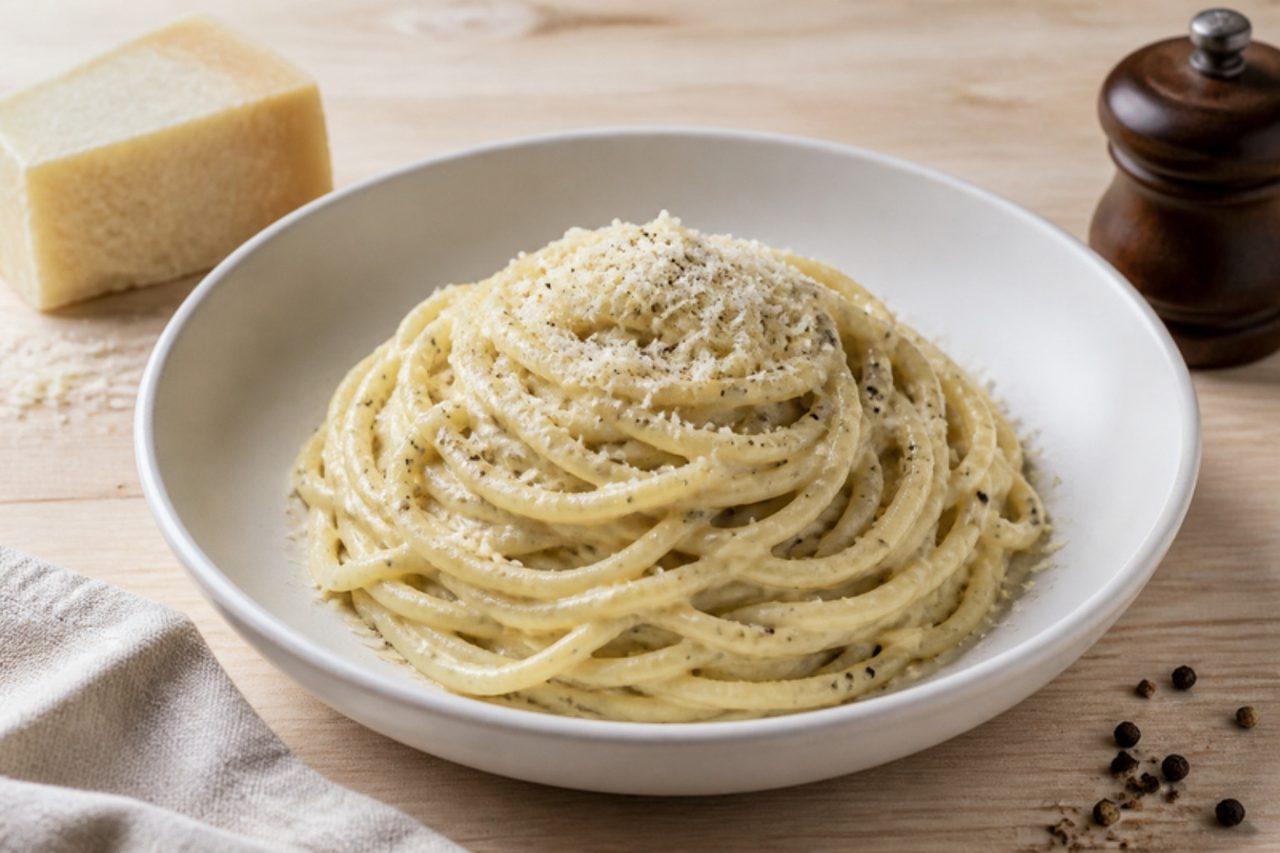
Cacio e pepe is a Roman trattoria standard: just pasta, sheep's cheese and a lot of cracked black pepper, turned into a glossy cream with starchy cooking water. Romans order it as a primo at lunch, especially in the old osterie of Testaccio and Trastevere, and it was born as shepherds' food because dry pecorino and peppercorns kept for weeks. Tonnarelli (square egg-free spaghetti) is the classic shape; in southern Tuscany the same sauce coats pici, fat hand-rolled noodles, and the variation is in the last step. Chef's tip: toast the cracked pepper in the dry pan first, then splash in pasta water; it turns the pepper fragrant rather than harsh and starts the sauce base.

by KrazyBadal 0 views
Spaghetti alla carbonara

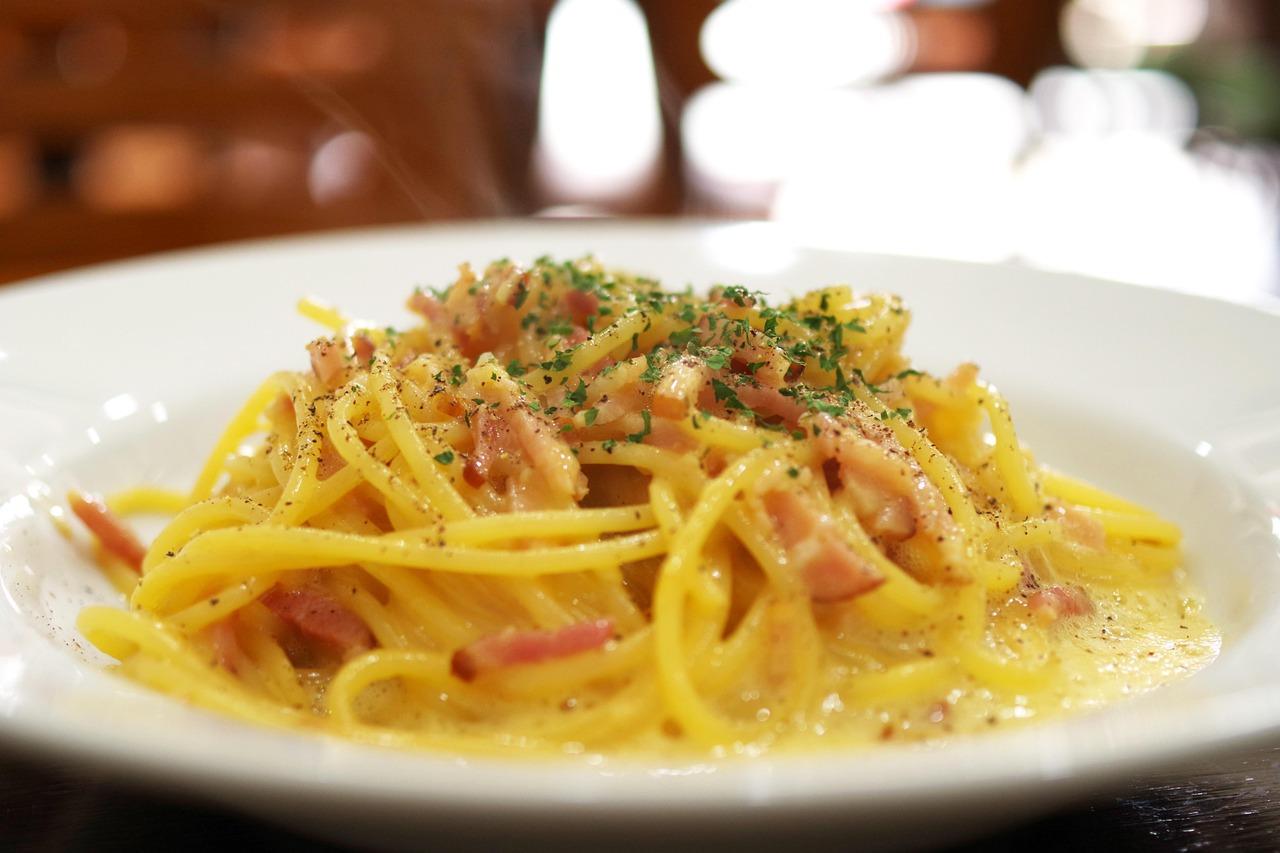
Roman trattorie from Testaccio to Trastevere serve carbonara at lunch to people who would be scandalised by a drop of cream: the gloss comes only from egg yolk, sharp pecorino romano, rendered guanciale fat and starchy pasta water. Made well, it coats each strand in a golden, peppery custard that just holds together, with crisp-edged nuggets of cured pork through it. It needs nothing alongside but a green salad dressed with lemon, eaten after the pasta as Romans do. Because the eggs are only warmed through, use pasteurised eggs if you are cooking for anyone pregnant, very young, older or otherwise vulnerable. Chef's tip: use mostly yolks and only a couple of whole eggs; whites set first and turn grainy, while yolks give that silky, deep yellow sauce.

by KrazyBadal 0 views

Bucatini all'amatriciana

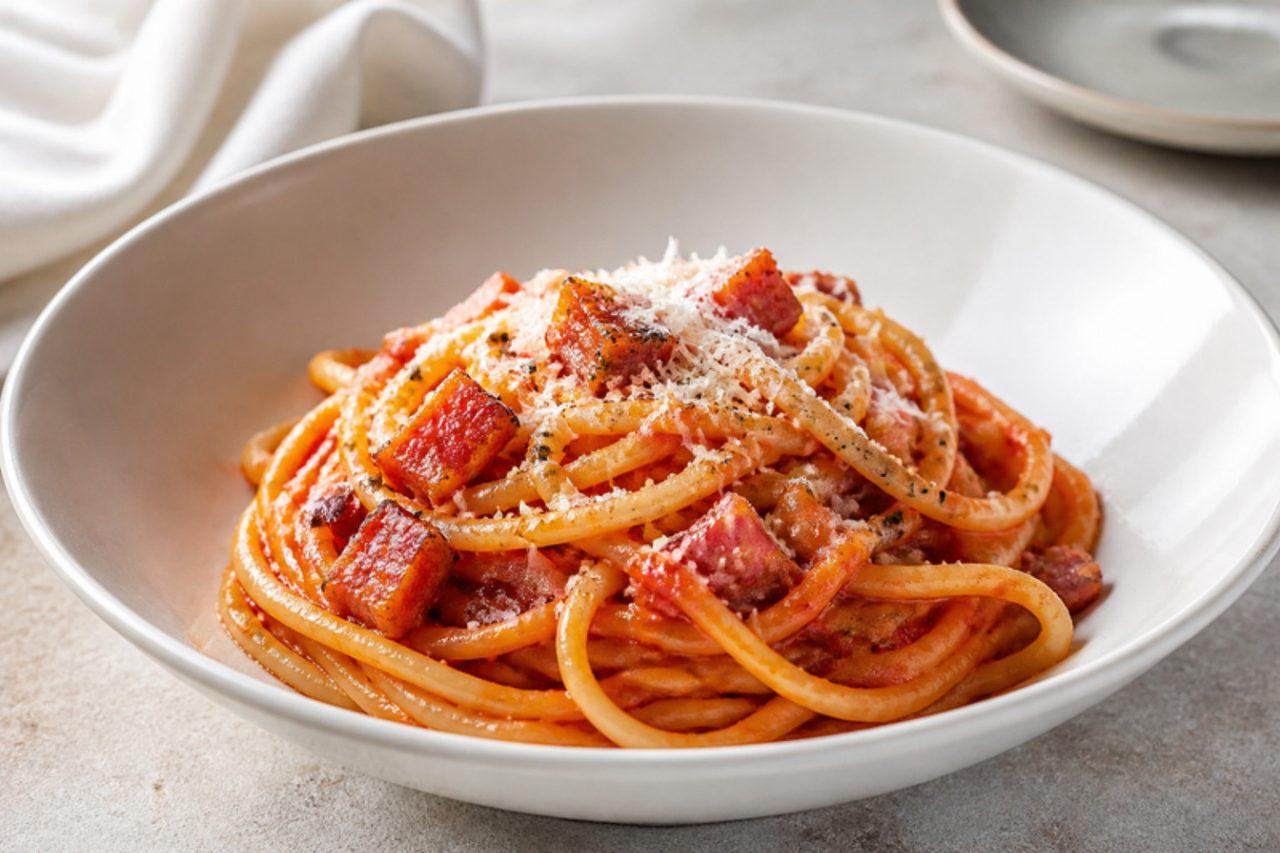
Shepherds from Amatrice, a mountain town in northern Lazio, carried guanciale and pecorino up to summer pastures, and once tomatoes arrived from the south the sauce took the shape it has kept ever since. The town still holds a sagra every August, and the dish became a Roman staple through the cooks who moved to the capital. Thick, hollow bucatini catch the sweet-sharp tomato inside and out, while the guanciale gives rich, porky pockets and the chilli a gentle warmth. Locals are firm that onion and garlic do not belong in it; they soften the clean taste of the pork. Chef's tip: lift the browned guanciale out of the pan before the tomatoes go in and return it just before serving, so it keeps its bite instead of turning soft in the sauce.

by KrazyBadal 0 views

Pasta alla gricia

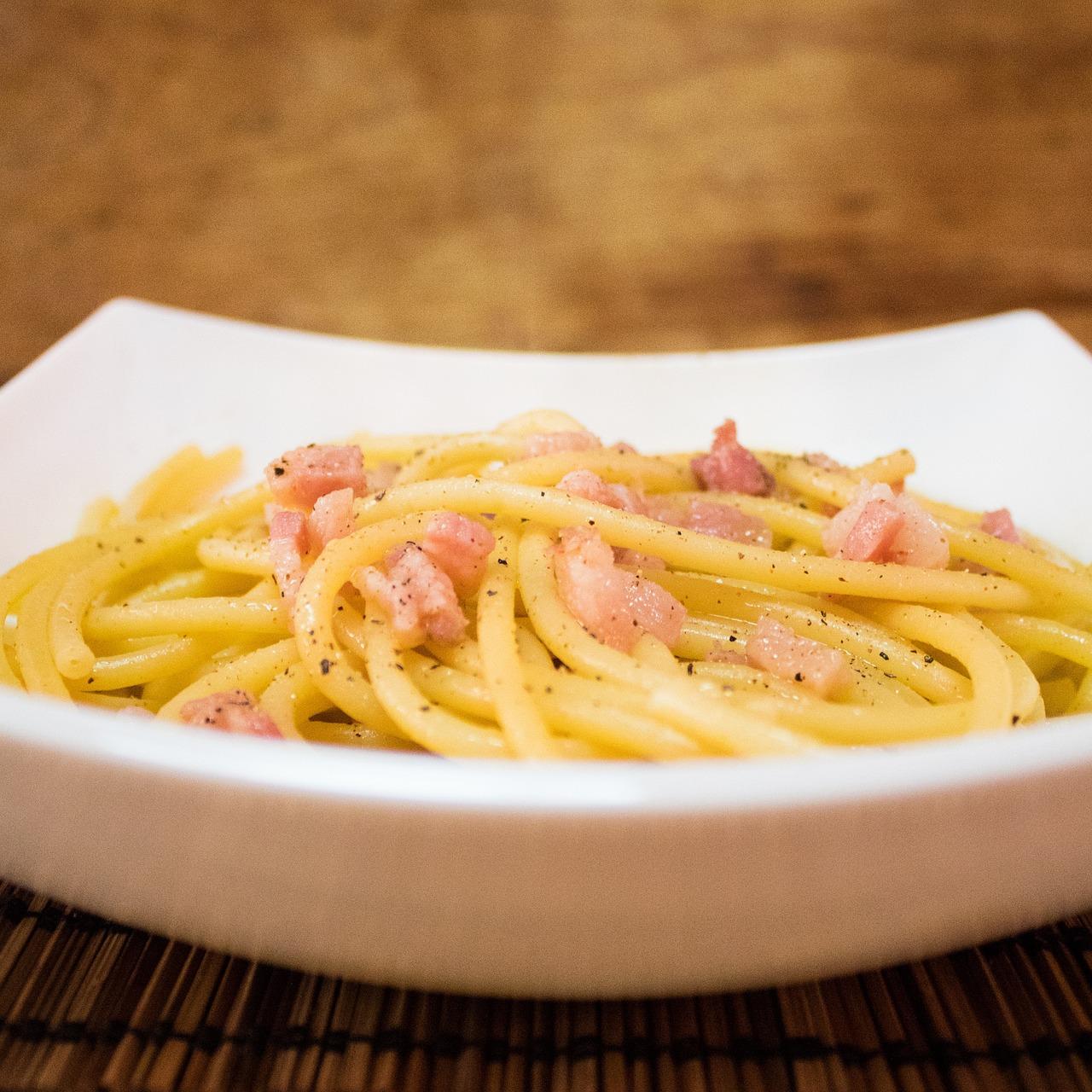
Older than both carbonara and amatriciana, gricia is the white pasta of the Roman hills: no egg, no tomato, nothing but guanciale, pecorino and pepper brought together with starchy cooking water. On a Roman menu it often sits with its siblings under the heading of the four great Roman pastas, and it is many locals' quiet favourite for a weekday lunch. Short rigatoni catch the creamy, salty sauce in their ridges and tubes, and the guanciale is cooked until amber and crisp-edged so its fat flavours everything. Follow it with something light, such as sautéed chicory with garlic. Chef's tip: before you finish the pasta, mash the pecorino in a bowl with a few spoonfuls of cooled pasta water into a smooth cream; it melts into the sauce instead of seizing into strings.

by KrazyBadal 0 views

Goes well with pecorino romano