Skip to content

Recipes with pecorino

9 recipes that use pecorino, with photos, step-by-step instructions and cook times. The quickest, Busiate al pesto trapanese, takes 25 minutes. It is most often cooked with basil leaves, egg and flat-leaf parsley.

Got a few things in the fridge? Search by everything you have

Pasta con 'nduja

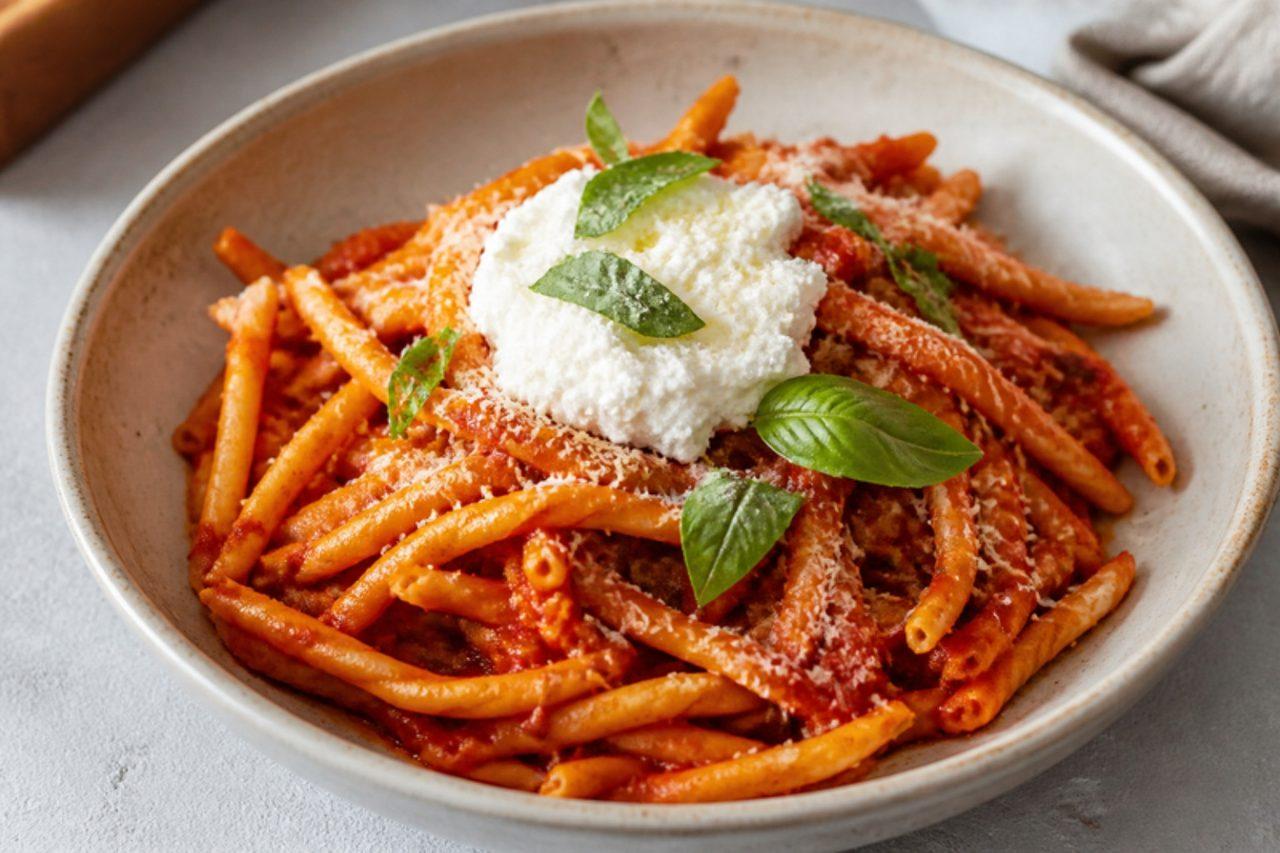
Spilinga, a small hill town above the Calabrian coast, celebrates 'nduja with its own summer festival. This soft, spreadable salumi of pork fat and meat with huge amounts of Calabrian chilli melts straight into a pan, turning a simple tomato sauce brick-red, rich and properly hot. It's a quick weeknight pasta in Calabria, often made with fileja or short pasta, and finished with a little pecorino or a dollop of ricotta to soften the heat. Chef's tip: add the 'nduja off the heat at first and let it melt gently, then simmer; frying it hard burns the chilli and makes it bitter.

by KrazyBadal 0 views

Mulinciani chini

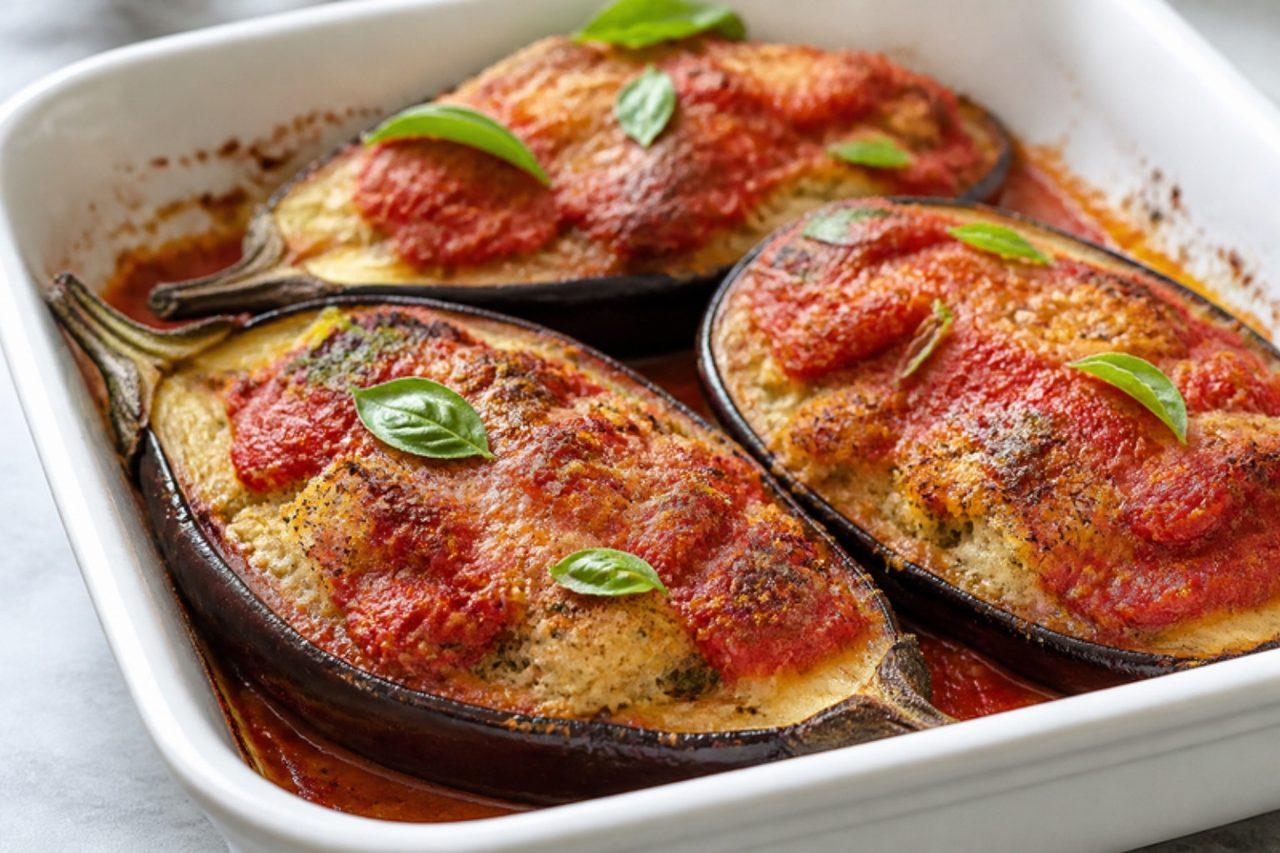
Mulinciani chini, 'full aubergines' in Calabrian dialect, are what summer gardens across Calabria turn into in August: halved aubergines hollowed out, their pulp fried and mixed with soaked bread, pecorino, egg, garlic and basil, then piled back into the shells and baked in a light tomato sauce. They are made in big trays for family lunches and taken cold to the beach the next day. The filling turns soft and savoury, the shells silky. Chef's tip: they taste best after resting for an hour, so they are perfect to make ahead.

by KrazyBadal 0 views

Busiate al pesto trapanese

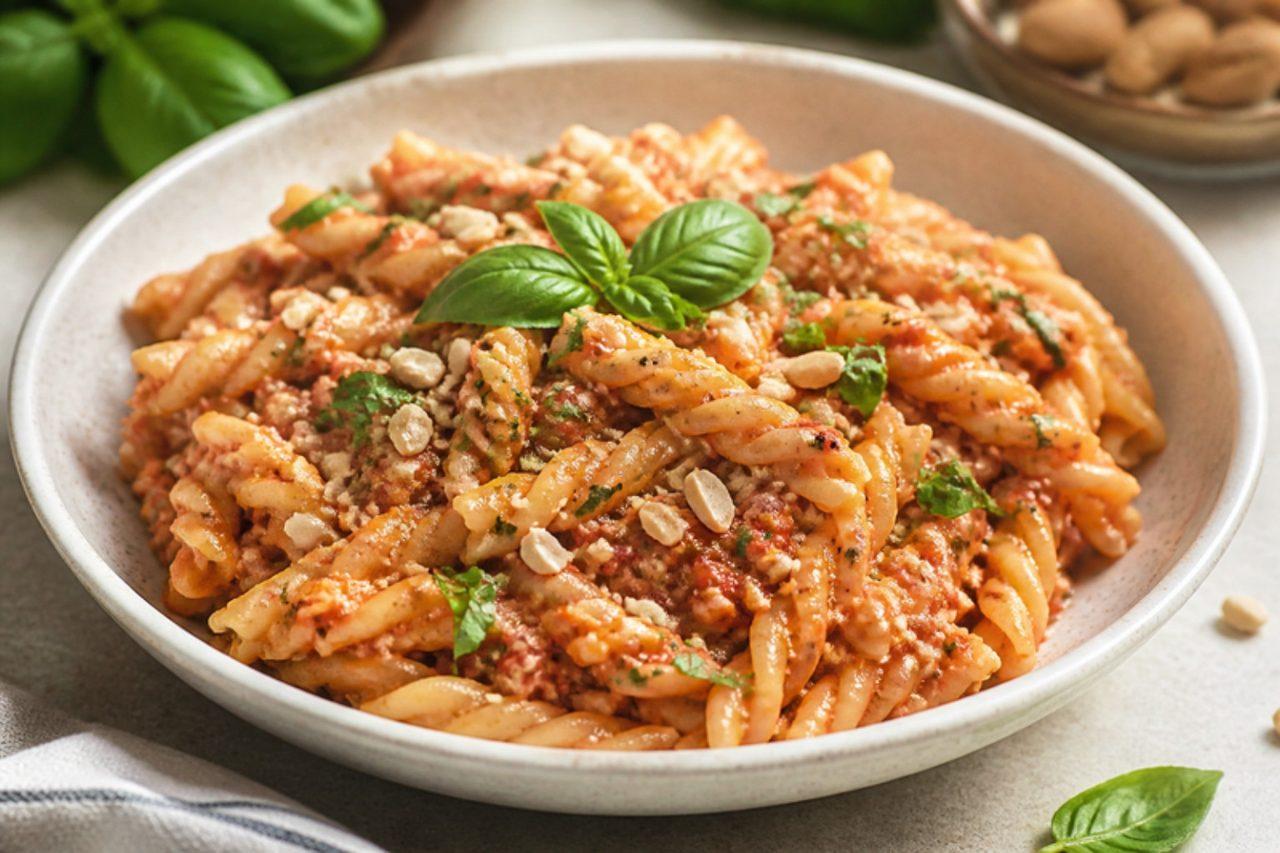
Trapani, on Sicily's far western tip, makes its pesto with what grows nearby: ripe tomatoes, Sicilian almonds, garlic and basil, pounded raw with olive oil and a little pecorino. The story goes that Genoese sailors brought their basil pesto to the port and the Trapanesi made it their own. It is tossed with busiate, long corkscrews of durum-wheat pasta once twisted around a stalk of dried grass, and eaten all summer, often at room temperature. It tastes fresh, nutty and bright. Chef's tip: peel the tomatoes; the skins turn chewy in a raw sauce.

by KrazyBadal 0 views

Spaghetti alla chitarra con le pallottine

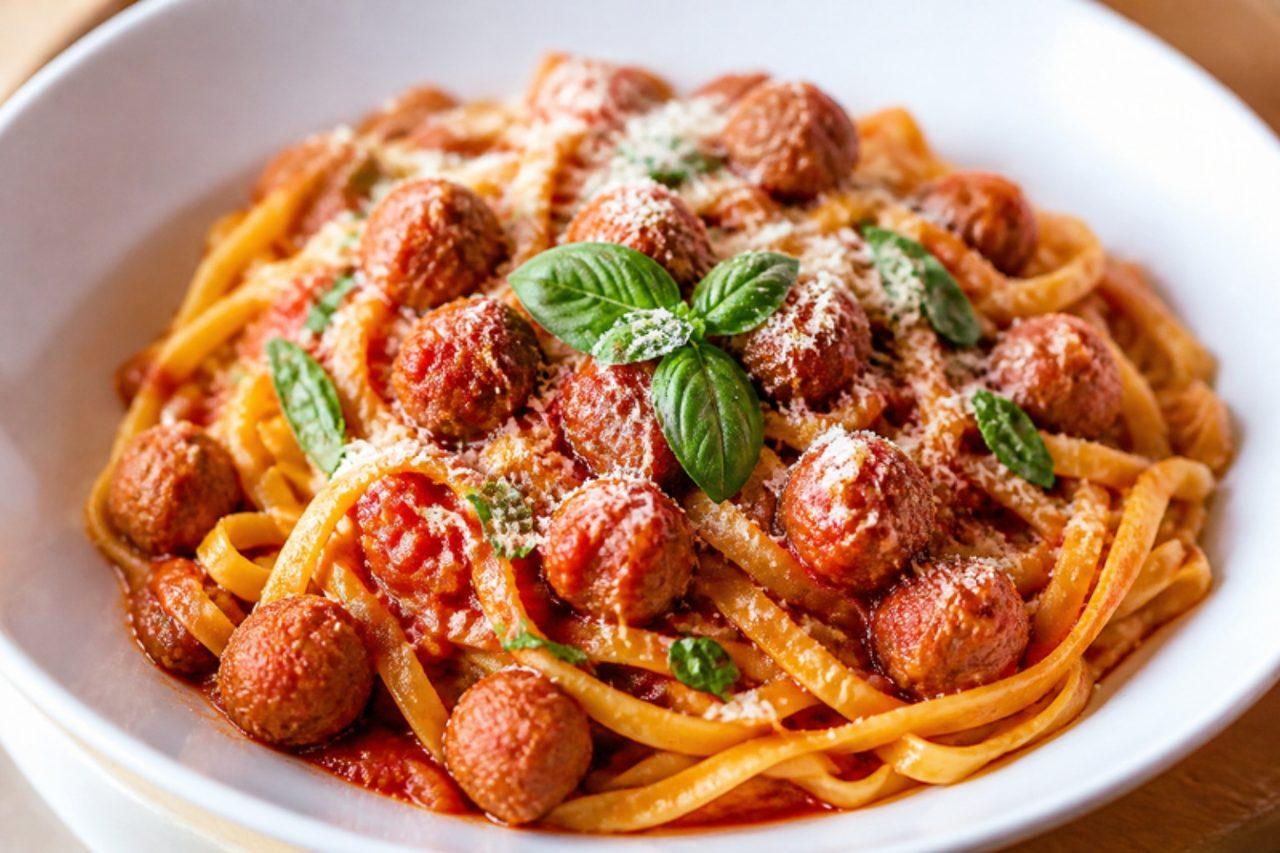
In Teramo, in northern Abruzzo, Sunday lunch and village festivals often start with chitarra pasta and pallottine, meatballs no bigger than a chickpea. The pasta is cut on a chitarra, a wooden frame strung with wires, which gives square-edged strands with a rough surface that grips the sauce. The tiny beef meatballs are simmered right in a light tomato sauce, so every forkful has a few. Serve with grated pecorino and nothing else; this is a dish of patience rather than complication. Chef's tip: roll the meatballs with damp hands on a tray; at this size you'll make well over a hundred, so put the radio on.

by KrazyBadal 0 views

Tiella barese

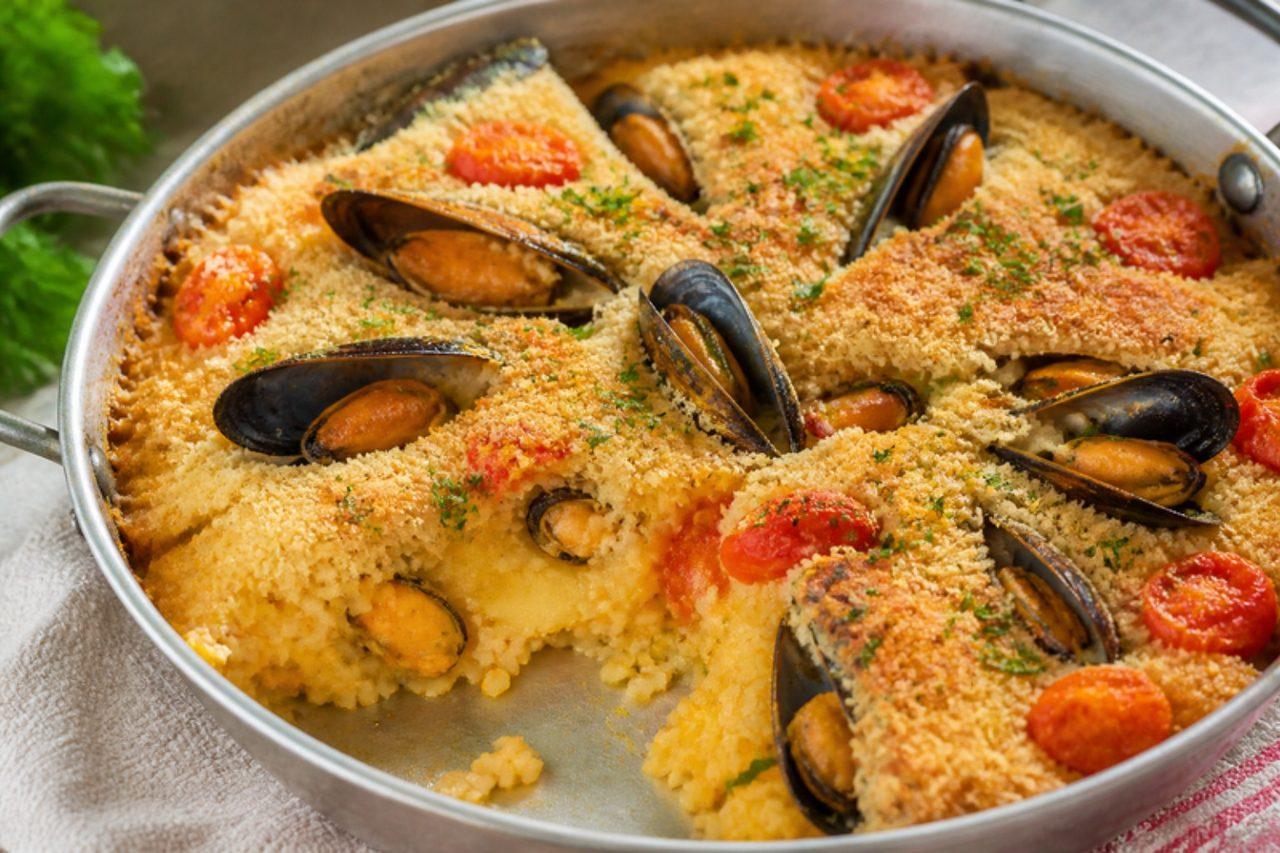
Every family in Bari has its own tiella, also called riso, patate e cozze, and it turns up at Sunday lunches and summer gatherings along the Puglian coast. Layers of thinly sliced potato, raw rice, mussels opened on the half shell, onion, tomato, parsley and pecorino are packed into a deep baking dish, then baked with water until the rice has drunk up the sea-salty juices and the top is crisp. It's served warm, as a one-dish meal, followed by a salad. Chef's tip: open the mussels raw with a knife over a bowl and keep every drop of their liquid; it seasons the rice better than any stock.

by KrazyBadal 0 views

Frittata di maccheroni

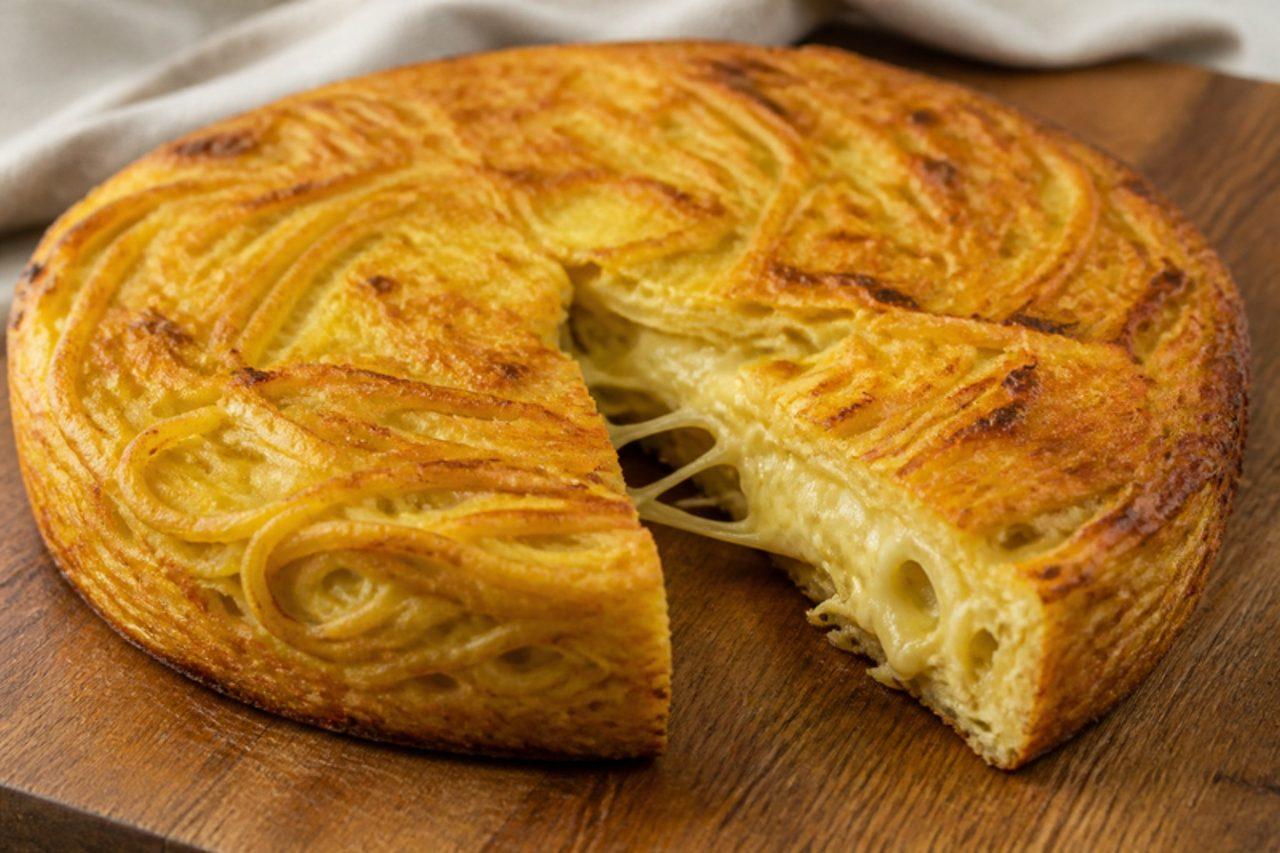
Neapolitans turn yesterday's spaghetti into frittata di maccheroni, a thick, golden pasta cake bound with egg and lots of grated cheese, with pockets of melting provola inside. It travels everywhere: cut into wedges for the beach at Mergellina, packed for the Easter Monday picnic (Pasquetta) or eaten cold from the fridge. The outside is crisp, the middle soft and cheesy. Most families add cubes of salami; this version leaves them out and uses smoked provola for a savoury depth. Chef's tip: use a plate the size of the pan to flip it, and slide it back in confidently in one move.

by KrazyBadal 0 views

Scrippelle 'mbusse

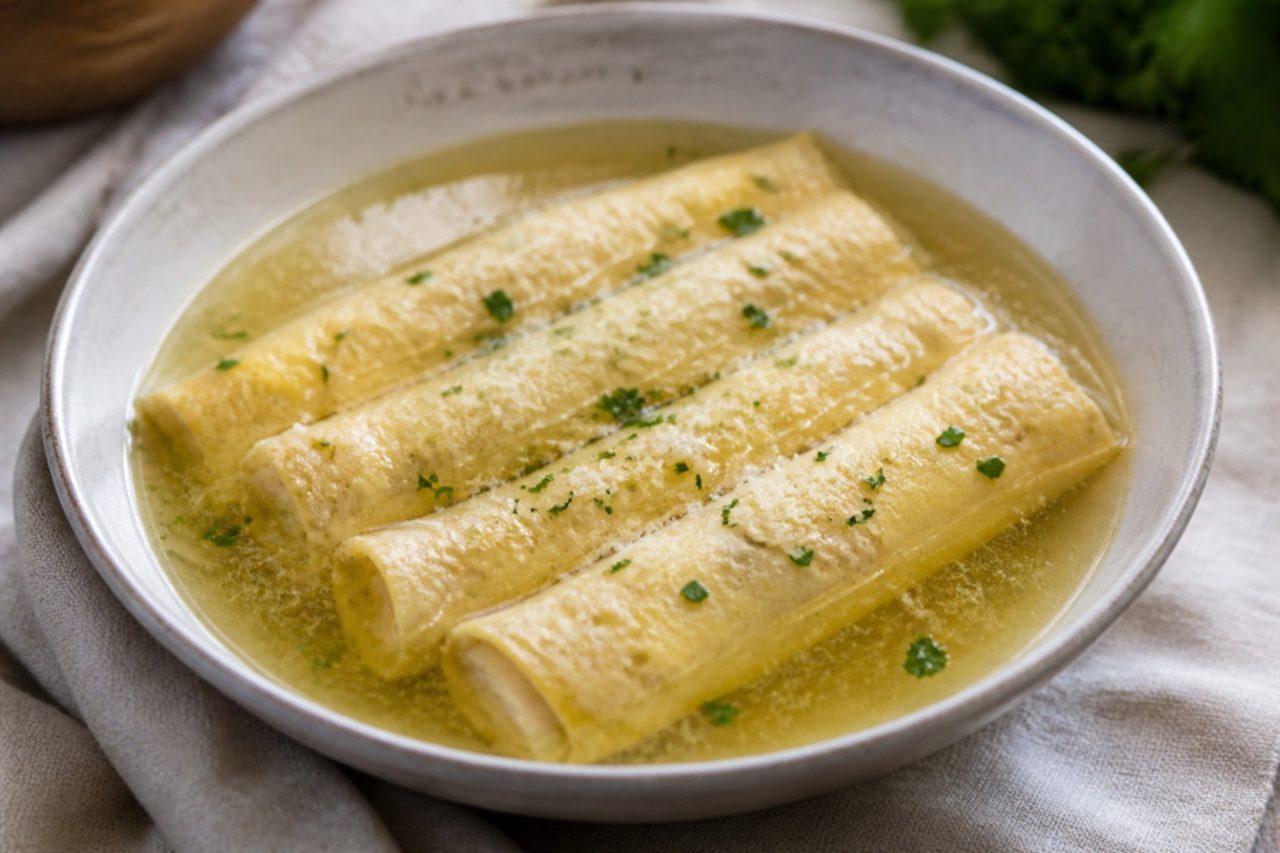
In Teramo, in northern Abruzzo, scrippelle 'mbusse ("wet crêpes") open the meal on cold winter evenings and at Christmas. Thin, eggy crêpes are sprinkled with grated pecorino and parmesan, rolled into tight cigars and drowned in boiling broth at the table, so they soften into silky, cheesy spirals. Families normally pour over a clear chicken or capon broth; this recipe uses a well-flavoured vegetable stock instead. Chef's tip: let the batter rest for half an hour before cooking, so the crêpes come out thin and supple enough to roll without cracking.

by KrazyBadal 0 views

Pallotte cace e ove

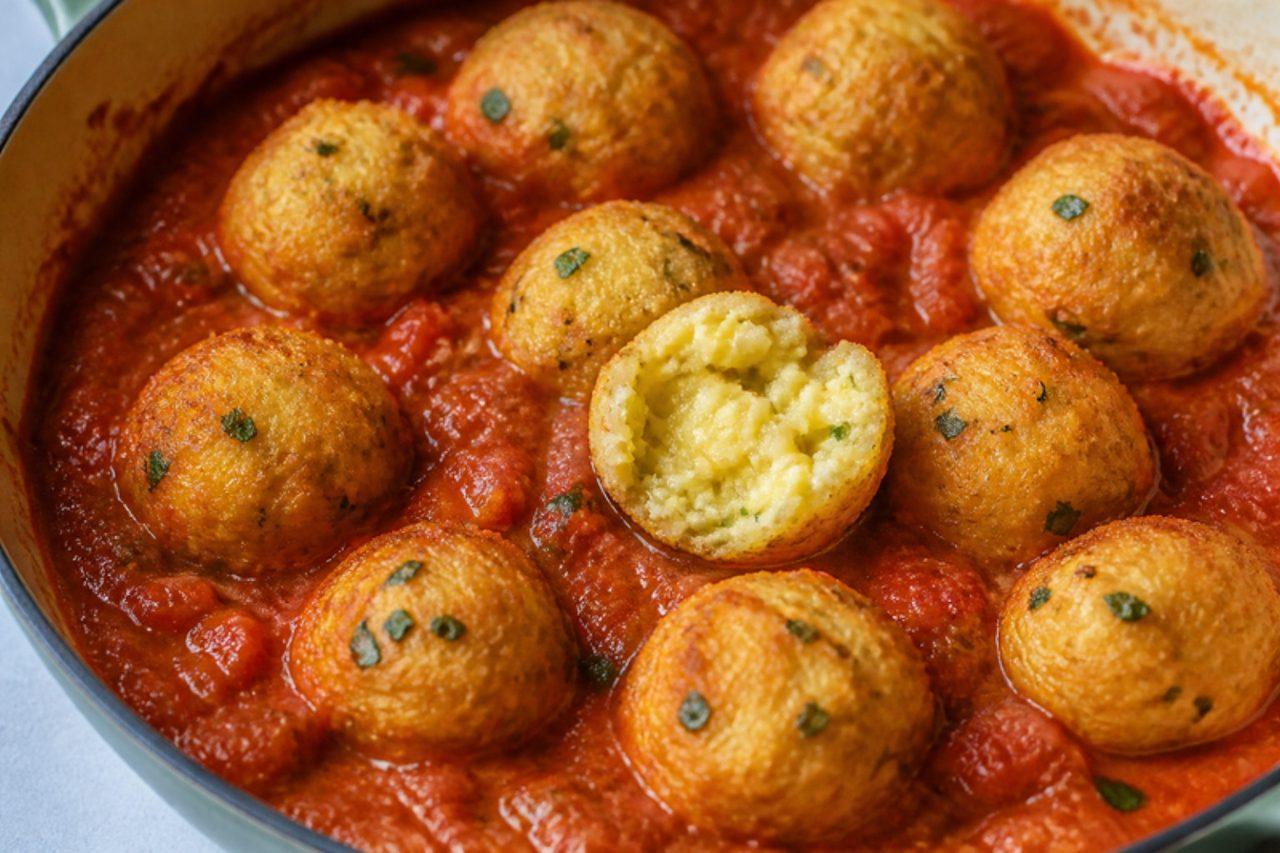
Abruzzo's shepherds and farm families invented pallotte cace e ove as "meatballs" with no meat: stale bread, eggs and plenty of sharp local cheese, shaped into balls, fried golden and then simmered in tomato sauce until soft and fluffy inside. They turn up at village festivals (sagre) in the mountains around L'Aquila and Chieti, and at home as a Friday or Sunday second course with crusty bread to mop the sauce. Chef's tip: wet your hands before shaping; the mixture is soft and the balls stay round and smooth without extra breadcrumbs.

by KrazyBadal 0 views

Trofie al pesto genovese

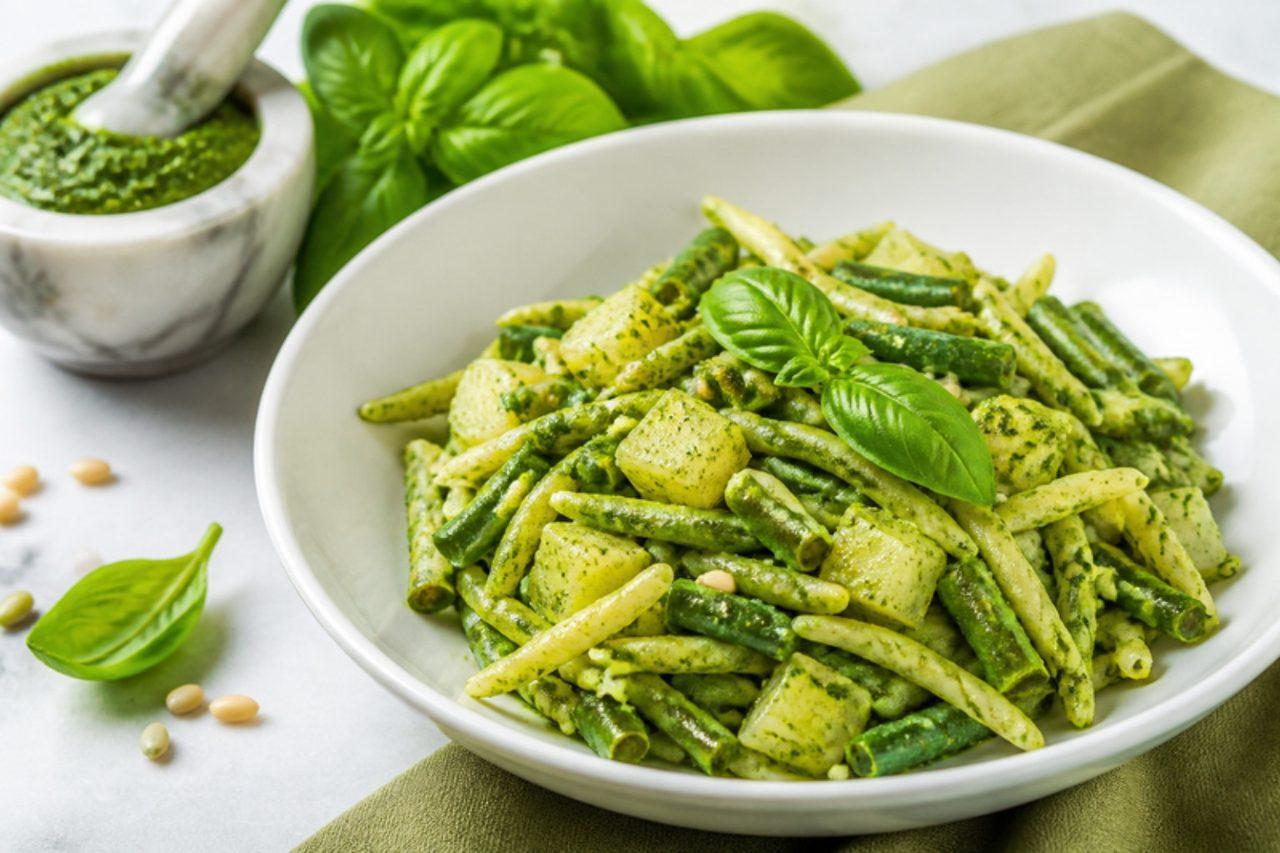
In Genoa and along the Ligurian coast, pesto is pounded from small-leaved basil, pine nuts, garlic, hard cheese and local olive oil, and served on trofie, short twisted pasta, cooked in the same pot as diced potato and green beans. The starch from the potato helps the pesto cling, and the beans add sweetness. It is the dish of a summer lunch in the Cinque Terre. Chef's tip: never heat the pesto; loosen it with a spoon of pasta water in a bowl and toss the pasta off the heat so the basil stays bright green.

by KrazyBadal 0 views

Goes well with pecorino