Skip to content

Recipes with mustard

19 recipes that use mustard, with photos, step-by-step instructions and cook times. The quickest, Cervelat, takes 15 minutes. It is most often cooked with egg, chives and garlic.

Got a few things in the fridge? Search by everything you have

Kranjska klobasa

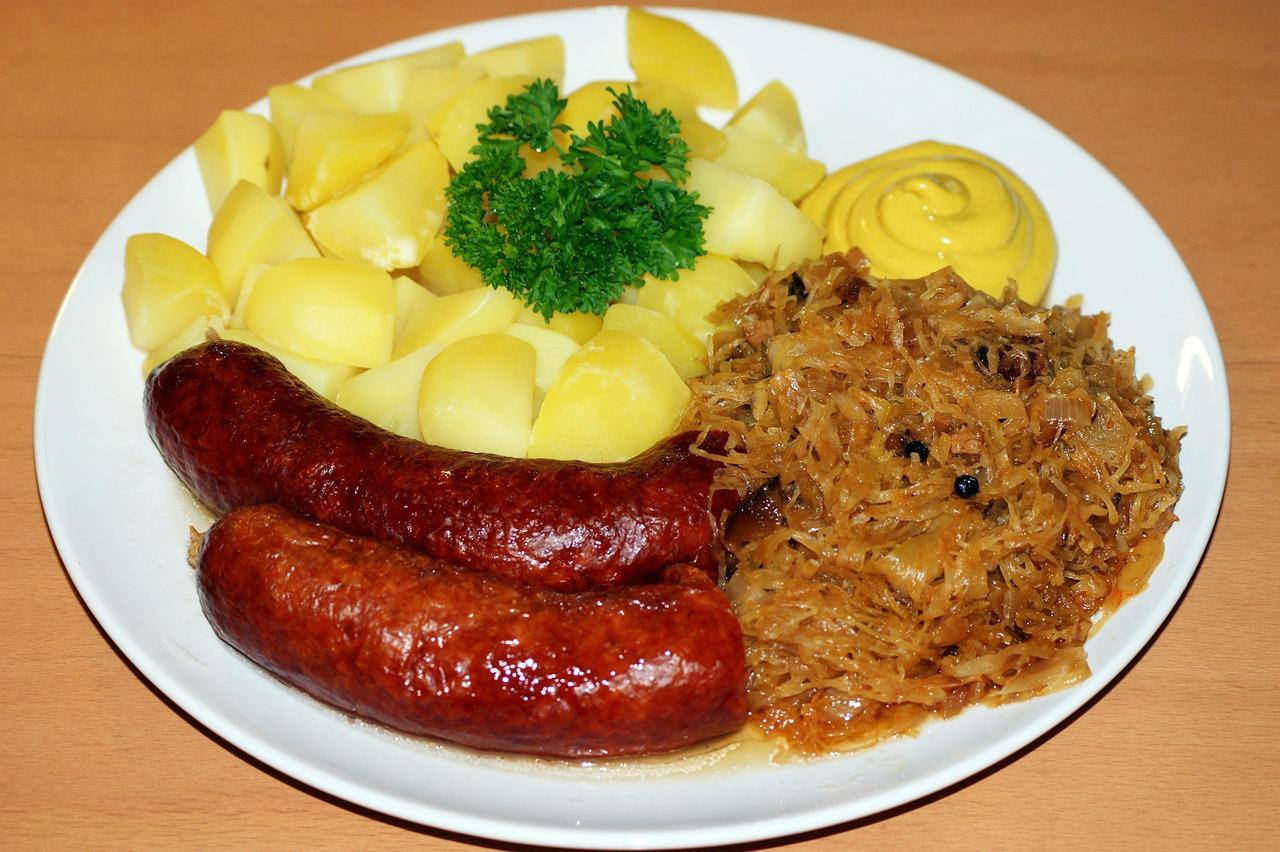
Slovenians eat Carniolan sausage everywhere, from the stalls of Ljubljana's market to mountain huts and the ski slopes: a coarse, garlicky pork sausage, smoked until bronze, then heated in water and served with mustard, freshly grated horseradish and bread. Made with pork shoulder and back fat chopped rather than finely minced, it snaps when you bite it and spills juice. The official sausage uses curing salt for its pink colour; this home version leaves it out, so the inside is pale, and it is hot-smoked until fully cooked, so it is safe to eat. A common mistake is boiling the sausages to reheat them; they split and dry out, so keep the water just below a simmer. Chef's tip: cut the meat and fat by hand into small dice for some of the mix, it gives the classic chunky bite.

240 minBalkanMeatGluten free
by KrazyBadal 0 views

Stuffed eggs

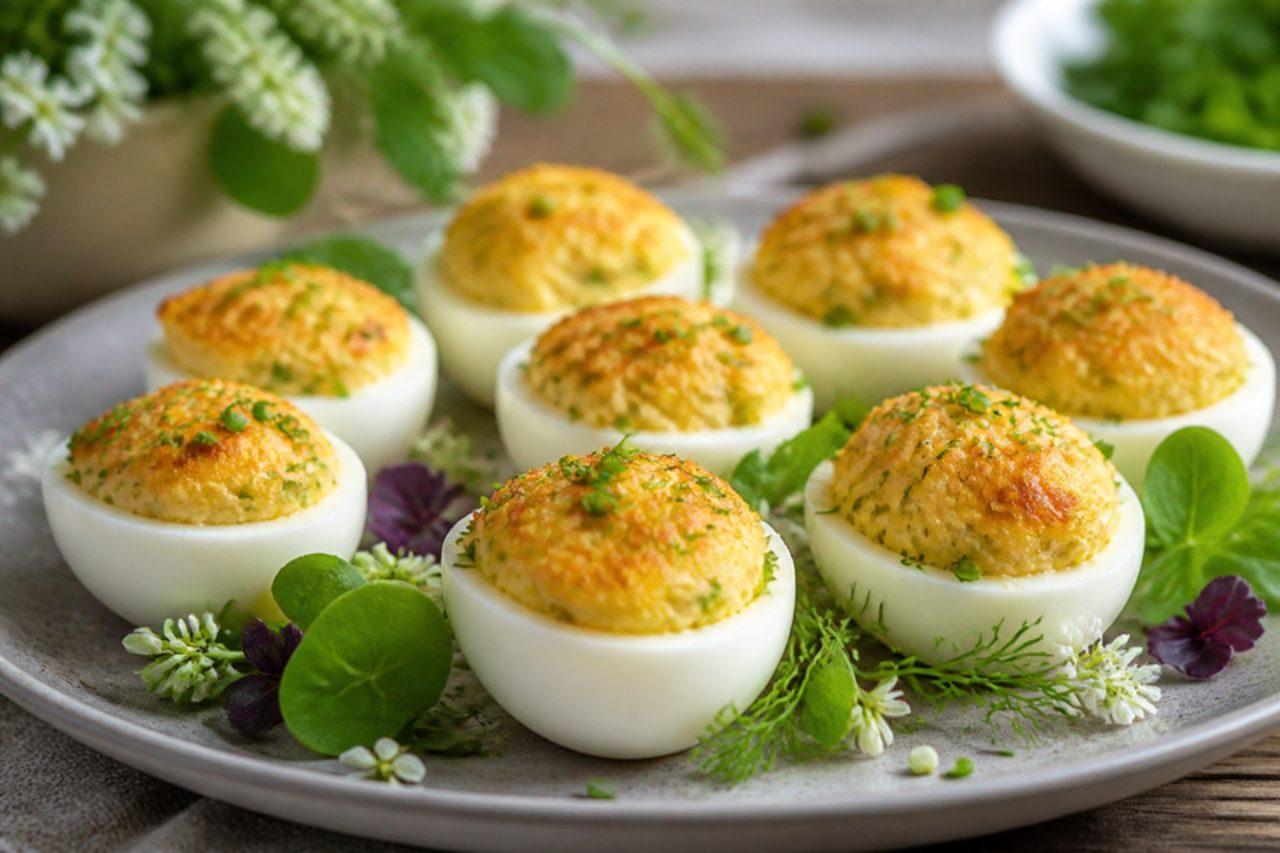
The clever bit of the Polish Easter version is that the eggs are halved lengthways shell and all with a sharp knife, then the filling goes back into the shells and the cut sides are fried until crusty. It is a dish of the Easter breakfast and of name-day parties, served hot from the pan or cold from the fridge. The filling of mashed yolk, chives, mayonnaise and a little mustard turns golden and slightly crisp on top while staying soft beneath. Where most people go wrong is cutting with a blunt knife, which shatters the shell; use a large, very sharp knife and one firm stroke. Chef's tip: chill the boiled eggs fully before cutting so the white holds together.

by KrazyBadal 0 views

Krupniok

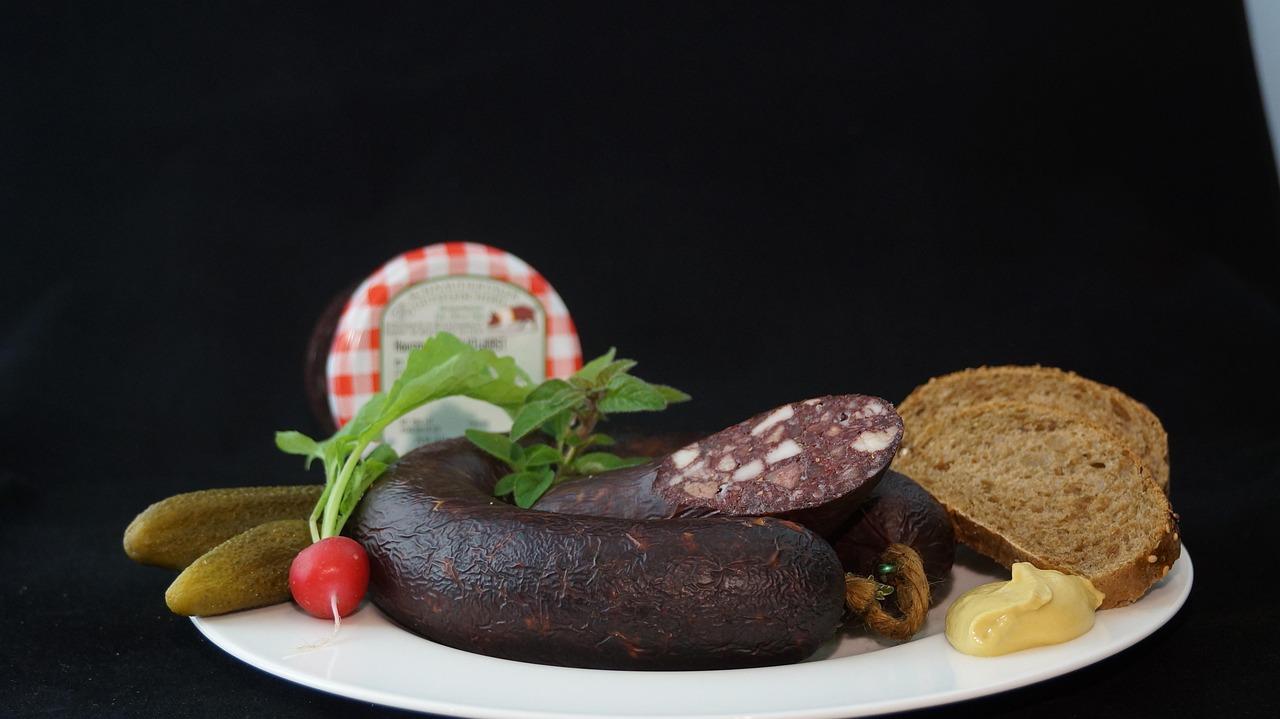
Every Silesian butcher's counter has a tray of krupnioki, plump sausages of pork, pork blood, liver and buckwheat or barley groats, sold ready-cooked and eaten fried for a quick supper, often with sauerkraut, mustard and a slice of bread. Heated in a pan the filling loosens into a soft, peppery, marjoram-scented crumble under a crisp skin, while onions fried alongside add sweetness. This is a pork dish through and through. Because the sausage contains blood and offal, buy it ready-cooked from a butcher you trust, keep it cold and use it within its date. The trap many fall into is frying it too hot: the skin splits and the filling spills before the centre is warm. Chef's tip: for neat slices, chill the sausage well, cut it with the skin on, then fry the rounds; peel the skin away at the table if you prefer.

25 minPolishMeat
by KrazyBadal 0 views

Salo

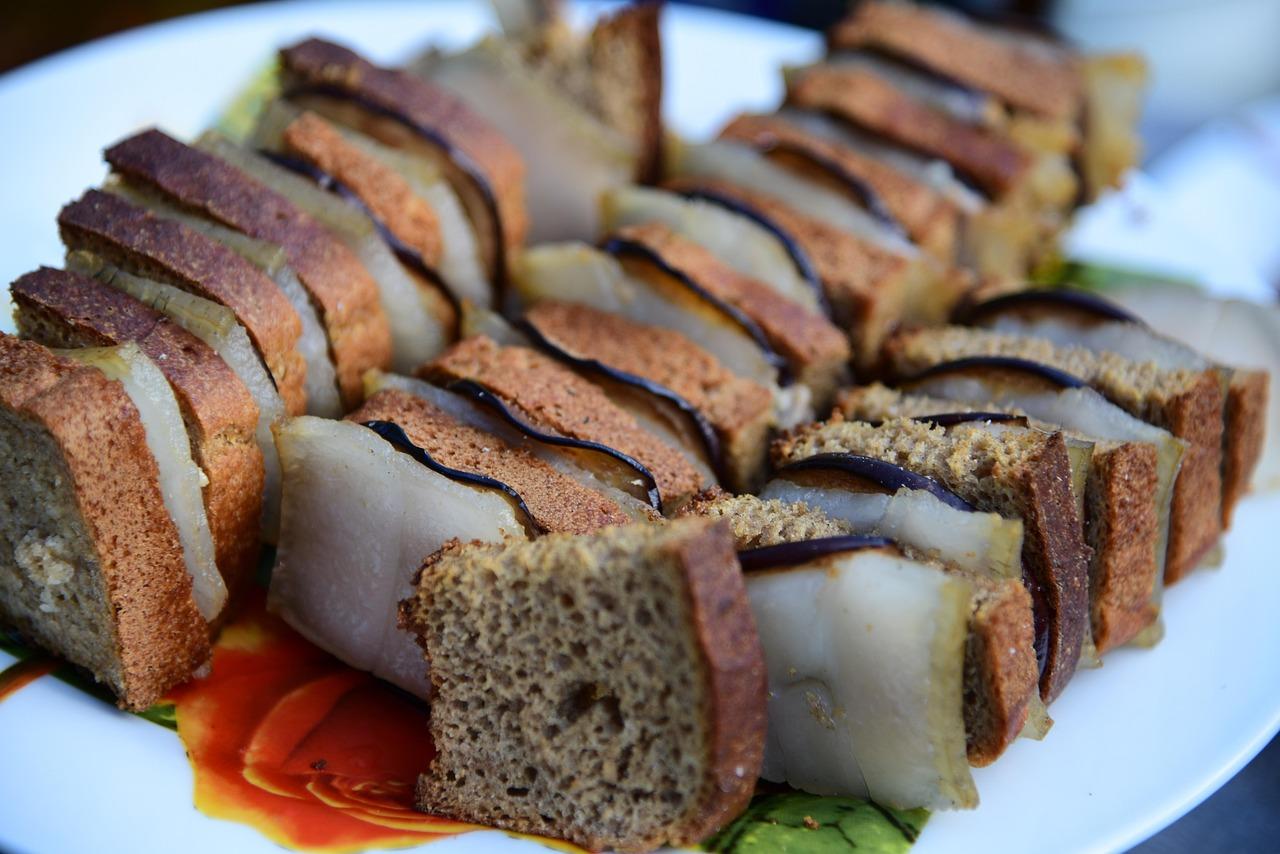
No food says Ukraine quite like salo, salted pork fatback, which appears on village tables, train picnics and wedding spreads with a heel of dark bread, raw garlic and a spring onion. Good salo is pure white or faintly pink, firm, mild and creamy as it melts on the tongue; rubbed with garlic, black pepper and a little paprika, it becomes a sharp, savoury snack. Salo is cured but never cooked, so use ready-salted salo from a butcher or market stall you trust, made from inspected pork and kept in the fridge. Like other uncooked cured pork, it is not for pregnant women, young children or anyone with a weakened immune system; for them, fry thin slices into crisp shkvarky instead. Slicing it at room temperature is where most people go wrong: the fat smears and tears. Chef's tip: wrap the seasoned piece and freeze it for 40 minutes, then cut paper-thin slices with your sharpest knife.

by KrazyBadal 0 views

Csabai kolbász

Every October the town of Békéscsaba holds a sausage festival where teams grind, season and stuff pork by hand, and the town's name is on Hungary's most famous paprika sausage. The real csabai is smoked over beech and then air-dried for weeks; curing like that needs curing salt, careful temperature and humidity control and a lot of experience, so this recipe makes the same spicy pork mixture as a fresh sausage that is cooked through to 71 °C and never eaten raw. It is fiery, garlicky and deep red from sweet and hot paprika with a warm hint of caraway, and is excellent grilled or pan-fried, with mustard, fresh bread, pickled peppers and raw onion. The usual slip is letting the meat get warm while you work, which smears the fat and gives a dry, crumbly sausage; keep everything ice cold. Chef's tip: fry a small test patty before stuffing to check the salt and heat.

by KrazyBadal 0 views

Karađorđeva šnicla

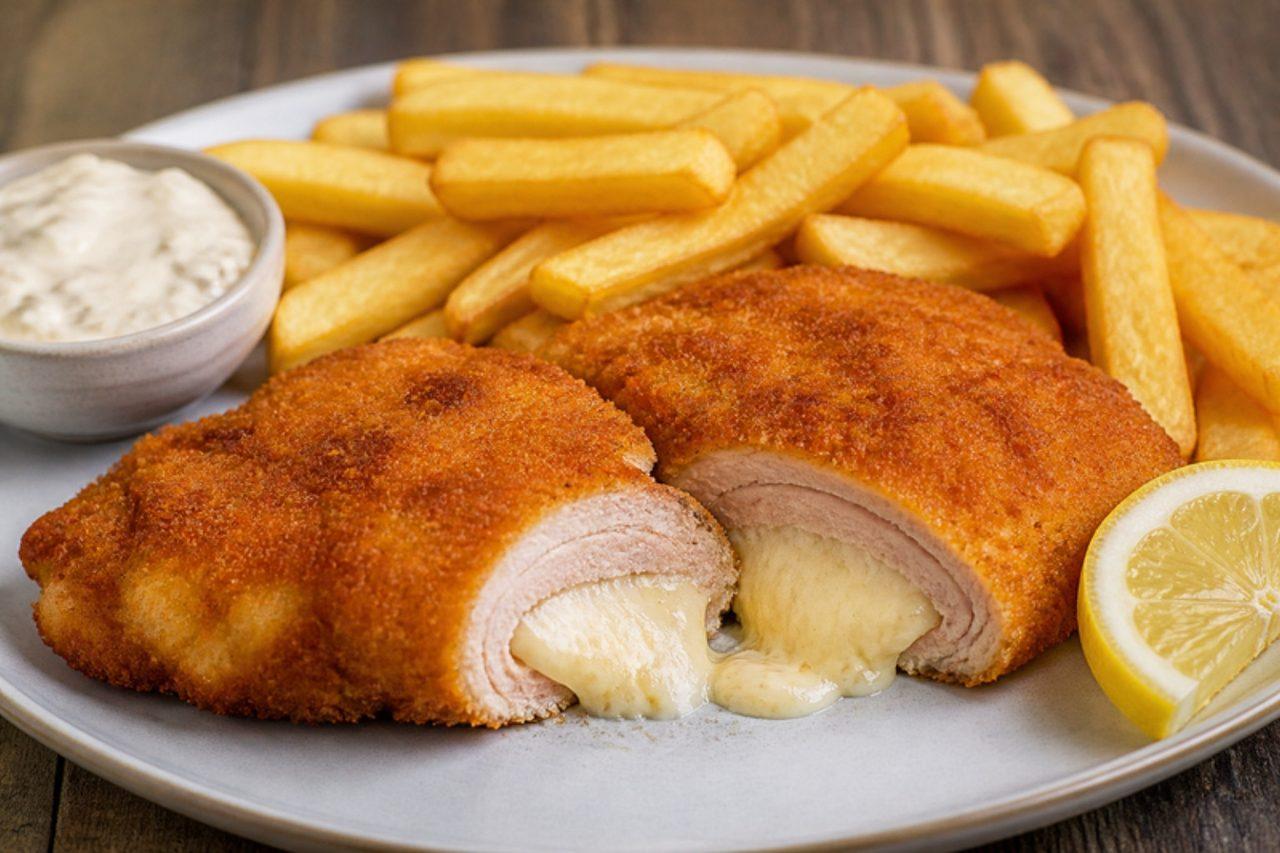
Belgrade restaurants have served this since a local chef created it in the mid-20th century, naming it after Karađorđe, leader of the First Serbian Uprising; diners fondly call it the maiden's dream. A thin pork escalope (veal is the other classic) is spread with kajmak, Serbia's rich, slightly tangy clotted cream, rolled tight, double-breaded and fried into a golden log that oozes when cut. It comes with chips or roast potatoes, a lemon wedge and tartar sauce. If you can't find kajmak, beat cream cheese with a little soft butter and a pinch of salt. Rolling it loosely is the mistake that ruins it, because the cream escapes into the oil; roll tightly and chill before breading. Chef's tip: fry only until golden, then finish in the oven, so the crumb stays crisp while the pork cooks through to the centre.

60 minBalkanMeat
by KrazyBadal 0 views

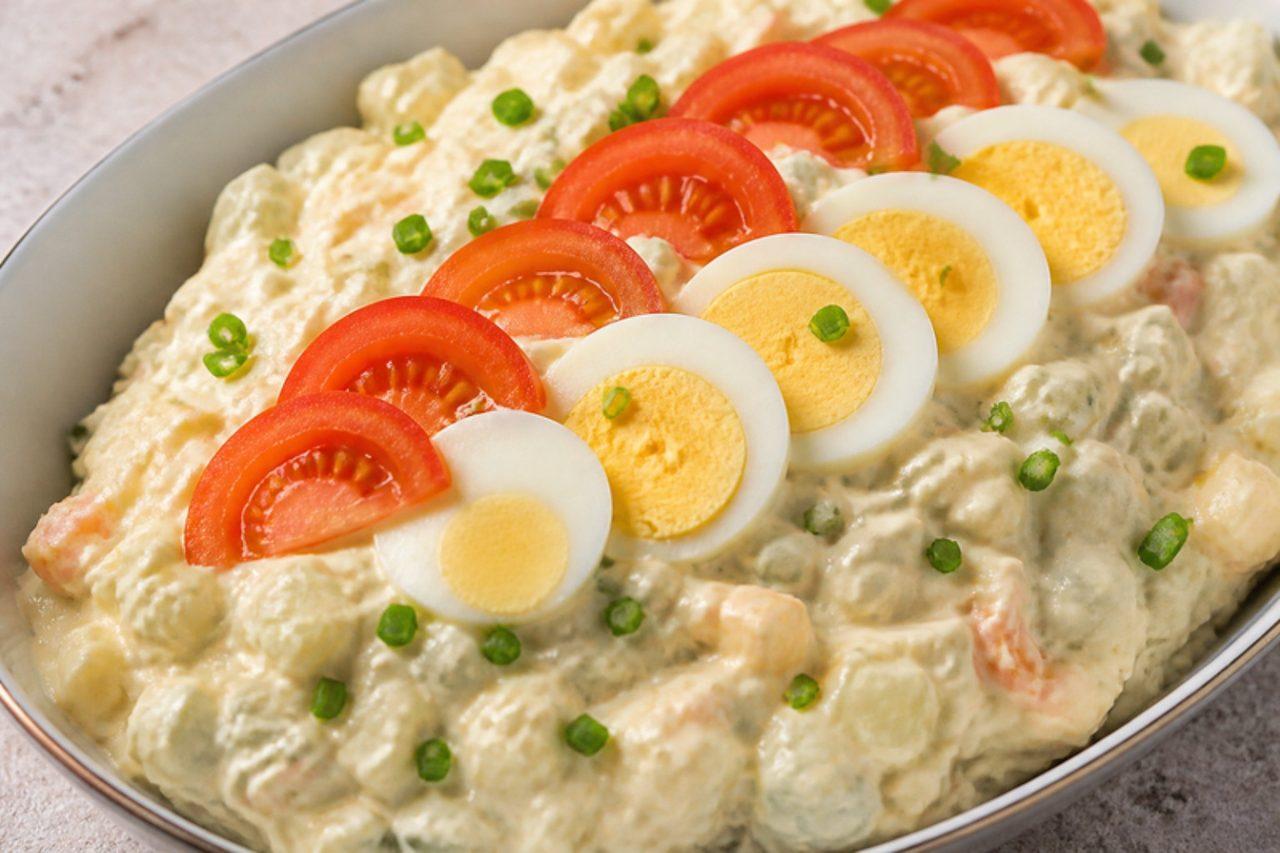
Huzarensalade

Huzarensalade, 'hussars' salad', is the potato salad of Dutch birthdays and New Year's Day: diced potato, pickled gherkins, pickled onions, apple and boiled egg bound in mayonnaise, shaped into a mound and decorated with lettuce, tomato, egg and cucumber. It is normally made with cubes of cooked beef; this vegetarian version adds peas and a little extra egg. A common mistake is mixing warm potatoes with mayonnaise, which turns it greasy and loose. Chef's tip: let the potatoes cool completely and add a splash of pickle vinegar first, so they soak up flavour before the mayonnaise goes in.

by KrazyBadal 0 views

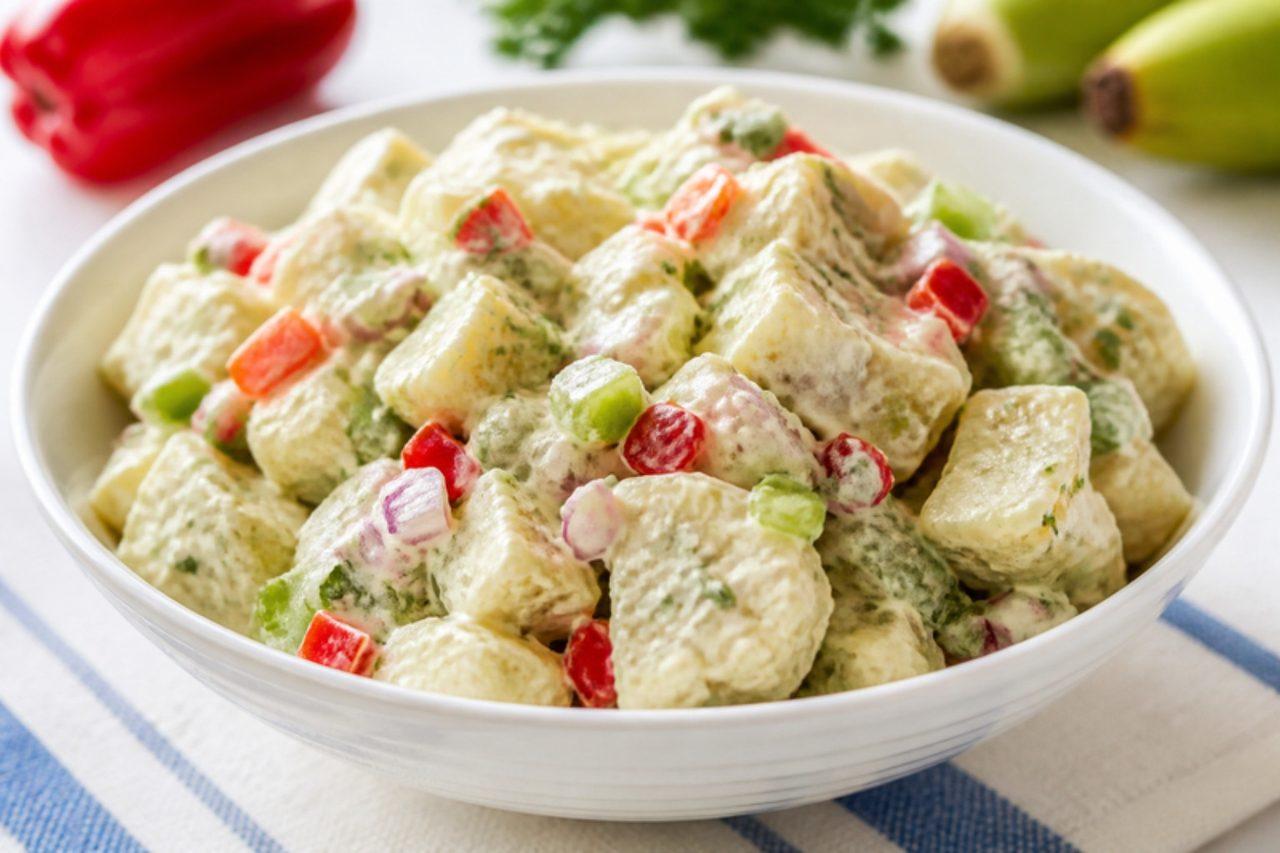
St Lucian green fig salad

In St Lucia, green bananas are called "figs", and green fig salad is the creamy, potato-salad-like dish that turns up at every Sunday lunch, christening and church fundraiser, next to baked chicken and macaroni pie. The firm boiled bananas are cut into chunks and tossed with mayonnaise, onion, sweet peppers, celery and parsley. It is different from green fig and saltfish, the national dish. The usual mistake is overboiling the figs, which turns them mushy; they should hold their shape like waxy potatoes. Chef's tip: dress the figs while still slightly warm with the vinegar so they absorb it, and add the mayonnaise once cool.

by KrazyBadal 0 views

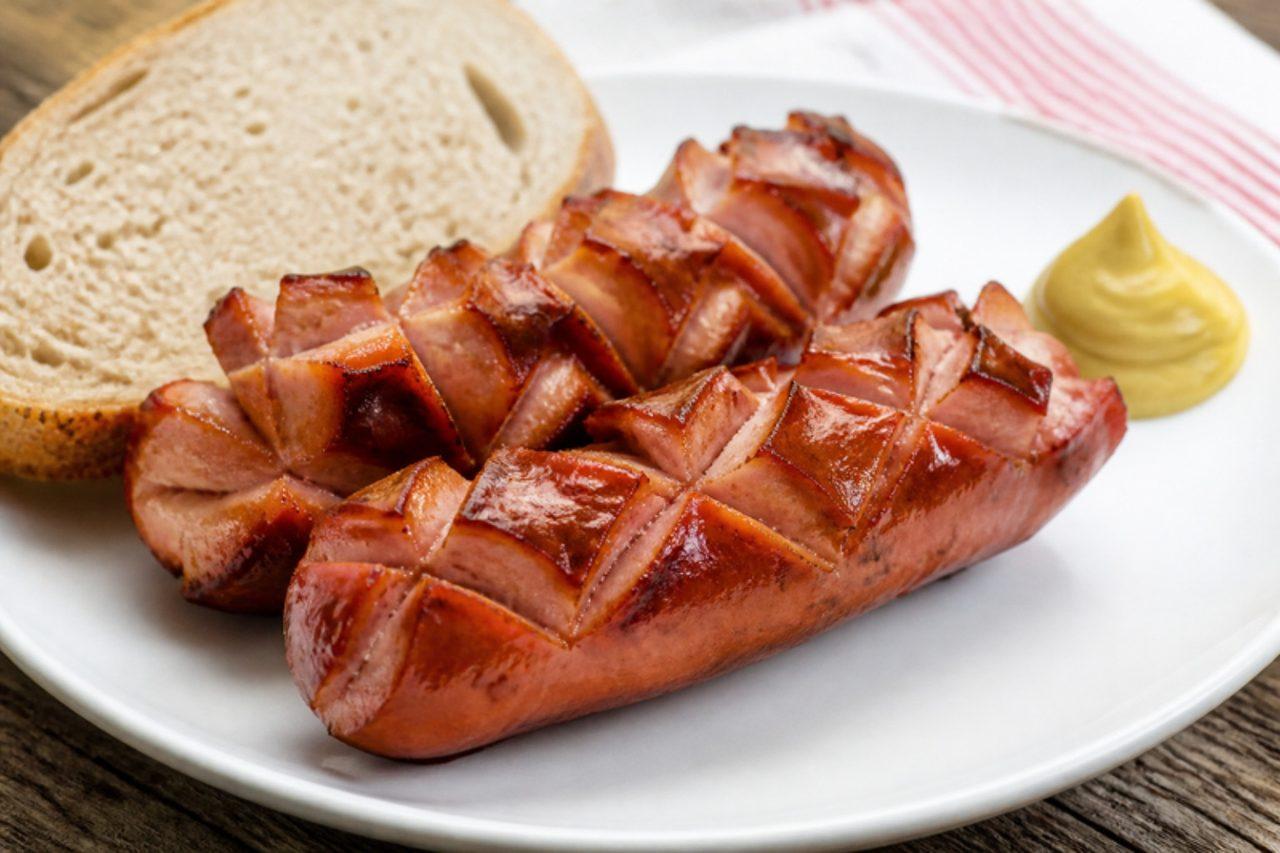
Cervelat

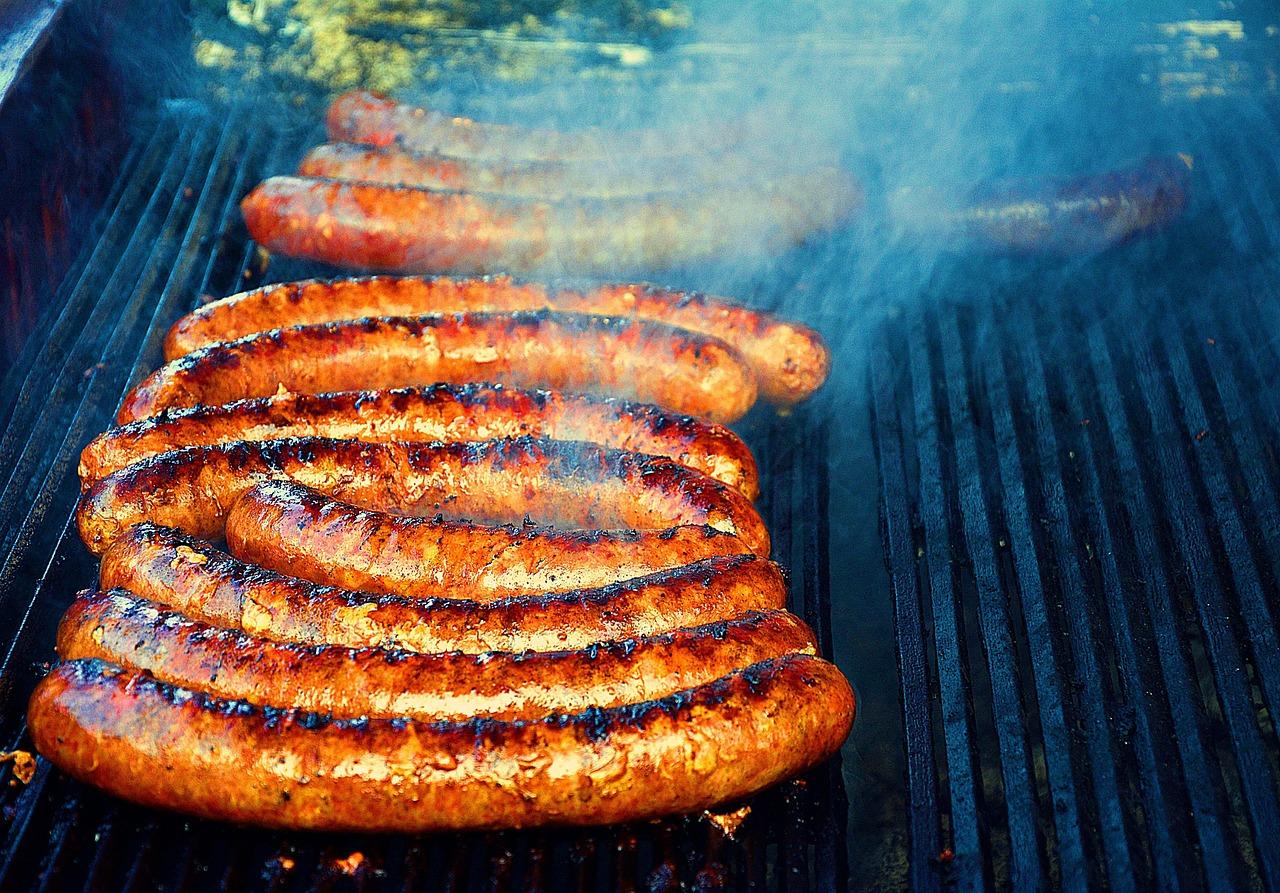
The cervelat, a short, fat, smoked sausage of beef and pork, is called Switzerland's national sausage, and it is what every Swiss child grills on a stick over a campfire on 1 August, National Day, on school trips and on mountain hikes: the ends are cut into a cross so they curl open like a flower as they cook, and it is eaten with bread and mustard. This sausage contains pork. Cervelat is bought ready-cooked and smoked; grilling heats it through and crisps it. A common mistake is grilling over flames, which burns the skin black before the inside is hot. Chef's tip: grill over glowing embers and turn often until the scored ends open out; heat until piping hot, 71 °C.

15 minSwissMeat
by KrazyBadal 0 views

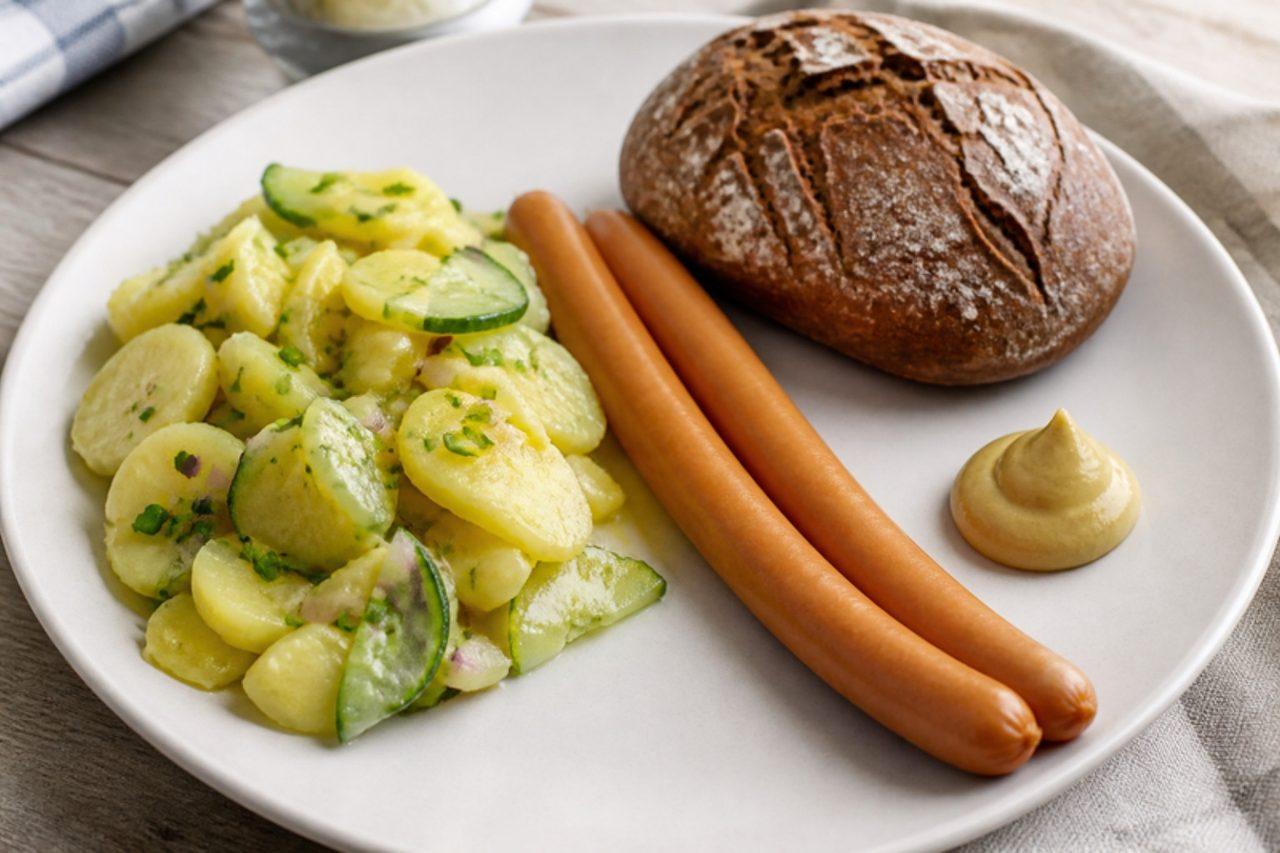
Frankfurter Würstchen

Real Frankfurter Würstchen are slim, delicately smoked pure-pork sausages from the Frankfurt region, sold in pairs and eaten at Christmas markets, family suppers and Christmas Eve, when many Hessian families have them with potato salad. They come ready-cooked, so the only skill is warming them gently until they are hot without bursting. Here they go with a warm Hessian potato salad dressed with stock, vinegar, onion and chives, plus mustard and rye bread. Vegetarians can warm vegetarian sausages the same way and keep the salad. Chef's tip: dress the potatoes while they are still warm; they drink up the dressing and turn silky instead of sitting in it.

45 minGermanMeat
by KrazyBadal 0 views

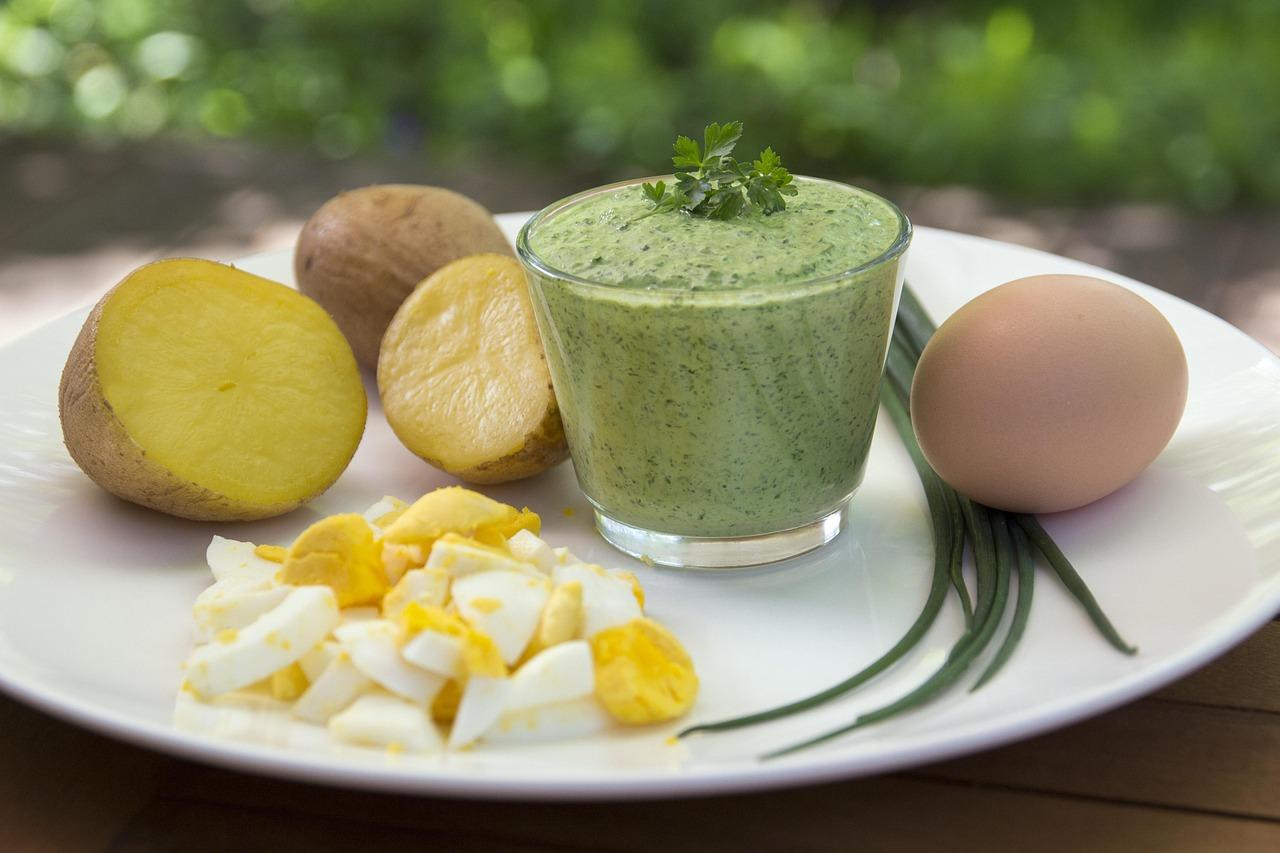
Grüne Soße

Grüne Soße, or Grie Soß in Frankfurt dialect, arrives in spring when market stalls in Hesse sell paper bundles of exactly seven herbs: borage, chervil, cress, parsley, burnet, sorrel and chives. Blended into sour cream and yoghurt, they make a cold, bright, grassy sauce that is eaten with halved boiled eggs and new potatoes, traditionally on Maundy Thursday. It is a whole meal, light but filling. If you can't find the herb bundle, any mix of soft herbs with some sorrel for sourness works. A common mistake is blending the herbs to a smooth purée in a hot blender, which turns them dull and bitter; chop or pulse briefly. Chef's tip: make the sauce an hour ahead and chill it so the herbs flavour the cream fully.

by KrazyBadal 0 views

Liptauer

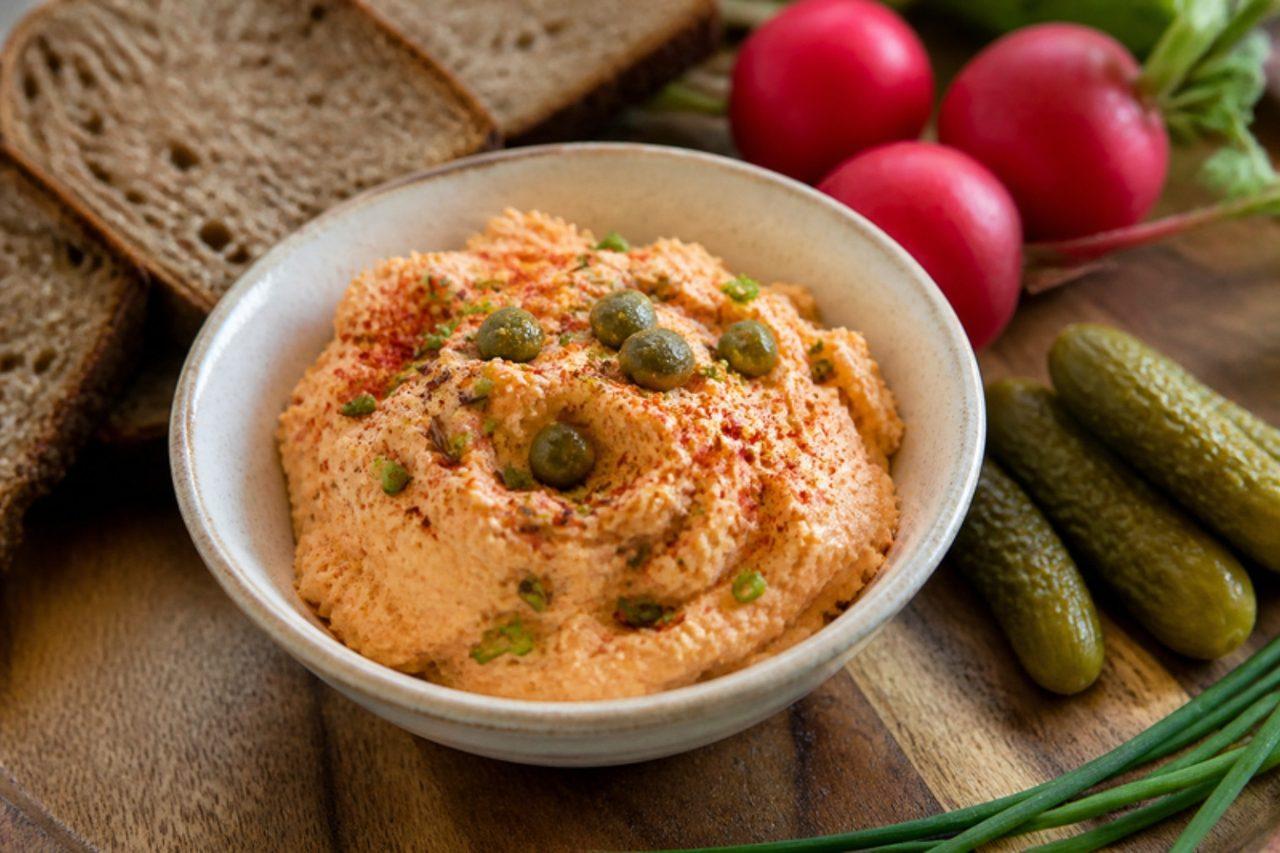
No Heuriger, the wine tavern on the vineyard slopes at the edge of Vienna, is complete without a bowl of rust-red Liptauer next to the bread basket. Quark and soft butter are beaten with sweet paprika, ground caraway, mustard, onion and capers into a spread that is creamy, tangy and gently warm. Spread it thick on dark rye bread with radishes and chives, or pipe it onto halved peppers for a snack board. A common mistake is using wet quark straight from the tub, which makes the spread runny; drain it in a sieve first. Most quark is set without rennet, but some brands use a little animal rennet, so pick one labelled vegetarian. Chef's tip: make it a few hours ahead; the paprika colour deepens and the caraway softens as it sits.

by KrazyBadal 0 views

Schäufele

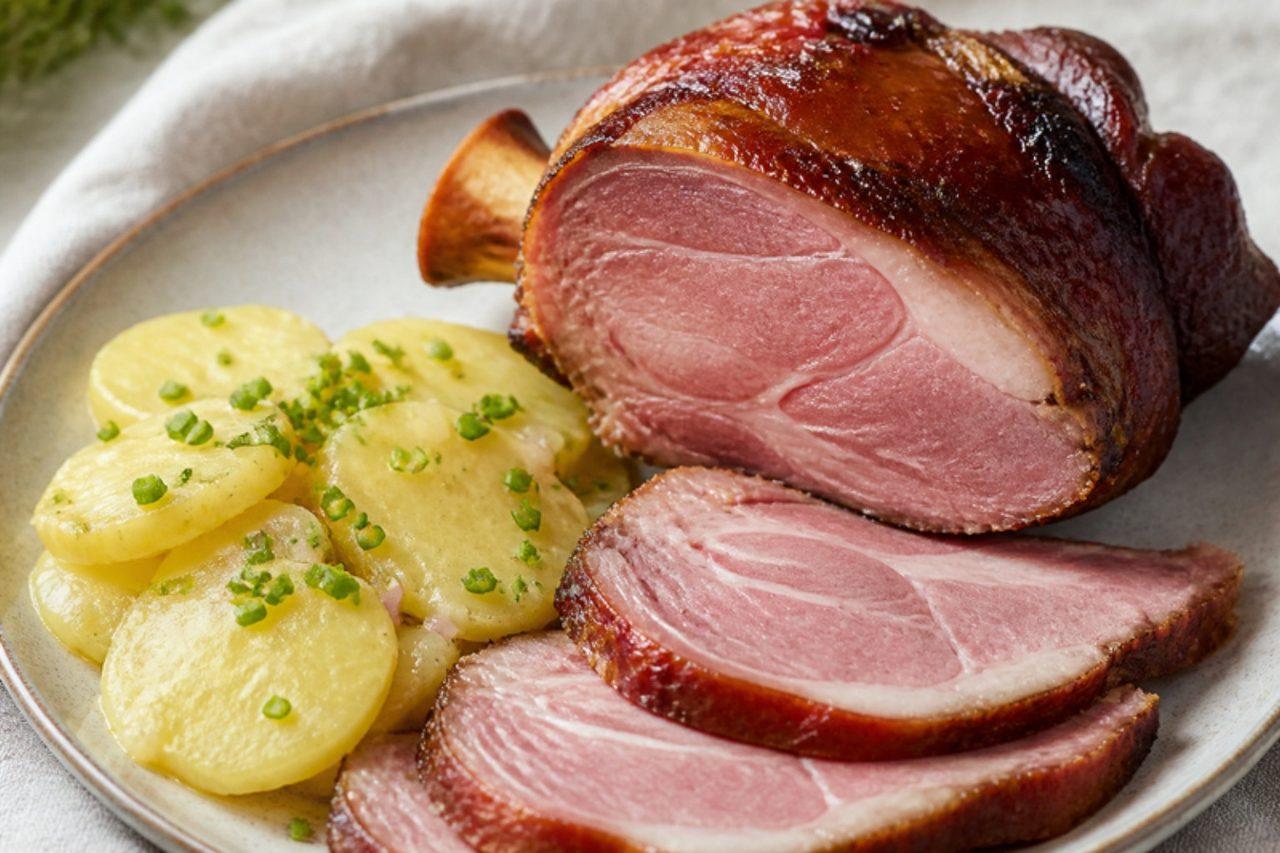
In Baden, Schäufele ("little shovel") is the bone-in pork shoulder blade, cured and lightly smoked by the butcher, and it belongs on New Year's Eve and family get-togethers. It is gently simmered so the meat stays juicy and rosy from the cure, then sliced thick and served with a warm potato salad dressed with broth and vinegar. Ask a German butcher for a ready-cured Schäufele, or use a cured and smoked pork shoulder joint. Chef's tip: keep the water barely trembling; a rolling boil tightens the meat and squeezes out its juices.

145 minGermanMeatGluten free
by KrazyBadal 0 views

Flammlachs

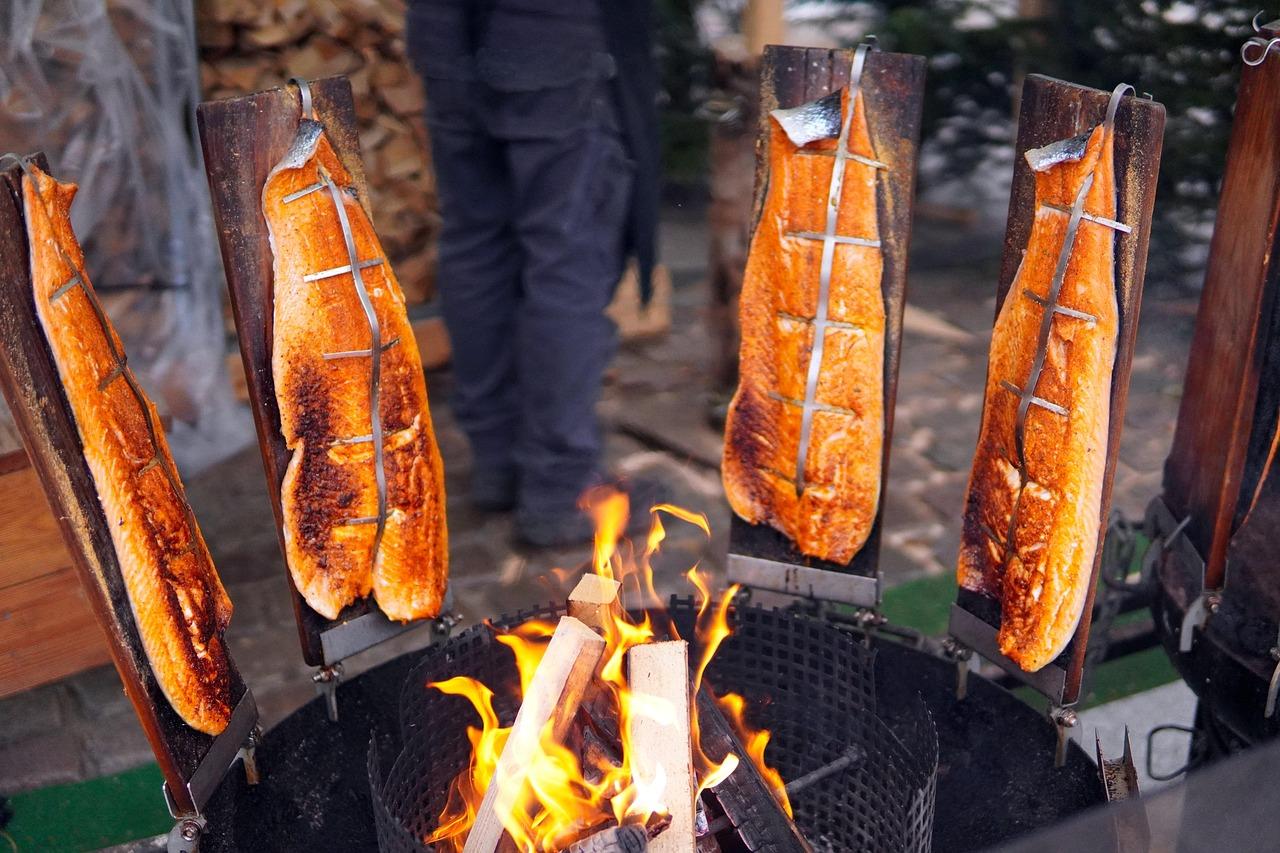
At German Christmas markets, from Nuremberg to Cologne, whole sides of salmon are nailed to wooden boards and stood around an open beech fire until smoky and just cooked, then served in a roll or on a plate with a mustard-dill sauce. At home you get close with a soaked wooden plank on a covered barbecue, or in a hot oven with a little smoked salt. A short dry brine in the fridge seasons the fish right through. Chef's tip: take the salmon off while the very centre is only just opaque; it carries on cooking on the hot plank.

50 minGermanFishGluten free
by KrazyBadal 0 views

Rollmops

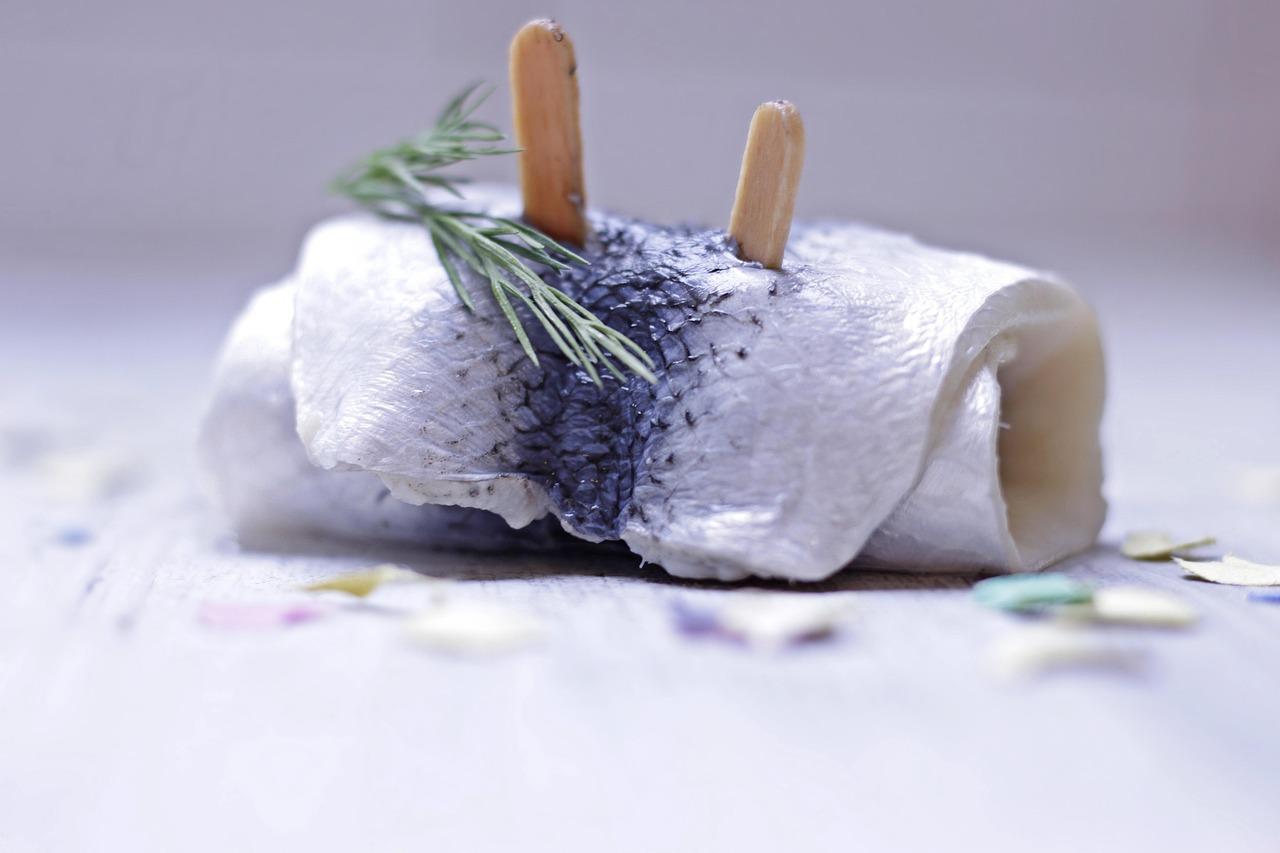
Rollmops are the pickled herring rolls of the North Sea and Baltic coasts, pinned with a wooden pick around gherkin and onion and kept in a jar of spiced vinegar; in Berlin and Hamburg they are the classic morning-after breakfast and a fixture of New Year's Day tables. Making them at home takes a week of fridge time but very little work. Because the fish is never cooked, use herring that has been frozen at −20 °C for at least 24 hours (most fresh 'sashimi-grade' or commercially frozen fillets qualify; ask your fishmonger), and keep everything chilled. Rollmops are not for pregnant women, young children or anyone with a weakened immune system. Chef's tip: let the jars rest a full five days; the vinegar needs that long to firm the flesh and soften the tiny bones.

60 minGermanFishGluten free
by KrazyBadal 0 views

Schwäbischer Kartoffelsalat

Swabian potato salad is nothing like the creamy kind. In Stuttgart and across Baden-Württemberg it is made with waxy potatoes sliced while still warm and soaked in hot stock, vinegar, onion and oil until it turns glossy and slightly 'schlonzig', a local word for that loose, juicy texture. It is eaten lukewarm, never fridge-cold, beside Maultaschen or vegetarian schnitzel, and at every summer garden party. This version uses vegetable stock. Chef's tip: pour the hot dressing over the potatoes while they are still warm; cold potatoes won't drink it in and the salad stays dry.

by KrazyBadal 0 views

Pique macho

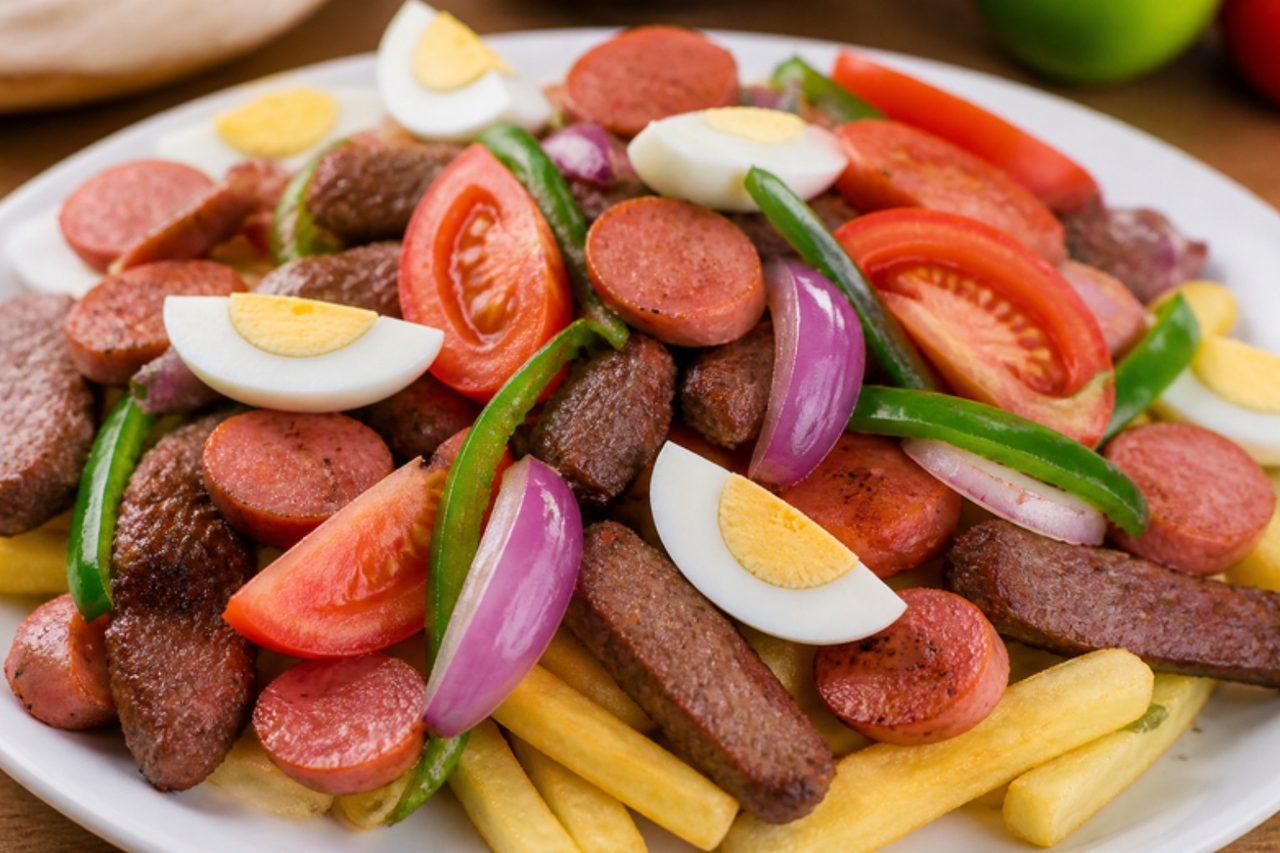
Pique macho was invented in Cochabamba, legend says late one night when hungry customers asked for whatever was left, and it remains the sharing plate Bolivians order with friends: a pile of chips topped with beef strips and sausage cooked in a peppery sauce, with onion, tomato, locoto chillies and boiled eggs on top. The name roughly means "if it stings, you're a man", for the hot locoto. This recipe can include beer in the sauce; for an alcohol-free version use beef stock. The mistake is letting the chips sit under the sauce, so they go soggy; assemble right before serving. Chef's tip: oven chips work fine and leave the hob free for the meat.

65 minAndeanMeatGluten freeSpicy
by KrazyBadal 0 views

Mici

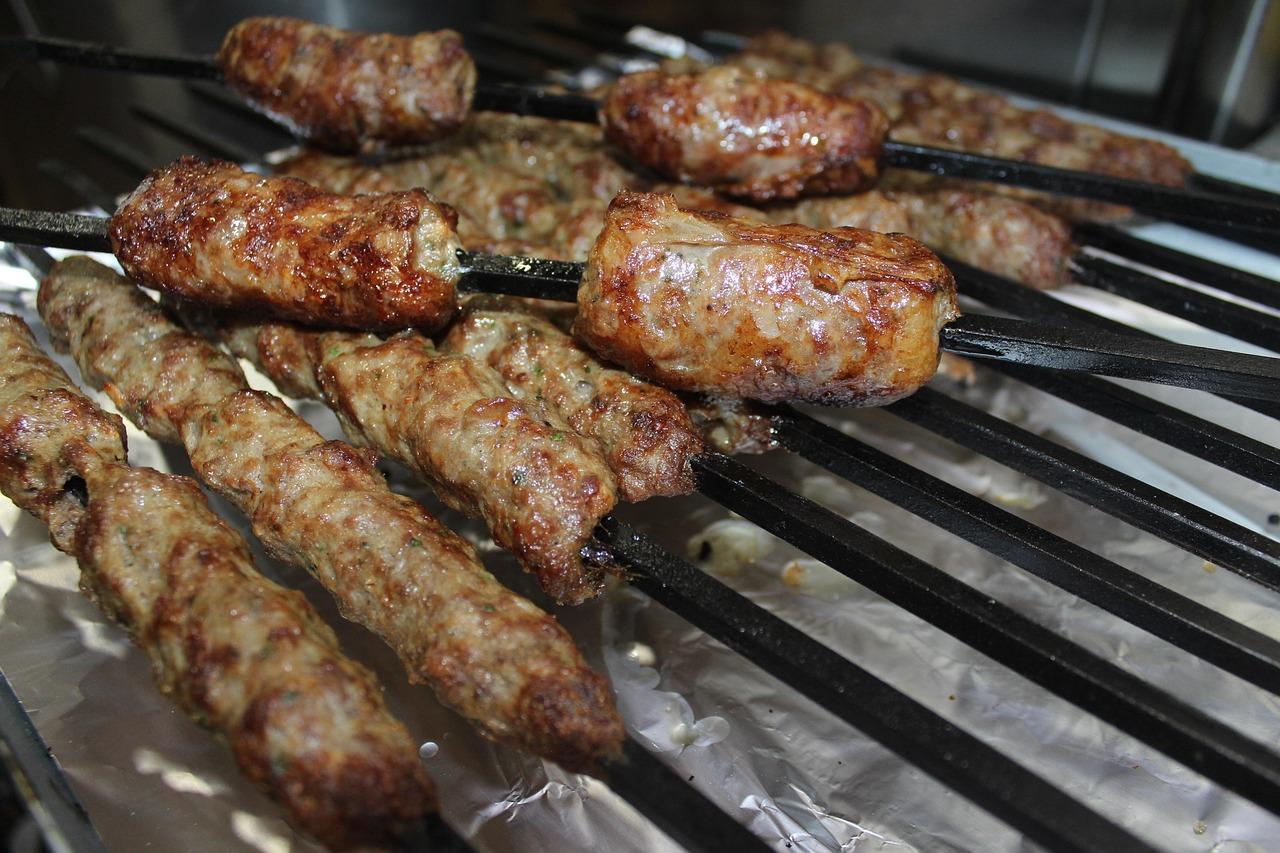
Every Romanian park, beer garden and May Day picnic smells of mici, the little skinless rolls of minced beef and lamb that sizzle on charcoal grills from Bucharest's Obor market to the Black Sea coast. The mince is beaten with garlic, thyme, a strong beef stock and a little bicarbonate of soda, which makes them springy and juicy inside with a crusty outside. They come in tens, with plenty of mustard, fresh bread and sometimes chips. The usual error is cooking them straight after mixing: the mince needs a night in the fridge for the bicarbonate and garlic to work. Chef's tip: shape them with oiled hands on an oiled tray, and grill them no thicker than your thumb so the middle cooks before the outside burns.

by KrazyBadal 0 views

Kaassoufflé

Despite the French-sounding name, a Dutch kaassoufflé has nothing to do with a baked soufflé. It is a snack-bar classic, fried in the frituur of every cafetaria from Groningen to Maastricht: a rectangle of thin pastry wrapped around a slab of young Gouda, coated in breadcrumbs and deep-fried until the cheese inside goes molten. It is the vegetarian's answer to the kroket, eaten at lunch or on the way home from football, with a squeeze of mayonnaise or sweet chilli sauce. Chef's tip: chill the filled, breaded pockets for at least 30 minutes before frying; cold pastry and cheese stay sealed in the hot oil, while warm ones burst and leak.

by KrazyBadal 0 views

Goes well with mustard