Skip to content

Recipes with malagueta pepper sauce

4 recipes that use malagueta pepper sauce, with photos, step-by-step instructions and cook times. The quickest, Caldinho de feijão, takes 40 minutes. It is most often cooked with garlic, onion and coriander.

Got a few things in the fridge? Search by everything you have

Caranguejada

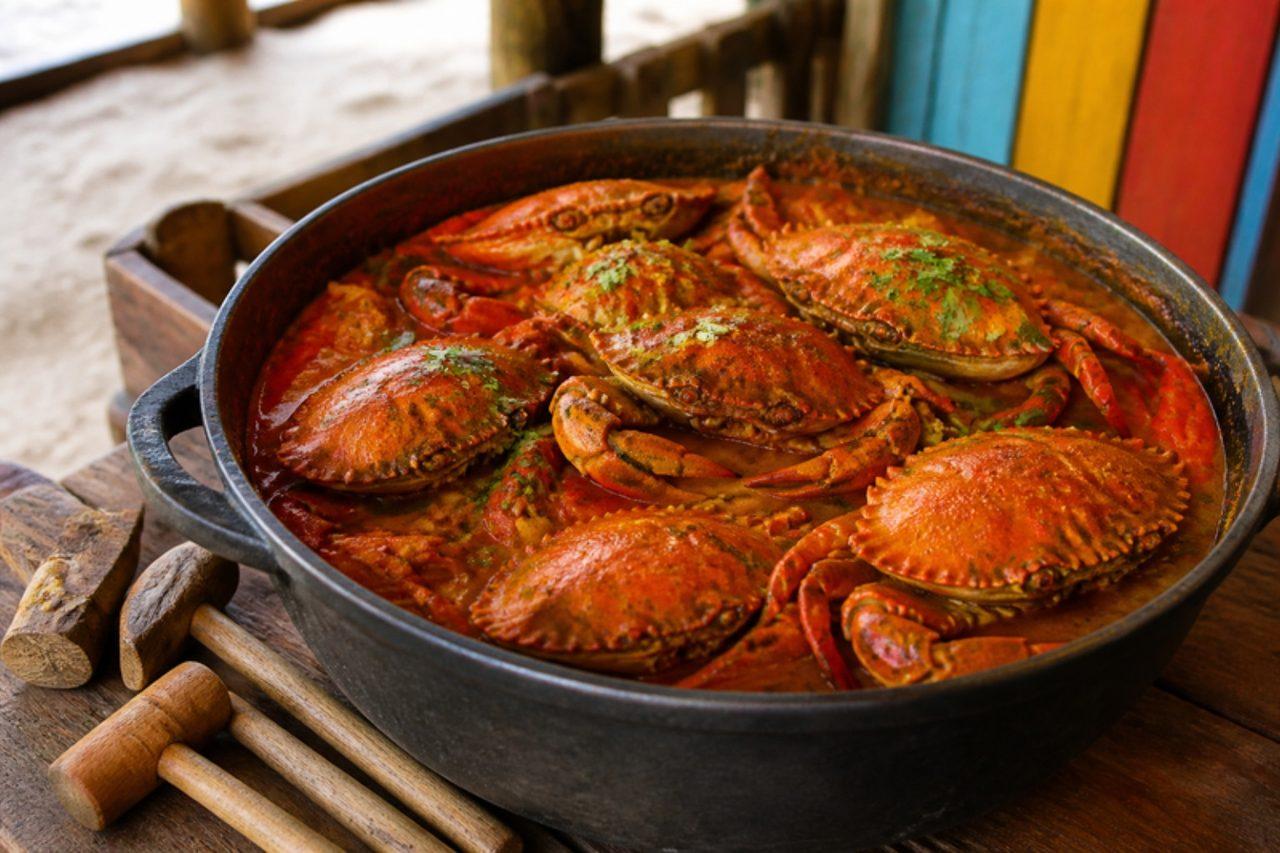
Thursday night is crab night in Fortaleza: the beach shacks along Praia do Futuro fill up for the quinta do caranguejo, and tables are covered in whole crabs, wooden mallets and bowls of broth. The crabs are boiled in a spiced broth of tomato, onion, peppers, coconut milk and plenty of coriander, then cracked open by hand, the sweet meat dipped back into the broth and eaten with pirão and lime. Mangrove crabs are used in Ceará; blue crabs or brown crabs work well elsewhere. Crabs must be alive and lively when you buy them, or bought frozen raw or ready-cooked from a fishmonger; never cook a raw crab that has died. The big mistake is under-salting the broth, which leaves the meat bland; it should taste like well-seasoned soup. Chef's tip: chill live crabs in the freezer for about an hour before cooking so they are completely still and insensible, then scrub them well.

by KrazyBadal 0 views

Caldinho de feijão

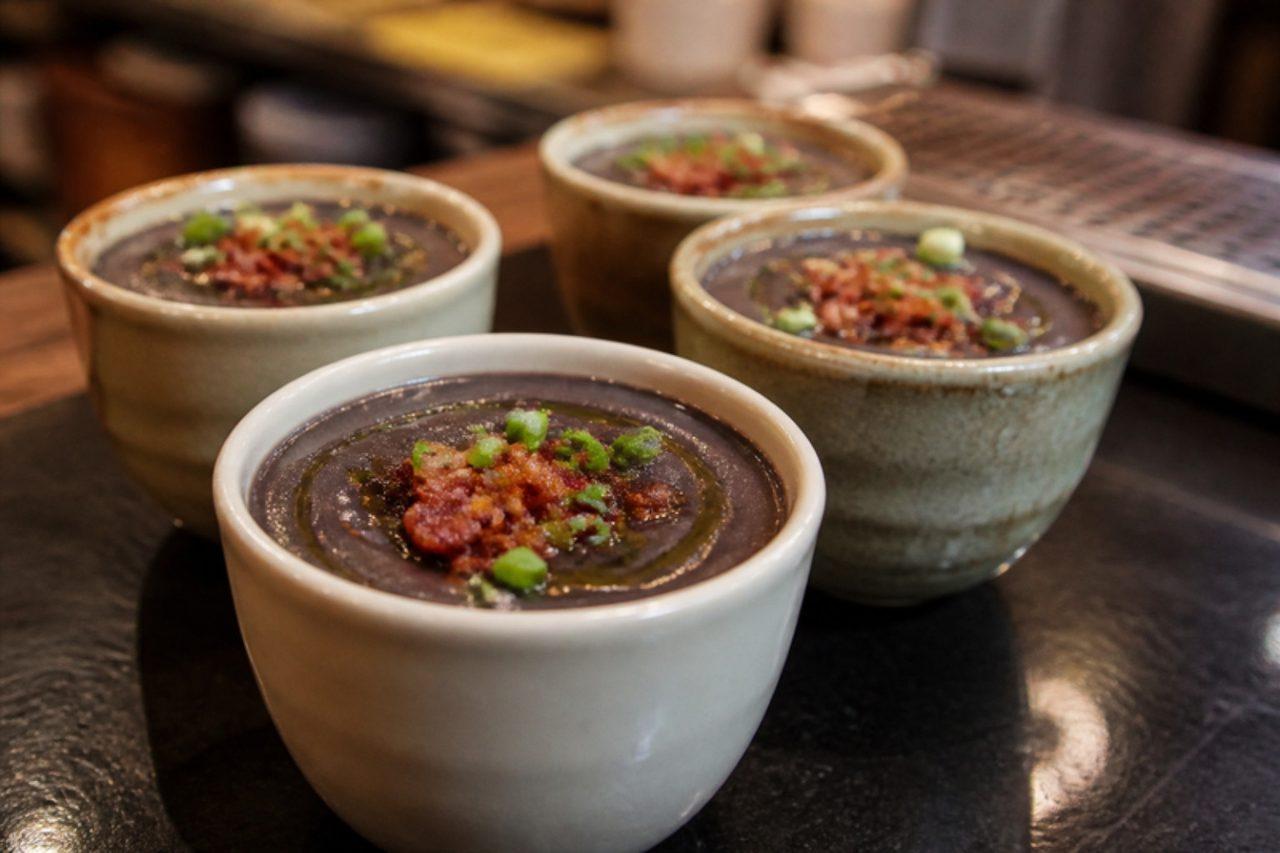
Order a round at a Rio de Janeiro boteco on a cool evening and a tray of caldinho de feijão is likely to follow: small glasses of smooth, thick black-bean soup, sipped hot, topped with crisp bacon, spring onion and a few drops of pepper sauce. It is earthy, smoky and silky, halfway between a soup and a dip, and often comes with a hard-boiled quail egg or cubes of fried cassava on a cocktail stick. This version is made with pork: smoked bacon cooked into the beans and crisped on top. Leftover feijoada beans make the best caldinho; tinned black beans work fine. People often fail to blend it long enough, leaving it grainy; it should pour like thick cream. For a vegetarian caldinho, leave out the bacon, fry the onion in olive oil and add 1 tsp smoked paprika. Chef's tip: pass the blended soup through a sieve if you want the glossy finish botecos serve.

by KrazyBadal 0 views

Sarapatel

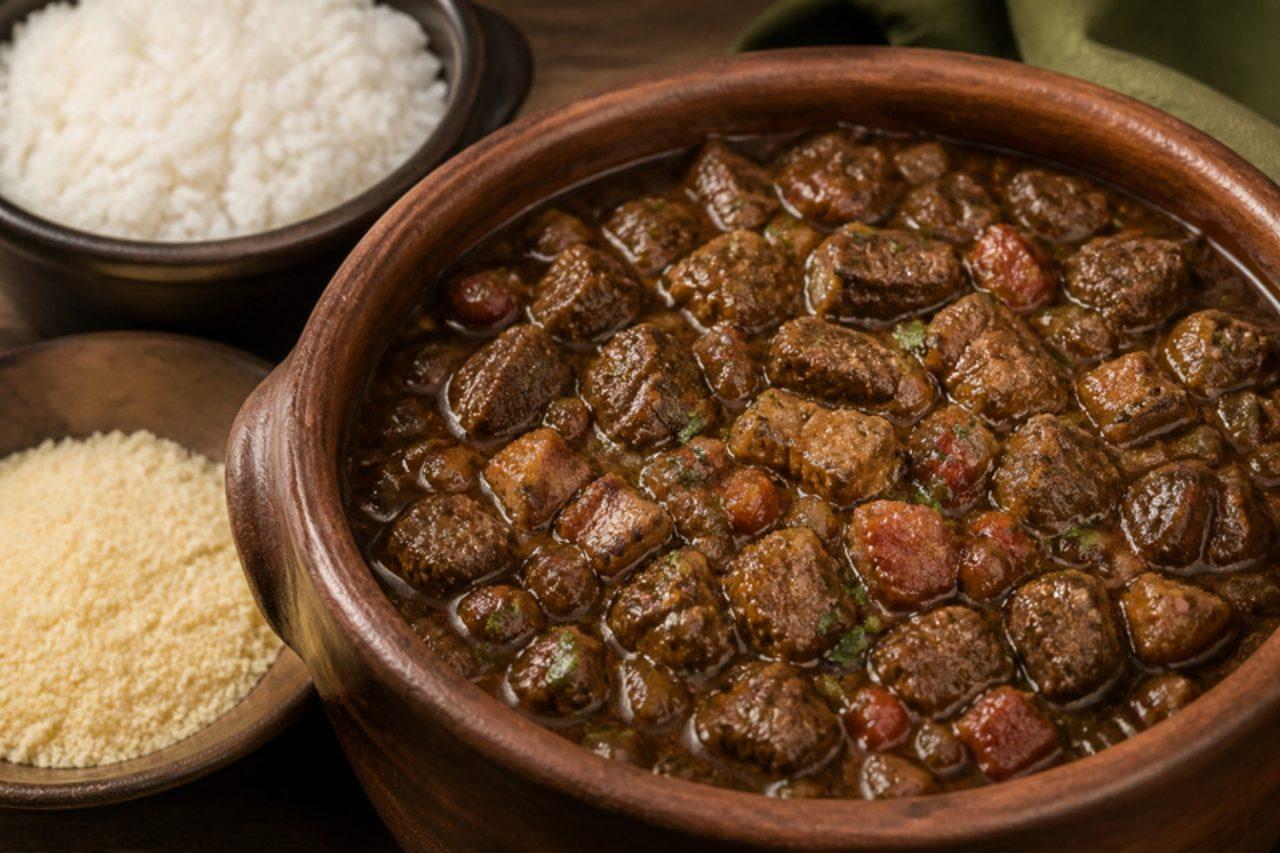
A pork dish with Portuguese roots, sarapatel is cooked in Recife and the Pernambuco interior for big gatherings and Saturday lunches, and bars in Olinda serve it by the bowl with rice, farinha and lime. Pork liver, heart and kidneys are cleaned, diced small and simmered with onion, tomato, cumin, bay and vinegar, then the stew is thickened with cooked pork blood until it turns dark, glossy and intensely savoury, sharp from the vinegar and fragrant with mint and coriander. Buy the offal and the blood from a butcher you trust, very fresh and kept cold; blood should be used the day you buy it or frozen at once. The classic error is skipping the cleaning and parboiling, which leaves the stew with a strong, livery taste. All offal must be cooked through. Chef's tip: dice everything into neat 1 cm pieces; the small size is what lets the sauce coat every bite.

by KrazyBadal 0 views

Abará

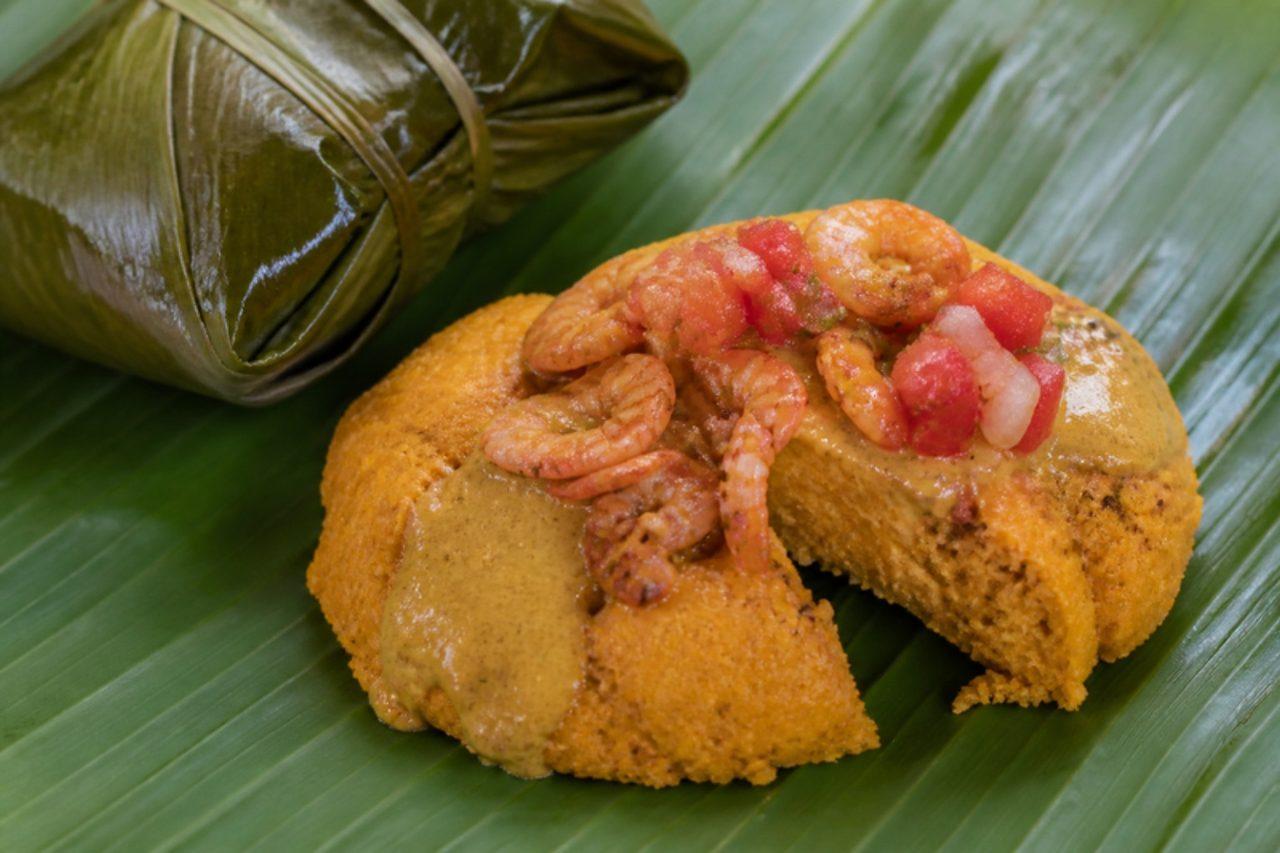
Abará is the steamed sister of acarajé, sold from the same wooden trays by the baianas in white lace who set up on the corners of Salvador's Pelourinho, Rio Vermelho and the Barra seafront. The batter is identical, black-eyed peas skinned and ground with onion and dried shrimp, but instead of hitting hot dendê it is wrapped in banana leaf and steamed, so it comes out soft, dense and sunset-orange, tasting of palm oil, sea and pulses. Baianas split it open and fill it with vatapá, caruru, vinagrete and a few whole shrimp; at home it is lovely with just a spoonful of pepper sauce. Plan ahead: the peas need soaking overnight. The usual mistake is leaving the skins on, which makes the parcels grey, gritty and heavy. For a vegetarian version, leave out the shrimp and add a pinch more salt. Chef's tip: beat the paste hard with a wooden spoon for a few minutes before wrapping; the air you work in is what keeps abará light rather than rubbery.

by KrazyBadal 0 views

Goes well with malagueta pepper sauce