Skip to content

Recipes with live crabs

5 recipes that use live crabs, with photos, step-by-step instructions and cook times. The quickest, Jaffna crab curry, takes 60 minutes. It is most often cooked with garlic, tomato and ginger.

Got a few things in the fridge? Search by everything you have

Jaffna crab curry

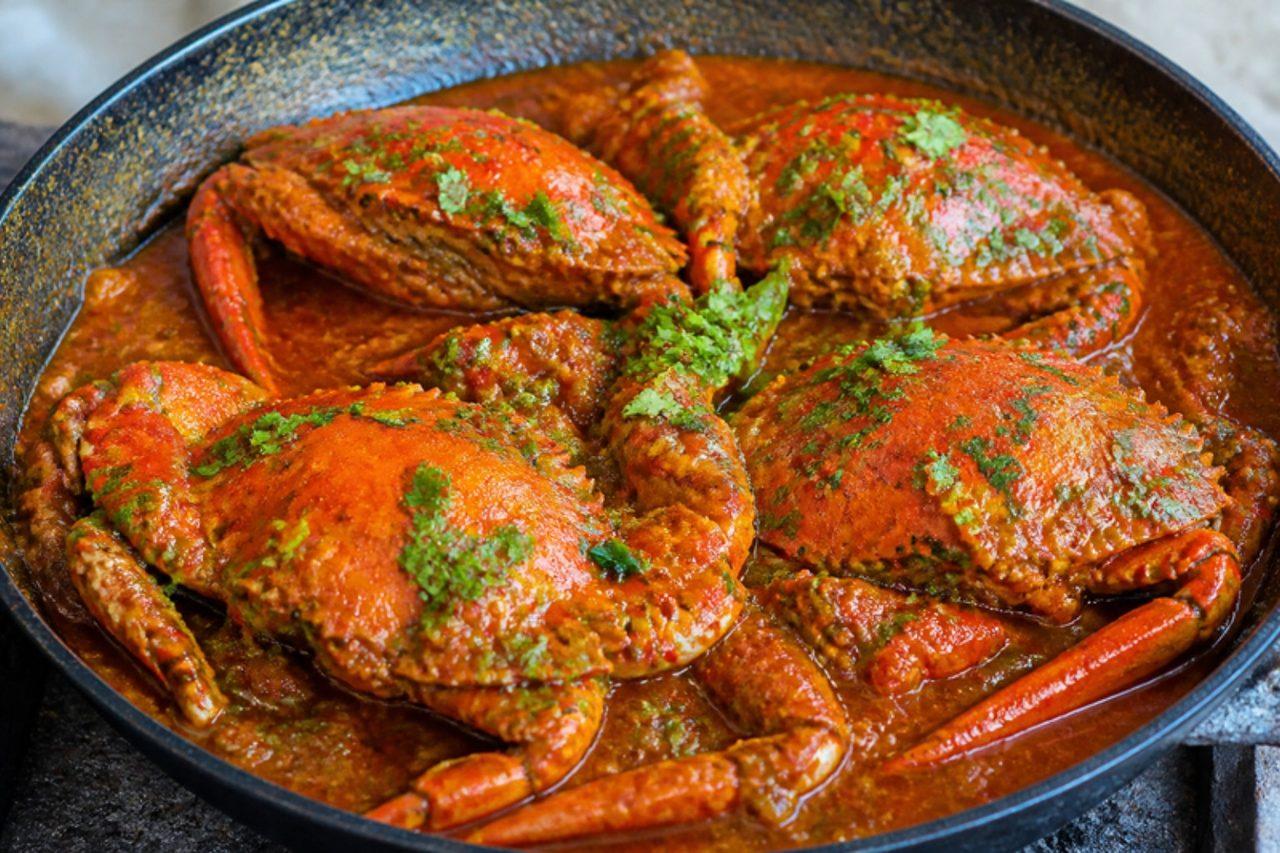
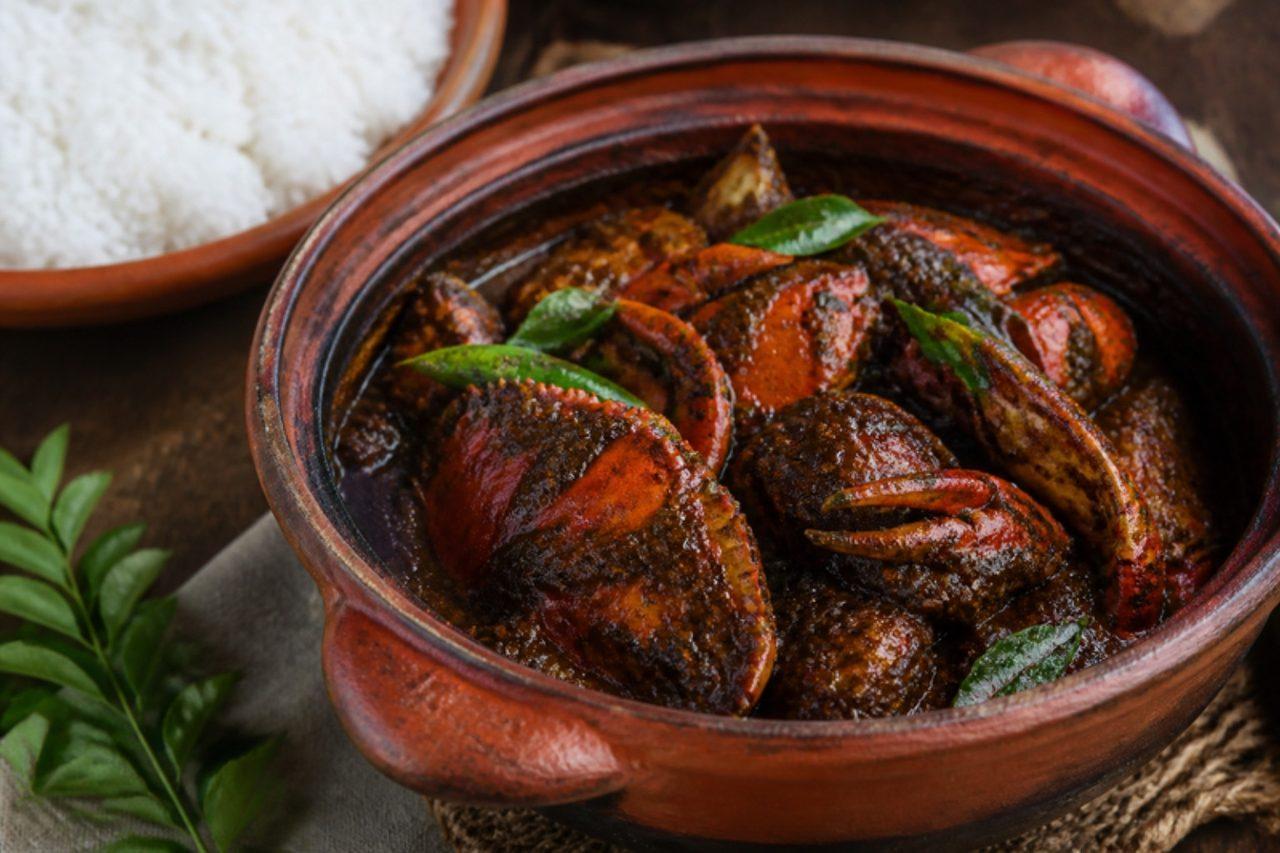
The shallow lagoons around Jaffna and the islands of Kayts and Delft produce big, sweet mud crabs, and the town's answer to them is a curry so dark and hot that visitors are warned before they order. Jaffna curry powder, heavy with roasted red chilli, coriander and fennel, is fried in sesame oil with onion and garlic, then loosened with tamarind and a little coconut milk so the sauce clings to every crack in the shell. A handful of moringa leaves wilted in at the end adds a grassy note, and the crab is eaten with the hands, sucked from the shell, alongside plain rice or puttu. A frequent misstep is boiling the crab hard for too long, which makes the meat dry and stringy. Chef's tip: crack the claws before cooking so the sauce soaks in and the meat is easy to reach at the table.

by KrazyBadal 0 views

Ago glain

Cotonou sits between the sea and the Nokoué lagoon, and its crabs, ago in Fon, are cooked whole in a thick tomato, onion and pepper sauce for weekend lunches and family gatherings. Ago glain is gloriously messy: you crack the shells with your fingers and teeth, suck out the sweet meat and mop up the sauce with amiwo, akassa or white rice. The sauce is bright, gingery and hot, and the shells give it a deep seafood flavour. Live crabs need careful handling, so buy them from a fishmonger you trust, cook them the same day and keep them chilled until then; ready-cleaned or ready-cooked crab is fine too. The usual mistake is overcooking the crab once it is in the sauce, which makes the meat dry and stringy. Chef's tip: crack the claws before they go into the pot so the sauce seeps in and they cook evenly.

by KrazyBadal 0 views

Aprapransa (Fante palm nut pottage with crab)

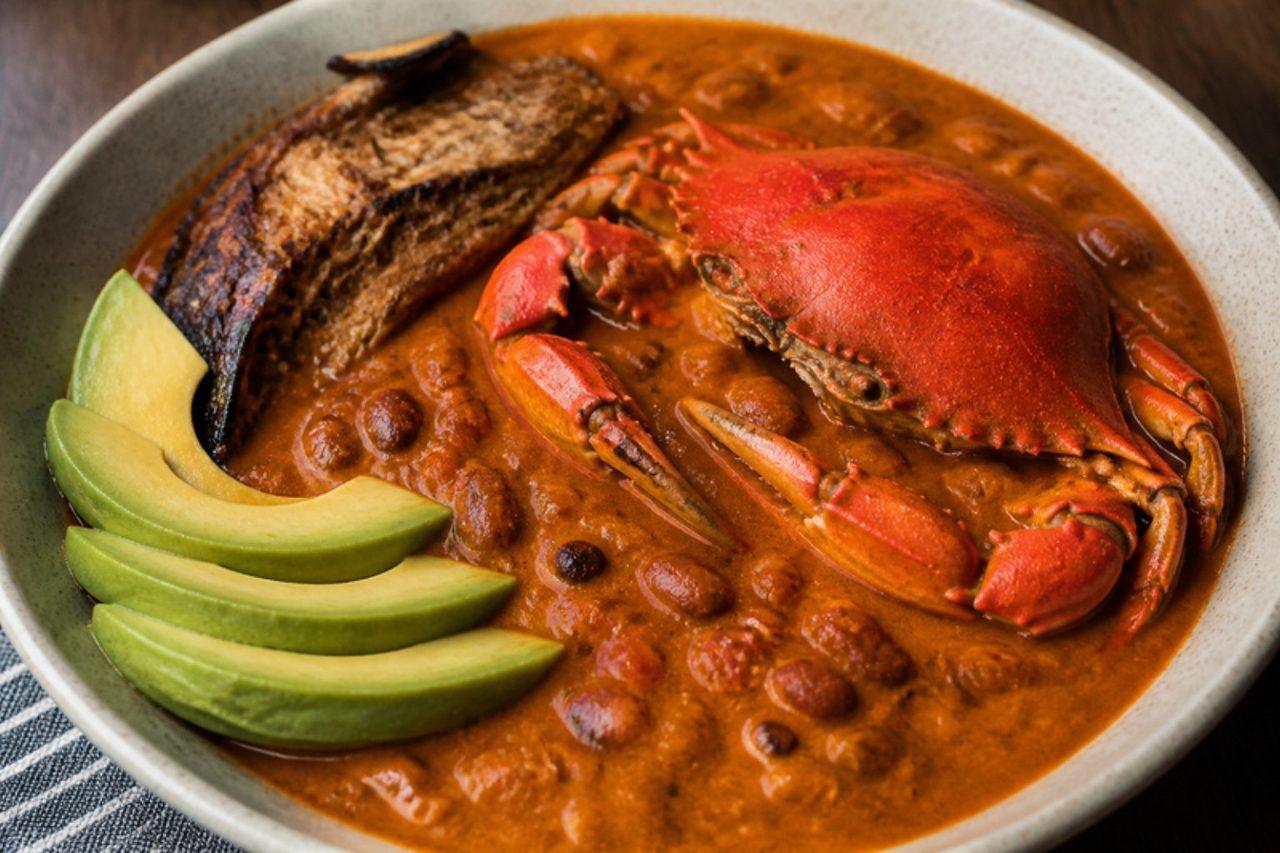
A coastal Fante dish from Cape Coast and the Central Region, aprapransa is made for festive days and big family meals: palm-nut soup with crab and smoked fish is stirred with toasted corn flour until it becomes a thick, spoonable pottage, then finished with tender black-eyed beans. The texture is somewhere between a stew and a soft dumpling, the colour a deep orange-brown, and the toasted corn gives a nutty, almost biscuity flavour under the rich palm fruit. It is often served with sliced avocado. Live crabs must come from a good fishmonger; discard any that are dead or smell off. The usual mistake is adding the toasted corn flour all at once, which makes lumps; sprinkle it in while stirring. Chef's tip: toast the corn flour until it is evenly deep golden and smells like popcorn, then add it to the soup gradually while stirring, because tipping it in at once is how the pottage turns lumpy.

by KrazyBadal 0 views

Odiyal kool

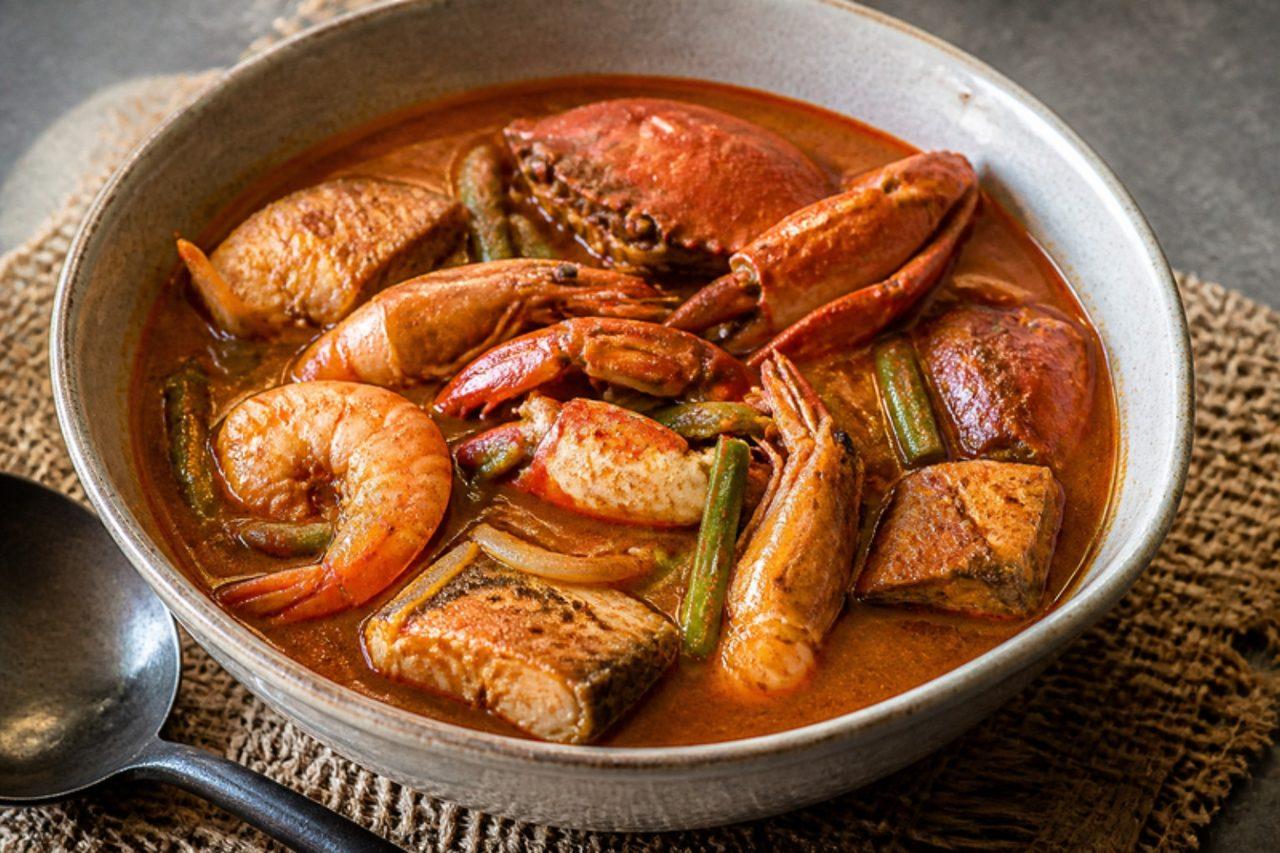
On a rainy weekend in Jaffna, extended families gather around one enormous pot of kool, a thick, peppery seafood broth that is ladled out and drunk from cups folded from jackfruit leaves. Its body comes from odiyal flour, ground from sun-dried palmyra sprouts, which gives a slightly earthy, nutty flavour and a silky, porridge-like texture, and into it go crab, prawns, chunks of fish, long beans, jackfruit seeds and a sharp hit of tamarind and chilli. It is a meal on its own, eaten hot and slurped, with nothing more than a spoon and plenty of napkins. People often go wrong by adding the flour too early or without soaking it, so it clumps and tastes bitter; it should be soaked, drained and stirred in near the end. Chef's tip: soak the odiyal flour for a few hours, pour off the brown water and repeat once, which removes most of its bitterness.

by KrazyBadal 0 views

Caranguejada

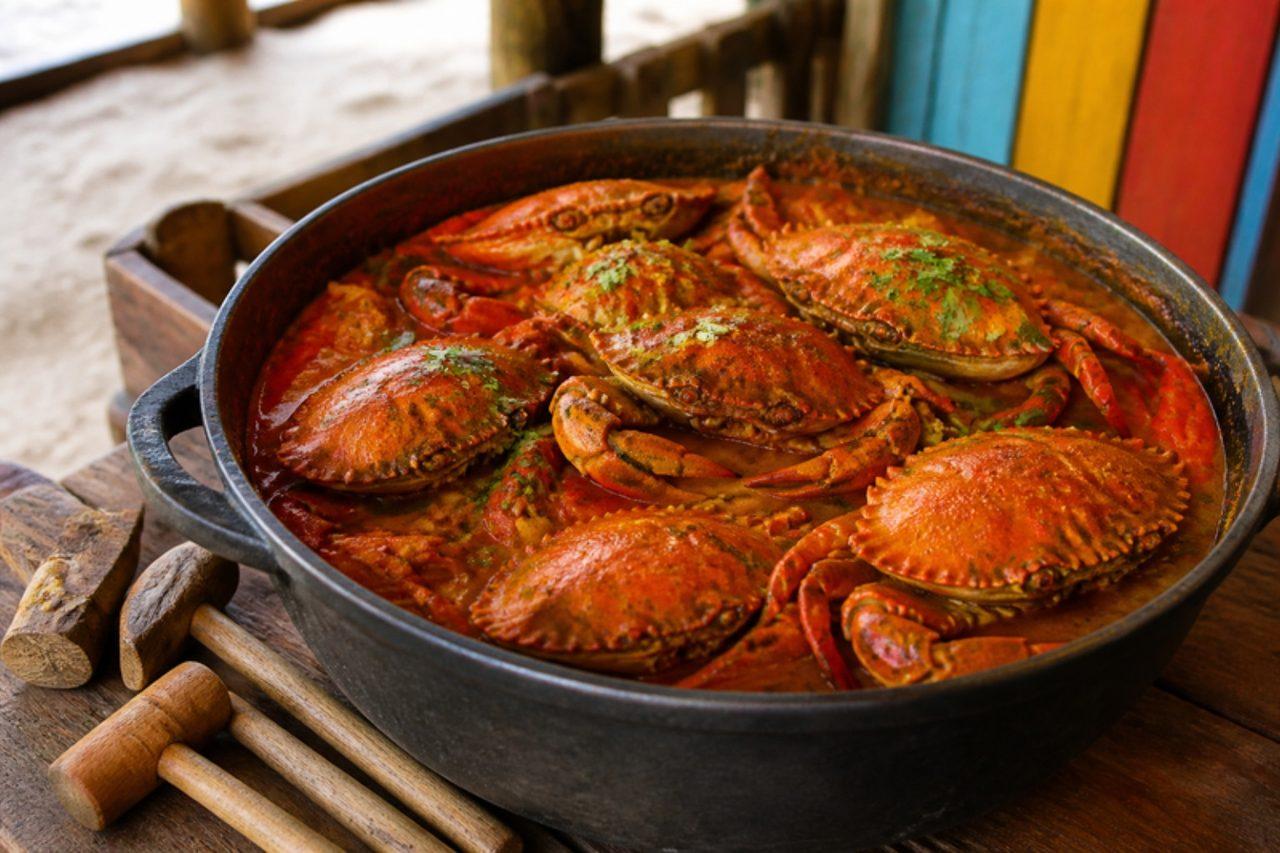
Thursday night is crab night in Fortaleza: the beach shacks along Praia do Futuro fill up for the quinta do caranguejo, and tables are covered in whole crabs, wooden mallets and bowls of broth. The crabs are boiled in a spiced broth of tomato, onion, peppers, coconut milk and plenty of coriander, then cracked open by hand, the sweet meat dipped back into the broth and eaten with pirão and lime. Mangrove crabs are used in Ceará; blue crabs or brown crabs work well elsewhere. Crabs must be alive and lively when you buy them, or bought frozen raw or ready-cooked from a fishmonger; never cook a raw crab that has died. The big mistake is under-salting the broth, which leaves the meat bland; it should taste like well-seasoned soup. Chef's tip: chill live crabs in the freezer for about an hour before cooking so they are completely still and insensible, then scrub them well.

by KrazyBadal 0 views

Goes well with live crabs