Skip to content

Recipes with liquid kashk

6 recipes that use liquid kashk, with photos, step-by-step instructions and cook times. The quickest, Kaleh joosh, takes 30 minutes. It is most often cooked with dried mint, garlic and onion.

Got a few things in the fridge? Search by everything you have

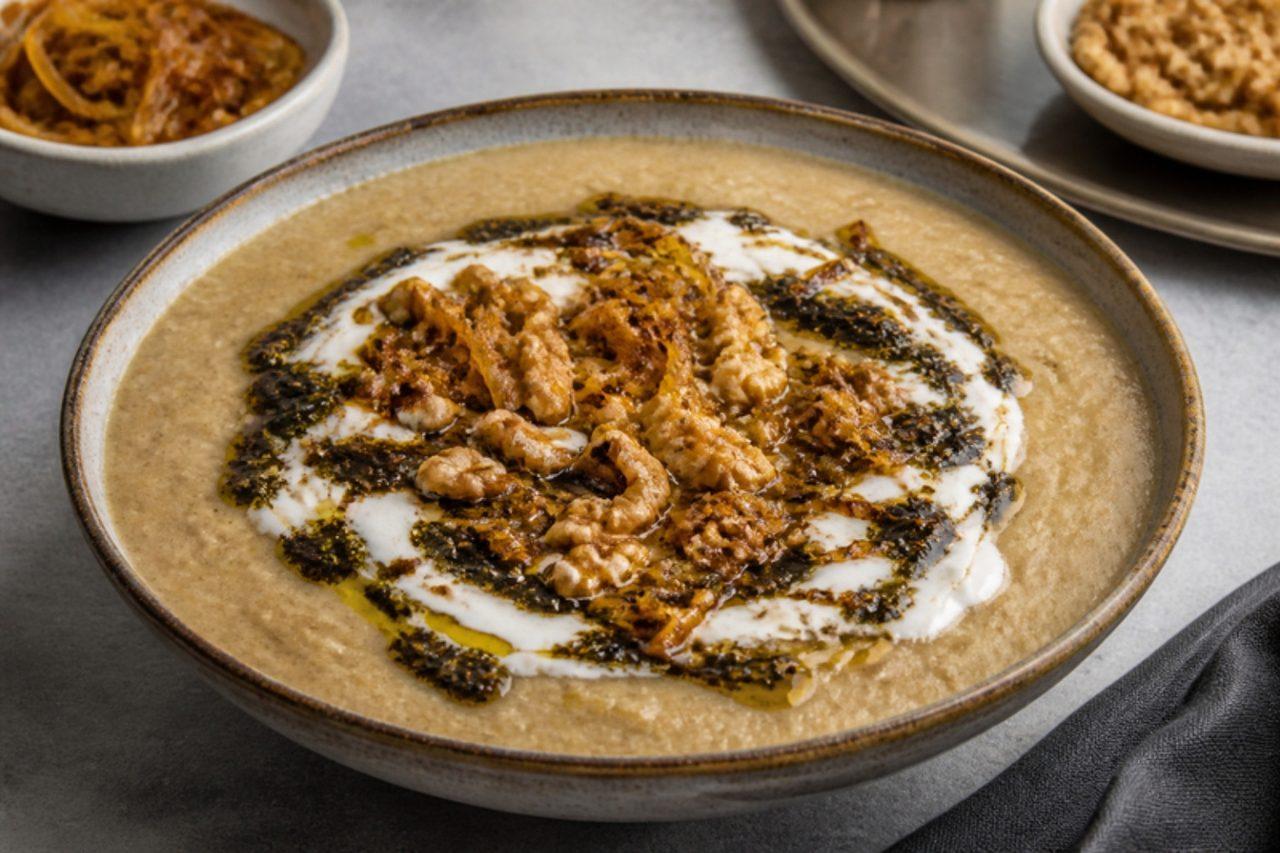
Kaleh joosh

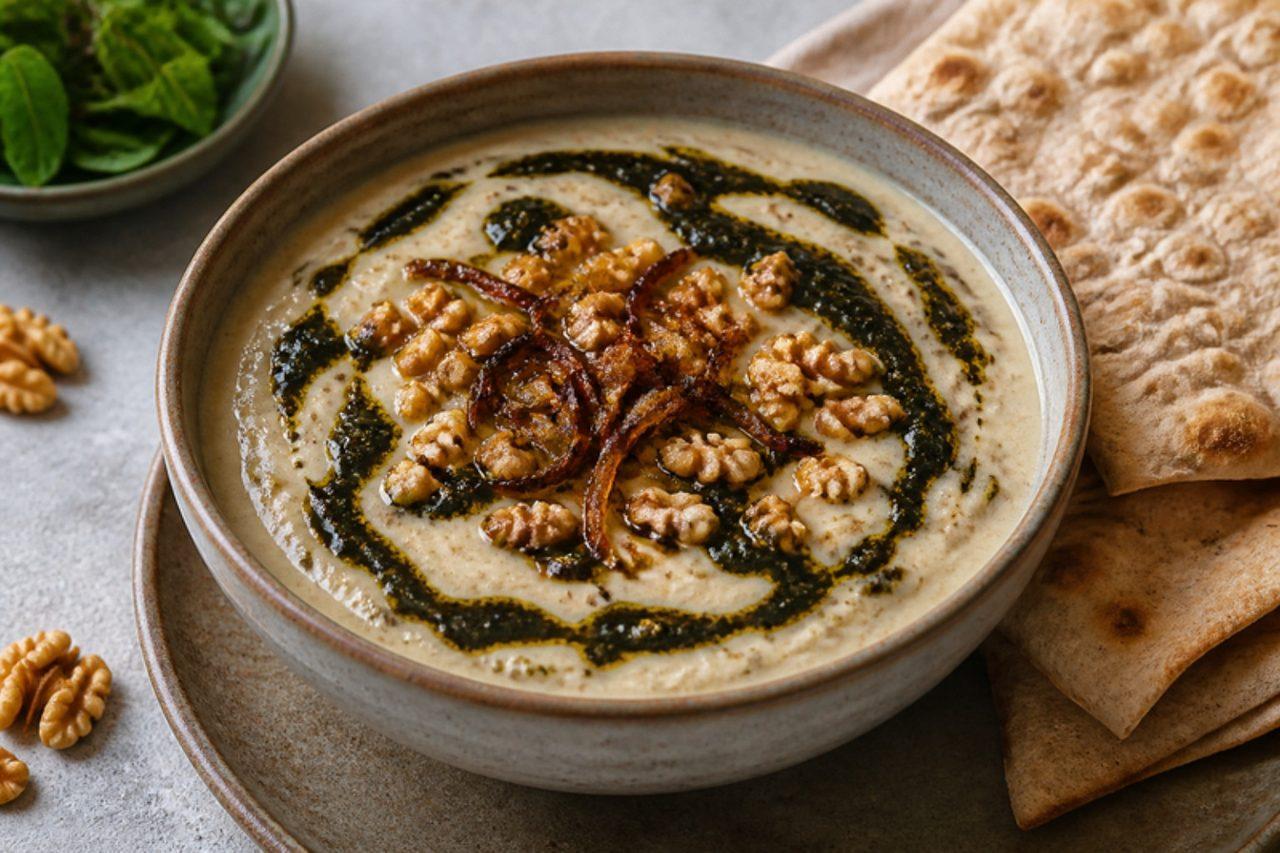
Kaleh joosh is the fast, frugal soup of the Azerbaijani villages around Tabriz and of central Iran, cooked when the cupboard holds kashk, walnuts and onions. Kashk, the tangy fermented whey that gives so many Persian dishes their savoury depth, is simmered with deeply fried onions and ground walnuts, then crowned with sizzling dried mint and turmeric oil. It is eaten from a shared bowl, scooped up with torn bread rather than spoons, often on cold evenings. A common mistake is boiling the kashk hard, which can make it split and grainy; keep it at a gentle bubble. Chef's tip: taste your kashk before salting, as brands vary wildly in saltiness.

by KrazyBadal 0 views

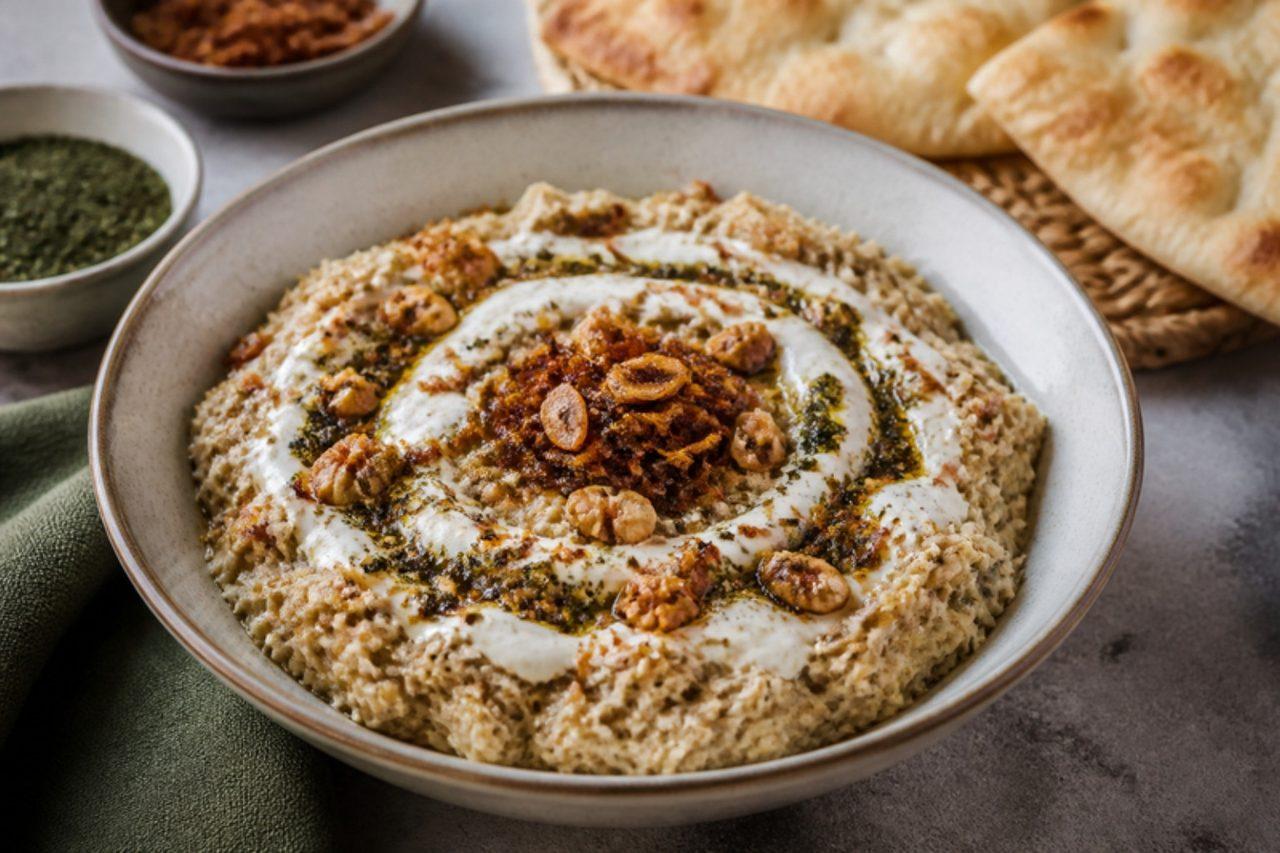
Halim bademjan

In Kashan and Isfahan, halim bademjan is the thick, savoury porridge served at religious vows and at long family lunches in autumn, ladled onto a platter and drawn over with patterns of kashk, fried mint and crisp onion. Usually it is cooked with lamb that is pounded into the grains; this vegetarian version keeps the soaked wheat and green lentils, which give the same velvety body. The texture should be smooth enough to spread but still hold a spoon line. Kashk is a fermented whey product made without rennet, so the dish is vegetarian; sour cream thinned with lemon is the nearest swap. A common mistake is not soaking the wheat overnight, which leaves the halim gritty. Chef's tip: mash the aubergine into the grains with a wooden pestle rather than a blender, so you keep some threads of texture.

by KrazyBadal 0 views

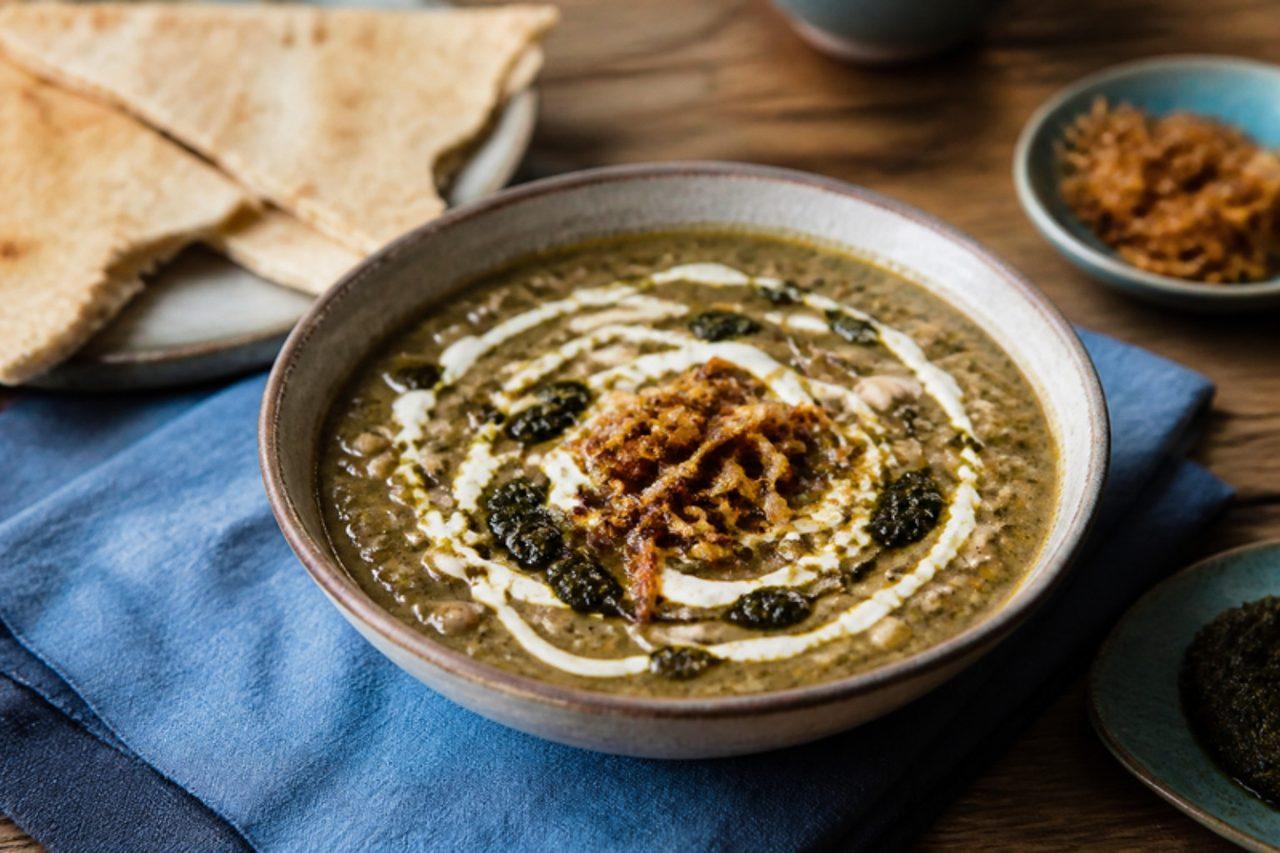
Ash-e kashk

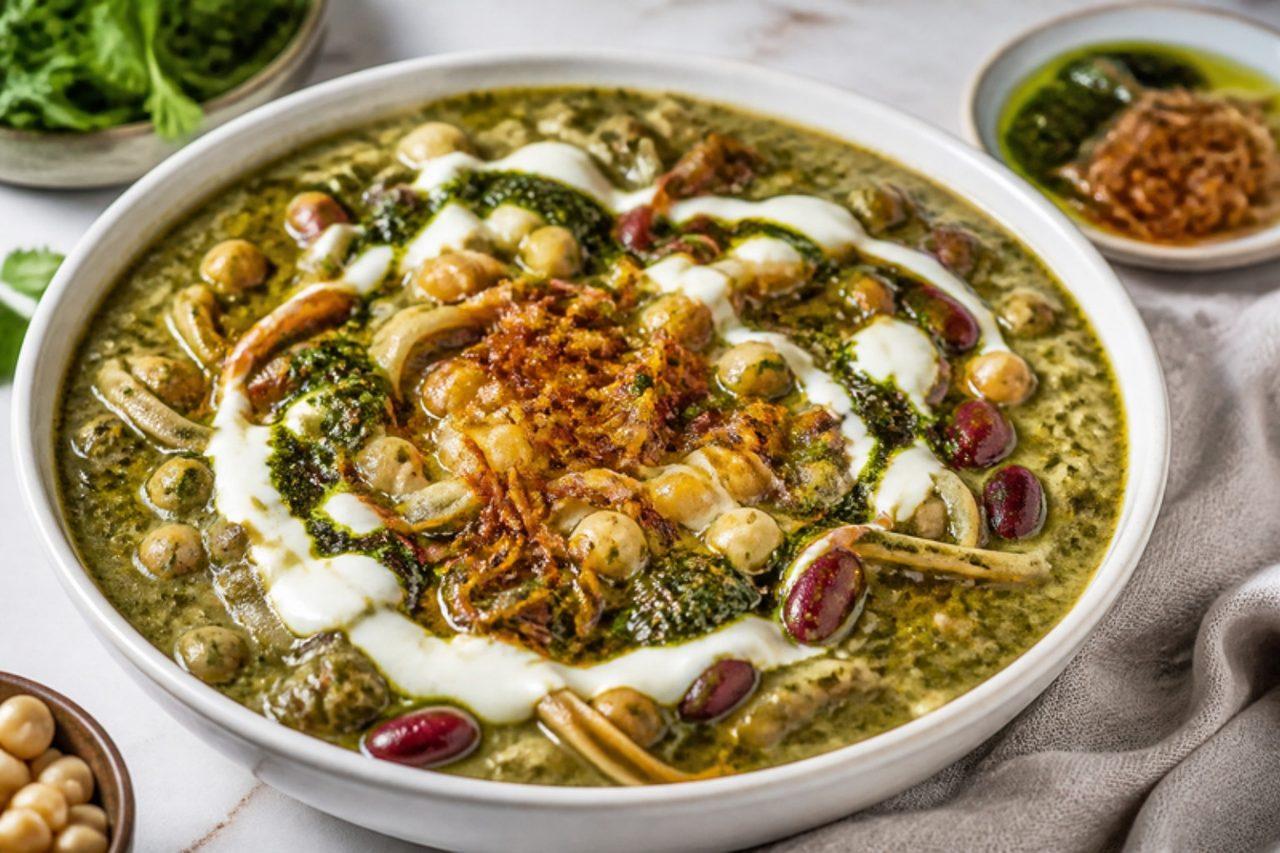
Ash-e kashk is the winter ash of Khorasan and the central plateau, simmered in big pots in Mashhad and Neyshabur homes and served from the pot for long Friday lunches. Cracked wheat, chickpeas, beans and lentils cook down with a mountain of herbs until creamy and thick, then each bowl gets a swirl of kashk, crisp fried onion and sizzling mint oil. Kashk is fermented dried whey, made without rennet, so it is vegetarian. A common mistake is adding the herbs too early, which turns them grey and muddy; stir them in for the last 30 minutes only. Chef's tip: stir the kashk in a little hot broth before swirling, so it blends smoothly rather than splitting.

125 minPersianSoups
by KrazyBadal 0 views

Bozghormeh

Bozghormeh is a dish of Kerman, the desert city in south-east Iran, cooked on winter weekends and for family gatherings. Lamb and chickpeas are simmered with turmeric until soft, then pounded together and finished with kashk (salty fermented whey), lots of fried onion and garlic and a dusting of dried mint; it is scooped up with flatbread rather than eaten with rice. The result is creamy, tangy and deeply savoury. A common mistake is boiling after the kashk goes in; it turns grainy, so add it at the end over a low heat. Chef's tip: if you can't find kashk, mix thick Greek yogurt with a pinch of salt and a squeeze of lemon; it's milder but close.

150 minPersianMeat
by KrazyBadal 0 views

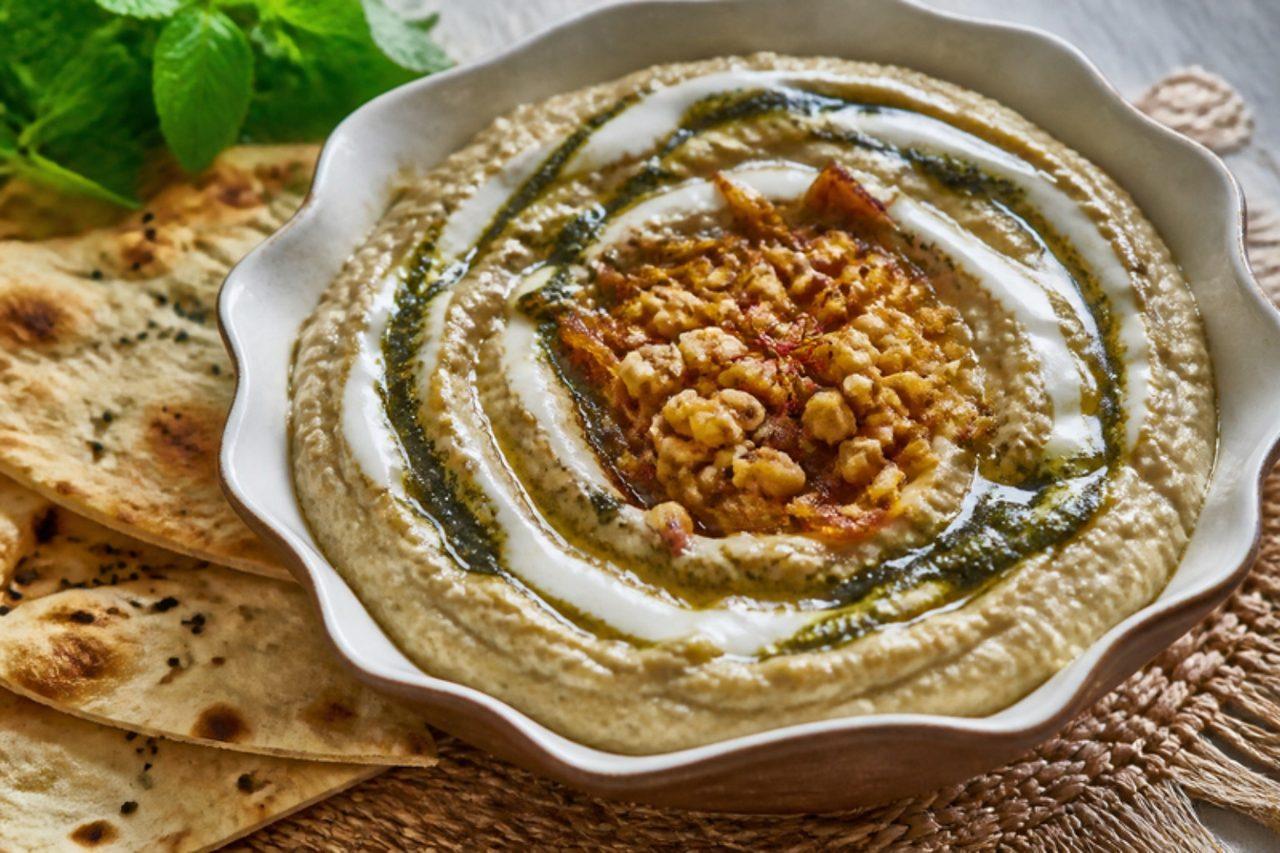
Kashk-e bademjan

Kashk-e bademjan is the aubergine dip that greets you at the start of a meal in Tehran restaurants and at family gatherings all over Iran, swirled on a plate and decorated with fried onions, mint oil, walnuts and white ribbons of kashk. Fried aubergine is mashed with golden onions and garlic, then enriched with kashk, a tangy, salty fermented whey. Most kashk is made from soured yogurt without rennet, but some brands use cheese whey, so check the label if you avoid animal rennet; strained Greek yogurt beaten with a little sour cream and lemon is a good substitute. Serve it with warm flatbread. Chef's tip: fry the dried mint for a few seconds only, off the heat; it should smell sweet, not scorched.

by KrazyBadal 0 views

Ash reshteh

Ash reshteh is the thick soup Iranians cook in big pots in the days before Nowruz and for Sizdah Bedar, the spring picnic day, when the noodles (reshteh) are said to help you grasp the threads of good luck for the coming year. Chickpeas, beans and lentils are simmered with a mountain of green herbs and spinach, thickened with flat noodles and finished at the table with tangy kashk, crisp onions and a sizzling swirl of mint oil. It is a meal in a bowl, hearty and herby. Kashk is usually made without rennet, but check the label; strained yogurt is a good substitute. Chef's tip: add the noodles only once the beans are soft, and stir often after that, because they thicken the pot and it can catch on the bottom.

120 minPersianSoups
by KrazyBadal 0 views

Goes well with liquid kashk