Skip to content

Recipes with horseradish

11 recipes that use horseradish, with photos, step-by-step instructions and cook times. The quickest, Toast Skagen, takes 25 minutes. It is most often cooked with bay leaves, black peppercorns and garlic.

Got a few things in the fridge? Search by everything you have

Toast Skagen

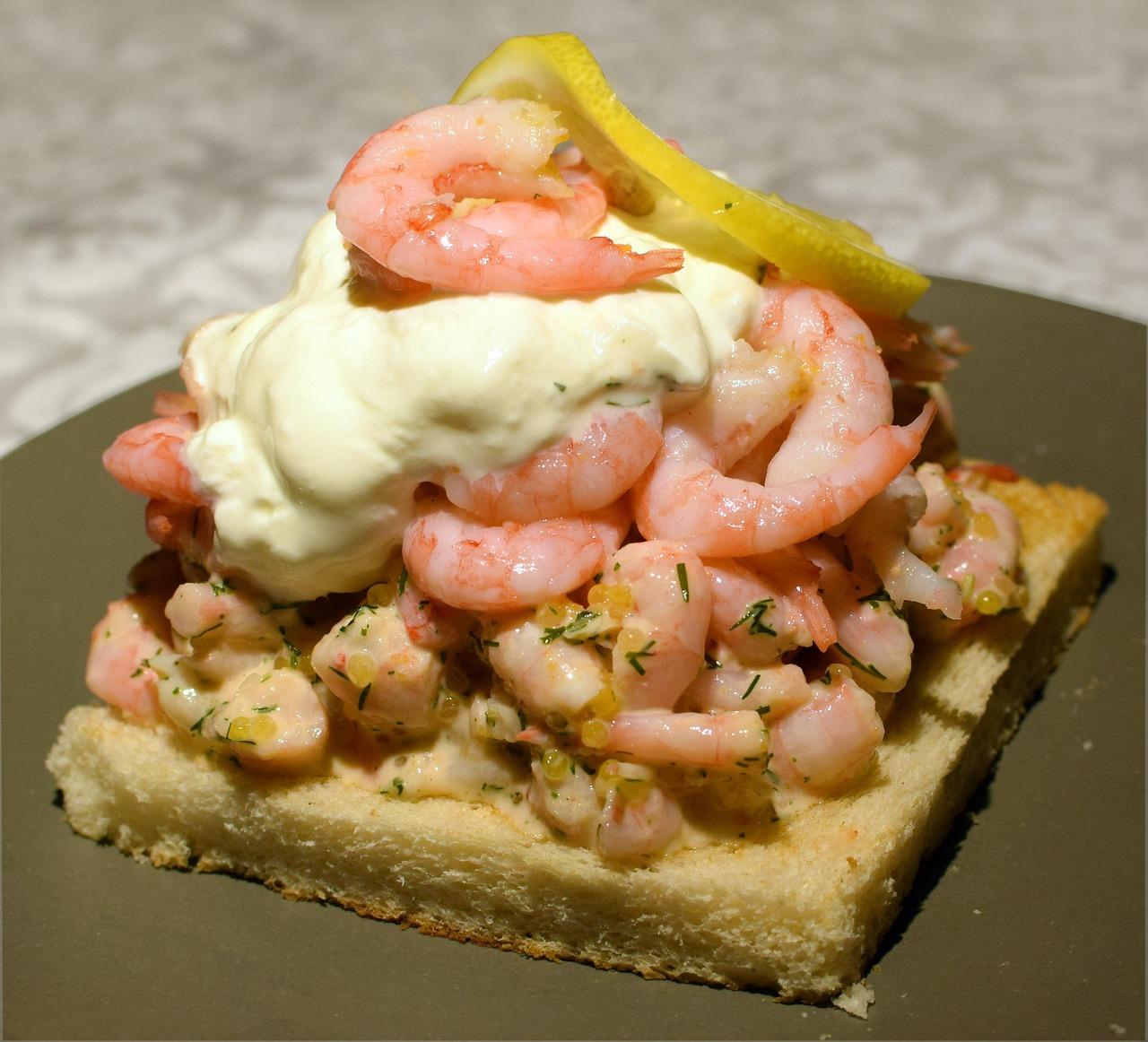
Toast Skagen was created in the 1950s by the Stockholm restaurateur Tore Wretman, named after the fishing port of Skagen at the tip of Denmark where he had sailed; it is still the starter Swedes order at old-fashioned Stockholm restaurants and make for birthdays at home. Peeled prawns are folded into a dill, lemon and mayonnaise dressing, piled on bread fried in butter and crowned with a spoon of fish roe. The roe is cured and uncooked, so it is not for pregnant women, young children or anyone with a weakened immune system; leave it off for them. A common mistake is using watery thawed prawns, which make the dressing thin. Chef's tip: drain the prawns well on kitchen paper, and fry the bread only at the last minute so it is still crisp when the topping goes on.
by KrazyBadal 0 views

Botvinya

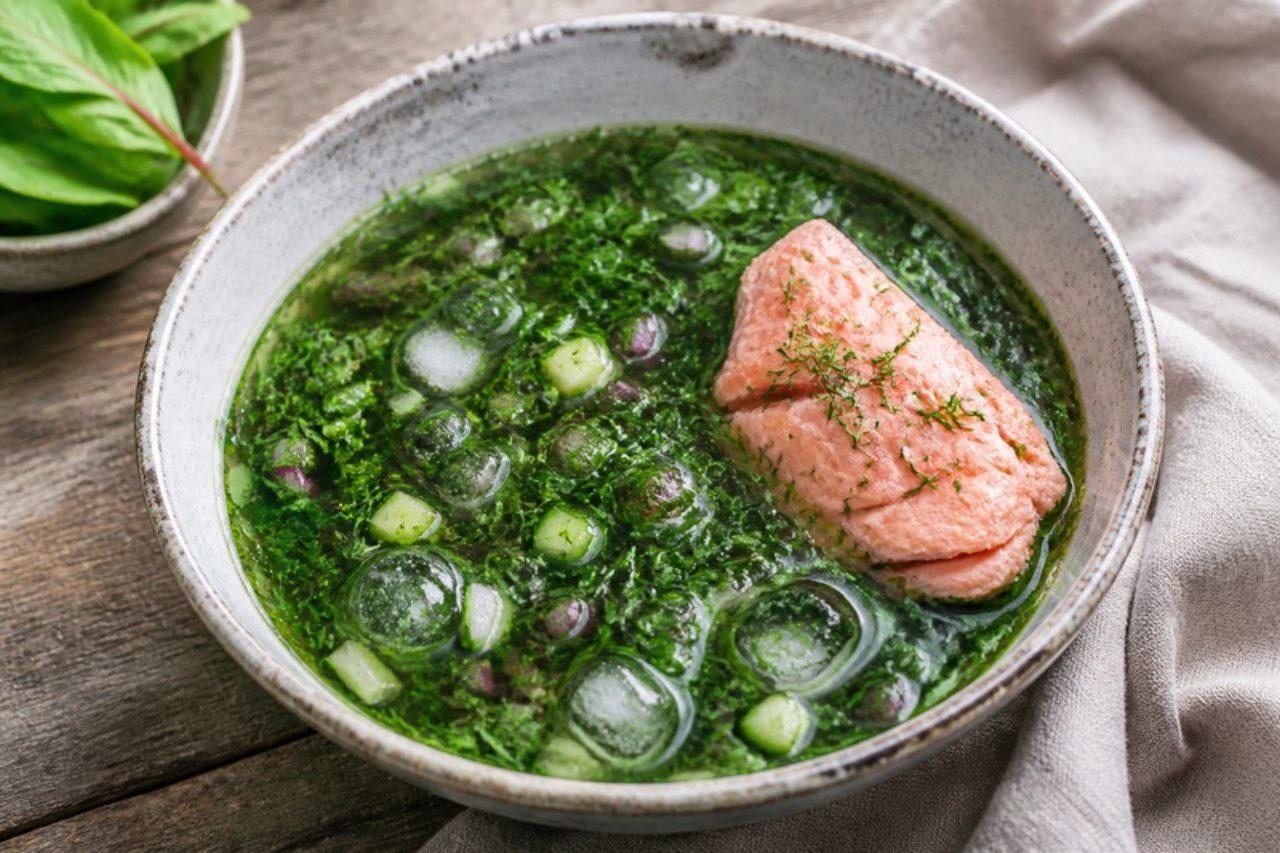
Summer dachas around St Petersburg once waited all year for the young beet tops and sorrel that go into this sharp, ice-cold soup, a grand dish of the old aristocratic table that is also cheap peasant food. Blanched greens are puréed, loosened with bread kvass and studded with cucumber and spring onion; a piece of gently poached salmon is set alongside, with horseradish and lemon. Kvass is lightly fermented and can carry a trace of alcohol: choose one labelled alcohol-free, or use the substitute of sparkling water, a little lemon and rye-bread soaking liquid given in the ingredients. The usual slip is serving it merely cool: it should be properly cold, even with an ice cube in each bowl. Chef's tip: poach the fish the day before so it is thoroughly chilled, and keep the whole soup in the fridge until the minute it goes to the table.

by KrazyBadal 0 views

Kholodets

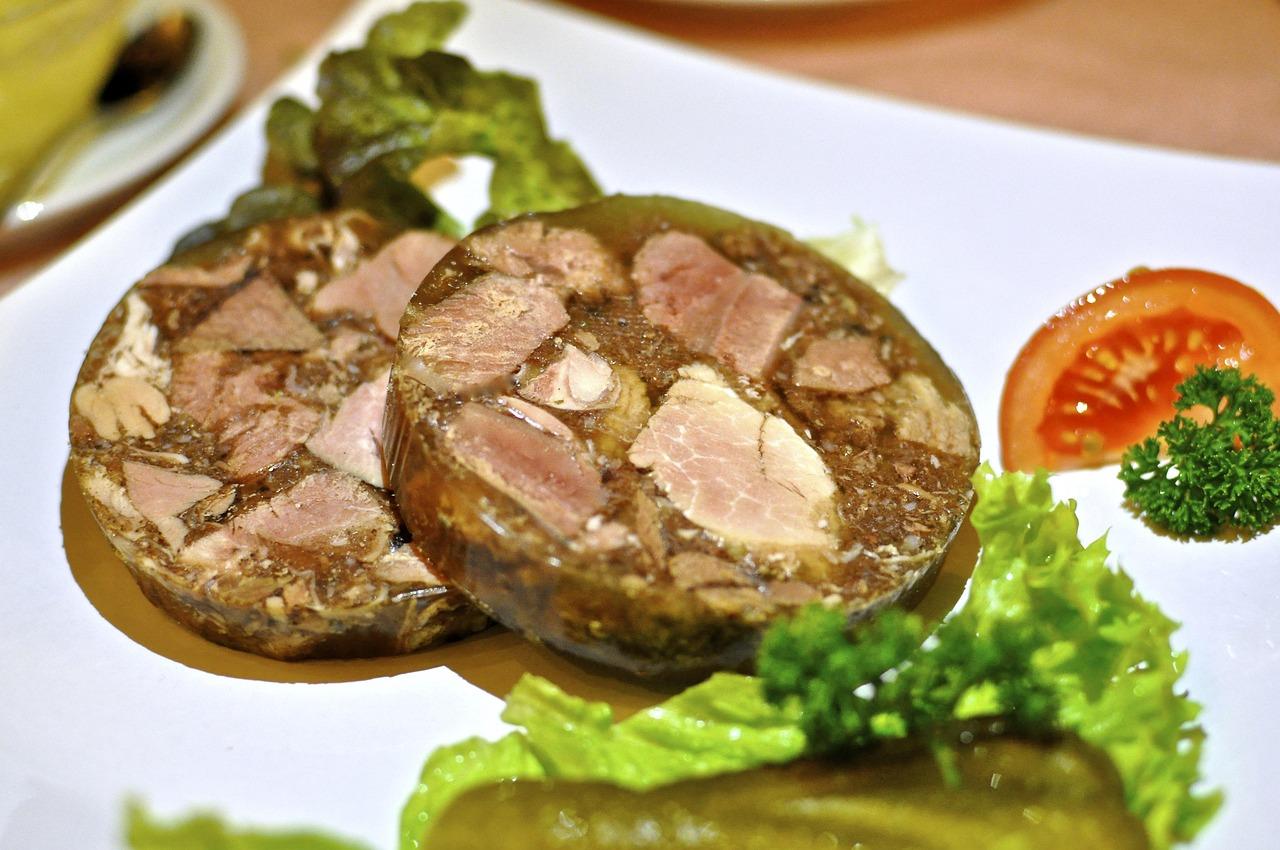
Kholodets is winter food, made in big batches before New Year and Orthodox Christmas when the cold balcony doubles as a fridge. Pork trotters and beef shin are simmered for hours until the broth is rich enough to set on its own, no added setting agent; the meat is shredded, layered with garlic and covered with the strained stock to set into a trembling, clear jelly. It is eaten cold, cut into squares, with sharp horseradish and mustard and hot boiled potatoes. This dish uses pork (trotters and knuckle) as well as beef. Where most people go wrong is letting the pot boil hard, which makes the jelly cloudy and greasy. Chef's tip: spoon a little broth onto a cold saucer after 5 hours; if it sets firm in the fridge in 15 minutes, the stock is ready.

480 minRussianMeatGluten free
by KrazyBadal 0 views

Töltött savanyú paprika

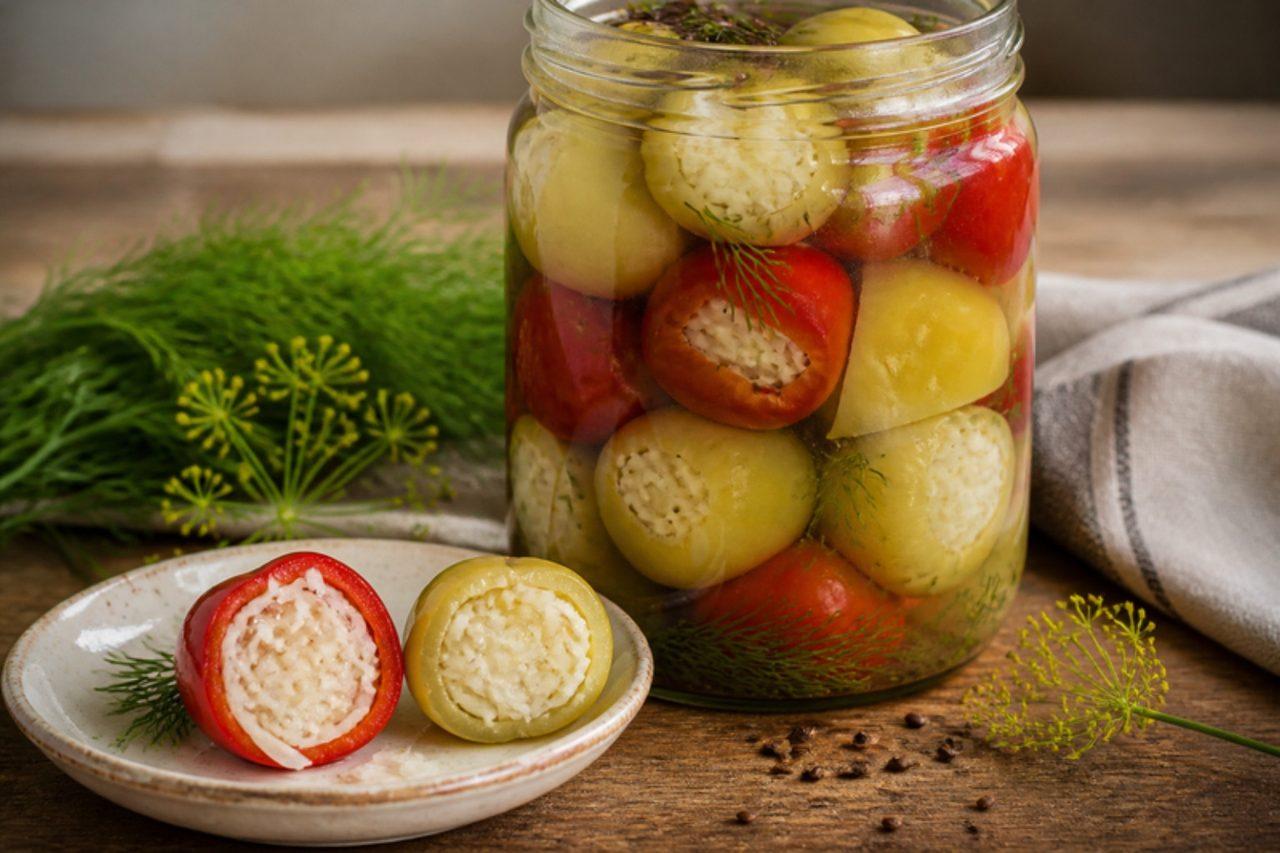
Lined up in a market jar, the little stuffed peppers look like lanterns: round or short, thick-walled pickling peppers, each packed with salted shredded cabbage and kept in a clear vinegar brine. Hungarian families put them up in September, and in winter one or two go on the plate beside roast pork, sausages or a bowl of bean soup for a sharp, crunchy contrast. The cabbage inside soaks up the brine and becomes a tart little slaw. Use vinegar of 5–6% acidity and don't weaken the brine below the amounts here. Where most people go wrong is stuffing the peppers loosely, so the cabbage floats out; pack it in firmly. Keep processed jars in a cool cupboard for up to 6 months; once opened, refrigerate and finish within 2 weeks. Chef's tip: a slice of fresh horseradish in each jar keeps the peppers crisp and adds a clean heat.

by KrazyBadal 0 views

Kranjska klobasa

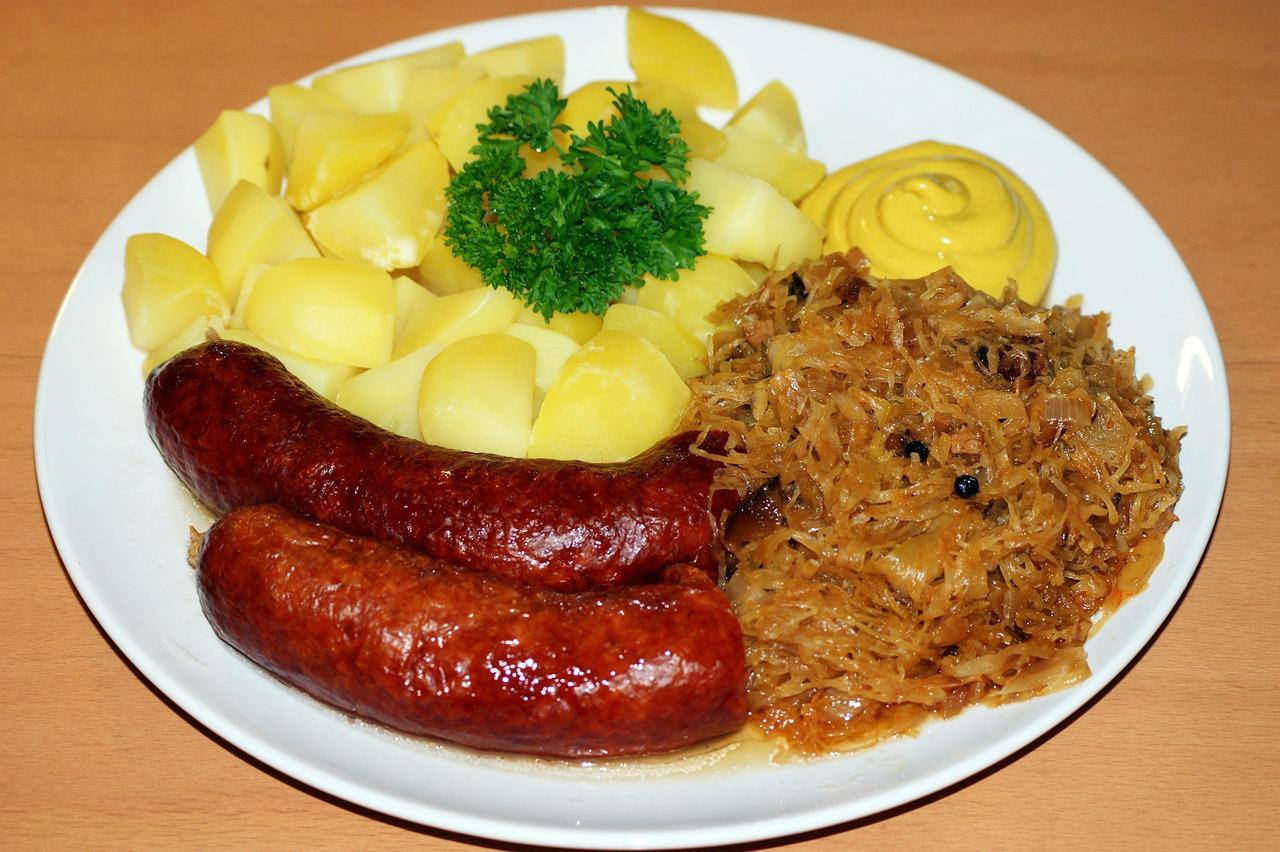
Slovenians eat Carniolan sausage everywhere, from the stalls of Ljubljana's market to mountain huts and the ski slopes: a coarse, garlicky pork sausage, smoked until bronze, then heated in water and served with mustard, freshly grated horseradish and bread. Made with pork shoulder and back fat chopped rather than finely minced, it snaps when you bite it and spills juice. The official sausage uses curing salt for its pink colour; this home version leaves it out, so the inside is pale, and it is hot-smoked until fully cooked, so it is safe to eat. A common mistake is boiling the sausages to reheat them; they split and dry out, so keep the water just below a simmer. Chef's tip: cut the meat and fat by hand into small dice for some of the mix, it gives the classic chunky bite.

240 minBalkanMeatGluten free
by KrazyBadal 0 views

Smoked eel

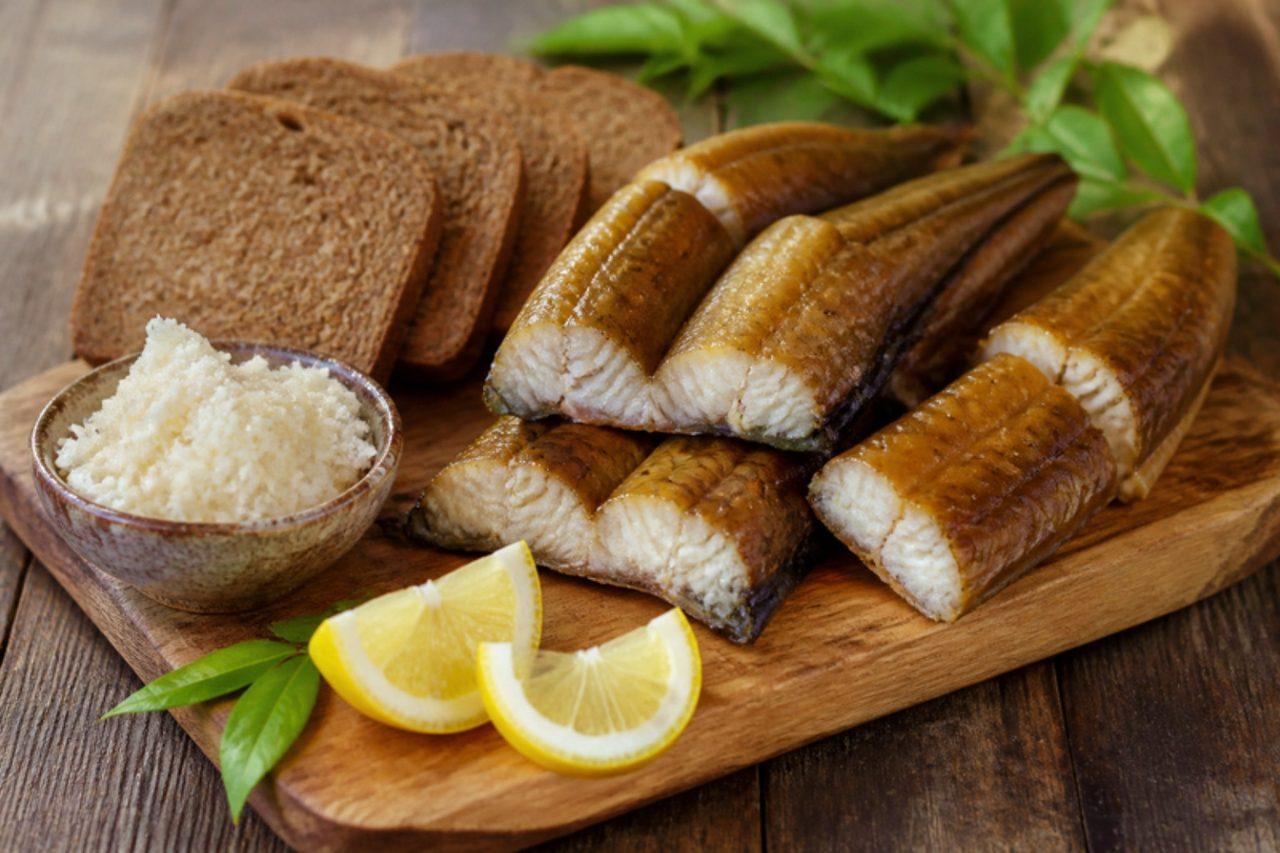
Fish smokehouses dot the shores of the Great Masurian Lakes, and an eel hot-smoked over alder, golden-skinned and glistening, is the prize of any summer trip to Węgorzewo or Ruciane-Nida. The flesh is rich, soft and smoky-sweet, and it is eaten cold on rye bread with grated horseradish and a squeeze of lemon. European wild eel is endangered, so buy farmed eel from a responsible fishmonger, ready gutted. This is a fully hot-smoked version: the fish is brined in the fridge and cooked through in the smoker. Smoked fish can carry listeria if it is not cooked through or kept cold, so it is not for pregnant women, young children or anyone with a weakened immune system unless reheated until steaming. Many home smokers run the heat too low throughout, which leaves the eel smoky but undercooked. Chef's tip: ready hot-smoked eel from a lakeside smokehouse is the easy route; just serve it well chilled with the same garnishes.

240 minPolishFishGluten free
by KrazyBadal 0 views

Pickled watermelon

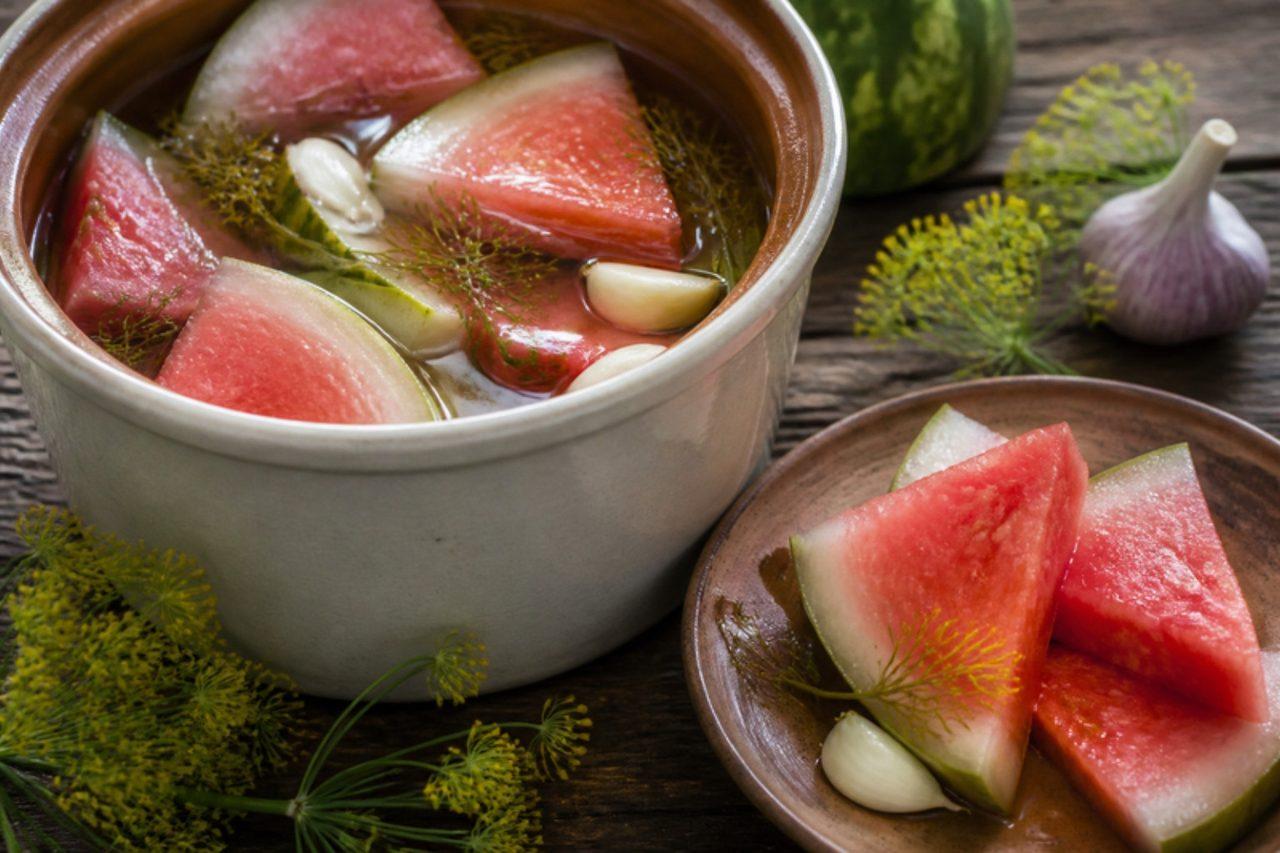
When the melon fields of Kherson and Mykolaiv end their season, the small, late watermelons that never got properly sweet go into barrels of brine. A few weeks later they come out fizzy, salty and sour, with the pink flesh still faintly sweet and the rind crisp like a pickled cucumber. Southern families eat them through the winter with boiled potatoes, buckwheat or a plate of fried mushrooms. A big glass jar works just as well as a barrel for wedges. The classic error is using a ripe, soft watermelon, which turns to mush in the brine; pick small, firm ones with pale pink flesh. Keep everything under the brine and throw out the batch if fuzzy or coloured mould appears or it smells rotten rather than sour. Chef's tip: slip a horseradish or cherry leaf into the jar; the tannins keep the rind crunchy for weeks.

by KrazyBadal 0 views

Beef on weck

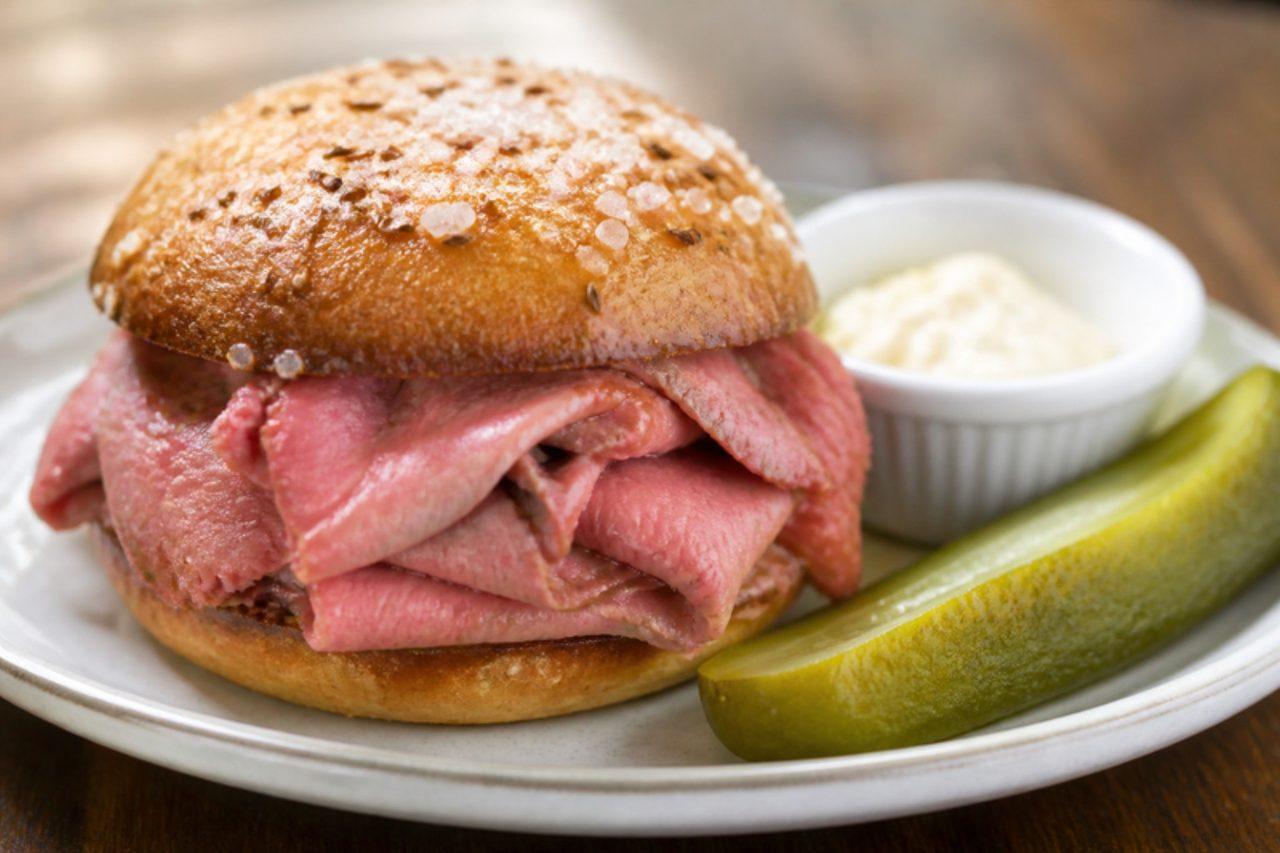
Ask in a Buffalo tavern and many people will say this, not the wing, is the city's real sandwich: thin slices of rare roast beef dipped in its juices, piled on a kummelweck roll crusted with coarse salt and caraway seeds, with sharp horseradish on the side. German bakers in western New York brought the roll in the nineteenth century. Chef's tip: dip the top of the roll in the beef juices just before serving, so it softens but the salt crust stays crunchy.

120 minAmericanMeat
by KrazyBadal 0 views

Shrimp rémoulade

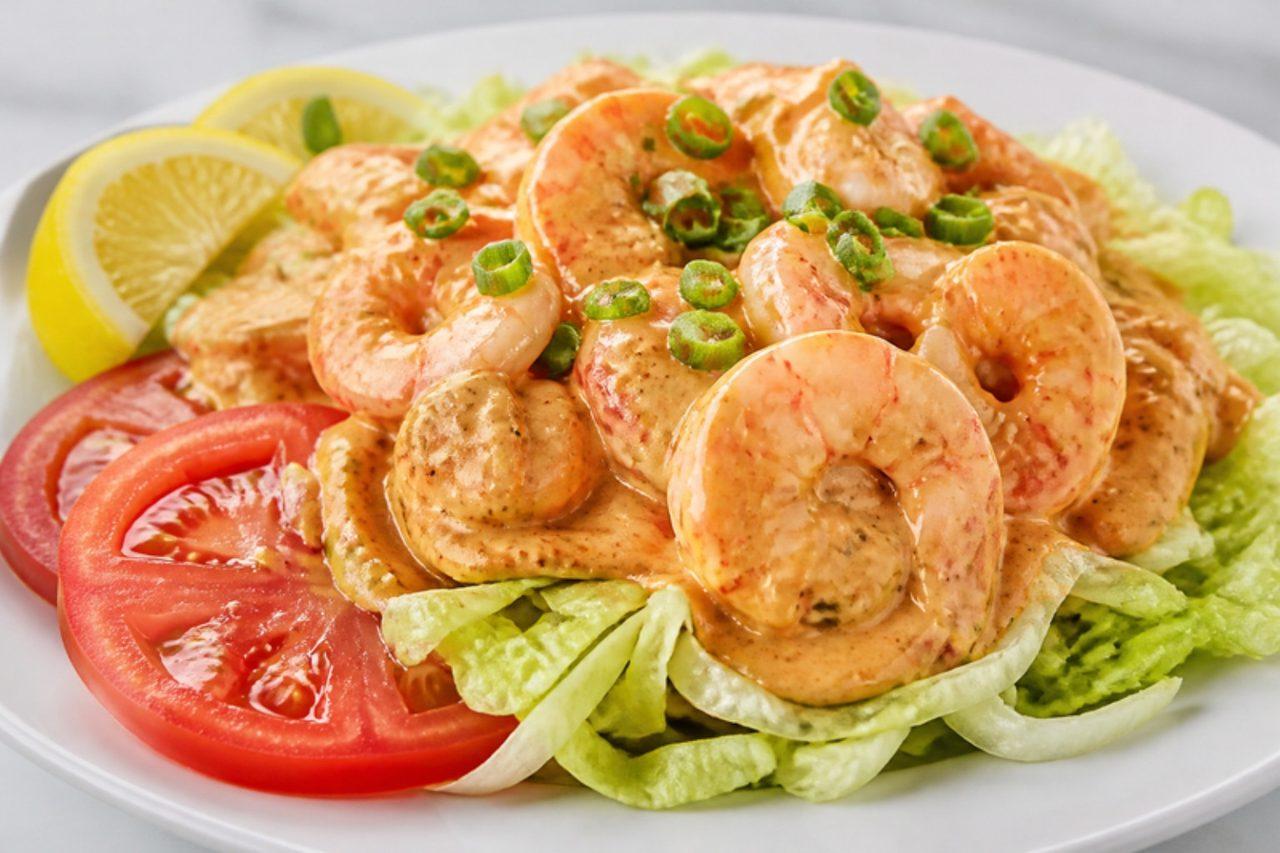
New Orleans rémoulade is not the pale French sauce but a brick-red, punchy mix of Creole mustard, paprika, horseradish and the trinity, and in the grand old Creole restaurants it is served as a cold starter over boiled Gulf prawns and shredded lettuce, especially in the summer heat. Chef's tip: make the sauce the day before so the flavours marry; it tastes raw and harsh straight after mixing.

by KrazyBadal 0 views

Eingelegte Rote Bete

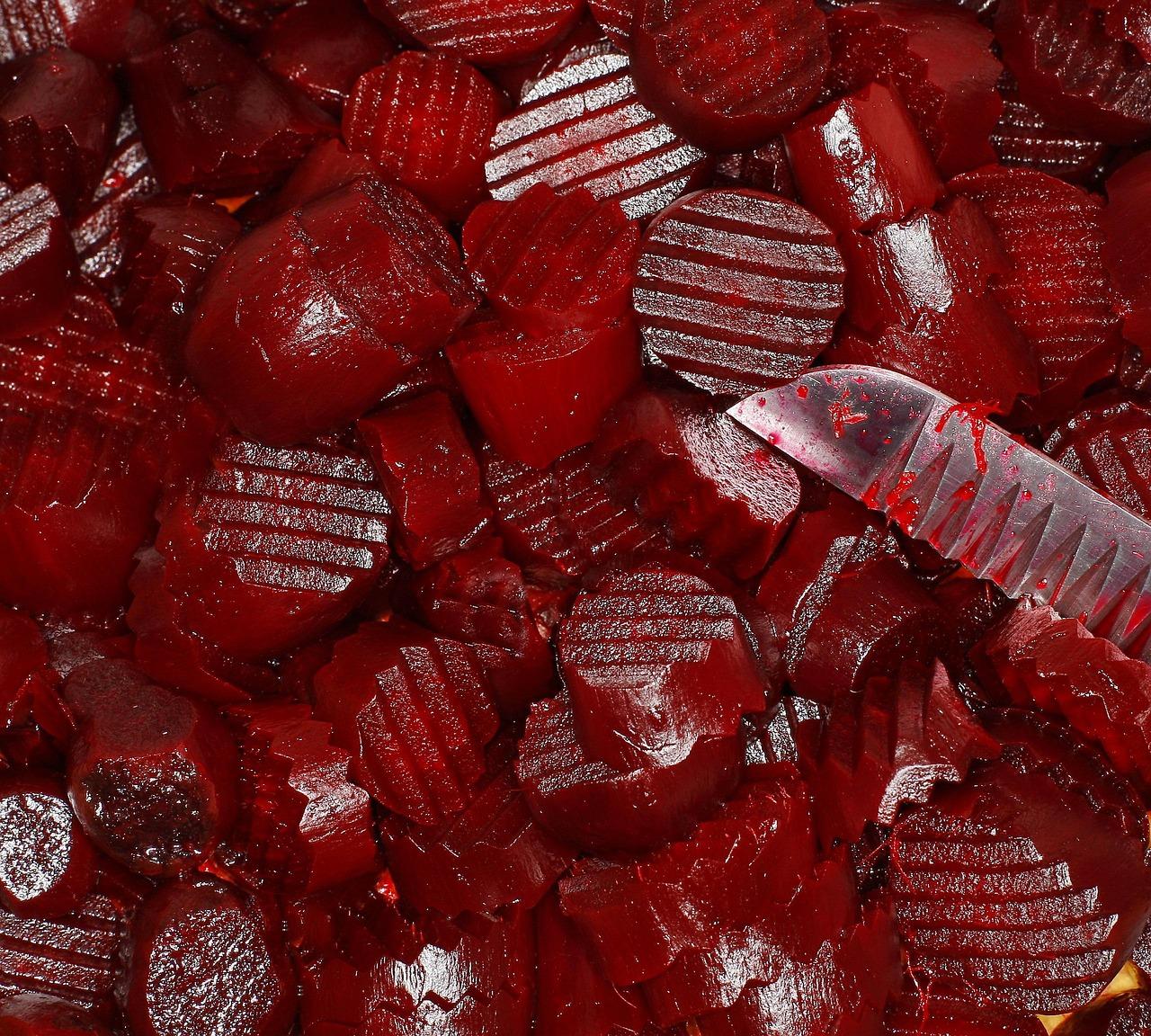
In Hamburg, Bremen and across Schleswig-Holstein a jar of pickled beetroot sits on the table whenever there is Labskaus, herring or a cold meat platter, and many households still make their own each autumn when the beets come in from the fields. Earthy cooked beetroot is sliced and steeped in sweet-sour vinegar with onion, cloves and a little horseradish, turning gently spiced and jewel red. The mistake people often make is peeling or trimming beets before boiling, which lets the colour and flavour bleed into the water. Chef's tip: wear gloves and use a plastic board when slicing, and slice evenly at about 5 mm so every piece pickles at the same rate.

by KrazyBadal 0 views

Żurek

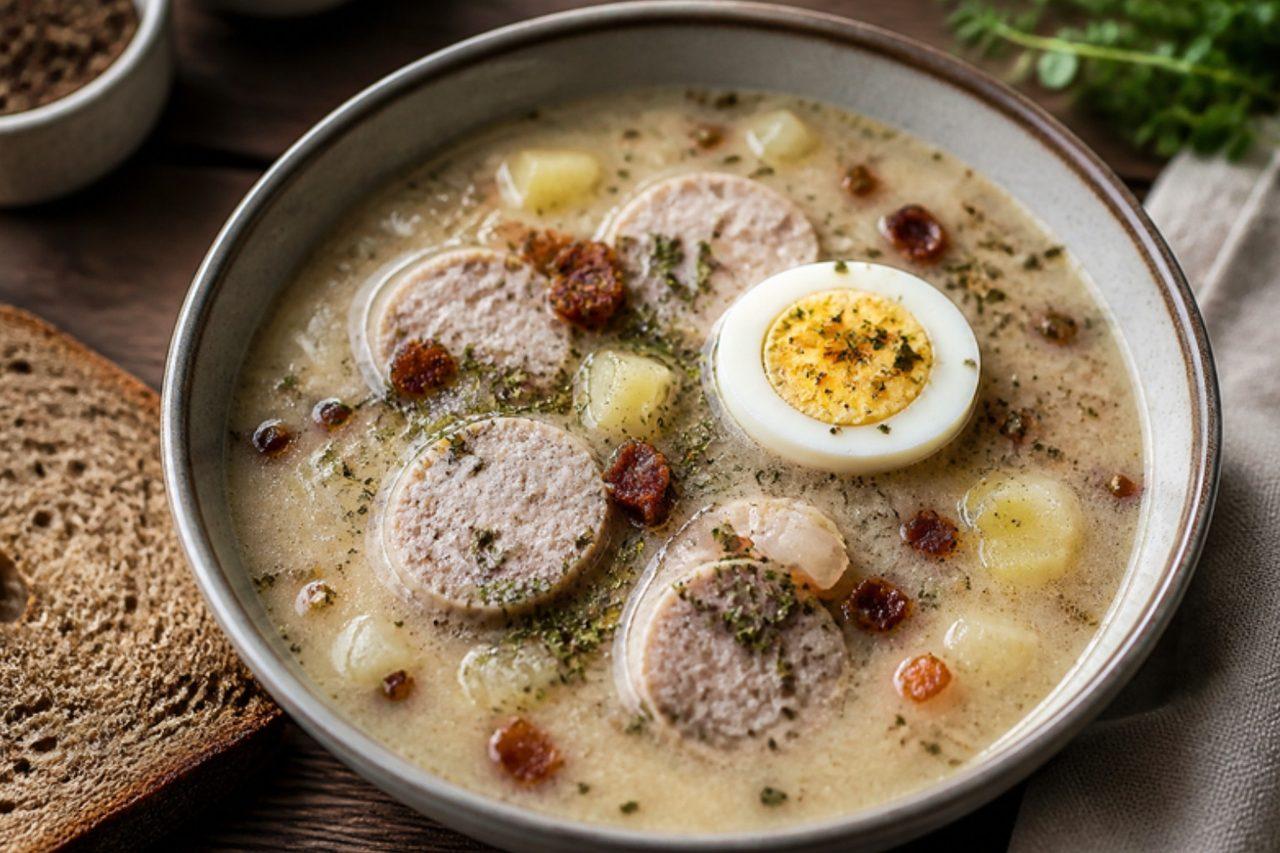
Żurek is the soup of Polish Easter, served in homes from Kraków to Gdańsk on Easter Sunday morning, and in highland Zakopane restaurants it comes in a hollowed-out bread loaf all year. Its tang comes from zakwas, a fermented rye-flour starter, simmered with marjoram, garlic and stock. This version contains pork: white sausage (biała kiełbasa) and smoked bacon, plus halved hard-boiled eggs. Chef's tip: shake the jar of zakwas before you pour it in; the flour settles and the soup will be thin without it.

by KrazyBadal 0 views

Goes well with horseradish