Skip to content

Recipes with haitian epis

9 recipes that use haitian epis, with photos, step-by-step instructions and cook times. The quickest, Espageti ayisyen, takes 30 minutes. It is most often cooked with scotch bonnet pepper, thyme and lime.

Got a few things in the fridge? Search by everything you have

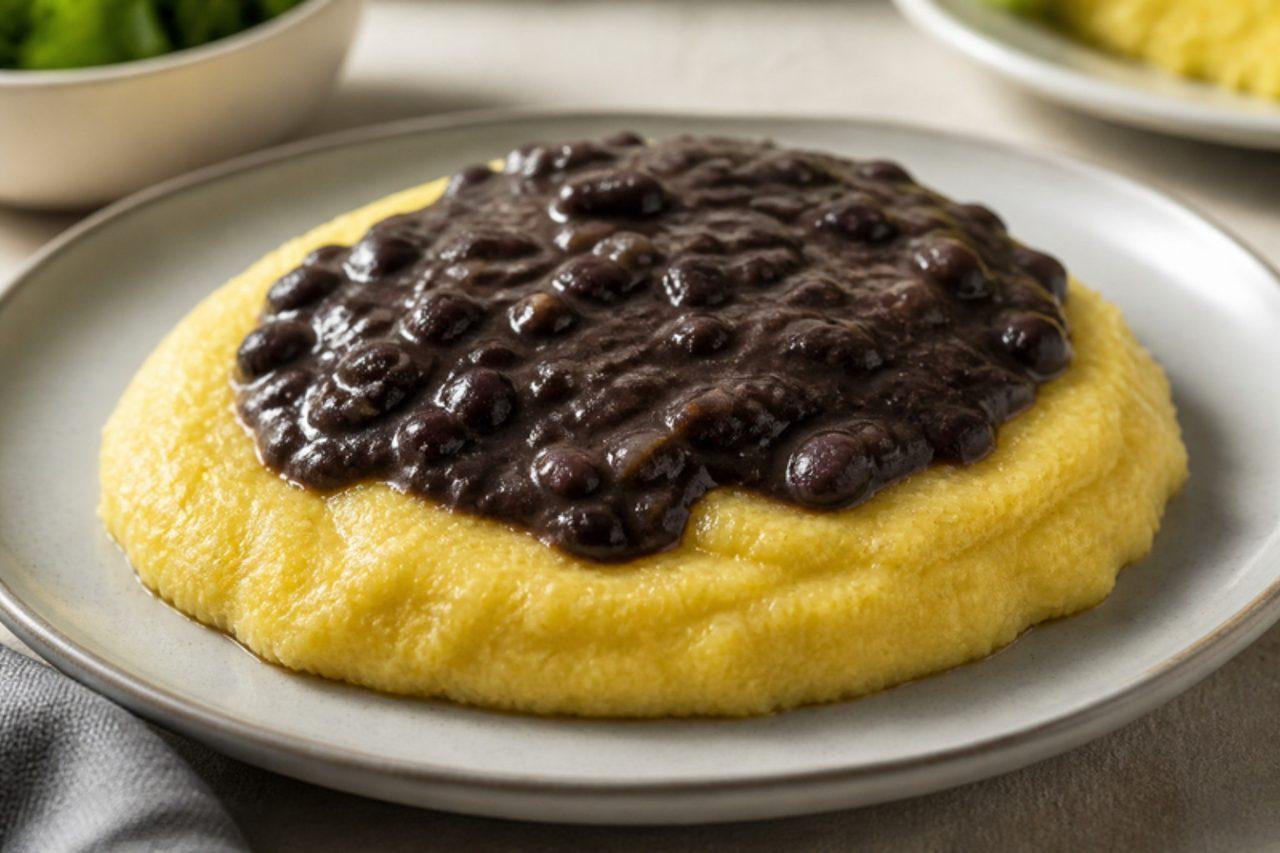
Mayi moulen ak sòs pwa

Across Haiti, from Port-au-Prince markets to farms in the Central Plateau, mayi moulen is the everyday alternative to rice: coarse cornmeal cooked with epis, thyme and a whole hot pepper until thick enough to mould, then served under a ladle of smooth black bean sauce called sòs pwa. It is filling, cheap and quietly savoury, and many families eat it at midday a few times a week. The usual mistake is tipping the cornmeal into the pot all at once, which gives lumps that never cook out; rain it in slowly while you whisk. Use a fine-to-medium cornmeal or polenta labelled gluten free if that matters to you. Chef's tip: press the hot cornmeal into an oiled bowl, wait a minute and turn it out onto the plate for the neat dome you see on Haitian tables.

by KrazyBadal 0 views

Haitian tchaka (vegetarian)

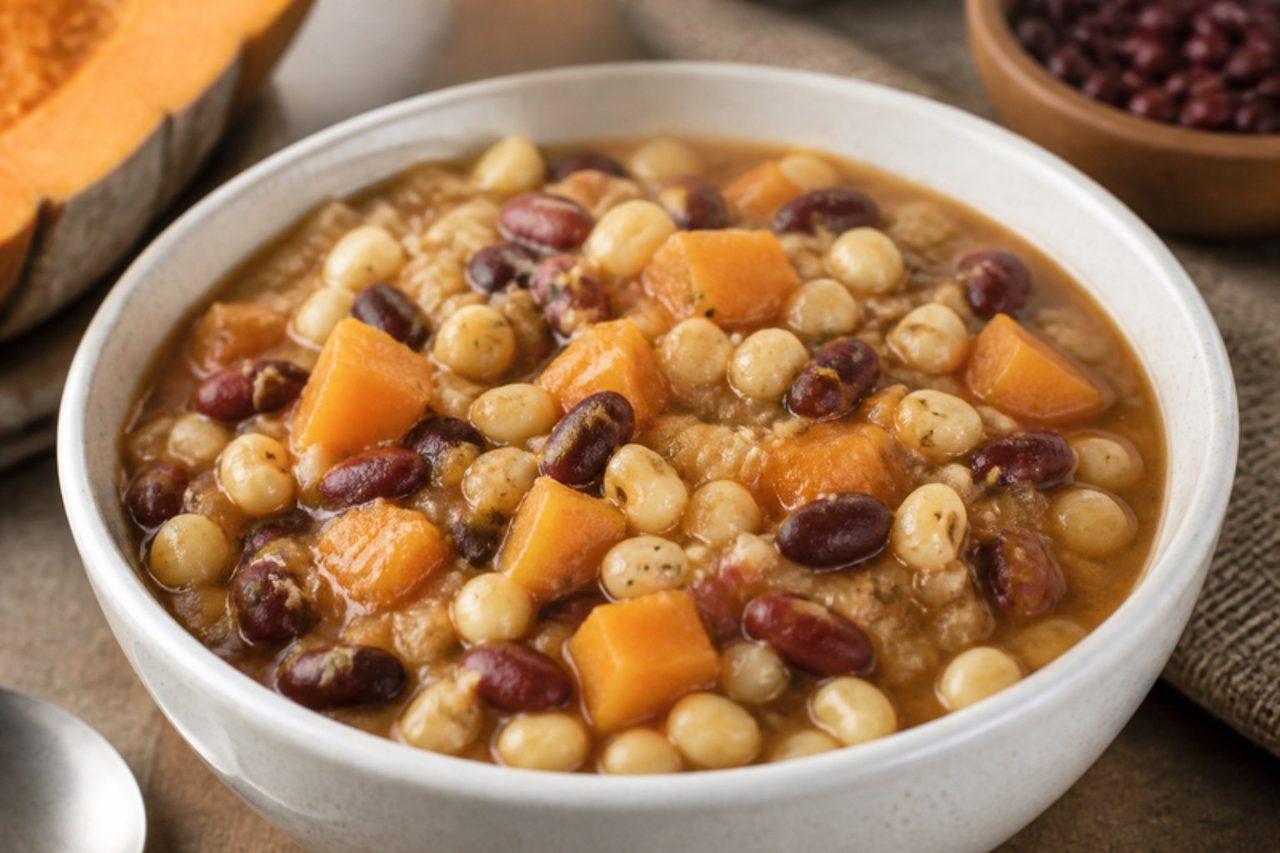
Tchaka is a deeply rural Haitian stew of dried hominy corn, red beans and pumpkin, cooked low and slow until the corn bursts and the beans melt into a thick, sweet-savoury porridge. It is linked with harvest gatherings and Vodou feast days, and the classic pot usually holds smoked pork or pig's feet; this version leaves the meat out and builds depth with epis, smoked paprika and coconut oil instead. Soak the hominy and beans overnight, because skipping the soak is the main reason tchaka stays chalky. Serve it on its own in bowls, with pikliz on the side. Chef's tip: mash a cupful of the pumpkin against the pot wall near the end; it thickens the stew far better than flour.

by KrazyBadal 0 views

Haitian lalo with beef

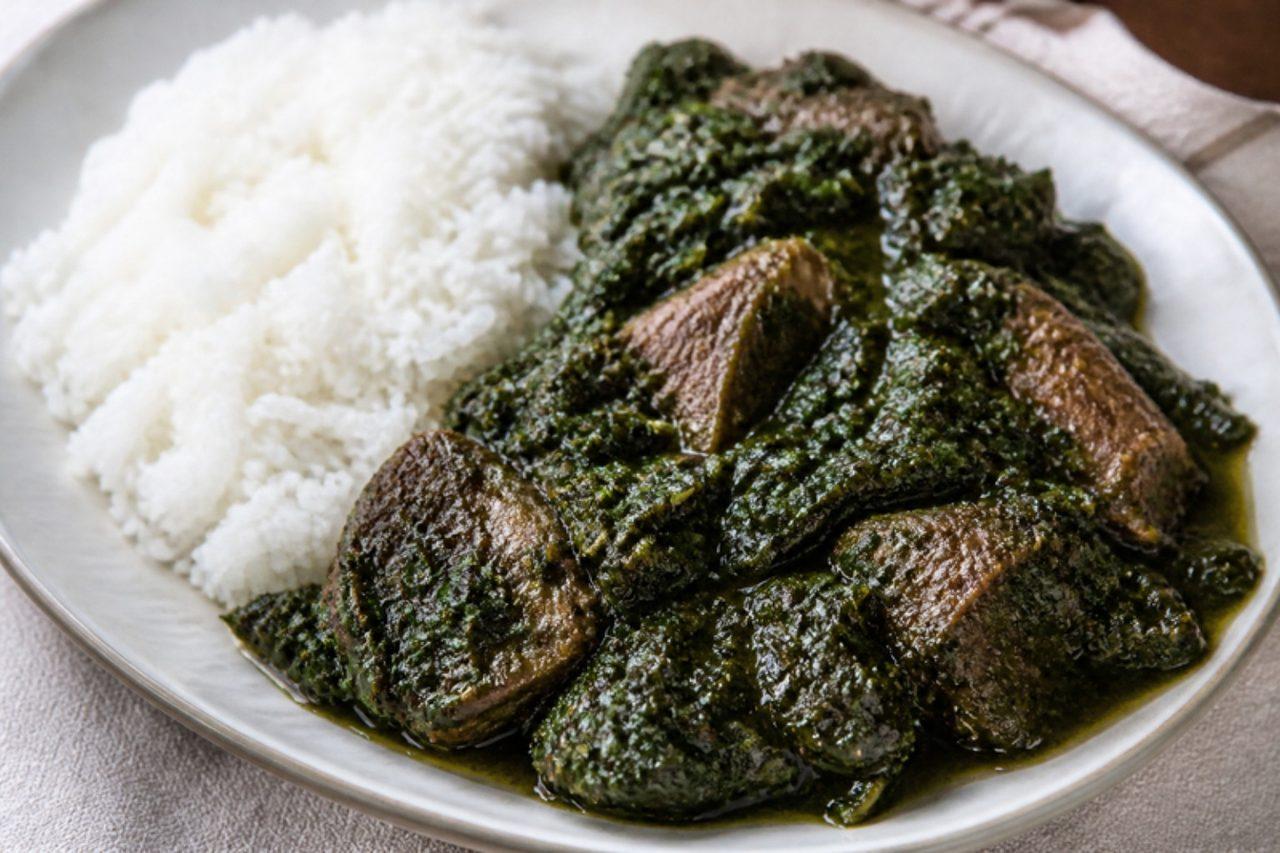
In the rice-growing Artibonite valley, lalo means jute leaves, and the stew made from them is the region's pride: chopped leaves cooked down with beef (and often crab) until they turn dark, silky and slightly slippery, like a richer spinach stew, served over white rice. Fresh jute is hard to find abroad, but frozen chopped jute leaves (sold as molokhia in Middle Eastern shops) work very well. The common mistake is adding the leaves too early; they turn bitter and grey if they boil for an hour, so the beef is cooked first. Marinate the beef in the fridge. Chef's tip: a squeeze of sour orange at the table cuts the richness beautifully.

by KrazyBadal 0 views

Tasso kabrit

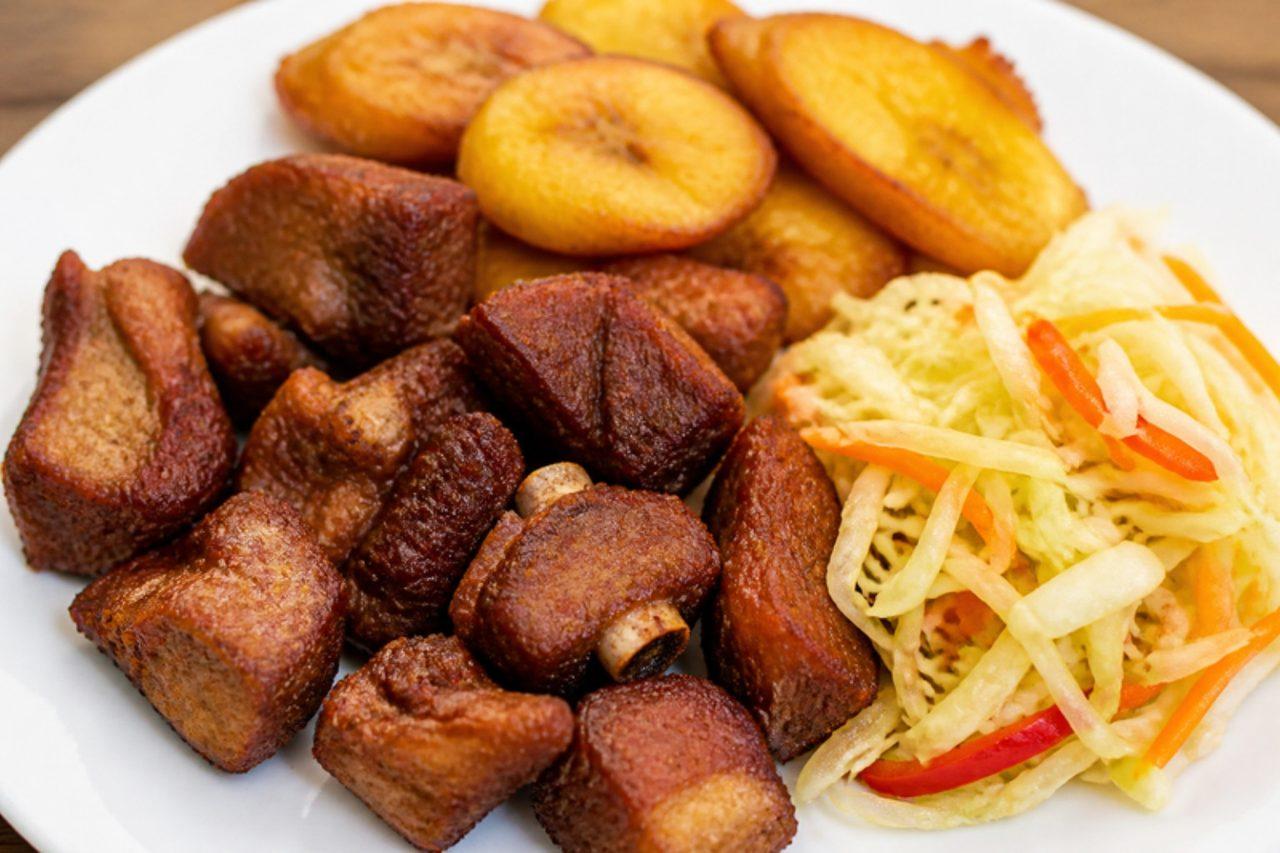
Tasso kabrit is festival and Sunday food all over Haiti: chunks of goat soaked in sour orange and epis, simmered until tender in the marinade, then fried hard until the edges turn crisp and dark. It is piled onto platters with fried plantain (bannann peze), pikliz and sòs ti malis, and is a must at first communions and New Year gatherings. The mistake many people make is frying the goat before it is fully tender; the long simmer comes first, or the meat stays tough however crisp it looks. Ask the butcher to cut bone-in goat shoulder or leg into pieces. Chef's tip: boil the simmering liquid down to a sticky glaze and toss the fried goat in it at the end.

120 minHaitianMeatGluten free
by KrazyBadal 0 views

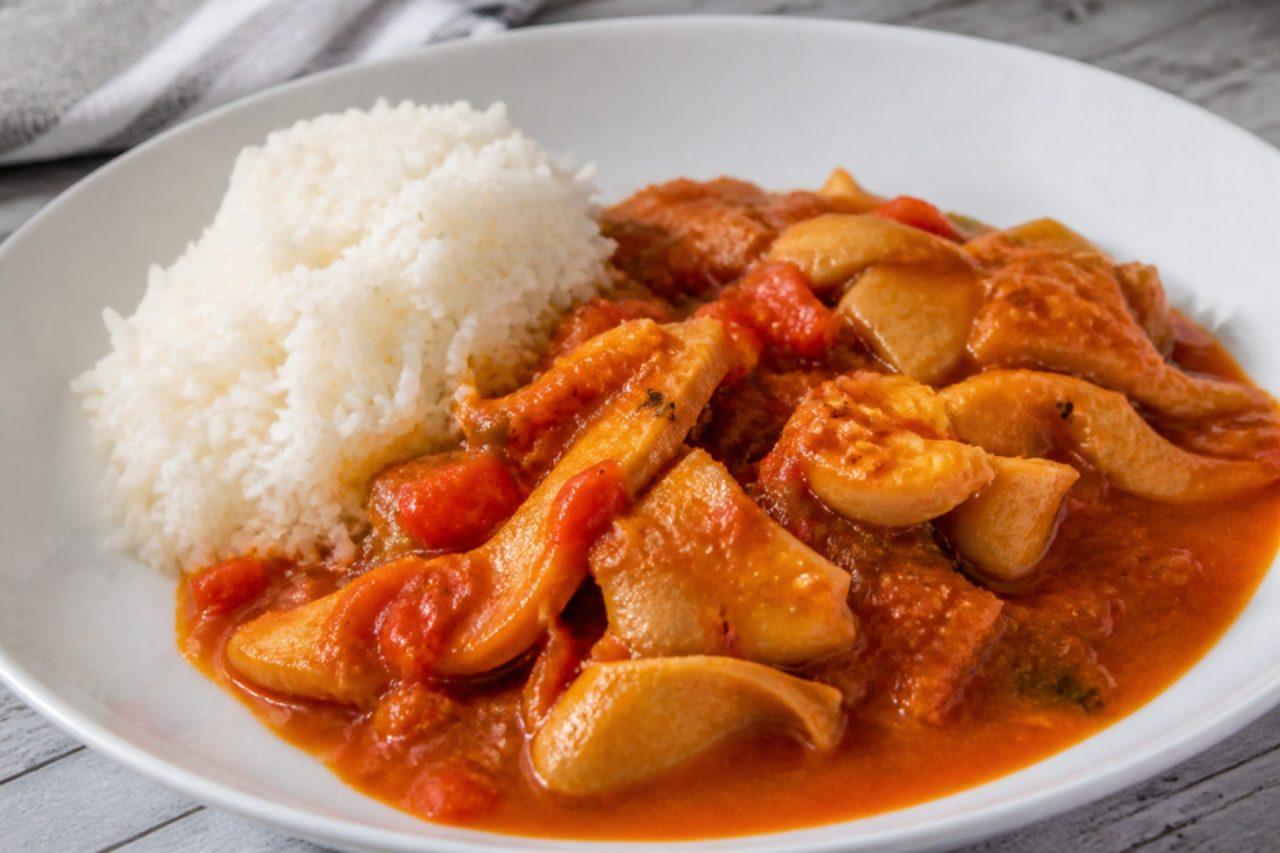
Poul ak nwa

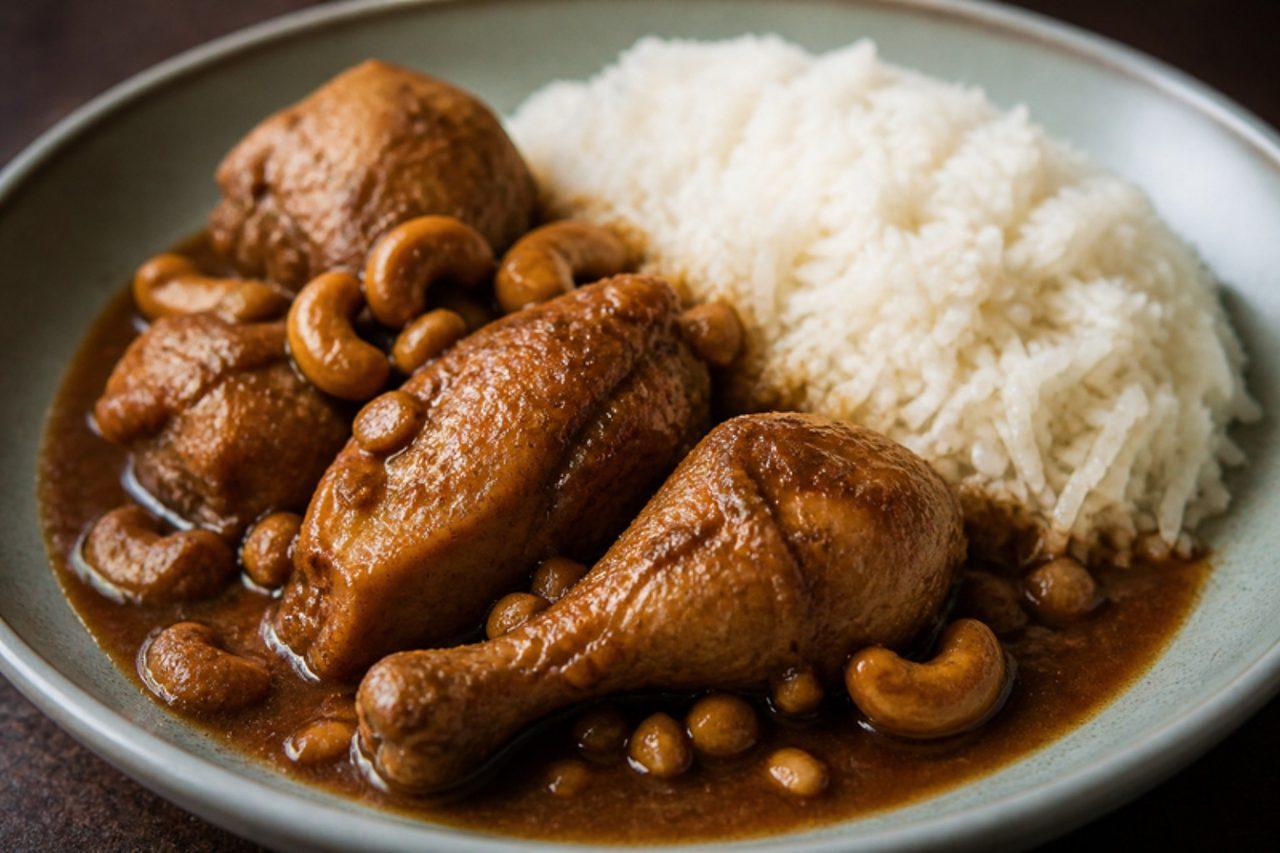
Cap-Haïtien, Haiti's northern port, claims poul ak nwa as its own: chicken braised in a tomato and epis creole sauce and finished with toasted cashew nuts, which grow on the northern hillsides and are sold in paper cones by the roadside. The nuts soften slightly in the sauce, giving it body and a buttery sweetness, and the dish is a favourite for Sunday lunch with white rice and fried plantain. The common mistake is adding the cashews at the start, so they turn soggy; they go in for the last 15 minutes. Contains tree nuts. Chef's tip: dry-toast the cashews until golden before they meet the sauce; it deepens the whole dish.

by KrazyBadal 0 views

Haitian lambi in creole sauce

Along Haiti's coast, from Jacmel to Les Cayes, lambi is the treat of beach shacks and holiday tables: conch meat pounded tender, simmered until soft, then stewed in a hot, tomato-rich creole sauce with peppers and lime. Its flavour is sweet and clean, somewhere between squid and clam. The great mistake is rushing it; conch is tough as rubber unless it is beaten thin and then simmered long enough to relax. Buy frozen cleaned conch meat from a trusted fishmonger, discard any that smells strongly of ammonia or fish, and cook it through fully. Chef's tip: simmer the pounded conch with lime and a little vinegar first; the acid helps tenderise it.

by KrazyBadal 0 views

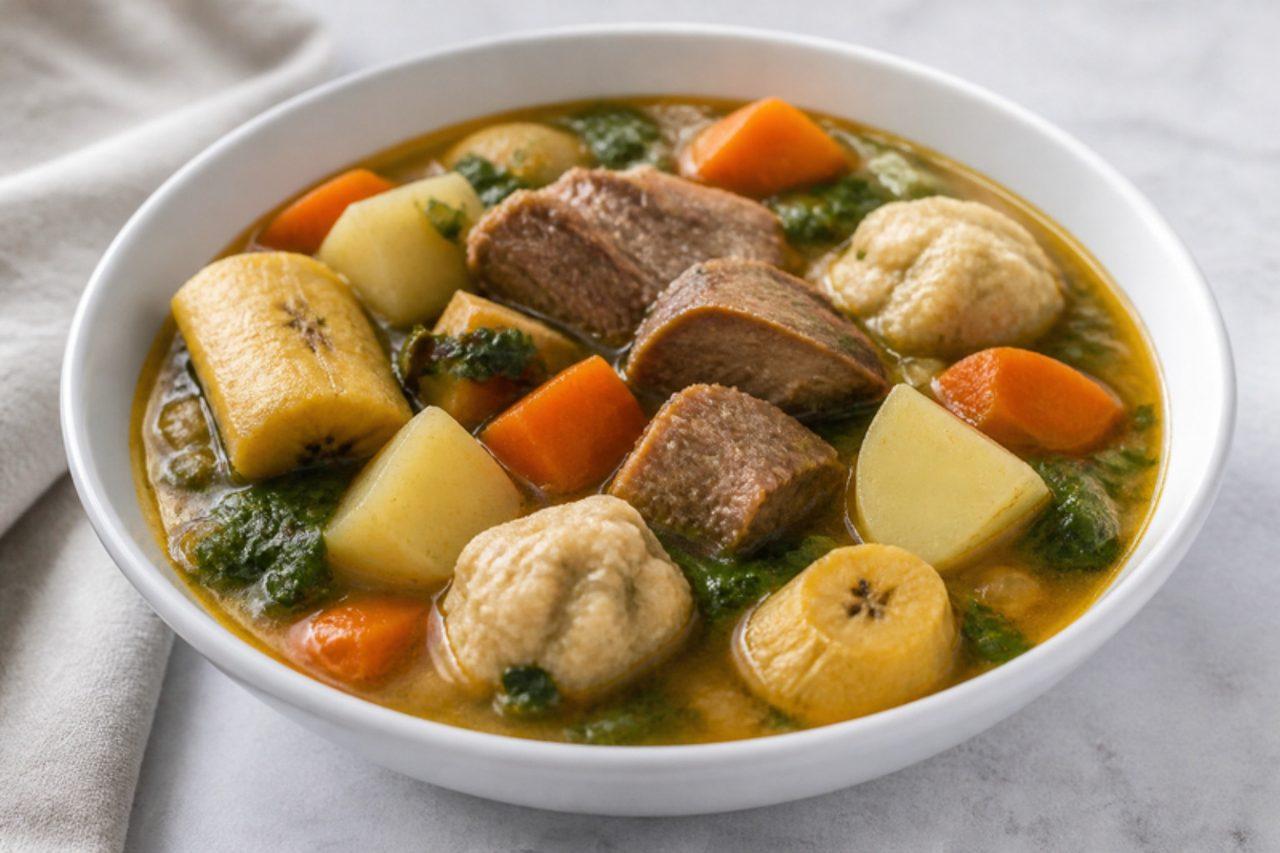
Haitian bouyon

Saturday in Haiti means bouyon: a big, thick soup of beef, root vegetables, greens and little flour dumplings, simmered all morning and ladled up at midday as a meal in a bowl. Every family has its own mix of yam, malanga, potato, carrot, plantain and watercress or spinach, with a whole hot pepper for perfume. The common mistake is adding the roots all at once at the start, so the softer ones disintegrate; the dense ones go first. It feeds a crowd and tastes better reheated. Chef's tip: squeeze a little lime into the soup bowl just before eating, as many Haitians do, to brighten the rich broth.

150 minHaitianSoups
by KrazyBadal 0 views

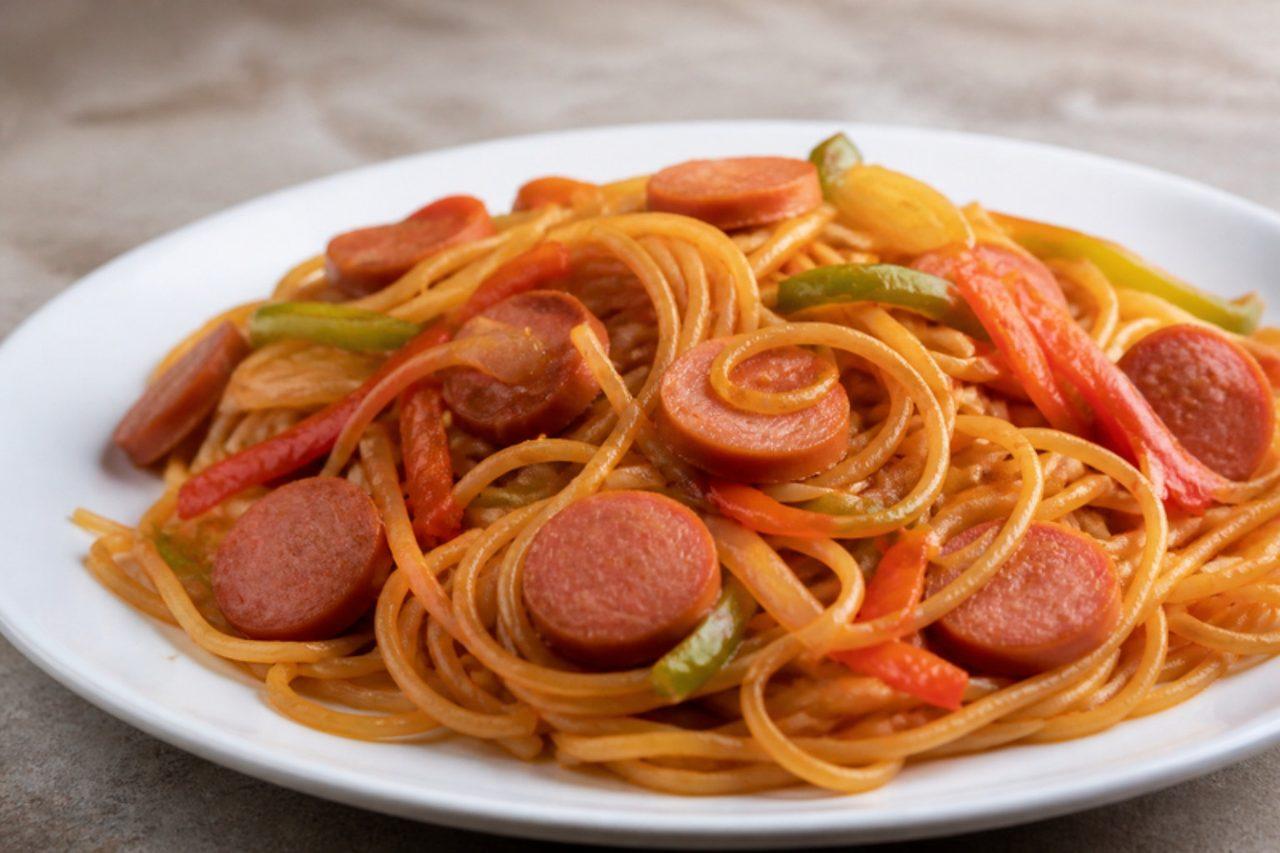
Espageti ayisyen

In Haiti, spaghetti is a breakfast food, and Saturday mornings in many homes start with a big pan of espageti: thin pasta tossed with sliced hot dogs fried in epis, tomato paste and a little hot pepper, often eaten with a boiled egg or a slice of avocado. It is quick, salty, savoury and loved by children. The mistake to avoid is boiling the pasta fully, then frying; it turns mushy, so cook it just short of done. Fry the hot dogs until piping hot all through (71 °C), as with any sausage. Chef's tip: save a cup of the pasta water; a splash of it turns the tomato and epis into a glossy coating.

by KrazyBadal 0 views

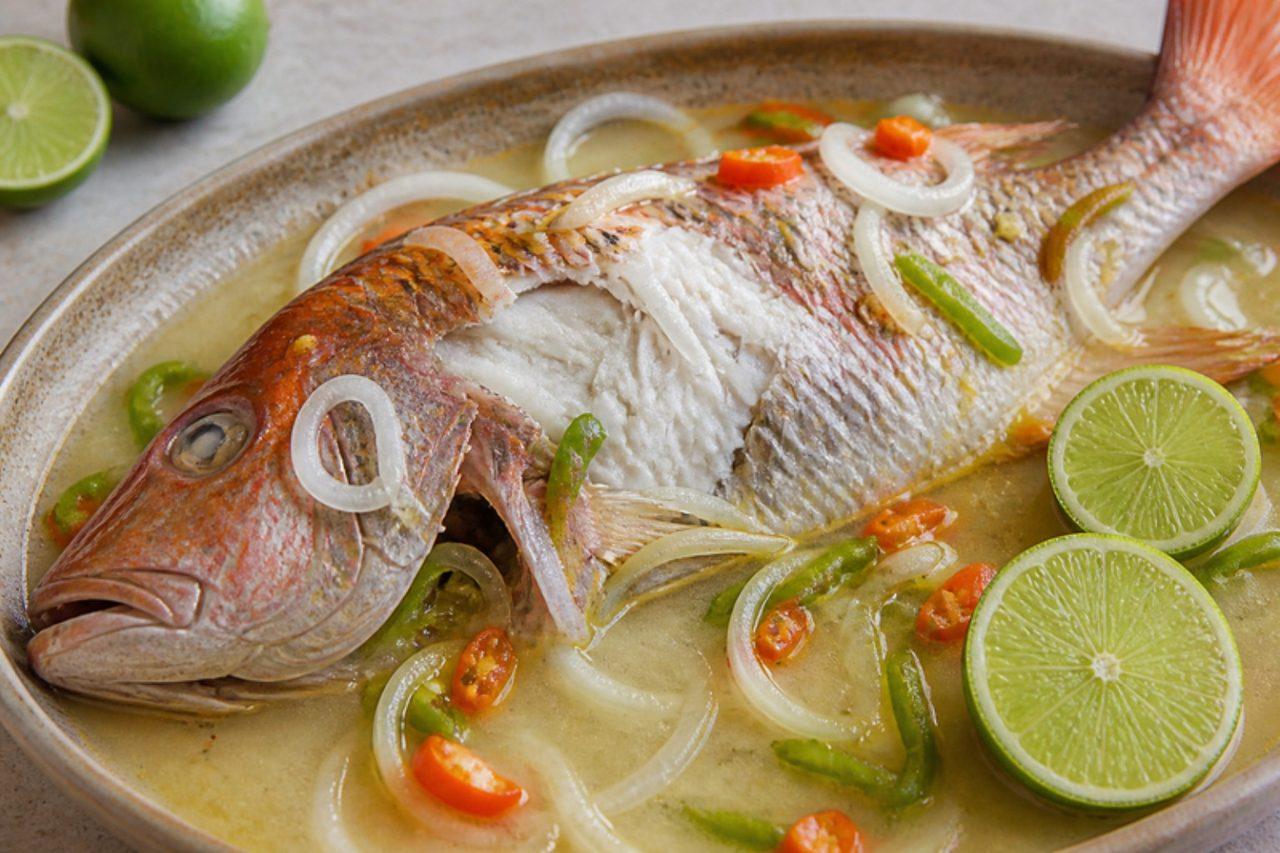
Pwason gwo sèl

Fishing villages on Haiti's southern coast make pwason gwo sèl, "big-salt fish", when the catch is fresh: whole snapper rubbed with lime and coarse salt, then gently poached in a peppery broth with onion, peppers, thyme and a whole scotch bonnet. The fish stays moist and clean-tasting, and the light broth is spooned over boiled plantain or rice. The common mistake is boiling it hard, which breaks the flesh; keep it at a gentle shiver. Ask for the fish scaled and gutted. Chef's tip: slash the fish twice on each side and push epis into the cuts so the flavour reaches the bone.

by KrazyBadal 0 views

Goes well with haitian epis