Skip to content

Recipes with green seasoning

8 recipes that use green seasoning, with photos, step-by-step instructions and cook times. The quickest, Trini curry shrimp, takes 25 minutes. It is most often cooked with garlic, onion and chadon beni.

Got a few things in the fridge? Search by everything you have

Trini ochro rice

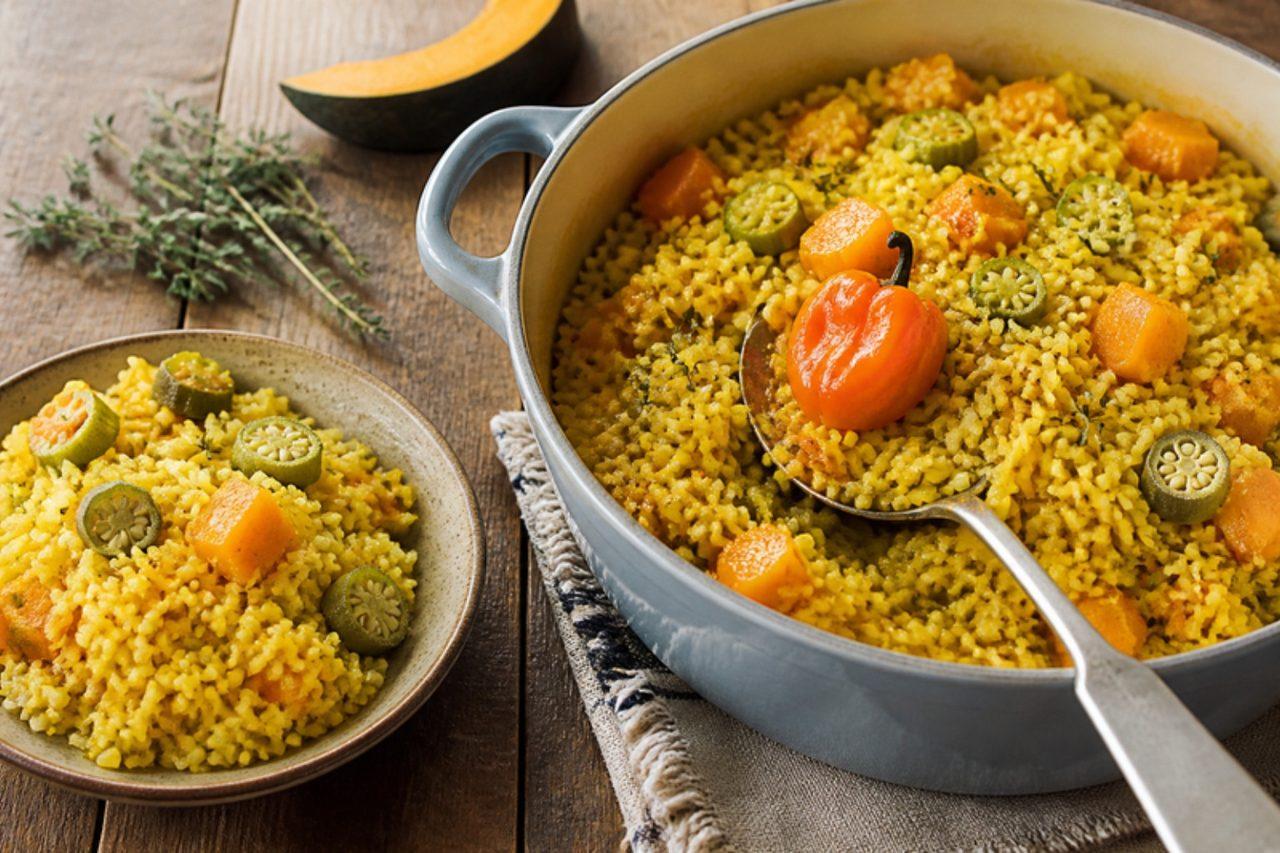
Ochro rice is a weeknight pot cooked in kitchens from Port of Spain to Sangre Grande, where the okra melts into the coconut milk and turns the rice soft, almost risotto-like, with sweet nuggets of pumpkin through it. Many households add salted pig tail or saltfish; this version stays vegetarian and leans on green seasoning and a whole scotch bonnet for flavour. The common mistake is stirring once the rice is in, which breaks the okra and makes the pot gluey rather than soft. Serve with stewed lentils, fried plantain or a cucumber salad. Chef's tip: fry the sliced okra for a few minutes before the rice goes in; it tames the slime and gives a gentle toasted flavour.

by KrazyBadal 0 views

Trini corn soup

Long after midnight, when a fete in Port of Spain empties out, vendors ladle corn soup from huge pots: a thick yellow broth of split peas, pumpkin and coconut milk with chunks of corn on the cob, little flour dumplings and plenty of chadon beni. It is filling, slightly sweet and peppery, and eaten by holding the corn in your fingers. Some pots include pig tail; this one is vegetarian. The common mistake is adding the dumplings too early, so they dissolve and cloud the soup; they go in for the last 15 minutes. Chef's tip: blend only half the soup so it is creamy yet still has pieces of pumpkin and pea.

by KrazyBadal 0 views

Trini seven curry

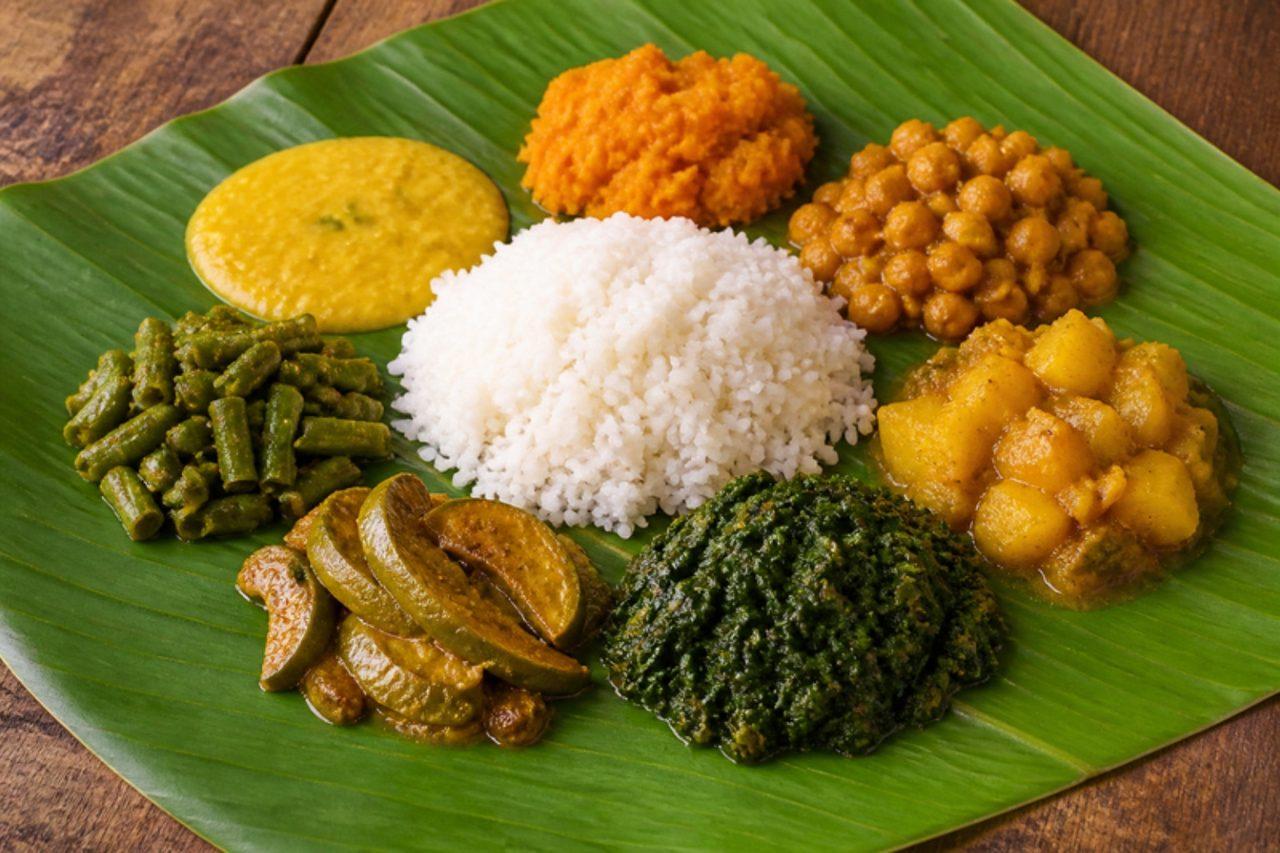
Seven curry is the meal served on a sohari (water-lily) leaf at Hindu weddings, pujas and on Divali night in Trinidad: rice with a ring of separate dishes, traditionally curried mango, pumpkin, bhaji, channa and potato, chataigne or jackfruit, dhal and a sour amchar. This home version cooks seven compact curries from one shared spice base so a family can manage it in an afternoon: dhal, pumpkin, channa and aloo, bhaji, curried mango, eddoes or potato, and bodi. The usual mistake is curry powder that is never "burnt" in oil first, which leaves every pot tasting raw and gritty. Make the dhal and mango a day ahead to spread the work. Chef's tip: fry the curry paste for each pot until it darkens and the oil rises before adding vegetables; that one step is what makes Trini curry taste like Trini curry.

by KrazyBadal 0 views

Curry chataigne

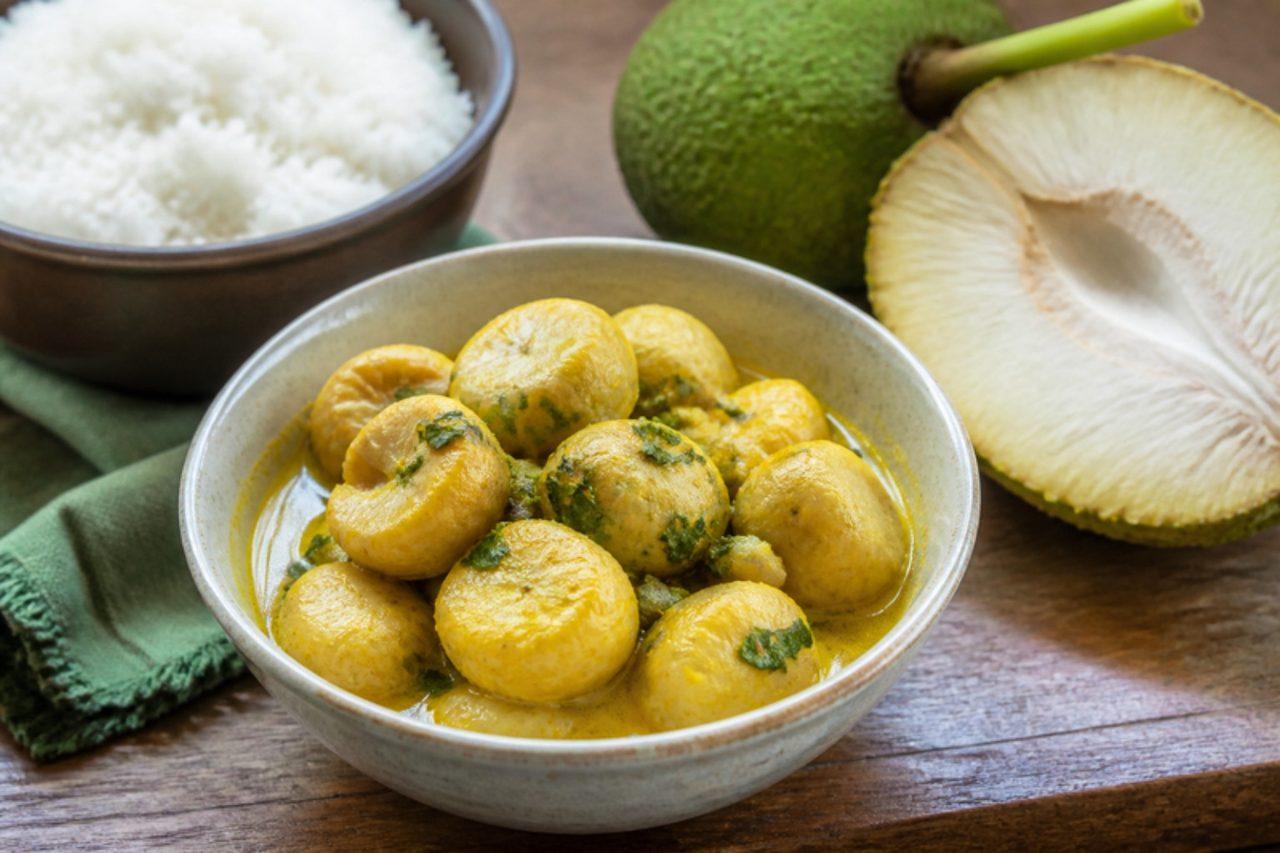
Chataigne, the spiky breadnut cousin of breadfruit, ripens around Divali and Christmas in Trinidad, and its boiled, peeled seeds are curried with coconut milk and roasted geera into a dish many people say tastes almost like meat. It is a fixture at Divali dinners and Hindu functions, eaten with rice or roti. The common mistake is skipping the pre-boil: the seeds stay hard and their thin inner skin stays bitter. Look for chataigne in Caribbean and Asian grocers; tinned jackfruit seeds or chestnuts are the nearest swap. Chef's tip: after boiling, peel off both the shell and the papery brown skin, then split the seeds in half so the curry gets right inside.

by KrazyBadal 0 views

Trini geera pork

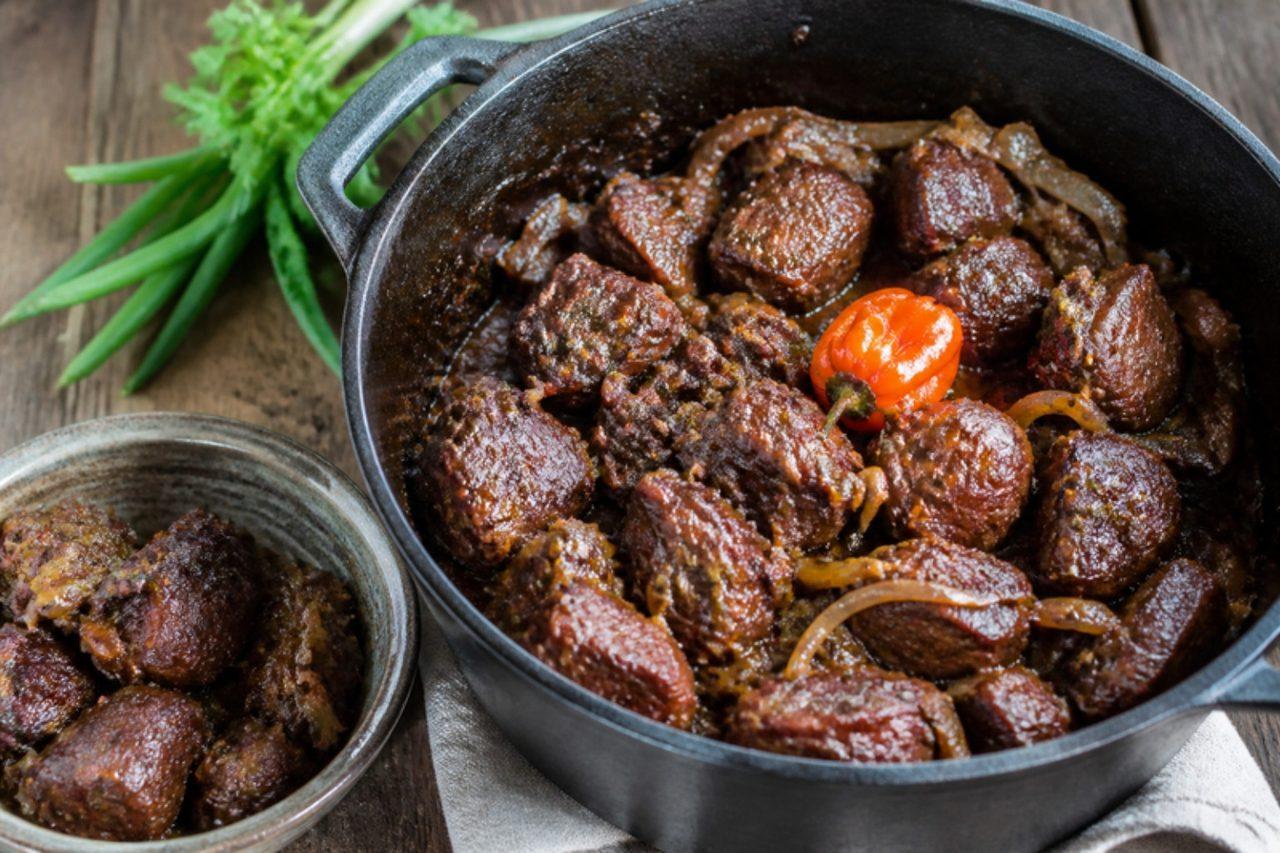
At a Trinidad lime, the bowl of geera pork on the table is usually empty long before the drinks run out. This is pork shoulder cut into small cubes, marinated in green seasoning and garlic, then cooked down in its own fat with a generous amount of dark-roasted ground cumin (geera) until the pieces are coated in a dry, aromatic, peppery glaze. Eat it hot with toothpicks or with sada roti. The usual mistake is using raw ground cumin, which tastes dusty; roast the seeds yourself until nearly black-brown. Chef's tip: let the liquid cook away completely at the end and fry the pork for a few more minutes, as that sticky, slightly crisp coating is the whole point.

by KrazyBadal 0 views

Trini curry duck

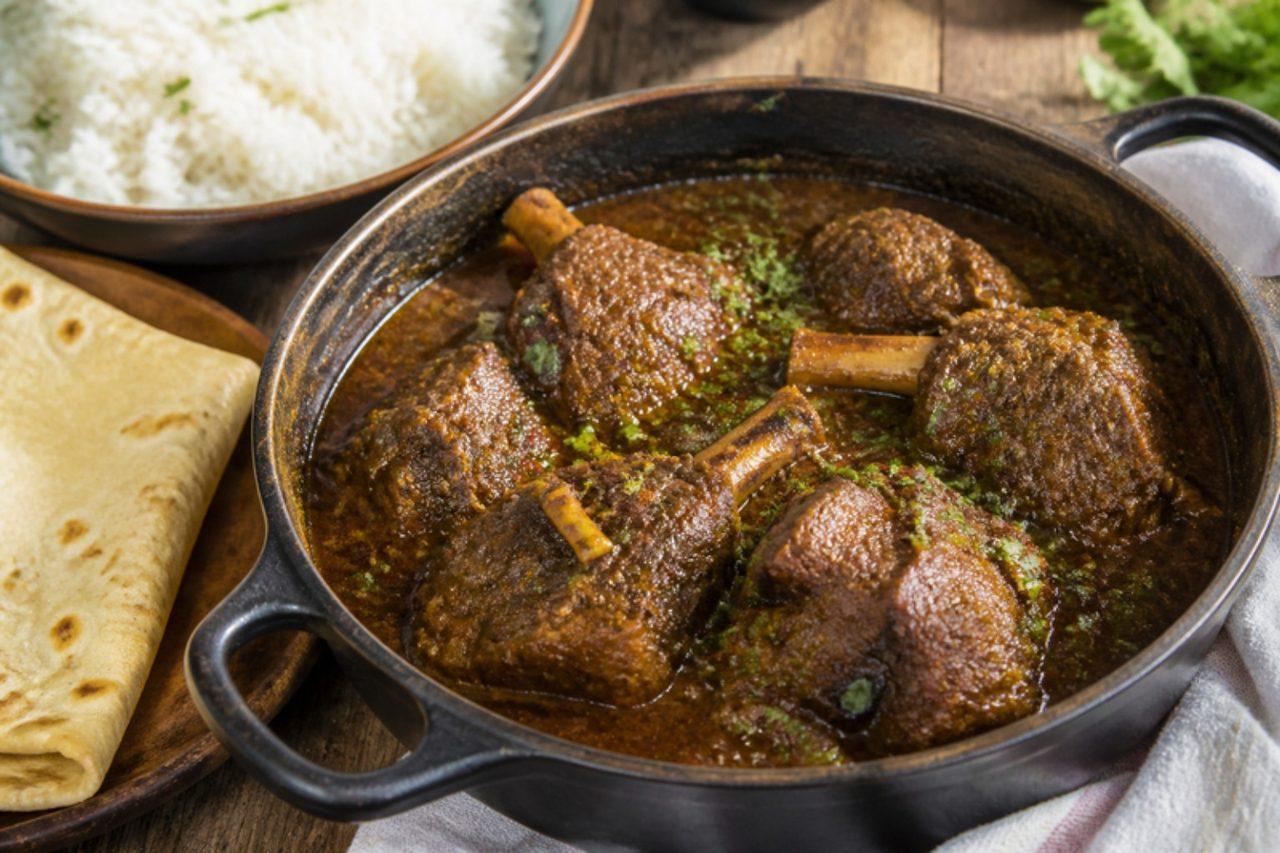
Curry duck is the dish of the riverside lime in south and central Trinidad, cooked in a big iron pot over a wood fire while friends cool off in the water. The duck is chopped small, marinated in green seasoning, then "burnt" into a curry paste fried until almost black, which gives the sauce its dark colour and deep, slightly bitter edge. It's served with rice, dhal and sada or paratha roti. A common mistake is serving it before the duck has fully broken down: duck is chewy and needs long, slow cooking. Chef's tip: spoon off the yellow duck fat that rises during cooking and keep it for roasting potatoes.

by KrazyBadal 0 views

Trini curry shrimp

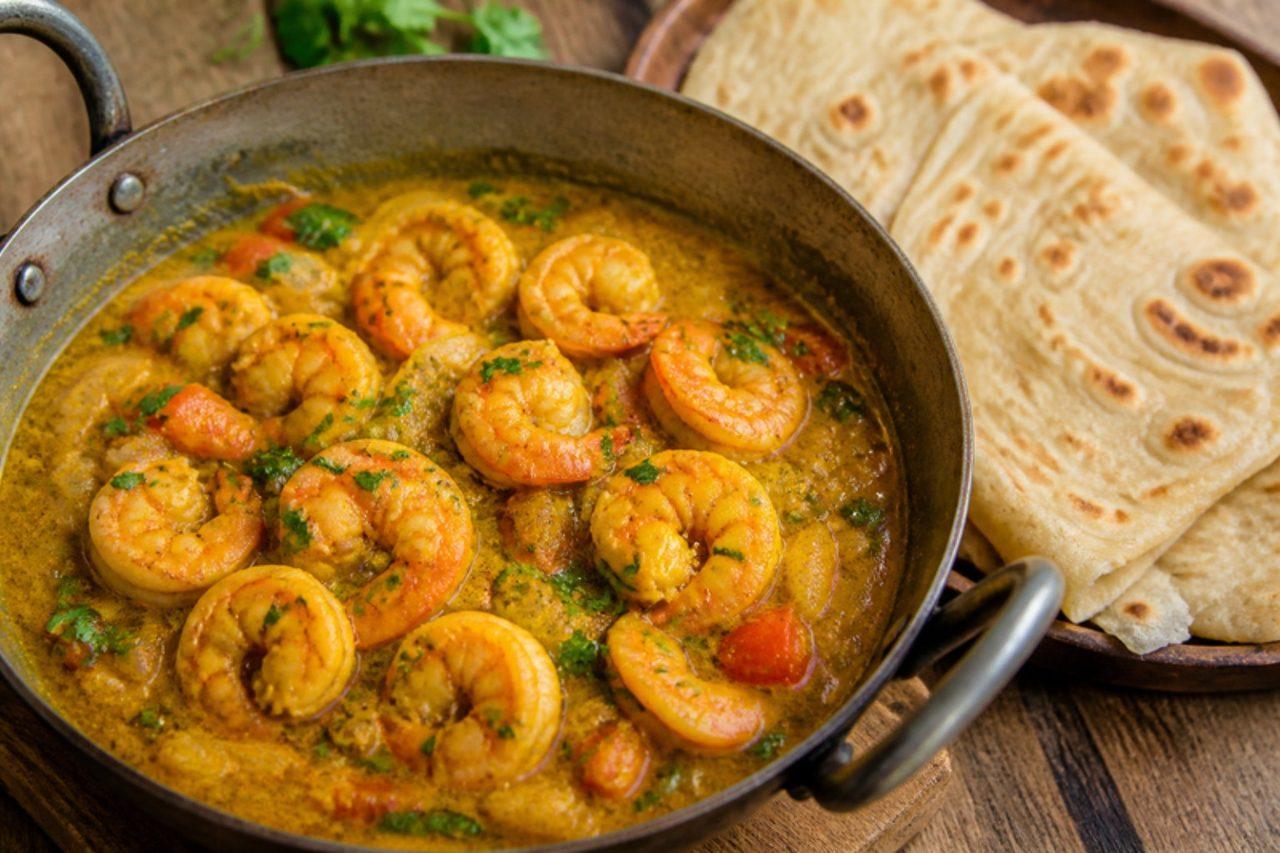
Sold from food stalls in San Fernando and eaten at south Trinidad family lunches, curry shrimp is the fast curry of the island: the sauce is built in minutes, and the shrimp go in only at the very end. Plenty of garlic, roasted geera and hot pepper give a bright, punchy curry that you wipe up with dhalpuri or spoon over rice. The mistake nearly everyone makes the first time is stewing the shrimp, which turns them rubbery; they need three or four minutes, no more. Chef's tip: save the shells, simmer them in the water for 10 minutes and use that stock in the curry for a much deeper seafood flavour.

by KrazyBadal 0 views

Trinidad pastelles

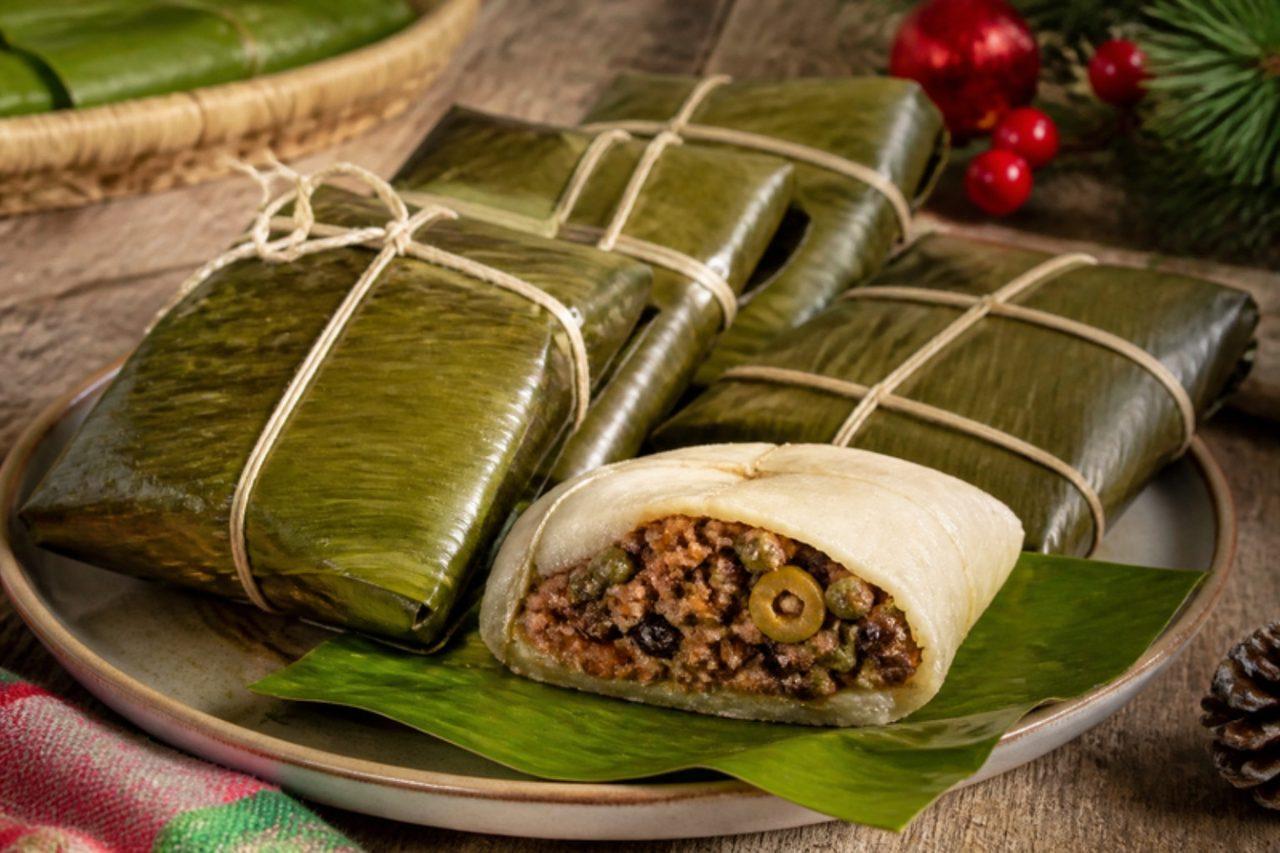
Trinidad's Venezuelan-rooted pastelles are a Christmas ritual: families gather in the kitchen, press thin cornmeal dough onto banana leaves, spoon on a filling of minced beef and pork with olives, capers and raisins, then fold and steam dozens at a time to freeze for the season. Once cooked they are soft, savoury and slightly sweet, with the leaf perfuming the dough. This version uses beef and pork mince; a lentil filling makes a vegetarian pastelle. The most common mistake is pressing the dough too thick, which turns the parcels stodgy; it should be thin enough to see the leaf's shine through. Chef's tip: pass the banana leaves over a flame for a few seconds until they turn glossy and pliable, so they fold without tearing.

by KrazyBadal 0 views

Goes well with green seasoning