Skip to content

Recipes with farinha de mandioca

12 recipes that use farinha de mandioca, with photos, step-by-step instructions and cook times. The quickest, Filé à Oswaldo Aranha, takes 45 minutes. It is most often cooked with garlic, onion and egg.

Got a few things in the fridge? Search by everything you have

Sarapatel

A pork dish with Portuguese roots, sarapatel is cooked in Recife and the Pernambuco interior for big gatherings and Saturday lunches, and bars in Olinda serve it by the bowl with rice, farinha and lime. Pork liver, heart and kidneys are cleaned, diced small and simmered with onion, tomato, cumin, bay and vinegar, then the stew is thickened with cooked pork blood until it turns dark, glossy and intensely savoury, sharp from the vinegar and fragrant with mint and coriander. Buy the offal and the blood from a butcher you trust, very fresh and kept cold; blood should be used the day you buy it or frozen at once. The classic error is skipping the cleaning and parboiling, which leaves the stew with a strong, livery taste. All offal must be cooked through. Chef's tip: dice everything into neat 1 cm pieces; the small size is what lets the sauce coat every bite.

by KrazyBadal 0 views

Arroz de cuxá

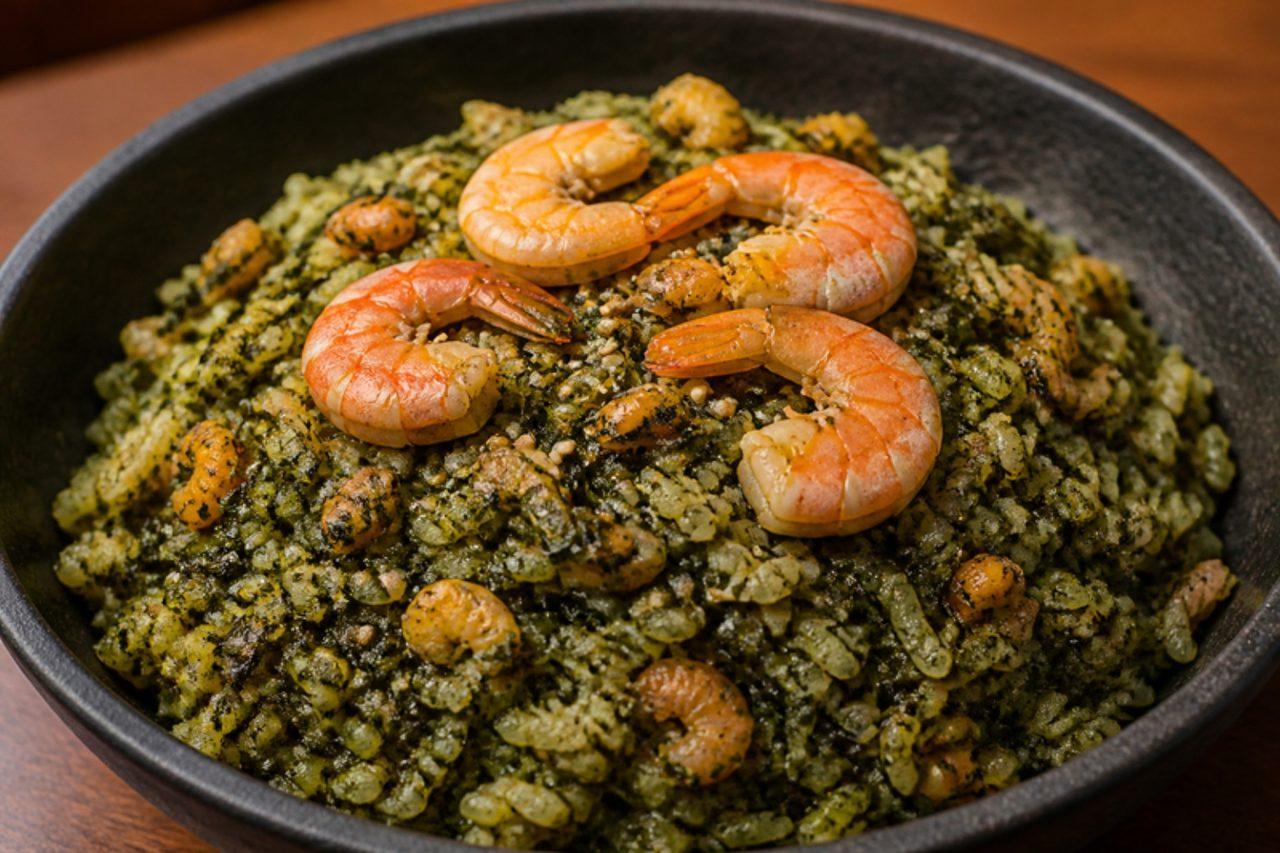
Green-flecked, sharp and nutty, arroz de cuxá is the signature rice of São Luís, served in Maranhão homes and seafood restaurants with fried fish, torta de camarão or a simple fried egg. The sourness comes from vinagreira, the leaves of the roselle hibiscus, cooked down into a thick cuxá sauce with dried shrimp, toasted sesame and a little cassava flour, then stirred into fluffy white rice. Roselle leaves are sold as gongura in Indian grocers and as sorrel leaves in Caribbean shops; spinach with lime juice is a mild stand-in. The common error is under-cooking the leaves, which leaves them stringy; they should collapse into a dark, soft purée. For a vegetarian version, leave out the shrimp and add a spoonful more sesame. Chef's tip: toast the sesame until it just turns gold and starts to pop, then grind it while warm so it releases its oil into the sauce.

by KrazyBadal 0 views

Peixada cearense

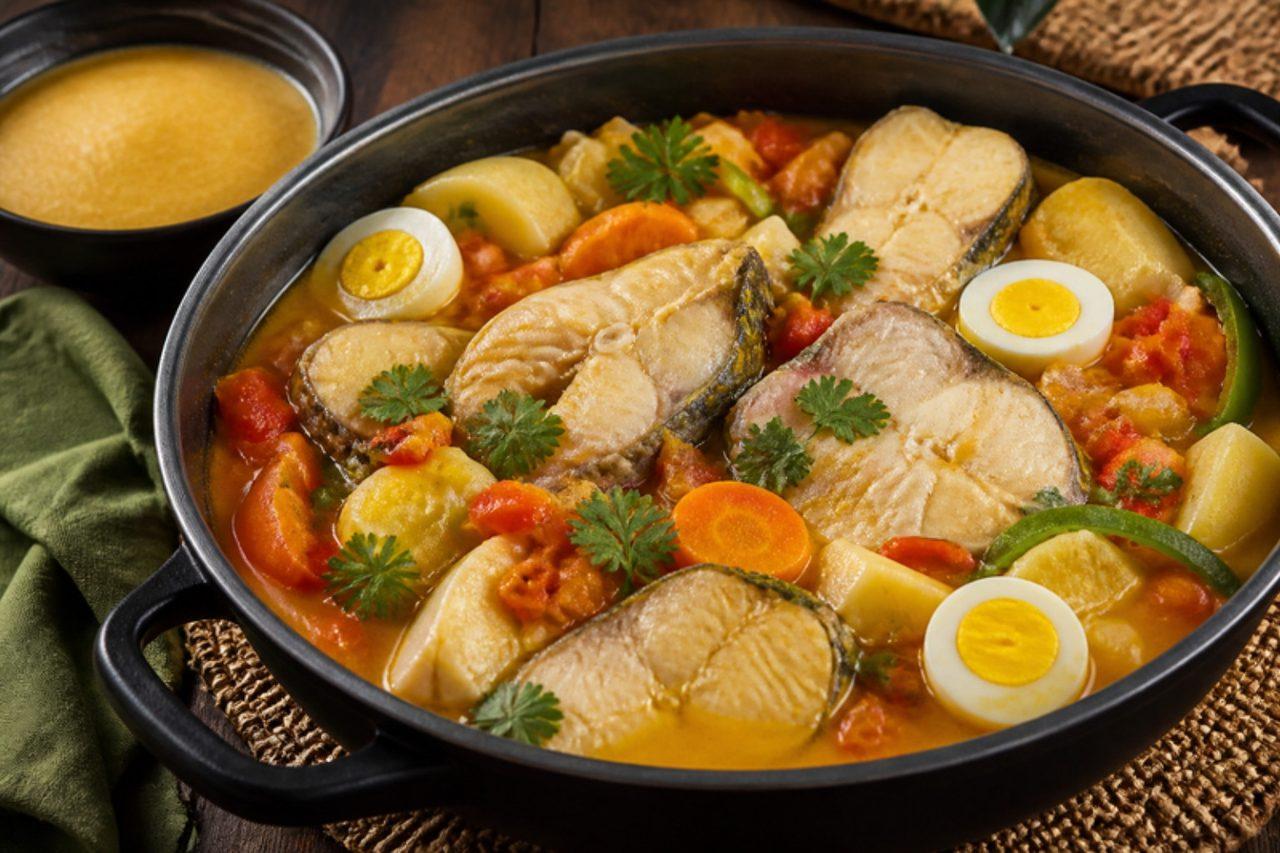
Fortaleza's beach restaurants, the barracas on Praia do Futuro, build a whole Sunday around peixada: thick steaks of firm white fish poached in a coconut broth with potatoes, carrots, chayote, cabbage and peppers, crowned with halved boiled eggs. The fish is mild and juicy, the broth fragrant with coriander, and half of it is ladled off and thickened with cassava flour into pirão, a soft, savoury porridge eaten alongside with white rice and pepper sauce. A common mistake is putting the fish in with the vegetables from the start, so it breaks up before the potatoes are done; the vegetables get a head start. Use snapper, sea bass, hake or another firm white fish in steaks. Chef's tip: stir the farinha into the hot broth off the heat, a little at a time, and whisk hard; it is the only way to get a smooth, lump-free pirão.

by KrazyBadal 0 views

Paçoca de carne de sol

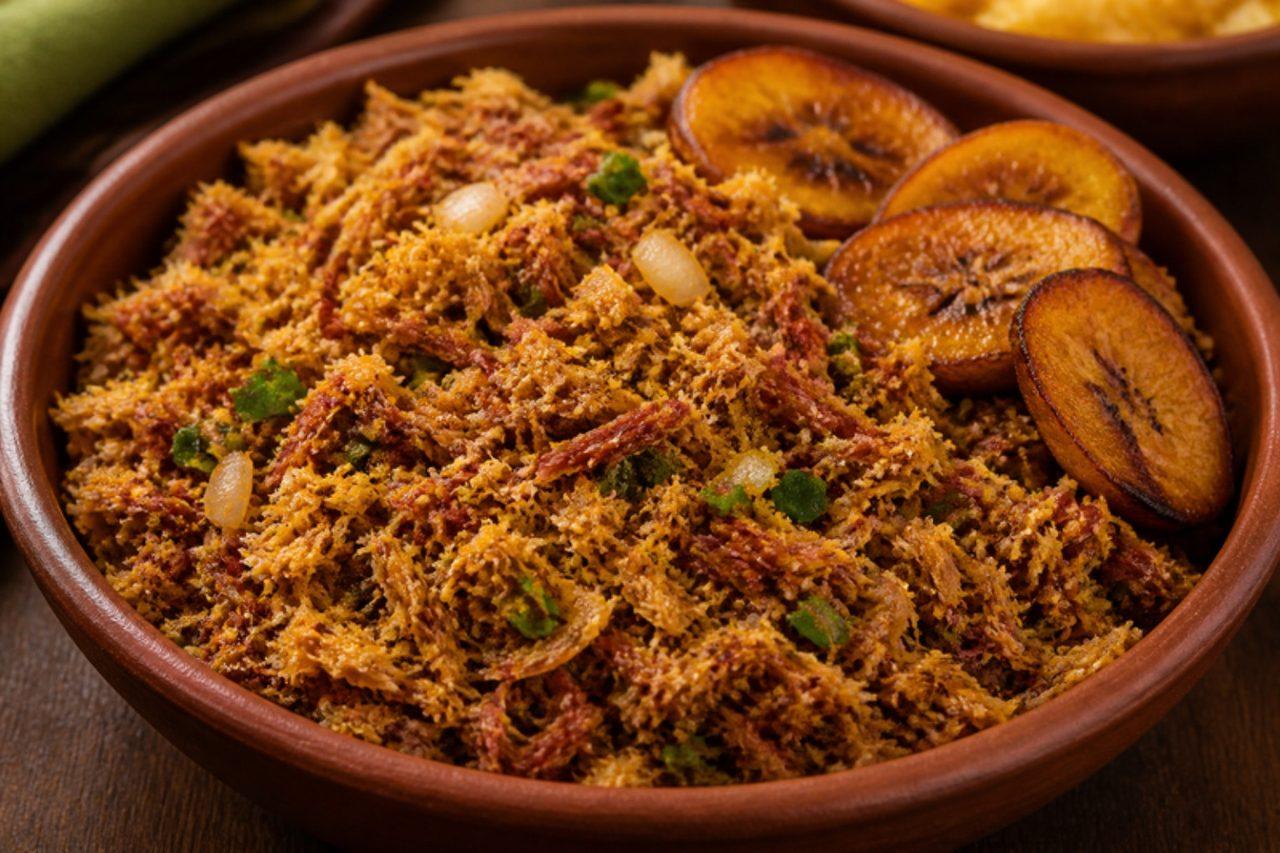
Not the peanut sweet of the same name: in Ceará, Piauí and Maranhão, paçoca is a savoury, fluffy tangle of fried carne de sol pounded with toasted cassava flour and onion in a big wooden pilão. Cowboys of the sertão carried it on long rides because it keeps for days, and today it is served at roadside restaurants and at home with baião de dois, boiled macaxeira, ripe banana and a cold glass of cajá juice. It should be dry, crumbly and full of crisp beef threads, salty and deeply savoury. The thing that goes wrong most often is adding the cassava flour to a wet pan, which turns it into paste; the beef must be fried really dry first. Without a pilão, a large mortar or short pulses in a food processor do the job. Chef's tip: let the pounded paçoca rest for ten minutes before serving; the farinha soaks up the beef fat and the texture turns soft and fluffy.

by KrazyBadal 0 views

Pirarucu de casaca

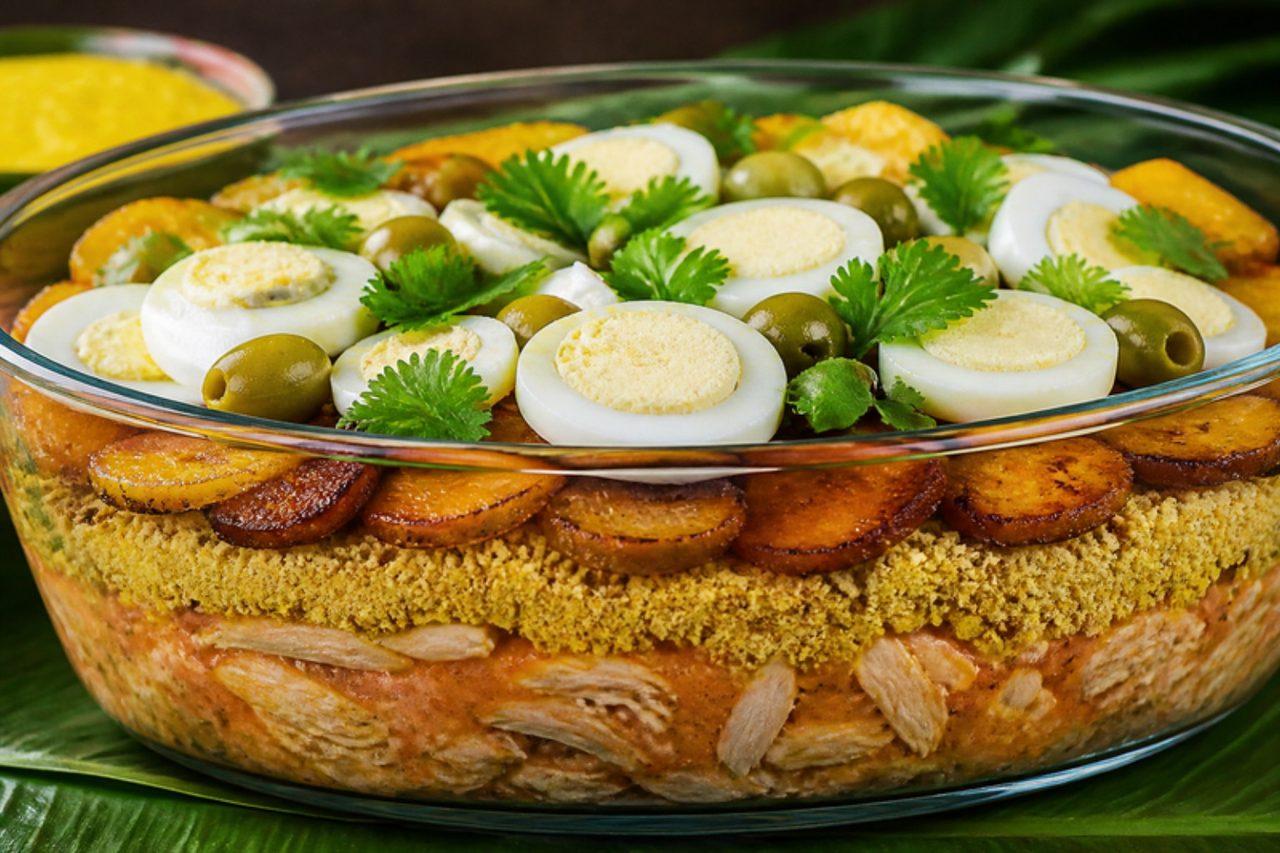
A party dish from Manaus and the Amazonas interior, pirarucu de casaca (pirarucu in a coat) is built in a big dish for birthdays and Christmas: a bed of buttery-looking farofa, a layer of shredded salt pirarucu cooked with tomato and coconut milk, golden slices of fried plantain, more farofa, and a scattering of raisins, olives, egg and herbs. Each spoonful is salty, sweet and crunchy at once. Pirarucu, the giant Amazon fish, is sold salted and dried like cod; salt cod is the easy substitute. Allow 24 hours to soak the fish in the fridge. A common slip-up is under-soaking, which makes the dish too salty to eat; taste a flake before you cook. Chef's tip: use very ripe, black-skinned plantain, fried slowly, so it caramelises and balances the salt of the fish.

by KrazyBadal 0 views

Feijão tropeiro

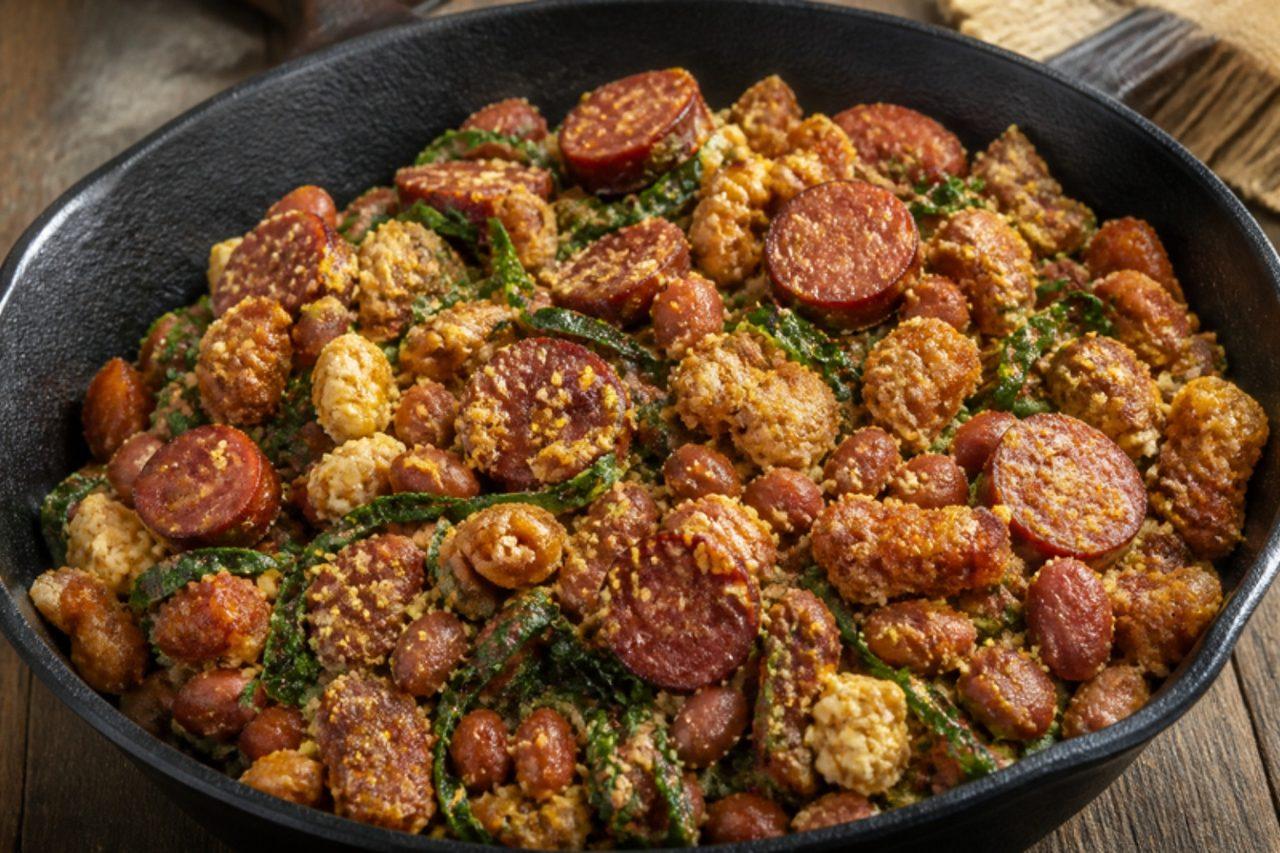
Mule drivers, the tropeiros, crossed Minas Gerais with sacks of beans, cassava flour and pork, and their trail food has become the state's pride: you will find feijão tropeiro at every comida mineira restaurant, at football grounds in Belo Horizonte and on Sunday tables, with rice, couve, torresmo and a grilled pork chop. The beans are cooked just tender, drained, and tossed in bacon and sausage fat with onions, scrambled egg, cassava flour and shredded collards, so the dish is moist but loose, smoky and very savoury. This is a pork dish: smoked bacon and pork sausage give it its flavour. If you start from dried beans, soak them overnight. The usual mistake is overcooking the beans; mushy beans turn the farofa into paste. For a vegetarian version, skip the meats and use butter and an extra egg. Chef's tip: add the farinha off the heat a handful at a time and stop when it looks moist and fluffy, not dry.

by KrazyBadal 0 views

Filé à Oswaldo Aranha

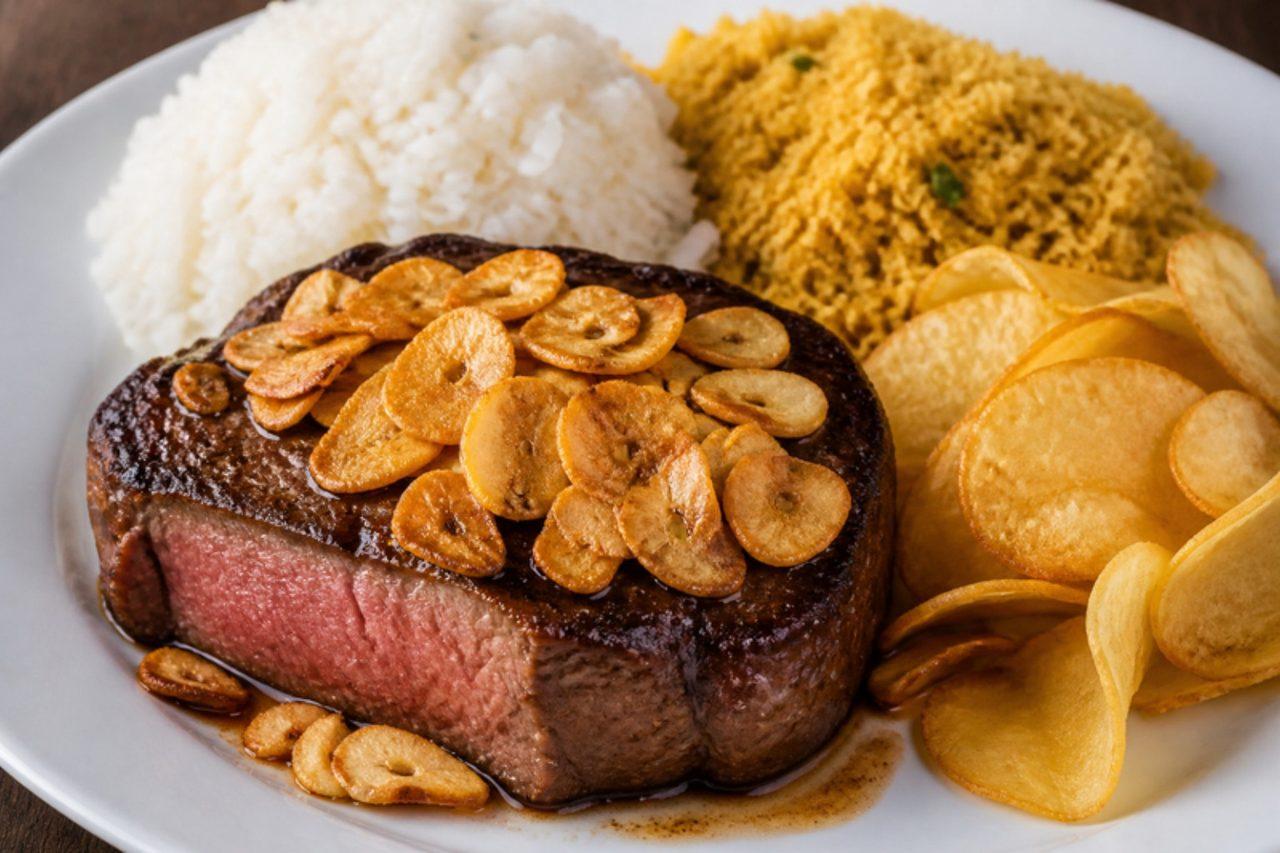
Rio de Janeiro's old-school restaurants, the ones with white-jacketed waiters in Flamengo and Centro, have served this plate since the 1930s, named after the statesman who supposedly ordered it every day. It is simple and generous: a thick fillet steak, seared hard and buried under a pile of golden fried garlic, with white rice, buttery farofa and a heap of crisp potato straws. The garlic is sweet and nutty, the steak juicy, and the farofa soaks up the juices. Cook the steak to your liking; whole beef steaks are safe pink in the middle, but take them further if you prefer. The biggest mistake is frying the garlic too hot, which turns it bitter in seconds; it should go slowly from pale to light gold. Chef's tip: take the garlic out of the oil when it is only just golden, as it keeps darkening on the paper.

by KrazyBadal 0 views

Picadinho carioca

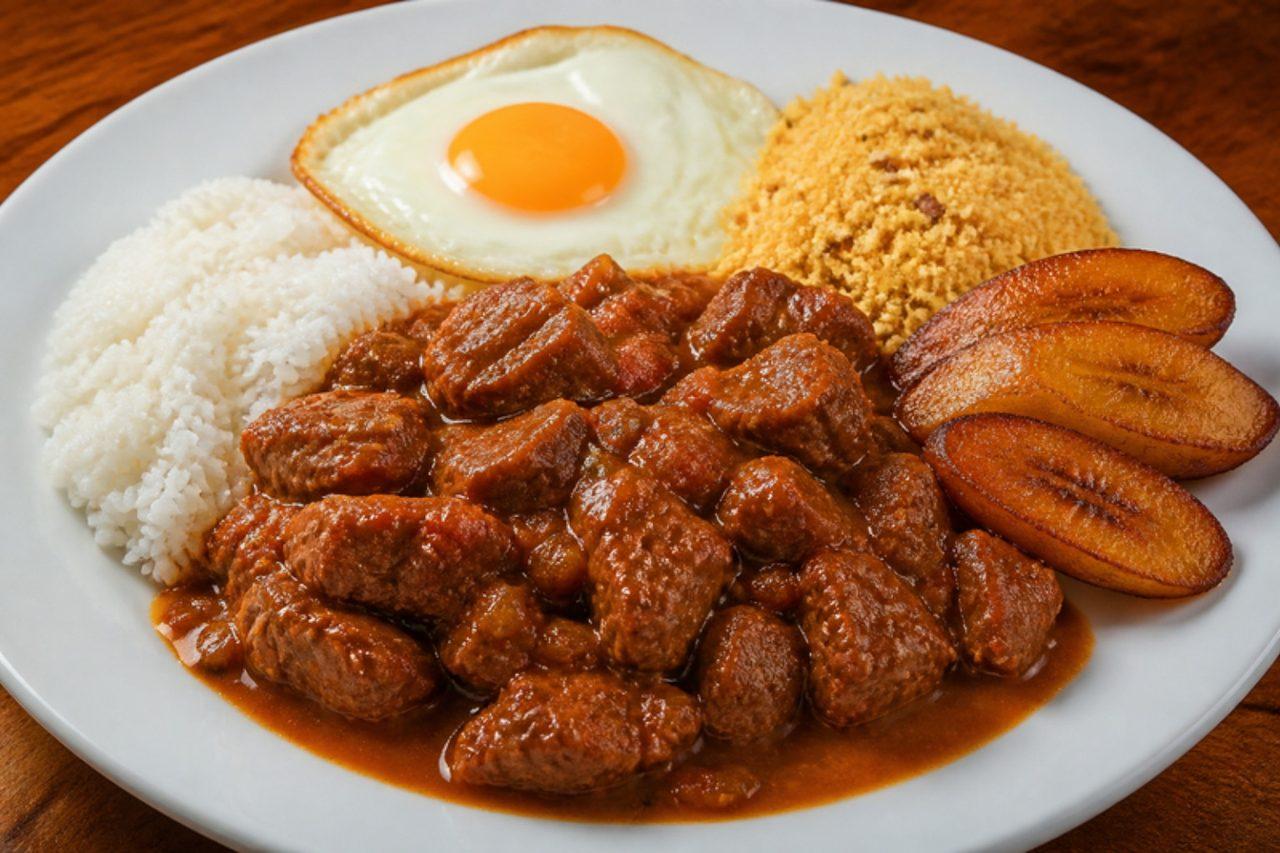
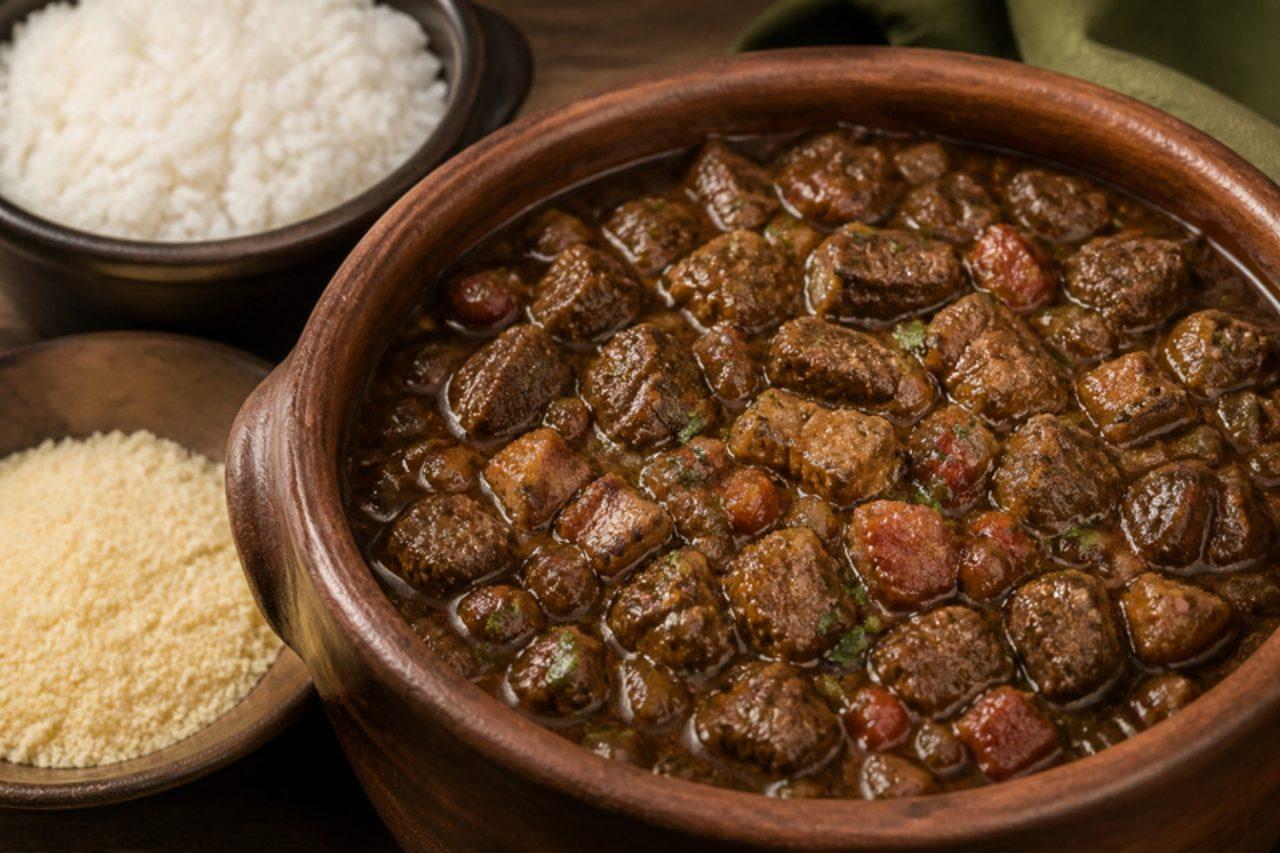
Diced small and simmered in a glossy tomato gravy, picadinho is the plate Rio de Janeiro orders at lunch counters and old bars in Centro, and the one cariocas cook at home when they want comfort. The tender cubes of beef come with white rice, a fried egg with a runny yolk, farofa and slices of banana, and every forkful mixes a bit of everything: savoury, sweet, crisp and soft. The everyday mistake is crowding the pan, so the beef boils grey instead of browning; fry it in batches. Cook the eggs until the whites are fully set; if you are serving pregnant women, young children or older people, cook the yolks firm too. Chef's tip: cut the beef into 1.5 cm cubes; any larger and it is a stew, any smaller and it dries out.

by KrazyBadal 0 views

Virado à paulista

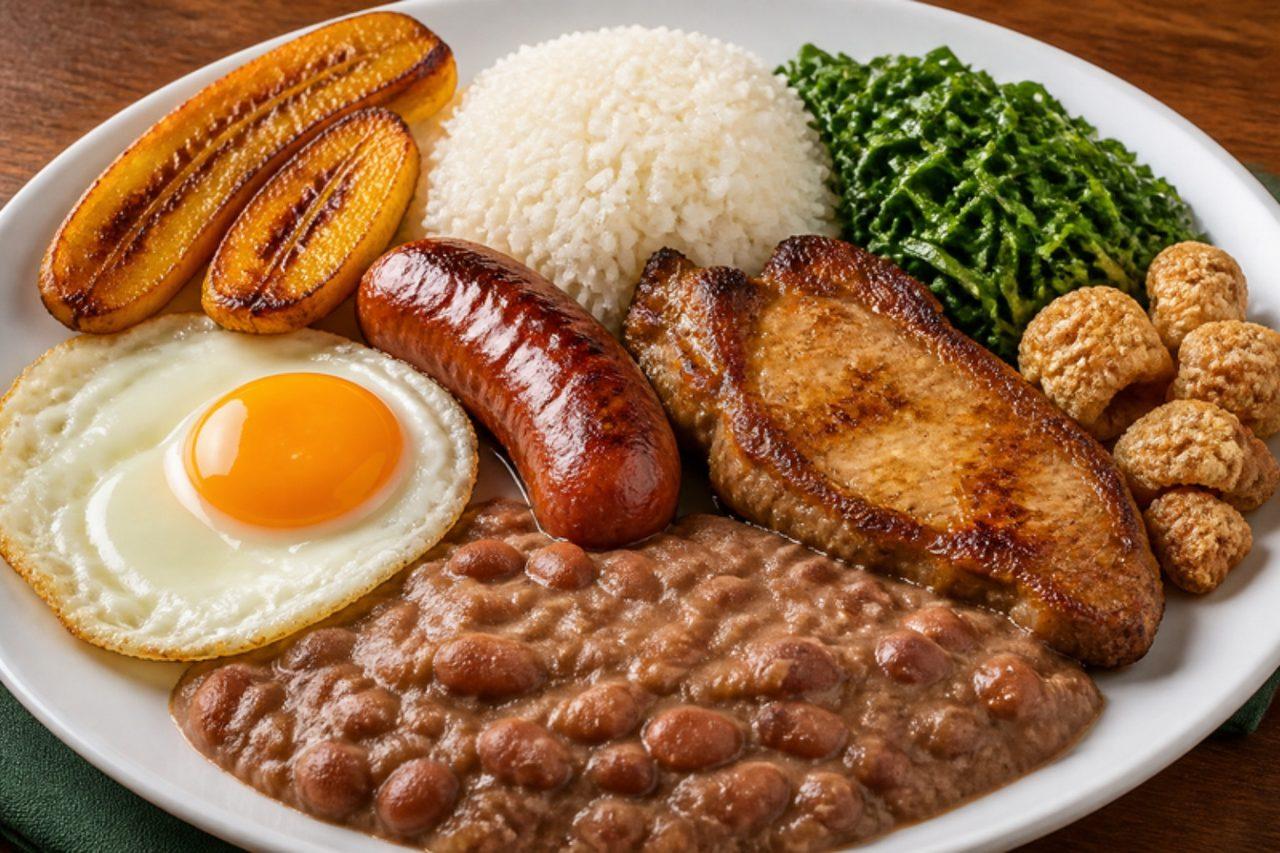
Monday in São Paulo means virado à paulista: the city's lunch counters and botequins have served it as the prato do dia at the start of the week for generations. The plate goes back to the bandeirantes' travel food, and today it is a feast of pork: beans cooked down and thickened with cassava flour into a soft tutu, a pork chop, a grilled pork sausage, a crackling of torresmo if you like, a fried egg, garlicky collard greens, rice and fried banana. It is hearty, salty and sweet in turns. A common mistake is serving the pork chop well past done and dry; a whole pork chop is safe at 63 °C with a 3-minute rest, and juicy at that point. Some restaurants bread the banana; frying it plain keeps the plate gluten free. Chef's tip: cook the beans with a little bacon and let them sit for a few minutes after adding the farinha; it keeps thickening as it stands.

by KrazyBadal 0 views

Pacu assado

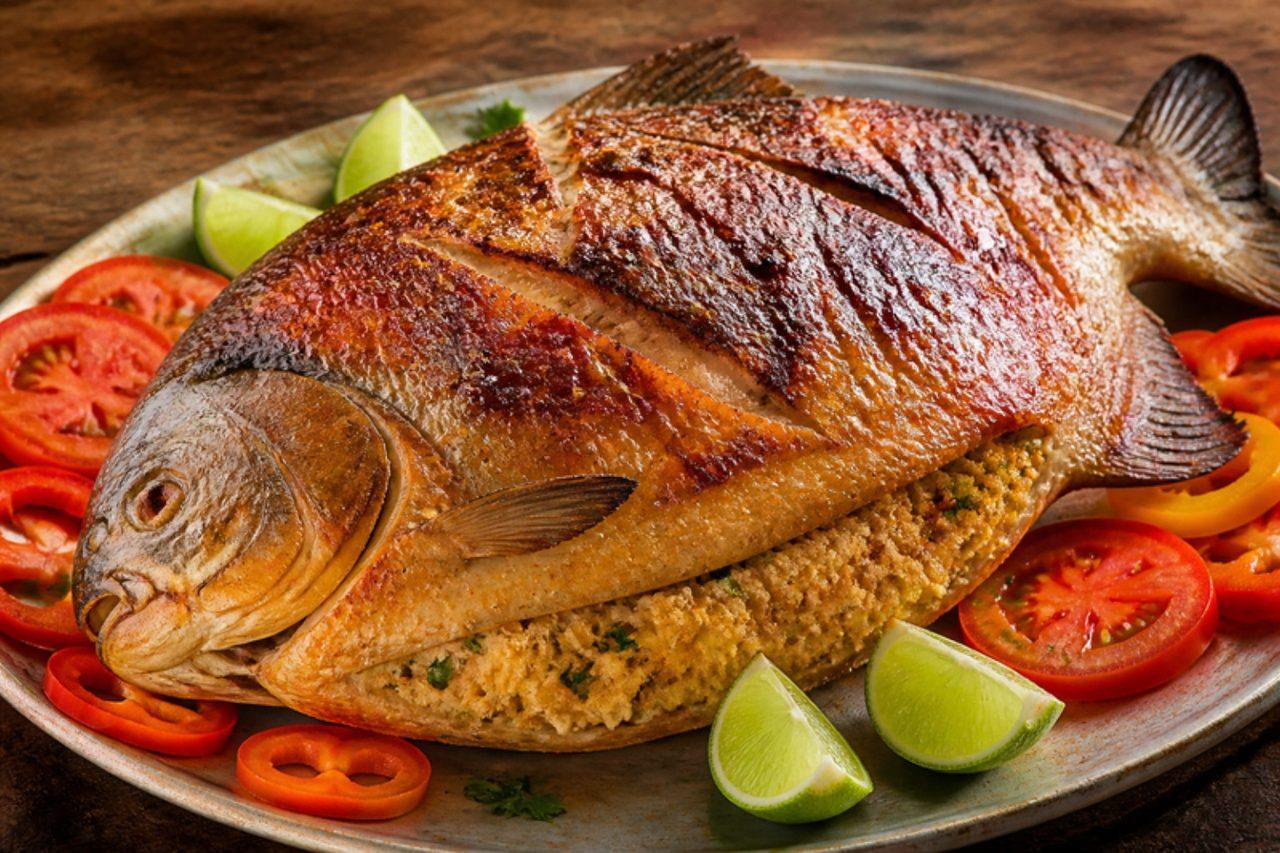
Cuiabá's fish restaurants and weekend riverside lunches in the Pantanal put a whole pacu on the table, stuffed with farofa and roasted until the skin is golden and crisp. Pacu is a round, fat-rich river fish with sweet, juicy flesh; ask your fishmonger for whole sea bream, pompano or a large tilapia if pacu is not available. The stuffing is cassava flour toasted with onion, garlic, pepper, tomato and herbs, and it soaks up the fish juices as it cooks. Serve with white rice, a tomato vinagrete and lime. The mistake to watch for is over-roasting until the flesh dries out; check at the backbone and stop when it is just opaque. Pacu has fine Y-shaped bones in the belly, so eat carefully. Chef's tip: cut deep slashes on both sides and push a little lime-garlic paste into them; it seasons the thick flesh and helps it cook evenly.

by KrazyBadal 0 views

Barreado

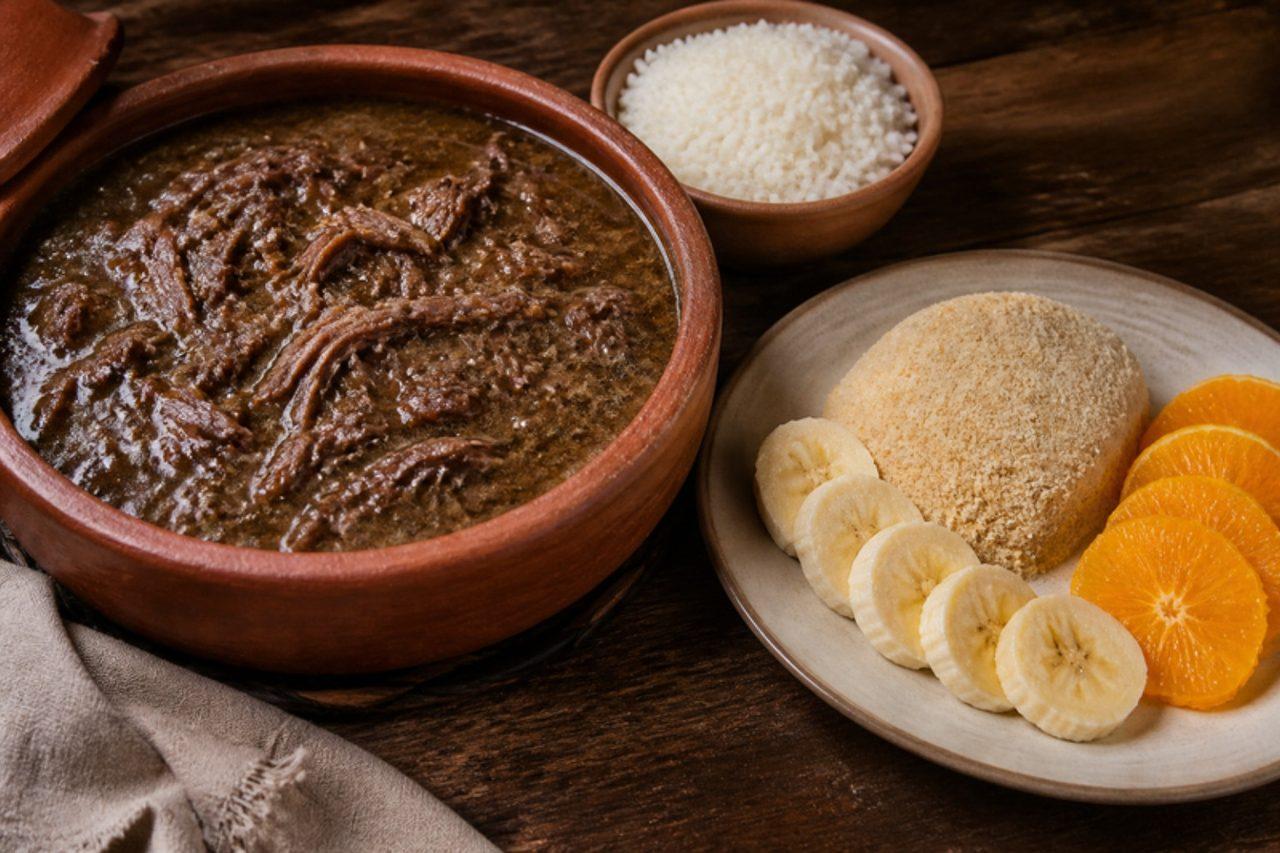
Morretes and Antonina, the little colonial towns at the foot of Paraná's Serra do Mar, are famous for barreado: beef layered with smoked bacon, onion, garlic, cumin and bay in a clay pot, sealed with a paste of cassava flour and water, and cooked for many hours until it falls into soft, dark strands in a rich broth. It was a Carnival dish, left on the fire so revellers could eat without cooking, and today the restaurants along the Rio Nhundiaquara serve it every day. This recipe contains pork, in the bacon that gives the broth its smokiness. At the table you put cassava flour on your plate, ladle over hot broth and stir it into a soft pirão, then add the meat and slices of banana. The common mistake is opening the pot to check, which lets the steam out and toughens the meat; trust the seal and the oven. A heavy cast-iron casserole works if you have no clay pot. Chef's tip: use two cuts, a lean one and a gelatinous one like shin, for broth with real body.

by KrazyBadal 0 views

Sequência de camarão

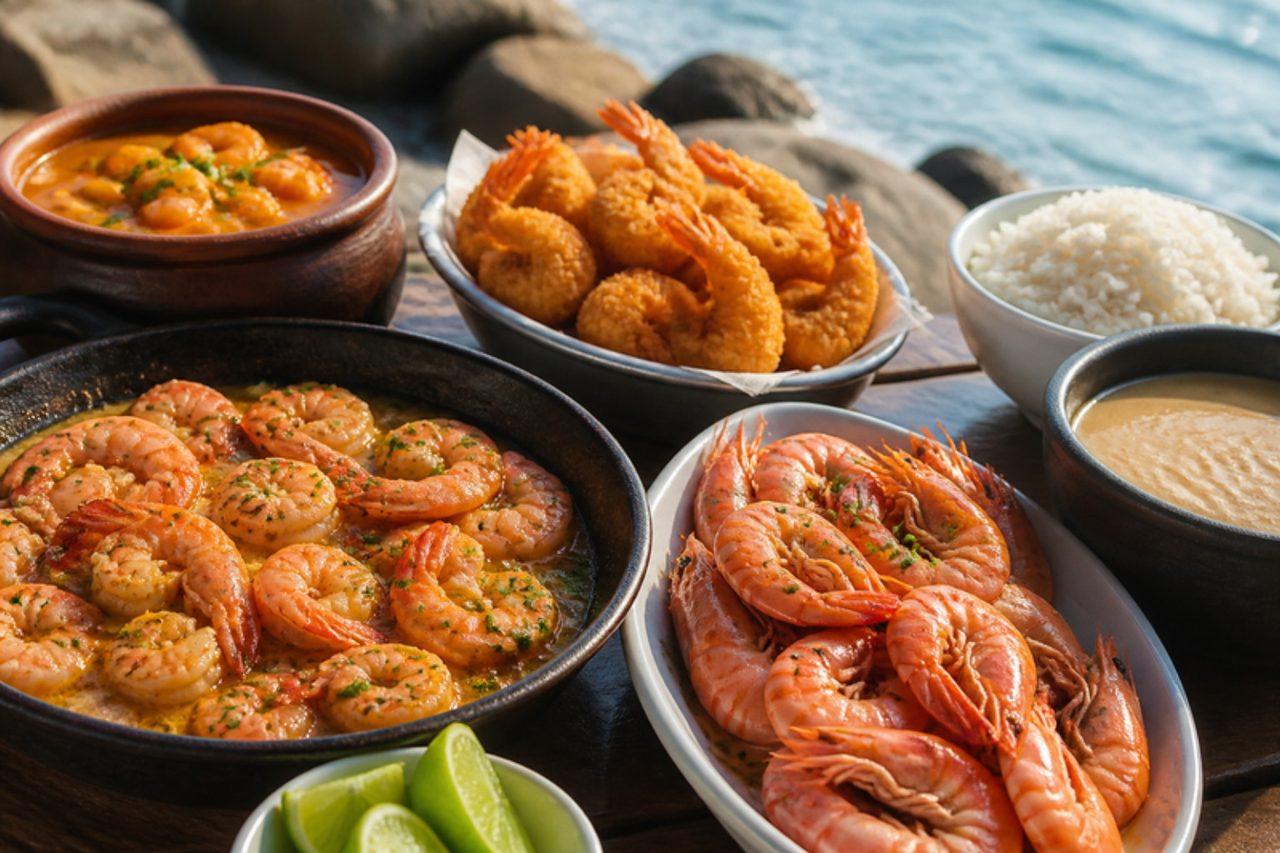
Around the Lagoa da Conceição and the old fishing village of Santo Antônio de Lisboa, Florianópolis restaurants serve sequência de camarão, a parade of prawn dishes that keeps arriving until you give up: prawns fried in garlic oil, crisp breaded prawns, a light prawn stew with tomato and coconut milk, and pirão made from the shells, with rice and salad. This home version brings the four together for a long lunch. Prawns must be very fresh and kept cold, and every batch is cooked only until pink and opaque right through. The usual mistake is cooking all the prawns at once and serving them lukewarm; the sequence works because each dish arrives hot. Make the stew and pirão first and keep them warm, then fry at the last minute. Chef's tip: buy shell-on prawns and simmer the heads and shells for the pirão; it gives the whole meal its sea flavour.

by KrazyBadal 0 views

Goes well with farinha de mandioca