Skip to content

Recipes with dried okra powder

4 recipes that use dried okra powder, with photos, step-by-step instructions and cook times. The quickest, Mullah bamia, takes 70 minutes. It is most often cooked with garlic, onion and chilli flakes.

Got a few things in the fridge? Search by everything you have

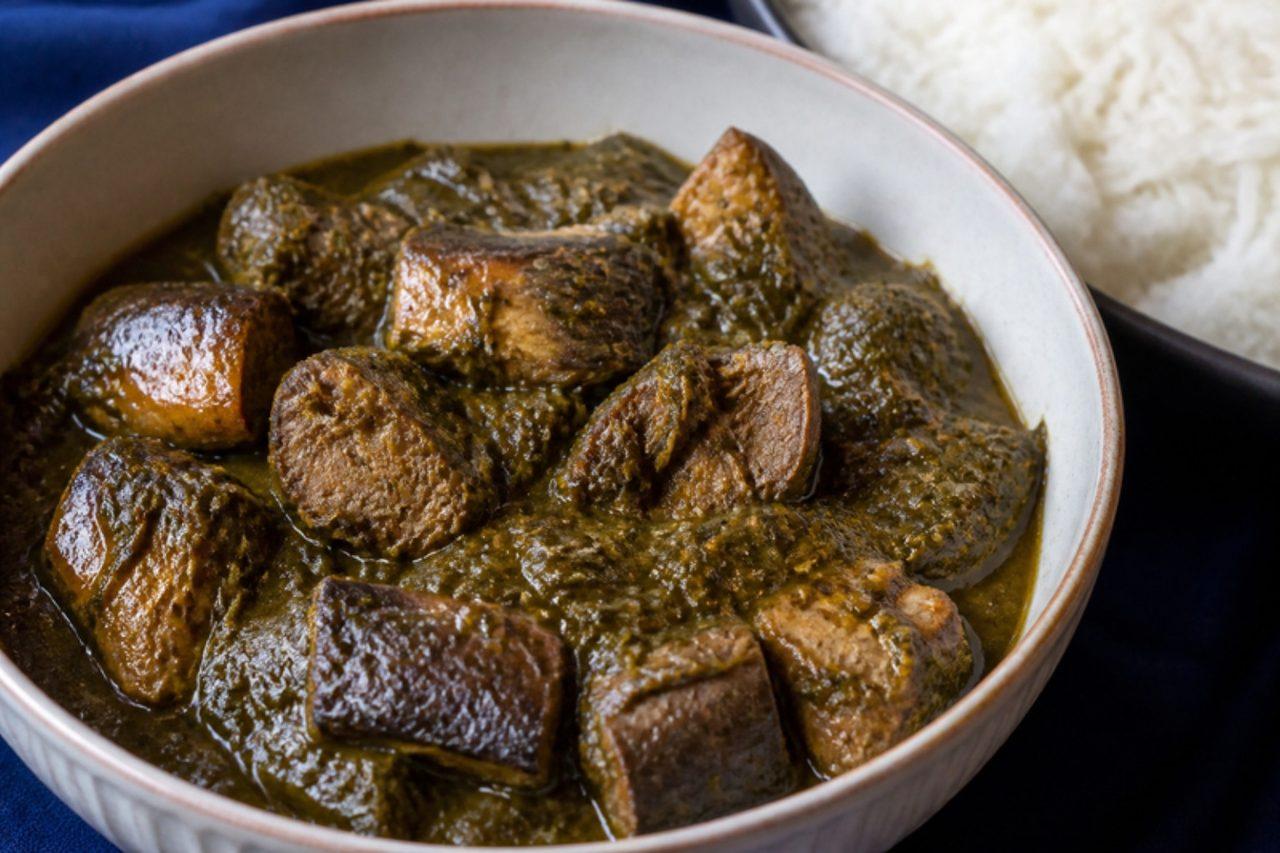
Sauce djoumgblé

Baoulé cooks in central Côte d'Ivoire dry okra in the sun during the harvest, then grind it into the dark green powder that makes sauce djoumgblé. Stirred into a beef and tomato stew with flaked smoked fish, it thickens the pot into a deep brown, slippery sauce with an earthy, smoky flavour quite different from fresh okra soup. It is the classic partner for foutou banane or placali in Bouaké and in Abidjan's maquis, where each mouthful of starch is pulled through the sauce. Look for the powder as dried or ground okra in African grocers. Chef's tip: whisk the okra powder into cold water before it goes into the pot; scattered straight into hot sauce, it forms lumps that never break down.

by KrazyBadal 0 views

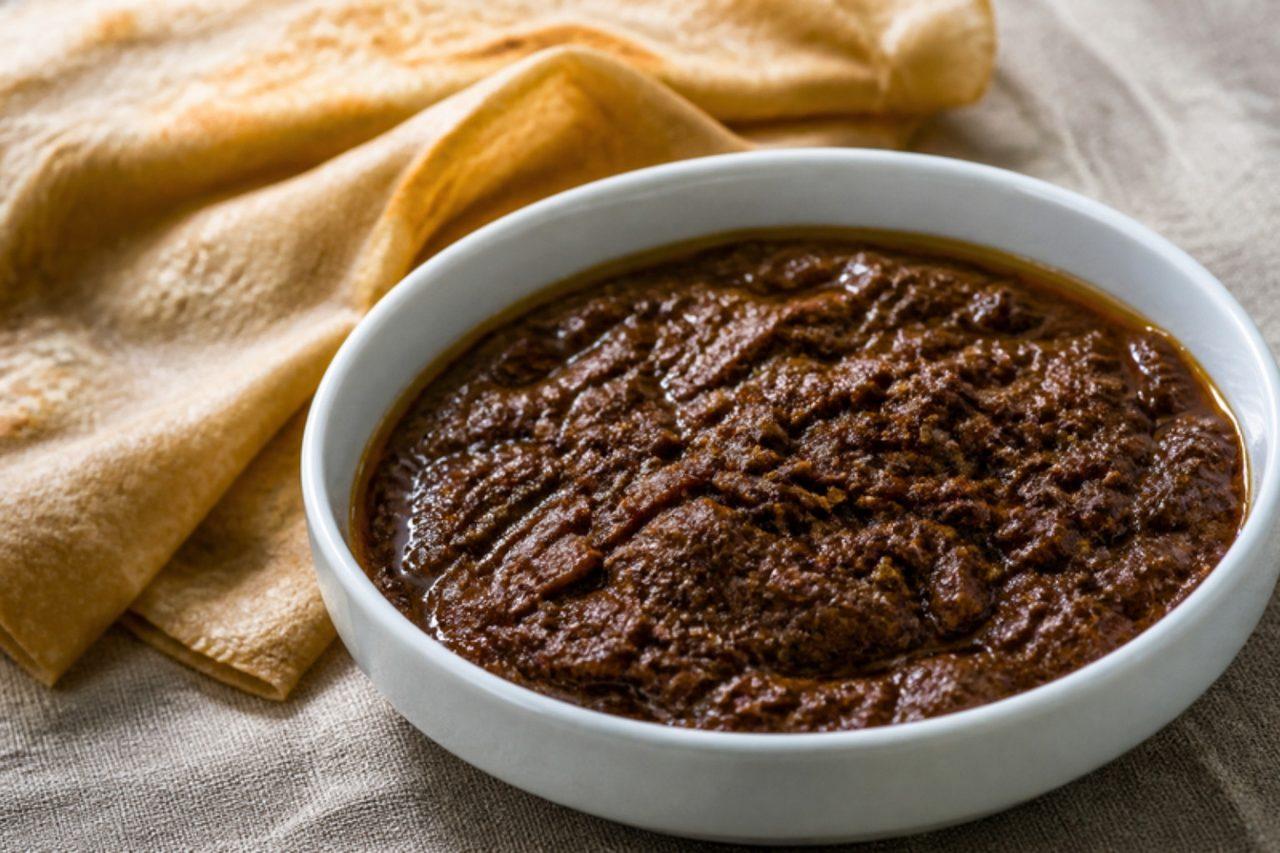
Mullah kawal (Darfur fermented-leaf stew)

Kawal is one of Darfur's great pantry secrets: the leaves of a wild legume that grows among the sorghum are pounded, fermented in a buried pot for a couple of weeks and dried into dark little balls with a smell as strong as blue cheese. Crumbled into a stew of fried onion, dried meat and tomato and thickened with okra powder, it gives a deep, savoury, almost meaty flavour that people in Darfur and Kordofan crave, and the stew is eaten with aseeda or kisra. Kawal is very hard to find outside Sudan; fermented locust beans (dawadawa or iru) from West African shops are the closest substitute, or use mashed fermented black beans. Too much kawal is the beginner's mistake; start with a little and taste. Chef's tip: soak the kawal in warm water for 10 minutes and mash it before it goes in, so it dissolves evenly.

by KrazyBadal 0 views

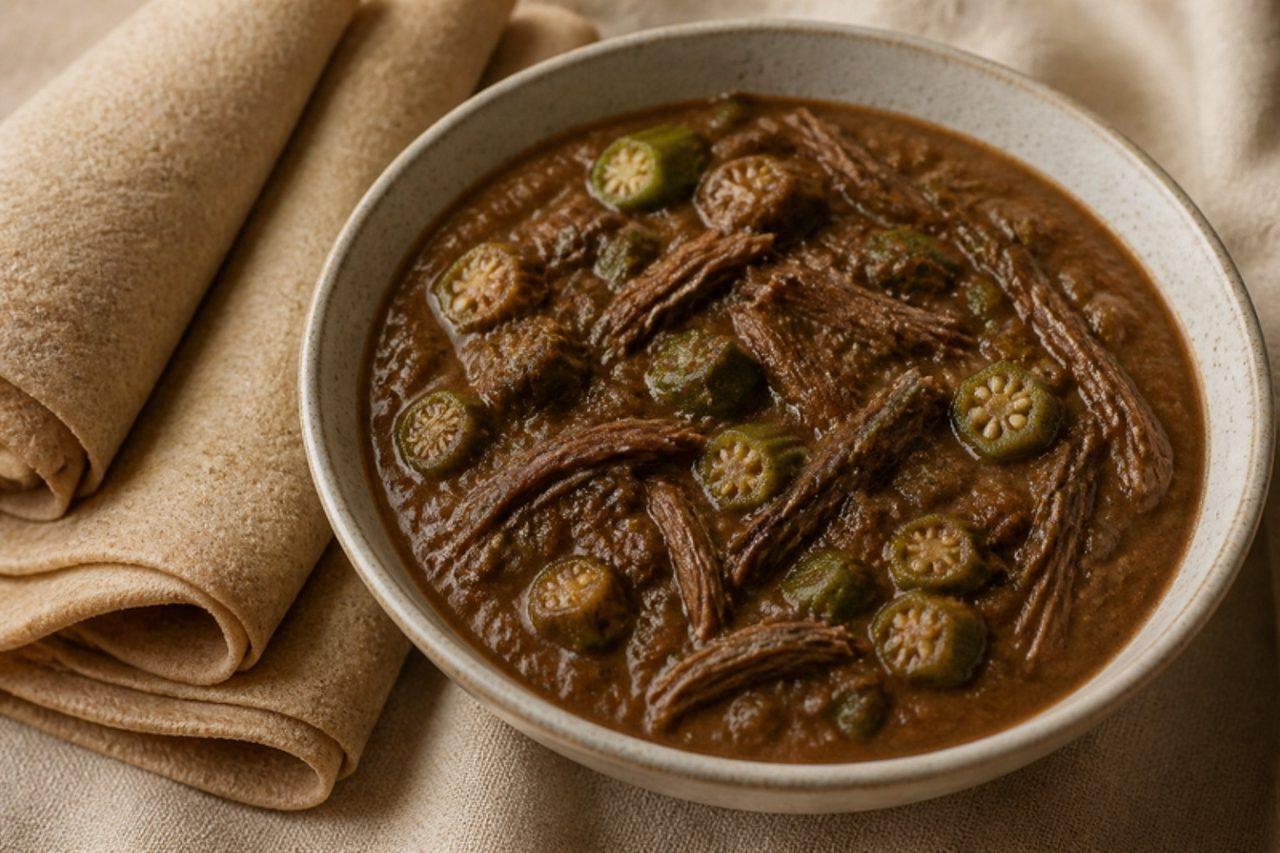
Mullah tagalia (Sudanese dried-meat and okra stew)

Tagalia is the stew northern Sudanese families turn to for everyday lunches and when guests arrive unannounced, because it is made almost entirely from the store cupboard: pounded sharmout, dried okra powder called weika and a mountain of onions fried slowly until dark. Unlike mullah bamia, which uses fresh okra, it is smooth, thick and dark brown, with a rich, savoury, slightly smoky taste, and it is scooped up with kisra or aseeda from one shared bowl. Cooks in Nubia and along the Nile say good tagalia is all in the onion. Dumping the weika in at once is the classic mistake, and it sets into slimy lumps; sprinkle it slowly while whisking. Chef's tip: keep frying the onions until they are a deep chestnut colour but never black; burnt onion makes the whole pot bitter.

by KrazyBadal 0 views

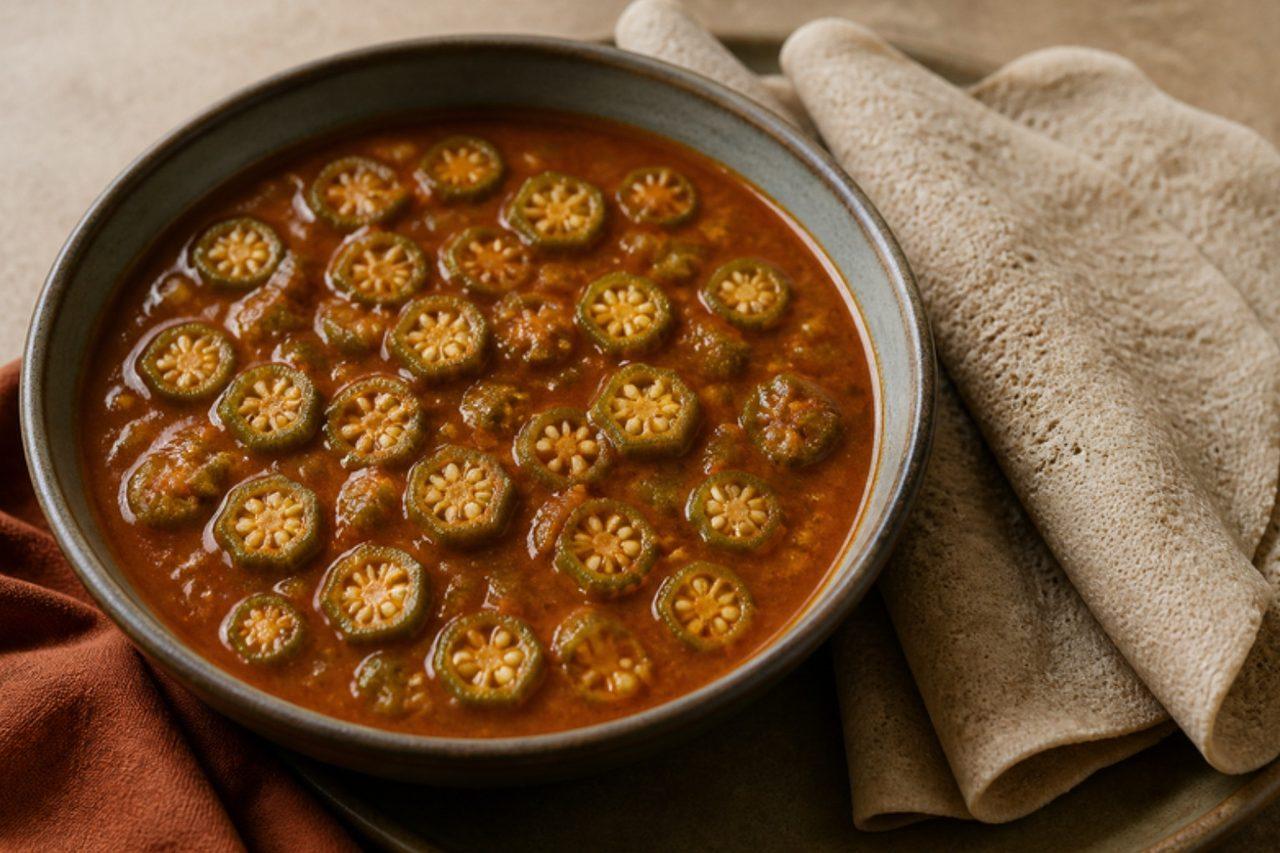
Mullah bamia

Mullah is the Sudanese word for the thick stews that go with kisra and aseeda, and mullah bamia, with okra, is one of the most loved, cooked in homes from Khartoum to Kassala. The base is a large amount of onion cooked very slowly until it melts, then tomato and garlic; the okra is left to soften until the sauce turns silky. Many households add dried ground okra (weika) for a thicker, earthier stew. It is normally made with meat; here it is all vegetable. Chef's tip: cook the onions until they collapse into a jam before adding anything else; that slow base is what gives mullah its depth.

by KrazyBadal 0 views

Goes well with dried okra powder