Skip to content

Recipes with chinese celery

7 recipes that use chinese celery, with photos, step-by-step instructions and cook times. The quickest, Yunnan wild mushroom stir-fry, takes 22 minutes. It is most often cooked with garlic, spring onion and bean sprouts.

Run out of chinese celery? Fennel bulb, same weight.

Got a few things in the fridge? Search by everything you have

Hakka flat rice noodles

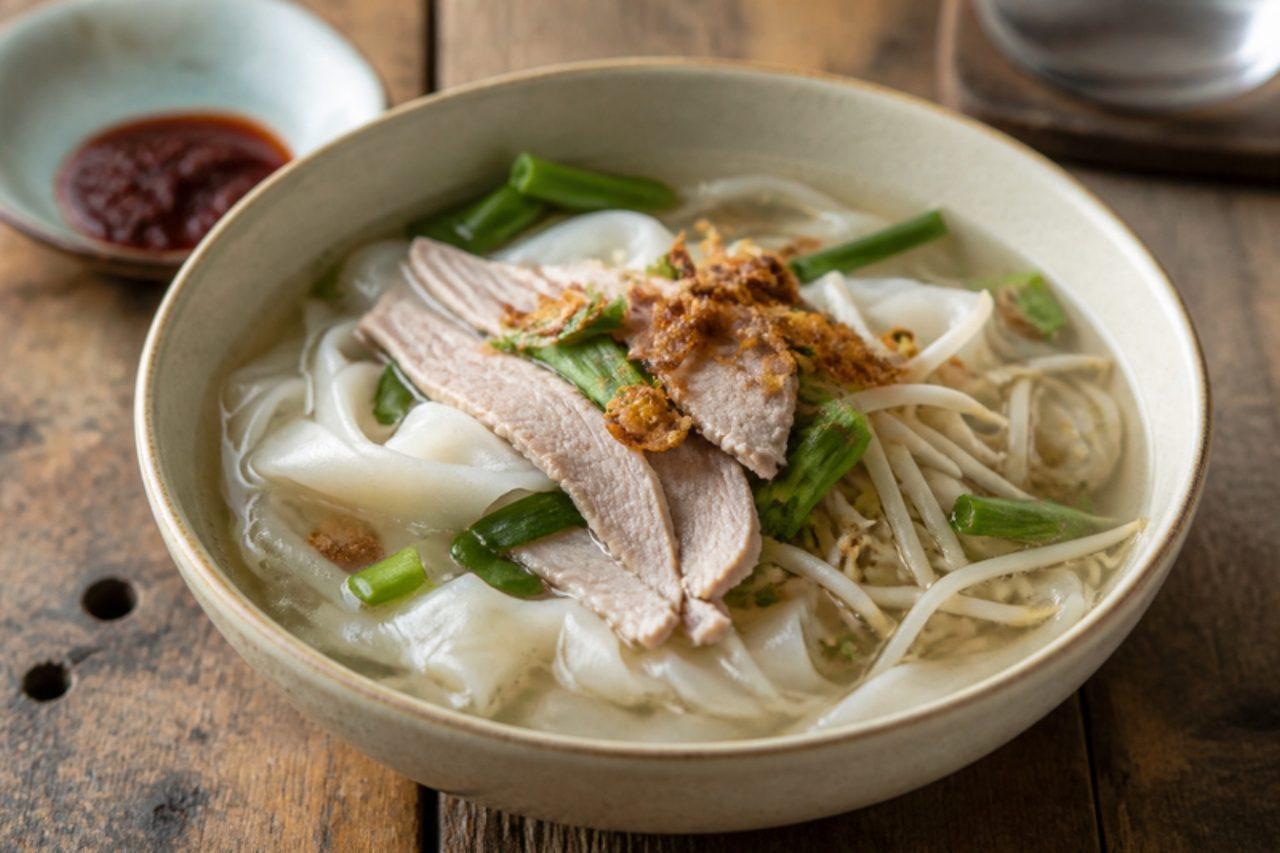
Meinong, a Hakka farming town in the hills of Kaohsiung, is famous for its ban tiao: broad, slippery rice noodles steamed fresh each morning and sold in roadside shops for lunch, either swimming in a clear pork broth or stir-fried with chives and bean sprouts. This is the soup version, light and savoury, with tender slices of pork, crunchy sprouts, garlic chives and plenty of shallot oil floating on top; Hakka cooks put a side plate of boiled pork with a salty-sour sauce next to it. Overcooking is the classic error here: fresh ban tiao only needs a dip in boiling water, and it falls apart if left in. Chef's tip: separate the sheets of noodle by hand before cooking; cold noodles straight from the pack stick together in thick clumps.

by KrazyBadal 0 views

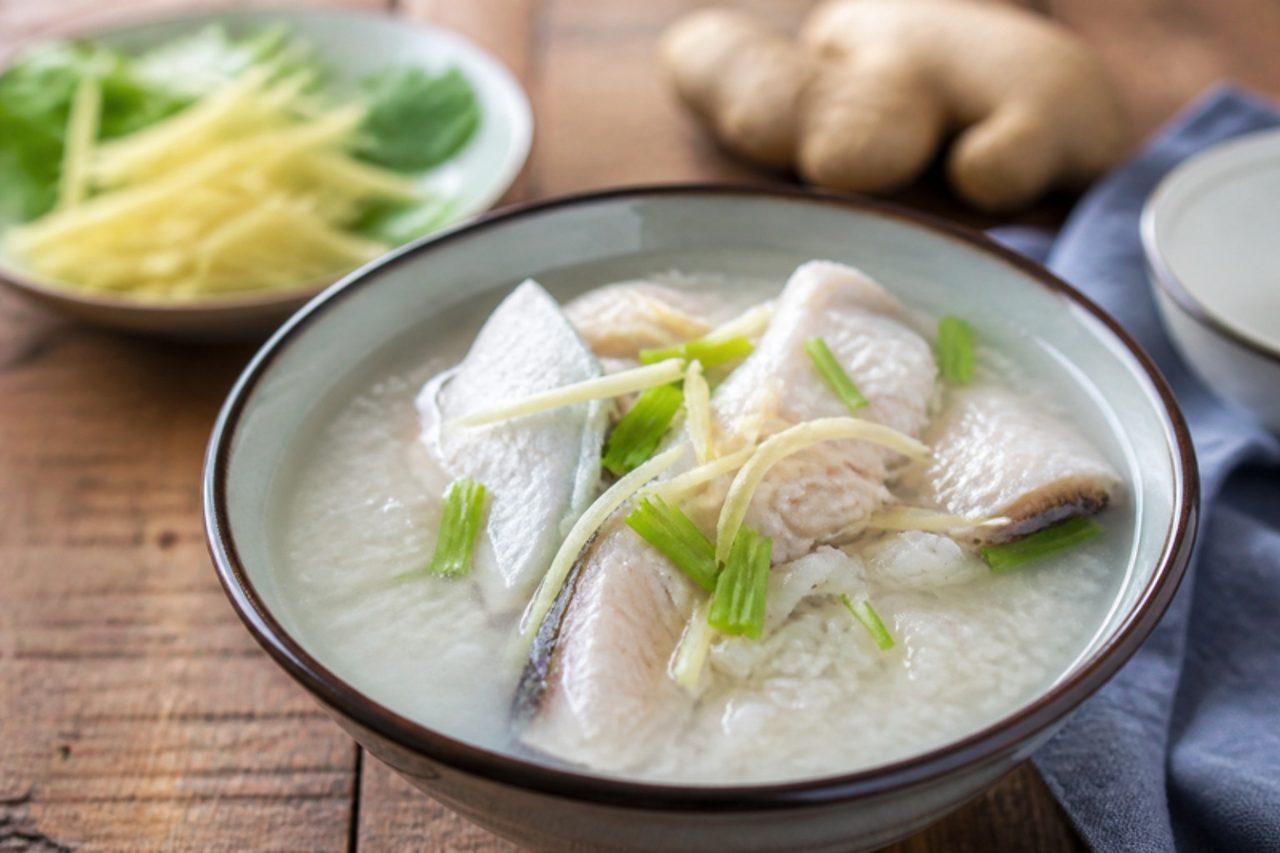
Milkfish belly congee

Tainan breakfast stalls open before six for this, ladling it into bowls beside plates of fried dough sticks and braised fish skin. It is not the thick Cantonese kind: cooked rice is simmered briefly in a light, ginger-scented broth, so the grains stay separate, and slices of rich, boneless milkfish belly are poached in it until just set, then showered with celery, fried shallots and white pepper. Milkfish is farmed in the ponds around Tainan; look for boneless frozen belly in Asian supermarkets, or use sea bass belly. The error most cooks make is boiling the belly hard, which breaks the soft fat and clouds the broth. Chef's tip: lower the slices into the pot skin-side down and keep the liquid just shivering; the belly firms gently and keeps its sweet, silky layer of fat.

by KrazyBadal 0 views

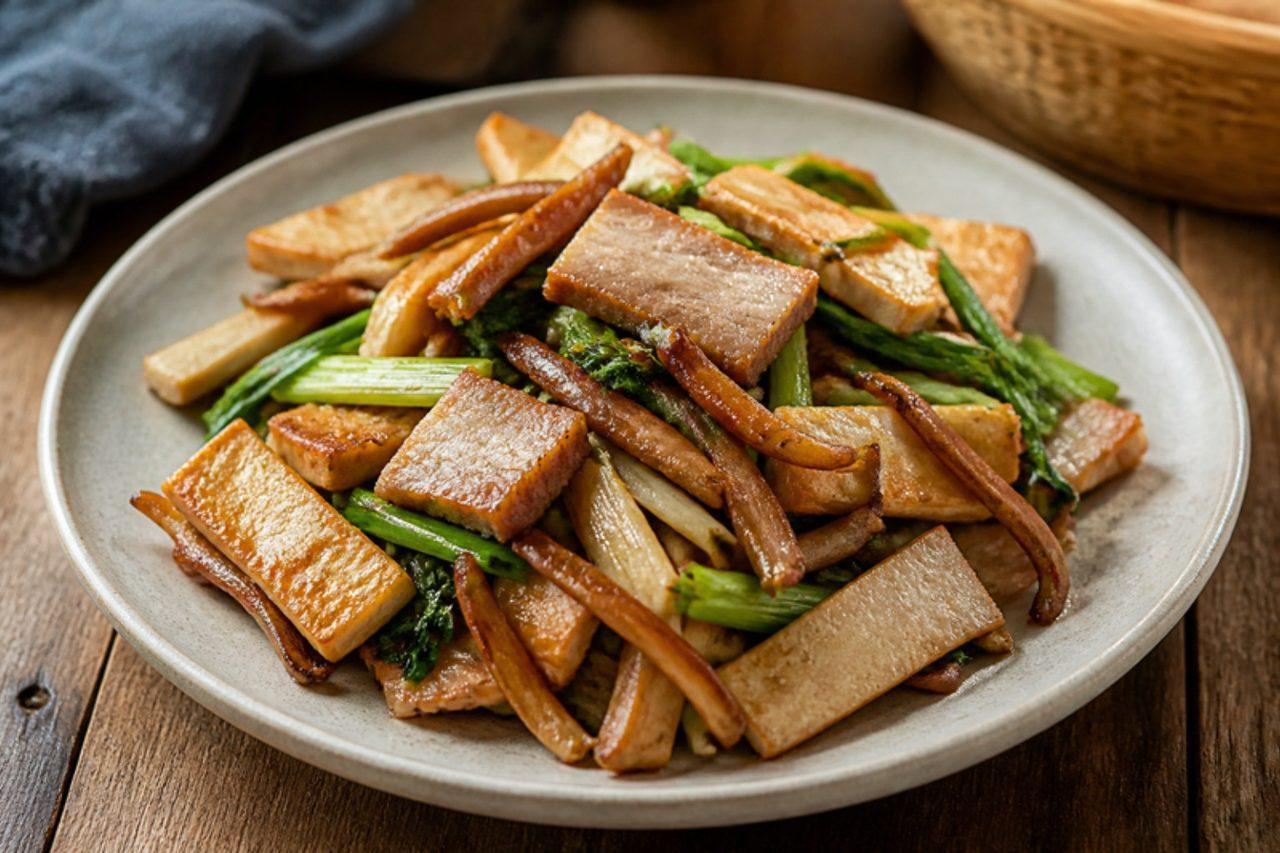
Hakka stir-fry

Every Hakka restaurant in Miaoli and Hsinchu puts this on the table at banquets and family dinners, a savoury, chewy, salty plate built to be eaten with plenty of plain rice. Strips of pork belly are fried until they give up their fat, then dried squid, pressed tofu, Chinese celery, spring onion and chilli are tossed through with soy until everything is glossy and smoky. The dried squid needs an overnight soak, so plan ahead, or use fresh squid for a softer bite. Many cooks rush the first stage and leave the pork belly pale and fatty: fry it until it is golden and the fat is clear. Chef's tip: cut everything to the same matchstick length, so each mouthful picks up a bit of pork, squid, tofu and celery together.

by KrazyBadal 0 views

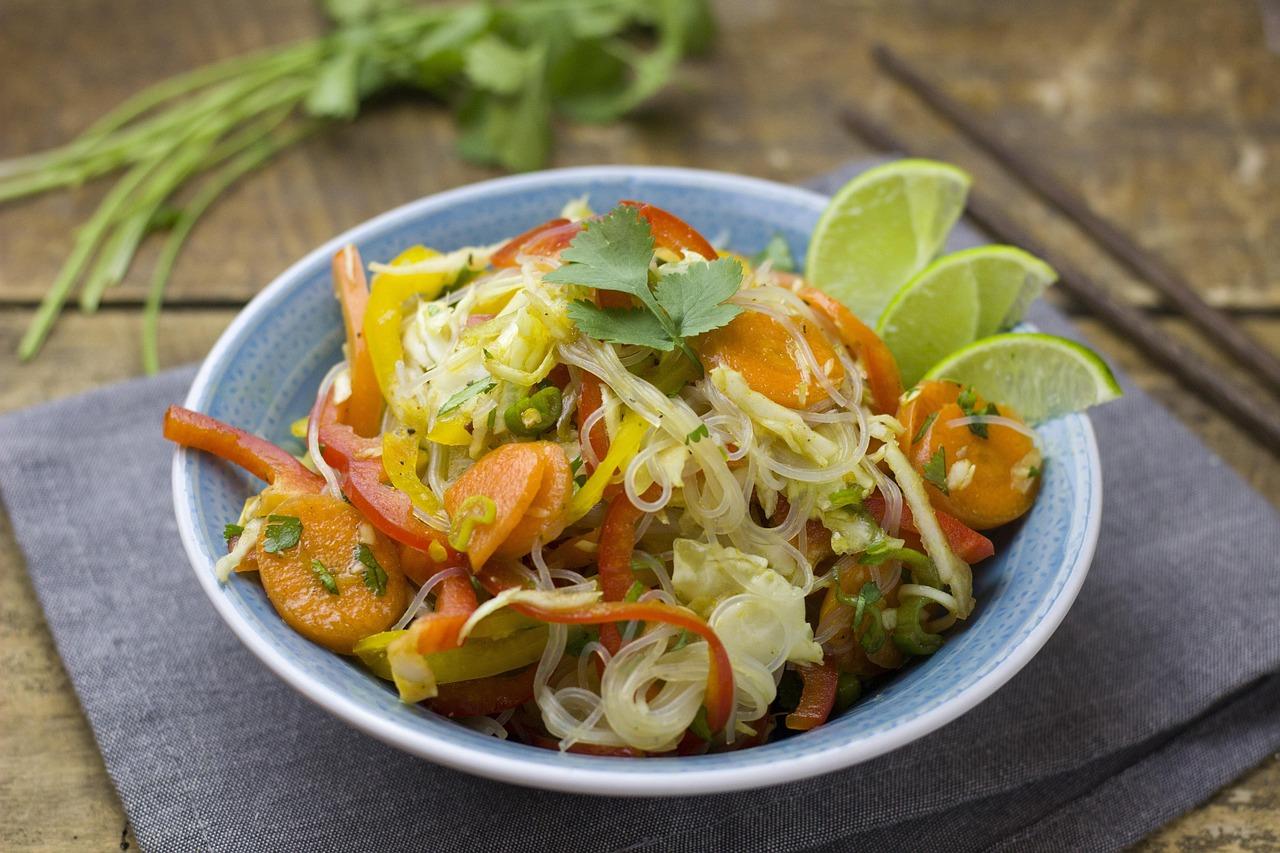
Yam woon sen (vegetarian glass noodle salad)

Yam woon sen is the glass-noodle salad sold from the trays of 'yam' vendors in Bangkok's evening markets and served alongside beer at Central Thai gatherings. The street version is tossed with minced pork and prawns; this vegetarian one swaps them for crumbled firm tofu and crunchy wood ear mushrooms, which give the same mix of soft and bite. The noodles are dressed while still warm so they drink up the sour, salty, sweet and hot dressing, then finished with celery leaves, coriander and peanuts. Eat it at room temperature as a light lunch or as one dish in a shared spread. Chef's tip: celery leaves are not a garnish here; Thai cooks use Chinese celery as a main herb, so be generous.

25 minThaiSaladsVeganGluten free
by KrazyBadal 0 views

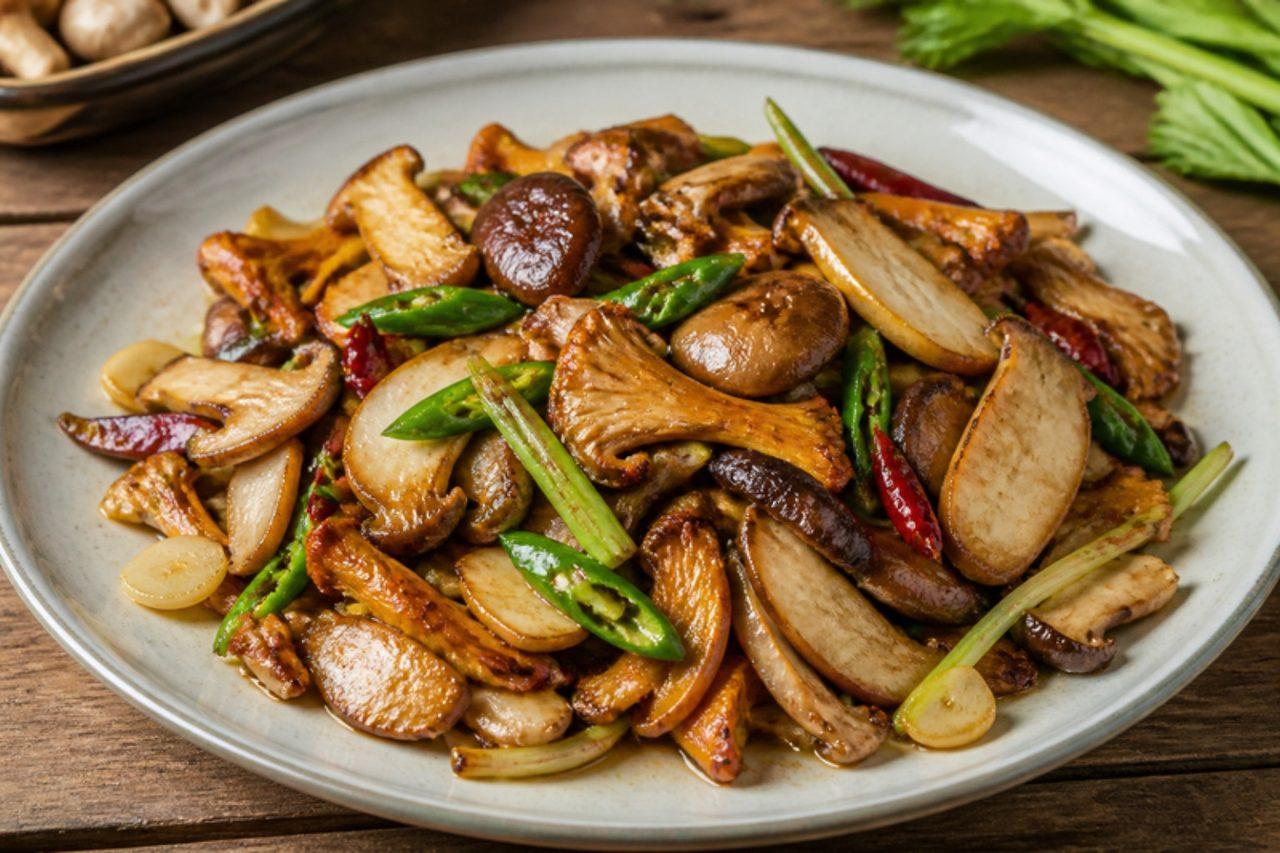
Yunnan wild mushroom stir-fry

From June to September, the markets of Kunming fill up with wild mushrooms from the mountains: porcini, chanterelles, termite mushrooms and dozens more, and restaurants fry them with a lot of garlic and chilli. Wild mushrooms there are always cooked thoroughly, and some kinds are dangerous, so at home use only shop-bought mushrooms. A mix of oyster, king oyster, shiitake and any chanterelles or porcini you can find works well. Chef's tip: cook the mushrooms in a hot, uncrowded pan so they sear; crowded mushrooms sweat and go rubbery.

by KrazyBadal 0 views

Fuzhou fish ball soup

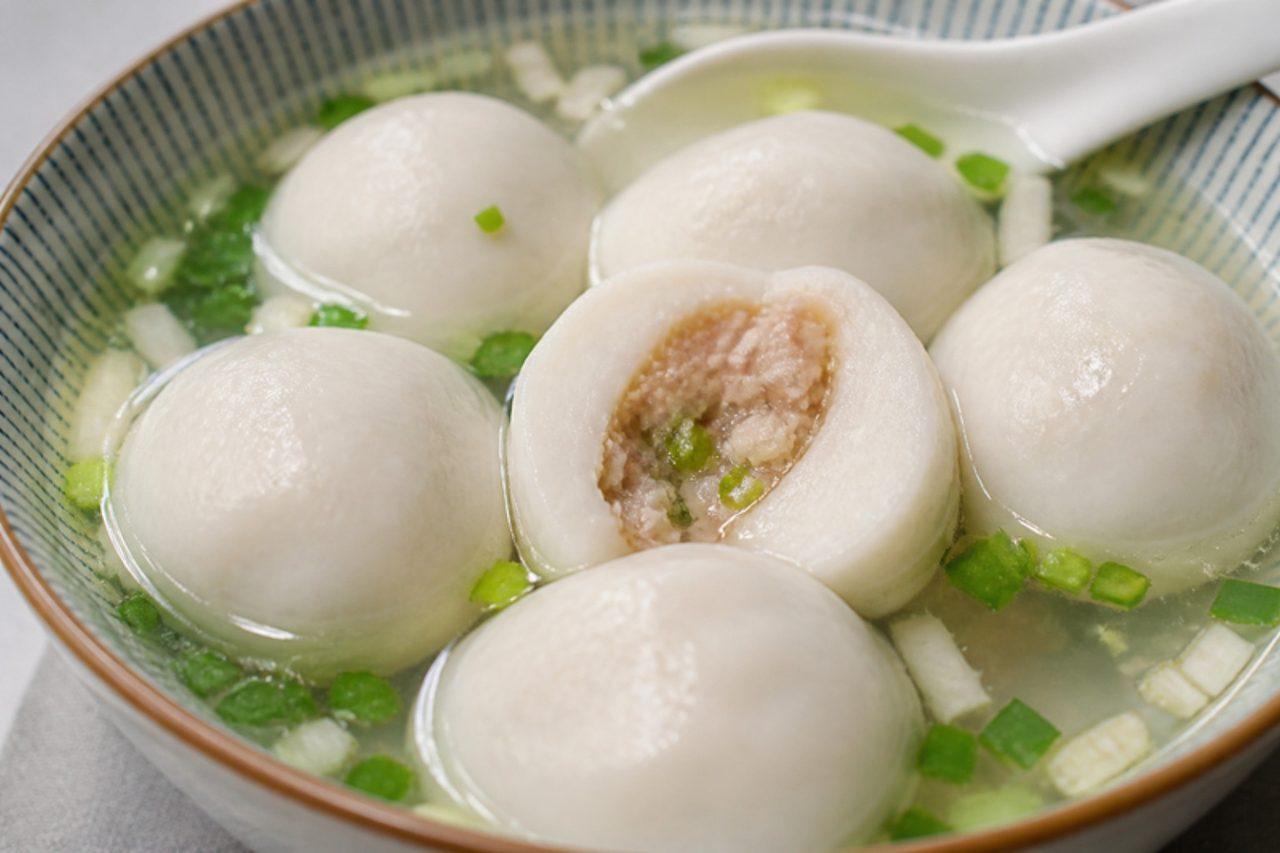
Bite carefully: inside every Fuzhou fish ball hides a spoonful of juicy seasoned pork that bursts out with a little hot broth. Sold by street vendors and served in tiny bowls at Fuzhou snack shops, and eaten at New Year because the round balls mean a family together, they are firm and springy outside, never spongy. The paste is beaten by hand with ice-cold water and a little starch until it turns smooth and elastic. Serve the soup as a light lunch or as one bowl in a spread of small dishes, with a dash of vinegar and lots of white pepper. Chef's tip: keep the fish paste really cold from start to finish; warm paste never turns bouncy.

by KrazyBadal 0 views

Hu tieu

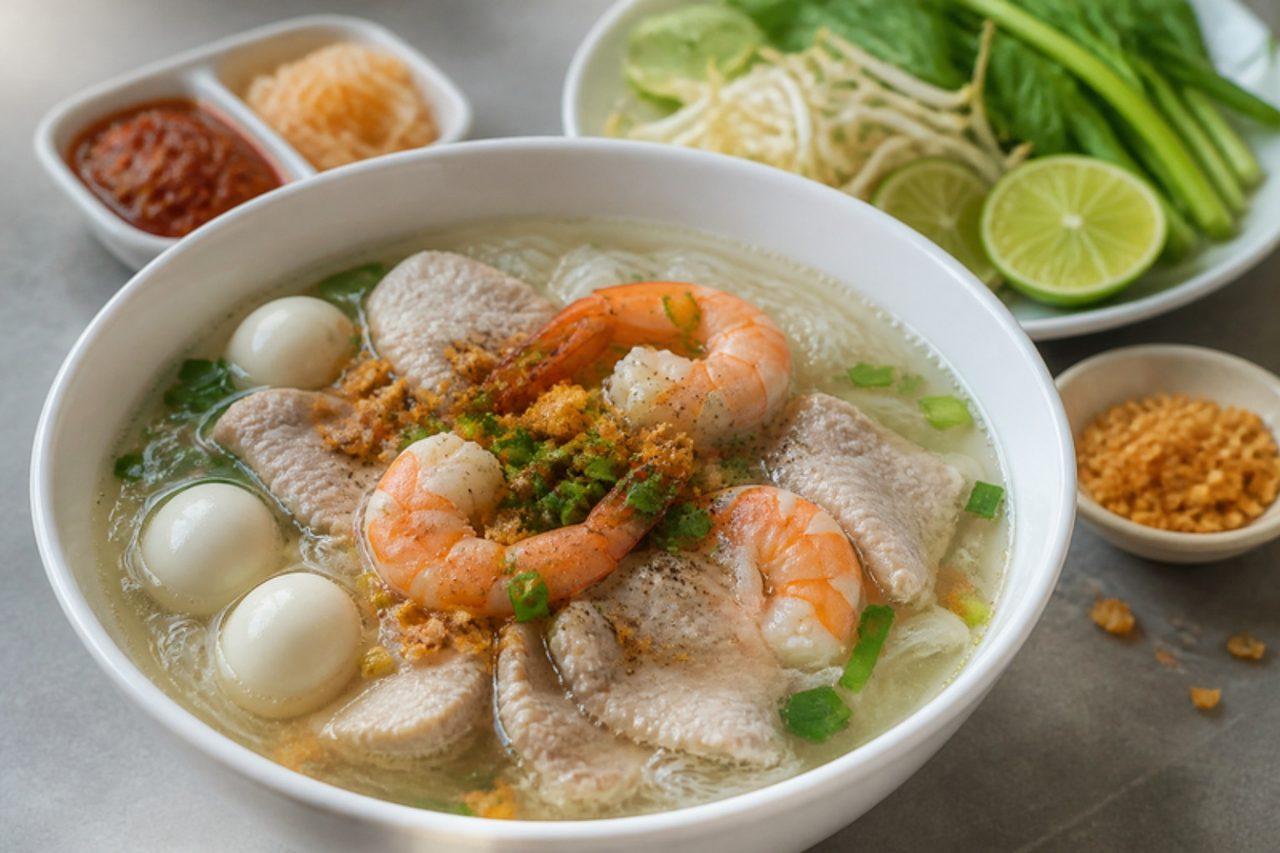
Hủ tiếu came to southern Vietnam with Teochew Chinese and Cambodian influences, and in Saigon it's as everyday as pho, sold from street carts at dawn and again late into the night. The broth is light and clear, sweet from pork bones, daikon and dried shrimp, and the bowl is loaded with sliced pork, minced pork, prawns and often quail eggs. Clear, chewy noodles and a spoon of crispy garlic oil set it apart. Many people order it khô, dry, with the noodles tossed in sauce and the soup on the side. Chef's tip: toast the dried squid over a flame before it goes in the pot; it gives the broth a sweet, savoury depth that's hard to place.

by KrazyBadal 0 views

Goes well with chinese celery