Skip to content

Recipes with bucatini

3 recipes that use bucatini, with photos, step-by-step instructions and cook times. The quickest, Bucatini all'amatriciana, takes 30 minutes. It is most often cooked with onion, allspice and anchovy fillets in oil.

Got a few things in the fridge? Search by everything you have

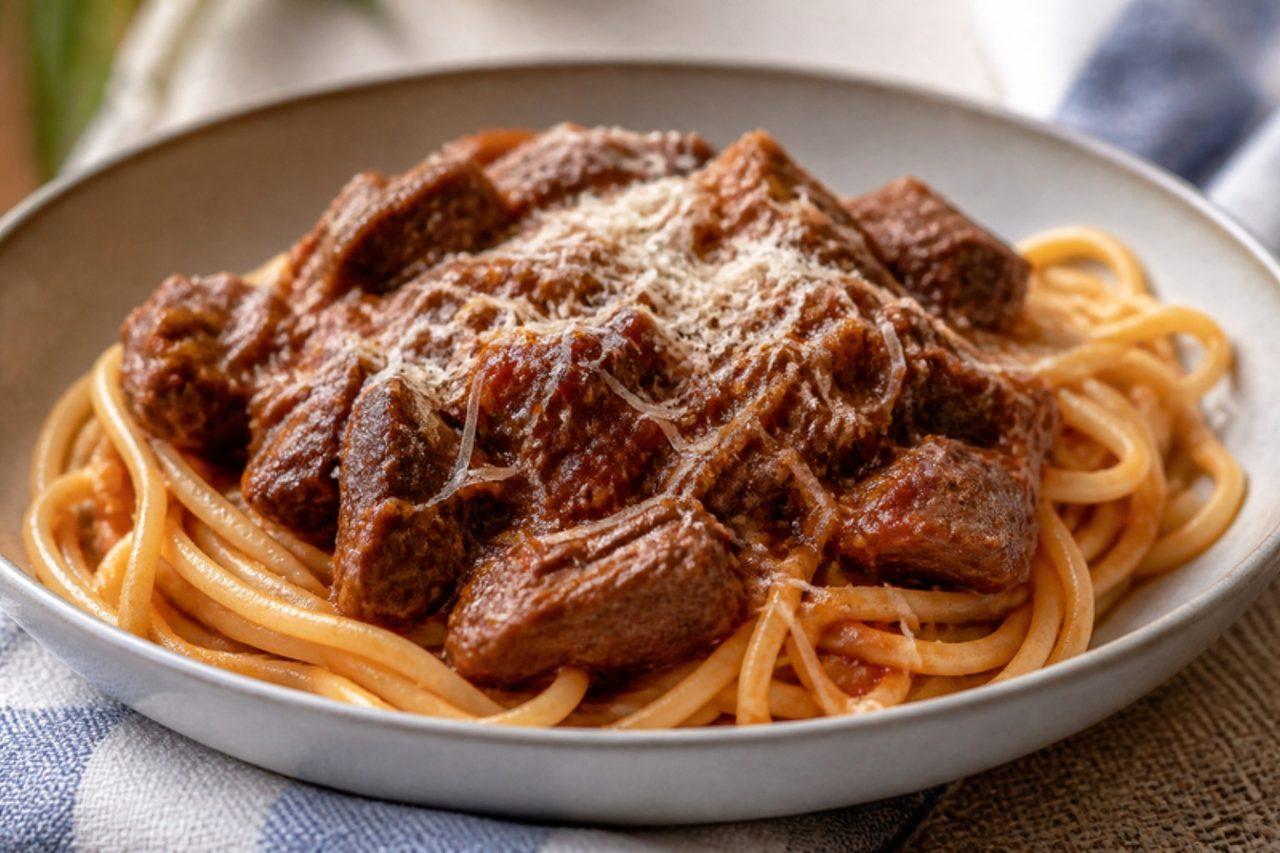
Pastitsada

Pastitsada is Corfu's great Sunday and feast-day dish, a legacy of four centuries of Venetian rule: big pieces of beef (or rooster) slowly braised in tomato with a heady spice mix of cinnamon, clove, allspice, nutmeg and sweet paprika, sharpened with vinegar, then served over bucatini with grated cheese. The sauce should be thick enough to coat the pasta and taste warm rather than hot. Many Corfiots add red wine; this version uses red wine vinegar and stock, so it's alcohol-free (swap 150 ml of the stock for red wine if you like). Common mistake: rushing the braise — beef shin needs a long, gentle simmer to turn soft. Chef's tip: make it a day ahead; the spices settle and the sauce tastes rounder.

175 minGreekMeat
by KrazyBadal 0 views

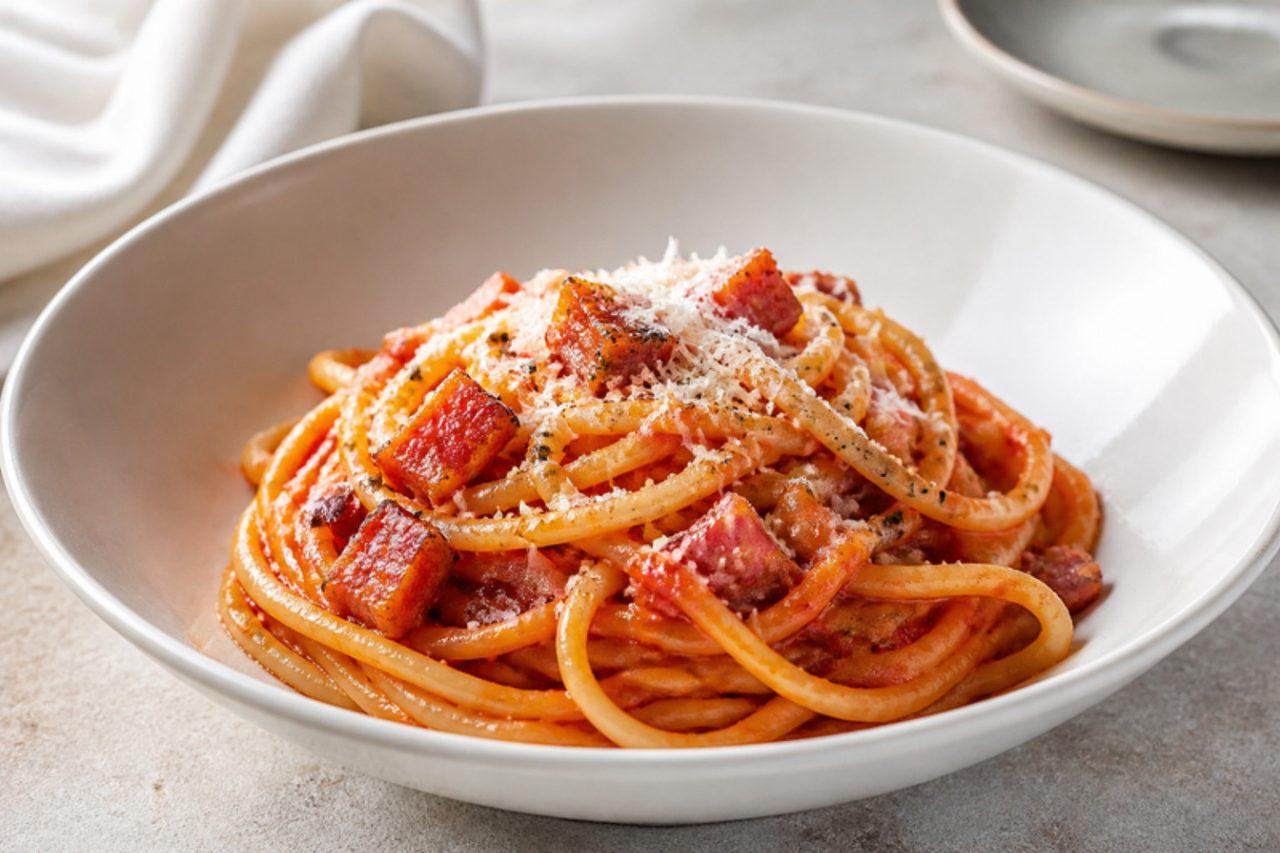
Bucatini all'amatriciana

Shepherds from Amatrice, a mountain town in northern Lazio, carried guanciale and pecorino up to summer pastures, and once tomatoes arrived from the south the sauce took the shape it has kept ever since. The town still holds a sagra every August, and the dish became a Roman staple through the cooks who moved to the capital. Thick, hollow bucatini catch the sweet-sharp tomato inside and out, while the guanciale gives rich, porky pockets and the chilli a gentle warmth. Locals are firm that onion and garlic do not belong in it; they soften the clean taste of the pork. Chef's tip: lift the browned guanciale out of the pan before the tomatoes go in and return it just before serving, so it keeps its bite instead of turning soft in the sauce.

by KrazyBadal 0 views

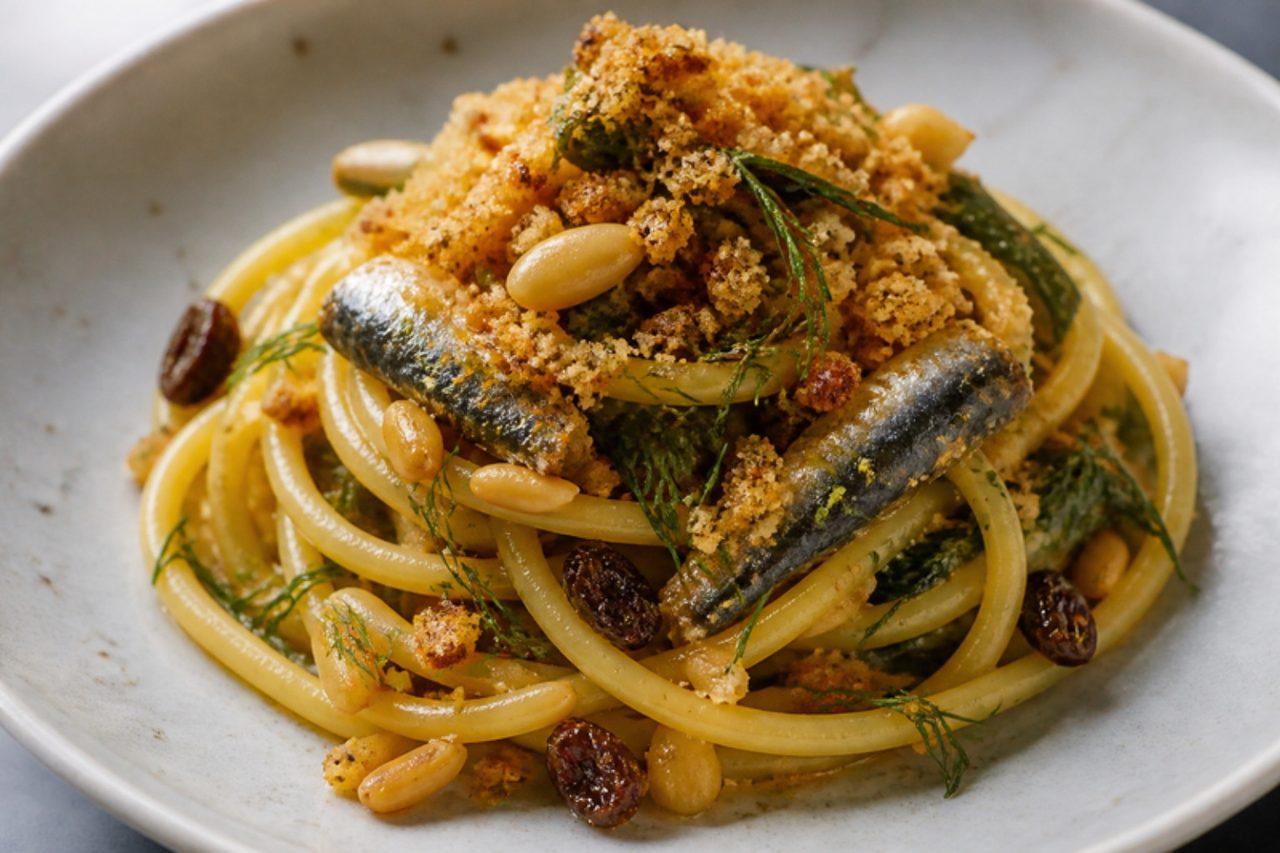
Pasta con le sarde

Sweet, salty and grassy all at once, Palermo's favourite pasta carries the island's history in one pan: Arab raisins, pine nuts and saffron meet fresh sardines and the wild fennel that grows on every Sicilian hillside in spring. It is cooked at home and in the city's old trattorie from March to the start of summer, and on 19 March for the feast of San Giuseppe. Instead of cheese, it is finished with olive oil toasted breadcrumbs, the crunchy 'muddica' that Sicilians call poor man's parmesan. Wild fennel is hard to find outside Italy; the fronds from two fennel bulbs plus a few fennel seeds come close. Serve it warm, or at room temperature as Palermitans often do. Chef's tip: blanch the fennel greens in the pasta pot first and cook the bucatini in that same green, aniseed-scented water, so the flavour runs right through the pasta.

by KrazyBadal 0 views

Goes well with bucatini