Skip to content

Recipes with bengali garam masala

7 recipes that use bengali garam masala, with photos, step-by-step instructions and cook times. The quickest, Bandhakopir torkari, takes 35 minutes. It is most often cooked with sugar, turmeric and bay leaves.

Run out of bengali garam masala? Curry powder, same amount.

Got a few things in the fridge? Search by everything you have

Niramish mangshoGoat curry without onion or garlic

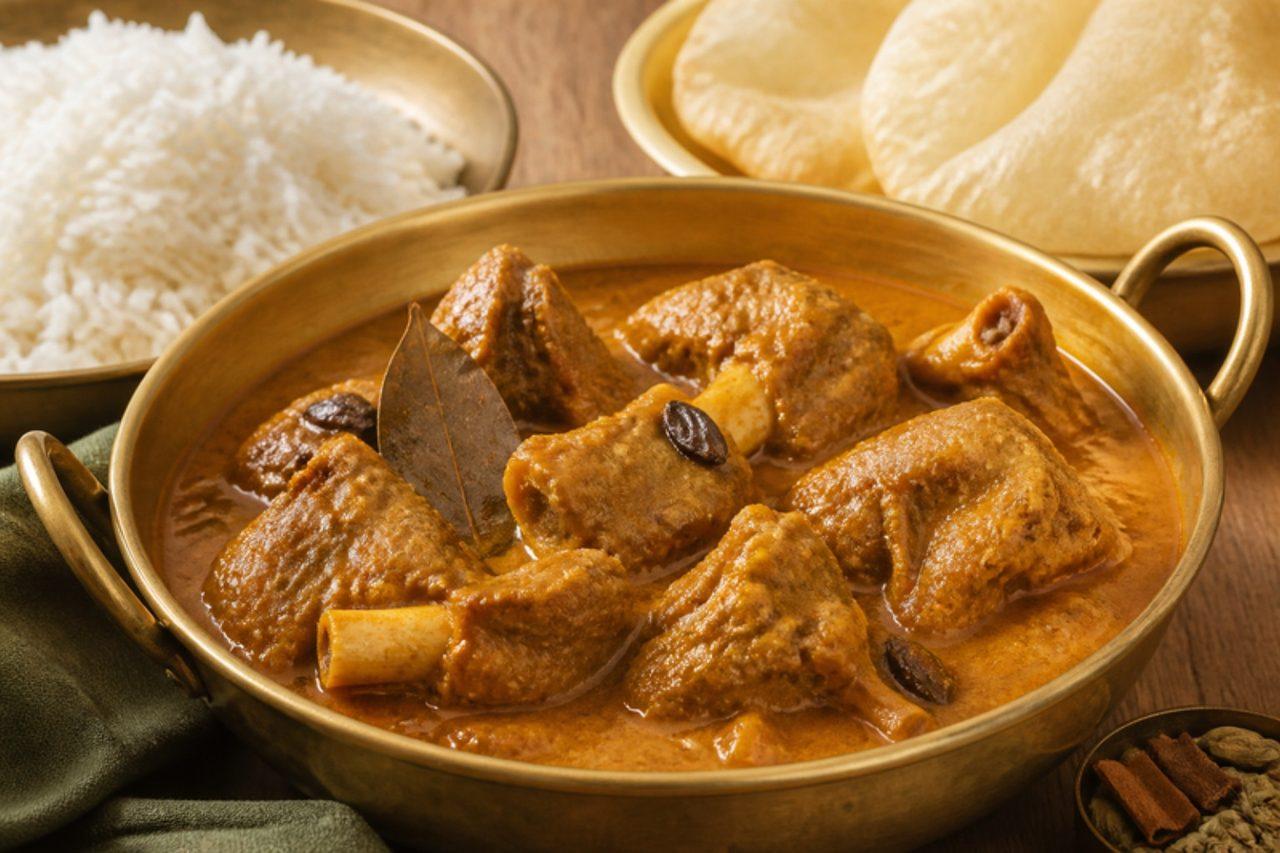
Niramish mangsho is a Bengali paradox: 'vegetarian meat'. It is goat curry made without onion or garlic, the way it has long been cooked as an offering in some Bengali households on Kali Puja and on Durga Navami, when the meat is treated as bhog. Here the mutton (goat) is bought ready-cut from the butcher and marinated in yoghurt and ginger, then slow-cooked with whole spices, cumin and a little sugar into a dark, aromatic, surprisingly clean-tasting curry. Serve it with luchi or plain rice. Common mistake: rushing the bhuna (slow frying); keep cooking the marinated meat until the yoghurt disappears and the oil separates and turns red, or the curry tastes sour and raw. The meat is done when it pulls easily from the bone and reaches 71 °C in the thickest part. Chef's tip: a spoon of ghee and a pinch of the hand-ground Bengali garam masala at the very end gives the curry its festive perfume.

110 minIndianMeatGluten free
by KrazyBadal 0 views

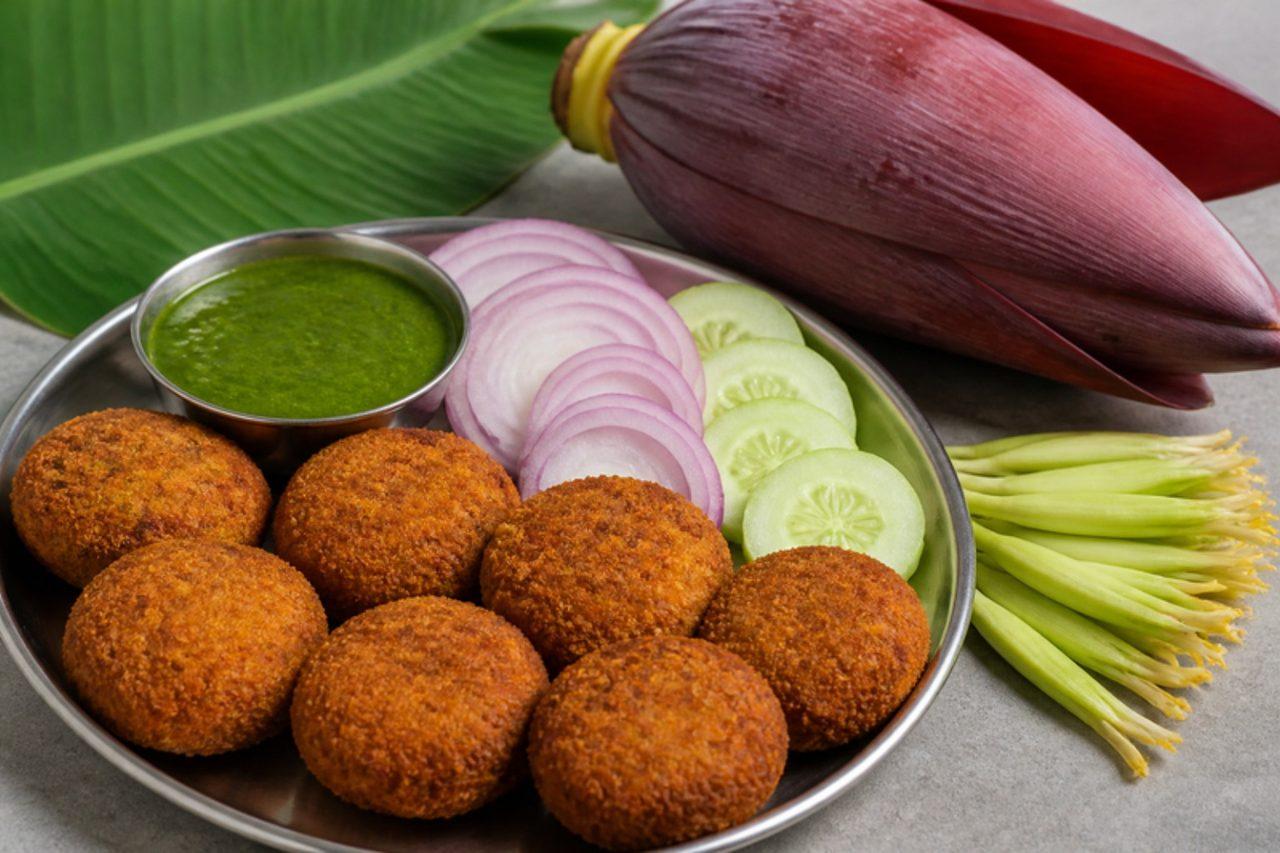
Mochar chopBanana flower croquettes

Mochar chop is the more patient cousin of the vegetable chop: croquettes of finely chopped banana flower cooked with potato, coconut and Bengali spices, crumbed and fried. Bengali families make them at home for Durga Puja evenings and Bijoya visits, when a plate of chops goes round with tea, and the best telebhaja shops in north Kolkata sell them through the festival. The filling is earthy, slightly sweet and nutty, under a very crisp crust. Common mistake: not removing the hard stamen and the papery hood from each floret, which stay tough and bitter however long you cook them. Chef's tip: oil your hands and drop the chopped flower straight into water with turmeric and a little salt; it stops the florets turning black and keeps your hands from staining.

by KrazyBadal 0 views

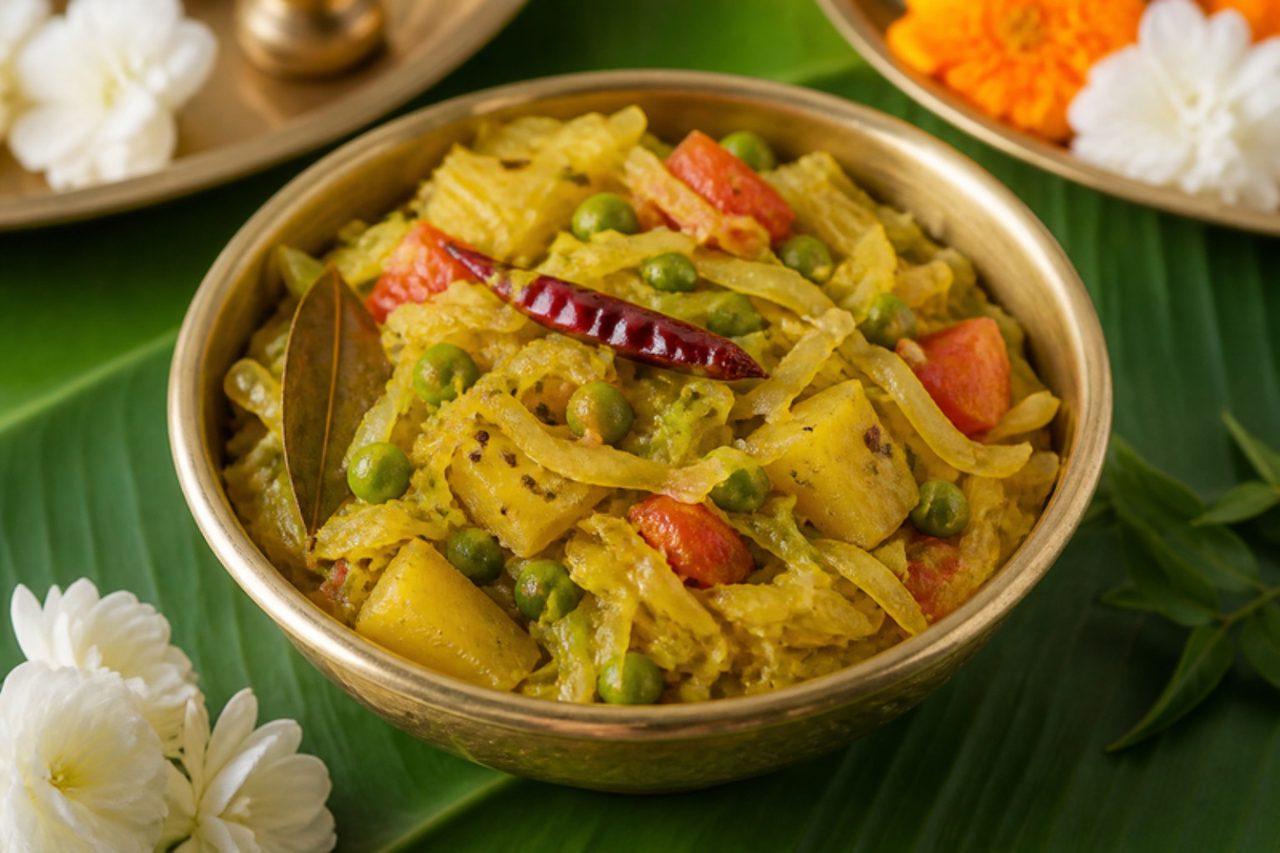
Bandhakopir torkariCabbage with peas and potato

In Bengali homes and pandal kitchens during Durga Puja, the bhog plate needs a dry vegetable beside the khichuri, and bandhakopir torkari is one of the favourites. Cabbage is shredded fine and cooked slowly with potato, peas, ginger and whole cumin, with no onion or garlic because it is offered to the goddess before it is eaten. A pinch of sugar and a final dusting of garam masala make it gently sweet and fragrant. Serve it with khichuri, luchi or plain rice and dal. Common mistake: covering the pan for the whole time, which steams the cabbage grey and watery; cook it mostly uncovered so the liquid evaporates and the edges just start to brown. Chef's tip: salt the shredded cabbage for 10 minutes and squeeze it lightly before cooking; it cooks faster and soaks up the spices better.

by KrazyBadal 0 views

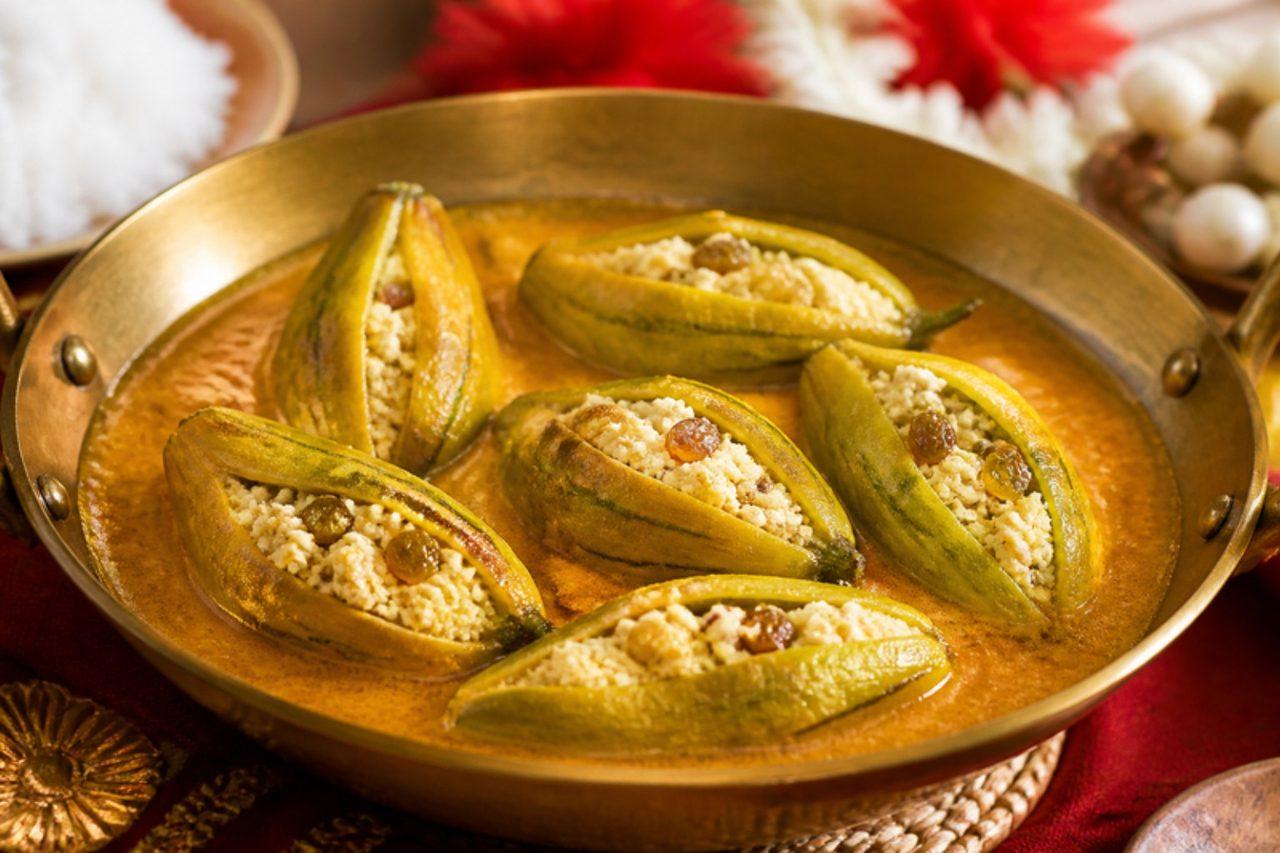
Potoler dormaPaneer-stuffed pointed gourd

Potoler dorma is a showpiece of the Bengali vegetarian table, cooked for Durga Puja Navami lunches, weddings and the jamai shoshti feast. Pointed gourds (potol) are scraped, hollowed, fried, stuffed with paneer, raisins and spices, then simmered in a cashew, yoghurt and tomato gravy that is rich, gently sweet and fragrant with garam masala and ghee. This version keeps to the puja's no-onion, no-garlic style. Common mistake: cutting the gourds open lengthwise; for a dorma you slit only one end and scoop through it with a small spoon, so the filling stays inside while it simmers. The gourd is done when a toothpick slides in easily but the skin is still green and holds its shape. Chef's tip: chop the scooped-out seeds and flesh and cook them into the filling, which adds flavour and wastes nothing.

by KrazyBadal 0 views

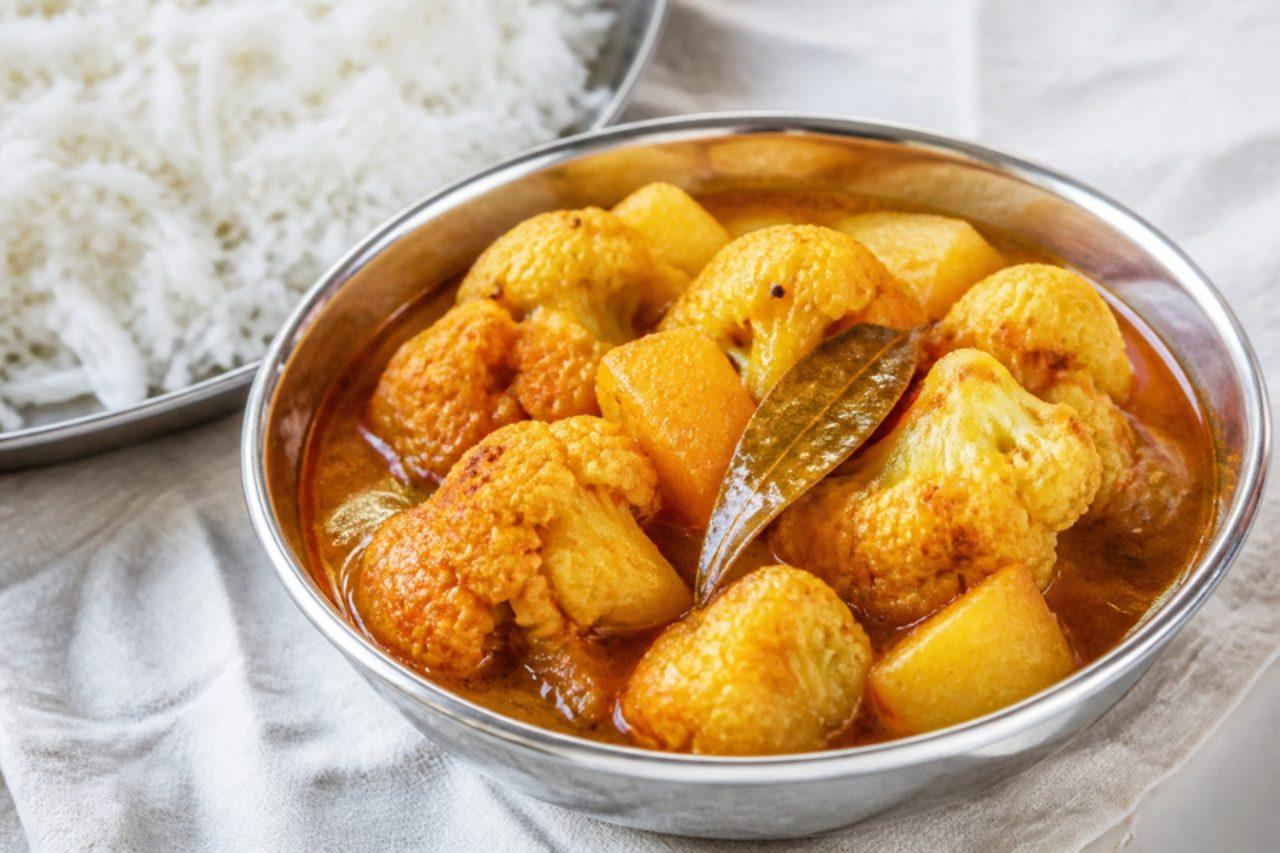
Fulkopir dalnaCauliflower and potato in light gravy

Fulkopir dalna is the gravy dish of a niramish (no onion, no garlic) Bengali menu, and it appears on the Durga Puja bhog table and at home on Navami and Dashami, when many families keep the day's food vegetarian. Large cauliflower florets and potatoes are fried golden and then simmered in a thin, glossy gravy of ginger, cumin, tomato and a little yoghurt, finished with ghee and Bengali garam masala. It should taste mellow, warm and slightly sweet rather than hot. Serve it with luchi or khichuri. Common mistake: boiling the cauliflower in the gravy from raw; fry the florets first until browned in patches, or they turn mushy and taste watery. Chef's tip: whisk the yoghurt with the ground spices before it goes in, and keep the heat low, so the gravy stays smooth instead of splitting.

by KrazyBadal 0 views

Bhoger khichuriMoong dal and rice with vegetables

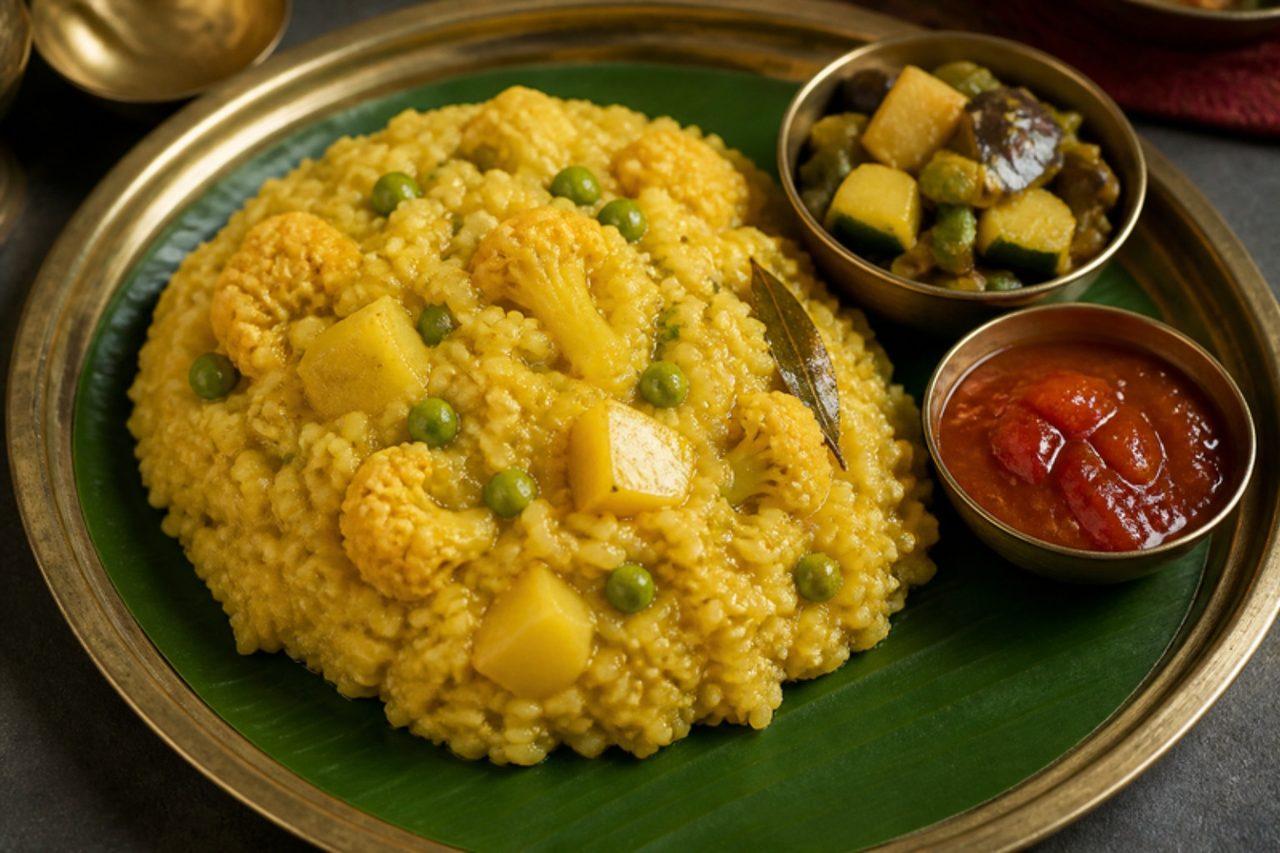
On Maha Ashtami, the eighth day of Durga Puja, every para pandal in West Bengal cooks huge pots of bhoger khichuri, offers it to the goddess at noon and then hands it out on sal-leaf plates to anyone in the queue. It is bhog food, so there is no onion or garlic: the flavour comes from dry-roasted moong dal, short, fragrant gobindobhog rice, ginger, whole spices and a generous finish of ghee. The texture should be thick and spoonable, somewhere between a risotto and a porridge, with soft cauliflower, potato and peas through it. Serve it hot with labra, beguni and tomato khejur chutney. Common mistake: skipping the roasting of the dal, which leaves the khichuri flat and pale; roast it until it smells nutty and turns a light biscuit colour. Chef's tip: gobindobhog rice absorbs a lot of water as it stands, so keep a kettle of hot water by the stove and loosen the khichuri just before serving.

by KrazyBadal 0 views

Cholar dalChana dal with coconut

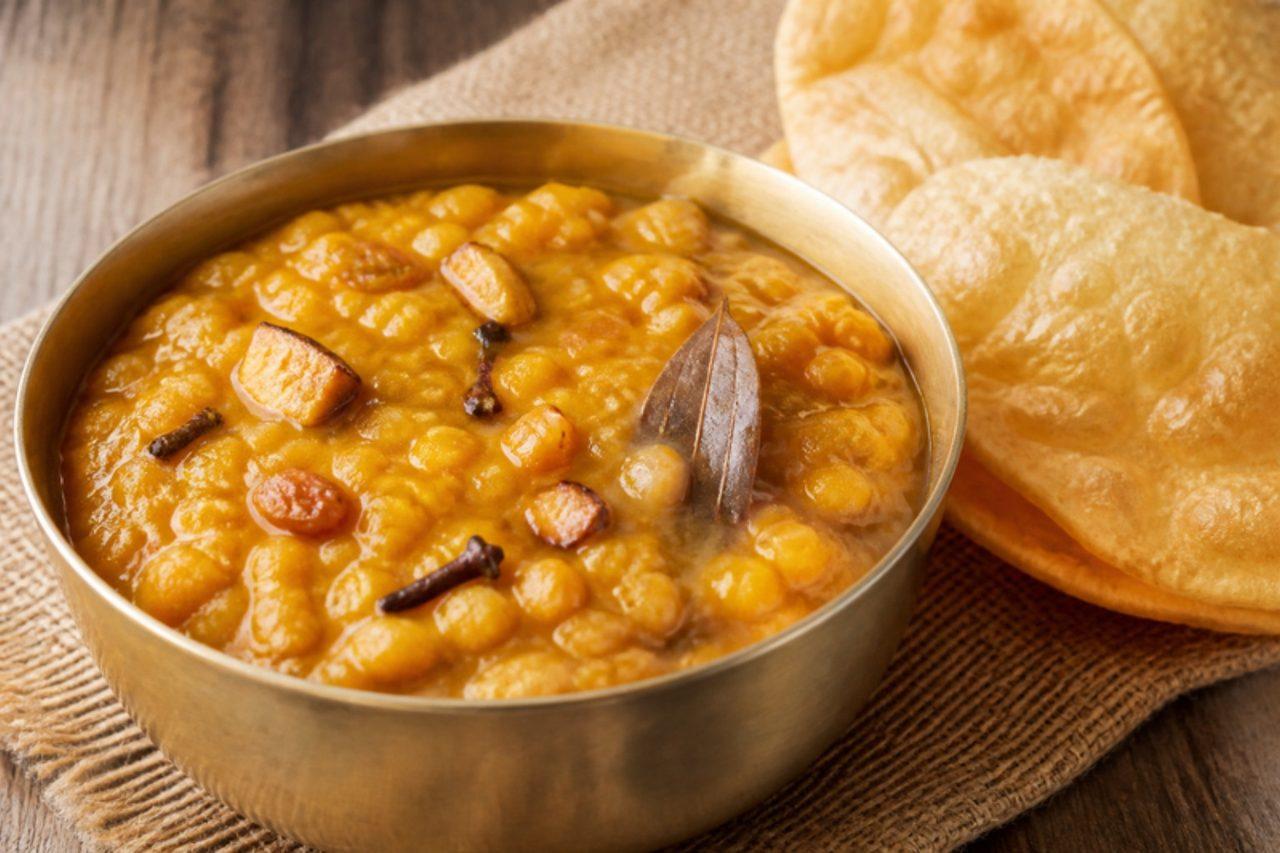
Cholar dal is the festive dal of Bengal, cooked for Durga Puja and weddings and always paired with luchi. Split bengal gram is simmered until soft but whole, then finished with a fragrant tempering of ghee, bay leaf, cinnamon, cardamom and cloves, little fried coconut pieces and plump raisins. It is thick, mildly sweet and warmly spiced rather than hot. Serve with luchi, puri or steamed rice. Chef's tip: fry the coconut slivers until golden before anything else goes in the pan; they stay crisp-chewy and add a toasty sweetness to every spoonful.

by KrazyBadal 0 views

Goes well with bengali garam masala