Skip to content

Recipes with beef mince

29 recipes that use beef mince, with photos, step-by-step instructions and cook times. The quickest, Smash burger, takes 25 minutes. It is most often cooked with onion, garlic and egg.

Got a few things in the fridge? Search by everything you have

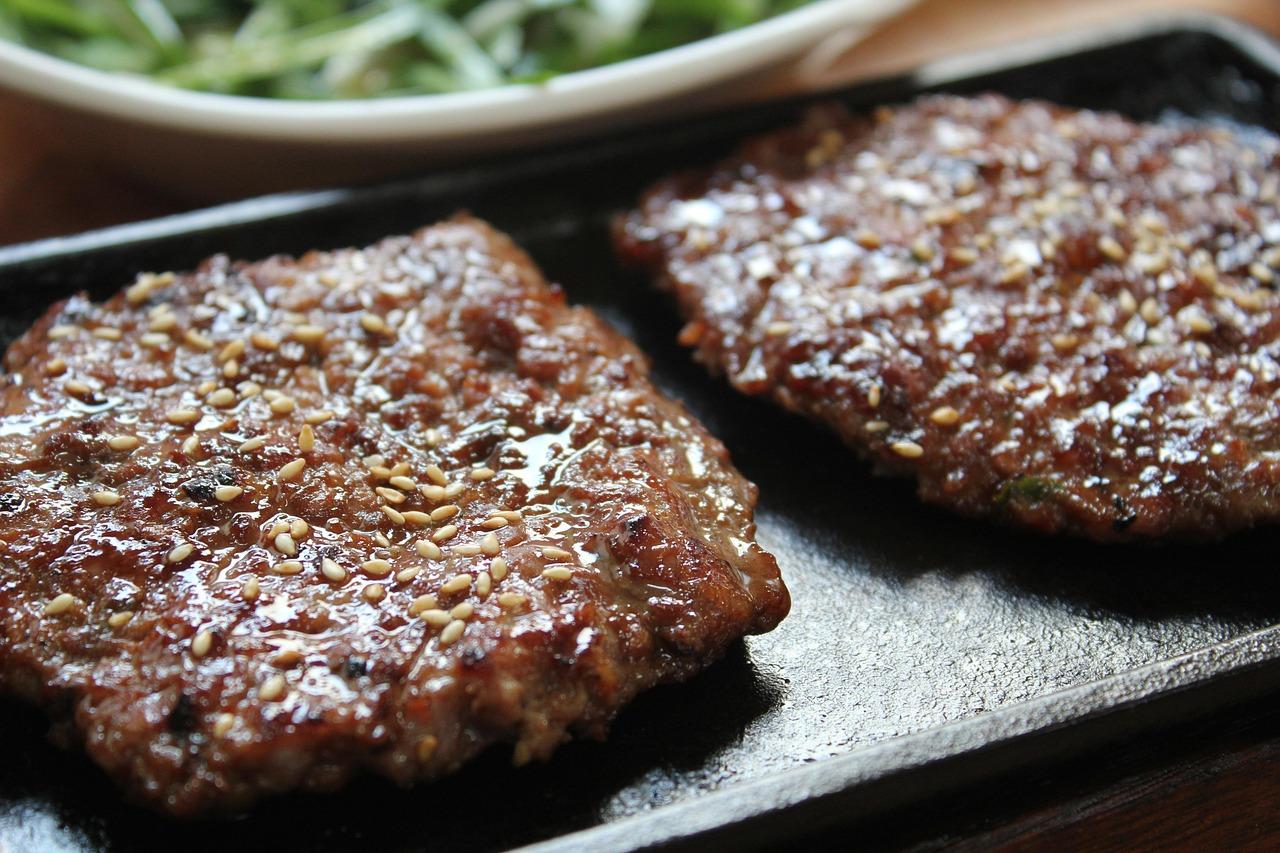
Tteokgalbi

Tteokgalbi is rib meat chopped finely, pressed back into neat slabs and grilled, so it's soft enough to eat without struggling with a bone. Two places in South Jeolla claim it: Damyang, the bamboo county, where all-beef patties come with rice steamed in bamboo tubes, and Gwangju's Songjeong district, whose restaurant street near the railway station mixes beef with pork. This home version uses minced beef and pork, seasoned with soy, garlic and pear, then brushed with a soy and honey glaze as it cooks. Serve with rice, lettuce and a few banchan; leftovers are good cold in a lunchbox. Chef's tip: slap the mince against the bowl for a few minutes; it turns sticky and the patties hold together on the grill without any breadcrumbs.

60 minMeat
by KrazyBadal 0 views

Albóndigas en salsa

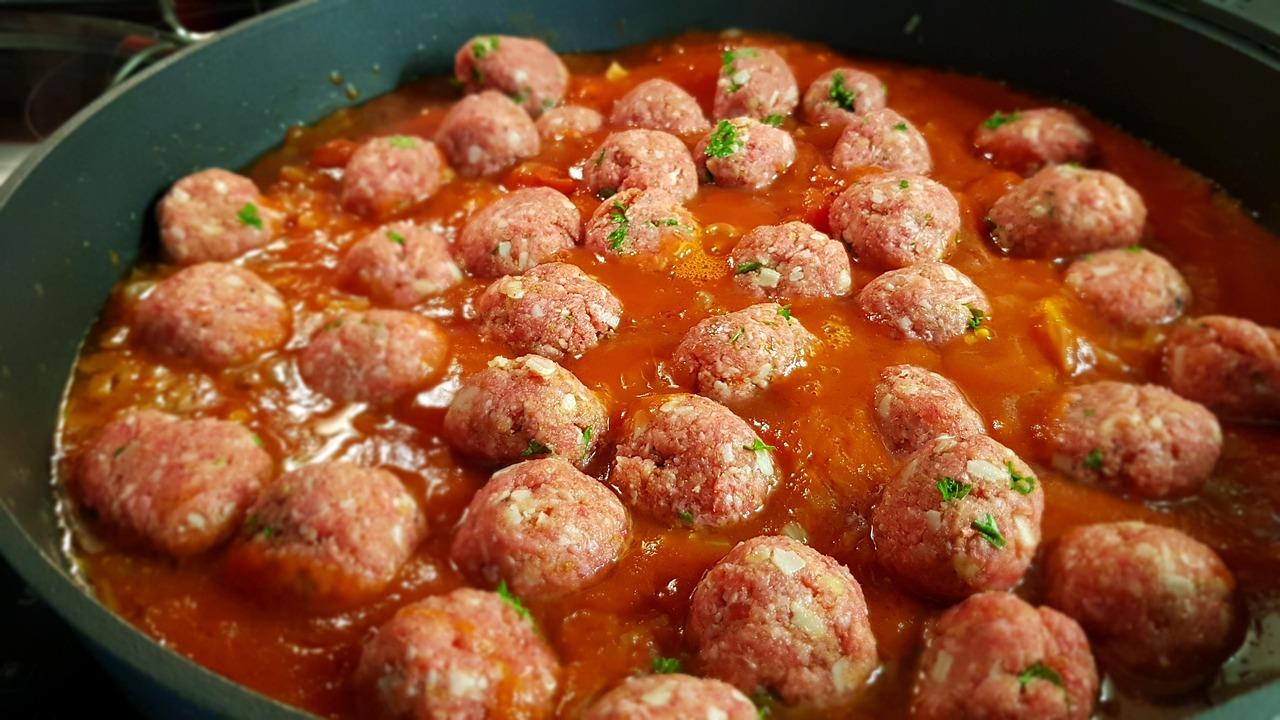
Albóndigas turn up all over Spain: in a cazuelita on a tapas bar counter, as the second course of a weekday menú del día, and in home kitchens on a Sunday when there is time to roll them. These are made with pork and beef, softened with milk-soaked bread, browned and then simmered in a tomato sauce thickened the old Spanish way with ground fried almonds, which gives it body and a gentle nutty sweetness. Serve them with chips, rice or plenty of bread. They taste even better the next day. Chef's tip: wet your hands with cold water before rolling each meatball; the mixture won't stick and the balls come out smooth and round.

60 minMeat
by KrazyBadal 0 views

Tagliatelle al ragù

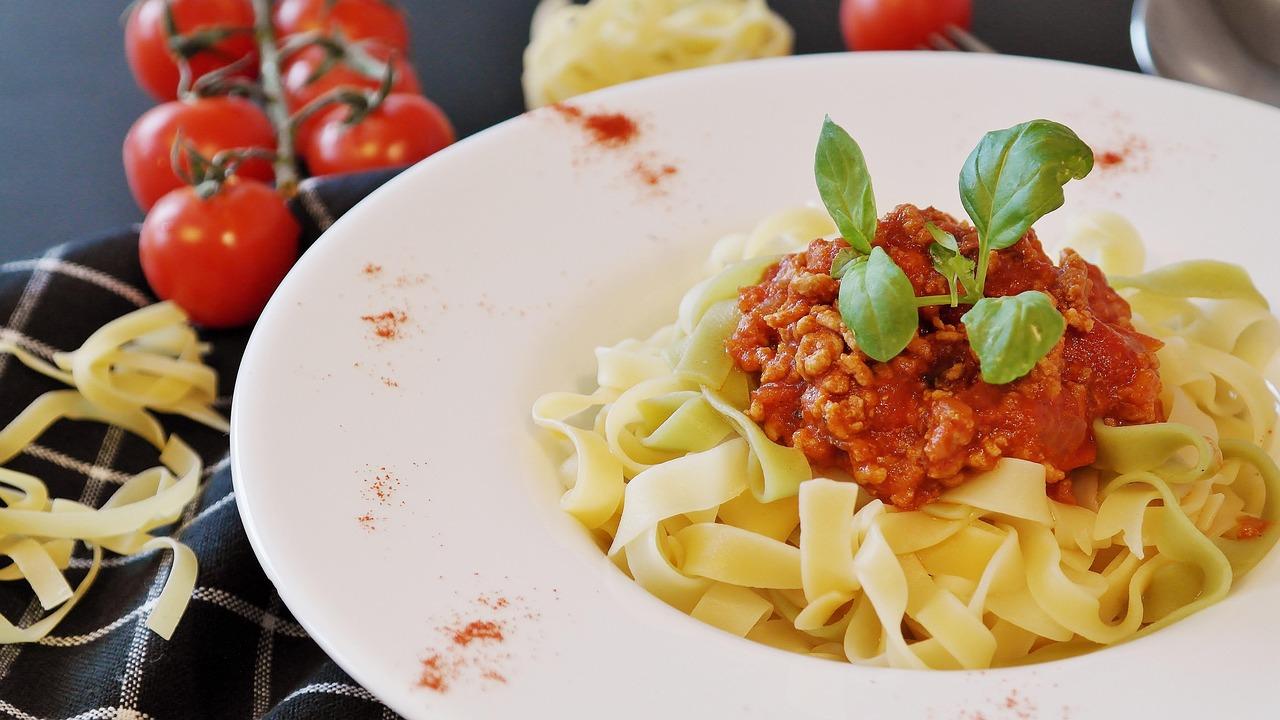
Ask for spaghetti bolognese in Bologna and you will get a polite smile: at home the ragù goes on wide ribbons of fresh egg tagliatelle, or into lasagne, never on thin spaghetti. It is a Sunday-lunch sauce, made with beef and pork mince, a little pancetta, a soffritto of onion, carrot and celery, white wine, milk and only a spoonful or two of tomato, then left to murmur for three hours until it turns deep, savoury and almost creamy. Freshly made tagliatelle are traditional, but good bought fresh or dried egg tagliatelle are absolutely fine. Grated parmigiano goes on at the table, and the ragù keeps for three days in the fridge or three months in the freezer. Chef's tip: make the ragù a day ahead; it thickens and tastes rounder after a night in the fridge, and reheating it gently with a splash of water brings it back to life.

by KrazyBadal 0 views

Kafta

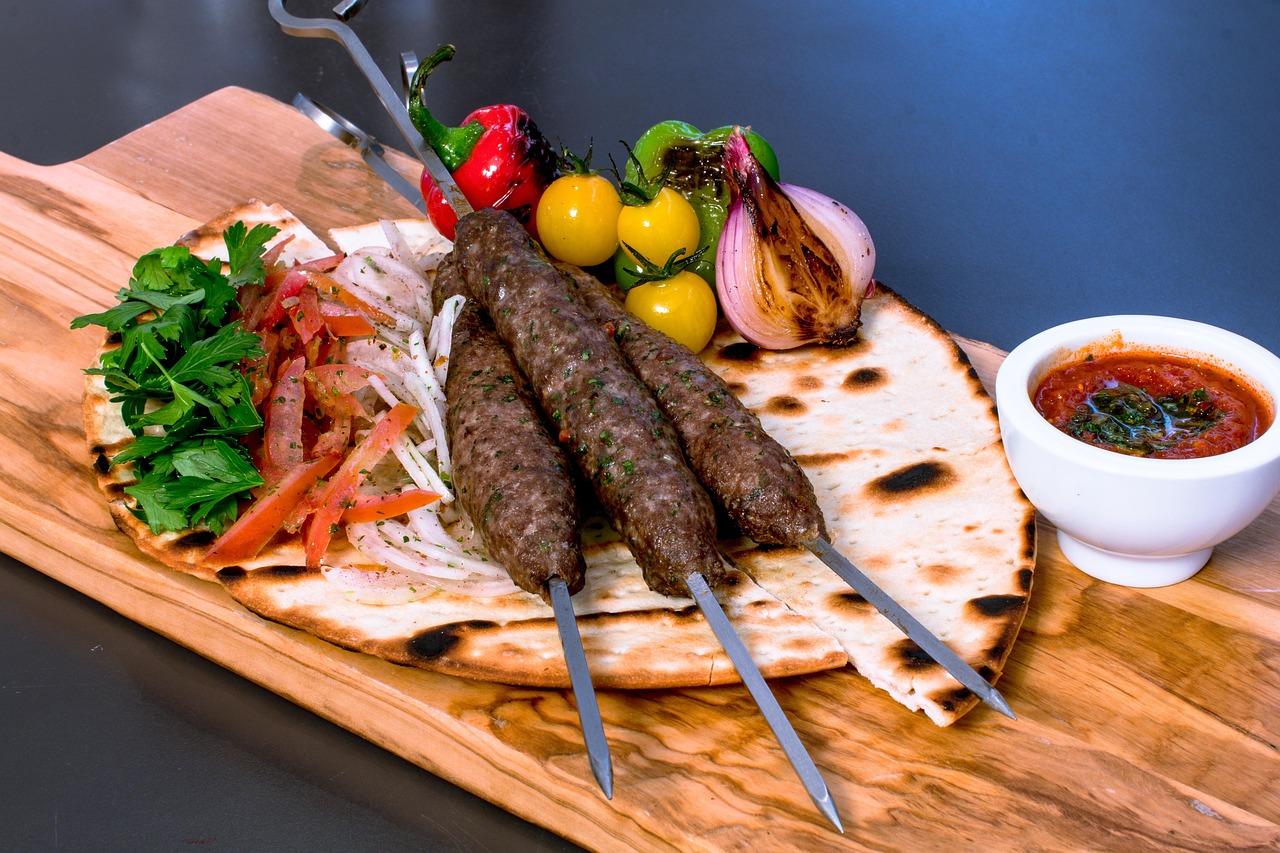
Kafta is the everyday grilled mince of Lebanon, Syria, Jordan and Palestine: a Sunday barbecue staple in the Lebanese mountains and a quick dinner in city flats, cooked on skewers, shaped into fingers for the pan, or baked in a tray with potatoes and tomato. Lamb and beef are mixed with plenty of onion and parsley and warmed with baharat (seven spice). Wrap them in bread with tomato, onion and a smear of hummus or tahini sauce. Chef's tip: grate the onion and squeeze it hard in a clean cloth; dry onion keeps the kafta firm on the skewer and stops it steaming.

27 minMeatGluten free
by KrazyBadal 0 views

Pastitsio

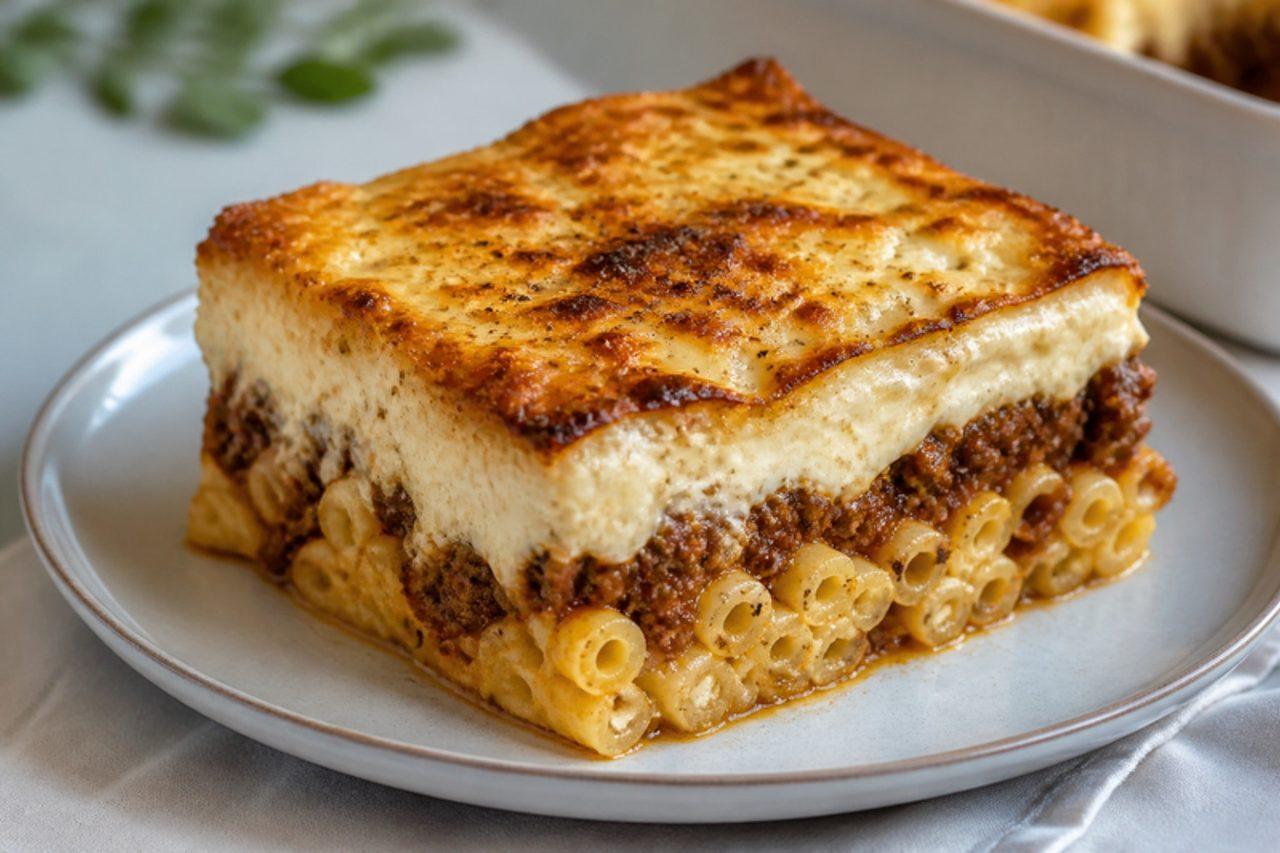
Pastitsio is the dish Greek mothers make for big Sunday lunches and christenings, and the one every Athens taverna keeps warm in a deep tray at lunchtime. Long tubular pasta is layered with a beef and tomato sauce scented with cinnamon and allspice, then topped with a deep, wobbly béchamel that bakes to a golden crust. Cut it into neat squares once it has rested and serve with a green salad. Chef's tip: let it rest for at least 30 minutes after baking; cut hot, it slumps, but rested it slices into clean layers.

by KrazyBadal 0 views
Lamprais (home version)

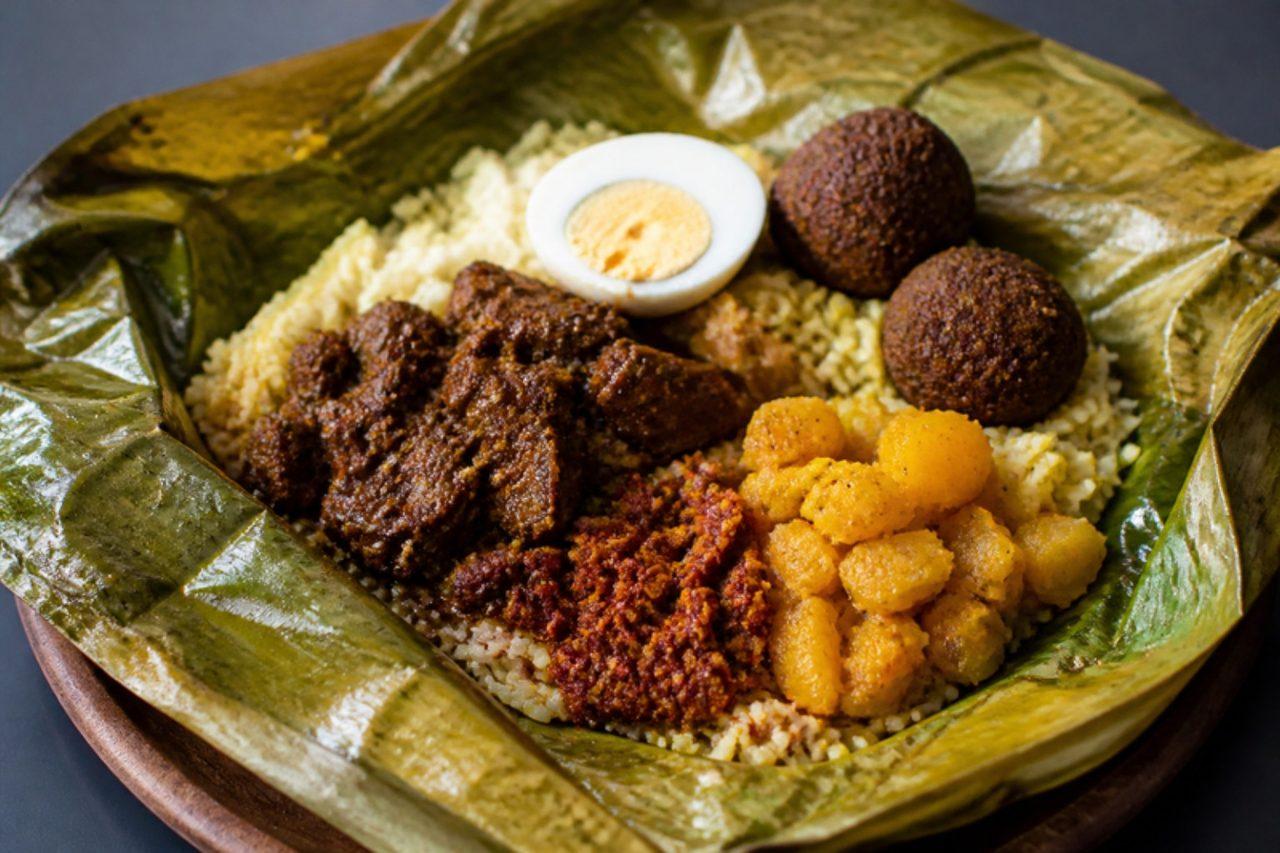
Lamprais came to Sri Lanka with the Dutch Burgher community, and Colombo's Burgher families still make it for Sunday lunch, christenings and Christmas. Each banana-leaf parcel holds rice cooked in rich stock, a mixed meat curry, little fried meatballs called frikkadels, a hard-boiled egg, aubergine moju and seeni sambol, all baked together until the leaf perfumes everything. The traditional version uses three meats including pork; this home version keeps it to chicken and beef so it is manageable in one day, and the steps still take time. Chef's tip: make the curry and frikkadels the day before; on lamprais day you only cook the rice and wrap.

by KrazyBadal 0 views
Cincinnati chili

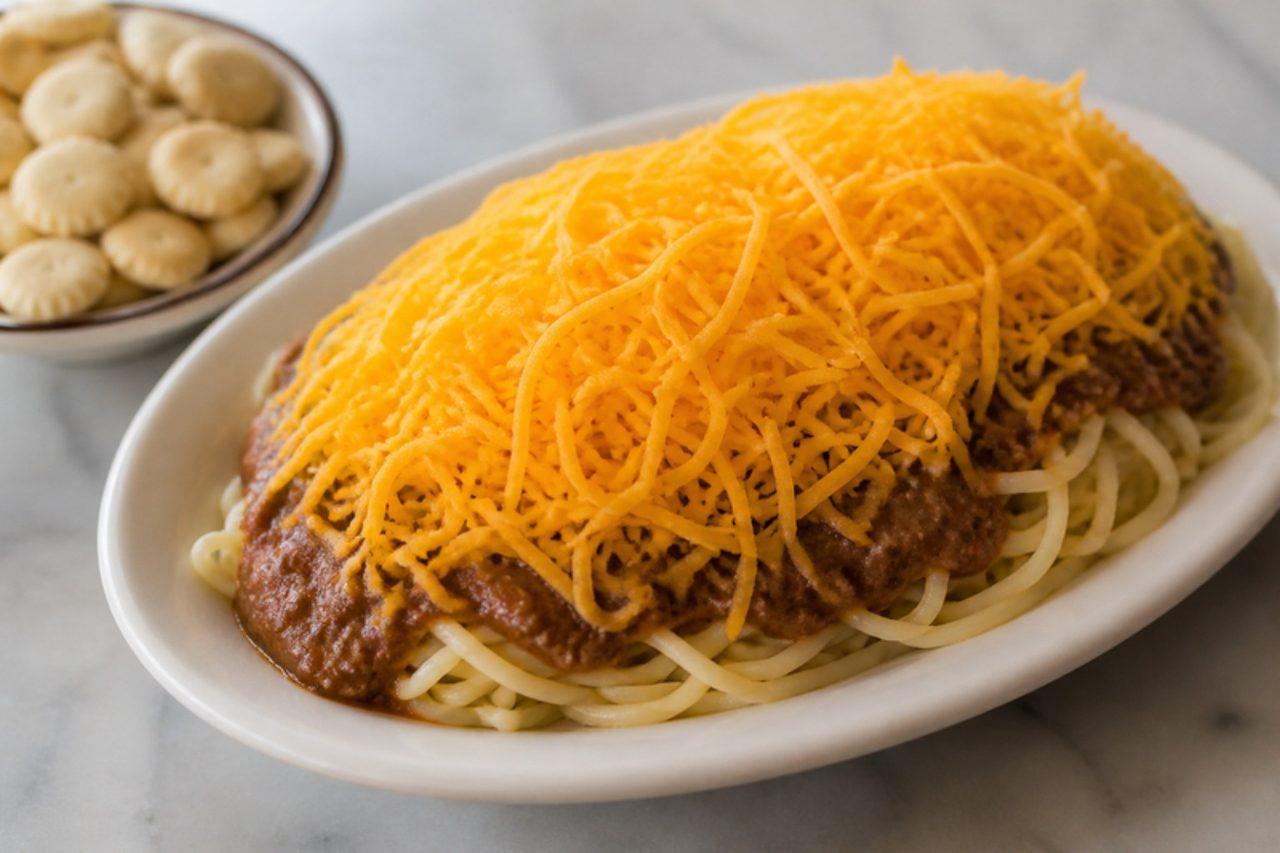
Cincinnati, Ohio has hundreds of 'chili parlors', a tradition started by Greek-Macedonian immigrants in the 1920s, and their chili is nothing like the Texan kind. Minced beef is simmered (not browned) in water with tomato and a warm spice mix of cinnamon, allspice, clove, cumin and a little cocoa until it becomes a fine, thin sauce. It is ladled over spaghetti and buried in finely grated cheddar: a 'three-way'. Add onions for a four-way, beans for a five-way. Chef's tip: break the raw mince up in cold water before heating; that gives the signature smooth texture.

by KrazyBadal 0 views
Smash burger

Diners and drive-ins across the American Midwest have smashed burgers on hot griddles for a century, and the style is now everywhere from food trucks to backyard cookouts. A ball of beef is pressed hard onto a very hot pan so it spreads thin and develops a deep brown, lacy crust, then gets a slice of cheese and goes into a soft toasted bun with pickles and a tangy sauce. Two thin patties per burger is the classic. Chef's tip: smash within the first 30 seconds only; pressing later squeezes out the juice.

25 minFast Food
by KrazyBadal 0 views
Holubtsi

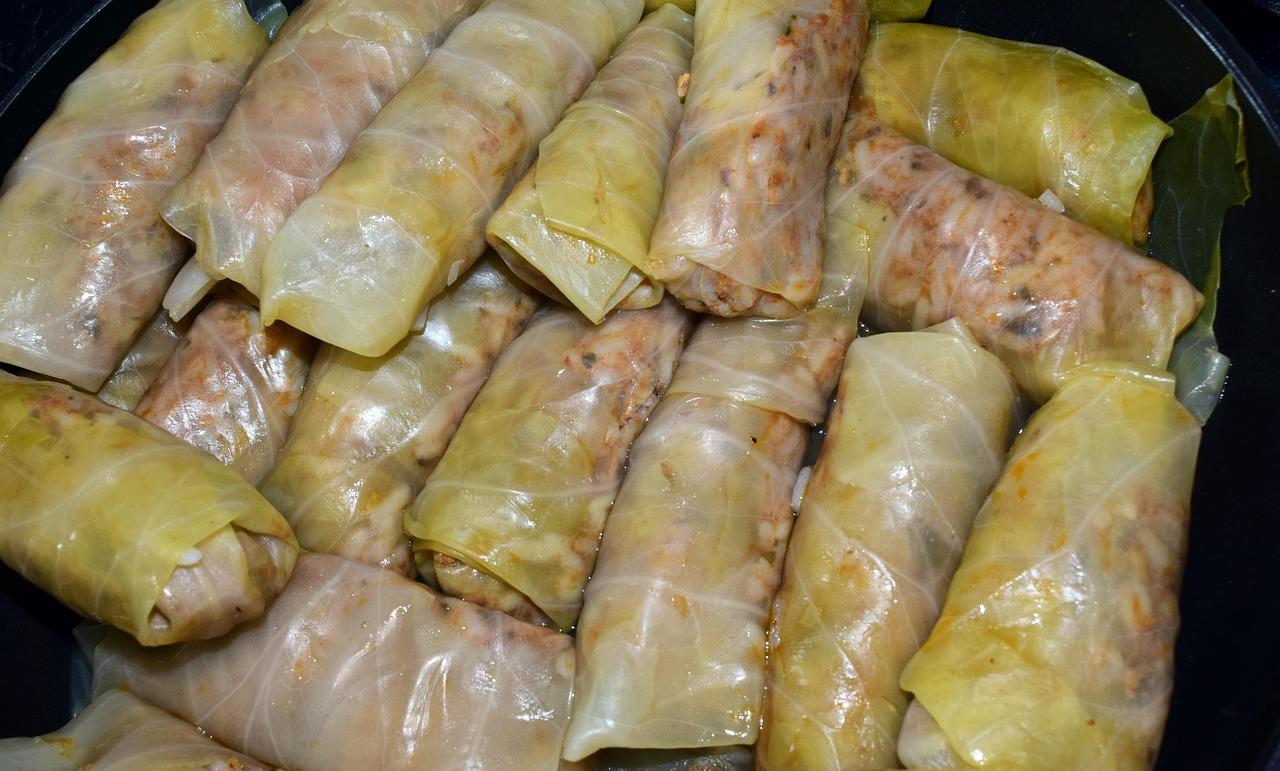
Holubtsi, 'little doves', are the cabbage rolls of Ukrainian family feasts, made by the trayful for weddings, christenings and Christmas in homes from Lviv to Poltava. This version contains pork: tender cabbage leaves wrap a mix of pork and beef mince, rice, onion and carrot, and the rolls bake slowly in a tomato and soured cream sauce. Serve with more soured cream and dill. Chef's tip: core the cabbage and simmer the whole head, peeling off leaves as they soften; they come away without tearing.

135 minMeatGluten free
by KrazyBadal 0 views

Swedish meatballs

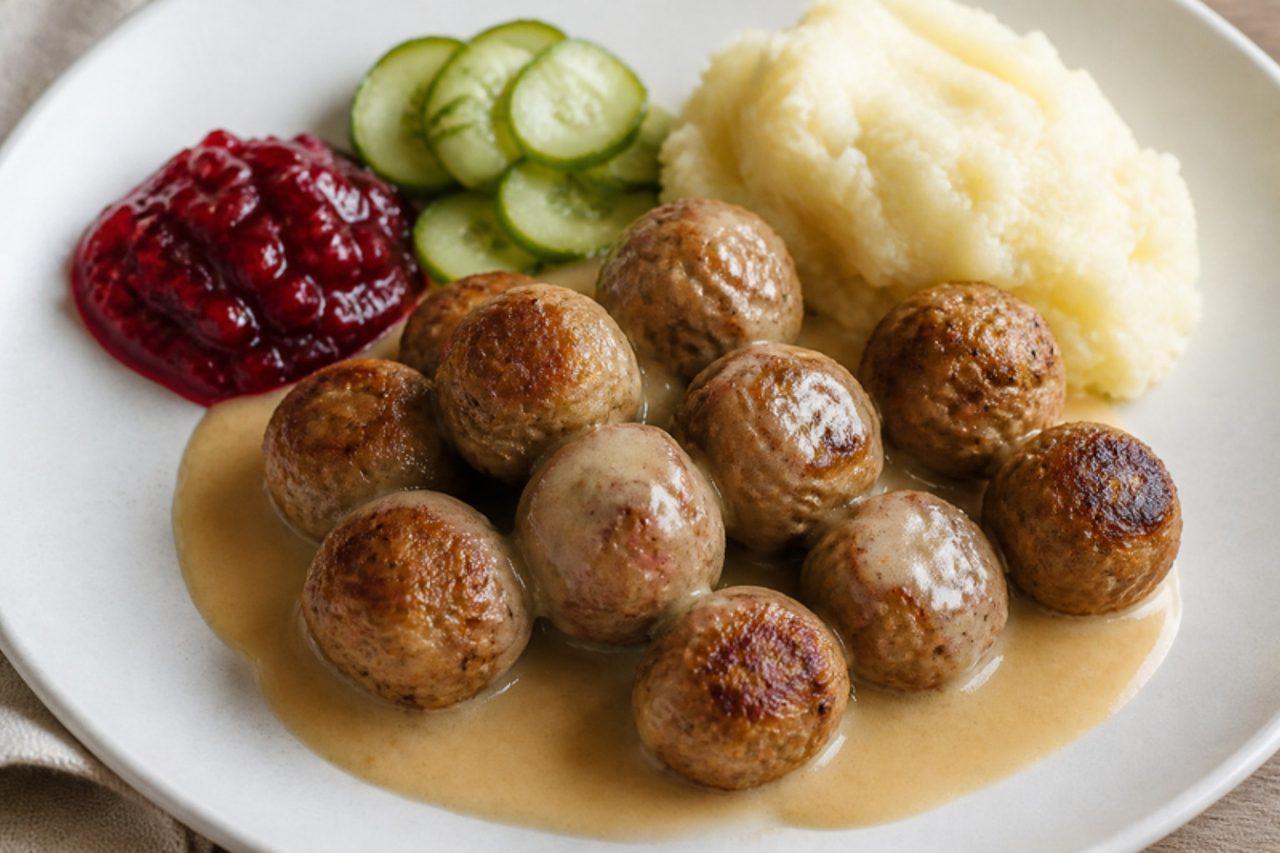
In Sweden köttbullar turn up everywhere from Stockholm school canteens to the Christmas julbord, and most families keep a bag of homemade ones in the freezer for busy weeknights. These are small, soft and lightly spiced with allspice, made from a mix of beef and pork, so this recipe contains pork. They come to the table in a pale, peppery cream gravy with buttery mashed potato, sharp lingonberry jam and quick pressed cucumber. The usual slip is rolling them too big and packing them tight: they should be the size of a walnut and shaped with wet hands, never squeezed. Chef's tip: soak the breadcrumbs in milk for a full five minutes before mixing in the meat; that panade is what keeps them tender.

65 minMeat
by KrazyBadal 0 views
Boulets liégeois

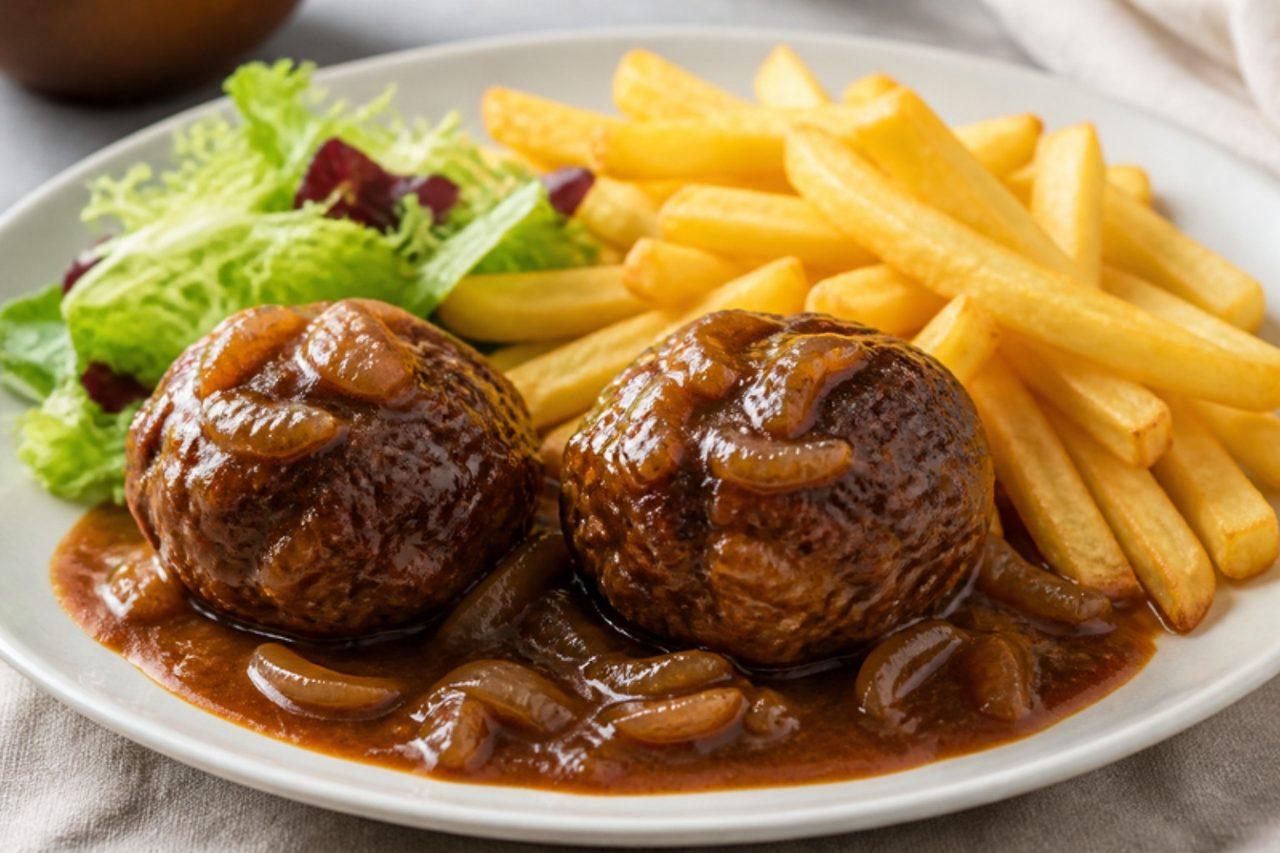
Liège is famous for its boulets: big, tennis-ball-sized meatballs served in a dark, sticky sauce made with sirop de Liège, the region's thick apple-and-pear syrup, with onions and a little vinegar. They are a brasserie staple across Wallonia, eaten with a mountain of chips and a side of salad, and families make them for Sunday lunch. The mix is half pork, half beef, so this is a pork dish. Rushing the onions is the step most people get wrong: they need a good 20 minutes to turn sweet before the sauce comes together. Chef's tip: if you cannot find sirop de Liège, use 3 tablespoons of apple butter or date syrup with 1 tablespoon of black treacle for the same dark, fruity tang.

75 minMeat
by KrazyBadal 0 views
Mici

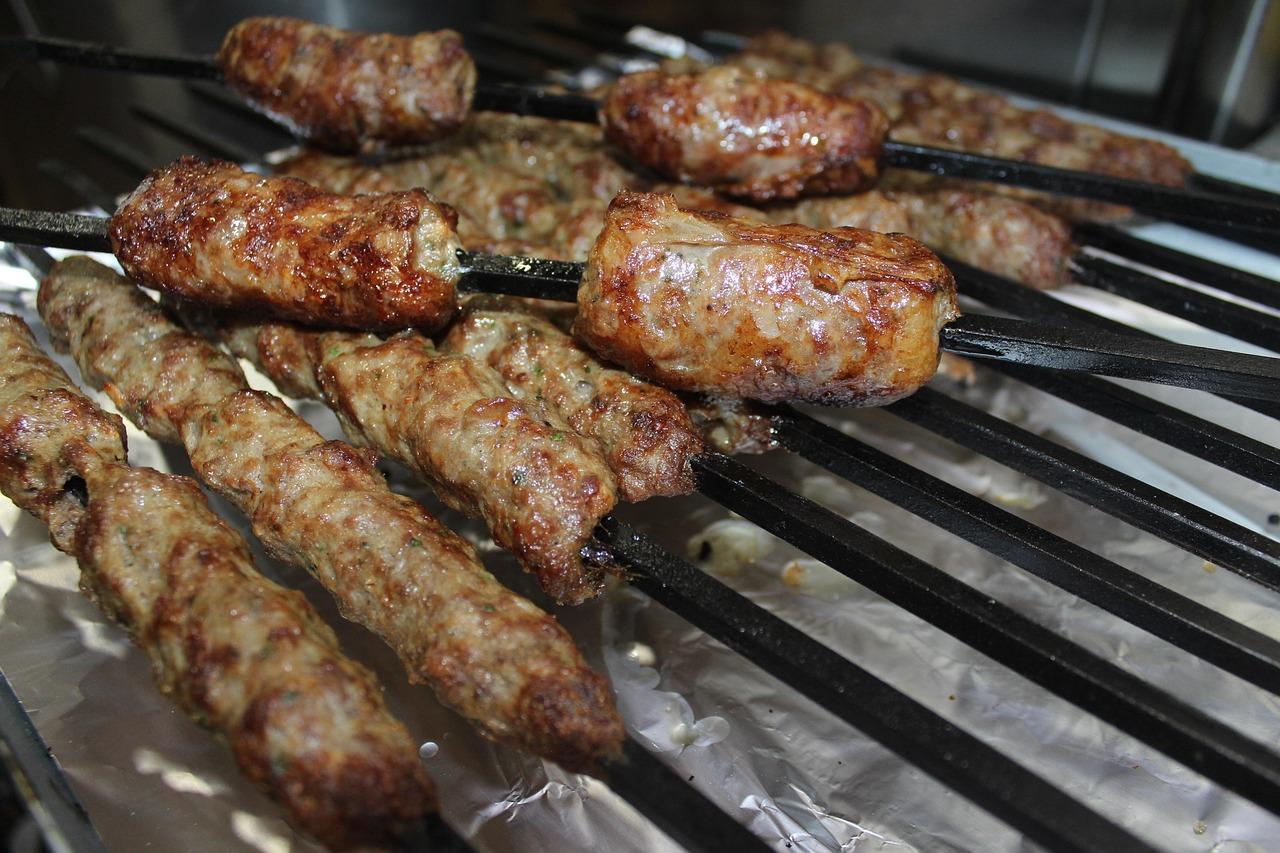
Every Romanian park, beer garden and May Day picnic smells of mici, the little skinless rolls of minced beef and lamb that sizzle on charcoal grills from Bucharest's Obor market to the Black Sea coast. The mince is beaten with garlic, thyme, a strong beef stock and a little bicarbonate of soda, which makes them springy and juicy inside with a crusty outside. They come in tens, with plenty of mustard, fresh bread and sometimes chips. The usual error is cooking them straight after mixing: the mince needs a night in the fridge for the bicarbonate and garlic to work. Chef's tip: shape them with oiled hands on an oiled tray, and grill them no thicker than your thumb so the middle cooks before the outside burns.

40 minMeatGluten free
by KrazyBadal 0 views
Ćevapi

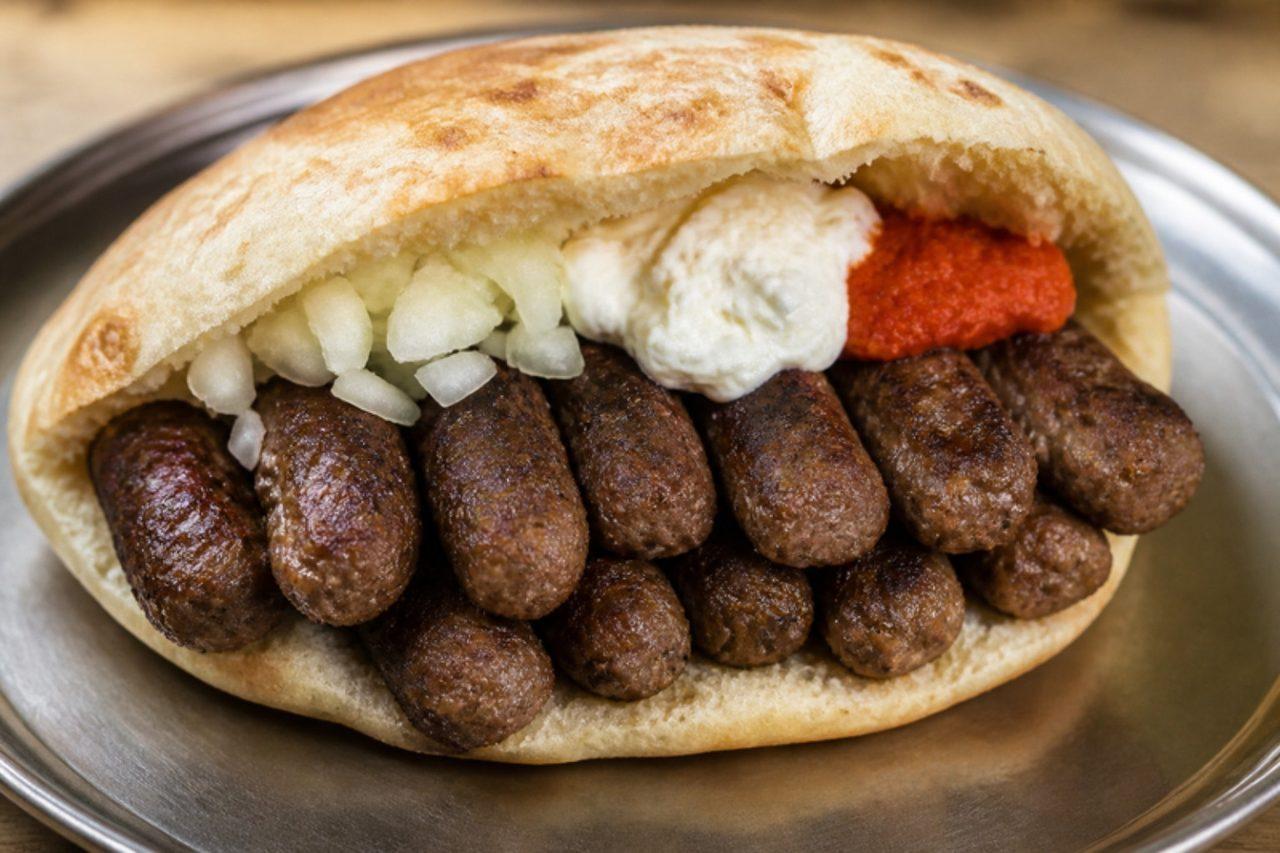
In Sarajevo's old Baščaršija bazaar, ćevabdžinicas grill ćevapi from morning till late night, serving them ten at a time stuffed into a puffy, griddle-warmed somun flatbread with raw onion and a spoon of kajmak. The little skinless fingers are made from beef (often mixed with lamb), seasoned with nothing more than salt, pepper, garlic and a little bicarbonate of soda, which gives them their bouncy bite. Belgrade and Banja Luka have their own versions, but the idea is the same: smoky meat, soft bread, sharp onion. People often over-season them with herbs and paprika; the Bosnian way is plain, letting the meat and charcoal speak. Chef's tip: chill the shaped ćevapi well before grilling and turn them only once or twice, so they keep a juicy centre and a crusty outside.

40 minMeat
by KrazyBadal 0 views
Pljeskavica

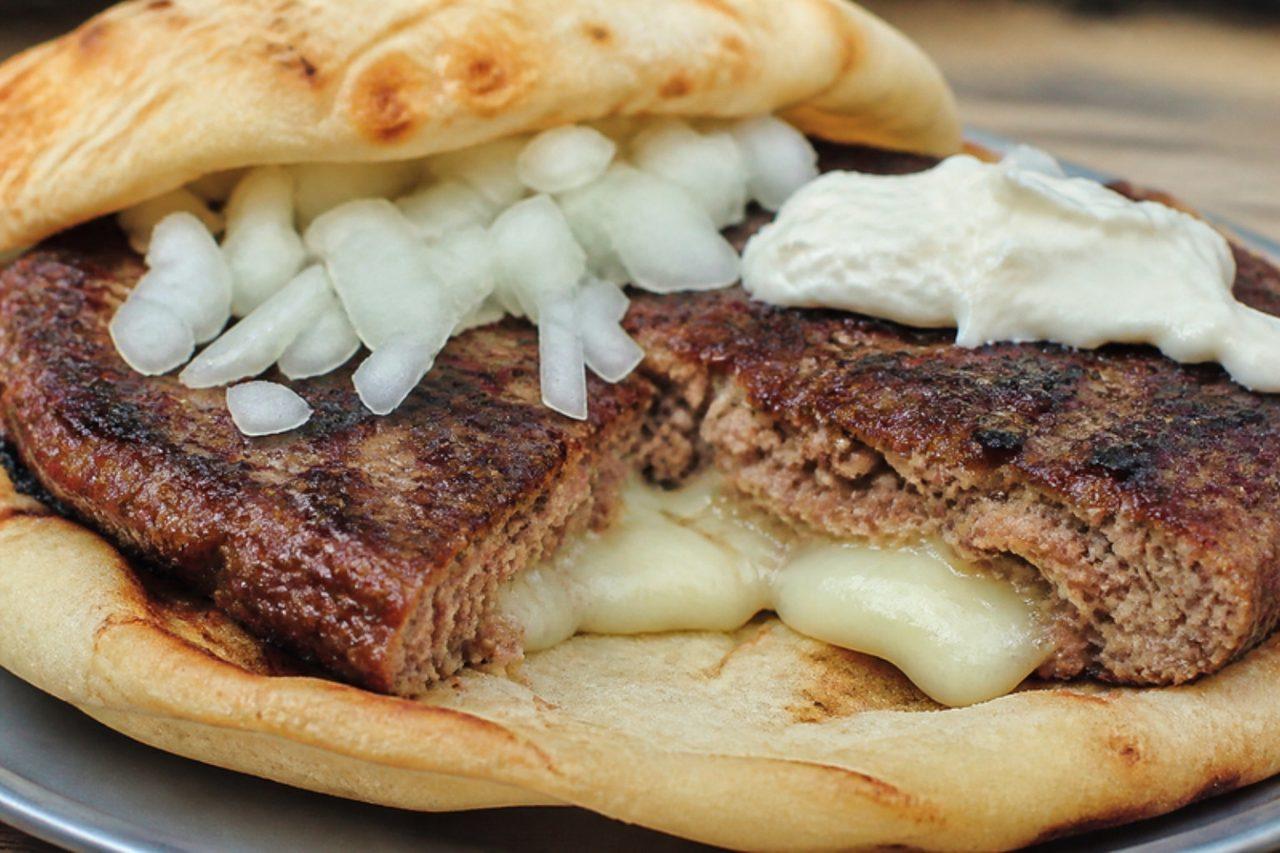
Leskovac, in southern Serbia, holds a whole grill festival every September in honour of pljeskavica, and Belgrade's street kiosks sell it day and night in a lepinja flatbread with chopped onion, kajmak and urnebes, a fiery cheese spread. It is a broad, thin patty of mixed beef and pork with onion and paprika, grilled hard and fast. The 'gourmet' version, gurmanska pljeskavica, hides cheese and bacon in the middle, and that is the version given here. This recipe contains pork. A common error is pressing the patties on the grill with a spatula: the juices drain away and they dry out. Chef's tip: press a shallow dimple into the centre of each patty with your thumb before grilling; it stops them doming up as they shrink.

40 minMeat
by KrazyBadal 0 views
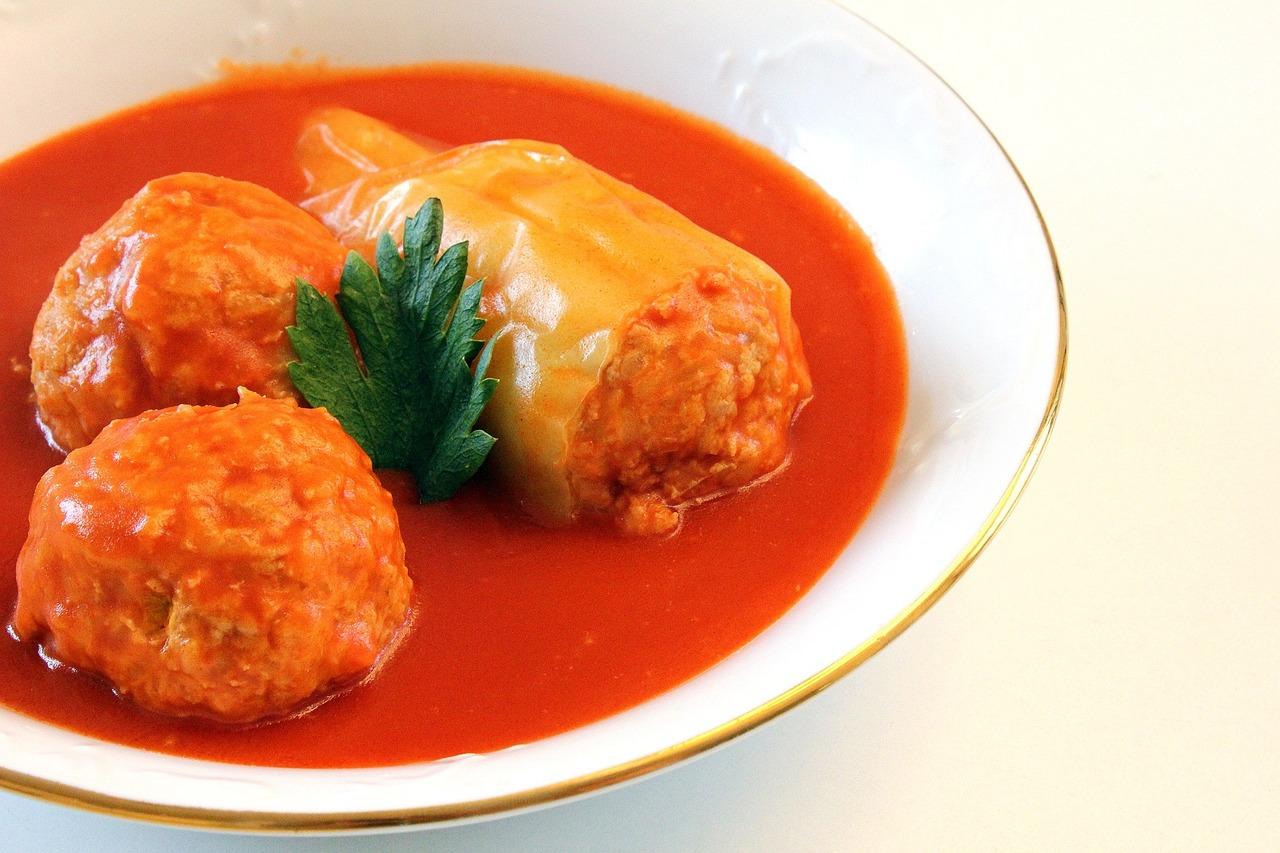
Punjene paprike

When late-summer markets in Novi Sad and Belgrade fill up with pale yellow and light green peppers, Serbian kitchens make big pots of punjene paprike to eat for several days. The peppers are packed with seasoned beef and pork mince and rice, stood upright and simmered slowly in a light tomato sauce until meltingly soft. They are served with a dollop of sour cream and bread to mop up the sauce. This recipe contains pork. The easy mistake is stuffing the peppers too tightly: the rice swells and splits them, so leave the top 2 cm empty. Chef's tip: plug each pepper with a slice of potato or tomato before simmering, so the filling stays inside.

105 minMeatGluten free
by KrazyBadal 0 views

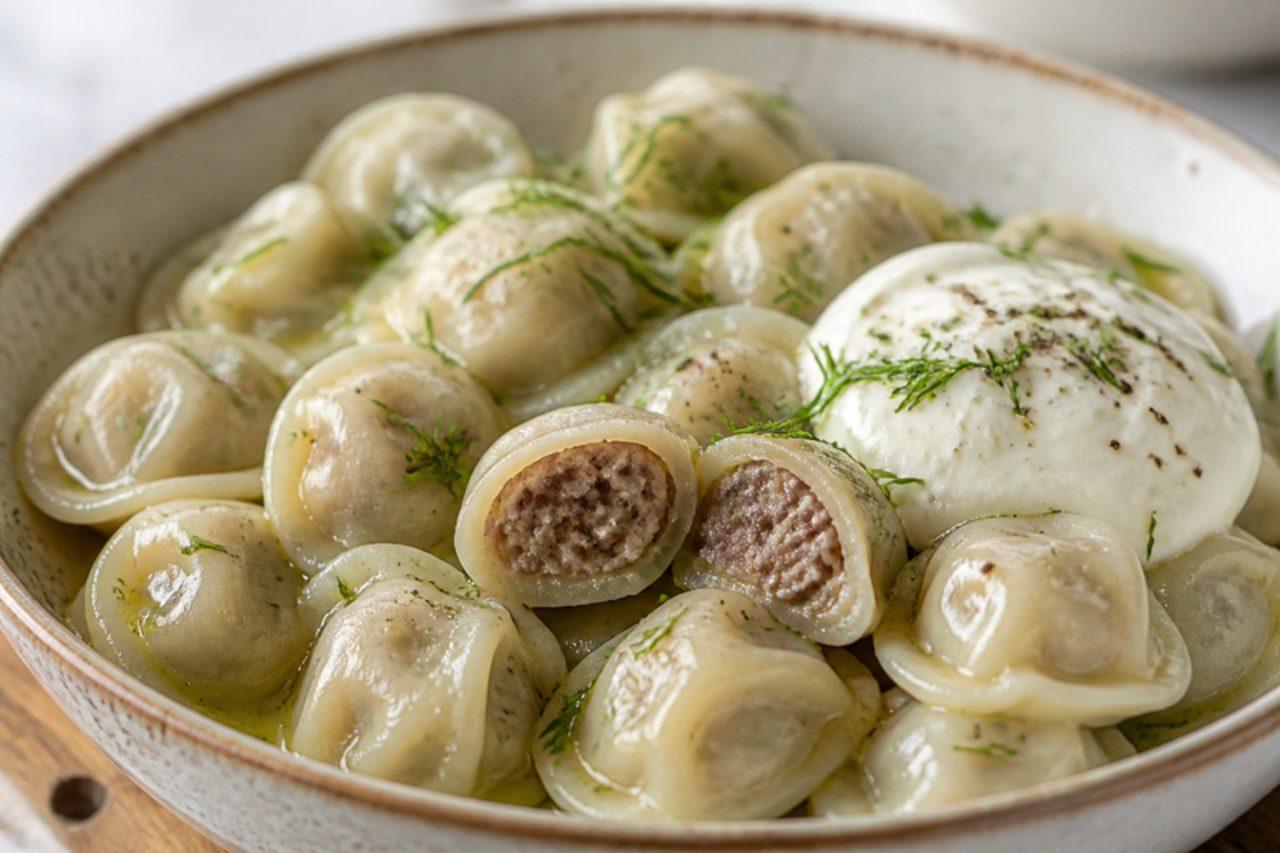
Pelmeni

In Siberian villages whole families sat round the table before the long winter to fold hundreds of pelmeni, then froze them in sacks outside where the frost kept them for months. Today every Russian freezer holds a bag, and a bowl with butter and sour cream is a quick supper from Novosibirsk to Moscow. The little ear-shaped dumplings have a thin, springy dough wrapped round a juicy filling of pork and beef with onion; it contains pork. Unlike Ukrainian varenyky, they are always meat-filled and boiled in seasoned water or broth. The classic mistake is rolling the dough too thick, which leaves you chewing flour instead of tasting the filling; aim for 1–2 mm. Chef's tip: work a few spoons of ice-cold water into the mince; it turns to juice inside the dumpling as it cooks.

by KrazyBadal 0 views

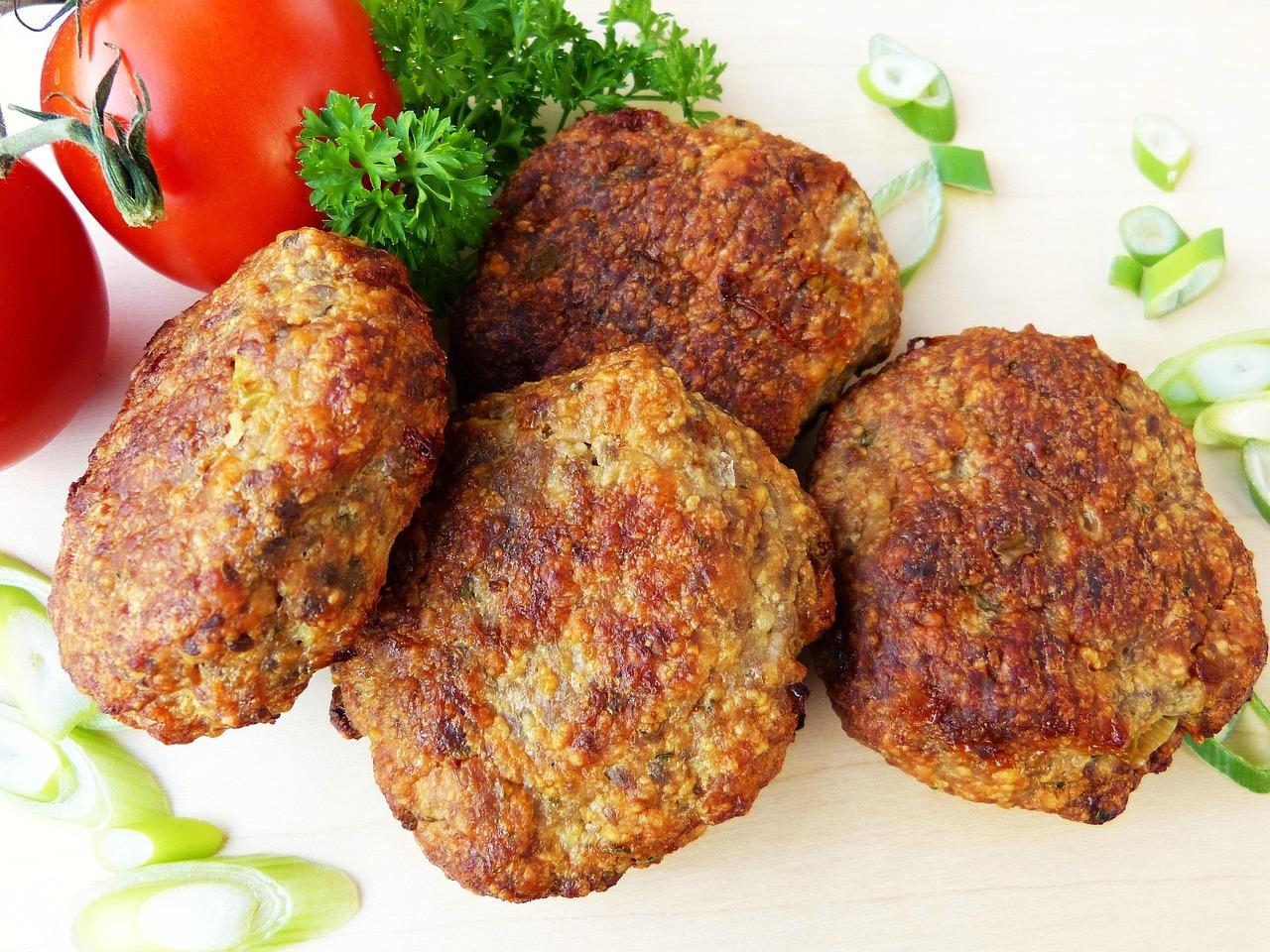
Kotlety

Kotlety are what a Russian grandmother makes on an ordinary Tuesday and what Soviet school canteens served at lunch: soft, oval patties of minced pork and beef, fried golden and finished with a splash of water under a lid. They contain pork. Bread soaked in milk is the secret to their tenderness; the patties stay juicy enough to eat cold the next day in a sandwich. Serve them with mashed potato or buckwheat (grechka), a few pickles and a spoon of the pan juices. The mistake most people make is leaving out the soaked bread or using breadcrumbs instead, which gives dense, dry burgers rather than kotlety. Chef's tip: wet your hands with cold water before shaping each patty, so the soft mince doesn't stick and the surface stays smooth.

45 minMeat
by KrazyBadal 0 views
Pastelón

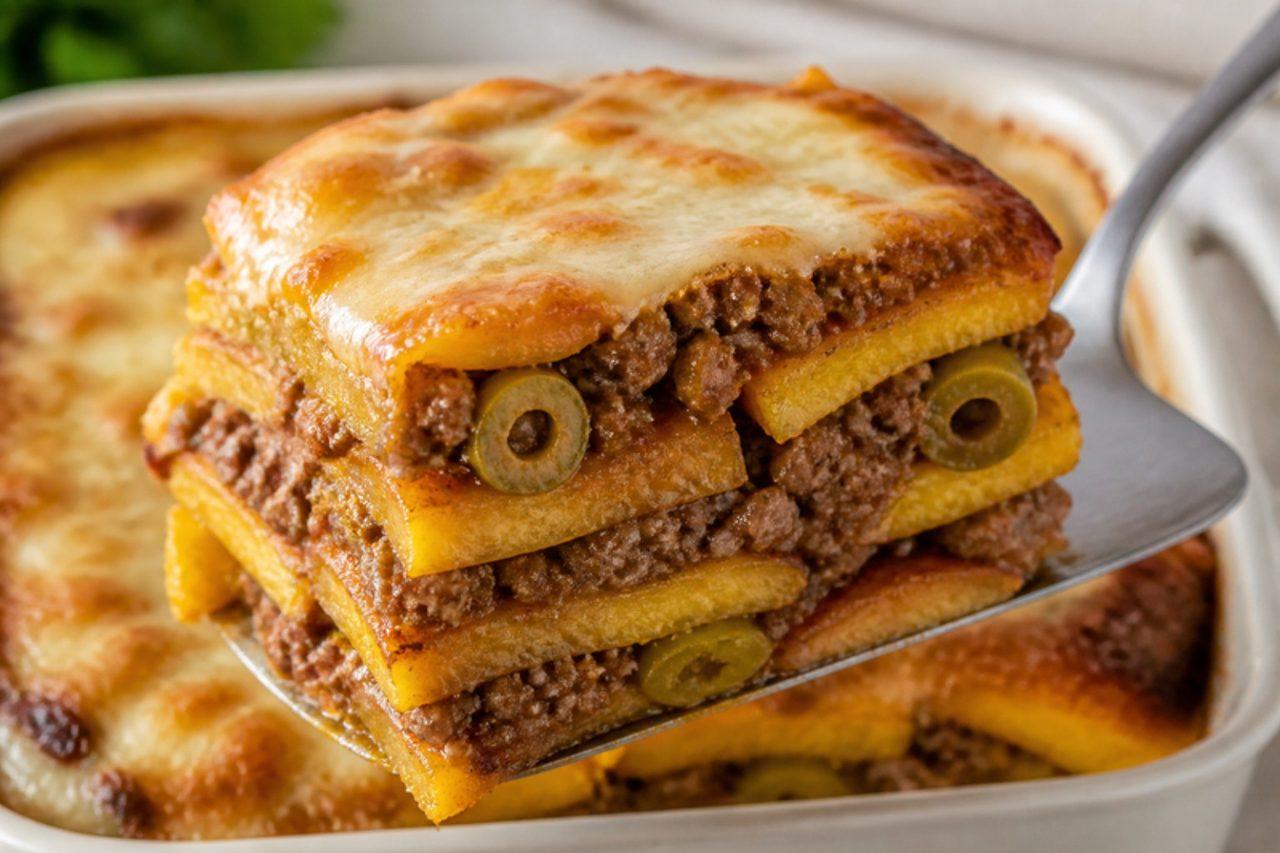
Pastelón turns up at Puerto Rican Sunday lunches and Christmas parties all over the island, from San Juan to Ponce, usually next to a pot of rice and beans. Instead of pasta it is layered with long slices of fried ripe plantain, so every bite is sweet and salty at once: soft caramelised plantain, a savoury beef picadillo with olives and capers, melted cheese and a light egg binding. Cut it into squares like a lasagne. The mistake to avoid is using yellow or green plantains; they stay starchy and dry, so wait until the skins are almost black. Chef's tip: leave the pastelón to rest for 15 minutes after baking; the egg and cheese set and the squares come out clean.

85 minMeatGluten free
by KrazyBadal 0 views
Alcapurrias

Drive along the coast road at Piñones in Loíza on a weekend and the beach kiosks are frying alcapurrias by the tray, each one wrapped in paper with a dash of chilli vinegar. The shell is a masa of grated green banana and yautía (taro root), coloured with annatto oil, that fries to a crisp crust with a soft, almost creamy inside; the filling here is a well-seasoned beef picadillo. They are a Loíza tradition with roots in the town's Afro-Puerto Rican cooking. The common mistake is frying warm, wet masa, which spreads and falls apart in the oil; chill it until firm. Chef's tip: shape them on a piece of greaseproof paper or banana leaf brushed with annatto oil, then slide each one straight off into the pan.

by KrazyBadal 0 views
Aussie meat pie

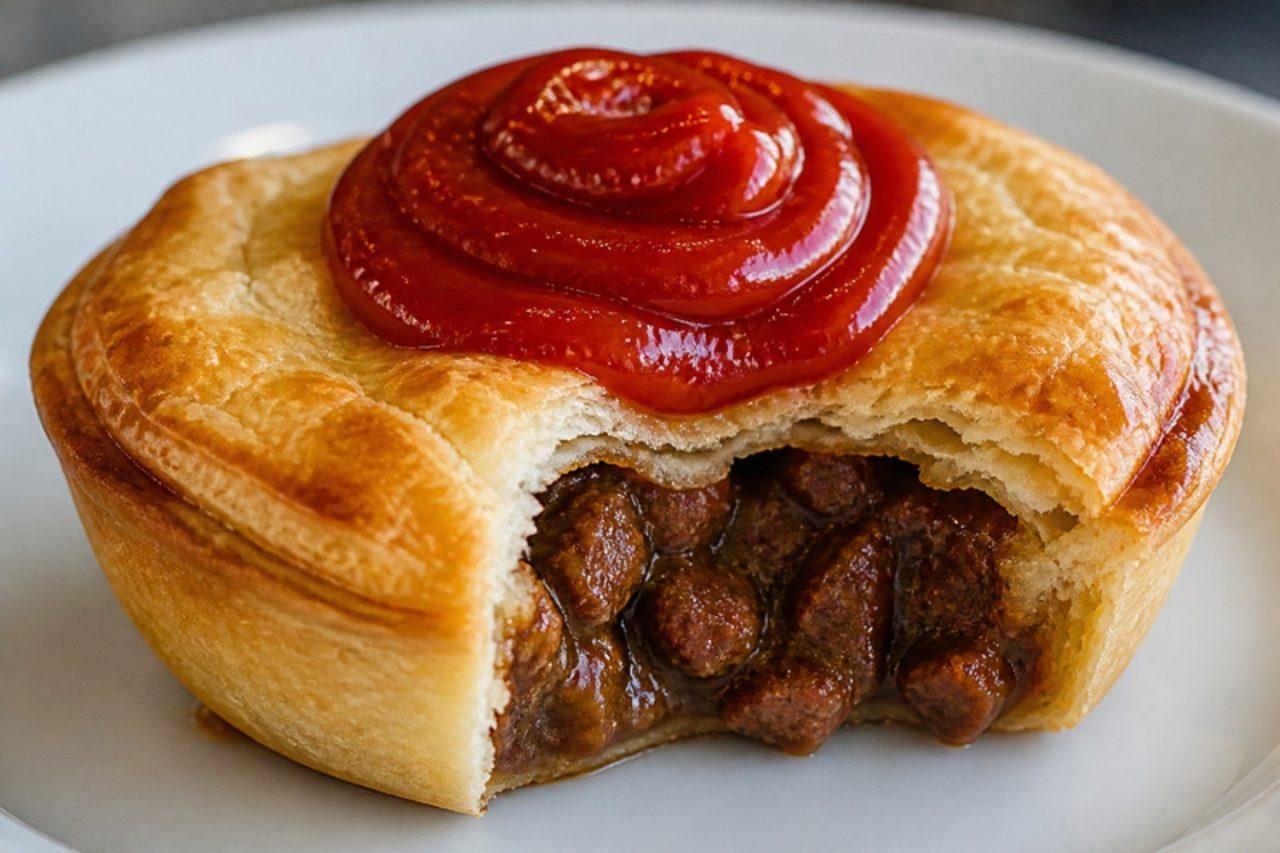
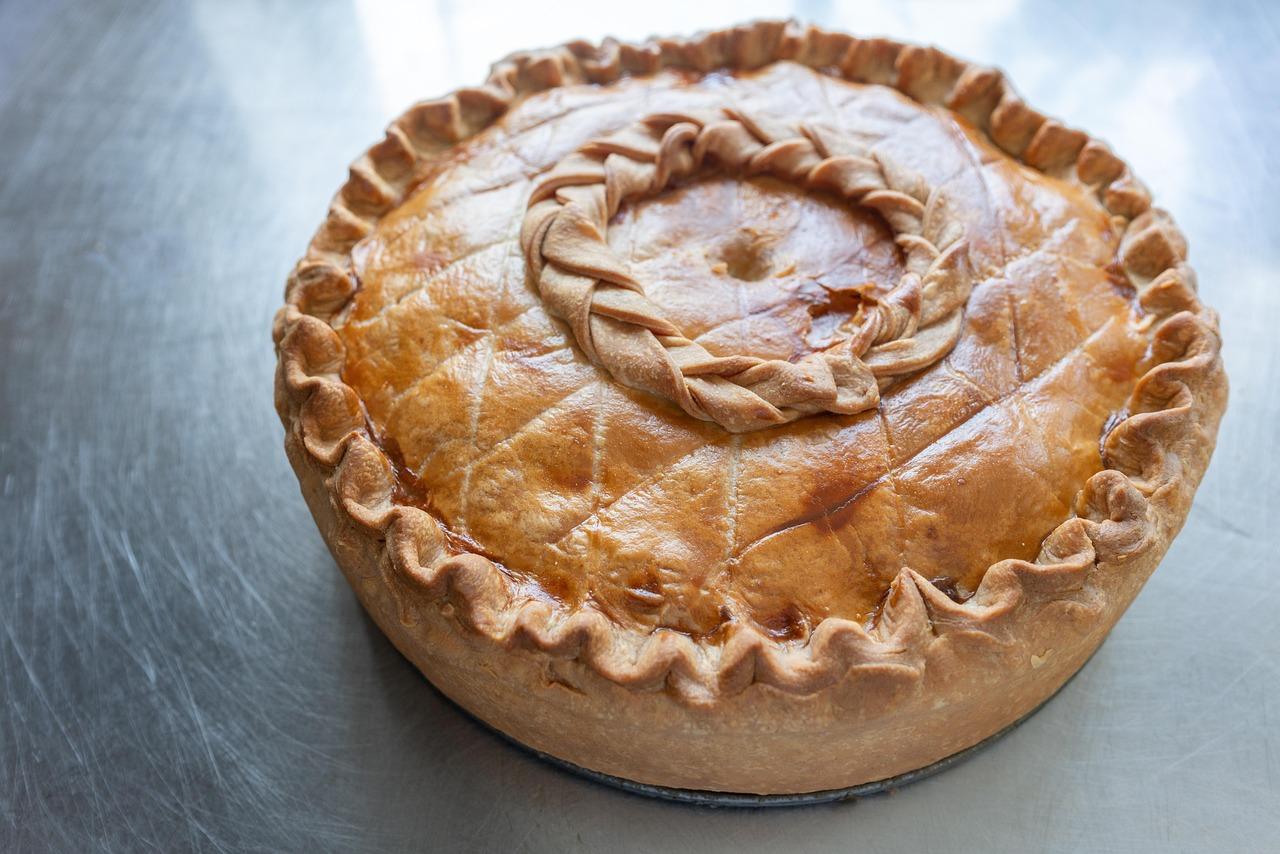
Half-time at the MCG, a country-town bakery at 7 am, a servo on a long drive: the meat pie is Australia's everyday hand-held meal, eaten straight from its paper bag with a squirt of tomato sauce. A sturdy shortcrust base holds minced beef in thick, peppery gravy, and a flaky puff pastry lid shatters on the first bite. Making them at home takes a little time, but the filling can be cooked a day ahead. The mistake behind a soggy base is filling the pastry with hot mince; let the filling cool completely in the fridge first. Chef's tip: cook the filling until it is thicker than you think it needs to be; a loose gravy boils over and leaks through the base.

120 minBaking
by KrazyBadal 0 views

Mince on toast

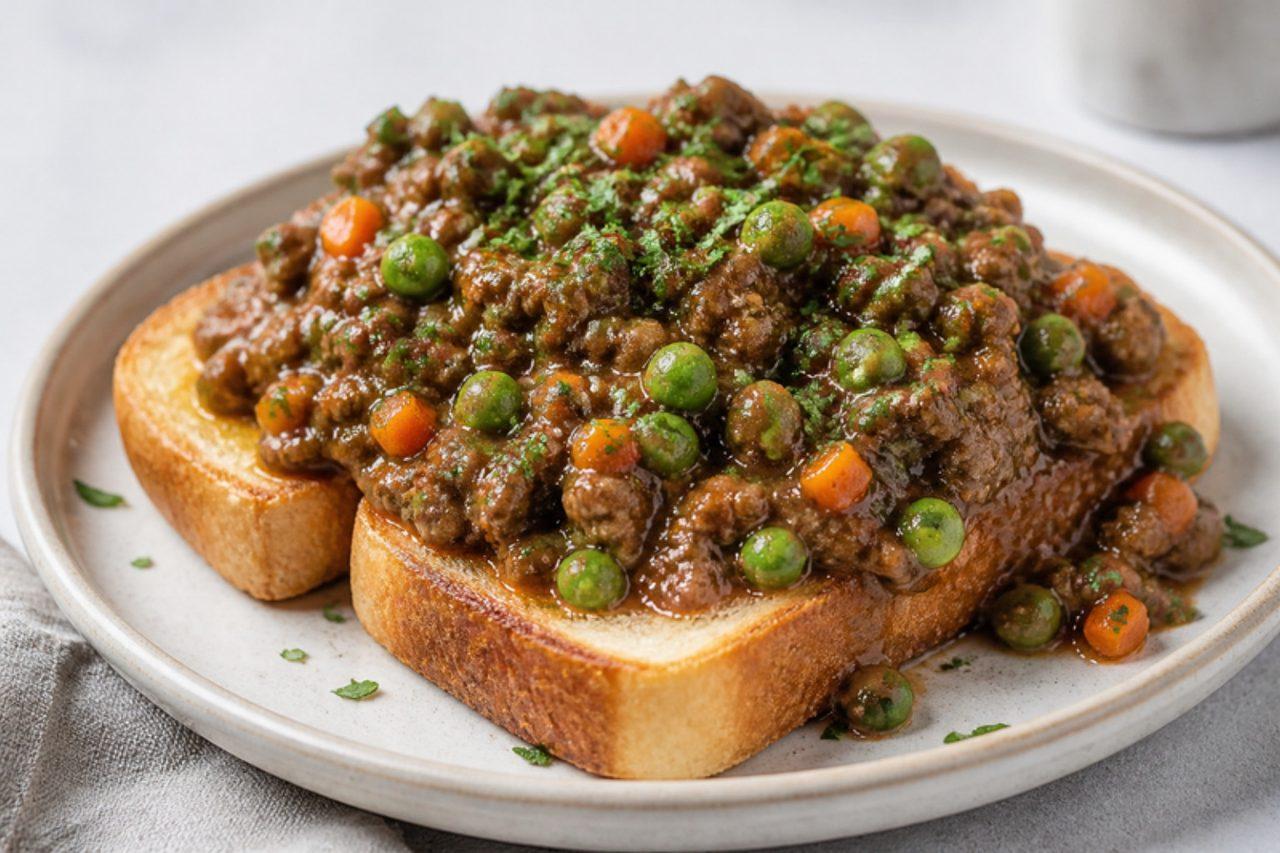
Mince on toast is pure Kiwi comfort: a weeknight tea in homes from Invercargill to Auckland, and lately a proud fixture on café brunch menus, where it comes with a poached egg on top. Beef mince is browned hard, simmered with onion, grated carrot and a glug of Worcestershire sauce into a thick savoury gravy, then finished with peas and piled onto buttered toast. It's quick, cheap and kids love it. The usual mistake is stirring the mince constantly in a crowded pan, so it steams grey instead of browning; let it sit and catch colour. Chef's tip: grate the carrot instead of chopping it; it melts into the gravy and sweetens it without anyone noticing the vegetables.

30 minMeat
by KrazyBadal 0 views

Fataya

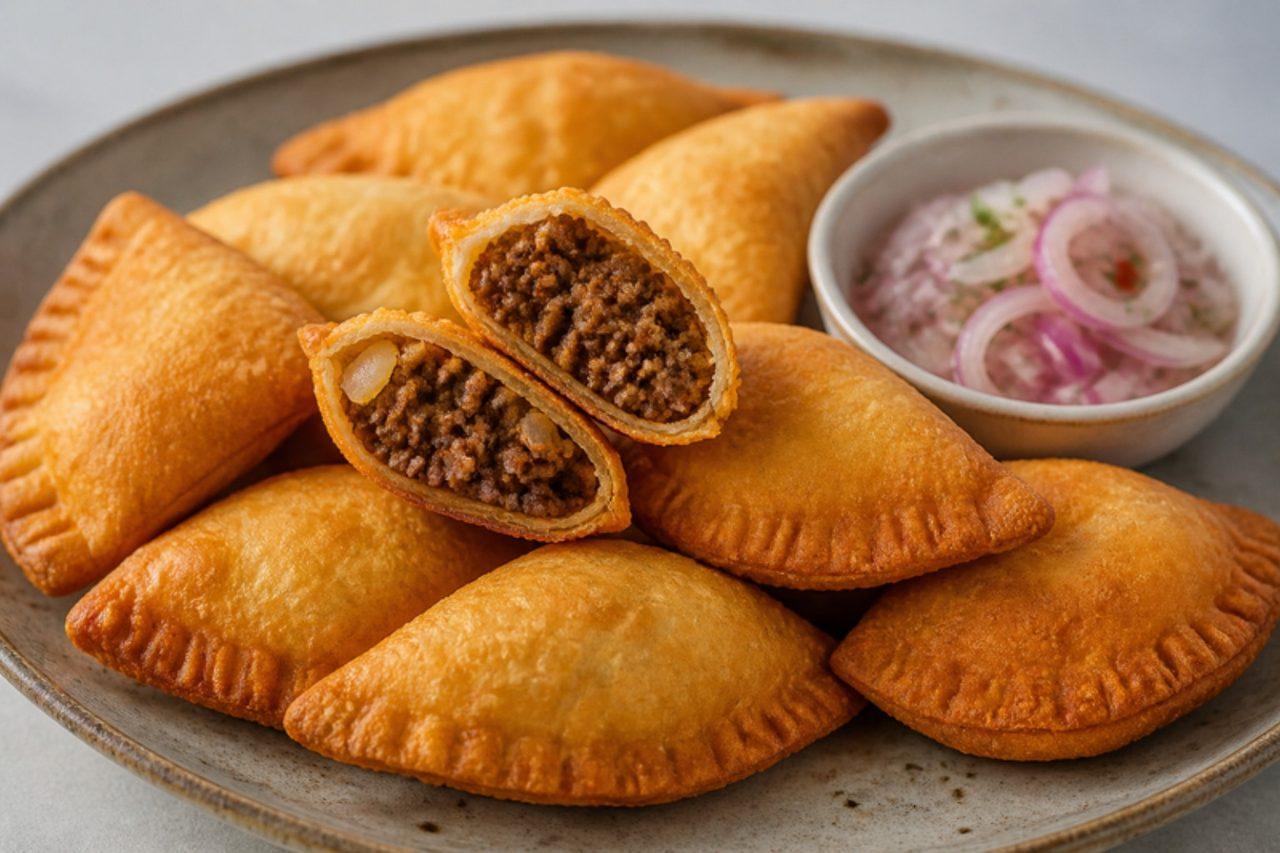
Fataya are the half-moon pastries sold in paper cones outside schools and at bus stops all over Dakar, and fried by the dozen at home for baptisms and Tabaski. The dough is soft and short, the filling is minced beef cooked with onion, garlic and a little chilli, and they come with a sharp onion-and-mustard sauce for dipping. The common mistake is overfilling, which makes them burst in the oil; a heaped teaspoon per small round is enough. Chef's tip: let the filling cool completely before you fill the dough, or the steam softens the pastry and it tears.

by KrazyBadal 0 views

Dolma batata

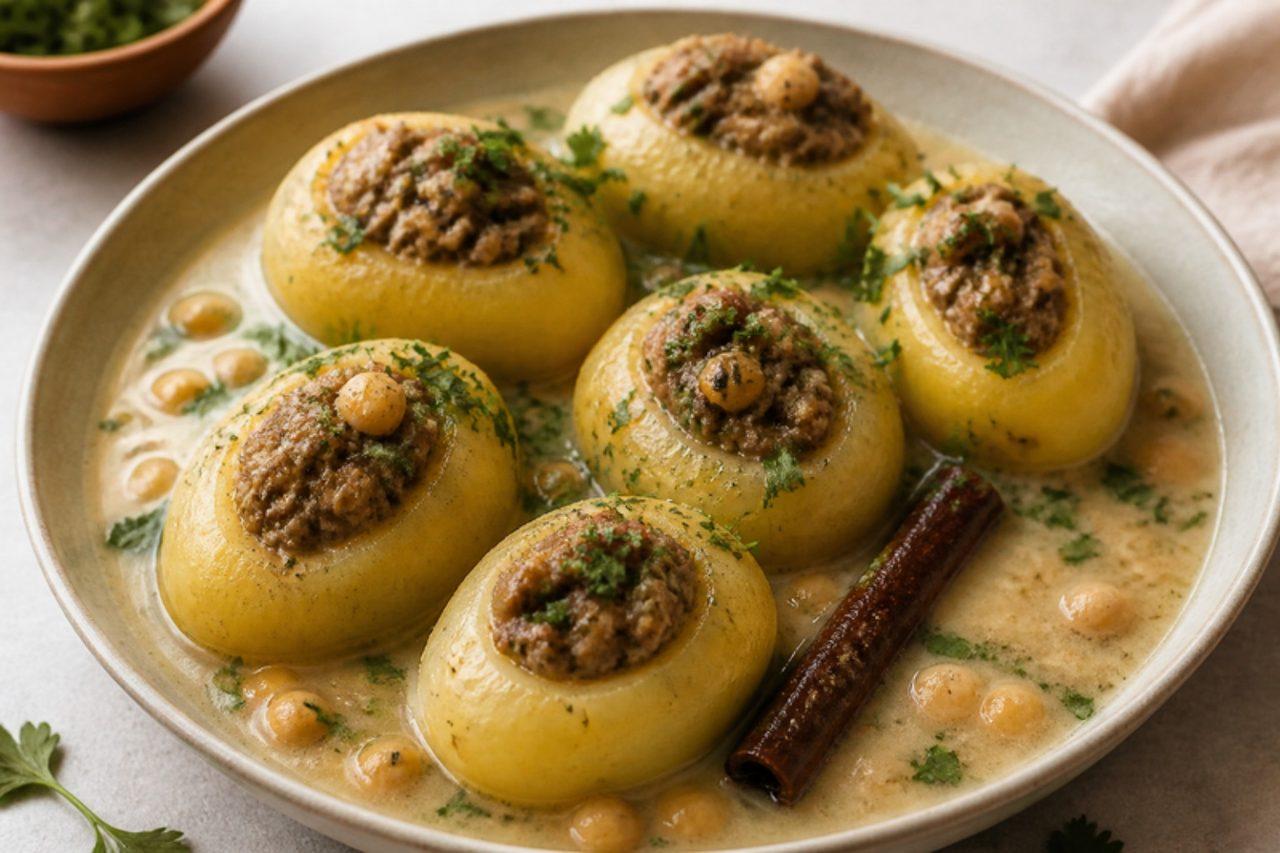
Dolma batata belongs to the Algiers home kitchen, where it is a Ramadan favourite and a Friday dish: hollowed potatoes filled with beef mince, onion, parsley and cinnamon, fried until golden, then simmered in a pale sauce (marqa beida) of onion, chickpeas, black pepper and cinnamon. The sauce stays white because no tomato goes in. The mistake is hollowing the potatoes too thinly, so they split in the pot; leave walls about 1 cm thick. Chef's tip: fry the scooped-out potato flesh and add it to the sauce to thicken it.

95 minMeatGluten free
by KrazyBadal 0 views

Sambuus

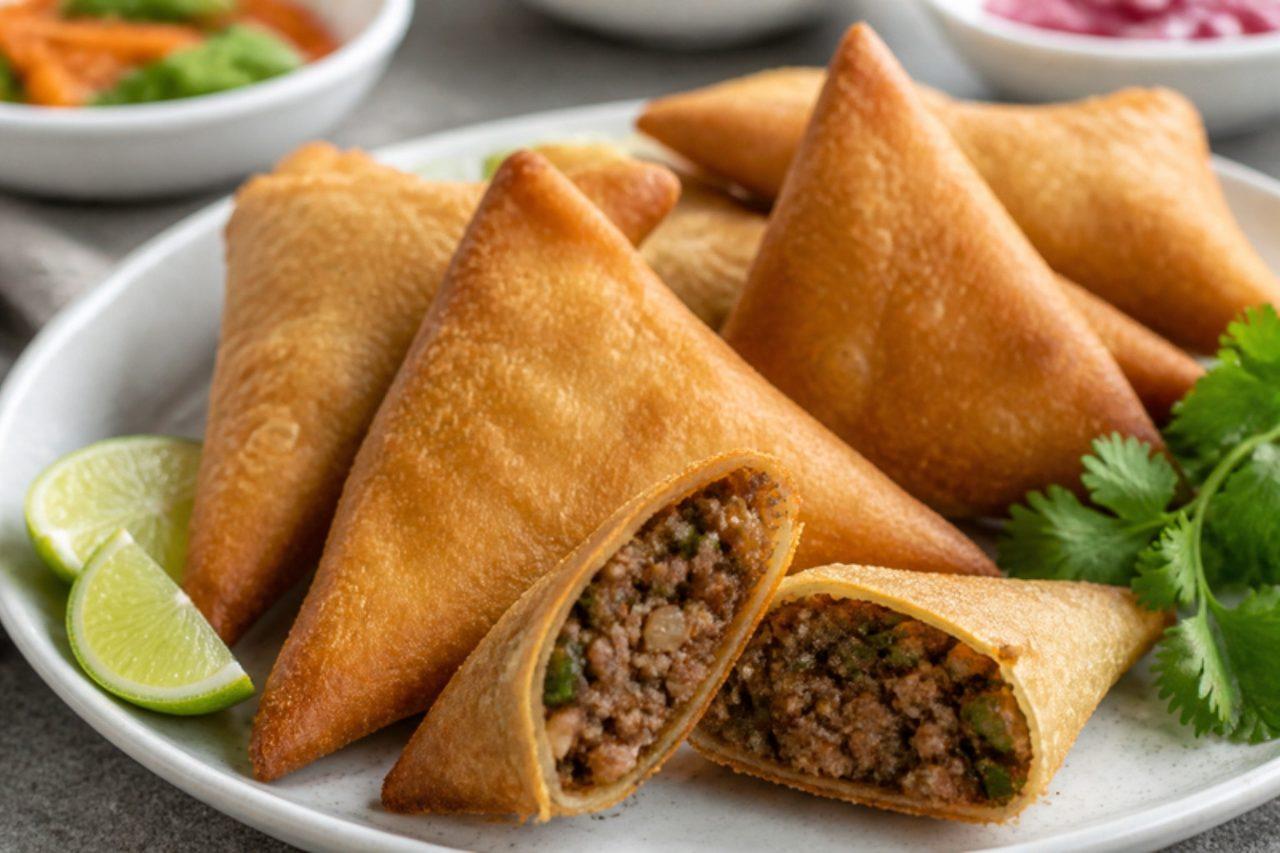
Sambuus are the triangles of crisp pastry Somali families fry by the hundred during Ramadan, filling them with minced beef, onion, green chilli, coriander and xawaash; trays of them sit on every iftar table from Hargeisa to Toronto. The filling must be dry, and the pastry thin. The mistake is a wet filling, which steams the pastry from the inside and makes it soggy; cook the mince until all the liquid has gone. Chef's tip: shop-bought spring roll pastry, cut into strips, makes good thin sambuus at home.

by KrazyBadal 0 views

Pastel mandi'o

Pastel mandi'o are the golden half-moons sold at bus stations and street stalls all over Paraguay, especially in Asunción and around Holy Week: a soft dough of cooked cassava (mandi'o in Guaraní) and a little corn flour, wrapped round minced beef with onion, pepper, boiled egg and cumin, then fried. The mistake is a wet cassava dough that sticks and tears; drain the cassava well and add starch until it is smooth and pliable. Chef's tip: shape them between two sheets of cling film, which stops the soft dough sticking to the worktop.

by KrazyBadal 0 views

Carimañolas

Carimañolas are torpedo-shaped fritters of mashed yuca filled with savoury minced beef, a breakfast and party snack in Panama City and along the Caribbean coast in Colón, often eaten with a cup of coffee or a spoon of hot sauce. The yuca dough is soft and smooth, the outside crisp after frying. The mistake is working the yuca dough while it is cold; mash and shape it while still warm, when it is smooth and pliable. Chef's tip: wet your hands with a little oil or water as you shape them so the dough doesn't stick.

by KrazyBadal 0 views

Tourtière

Tourtière is the meat pie of Quebec, served after midnight mass at the Christmas Eve réveillon and through the holidays, from Montreal to the Saguenay–Lac-Saint-Jean region (where a deep, layered version is also called tourtière). This dish contains pork. Minced pork and beef cook slowly with onion, a little potato and warm spices — cinnamon, cloves, allspice and savory — then are baked in a flaky double crust and served with ketchup or fruit chutney. The mistake is a wet filling that makes the bottom crust soggy; cook it until the liquid has almost gone and cool it before filling. Chef's tip: a grated potato in the filling soaks up the juices and holds the slices together.

120 minBaking
by KrazyBadal 0 views

Loco moco

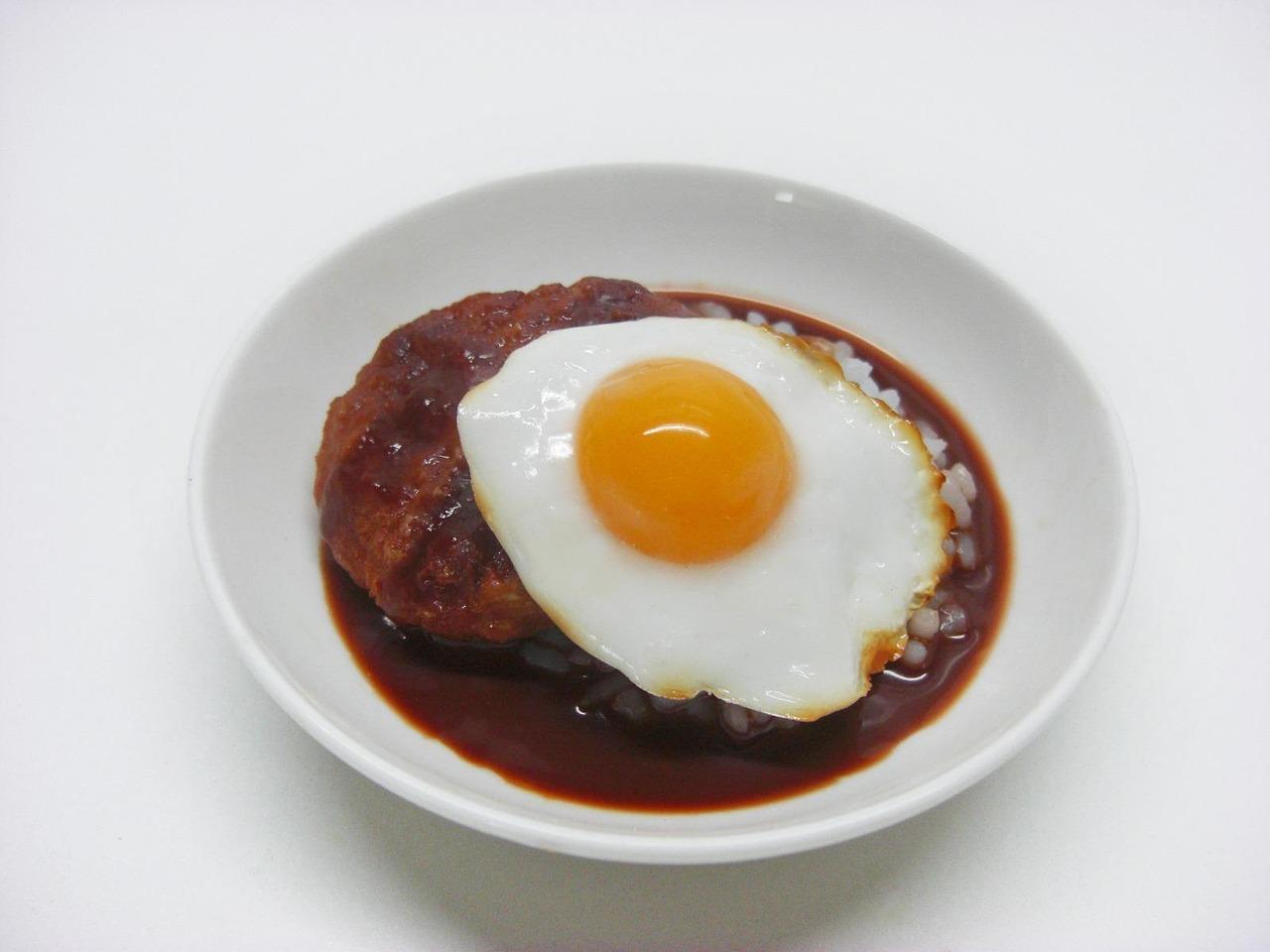
Loco moco was first served in 1949 at the Lincoln Grill in Hilo, on Hawai'i's Big Island, as a cheap, filling meal for teenagers, and it is still the plate-lunch classic across the islands: white rice topped with a beef burger patty, a fried egg and a generous ladle of brown gravy. People eat it for breakfast, lunch or late at night with a scoop of macaroni salad. The mistake is a thin, floury gravy; cook the flour in the beef fat until it browns before adding the stock. Chef's tip: press a dimple into the centre of each patty so it stays flat as it cooks.

40 minMeat
by KrazyBadal 0 views

Pâté chinois

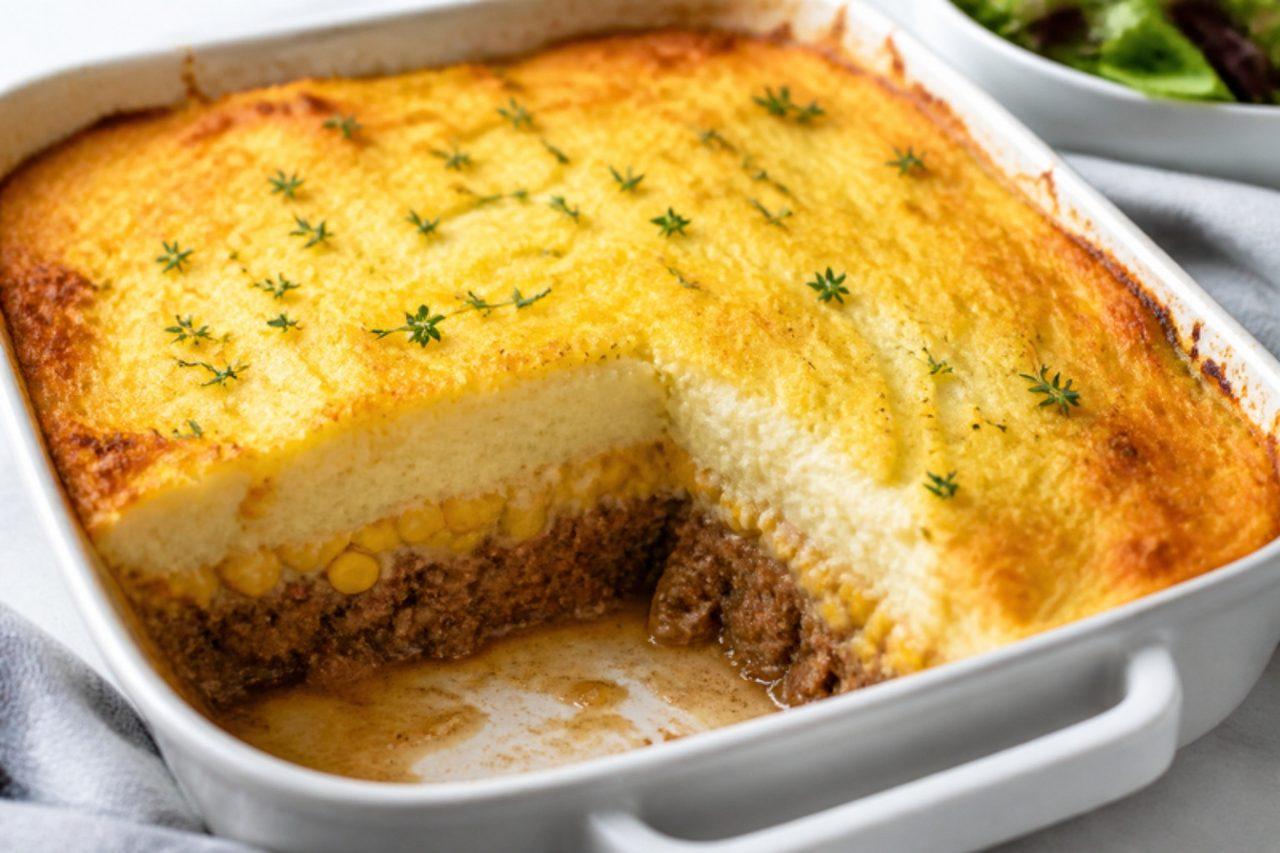
Pâté chinois is the weeknight family bake of Quebec, served in school canteens and home kitchens from Montreal to the Gaspé: a layer of seasoned minced beef, a layer of creamed corn, and a thick layer of buttery mashed potato, baked until the top is golden and served with ketchup or pickled beets. Its name is said to come from cooks who fed the Chinese workers building Canada's railway. The mistake is skipping the creamed corn in favour of whole kernels only; the creamed corn holds the layers together. Chef's tip: fluff the top of the mash with a fork so the ridges turn crisp.

70 minMeatGluten free
by KrazyBadal 0 views

Goes well with beef mince