Skip to content

Recipes with banana leaf

4 recipes that use banana leaf, with photos, step-by-step instructions and cook times. The quickest, Singodi, takes 45 minutes. It is most often cooked with cardamom, coconut and ghee.

Got a few things in the fridge? Search by everything you have

Kauk nyin baung

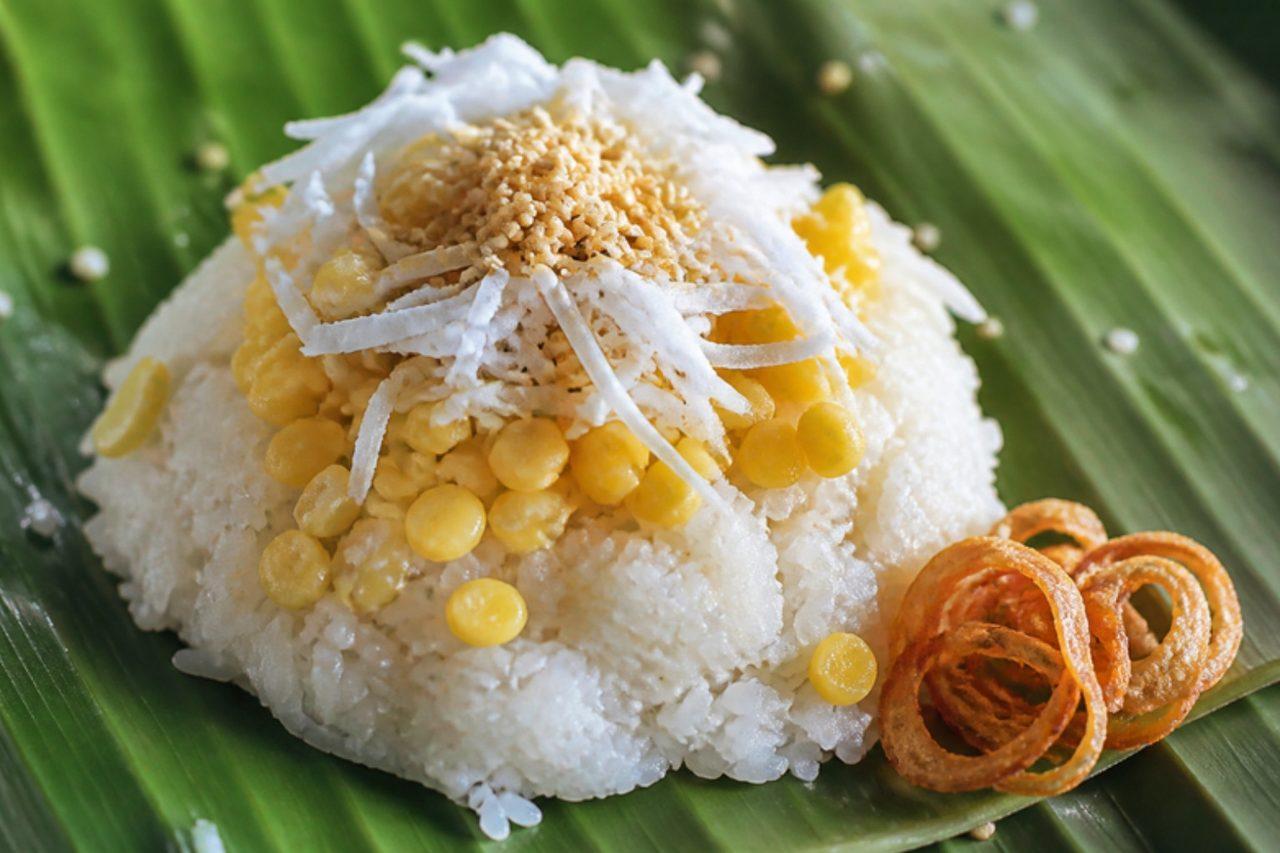
At sunrise on Yangon street corners, women sit behind bamboo baskets of steaming sticky rice wrapped in cloth, spooning portions onto squares of banana leaf for people heading to work. The glutinous rice is soaked and steamed until each grain is glossy, chewy and slightly translucent, then topped with soft pe pyot peas, freshly grated coconut and a sprinkle of toasted sesame pounded with salt. It is a plain, satisfying breakfast, sweet from the coconut, salty and nutty from the sesame, and usually eaten with a cup of green tea; some vendors use purple sticky rice for a darker, nuttier bowl. Boiling the rice like ordinary rice is the mistake that ruins it, turning it to glue, so always steam it. Chef's tip: soak the rice overnight; a short soak leaves hard white centres in the grains.

by KrazyBadal 0 views

Arroz con gandules

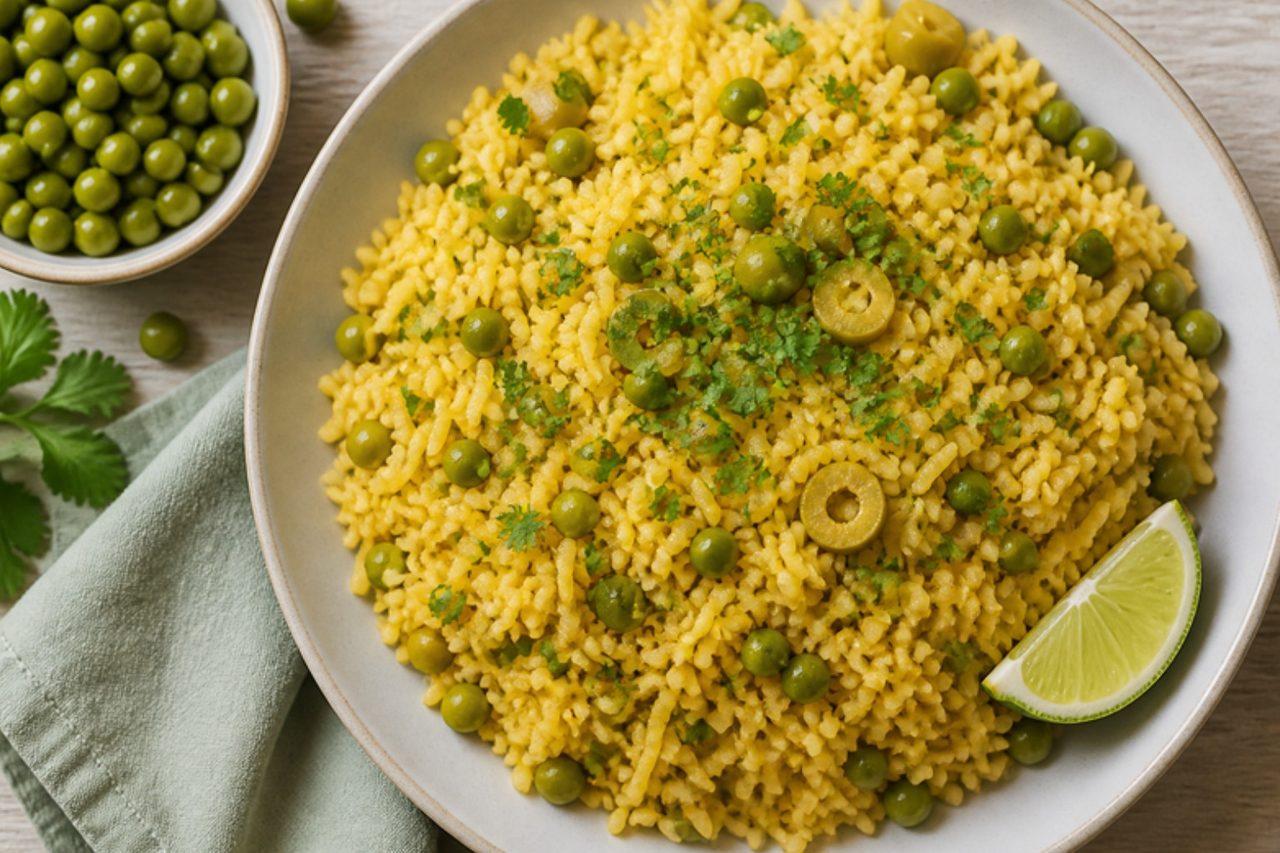
No Nochebuena table from San Juan to Mayagüez is complete without a big caldero of arroz con gandules, and in December every grandmother's pot is judged on it. Medium-grain rice is cooked with pigeon peas (gandules), fresh sofrito, achiote oil, tomato sauce and a scoop of alcaparrado (olives and capers), until each grain is tender and golden-orange. Island cooks usually add pork; this version gets its depth from a generous spoon of sofrito and good stock, and loses nothing. The best part is the pegao, the crisp golden crust left on the bottom of the pot. Chef's tip: once the lid goes on, leave the rice alone; stirring breaks the grains and releases starch, and you will lose both the fluffy texture and the pegao.

by KrazyBadal 0 views

Singodi

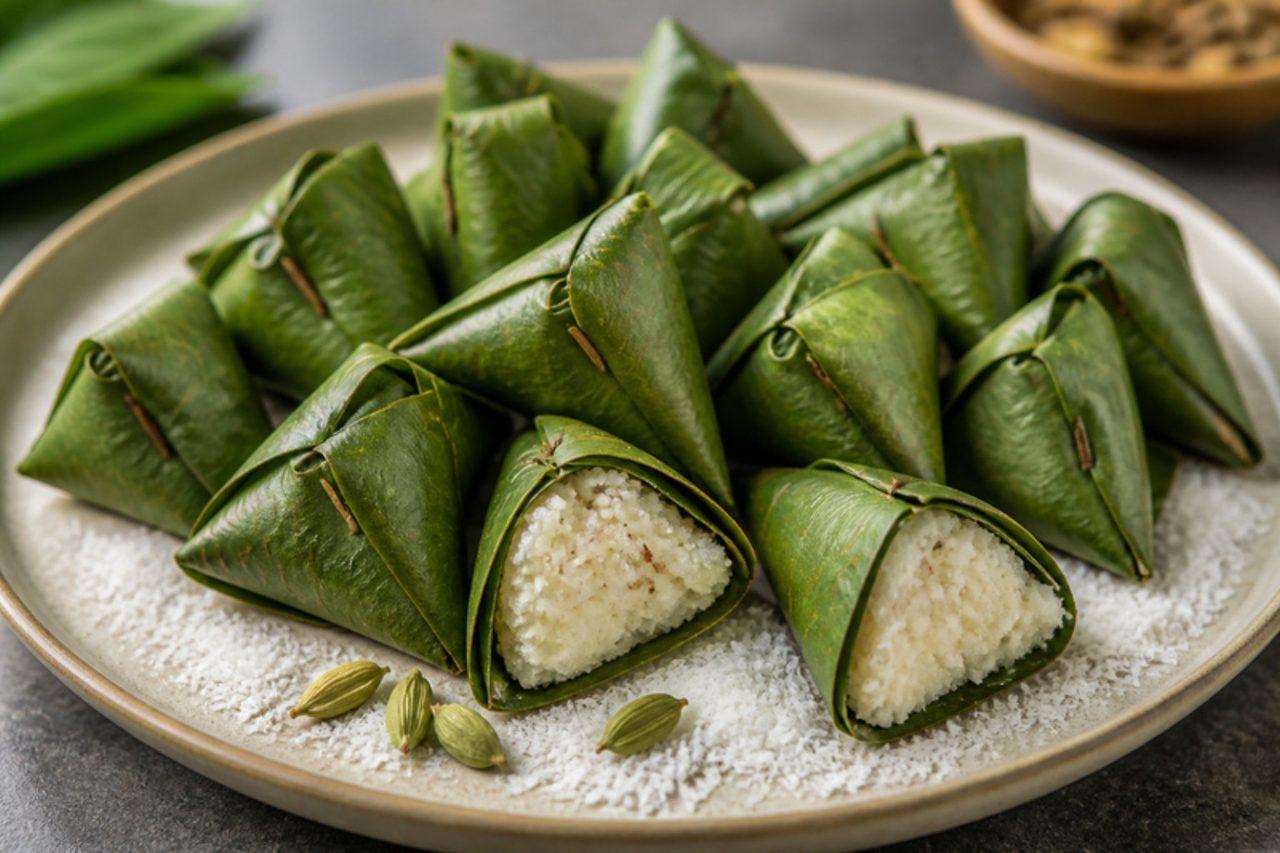
Singodi is Almora's other famous sweet, sold in the same shops as bal mithai but looking nothing like it: a soft, pale mix of khoya and coconut packed into a cone of maalu leaf and pinned shut with a twig. The leaf leaves a faint green, woody scent in the sweet, which is the whole point, and people in Kumaon unwrap them at weddings and on trips home. Maalu leaves are almost impossible to buy elsewhere, so this version uses banana leaf or fresh betel (paan) leaves; both give a gentle leafy aroma. Chef's tip: wrap the singodi while the filling is still warm and leave them in the fridge overnight, so the scent of the leaf soaks in.

by KrazyBadal 0 views

Chhena poda

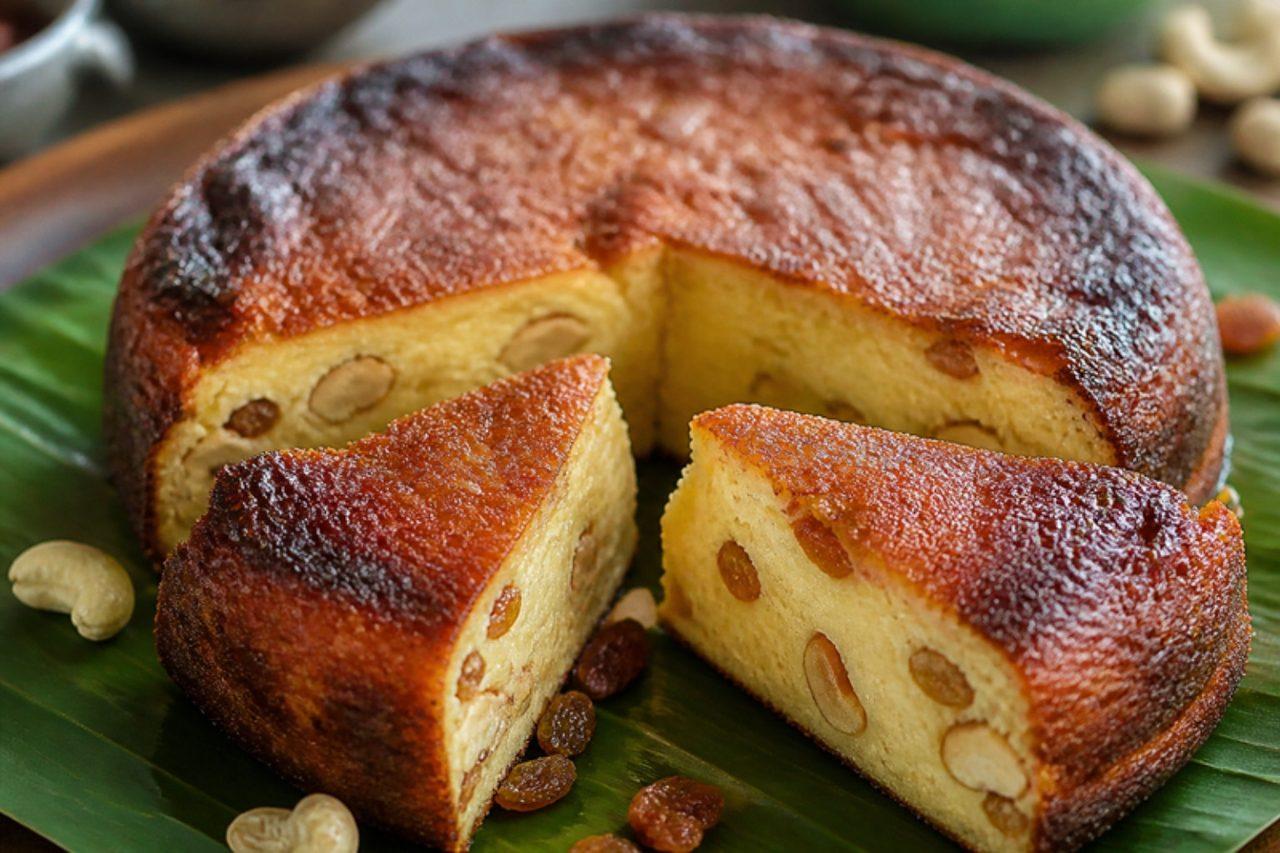
Chhena poda means 'burnt cheese', and it is Odisha's most famous sweet. It was first made in Nayagarh district, where a sweet maker is said to have left chhena and sugar overnight in a cooling wood oven. Fresh chhena is kneaded with sugar, a spoon of rice flour or semolina, and cardamom, then baked slowly until the outside caramelises into a dark, sticky crust and the inside stays moist and fudgy. It is offered to Lord Jagannath and sold in slabs at every Odia sweet shop. Chef's tip: line the tin with ghee-brushed banana leaf if you can; it adds the smoky note of the original.

by KrazyBadal 0 views

Goes well with banana leaf