Skip to content

Recipes with ají limo

5 recipes that use ají limo, with photos, step-by-step instructions and cook times. The quickest, Ceviche de chocho, takes 15 minutes. It is most often cooked with red onion, coriander and garlic.

Got a few things in the fridge? Search by everything you have

Ceviche de chocho

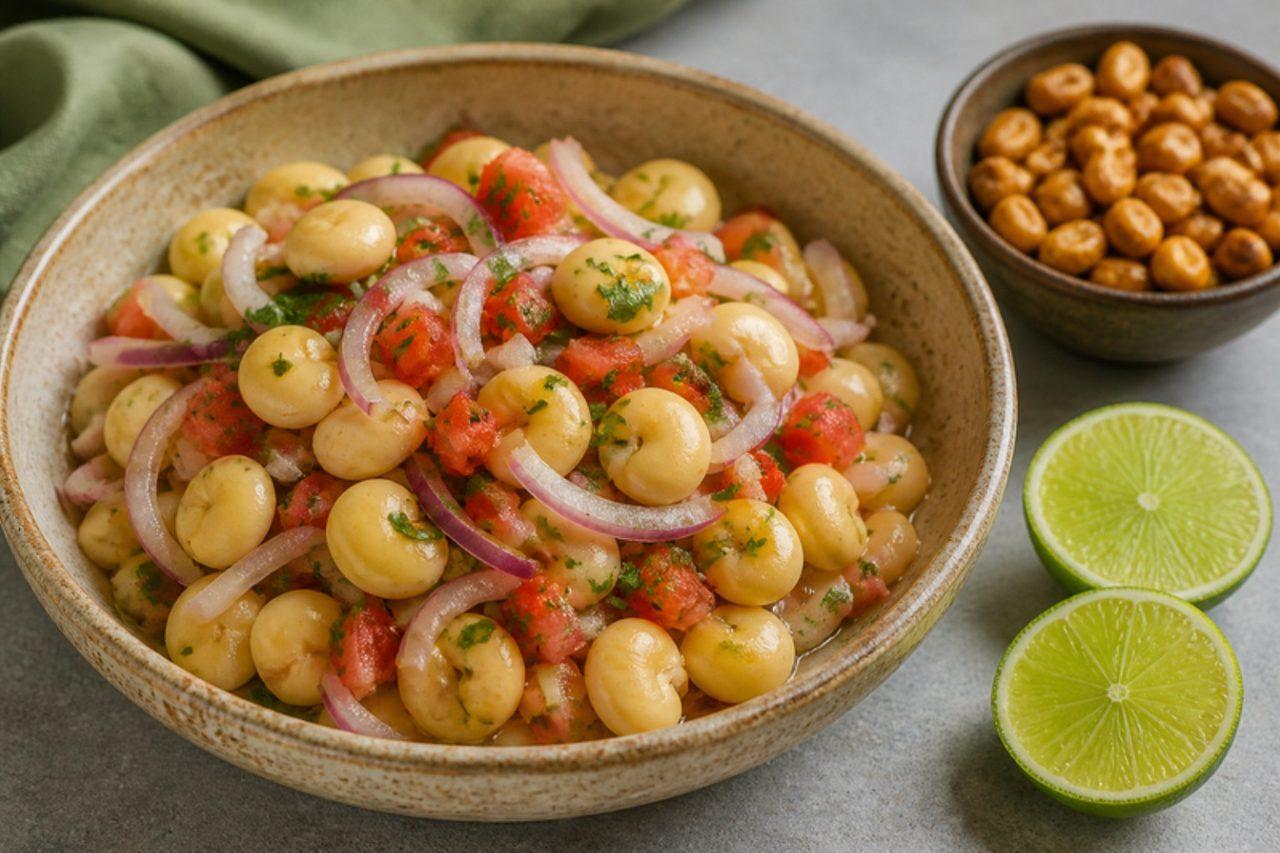
Chocho, or tarwi, is the Andean lupin bean, a protein-packed legume grown high around Huaraz, Cajamarca and Puno, and street carts in the highlands sell it in plastic cups dressed like a ceviche: lime, red onion, tomato, coriander and a little ají, sometimes with toasted corn for crunch. It is fresh, sour and pleasantly firm, a vegan stand-in for fish ceviche that works as a starter or a light lunch. Food safety matters here: raw or bitter lupins contain toxic alkaloids and must never be eaten as they are. Use only ready-debittered, cooked chochos, sold in jars, vacuum packs or chilled tubs in Latin shops; if they taste bitter, rinse and soak them longer or throw them away. Lupin is also a common allergen and may affect people allergic to peanuts. The usual mistake is to drown everything in lime and leave it, which makes the onion limp; mix the dressing just before serving. Chef's tip: squeeze the limes gently by hand rather than with a press, so the juice doesn't turn bitter.

by KrazyBadal 0 views

Ensalada de pallares

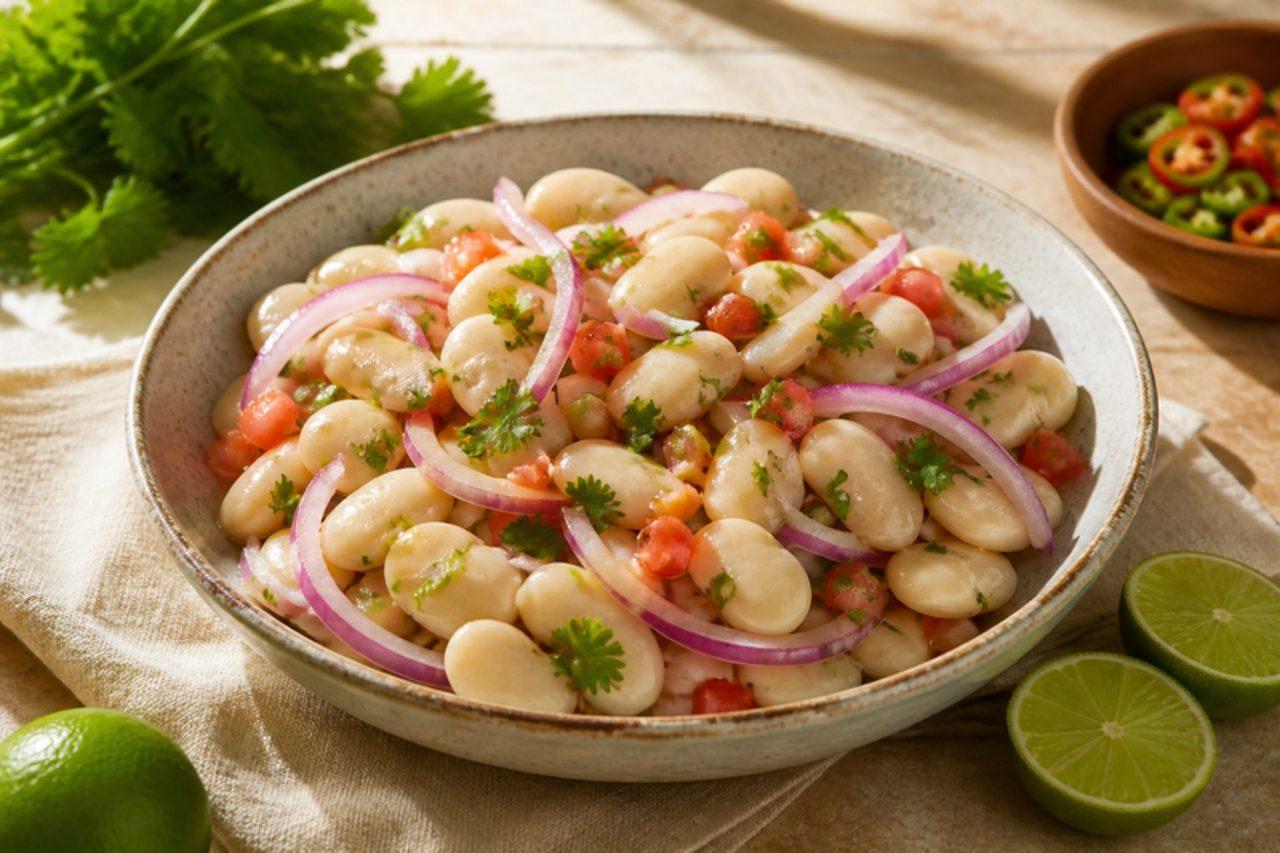
Around Ica, on Peru's southern desert coast, pallares grow in irrigated valleys and dry into fat, flat beans the size of a thumbnail; the region holds them in high regard and sells them by the sack at the Ica market. Cooked until creamy and dressed while warm, they become a filling salad that sits on the table beside fried fish, rice or a plate of boiled sweet potato, and it works as a light lunch on its own. The onion is cut the Peruvian way, in fine half-moons, rinsed so it stays crisp without biting, and the ají limo gives a fruity heat that you can turn up or down. A frequent slip is dressing the beans straight from the fridge: they stay chalky and the lime slides off instead of soaking in. Using dried beans adds an overnight soak; good jarred or canned large lima beans make it a 20-minute dish. Chef's tip: dress the beans while they are still warm with half the lime and salt, then add the onion, tomato and the rest of the lime just before serving.

by KrazyBadal 0 views

Leche de tigre

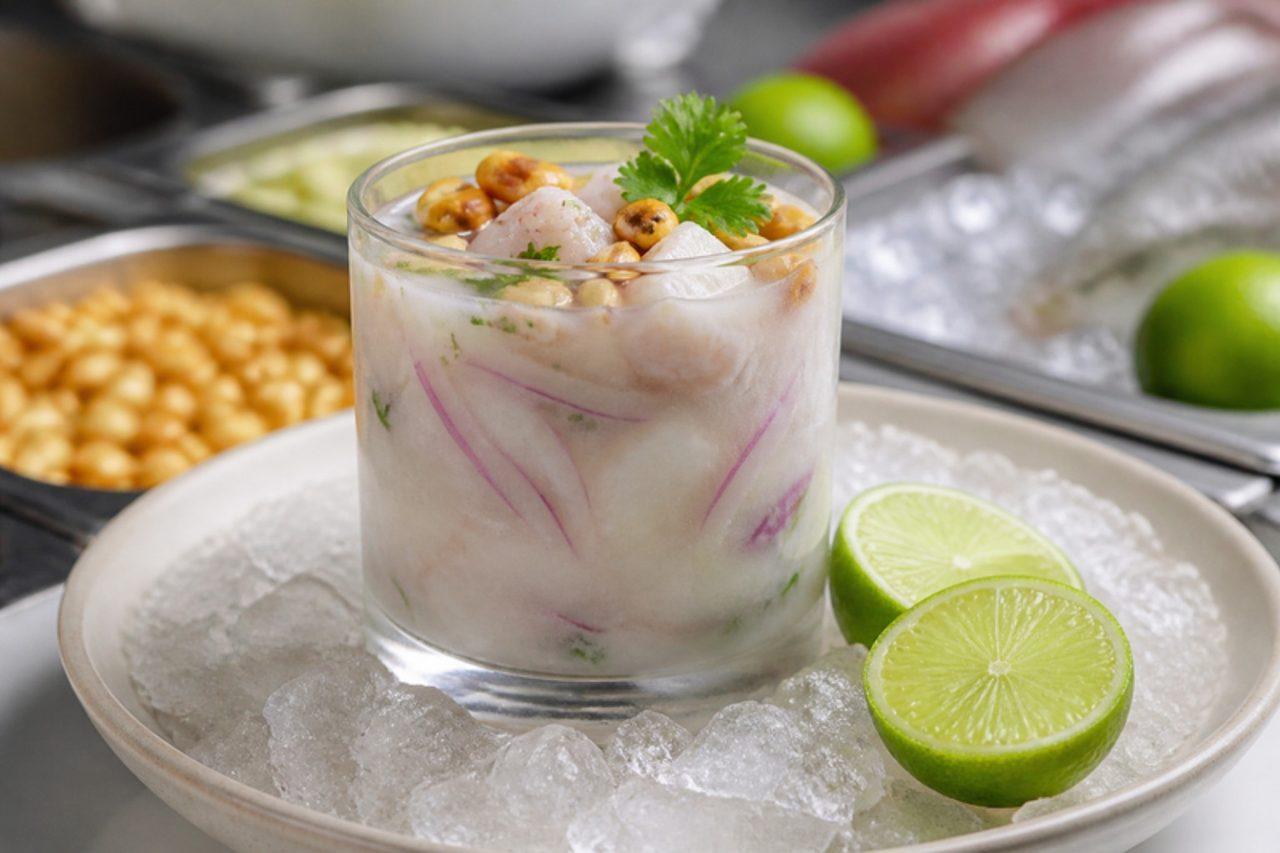
Every cevichería along Lima's coast, from Chorrillos to the market stalls of Surquillo, sells this as a pick-me-up before lunch: a small glass of milky, lime-sharp juice blitzed with fish, celery, ginger and ají limo, with a few cubes of fish and kernels of cancha floating on top. It is cold, salty, very sour and fiery, and people swear by it the morning after a long night. Because the fish is cured only by lime, this safer version uses very fresh white fish that has been frozen at −20 °C for 24 hours first, keeps everything ice cold and is drunk at once; it is not for pregnant women, young children or anyone with a weakened immune system. The common mistake is blending the lime with the fish for too long, which makes the juice bitter, so pulse only briefly. Chef's tip: squeeze the limes by hand, gently, without pressing the pith; the last hard squeeze is what turns leche de tigre bitter.

by KrazyBadal 0 views

Mushroom ceviche

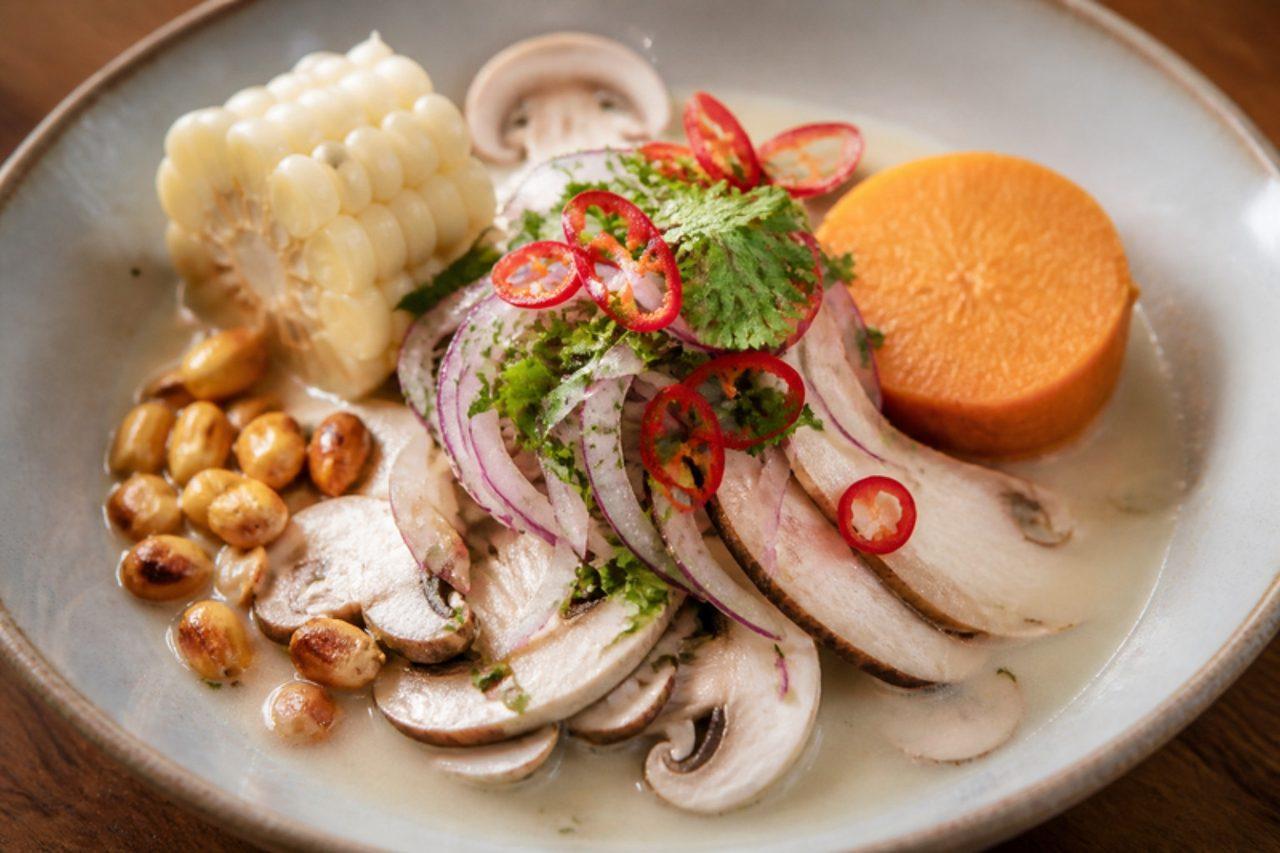
Ceviche is Lima's great obsession, eaten at lunchtime in cevicherías all along the coast; this vegetarian ceviche de champiñones keeps everything that makes it thrilling except the fish. Raw mushrooms are sliced thin and tossed at the last minute in leche de tigre, the bright, peppery marinade of lime, garlic, ginger, celery and ají limo, so they turn silky but still bite back. Red onion brings crunch, coriander freshness, and on the plate it gets the classic Lima company: a slice of sweet potato, a wedge of corn on the cob and a handful of toasted cancha. Serve it as a starter on a hot day, straight away. Chef's tip: squeeze the limes gently by hand and stop before the pith; pressing hard or using a squeezer that crushes the peel makes the leche de tigre bitter.

by KrazyBadal 0 views

Tacu tacu

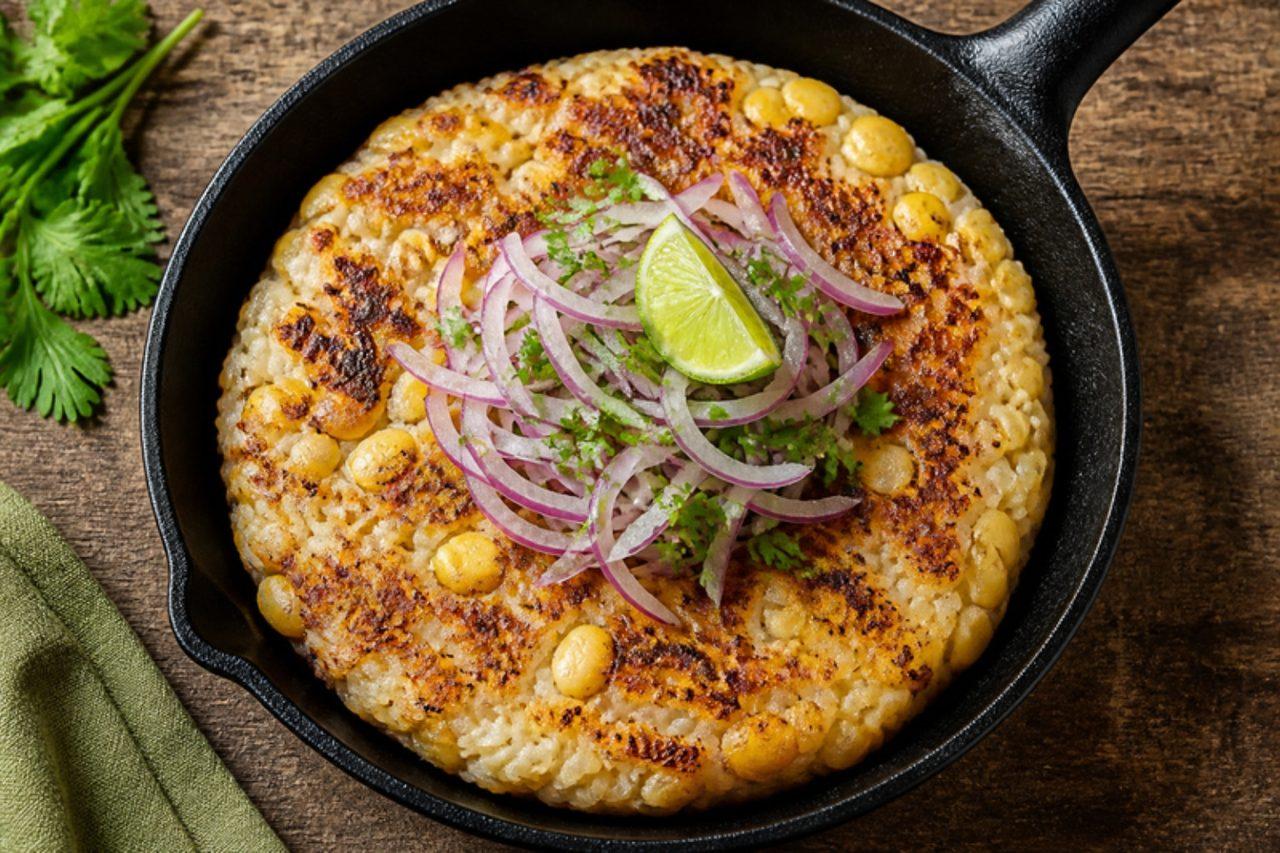
Tacu tacu was born in the Afro-Peruvian kitchens of Lima, as a thrifty way to turn yesterday's beans and rice into something new; today it appears on the menus of smart criollo restaurants too. Mashed canario beans and rice are fried with garlic, onion and ají amarillo, then shaped in the pan into a long, crisp-edged cake, soft inside and golden outside. It is a hearty lunch for two with a sharp salsa criolla of onion and lime, and often a fried ripe plantain on the side. Canario beans are pale yellow and creamy; pinto or cannellini beans work well. Chef's tip: use cold, day-old rice and beans; warm, freshly cooked ones are too soft to hold their shape and the tacu tacu falls apart.

by KrazyBadal 0 views

Goes well with ají limo