
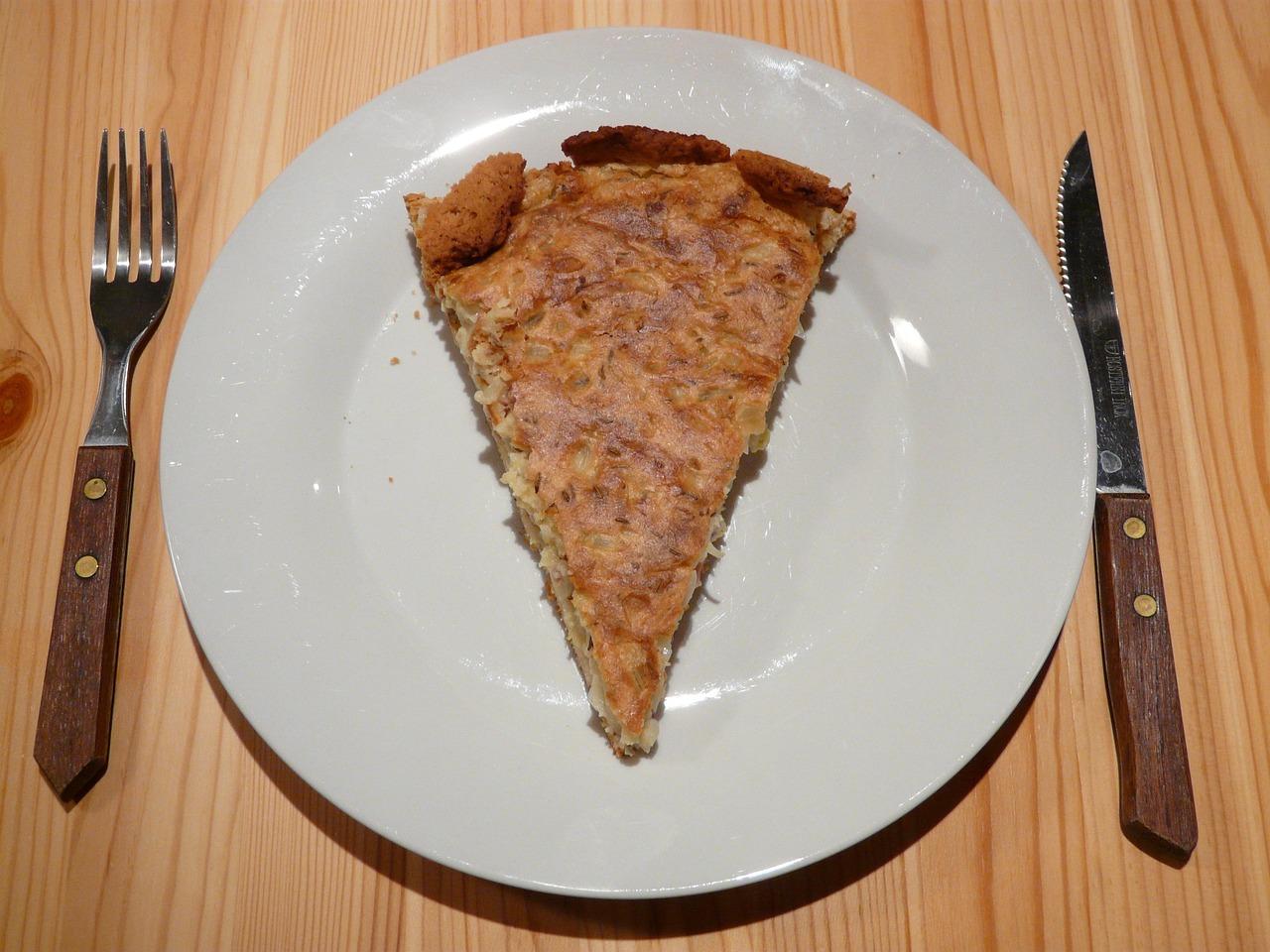
Zwiebelkuchen
Zwiebelkuchen: Swabian and Baden onion tart on yeast dough with caraway
 German
When the grape harvest starts in Baden and the Württemberg vineyards in September, bakeries pull out trays of Zwiebelkuchen: a thin yeast base piled with slowly softened onions under a sour-cream and egg custard, sprinkled with caraway. It is traditionally eaten warm with Neuer Wein or Federweißer, the young, still-fermenting wine; that is alcoholic, so pour cloudy fresh grape juice or apple juice instead, which tastes just as right. Many bakers add bacon; this version is vegetarian. A common mistake is rushing the onions on a high heat: they need 25 minutes on low until soft and sweet but still pale. Chef's tip: cool the onions before adding the custard, or the eggs start setting in the bowl.
- Total time
- 70 min
- Difficulty
- medium
- Serves
- 8
Ingredients
For the dough
For the topping
Shop this recipe on Amazon
What you'll need
Spices & pantry
Fresh ingredients (5)
Links open Amazon in a new tab. As an Amazon Associate, WhatToEat.Today earns from qualifying purchases.
Method
0/6 doneStep 1: Mix the 10 ½ oz plain flour, ⅛ oz dried yeast, 1 tsp sugar and ½ tsp salt, add the ¾ cup lukewarm milk and 3 tbsp sunflower oil and knead for 6 minutes until smooth. Cover and leave for 1 hour until doubled.
65 minStep 2: Meanwhile melt the 1 ⅜ oz butter in a wide pan, add the 2 ¼ lb onions and 1 tsp salt, cover and cook over a low heat for 25 minutes, stirring now and then, until very soft and translucent but not browned. Uncover for the last 5 minutes to steam off the liquid. Leave to cool.
30 minStep 3: Heat the oven to 400°F (350°F fan). Roll the dough out to fit a greased 30 × 40 cm tray, pushing it up the sides a little. Let it rise for 15 minutes.
15 minStep 4: Whisk the 7 oz sour cream, 3 eggs, 1 tbsp plain flour, ½ tsp black pepper and 1 pinch grated nutmeg, then stir in the cooled onions. Spread over the dough and sprinkle with the 1 tsp caraway seeds.
4 minStep 5: Bake on the lowest shelf for 35–40 minutes, until the top is set and golden with brown edges and the base sounds crisp when tapped.
38 minStep 6: Cool for 10 minutes before cutting into squares. Serve warm.
10 min
Nutrition per serving
- Calories
- 290 kcal
- Protein
- 8 g
- Carbs
- 30 g
- Fat
- 15 g
- Fibre
- 3 g
Nutrition values are estimates.
KrazyBadal
Good to know
- How long does zwiebelkuchen take?
- About 70 minutes in total: 30 minutes to prepare and 40 minutes to cook.
- How many people does it serve?
- 8 as written. Change the servings above the ingredients and every amount scales to match.
- Is it vegetarian?
- Yes. It has no meat or fish.
- What can I use instead of plain flour?
- Self-raising flour, same amount (then leave out the baking powder).
- What can I use instead of lukewarm milk?
- Oat, soy or almond milk, same amount (use unsweetened for savoury dishes).
Reviews
No reviews yet. Be the first to cook it.
Rate this recipe
Sign in to rate and review this recipe.
You might also like
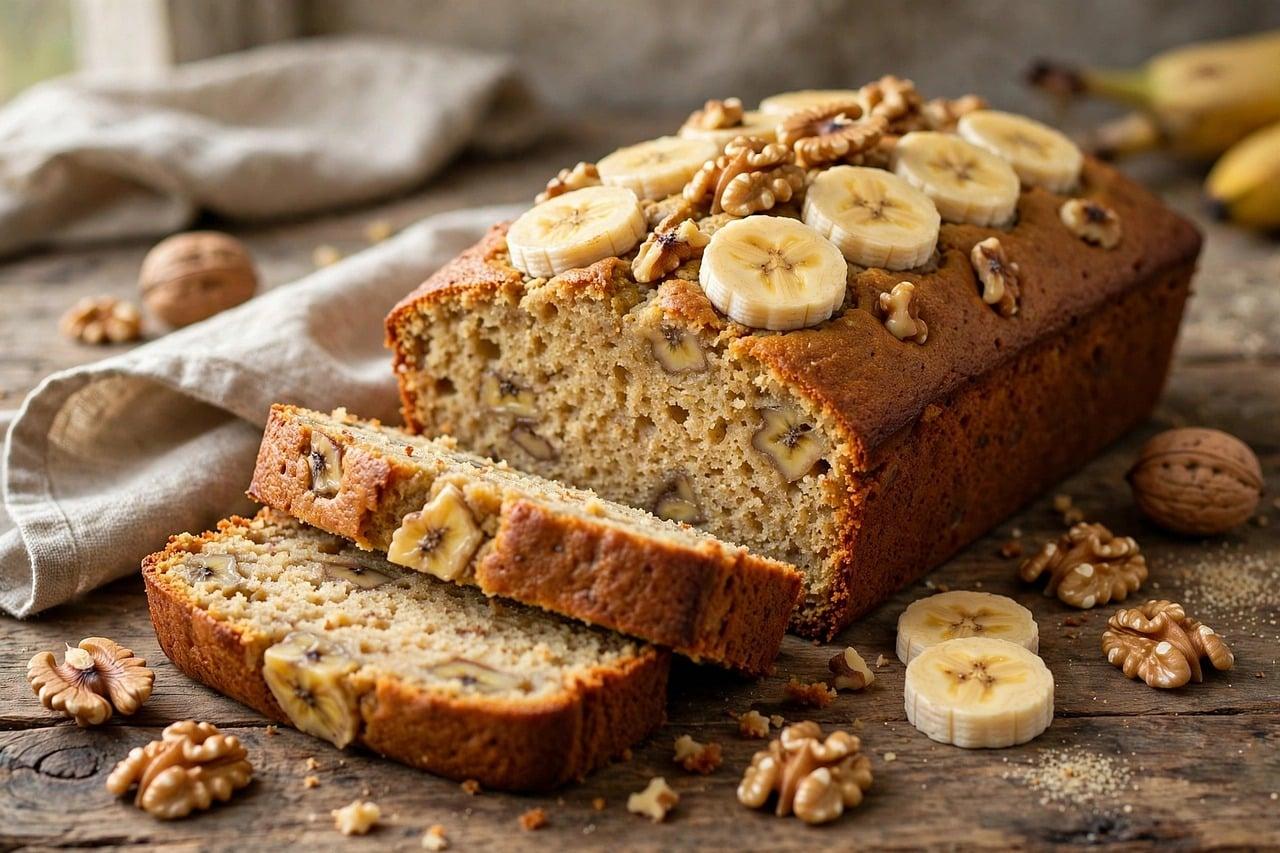
Moist banana bread
The blacker the bananas, the better the loaf. This one is mixed in a single bowl with melted butter and a little brown sugar, so it's soft, deeply banana-y and keeps well for days.
 American
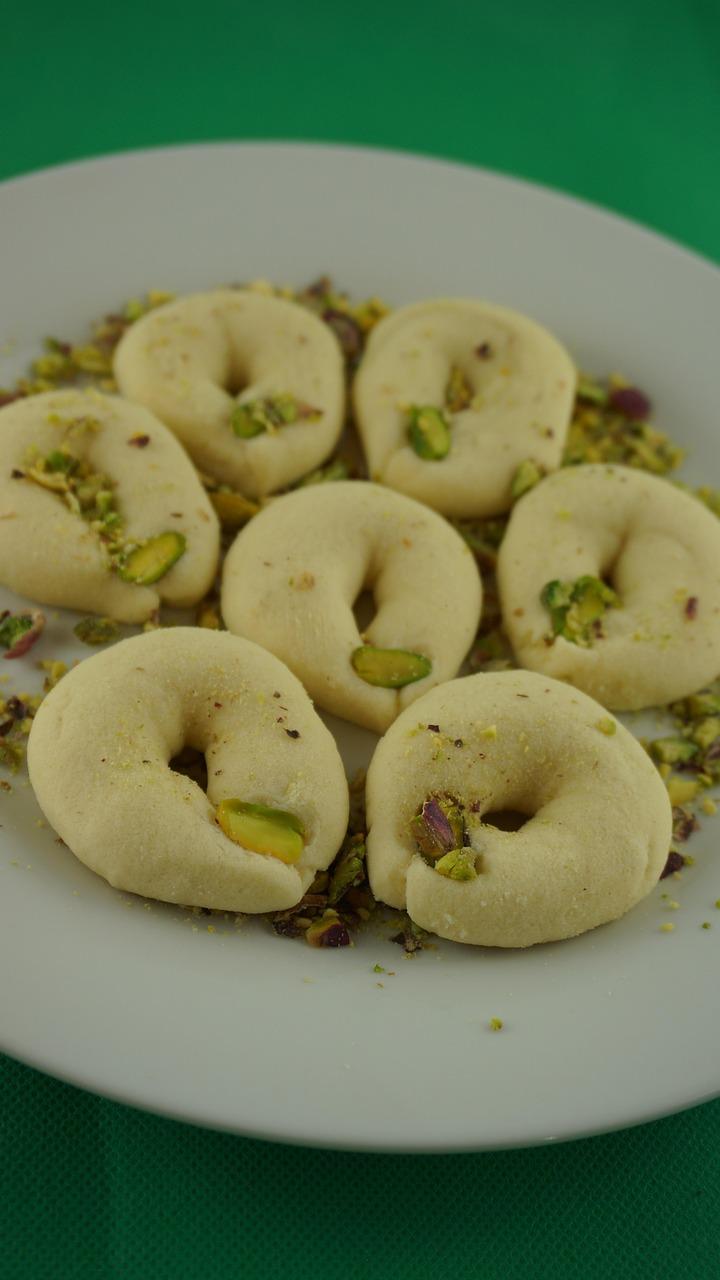
Ma'amoul
Ma'amoul are delicate shortbread-like pastries made for Eid and Easter across the Middle East. A soft, rose-scented butter dough is wrapped around a filling of dates, walnuts, almonds and pistachios cooked with cinnamon, marked with a fork, baked pale and dusted with icing sugar. Makes 35; they keep well in a tin.
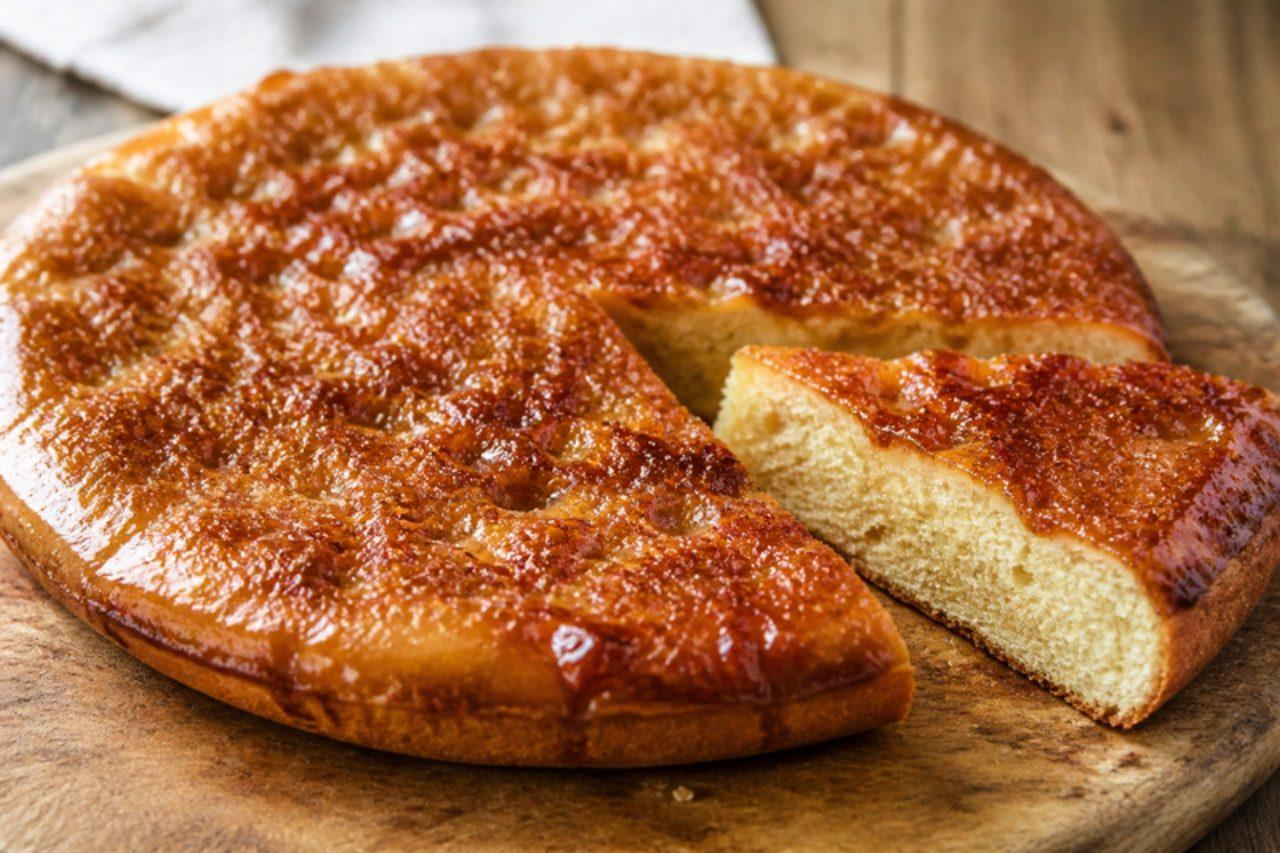
Tarte au sucre lilloise
In Lille and across the Nord, a sugar tart is not pastry at all but a flat round of soft brioche dough, dimpled and covered with brown cassonade sugar, butter and a little egg and cream, which bakes into a sticky, caramelised top over a fluffy base. Families buy it from the boulangerie for Sunday breakfast and goûter, or bake one when guests come for coffee. The Nord's own beet sugar, vergeoise, gives it a deep, almost molasses flavour; soft dark brown sugar is the closest swap. Chef's tip: press deep dimples into the risen dough with your fingertips before adding the topping; the sugar and cream collect in them and bake into little pools of caramel.
 French