
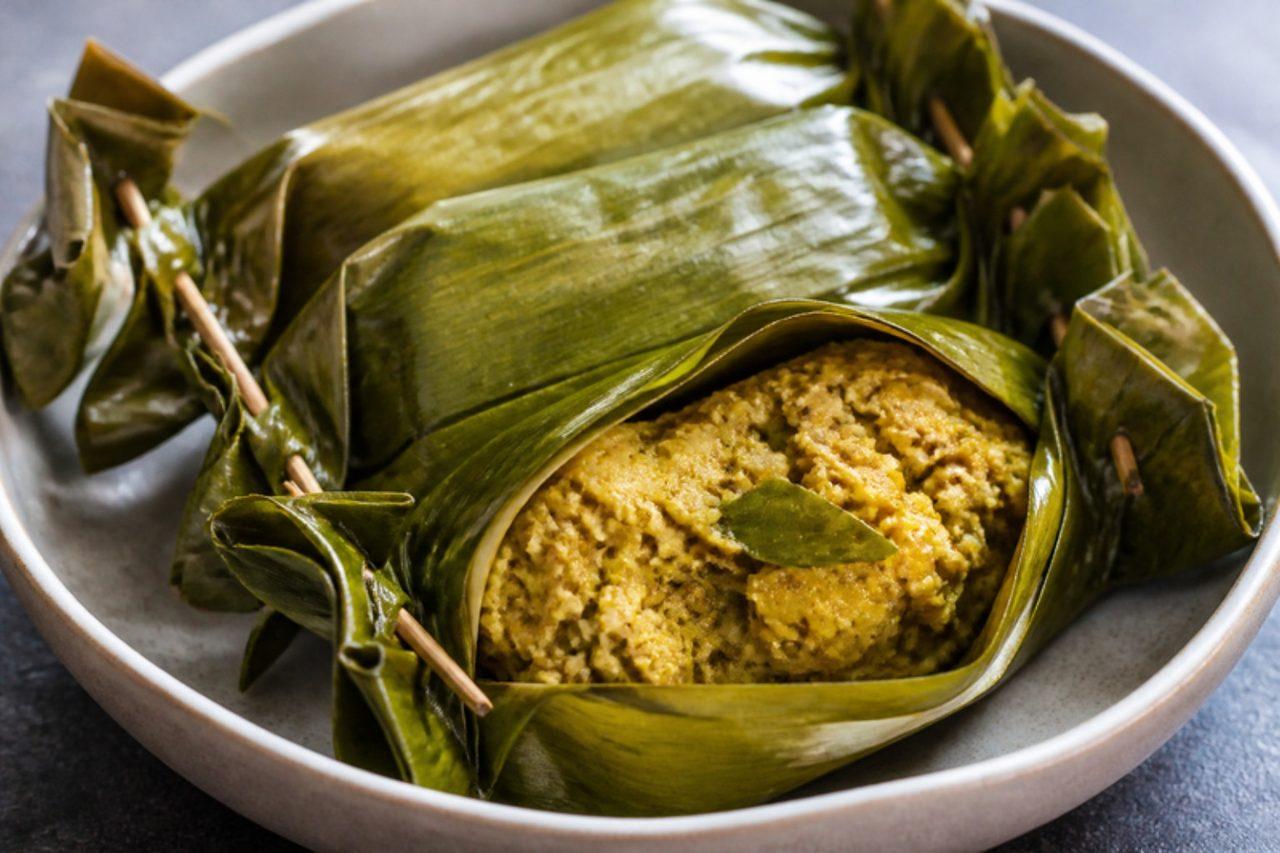
AI-generated image
Tum ayam (Balinese steamed spiced chicken parcels)
Minced chicken with base genep, coconut and lime leaf, wrapped in banana leaf and steamed


Tum ayam are small banana-leaf parcels made in Bali for Galungan and family ceremonies, when they appear on festive plates and in offerings alongside lawar and satay; wrapping the food in leaf is part of how Balinese cooking shows care for what is offered. Minced chicken is mixed with cooked base genep, a spoonful of coconut cream and shredded lime leaf, then folded into leaves and steamed until firm and juicy. The banana leaf gives a gentle, tea-like aroma, and the filling is spicy, fragrant and moist, like a soft spiced pâté. Serve the parcels with rice and a vegetable dish, letting everyone unwrap their own. Chef's tip: cool the fried paste completely before it meets the raw chicken, so the mixture stays cold and safe and the parcels hold their shape.
- Total time
- 60 min
- Difficulty
- medium
- Serves
- 4
Ingredients
For the base genep paste
- 5 shallotspeeled
- ½ oz fresh turmericpeeled, sliced
- ½ oz galangalsliced
- ⅓ oz kencur (aromatic ginger)or extra galangal
- 3 candlenutsor macadamia nuts
- 1 tsp coriander seedstoasted
- ½ tsp shrimp pastetoasted
- 2 tbsp coconut oil
For the filling
- 1 ⅛ lb minced chicken thigh
- 3 tbsp coconut cream
- 4 makrut lime leavesvery finely shredded
- 1 tsp salt
- 1 tsp palm sugargrated
For wrapping
- 8 banana leavescut into 20 cm squares, wiped clean
- 4 salam leaves (Indonesian bay)halved
Shop this recipe on Amazon
What you'll need
Spices & pantry
Fresh ingredients (6)
Links open Amazon in a new tab. As an Amazon Associate, WhatToEat.Today earns from qualifying purchases.
Method
0/8 doneStep 1: Blend 5 shallots, 4 garlic cloves, ½ oz fresh turmeric, ½ oz galangal, ⅓ oz kencur (aromatic ginger), 3 candlenuts, 3 red chillies, 1 tsp coriander seeds and ½ tsp shrimp paste with a splash of water to a smooth paste.
5 minStep 2: Fry the paste in 2 tbsp coconut oil in a frying pan over a medium heat for 8 minutes, stirring, until it darkens and smells cooked. Spread on a plate and cool completely, about 10 minutes.
18 minStep 3: In a bowl, mix the 1 ⅛ lb minced chicken thigh with the cooled paste, 3 tbsp coconut cream, 4 makrut lime leaves, 1 tsp salt and 1 tsp palm sugar until sticky and evenly yellow.
4 minStep 4: Pass each 8 banana leaves square briefly over a gas flame or dip in hot water until it turns glossy and soft, so it folds without splitting.
5 minStep 5: Put a half 4 salam leaves (Indonesian bay) leaf in the middle of each leaf and spoon one-eighth of the chicken on top, shaping it into a flat oblong about 2 cm thick. Common mistake: making the parcels too fat; the centre stays raw while the outside overcooks.
8 minStep 6: Fold the sides in to overlap, then fold the ends underneath like an envelope and pin with a toothpick.
5 minStep 7: Steam over a high heat for 25 minutes, until the parcels feel firm when pressed and the chicken reaches 165°F in the centre of one (the juices run clear).
25 minStep 8: Serve warm in their leaves, or grill them for 2 minutes a side for a smoky finish. Keep leftovers in the fridge for 2 days and steam until piping hot.
Nutrition per serving
- Calories
- 300 kcal
- Protein
- 27 g
- Carbs
- 7 g
- Fat
- 18 g
- Fibre
- 1 g
Nutrition values are estimates.
KrazyBadal
Good to know
- How long does tum ayam (Balinese steamed spiced chicken parcels) take?
- About 60 minutes in total: 30 minutes to prepare and 30 minutes to cook.
- How many people does it serve?
- 4 as written. Change the servings above the ingredients and every amount scales to match.
- Is it gluten free?
- Yes, as written. Check the labels on stock, sauces and spice mixes, which sometimes contain gluten.
- Is it very spicy?
- It has some heat. Use less chilli for a milder version, or more if you like it hot.
- What can I use instead of shallots?
- Half an onion per 2 shallots.
- What can I use instead of garlic cloves?
- ½ tsp garlic paste or ⅛ tsp garlic powder per clove.
Reviews
No reviews yet. Be the first to cook it.
Rate this recipe
Sign in to rate and review this recipe.
You might also like
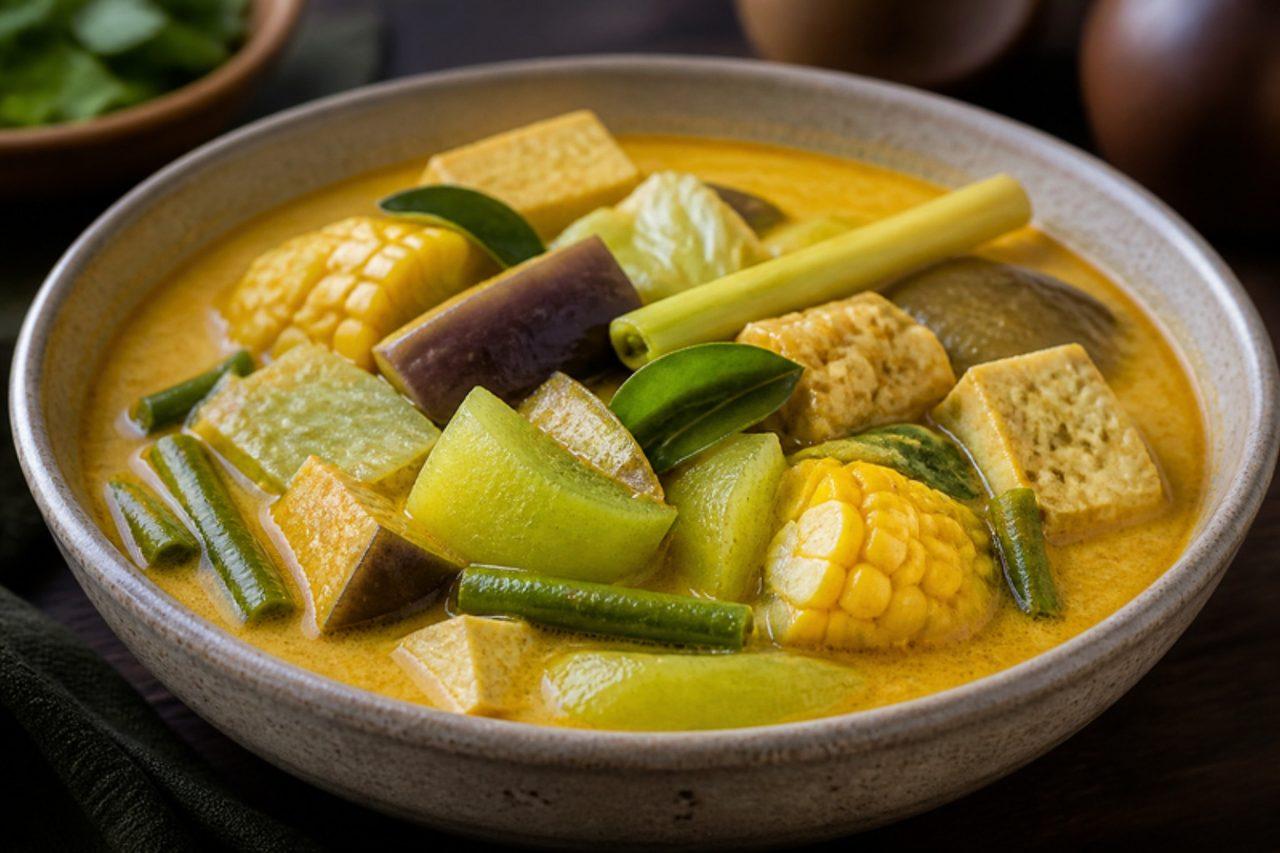
Sayur lodehVegetables in coconut milk
Sayur lodeh is everyday cooking in Central Java, made in big pots in Solo and Semarang kitchens and ladled over rice, with lontong rice cakes at Lebaran, or alongside opor and sambal goreng on festive tables. It's soupy rather than thick: a fragrant broth of coconut milk, galangal, lemongrass and lime leaf that carries chunks of aubergine, long beans, chayote and sweetcorn, plus tempeh and tofu to make it a meal. The flavour is mellow and slightly sweet, so the heat comes from sambal on the side. Chef's tip: keep the pot at a gentle simmer once the coconut milk goes in and stir now and then — a rolling boil splits the coconut milk into oily curds.


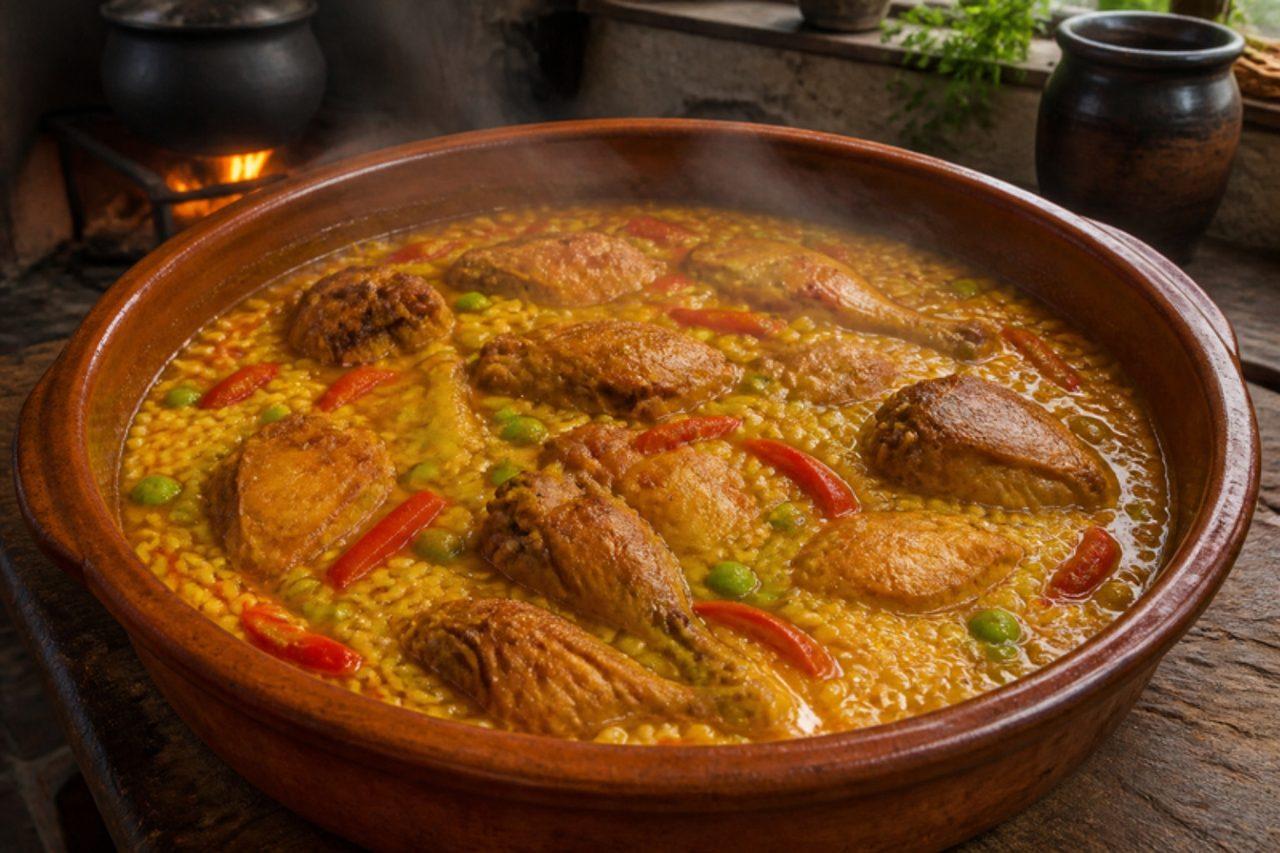
Arroz con pitu de caleyaSoupy rice with chicken
A pitu de caleya is a cockerel raised free in the lanes, or caleyas, of rural Asturias; its firm, flavourful meat needs long stewing, and families around Villaviciosa and Grado still cook it for feast days. The stew is often finished as a soupy rice, so the deep chicken juices go into every grain. Use the best free-range chicken you can find. The braise includes dry white wine; replace it with extra stock and a squeeze of lemon if you want it alcohol-free. Chef's tip: brown the chicken slowly and deeply; that colour is where the flavour of the whole pot comes from.
 Spanish
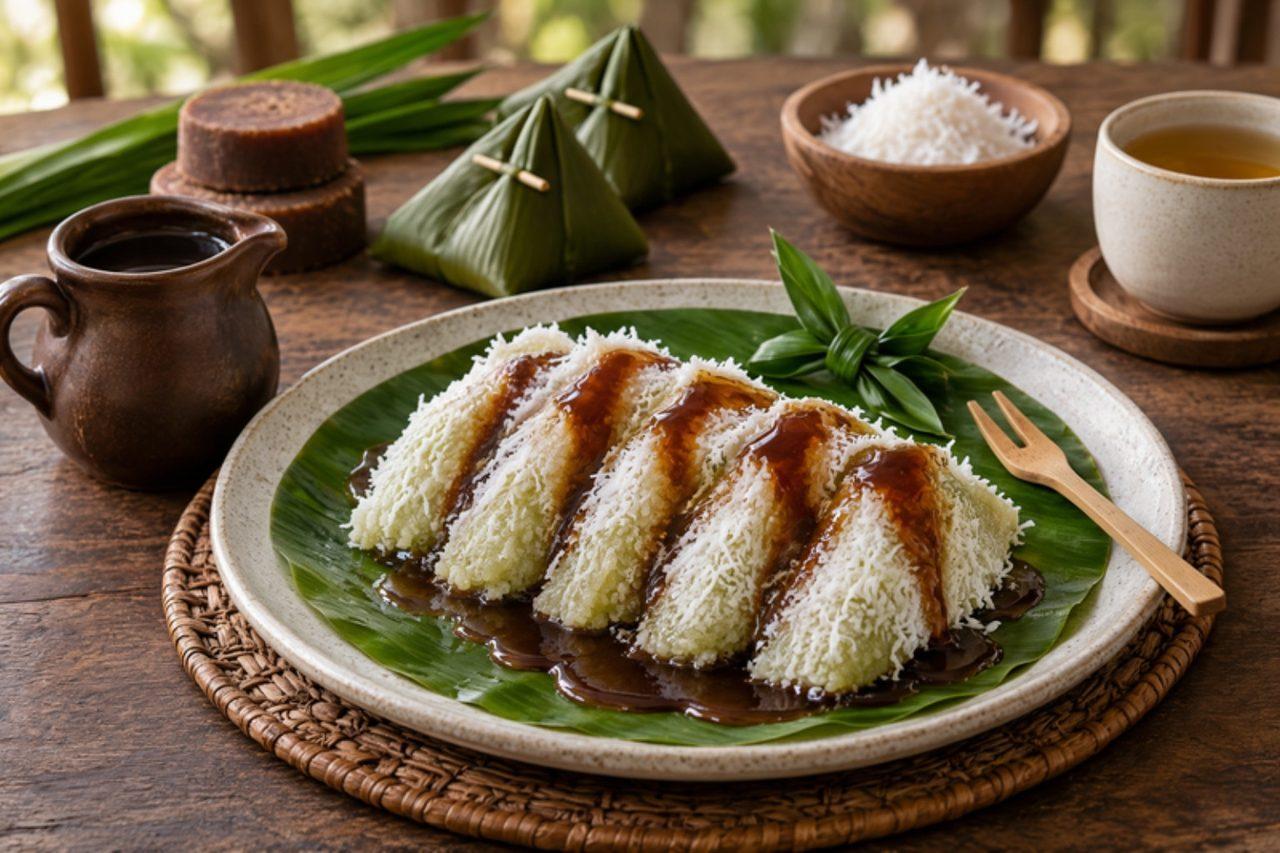
LupisSticky rice with coconut sugar
At morning markets across Central and East Java, vendors unwrap banana-leaf triangles of chewy sticky rice, roll them in fresh grated coconut and drench them in dark palm sugar syrup, all served on a square of leaf. Lupis is breakfast and snack at once, eaten with sweet tea. The common mistake is packing the leaves too full: the rice swells as it cooks, so fill each cone only two-thirds, or the parcels split and turn watery. Chef's tip: steam the grated coconut with a pinch of salt for 5 minutes before using it; it keeps longer and the salt sharpens the caramel taste of the syrup.