
AI-generated image
Terong balado
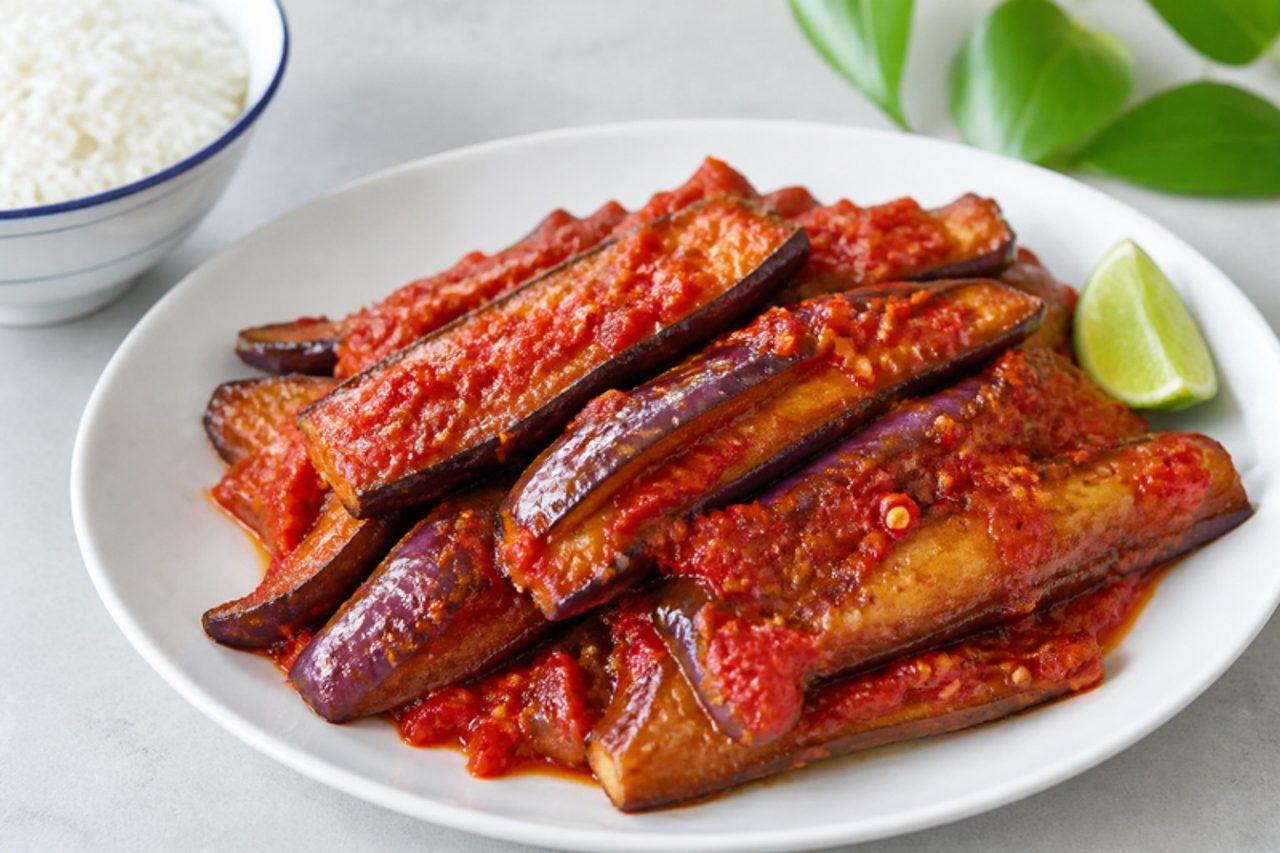
Terong balado: fried aubergine under a glossy, hot red chilli and tomato sambal


Balado is the Minangkabau way of smothering fried food in a coarse, shiny red chilli sambal, and in West Sumatra the aubergine version is a daily home dish as much as a restaurant one. The aubergine is fried until soft and creamy inside, then folded into a sambal of red chillies, shallots and tomato cooked down until sweet. Serve it at room temperature with rice and fried tofu. Chef's tip: grind the chillies coarsely rather than to a purée; Padang cooks want flecks of skin and seed in a balado.
- Total time
- 40 min
- Difficulty
- easy
- Serves
- 4
Ingredients
For the aubergine
For the balado
Method
0/5 doneStep 1: Toss 3 long Asian aubergines with 1 tsp salt and leave for 10 minutes, then pat dry with kitchen paper.
10 minStep 2: Heat ¾ cup vegetable oil in a wok over a medium-high heat. Fry the aubergine in two batches, skin side down first, for 4–5 minutes per batch, until the flesh is golden and the pieces collapse when pressed. Drain on paper. Common mistake: frying at too low a heat; the aubergine soaks up oil and turns greasy instead of creamy.
10 minStep 3: Pulse 8 large red chillies, 3 bird's eye chillies, 6 shallots, 3 cloves garlic and 1 tomato in a food processor to a coarse paste.
3 minStep 4: Pour off all but 3 tbsp of oil and return the wok to a medium heat. Fry the paste, stirring, for 8–10 minutes, until it turns from bright red to a deep, shiny brick colour and the oil separates.
10 minStep 5: Season with 2 tsp sugar, ½ tsp salt and ½ lime, then gently fold in the aubergine until coated. Serve warm or at room temperature.
2 min
Nutrition per serving
- Calories
- 250 kcal
- Protein
- 3 g
- Carbs
- 16 g
- Fat
- 20 g
- Fibre
- 6 g
Nutrition values are estimates.
KrazyBadal
Good to know
- How long does terong balado take?
- About 40 minutes in total: 15 minutes to prepare and 25 minutes to cook.
- How many people does it serve?
- 4 as written. Change the servings above the ingredients and every amount scales to match.
- Is it vegan?
- Yes. It has no meat, fish, dairy or eggs.
- Is it gluten free?
- Yes, as written. Check the labels on stock, sauces and spice mixes, which sometimes contain gluten.
- Is it very spicy?
- It has some heat. Use less chilli for a milder version, or more if you like it hot.
- What can I use instead of shallots?
- Half an onion per 2 shallots.
- What can I use instead of garlic?
- ½ tsp garlic paste or ⅛ tsp garlic powder per clove.
Reviews
No reviews yet. Be the first to cook it.
Rate this recipe
Sign in to rate and review this recipe.
You might also like
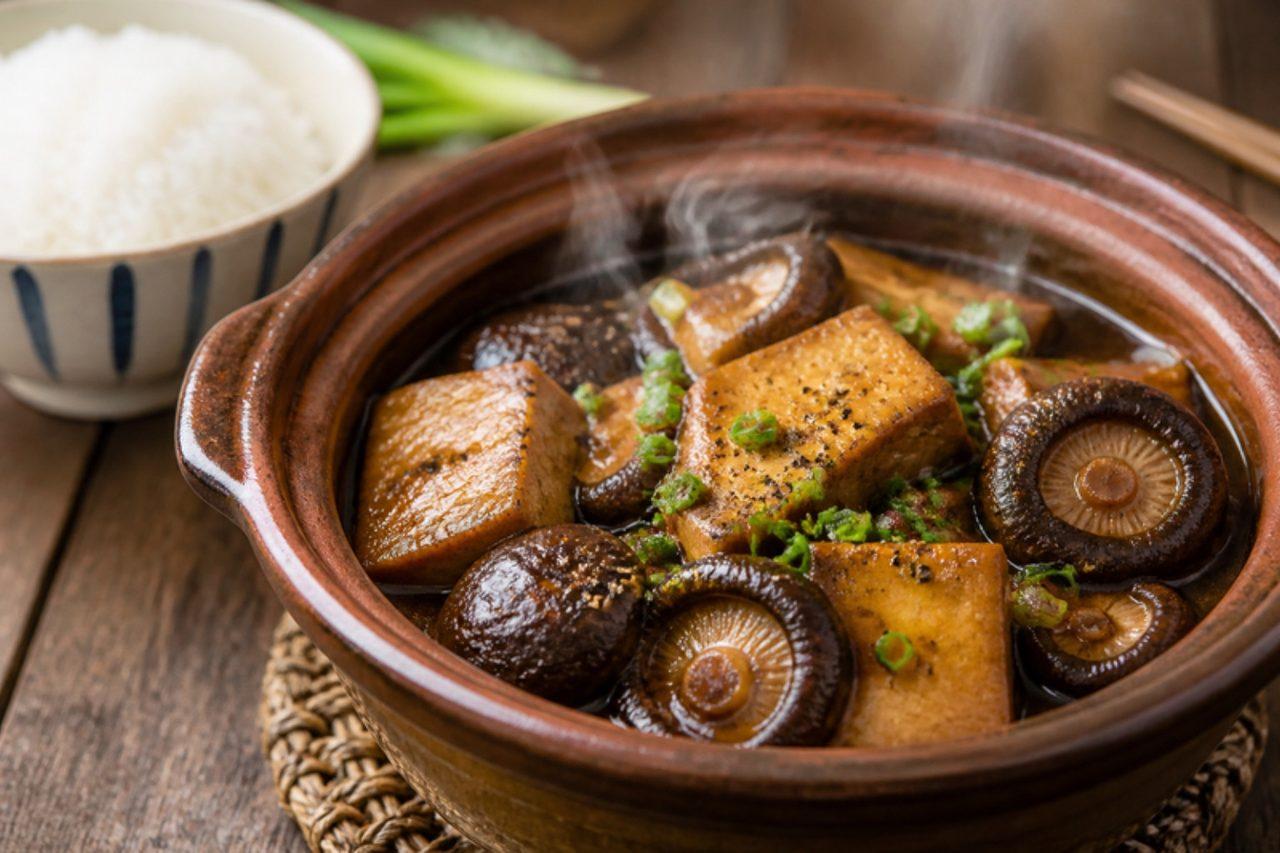
Caramelised clay-pot tofu and mushrooms
Kho is the slow braise of the Mekong Delta: food simmered in a little clay pot (nồi đất) with dark caramel and seasoning until the sauce is sticky and the flavours go deep. This vegetarian cousin of cá kho tộ (braised fish) uses golden tofu and meaty mushrooms in place of fish, cooked in coconut water, as cooks do in the south, and finished with plenty of black pepper. Serve it bubbling in its pot with steamed rice and a sour soup or plain boiled vegetables. Chef's tip: take the caramel (nước màu) to a deep mahogany, darker than you think, just before it smokes; pale caramel only tastes sweet, while dark caramel gives the bittersweet, smoky flavour of a real kho.

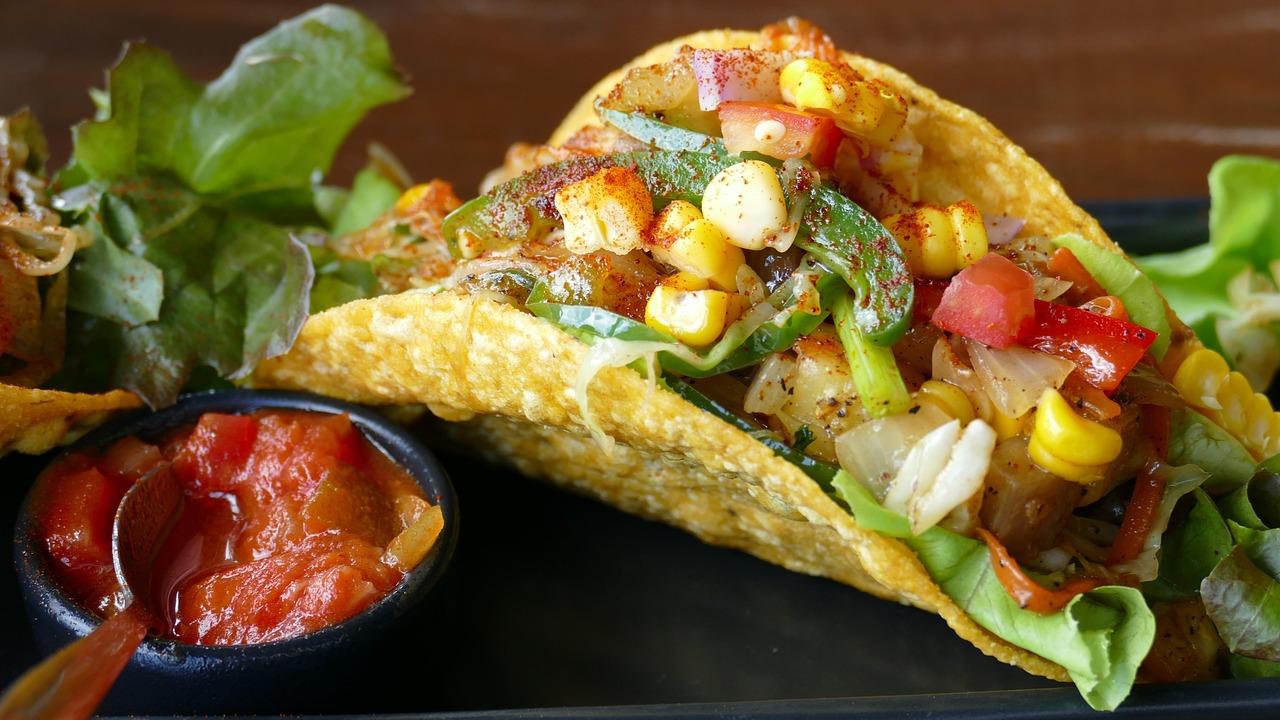
Black bean tacos with lime slaw
Proof that a meat-free taco night can be the best one. The beans are mashed with chipotle and cumin so they hold together in the tortilla, and a quick lime slaw adds crunch.

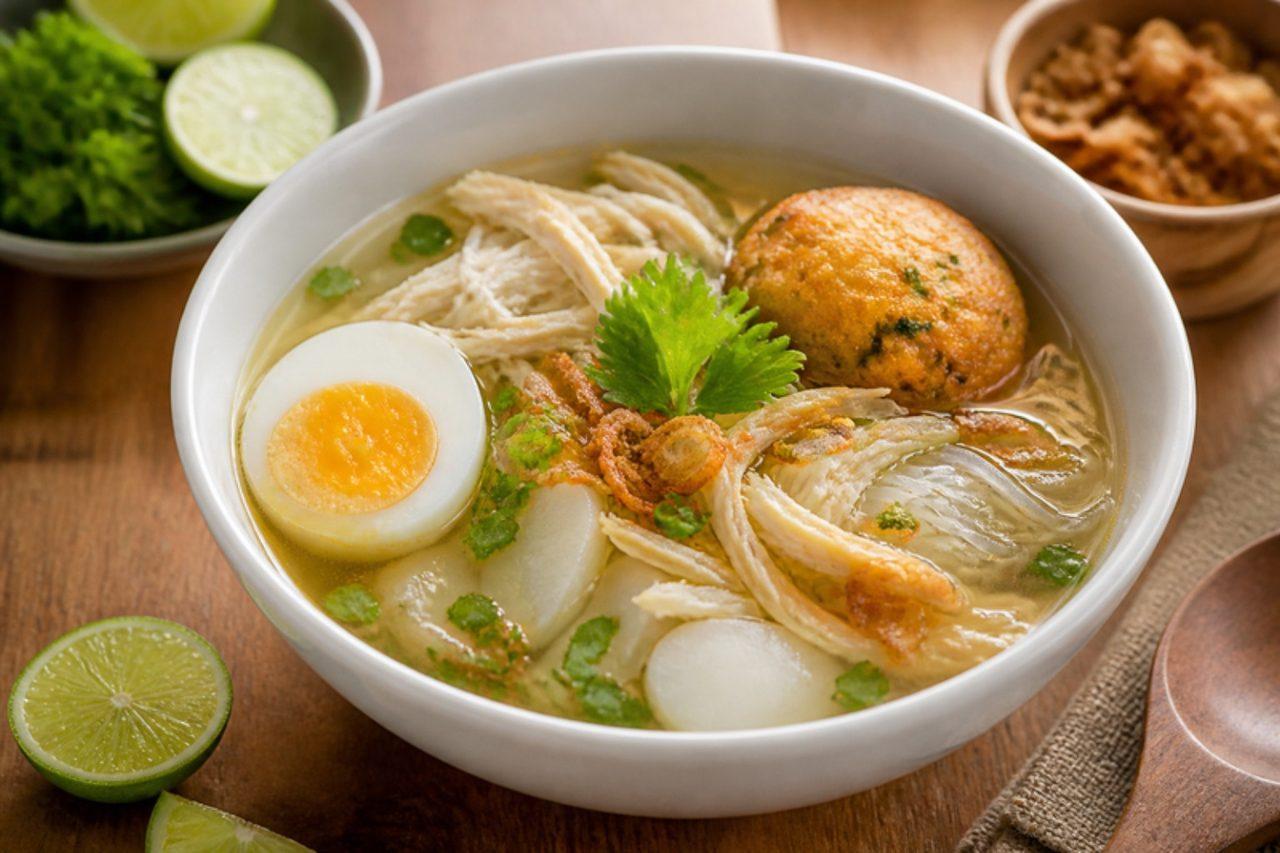
Soto Banjar
Along the rivers of Banjarmasin in South Kalimantan, breakfast often means soto Banjar eaten at a wooden riverside warung, sometimes after a dawn trip to the floating market. Unlike the turmeric sotos of Java, this broth is pale and clear, perfumed with the sweet spices that traders brought up the river centuries ago: cinnamon, cloves, star anise, cardamom and nutmeg. Shredded chicken, glass noodles, carrot and a boiled egg go into the bowl with rice cakes, and lime and a little chilli sharpen it at the table. Chef's tip: toast the whole spices in the pan for a minute before the paste goes in; it brings out their sweetness without the dusty edge of ground spice.
