
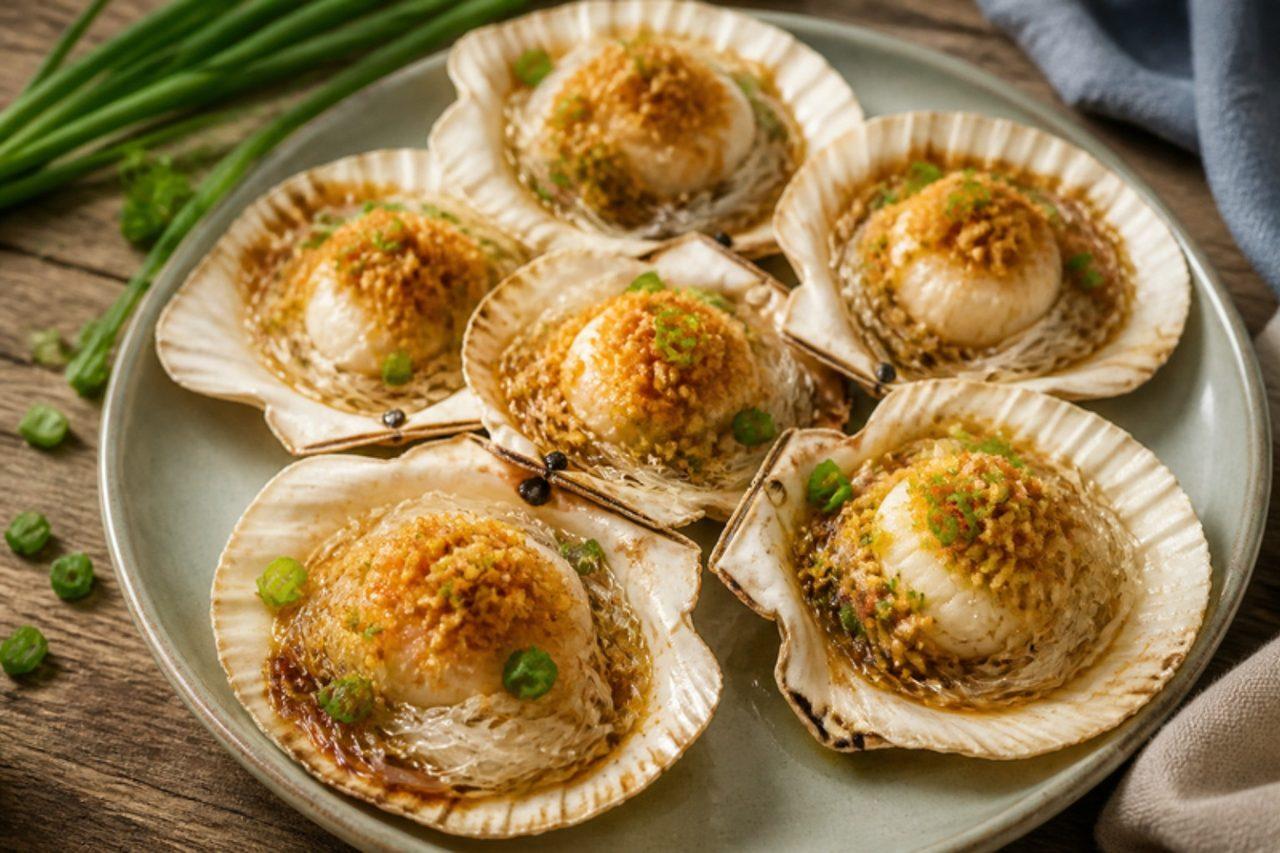
AI-generated image
Steamed scallops with garlic and glass noodles
Syun yung fan si jing sin bui (蒜蓉粉絲蒸扇貝): half-shell scallops steamed with glass noodles and golden garlic


At the seafood stalls of Sai Kung and Lei Yue Mun, diners pick shellfish from the tanks and the kitchen sends them back in minutes: scallops on the half shell, each sitting on a nest of glass noodles under a heap of garlic, half fried golden and half left raw, steamed just until the scallop turns opaque, then finished with a splash of soy and a hiss of hot oil over spring onions. The noodles soak up all the sweet juices, the scallop is soft and barely firm, and the garlic is both mellow and sharp. Serve one or two each as a starter. Use only very fresh scallops: discard any that smell off or have cracked or broken shells. Most people overcook them; a large scallop needs only 5 to 6 minutes. Chef's tip: frying half the garlic and keeping half raw is the restaurant trick for deep, rounded garlic flavour.
- Total time
- 25 min
- Difficulty
- easy
- Serves
- 4
Ingredients
For the scallops
- 12 scallops on the half shellvery fresh, cleaned; discard any with broken shells or an off smell
- 1 ⅜ oz mung bean vermicelliglass noodles; soaked in warm water for 10 minutes, drained, cut into short lengths
For the garlic
- 10 cloves garlicvery finely chopped
- 4 tbsp vegetable oil
- ½ tsp salt
- ½ tsp sugar
To finish
- 2 tbsp tamarior gluten-free light soy sauce
- 2 tbsp hot water
- 2 spring onionsfinely sliced
- 2 tbsp vegetable oil
- 1 red chilli (optional)finely chopped
Shop this recipe on Amazon
Fresh ingredients (3)
Links open Amazon in a new tab. As an Amazon Associate, WhatToEat.Today earns from qualifying purchases.
Method
0/8 doneStep 2: Check 12 scallops on the half shell: they should smell clean of the sea. Discard any with cracked or broken shells or that smell off. Rinse, pat dry and loosen each scallop on its shell, leaving it in place.
Step 3: Heat 4 tbsp vegetable oil in a small pan over a medium-low heat. Add half of 5 cloves garlic and fry, stirring, until pale golden, then tip it into a bowl straight away so it doesn't darken.
2 minStep 5: Arrange the shells on a heatproof plate that fits your steamer. Tuck a small nest of 1 ⅜ oz mung bean vermicelli under or beside each scallop, then spoon the garlic mixture over the top.
Step 6: Steam over a high heat until the scallops have just turned opaque and are firm at the edges but still soft in the centre.
6 minStep 7: Mix 2 tbsp tamari with 2 tbsp hot water and spoon a little over each scallop. Scatter over 2 spring onions and 1 red chilli.
Step 8: Heat 2 tbsp vegetable oil until smoking and drizzle it over the spring onions so they sizzle. Serve at once.
Nutrition per serving
- Calories
- 230 kcal
- Protein
- 13 g
- Carbs
- 11 g
- Fat
- 15 g
- Fibre
- 0 g
Nutrition values are estimates.
KrazyBadal
Good to know
- How long does steamed scallops with garlic and glass noodles take?
- About 25 minutes in total: 15 minutes to prepare and 10 minutes to cook.
- How many people does it serve?
- 4 as written. Change the servings above the ingredients and every amount scales to match.
- Is it gluten free?
- Yes, as written. Check the labels on stock, sauces and spice mixes, which sometimes contain gluten.
- What can I use instead of garlic?
- ½ tsp garlic paste or ⅛ tsp garlic powder per clove.
- What can I use instead of sugar?
- Caster sugar, same amount.
Reviews
No reviews yet. Be the first to cook it.
Rate this recipe
Sign in to rate and review this recipe.
You might also like
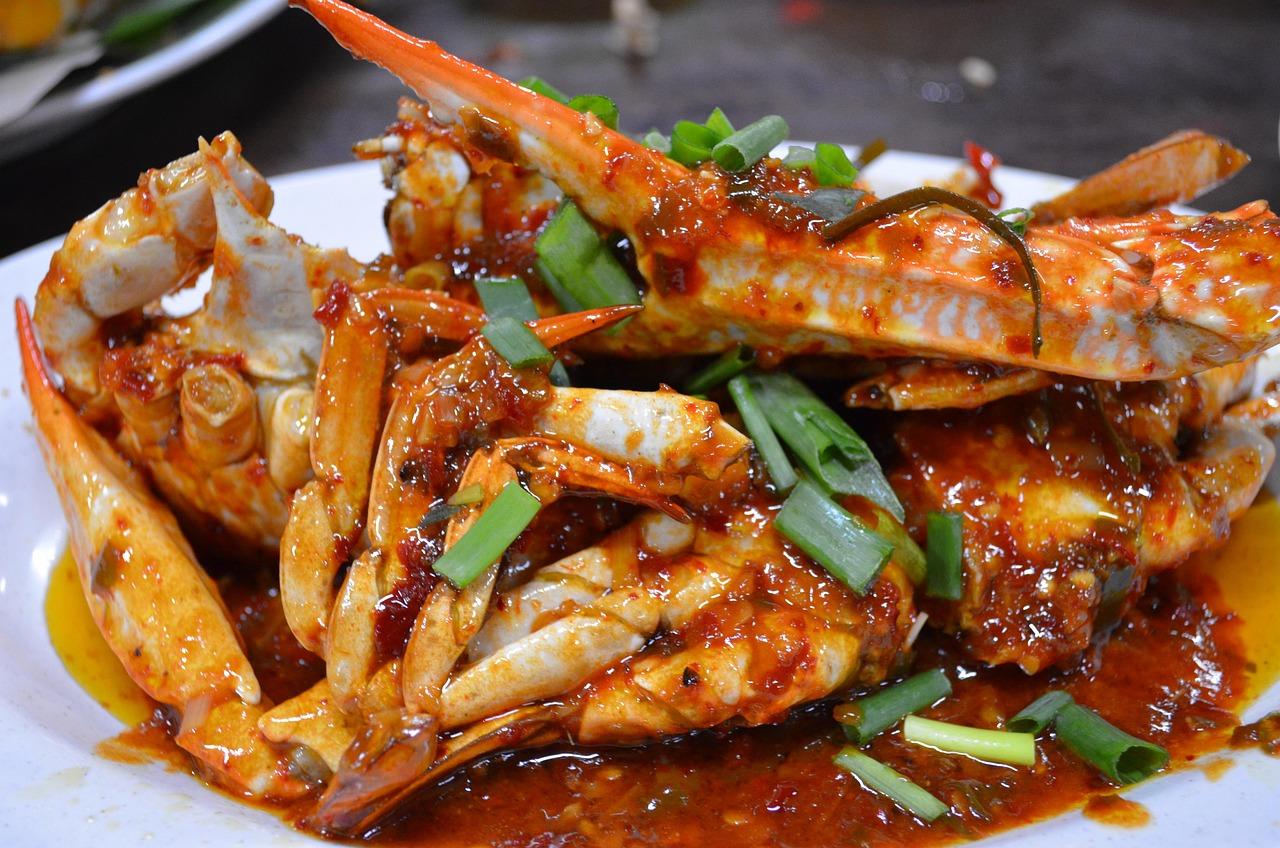
Singapore chilli crab
Chilli crab was first sold from a pushcart on the Kallang river in the 1950s and is now the dish visitors queue for along Singapore's East Coast seafood strip. Big mud crabs are cut up, wok-fried and simmered in a thick, sweet, tangy and gently hot sauce of chilli, tomato and garlic, which is then silked with beaten egg. Everyone eats with their hands and mops up the sauce with fried or steamed mantou buns. It is a weekend or celebration meal, messy and loud. Buy crabs live or freshly cooked the same day from a fishmonger you trust. Discard any live crab that doesn't move, smells of ammonia or has a cracked, leaking shell. The common mistake is boiling the sauce after adding the egg, which scrambles it into lumps; pour it in a thin stream over a low heat. Chef's tip: ask the fishmonger to clean and quarter the crab for you, and crack each claw lightly with the back of a cleaver so the sauce soaks in.
 Singaporean

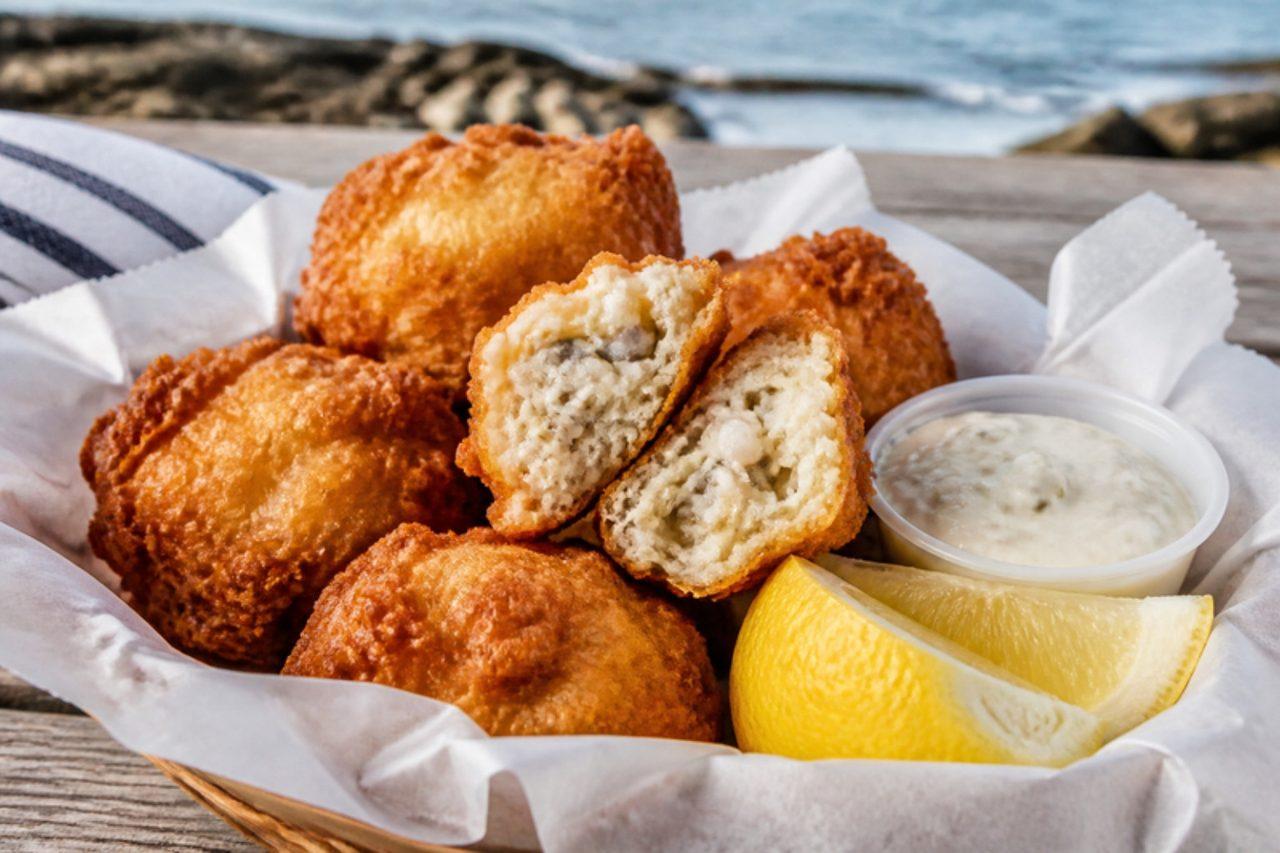
Rhode Island clam cakes
At beach shacks along Narragansett Bay and in Galilee, clam cakes are bought by the paper bag, half a dozen at a time, to dunk in a cup of clear clam chowder. They are not patties but craggy, golden fritters, crisp outside and soft inside, studded with chopped quahog clams. Chef's tip: use the clam juice as part of the liquid; it puts the sea flavour into every bite of batter.
 American
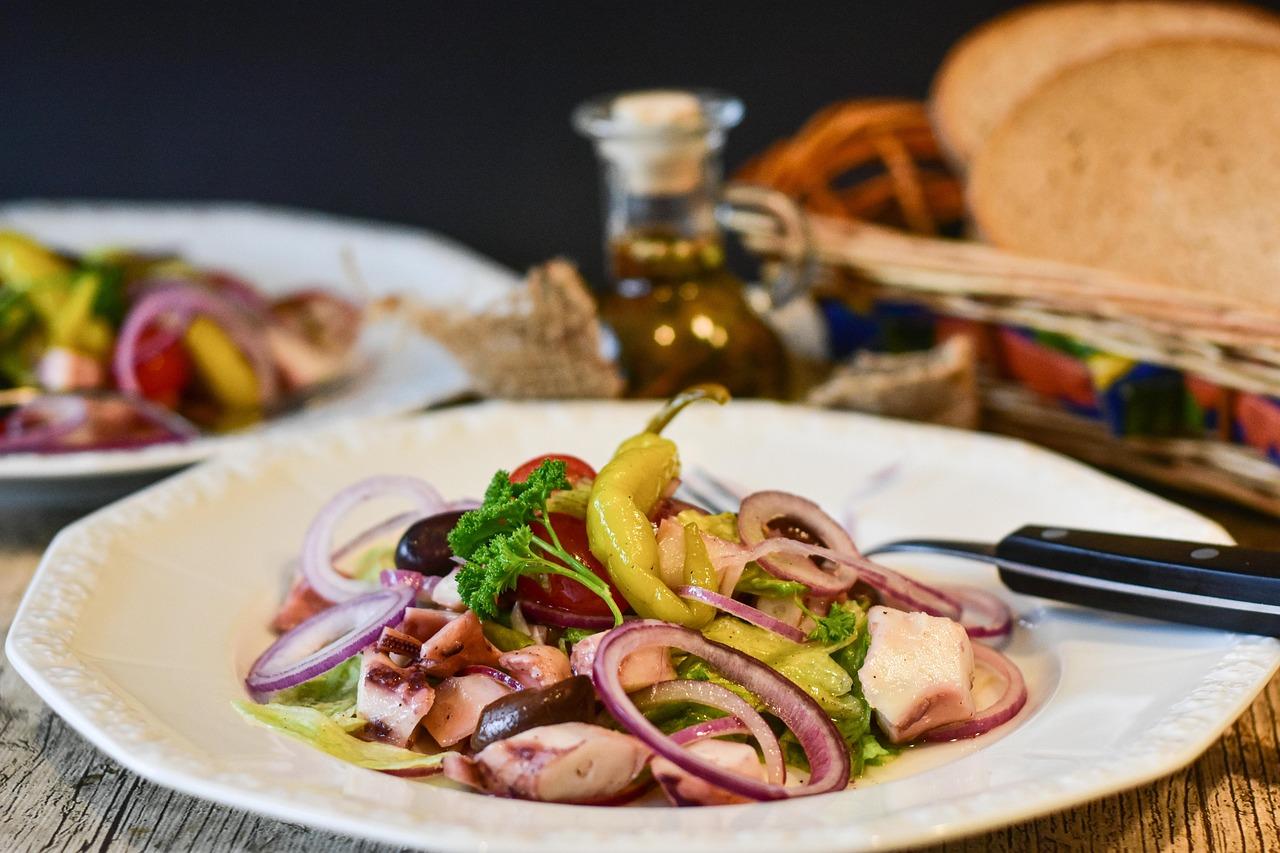
Tunisian octopus salad
Fishermen of the Kerkennah islands, off Sfax, still catch octopus in clay pots laid on the shallow seabed, and in winter the season's catch turns up in harbour cafés and home kitchens as this simple salad. The octopus is simmered slowly until tender, cooled in its broth, then sliced and tossed with red onion, plenty of parsley, lemon juice and good olive oil, with a little harissa if you like. It is light, clean and briny, eaten as a starter with bread or on a summer table of salads and grilled fish. Buy octopus from a reputable fishmonger; frozen and thawed octopus is often more tender than fresh. A common mistake is boiling the octopus at a rolling boil, which makes it rubbery; keep it at a gentle simmer until a knife slides in easily. Chef's tip: let the cooked octopus cool in its cooking liquid for 20 minutes before slicing; it stays juicy rather than tightening up.
 Tunisian
