
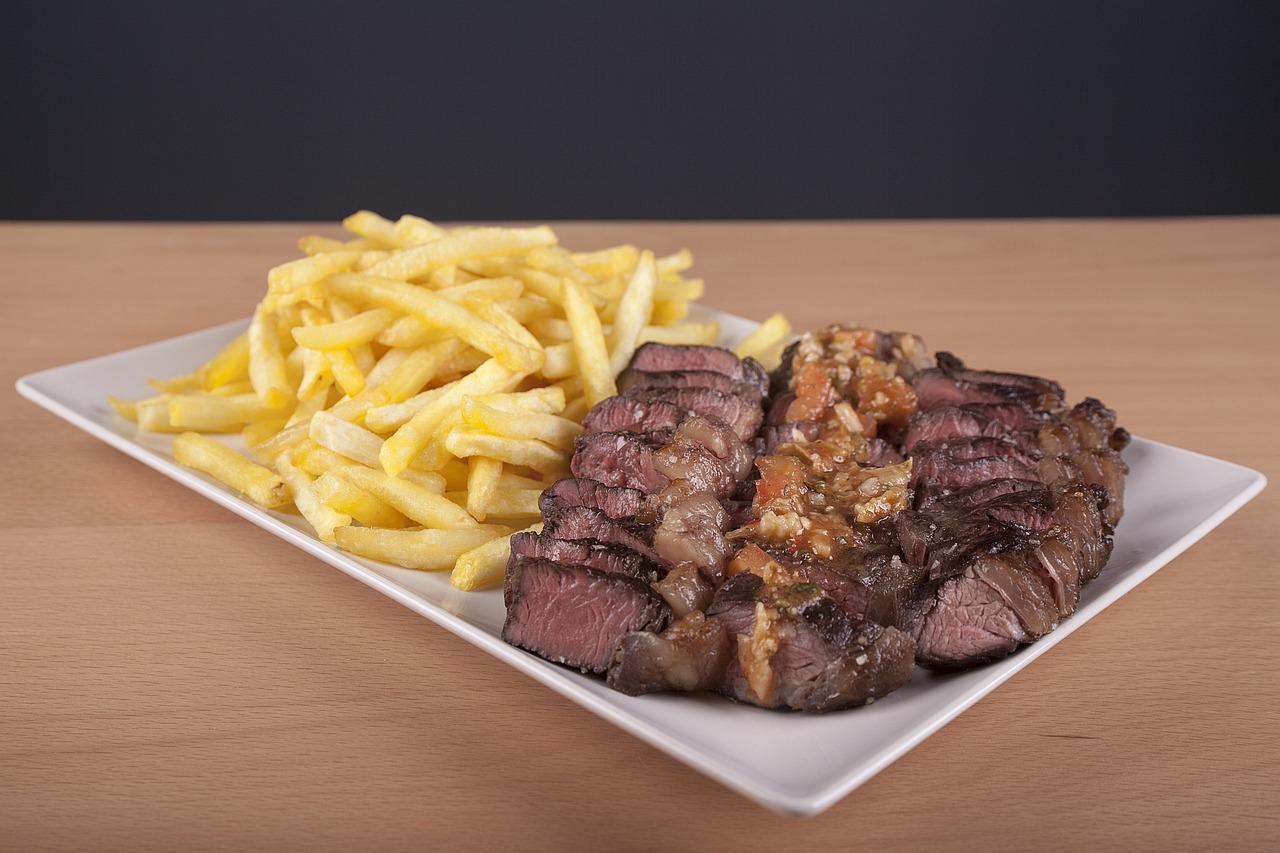
Steak frites
The Paris bistro classic: seared steak, shallot butter and double-cooked chips


Steak frites is the backbone of the Parisian bistro and brasserie menu, ordered at a zinc-topped table at lunchtime with a green salad and a dab of Dijon. A thick entrecôte or bavette is seared hard in a very hot pan, rested, then topped with a melting coin of shallot and parsley butter, while chips cooked twice come out crisp outside and fluffy within. In France the steak is usually served rare (saignant) or medium-rare (à point); because this is a whole-muscle cut, the inside can safely be pink as long as the outside is well seared, but cook it to your taste using the guide in the steps. Chef's tip: take the steak out of the fridge 30 minutes before cooking and salt it just before it goes in the pan, for an even, crusty sear.
- Total time
- 65 min
- Difficulty
- medium
- Serves
- 2
Ingredients
For the shallot butter
For the chips
For the steak
Shop this recipe on Amazon
Fresh ingredients (5)
Links open Amazon in a new tab. As an Amazon Associate, WhatToEat.Today earns from qualifying purchases.
Method
0/7 doneStep 1: Mash 1 ¾ oz soft salted butter with 1 shallot, 1 tbsp flat-leaf parsley and 1 tsp lemon juice, roll into a log in cling film and chill until firm.
20 minStep 2: Rinse 1 ½ lb starchy potatoes (Maris Piper or bintje) in cold water until it runs clear, then dry them very well on a clean tea towel. Take the steaks out of the fridge.
Step 3: Heat 6 ¼ cups sunflower or groundnut oil in a deep, heavy pan, no more than a third full, to 300°F. Fry the chips in two batches until soft and pale but not coloured, then drain on kitchen paper.
7 minStep 4: Raise the oil to 350°F and fry the chips again in batches until deep golden and crisp. Drain and toss with 1 tsp fine salt. Don't skip the first fry: that is the usual reason chips come out brown outside and raw inside.
4 minStep 5: Heat a heavy frying pan over a high heat until smoking. Rub 2 entrecôte (rib-eye) or sirloin steaks, 2.5 cm thick with 1 tbsp sunflower oil and season with 1 tsp flaky salt and ½ tsp black pepper.
Step 6: Sear the steaks without moving them, then turn once. For a 2.5 cm steak allow roughly 2 minutes per side for rare (springy, 122°F in the centre), 3 minutes for medium-rare (131°F), 4 for medium (140°F) and 5–6 for well done (158°F, firm).
6 minStep 7: Rest the steaks on a warm plate for 5 minutes so the juices settle, then serve with a slice of the shallot butter melting on top and the chips alongside.
5 min
Nutrition per serving
- Calories
- 1050 kcal
- Protein
- 56 g
- Carbs
- 60 g
- Fat
- 64 g
- Fibre
- 6 g
Nutrition values are estimates.
KrazyBadal
Good to know
- How long does steak frites take?
- About 65 minutes in total: 30 minutes to prepare and 35 minutes to cook.
- How many people does it serve?
- 2 as written. Change the servings above the ingredients and every amount scales to match.
- Is it gluten free?
- Yes, as written. Check the labels on stock, sauces and spice mixes, which sometimes contain gluten.
- What can I use instead of soft salted butter?
- The same weight of ghee or coconut oil (for frying and most baking).
- What can I use instead of shallot?
- Half an onion per 2 shallots.
Reviews
No reviews yet. Be the first to cook it.
Rate this recipe
Sign in to rate and review this recipe.
You might also like
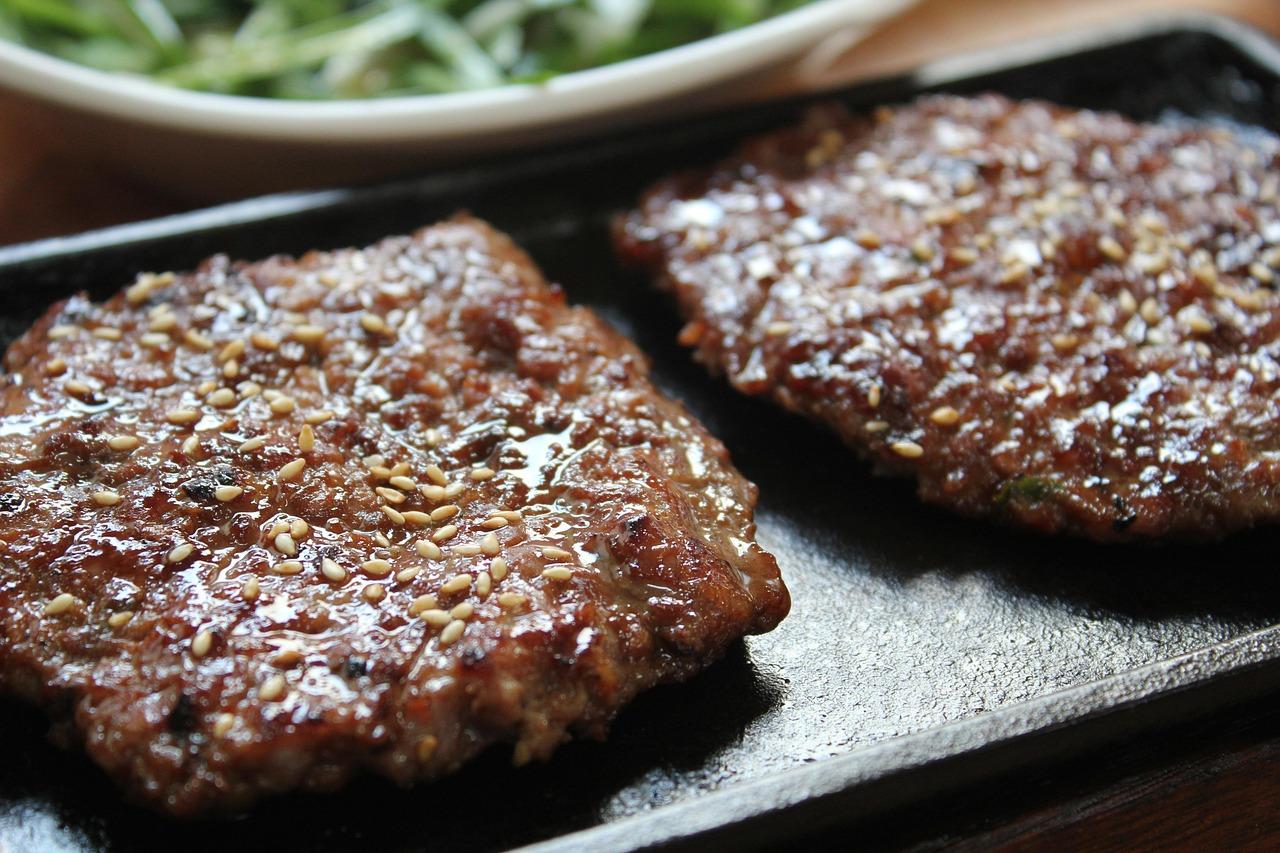
Tteokgalbi
Tteokgalbi is rib meat chopped finely, pressed back into neat slabs and grilled, so it's soft enough to eat without struggling with a bone. Two places in South Jeolla claim it: Damyang, the bamboo county, where all-beef patties come with rice steamed in bamboo tubes, and Gwangju's Songjeong district, whose restaurant street near the railway station mixes beef with pork. This home version uses minced beef and pork, seasoned with soy, garlic and pear, then brushed with a soy and honey glaze as it cooks. Serve with rice, lettuce and a few banchan; leftovers are good cold in a lunchbox. Chef's tip: slap the mince against the bowl for a few minutes; it turns sticky and the patties hold together on the grill without any breadcrumbs.
 Korean
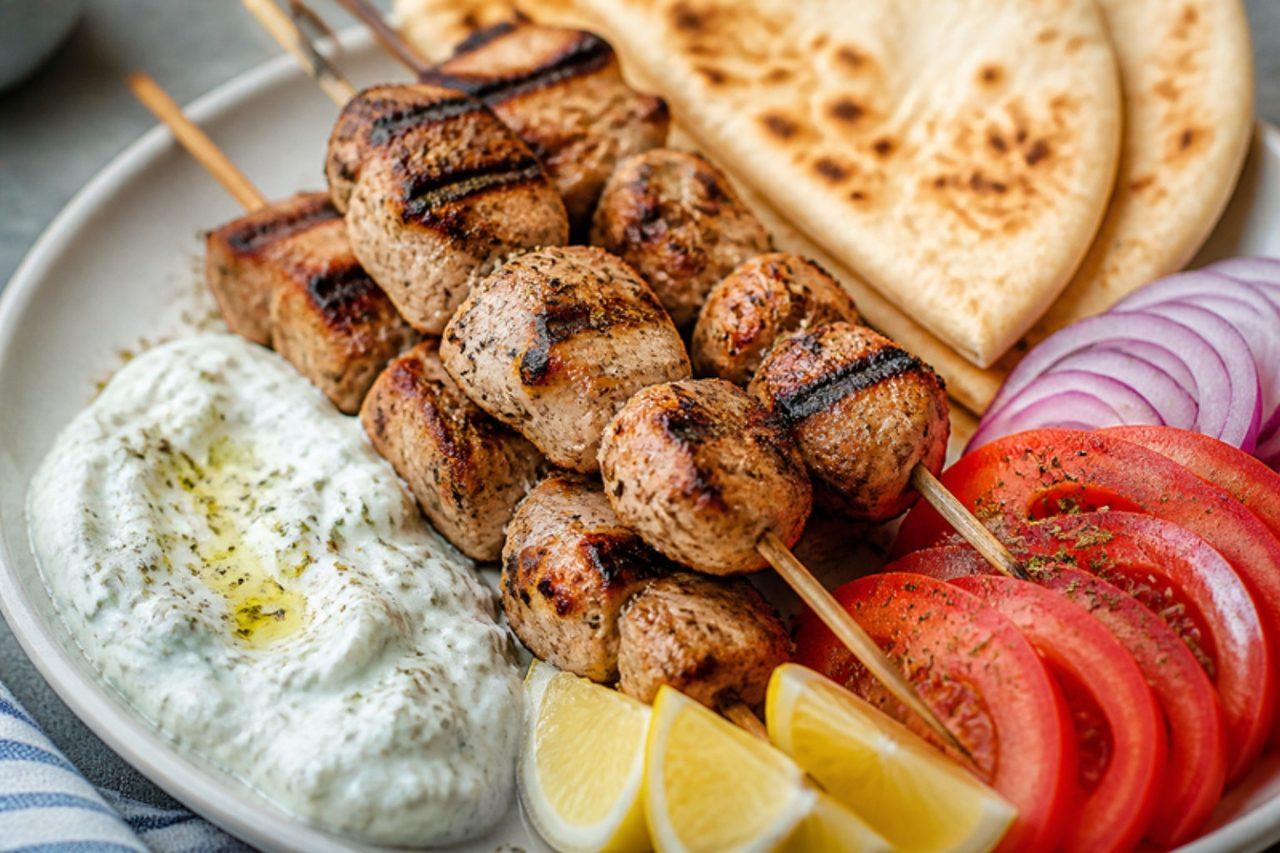
Pork souvlaki
This is a pork recipe. Walk through any Greek town after dark, from Athens to Thessaloniki, and the smell of souvlaki stands drifts down the street; cubes of pork shoulder grilled on thin skewers are the country's favourite cheap supper, eaten standing up or at a plastic-table taverna. At home you marinate the meat in lemon, olive oil, garlic and dried oregano, grill it hard and fast, and pile it on warm pitta with tzatziki, tomato and red onion. Chef's tip: cut the pork into even 2.5 cm cubes and leave a little fat on; lean loin dries out, shoulder stays juicy over high heat.
 Greek
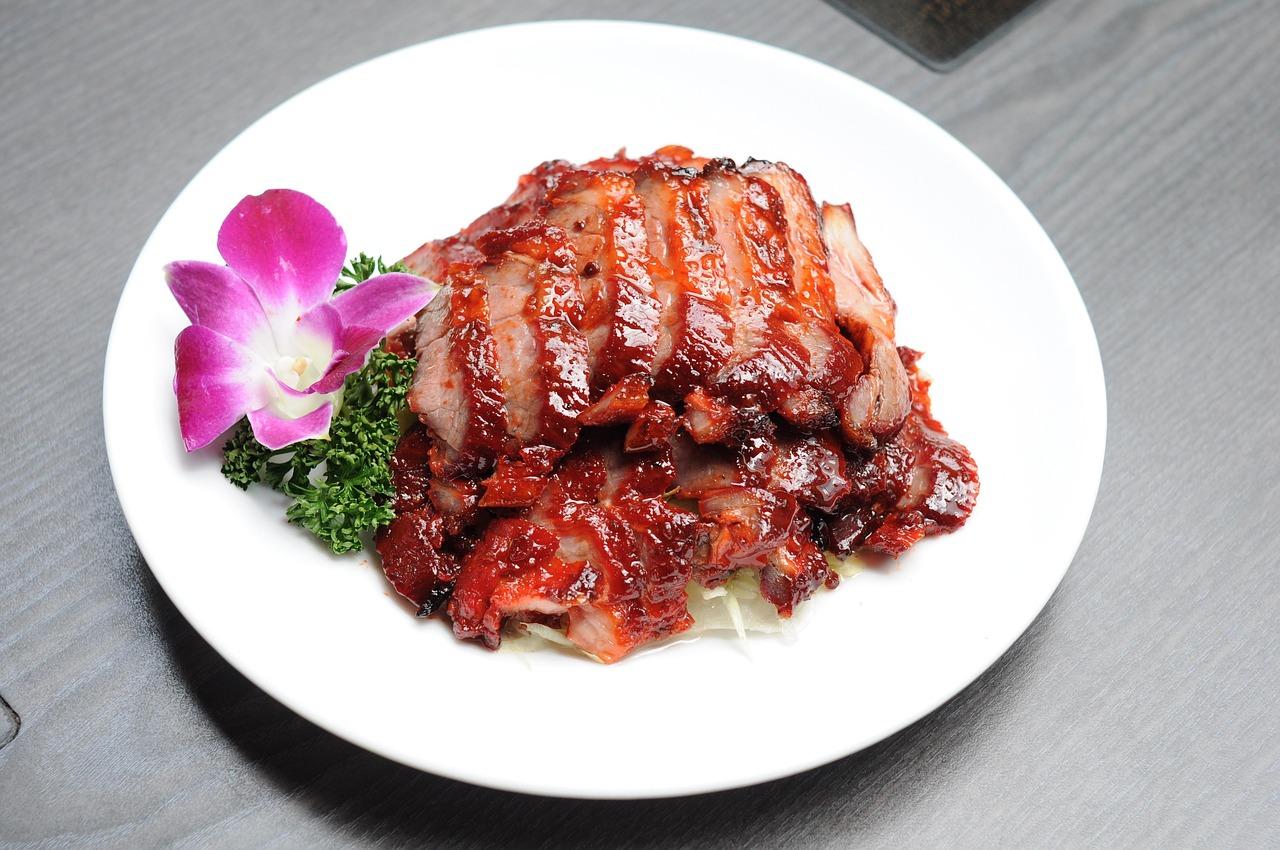
Char siu
Hanging in long glossy strips in the windows of Guangzhou's siu mei shops, char siu is the roast pork Cantonese families pick up on the way home to put on rice, noodles or into steamed buns. The outside is lacquered, sweet and a little charred at the edges; the inside stays juicy, savoury and faintly scented with five-spice. Shoulder (pork butt) is the cut to use, because its marbling keeps the strips moist through a hot oven. Marinate it overnight in the fridge, roast it the next day and eat it warm with steamed rice and blanched greens, or cold in fried rice and noodle soups. Chef's tip: save the honey for the last ten minutes; brushed on at the start it burns black long before the pork is cooked.
 Chinese