
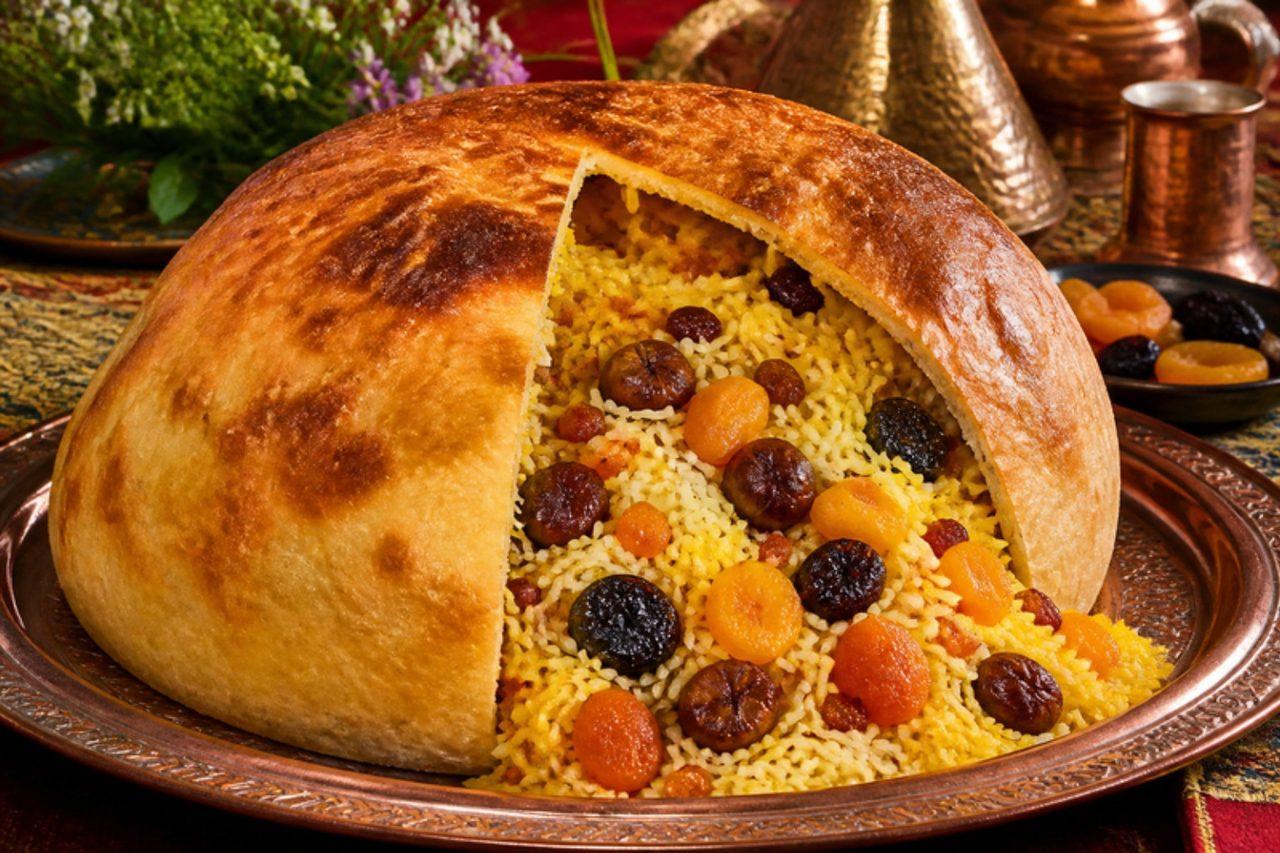
AI-generated image
Shah plov
Şah plov: Azerbaijani crown pilaf in a crisp lavash crust, with dried fruit and chestnuts
Shah plov, the "king's pilaf", is the showpiece of Azerbaijani weddings and Novruz feasts, especially in Baku, Shaki and Ganja. Saffron rice layered with butter-glazed apricots, raisins, prunes and chestnuts is packed into a pot lined with overlapping sheets of thin lavash, then baked until the bread forms a crisp golden dome. It is carried whole to the table, the top is cut like a crown, and everyone gets a crisp shard with their rice. The classic version also has lamb; this one keeps the fruit and nuts that already make it festive. Chef's tip: brush every lavash sheet generously with butter and overlap them by at least a third; thin spots tear when the plov is turned out.
- Total time
- 130 min
- Difficulty
- hard
- Serves
- 8
Ingredients
For the rice
For the fruit and chestnuts
For the crust
Method
0/8 doneStep 1: Bring 3 litres of water with 2 tbsp salt to a rolling boil. Drain 1 ⅛ lb basmati rice, add it and boil for 6–7 minutes, until the grains are soft outside with a firm core. Drain and rinse briefly with lukewarm water.
7 minStep 2: Melt 4 oz butter in a frying pan over a medium-low heat. Add 3 ½ oz dried apricots, 3 ½ oz pitted prunes, 2 ⅞ oz golden raisins and 7 oz cooked peeled chestnuts and fry gently for 6–8 minutes, stirring, until the fruit is glossy and plump and the butter smells nutty. Stir in ½ tsp ground cinnamon and 1 tbsp sugar.
8 minStep 3: Heat the oven to 350°F (fan 325°F). Brush a 22–24 cm deep heavy pot or ovenproof pan with 2 ⅞ oz melted butter or ghee. Brush the 5 thin lavash sheets sheets with ghee and line the pot, overlapping them generously and letting them hang over the rim.
Step 4: Spoon in a third of the rice, then half the fruit mixture; repeat, and finish with rice. Pour over ½ tsp saffron threads with its water and drizzle with the remaining ghee, saving a spoonful.
Step 5: Fold the overhanging lavash over the top to seal the plov completely, brush with the last ghee and cover with a lid or foil.
Step 6: Bake for 50 minutes, then uncover and bake for 15–20 minutes more, until the top is deep golden and crisp and the pot sizzles when you tilt it.
70 minStep 7: A common mistake is turning the plov out immediately: the crust is still soft and breaks apart. Rest it for 10 minutes, run a knife round the edge, put a large plate on top and flip it in one confident move.
10 minStep 8: Cut a round "crown" from the top, open it out, and serve rice, fruit and crust shards together.
Nutrition per serving
- Calories
- 560 kcal
- Protein
- 8 g
- Carbs
- 90 g
- Fat
- 20 g
- Fibre
- 5 g
Nutrition values are estimates.
KrazyBadal
Good to know
- How long does shah plov take?
- About 130 minutes in total: 40 minutes to prepare and 90 minutes to cook.
- How many people does it serve?
- 8 as written. Change the servings above the ingredients and every amount scales to match.
- Is it vegetarian?
- Yes. It has no meat or fish.
- What can I use instead of basmati rice?
- Any long-grain rice, same amount.
- What can I use instead of butter?
- The same weight of ghee or coconut oil (for frying and most baking).
Reviews
No reviews yet. Be the first to cook it.
Rate this recipe
Sign in to rate and review this recipe.
You might also like
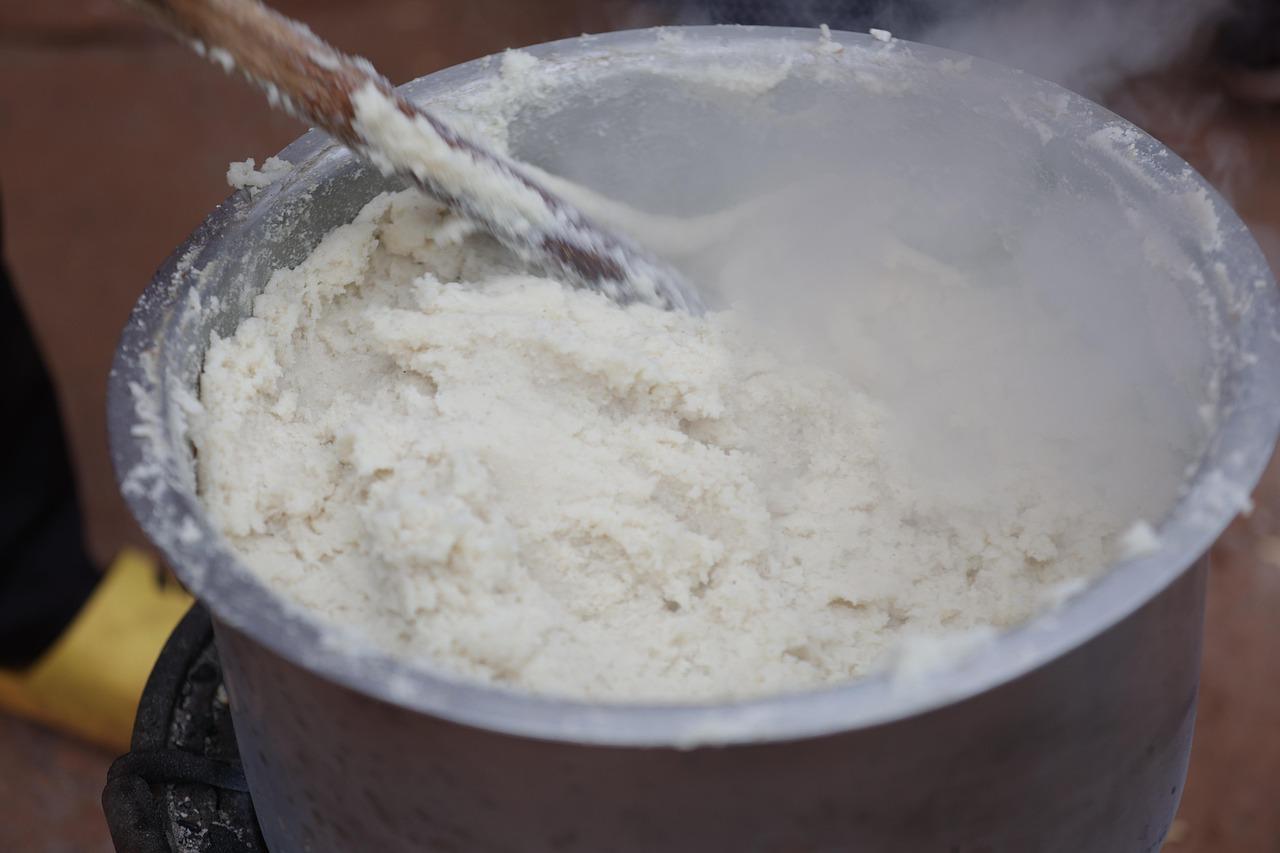
Masala ugali
Ugali, East Africa's staple of maize meal cooked into a stiff porridge, given a lift with toasted cumin, butter, fresh coriander and green chilli. Stir it hard and keep it soft. Serve hot with sukumawiki or any stew.

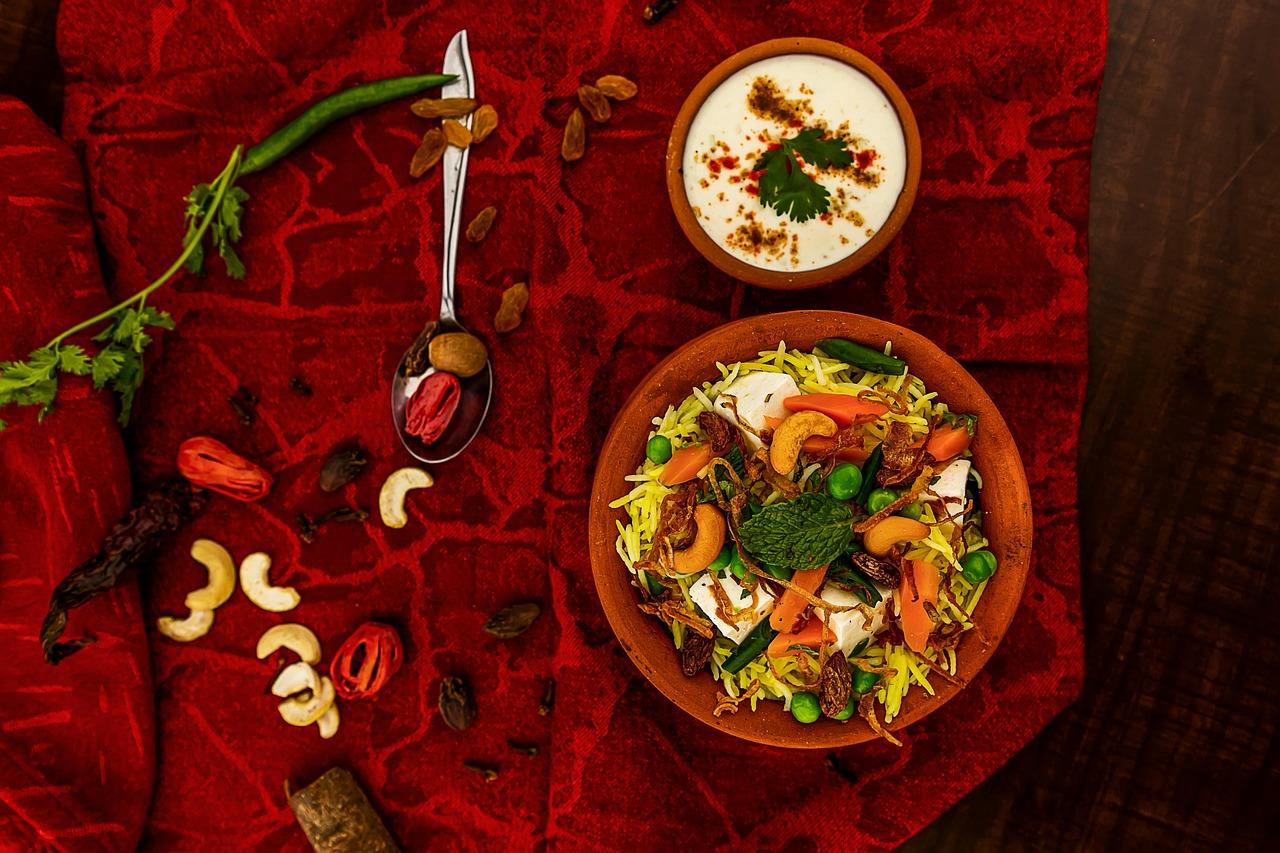
Paneer biryani
A mild, creamy biryani: rice and husked green gram roasted in ghee, then cooked in coconut milk with peas, carrots, potatoes, peanuts and cashews, and finished with soft fried paneer and a fresh coriander yogurt. Serve hot, garnished with more fried cashews and paneer.

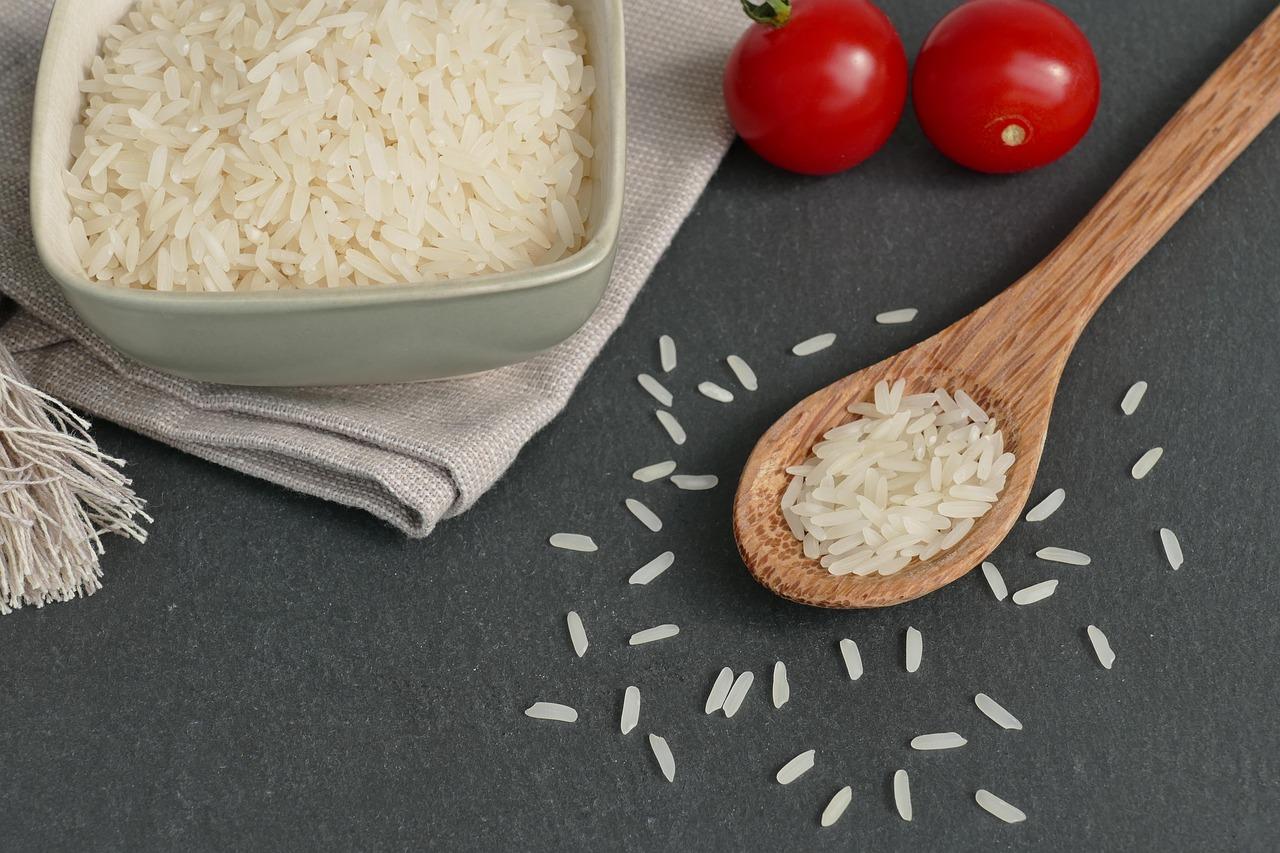
Plain cooked rice
Two reliable ways to cook plain rice. Method 1 lets the rice soak up all its water, for soft, fluffy rice to serve with curry and dal. Method 2 boils it in plenty of water and drains it, giving separate grains for fried rice, pilau and salads. Soaking first helps the grains cook evenly.
