
AI-generated image
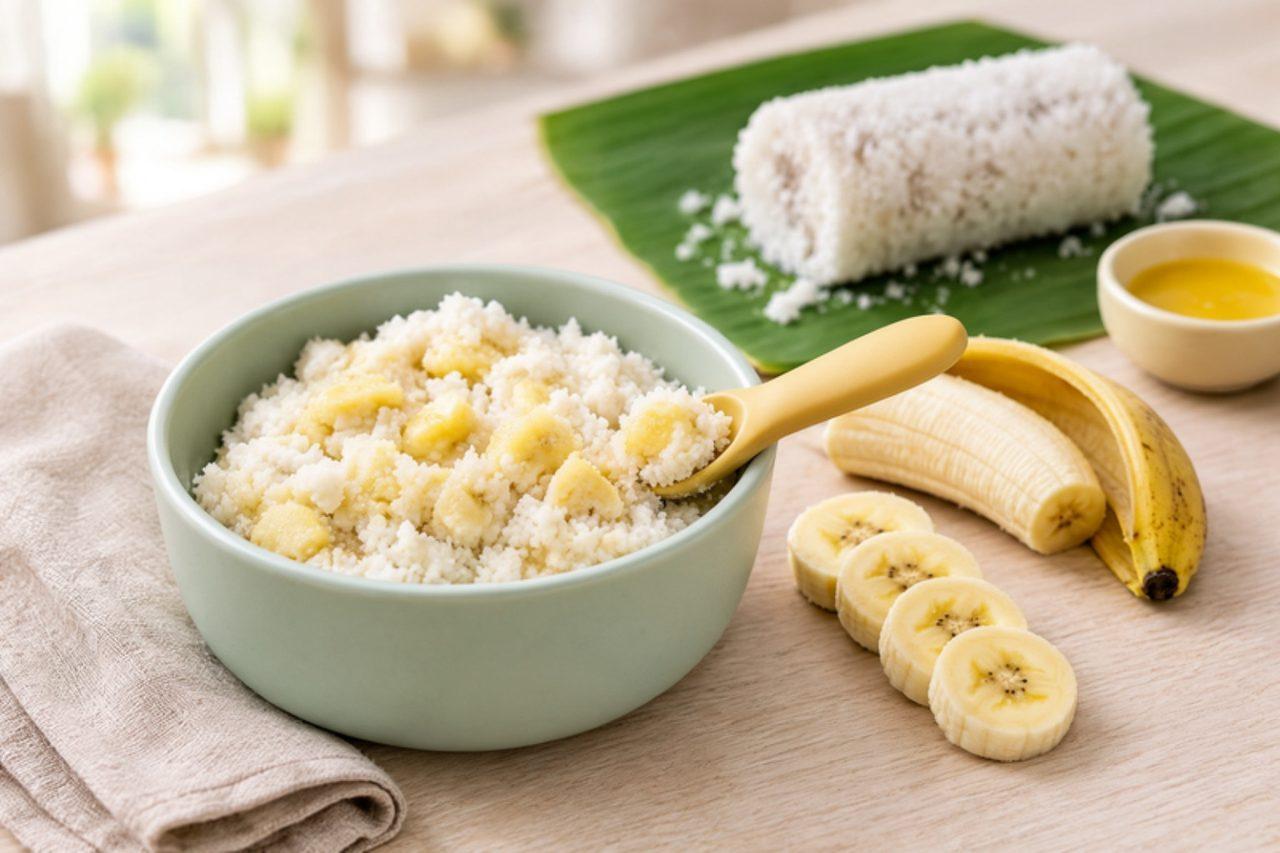
Puttu and banana for toddlers
12m+ · Steamed rice-flour and coconut puttu crumbled soft and mashed with ripe banana


In Kerala homes from Thrissur to Thiruvananthapuram, breakfast often arrives as a steaming log of puttu pushed out of its tall metal mould, and the little ones get theirs crumbled into a bowl and mashed with a sweet, ripe poovan banana. The rice flour and fresh coconut steam into soft, fluffy crumbs that soak up the banana, and a splash of warm milk makes it spoonable for toddlers from 12 months. There is no added salt or sugar: the banana does the sweetening. It contains coconut, and milk if you add it; there is no gluten, egg, nuts or soya. Chef's tip: dampen the flour until a squeezed handful just holds its shape, then crumbles when you poke it.
- Total time
- 25 min
- Difficulty
- easy
- Serves
- 3
Baby & toddler safety
- Age: from 12 months+.
- Allergens: none of the common allergens found in the ingredients. Offer one new allergen at a time, in the morning, so you can watch for a reaction.
- Texture and choking: purée or mash smoothly for 6–9 months, then soft, finger-sized pieces that squash between your fingers. Cut round foods such as grapes and cherry tomatoes into quarters lengthways, never give whole nuts, and always stay with your child while they eat.
- Under 1: no honey, no added salt or stock cubes, and no added sugar.
Every child is different. If you are unsure, especially about allergies, check with your health visitor or paediatrician.
Ingredients
- ¼ cup warm wateradd a spoonful at a time
- 1 ⅜ oz fresh grated coconut
- ¼ cup whole milk, warm (optional)or the child's usual milk
Shop this recipe on Amazon
What you'll need
Spices & pantry
Fresh ingredients (2)
Links open Amazon in a new tab. As an Amazon Associate, WhatToEat.Today earns from qualifying purchases.
Method
0/8 doneStep 1: Put 3 ½ oz roasted rice flour (puttu podi) in a bowl and sprinkle over ¼ cup warm water a spoonful at a time, rubbing it in with your fingertips. Stop when a squeezed handful holds together but breaks apart easily when you prod it.
5 minStep 2: Common mistake: adding the water all at once. The flour goes pasty and steams into hard lumps instead of soft crumbs. If it feels wet, rub in another spoonful of flour; then push the mixture through a coarse sieve or crumble it between your palms so there are no pebbles.
3 minStep 3: Fill a puttu mould (or a steel tumbler, or an idli plate lined with a damp cloth) with layers: a tablespoon of ⅔ oz fresh grated coconut, then the flour, then the rest of the coconut on top. Pack it loosely, not pressed down.
Step 4: Steam over boiling water on a medium heat for 8–10 minutes, until steam rises freely from the top and the flour has turned slightly translucent and smells cooked, like warm rice.
10 minStep 5: Push the puttu out onto a plate and break it up with a fork while it's hot. Let it cool for 2–3 minutes.
Step 6: In a bowl, mash 2 ripe small bananas (poovan or other ripe banana) with a fork until soft and only small lumps remain. Add the warm puttu crumbs and mash together, loosening with a little ¼ cup whole milk, warm if you like, until it is soft, moist and easy to swallow, with no dry crumbs.
Step 7: Check it is just warm, not hot, and serve with a soft spoon. Older toddlers can pick up little pressed balls of puttu and banana with their fingers.
Step 8: Cool any leftovers quickly, cover and keep in the fridge for up to 2 days, or freeze in small portions for up to 1 month. Freeze plain puttu, not the banana mash Reheat only once, until piping hot all the way through, then let it cool to warm before serving.
Nutrition per serving
- Calories
- 170 kcal
- Protein
- 3 g
- Carbs
- 34 g
- Fat
- 4 g
- Fibre
- 3 g
Nutrition values are estimates.
KrazyBadal
Good to know
- How long does puttu and banana for toddlers take?
- About 25 minutes in total: 10 minutes to prepare and 15 minutes to cook.
- How many people does it serve?
- 3 as written. Change the servings above the ingredients and every amount scales to match.
- Is it vegetarian?
- Yes. It has no meat or fish.
- Is it gluten free?
- Yes, as written. Check the labels on stock, sauces and spice mixes, which sometimes contain gluten.
- What can I use instead of ripe small bananas (poovan or other ripe banana)?
- Mango, same weight (in smoothies and shakes).
Reviews
No reviews yet. Be the first to cook it.
Rate this recipe
Sign in to rate and review this recipe.
You might also like
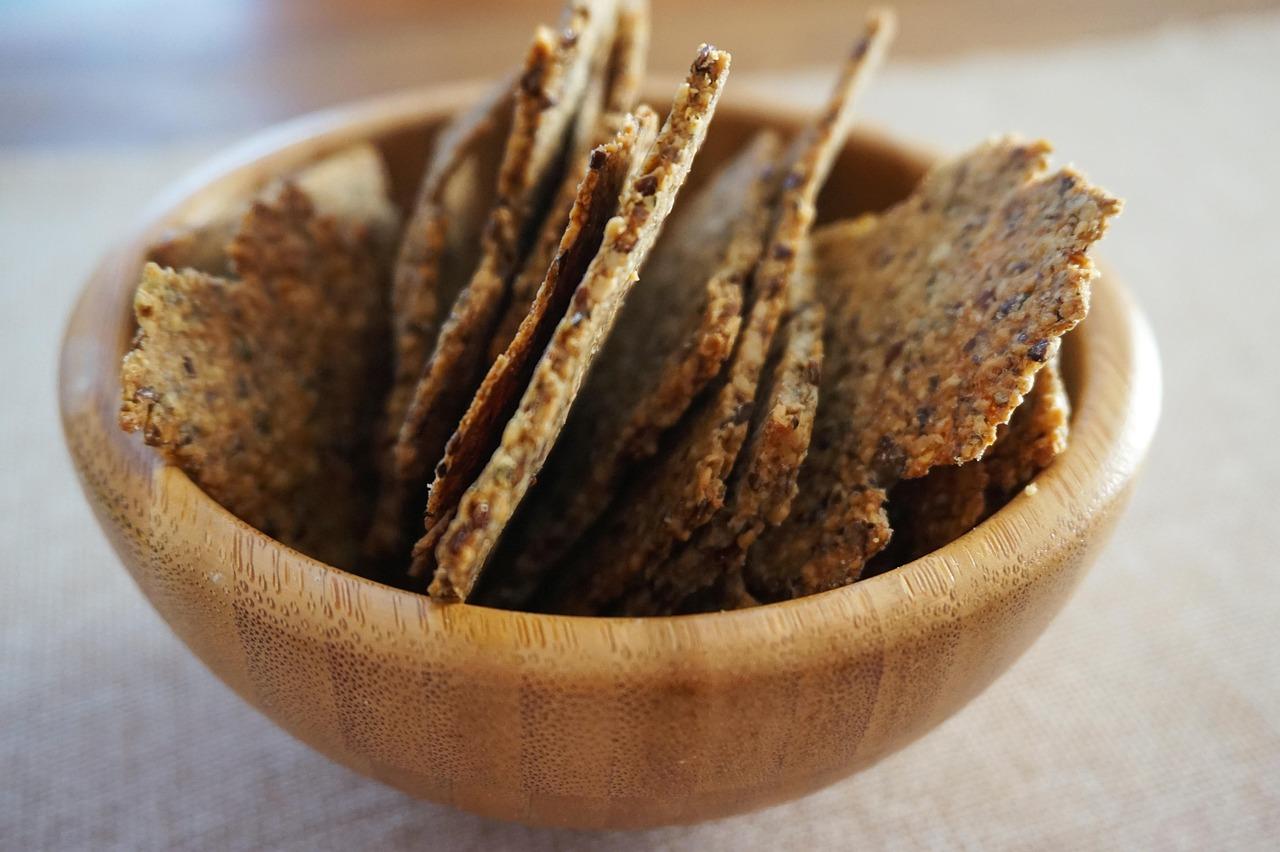
Masala khakhra
Khakhra are thin chapaties roasted slowly on a griddle until they turn crisp, like a cracker. This masala version adds gram flour, fresh fenugreek, turmeric and chilli to the wheat dough. They are a light Gujarati breakfast or tea-time snack, and lovely with pickle, chutney or a smear of butter. You can also make them in a roti maker.

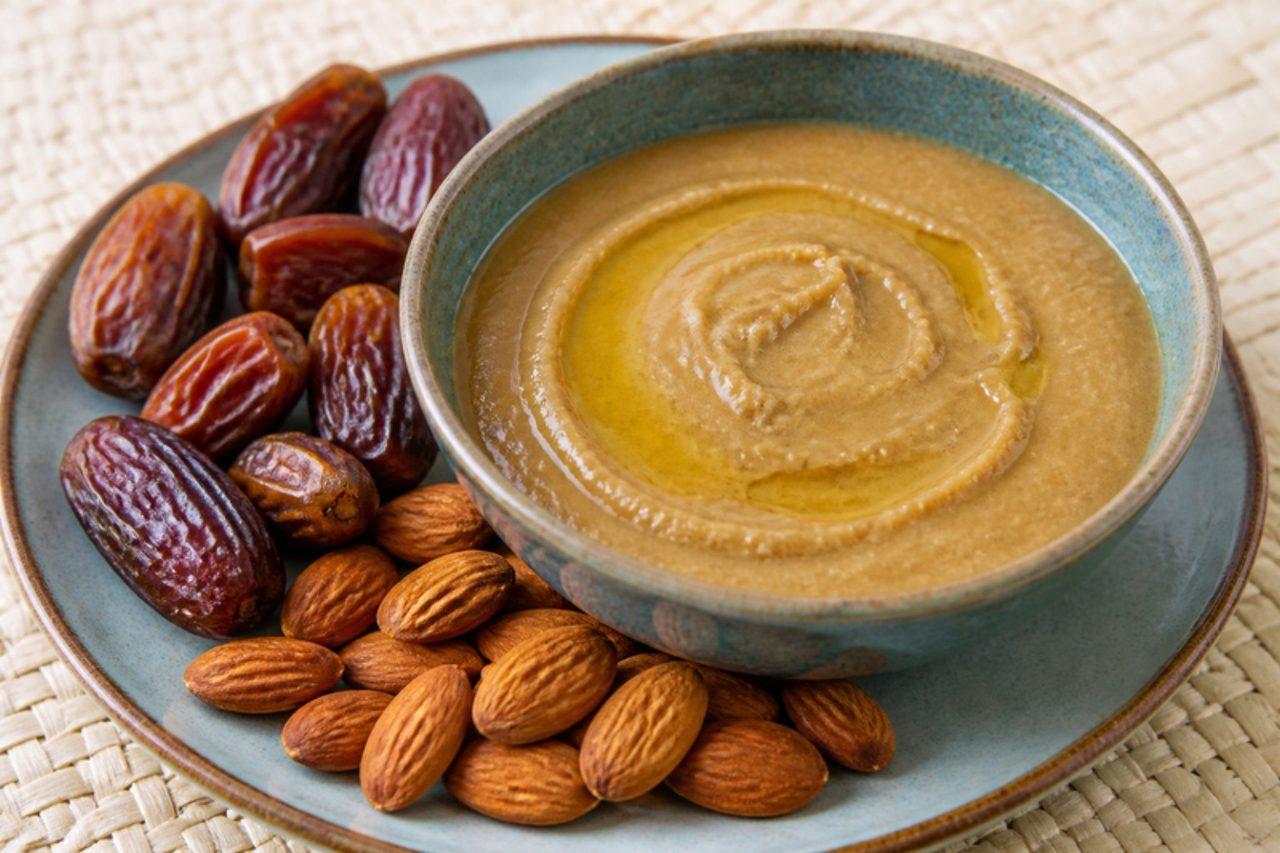
Bsissa
A tin of bsissa sits in many Tunisian kitchen cupboards, from Tunis flats to farmhouses in the south: a finely ground flour of roasted barley, roasted chickpeas and spices such as coriander, fennel and aniseed. In the morning a few spoonfuls are worked with olive oil and something sweet into a nutty, crumbly paste, or stirred with water into a thick drink, and it keeps you going until lunch. Travellers and pilgrims once carried it for the road. Roasting your own flour takes 15 minutes and makes a jar that lasts weeks. Sugar and dates keep it vegan; some families use honey. Chef's tip: roast the flours separately over a low heat and stir constantly; the moment they smell like toasted biscuits and turn light tan, tip them out of the pan.
 Tunisian
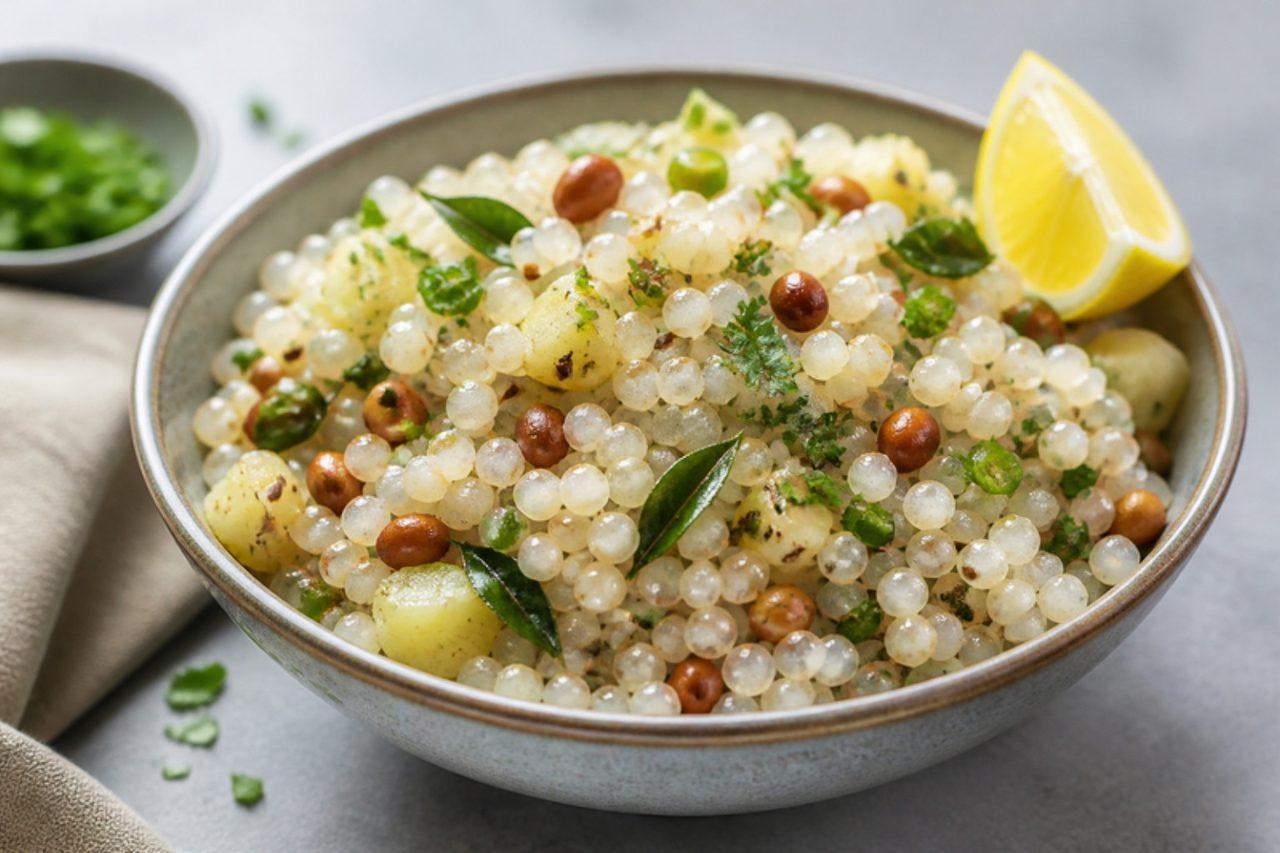
Sabudana khichdi
Sabudana khichdi is the dish that sees Maharashtra through every vrat (fast), from Navratri to Ekadashi, but it's so good that people eat it any day of the week. Soaked sago pearls are tossed in a pan with crushed roasted peanuts, cubes of potato, cumin and green chilli until each pearl turns glassy and separate, then finished with lemon and coriander. It's soft, chewy, nutty and gently hot. Fasting rules vary from family to family, so check yours; this version uses rock salt and no asafoetida, onion or garlic. Traditionally it's cooked in ghee; use ghee instead of oil if you aren't keeping it vegan. Chef's tip: soak the sago in just enough water to cover by the height of the pearls themselves, no more; too much water is the reason khichdi turns into one sticky lump.
