
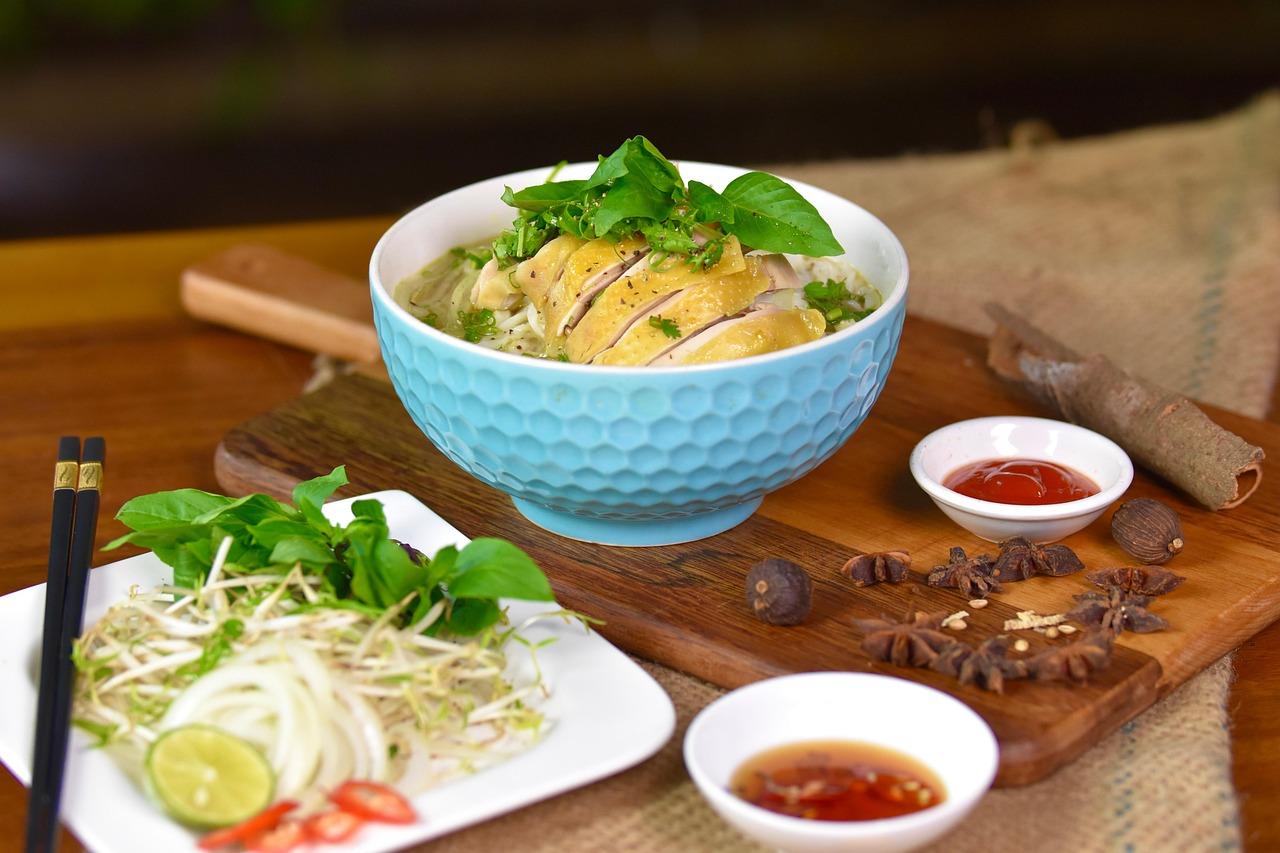
Pho ga
Phở gà: Hanoi chicken pho, lighter and brighter with shredded lime leaf
In Hanoi some shops sell nothing but chicken pho, and locals often choose it over beef for a gentler breakfast or a late bowl after an evening out. The broth is lighter than the beef version, made in about an hour from a whole bird with a few charred aromatics and only a hint of spice. The northern signature is a tangle of makrut lime leaf, cut as fine as thread, scattered over the hot chicken just before serving. It's a good first pho to make at home, since the timing is forgiving and the chicken poaches in the same pot. Chef's tip: plunge the cooked chicken into iced water for 5 minutes; the skin turns firm and slightly springy, the way Hanoi cooks like it.
- Total time
- 90 min
- Difficulty
- medium
- Serves
- 4
Ingredients
For the broth
For the bowls
Method
0/10 doneStep 1: Rub the 3 ⅛ lb whole chicken and 1 ⅛ lb chicken wings or backs all over with the 2 tsp salt, rinse well under cold water and pat dry. This old Hanoi trick removes any stale smell and keeps the broth clean-tasting.
5 minStep 2: Char the 1 onion and 1 ¾ oz fresh ginger over a gas flame or under a hot grill, turning, until blackened in patches. Rub off any loose burnt skin.
8 minStep 3: Put the chicken (breast side down), wings, charred onion and ginger in a large pot with the cold 10 ½ cups water. Bring slowly to the boil over a medium-high heat, skimming off the foam as it rises.
15 minStep 4: Lower the heat to a gentle simmer and poach the chicken, uncovered, until the thickest part of the thigh reaches 165°F/165 °F and the juices run clear when pierced. Common mistake: boiling hard. The breast turns stringy and the broth goes cloudy; keep just a few bubbles breaking the surface.
35 minStep 5: Lift the chicken into a large bowl of iced water and leave for 5 minutes, then drain. Pull the meat off in large pieces, keeping the skin on if you like it, and set aside covered.
5 minStep 6: Meanwhile toast the 2 star anise, 1 tsp coriander seeds and 1 cinnamon stick in a dry pan over a medium heat until fragrant. Add them to the pot along with the chicken carcass and simmer for 20 minutes more.
20 minStep 7: Strain the broth through a fine sieve into a clean pan. Season with the 3 tbsp fish sauce and 1 tsp caster sugar and taste; add a pinch more salt if needed. If making ahead, cool quickly and refrigerate within 2 hours; it keeps for 3 days.
Step 8: Soak the 14 oz dried flat rice noodles (bánh phở) in warm water for 20 minutes, then cook in boiling water for 30–60 seconds until soft but springy. Drain and divide among four warmed bowls.
20 minStep 9: Roll the 4 makrut lime leaves up tightly, cut out the tough central rib and slice as thinly as you can, like threads. Thick pieces are leathery and unpleasant to chew.
Step 10: Slice or tear the chicken and arrange it over the noodles with the 3 spring onions, ½ oz fresh coriander and lime leaf. Bring the broth back to a rolling boil and ladle it over. Serve with 2 limes, 2 red chillies and 5 ½ oz bean sprouts on the side.
5 min
Nutrition per serving
- Calories
- 560 kcal
- Protein
- 40 g
- Carbs
- 76 g
- Fat
- 10 g
- Fibre
- 2 g
Nutrition values are estimates.
KrazyBadal
Good to know
- How long does pho ga take?
- About 90 minutes in total: 20 minutes to prepare and 70 minutes to cook.
- How many people does it serve?
- 4 as written. Change the servings above the ingredients and every amount scales to match.
- What can I use instead of onion?
- 2 shallots per onion.
- What can I use instead of fresh ginger?
- ¼ tsp ground ginger per tbsp fresh (add it with the spices).
Reviews
No reviews yet. Be the first to cook it.
Rate this recipe
Sign in to rate and review this recipe.
You might also like
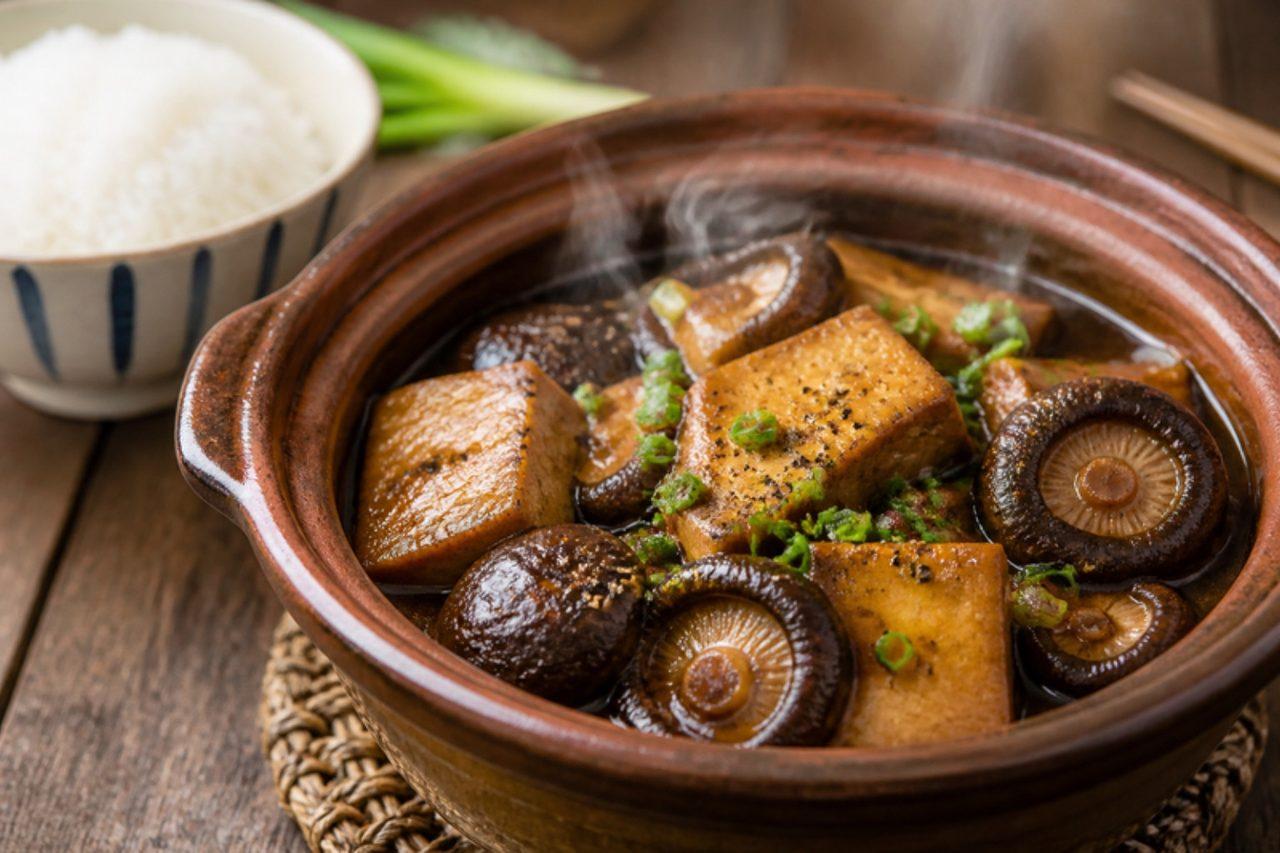
Caramelised clay-pot tofu and mushrooms
Kho is the slow braise of the Mekong Delta: food simmered in a little clay pot (nồi đất) with dark caramel and seasoning until the sauce is sticky and the flavours go deep. This vegetarian cousin of cá kho tộ (braised fish) uses golden tofu and meaty mushrooms in place of fish, cooked in coconut water, as cooks do in the south, and finished with plenty of black pepper. Serve it bubbling in its pot with steamed rice and a sour soup or plain boiled vegetables. Chef's tip: take the caramel (nước màu) to a deep mahogany, darker than you think, just before it smokes; pale caramel only tastes sweet, while dark caramel gives the bittersweet, smoky flavour of a real kho.

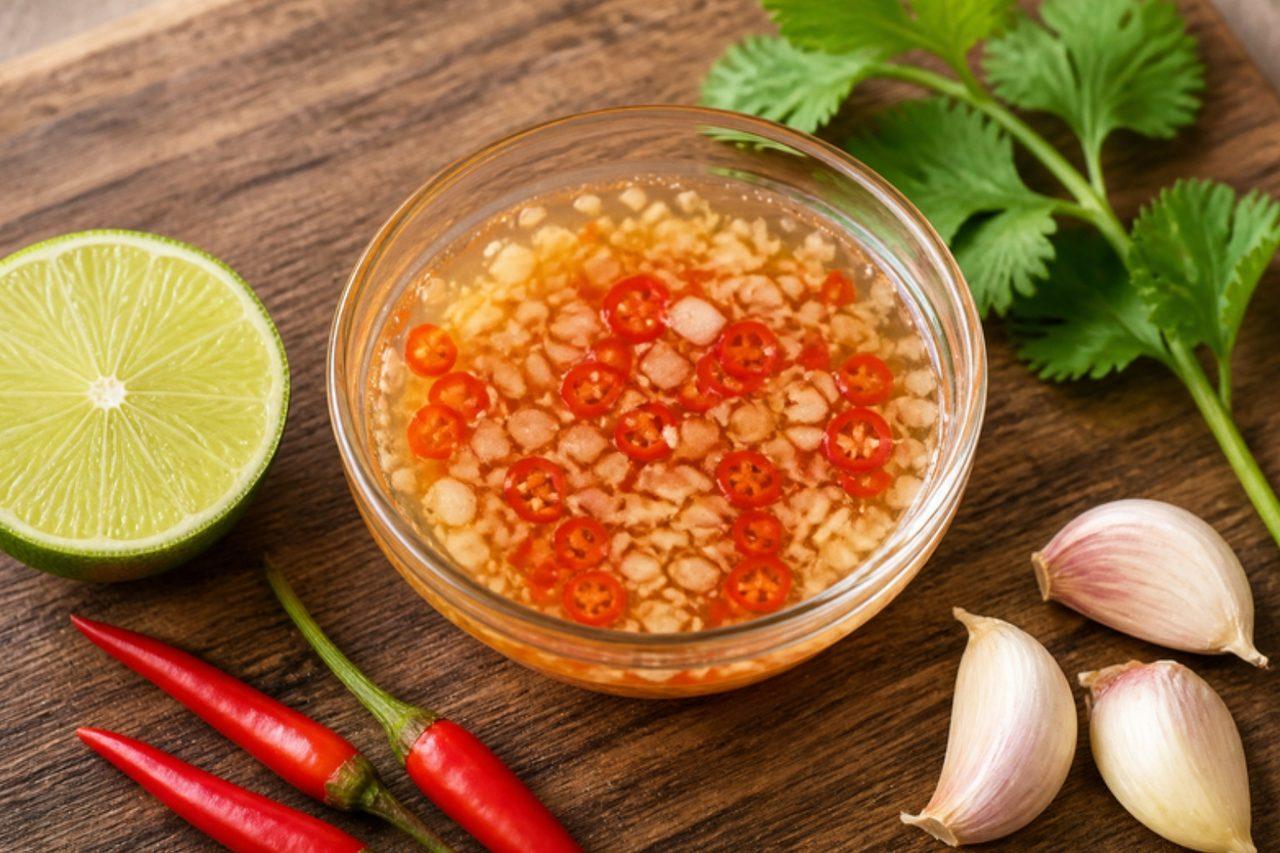
Vegan nuoc cham
Nước chấm is the dipping sauce that goes with almost everything in Vietnam: spring rolls, bánh xèo, noodle salads and broken rice. Buddhist vegetarian cooks, all over the country, make it without fish sauce, using light soy sauce and a little coconut water for the deep, rounded taste. It should be thin, clear and pale amber, with flecks of garlic and chilli floating on top. Chef's tip: dissolve the sugar in the warm water first, then add the lime and soy, and stir in the garlic and chilli last, pounded with a pinch of sugar, so they float on the surface instead of sinking.
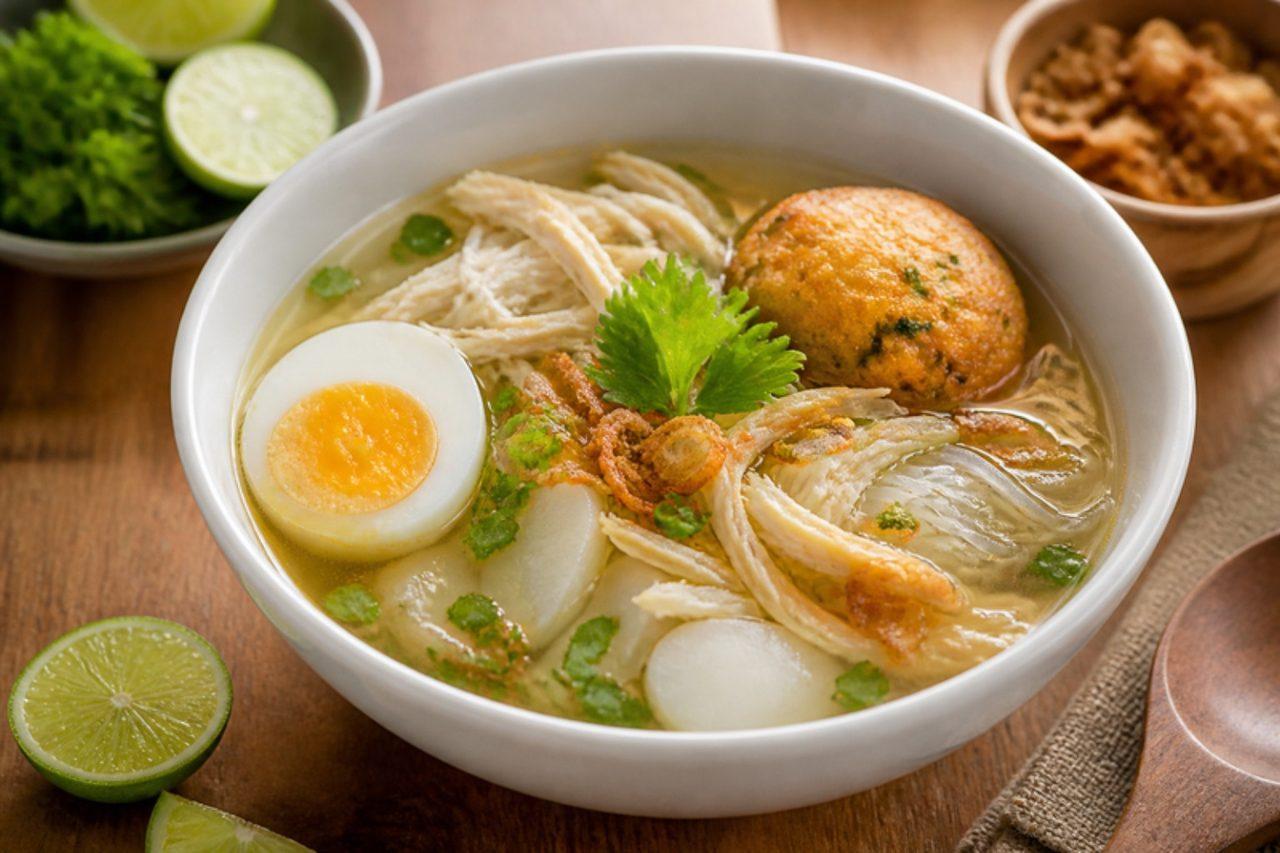
Soto Banjar
Along the rivers of Banjarmasin in South Kalimantan, breakfast often means soto Banjar eaten at a wooden riverside warung, sometimes after a dawn trip to the floating market. Unlike the turmeric sotos of Java, this broth is pale and clear, perfumed with the sweet spices that traders brought up the river centuries ago: cinnamon, cloves, star anise, cardamom and nutmeg. Shredded chicken, glass noodles, carrot and a boiled egg go into the bowl with rice cakes, and lime and a little chilli sharpen it at the table. Chef's tip: toast the whole spices in the pan for a minute before the paste goes in; it brings out their sweetness without the dusty edge of ground spice.
