
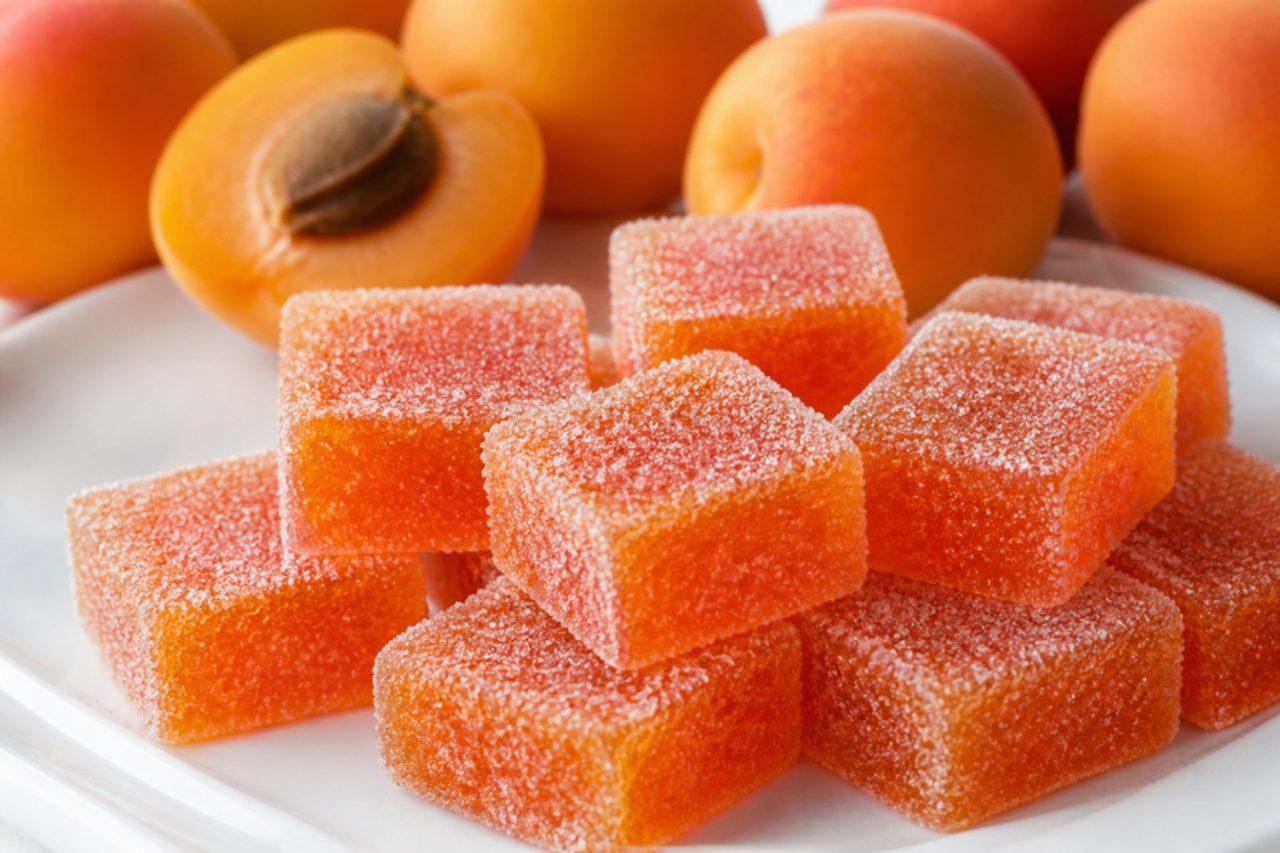
AI-generated image
Pâte de fruits (Auvergne apricot fruit jellies)
Intense apricot jellies set with pectin and rolled in sugar


Clermont-Ferrand, the capital of the Auvergne, built a name for pâtes de fruits in the nineteenth century using apricots from the Limagne plain, and the jewel-bright squares remain a favourite in Christmas boxes and with coffee at the end of a meal. Good pâte de fruits tastes more of fruit than of sugar: dense, tender and clean-cutting, with a sparkle of sugar crust and a sharp edge of acid. Serve them on a plate of petits fours, or pack them as a gift. They are naturally egg-free: pectin, the fruit's own setting agent, does all the work once the purée is boiled with sugar to 106°C and the acid is added. Use yellow pectin for pâte de fruits if you can find it; it sets slowly enough to pour. Chef's tip: stir in the citric acid only off the heat, right before pouring; the common mistake is adding it early, so the jelly sets in the pan.
- Total time
- 90 min
- Difficulty
- medium
- Serves
- 16
Ingredients
- 1 tsp neutral oilfor the tin
- 1 ⅛ lb apricot puréefrom about 650 g ripe apricots, stoned and blended, or frozen purée
- 1 ¼ lb white sugar
- 3 ½ oz liquid glucose
- ⅛ oz citric aciddissolved in 5 ml water, or 2 tbsp lemon juice
- 3 ½ oz caster sugarfor coating
Shop this recipe on Amazon
Spices & pantry
Links open Amazon in a new tab. As an Amazon Associate, WhatToEat.Today earns from qualifying purchases.
Method
0/8 doneStep 1: Line a 20 x 20 cm tin with baking paper and brush with 1 tsp neutral oil.
Step 2: Warm 1 ⅛ lb apricot purée in a heavy pan over a medium heat to about 104°F, just warm to the touch.
3 minStep 3: Mix ⅜ oz yellow pectin for fruit jellies with 2 oz white sugar (about 55 g), then whisk it into the purée in a steady rain so no lumps form. Bring to the boil, whisking.
3 minStep 4: Add the rest of 1 ⅛ lb white sugar in three batches, letting the mixture return to the boil each time, then add 3 ½ oz liquid glucose.
4 minStep 5: Boil, stirring constantly with a heatproof spatula, for 8-12 minutes, until it reaches 225°F, darkens slightly and falls from the spatula in thick sheets.
10 minStep 6: Take off the heat, stir in ⅛ oz citric acid quickly and pour at once into the tin. Smooth the top.
Step 7: Leave to set at room temperature, uncovered, for at least 1 hour, until firm and clean when pressed. Don't refrigerate; it makes the surface weep.
60 minStep 8: Turn out and cut into 2.5 cm squares with an oiled knife. Toss in 3 ½ oz caster sugar and store in an airtight box, between layers of baking paper, for up to 1 month.
Nutrition per serving
- Calories
- 195 kcal
- Protein
- 0 g
- Carbs
- 49 g
- Fat
- 0 g
- Fibre
- 1 g
Nutrition values are estimates.
KrazyBadal
Good to know
- How long does pâte de fruits (Auvergne apricot fruit jellies) take?
- About 90 minutes in total: 70 minutes to prepare and 20 minutes to cook.
- How many people does it serve?
- 16 as written. Change the servings above the ingredients and every amount scales to match.
- Is it vegan?
- Yes. It has no meat, fish, dairy or eggs.
- Is it gluten free?
- Yes, as written. Check the labels on stock, sauces and spice mixes, which sometimes contain gluten.
- What can I use instead of white sugar?
- Caster sugar, same amount.
- What can I use instead of citric acid?
- Juice of 1 lemon or 1 tbsp white vinegar per tsp (for curdling milk).
Reviews
No reviews yet. Be the first to cook it.
Rate this recipe
Sign in to rate and review this recipe.
You might also like
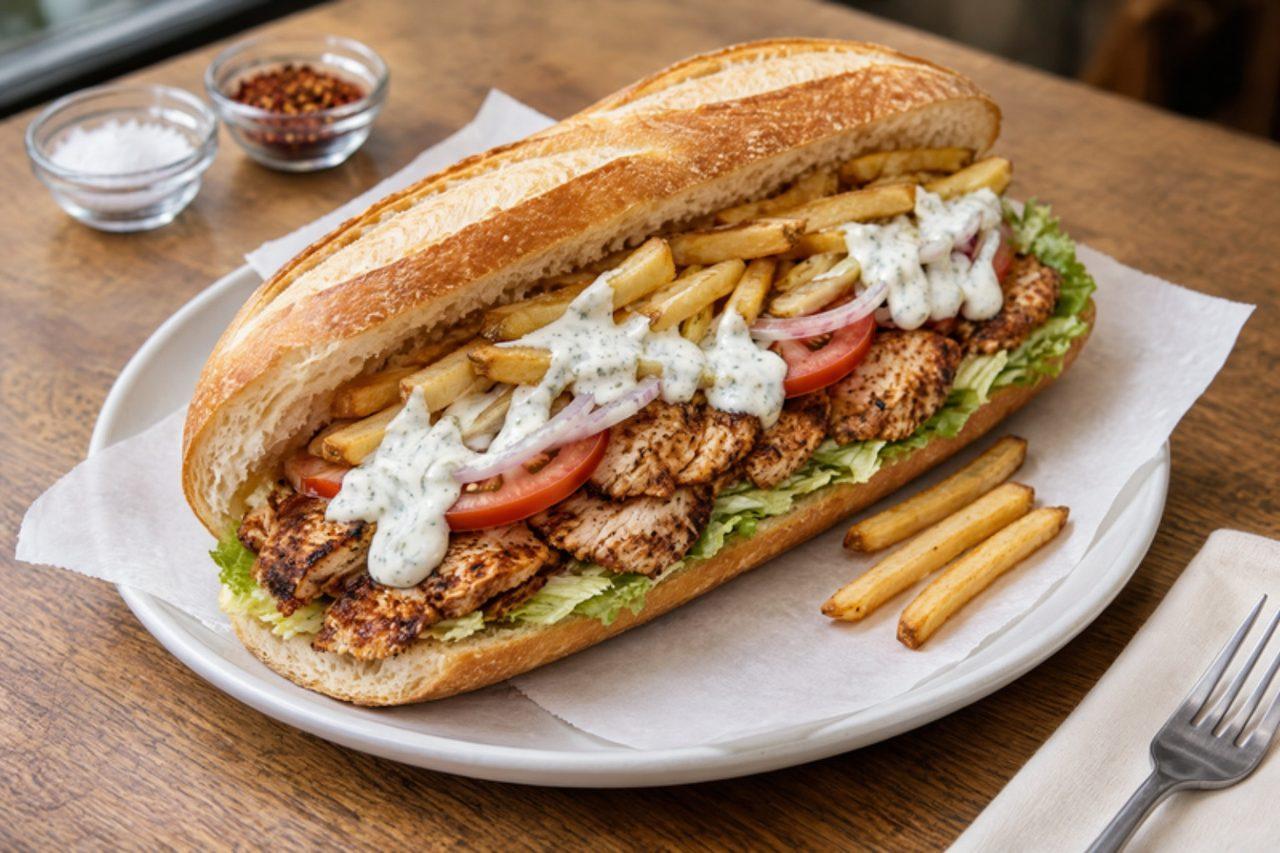
Sandwich grecKebab baguette
In Paris, a "grec" is the late-night kebab sandwich named after the Greek-run shops that first sold it in the Latin Quarter. On rue de la Huchette and rue Saint-André-des-Arts near Saint-Michel, students queue after a night out for crusty bread or pitta stuffed with meat shaved from a turning spit, lettuce, tomato and onion, a garlicky white sauce, and, the Paris touch, a handful of fries pushed right inside. This home version marinates chicken thighs in spiced yoghurt, sears them hard and slices them thin, with oven fries. It contains milk, egg (in the mayonnaise) and wheat. Chef's tip: slice the meat thinly across the grain after resting; thick chunks don't feel like a grec.
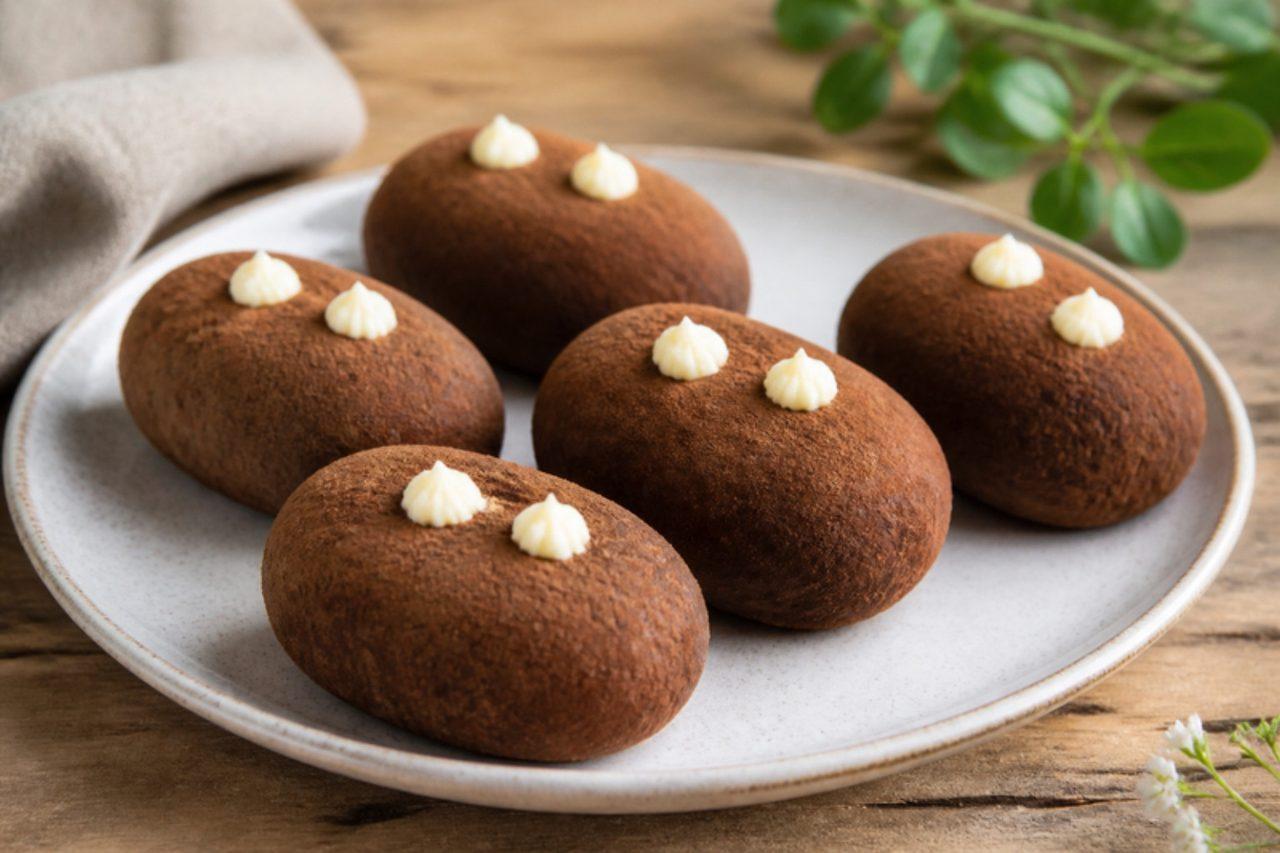
Kartoshka cakeCocoa and cake crumb truffles
Soviet cafés and school canteens sold these knobbly brown 'potatoes' for a few kopecks, and they began as a thrifty way to use up sponge and biscuit trimmings at the bakery. Crumbs are bound with butter and sweetened condensed milk, flavoured with cocoa and vanilla, shaped into little potatoes, rolled in cocoa and finished with two dabs of pale butter cream for the sprouts. They are fudgy and dense like a brownie truffle, need no oven, and children love making them. Traditional bakers added a spoonful of rum, an optional extra for adult batches only; this version is alcohol-free with vanilla. The usual slip is coarse crumbs, which make the potatoes crack, so blitz them as fine as sand. Chef's tip: chill the shaped potatoes for at least 20 minutes so they hold their shape and slice cleanly.
 Russian
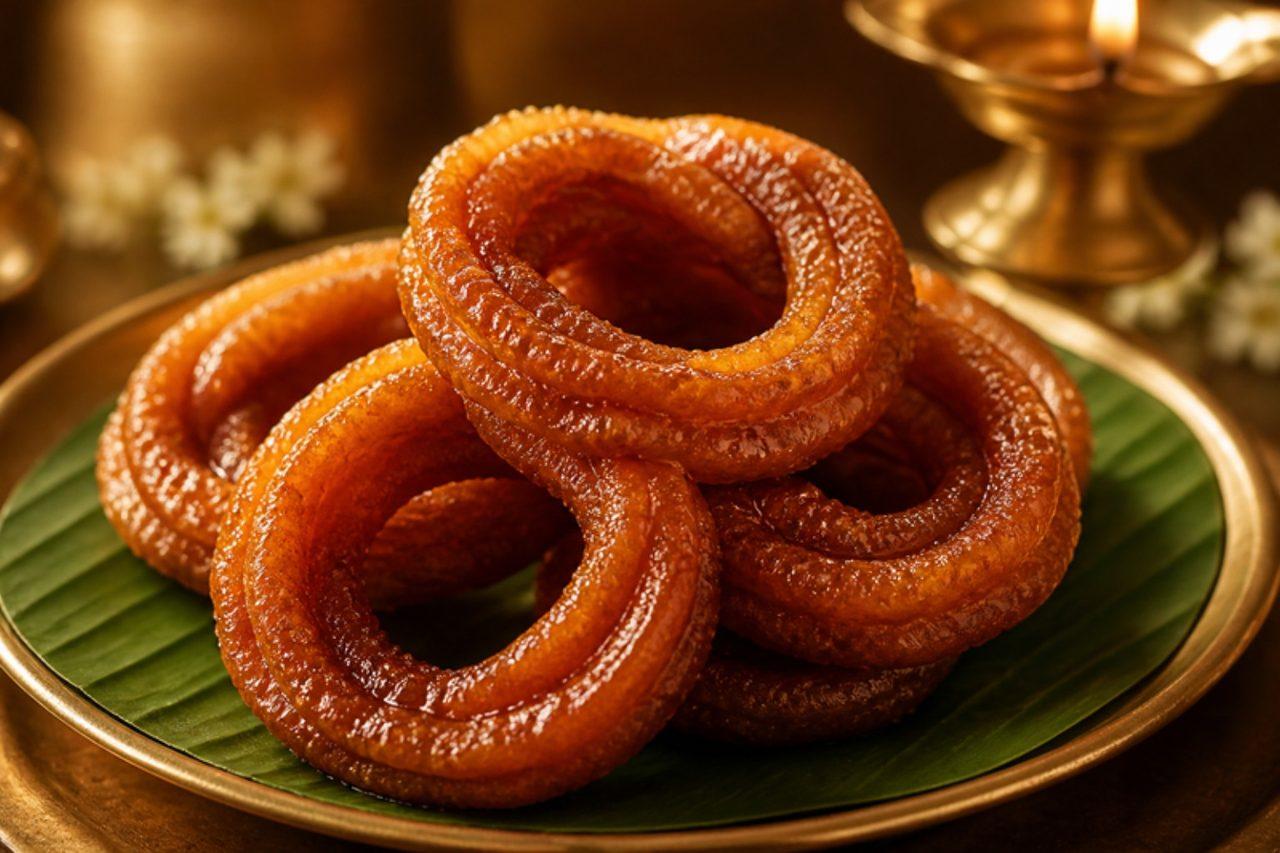
Undu walaluFried urad dal rings in treacle
Walalu means bangles, and these dark, sticky rings of fried urad dal soaked in kithul treacle are a sweet that Sinhala families bring out for Avurudu and for special almsgivings, often made in large batches by an aunt known for her steady hand. A thick, fluffy paste of ground black gram is piped into loops and fried until crisp, then plunged straight into warm treacle, so the rings stay crunchy on the outside while drinking up the syrup. They taste a little like a darker, smokier jalebi, with a toffee finish from the palm treacle. Watery batter is what ruins them; it spreads into flat blobs, so grind the soaked dal with as little water as possible and beat it until light. This recipe uses no asafoetida, so it is naturally gluten free. Chef's tip: pipe the rings onto small squares of baking paper and lower them into the oil paper and all; the paper peels away in seconds.
 Sri Lankan

