
AI-generated image
Pastis gascon
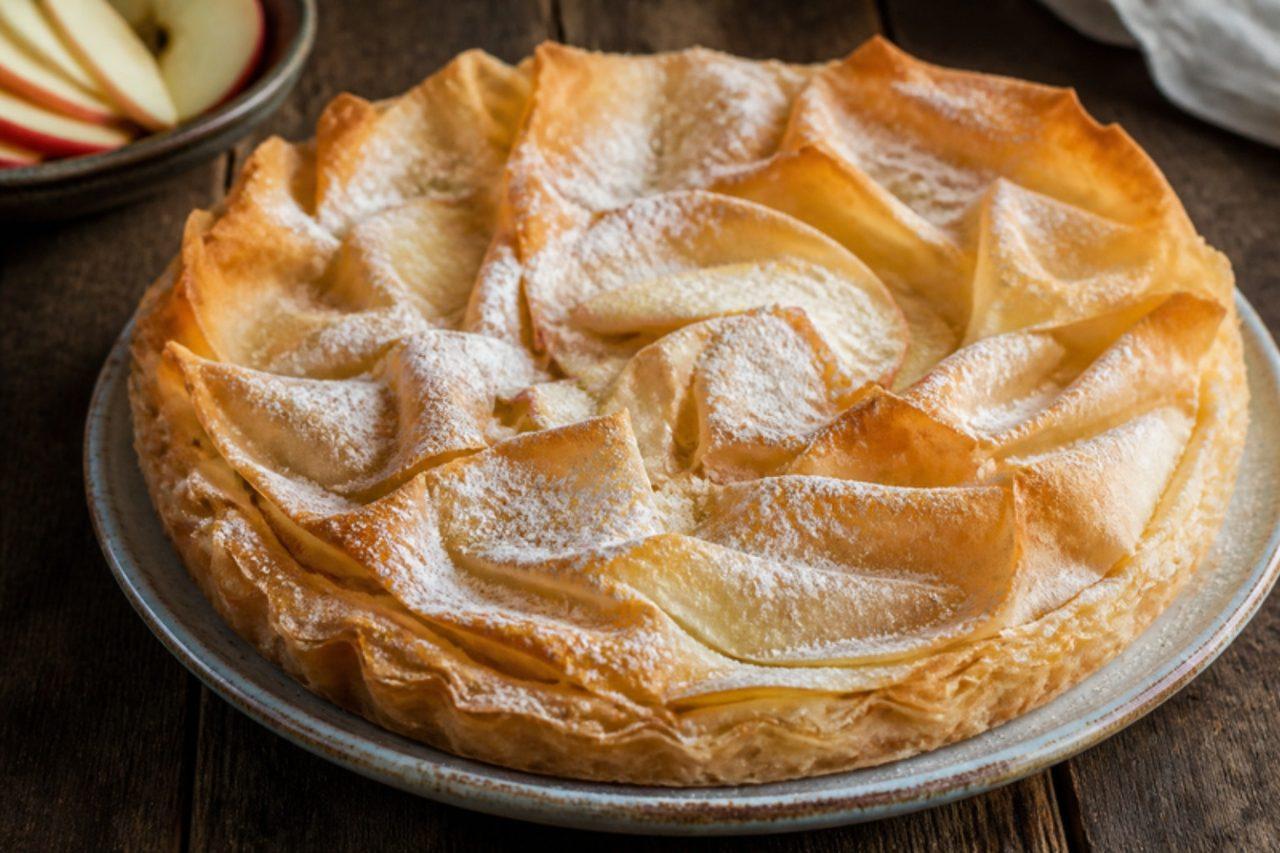
Gascony's crackling apple pastry (pastis gascon, or croustade)
 French
In the Gers and the Lot-et-Garonne, grandmothers once stretched pastis dough over the kitchen table until it was thin enough to read a newspaper through, then layered it with apples and butter into a crackling, golden dome. Called pastis in Gascony and croustade in Quercy, it is served at Sunday lunch, weddings and village fêtes. The apples are traditionally soaked in Armagnac, the local brandy; this home version uses filo pastry and gives an alcohol-free soak of apple juice and orange flower water, with Armagnac as the option. Chef's tip: scrunch the top sheets loosely like crumpled silk; the folds turn into the crisp, shattering crown.
- Total time
- 80 min
- Difficulty
- medium
- Serves
- 8
Ingredients
For the apples
For the pastry
Shop this recipe on Amazon
What you'll need
Fresh ingredients (4)
Links open Amazon in a new tab. As an Amazon Associate, WhatToEat.Today earns from qualifying purchases.
Method
0/7 doneStep 1: Toss 4 eating apples with 2 ⅛ oz caster sugar, 1 tsp vanilla extract, 3 tbsp apple juice and 1 tbsp orange flower water in a bowl and leave for 30 minutes, until the slices soften and give off juice.
30 minStep 2: Heat the oven to 350°F (325°F fan). Brush a 24 cm tart or cake tin with 3 ½ oz unsalted butter.
Step 3: Lay one sheet of 10 filo pastry sheets in the tin, letting the edges hang over. Brush with butter and sprinkle with a little 1 ⅜ oz caster sugar. Repeat with 5 more sheets, turning each so the overhang goes all round. Keep the rest covered with a damp cloth so it does not crack.
Step 4: Drain the apples (keep the juice) and spread them over the pastry. Fold the overhanging filo back over the fruit and brush with butter.
5 minStep 5: Brush the last 4 sheets with butter, sprinkle with sugar, and scrunch each one loosely into a ruffle. Arrange them over the top to cover the apples. Drizzle over the reserved juice and any remaining butter. Common mistake: pressing the ruffles flat, which bakes into a dense lid instead of a crisp crown.
5 minStep 6: Bake for 30–35 minutes, until the top is deep golden and crisp and the apples are tender when pierced through a gap.
35 minStep 7: Cool for 15 minutes, dust with 1 tbsp icing sugar and serve warm. It is best on the day it is baked.
Nutrition per serving
- Calories
- 270 kcal
- Protein
- 3 g
- Carbs
- 38 g
- Fat
- 12 g
- Fibre
- 2 g
Nutrition values are estimates.
KrazyBadal
Good to know
- How long does pastis gascon take?
- About 80 minutes in total: 45 minutes to prepare and 35 minutes to cook.
- How many people does it serve?
- 8 as written. Change the servings above the ingredients and every amount scales to match.
- Is it vegetarian?
- Yes. It has no meat or fish.
- What can I use instead of eating apples?
- Pears, same amount.
- What can I use instead of caster sugar?
- Caster sugar, same amount.
Reviews
No reviews yet. Be the first to cook it.
Rate this recipe
Sign in to rate and review this recipe.
You might also like
White sauce
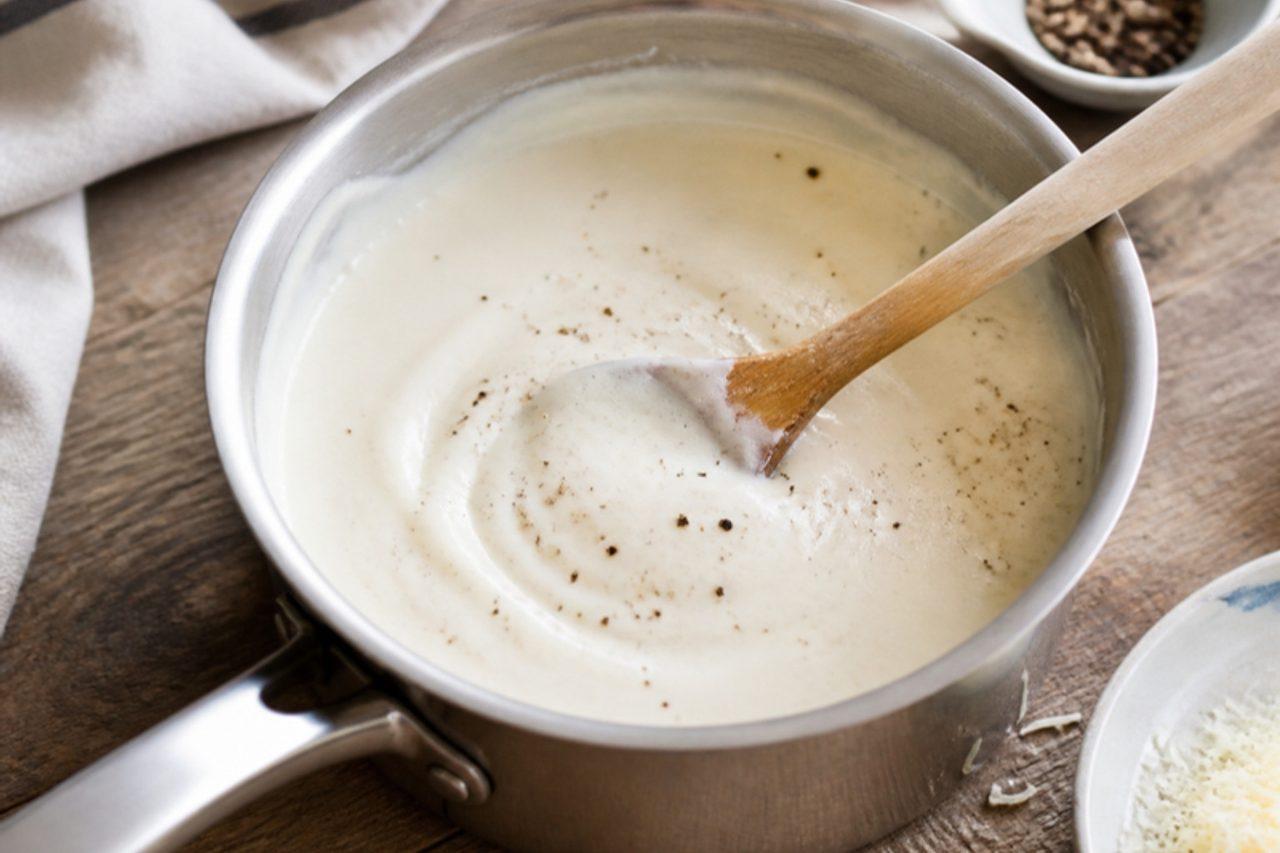
The classic white sauce behind pasta bakes, lasagne, baked vegetables and creamy soups. Butter and flour are cooked together first so the sauce tastes of nothing raw, then milk is whisked in until it turns thick, glossy and smooth. Use it straight away, or keep it covered in the fridge for up to 2 days.
Moist banana bread
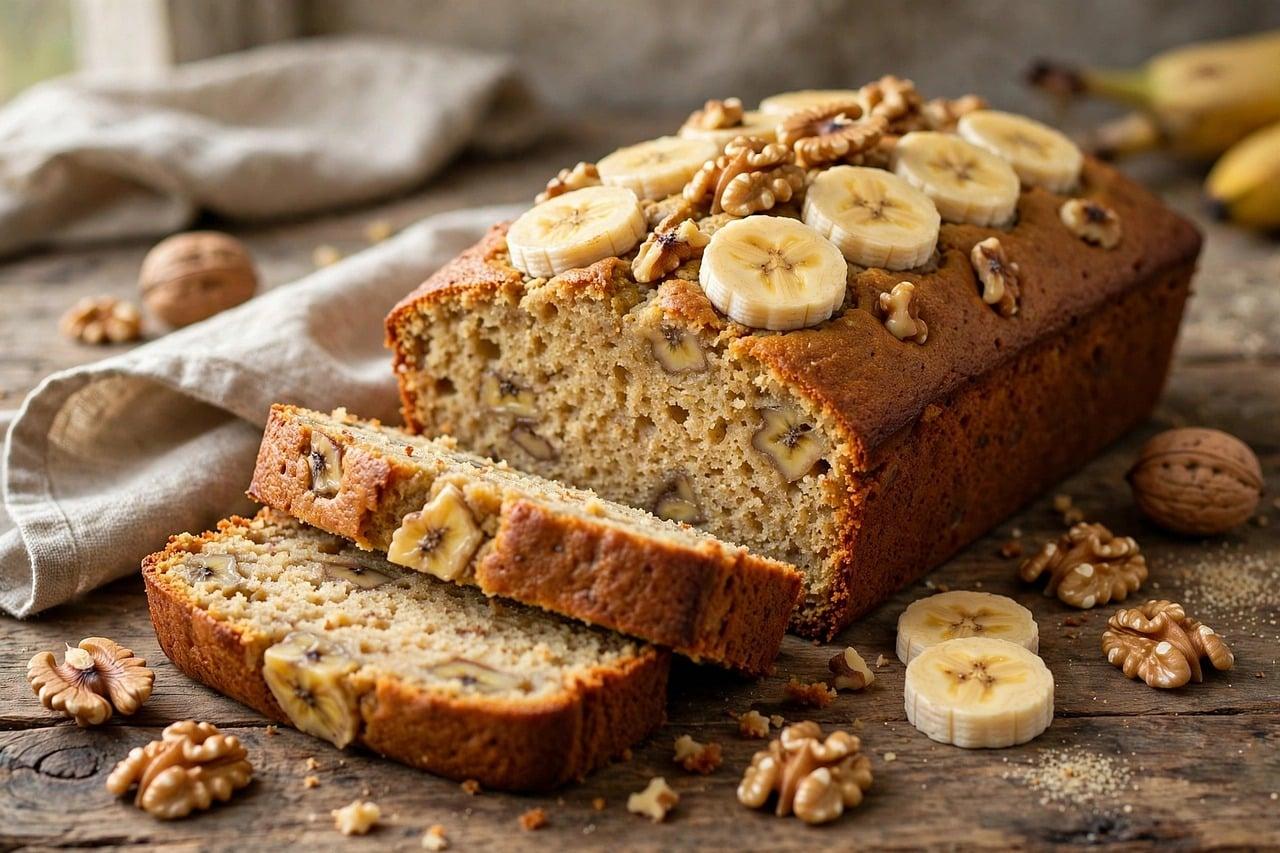
The blacker the bananas, the better the loaf. This one is mixed in a single bowl with melted butter and a little brown sugar, so it's soft, deeply banana-y and keeps well for days.
 American
Tarte au sucre lilloise
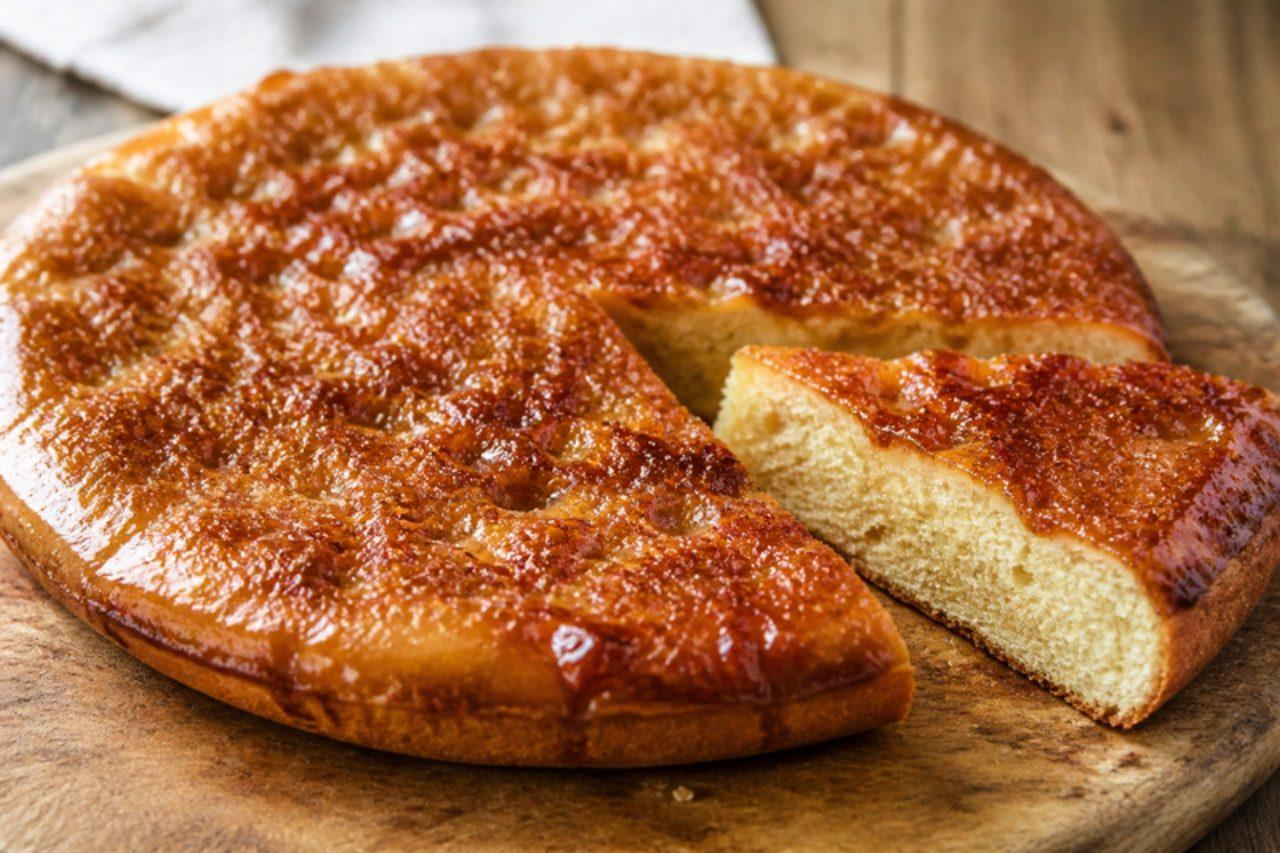
In Lille and across the Nord, a sugar tart is not pastry at all but a flat round of soft brioche dough, dimpled and covered with brown cassonade sugar, butter and a little egg and cream, which bakes into a sticky, caramelised top over a fluffy base. Families buy it from the boulangerie for Sunday breakfast and goûter, or bake one when guests come for coffee. The Nord's own beet sugar, vergeoise, gives it a deep, almost molasses flavour; soft dark brown sugar is the closest swap. Chef's tip: press deep dimples into the risen dough with your fingertips before adding the topping; the sugar and cream collect in them and bake into little pools of caramel.