
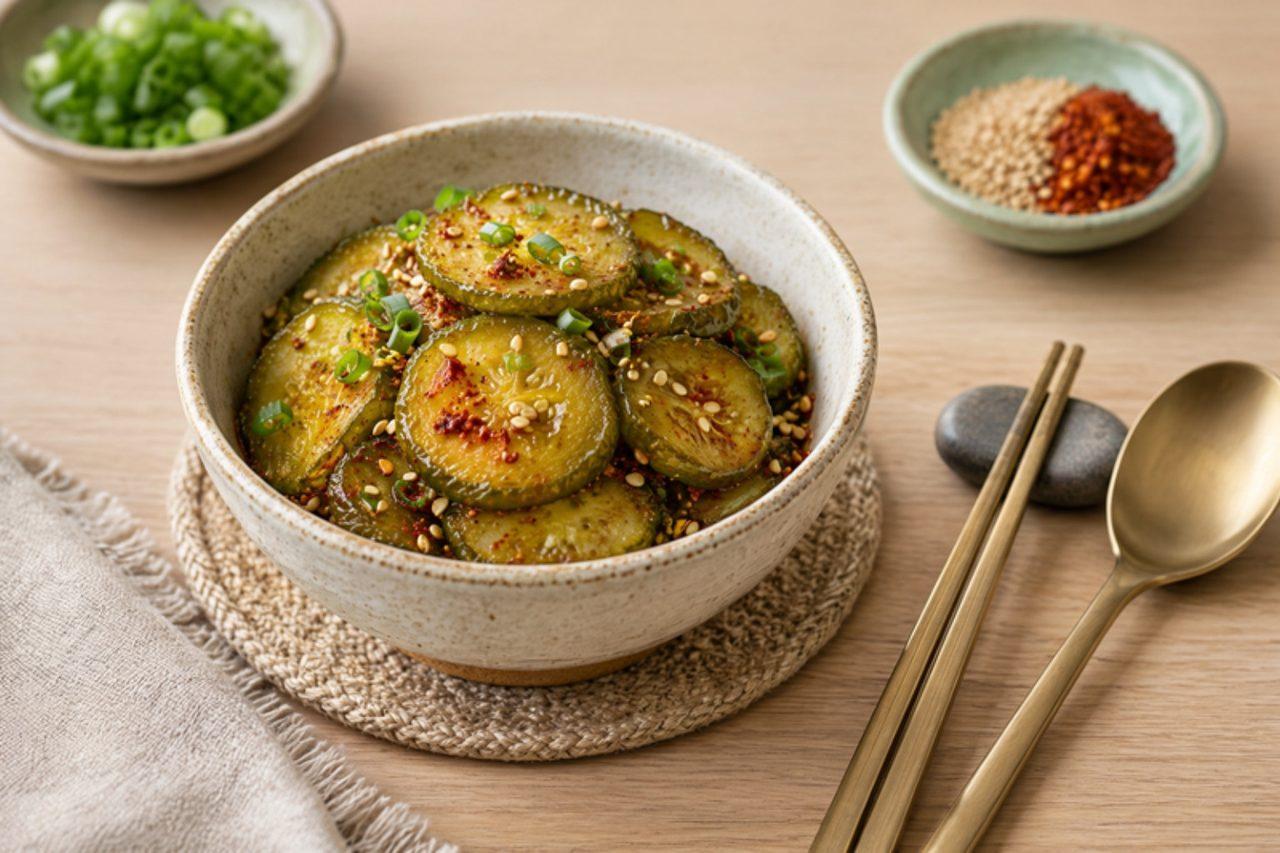
AI-generated image
Oiji
오이지: whole cucumbers fermented under boiling salt brine until golden and wrinkled, then sliced and dressed for summer rice


Oiji is the Korean way of keeping early-summer cucumbers into the dog days. In June, when short, thin-skinned pickling cucumbers flood markets from Seoul to the southern provinces, they are packed into a crock and covered with boiling salt brine, which keeps them crisp. A week later they are olive-gold, wrinkled and sour-salty. Nobody eats them straight: they are sliced, soaked and squeezed, then dressed as oiji muchim with chilli flakes, garlic and sesame, or floated in cold water with vinegar and spring onion as oiji naengguk, a cooling summer soup. Over rice on a hot afternoon, the crunch is everything. The brine is about 10% salt (200 g per 2 litres of water), strong enough to keep them all summer. The common mistake is leaving any cucumber above the brine; it softens and moulds, so weigh them down well. It is ready when the cucumbers are evenly yellow-green, wrinkled and firm, and the brine smells cleanly sour. Normal: cloudy brine and bubbles; bad: fuzzy coloured mould, mushy or slimy cucumbers, a rotten smell. Chef's tip: squeeze the soaked slices in a cotton cloth as hard as you can before dressing; the drier they are, the better they crunch.
- Total time
- 40 min
- Difficulty
- easy
- Serves
- 10
Ingredients
For the oiji
- 10 pickling cucumbersabout 1.2 kg; short, thin-skinned Korean or kirby cucumbers
- 8 ¼ cups water
- 7 oz coarse sea saltmakes a 10% brine
For oiji muchim (2 cucumbers)
- 1 clove garlicfinely chopped
- 1 spring onionfinely chopped
- 1 tsp toasted sesame oil
- 1 tsp toasted sesame seeds
- ½ tsp sugar (optional)
Shop this recipe on Amazon
Fresh ingredients (3)
Links open Amazon in a new tab. As an Amazon Associate, WhatToEat.Today earns from qualifying purchases.
Method
0/9 doneStep 1: Clean the jar or container and lid: wash in hot soapy water, rinse, then dry in a 250°F oven for 10 minutes (or pour boiling water over and in it and air-dry upside down). Let it cool; it must be completely dry. Use a 3–4 litre heatproof glass jar, crock or food-grade container.
Step 2: Rub the 10 pickling cucumbers under running water to remove the prickles, leave them whole and dry them. Pack tightly into the container, upright or in layers.
10 minStep 3: Bring the 8 ¼ cups water and 7 oz coarse sea salt to a rolling boil in a large pan, stirring until the salt dissolves.
5 minStep 4: Pour the boiling brine straight over the cucumbers; the skins turn bright green at once. Put a plate on top and weigh it with a jar of water or a stone so every cucumber is submerged.
2 minStep 5: Cover and leave at room temperature (about 20–77°F) for 3 days. Pour the brine back into the pan, bring it to a boil again, cool it to lukewarm and pour it back over the cucumbers. Weigh them down again.
5 minStep 6: Leave 4–7 more days at room temperature, until the cucumbers are evenly olive-yellow, wrinkled and firm and the brine smells cleanly sour. Throw them away if you see fuzzy coloured mould, they turn mushy or slimy, or smell rotten.
Step 7: Move the cucumbers and brine to the fridge. Keeps 2–3 months, always submerged; take them out with clean tongs.
Step 8: For oiji muchim: slice 2 cucumbers into thin rounds and soak in cold water for 20 minutes, until only pleasantly salty. Squeeze very hard in a cloth until dry and crunchy.
20 minStep 9: Toss the slices with 1 tsp Korean chilli flakes (gochugaru), 1 clove garlic, 1 spring onion, 1 tsp toasted sesame oil, 1 tsp toasted sesame seeds and ½ tsp sugar if using, until evenly red. Eat within 3 days, kept in the fridge.
2 min
Nutrition per serving
- Calories
- 30 kcal
- Protein
- 1 g
- Carbs
- 4 g
- Fat
- 1 g
- Fibre
- 1 g
Nutrition values are estimates.
KrazyBadal
Good to know
- How long does oiji take?
- About 40 minutes in total: 30 minutes to prepare and 10 minutes to cook.
- How many people does it serve?
- 10 as written. Change the servings above the ingredients and every amount scales to match.
- Is it vegan?
- Yes. It has no meat, fish, dairy or eggs.
- Is it gluten free?
- Yes, as written. Check the labels on stock, sauces and spice mixes, which sometimes contain gluten.
- Can I make it ahead?
- Yes. It keeps well, so you can cook it earlier in the day or the day before and reheat it.
- What can I use instead of pickling cucumbers?
- Courgette, same weight (in salads, use young ones).
- What can I use instead of garlic?
- ½ tsp garlic paste or ⅛ tsp garlic powder per clove.
Reviews
No reviews yet. Be the first to cook it.
Rate this recipe
Sign in to rate and review this recipe.
You might also like
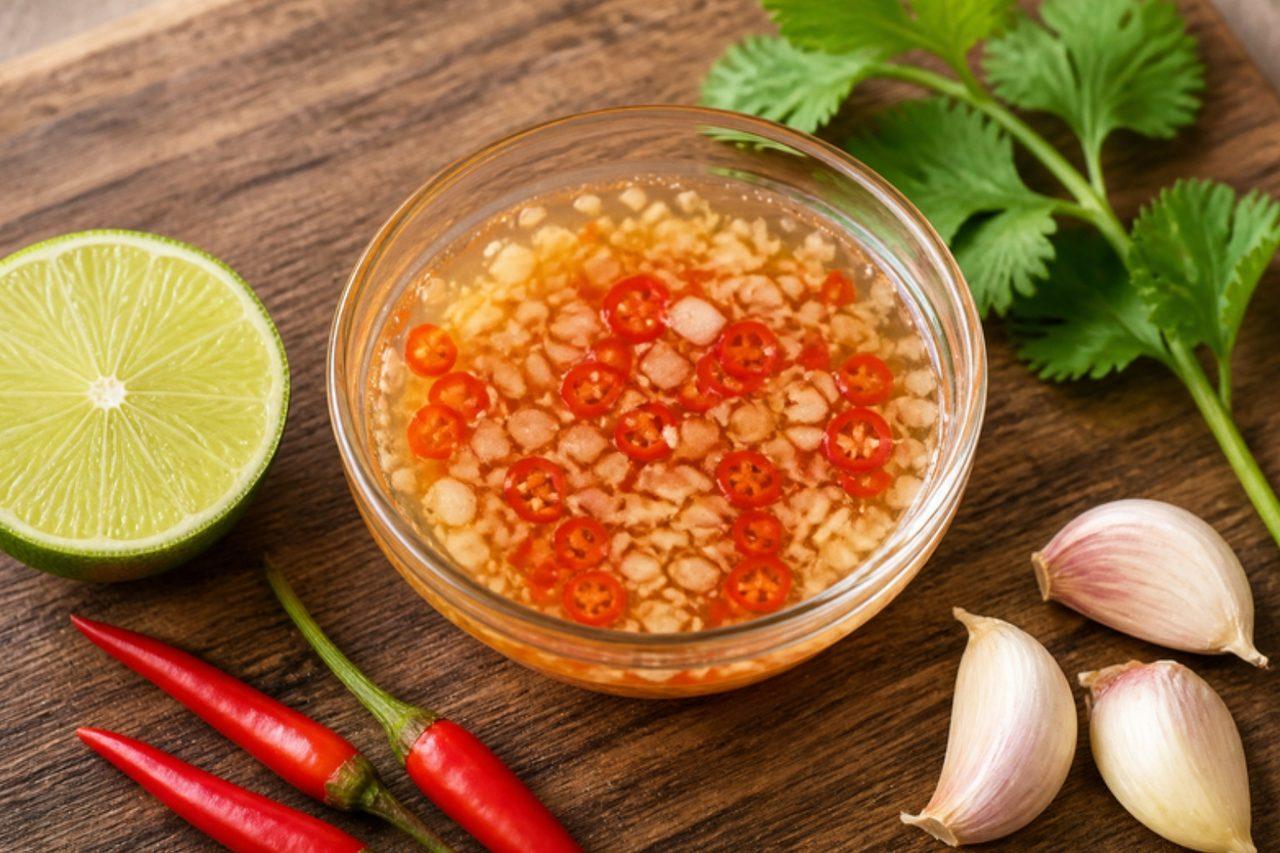
Vegan nuoc cham
Nước chấm is the dipping sauce that goes with almost everything in Vietnam: spring rolls, bánh xèo, noodle salads and broken rice. Buddhist vegetarian cooks, all over the country, make it without fish sauce, using light soy sauce and a little coconut water for the deep, rounded taste. It should be thin, clear and pale amber, with flecks of garlic and chilli floating on top. Chef's tip: dissolve the sugar in the warm water first, then add the lime and soy, and stir in the garlic and chilli last, pounded with a pinch of sugar, so they float on the surface instead of sinking.
 Vietnamese

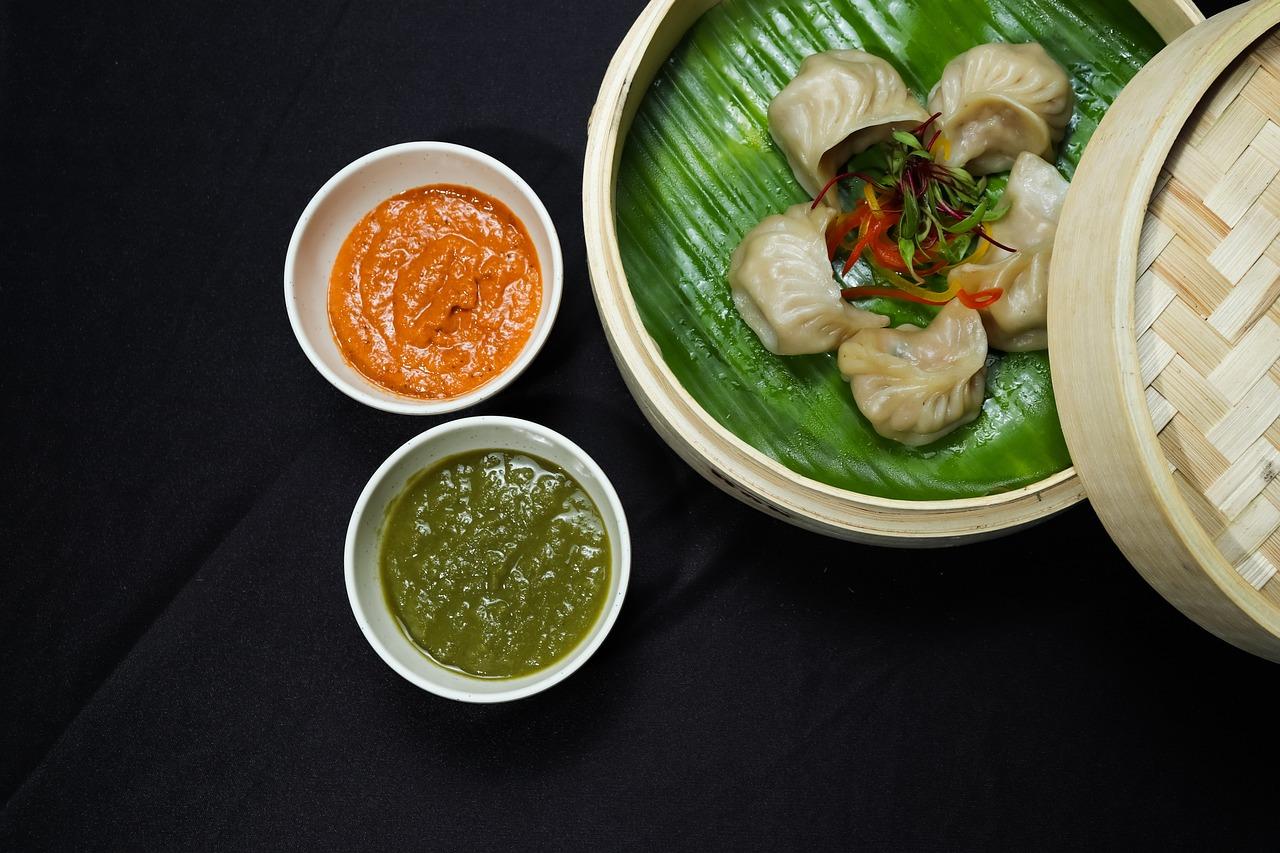
Mint and onion chutney
Onions fried gently until soft and sweet, then blended with fresh mint, green chilli and lemon juice. It's a mellow, fresh-tasting chutney that is great with bhajias, samosas, kebabs and tikka, or spread in sandwiches.
 Indian

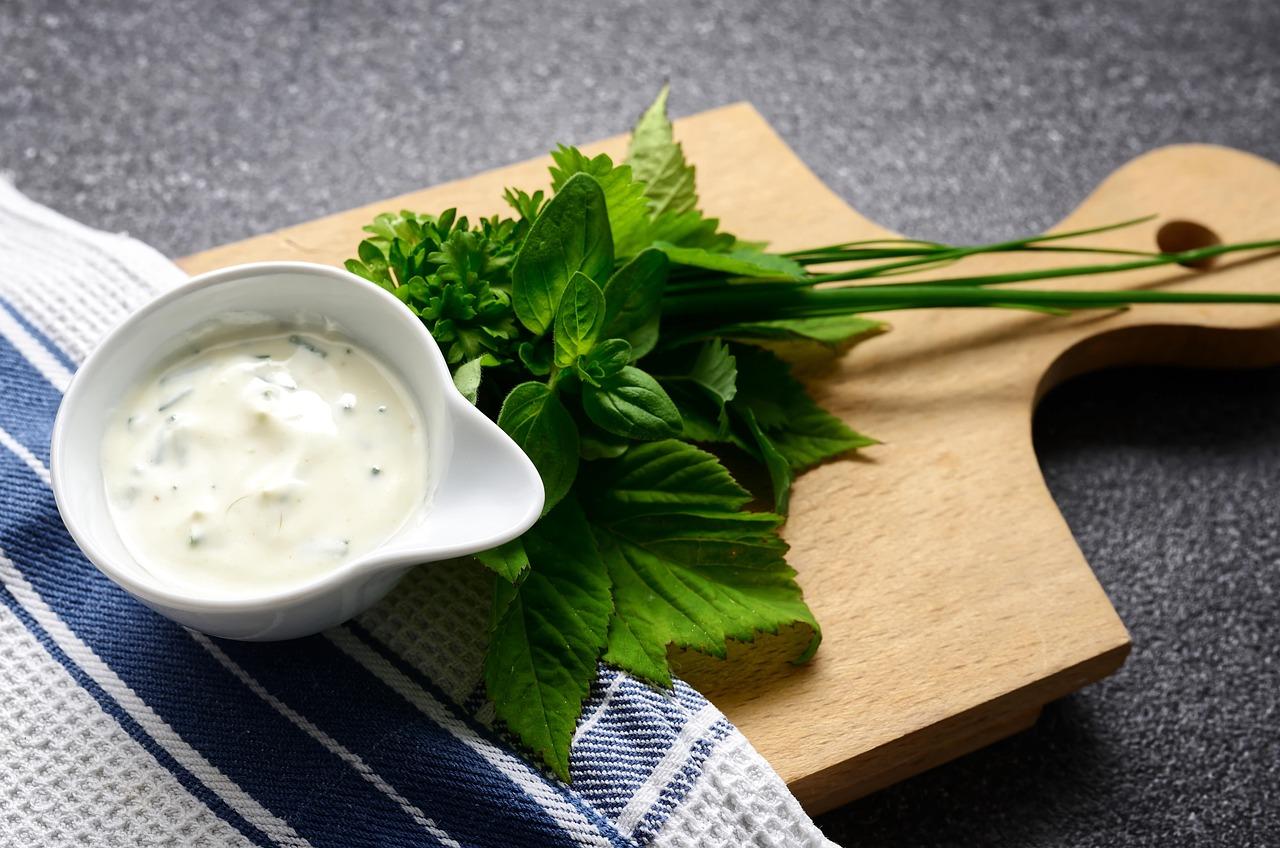
Sour cream dip
A simple, tangy dip made with thick home-made cottage cheese (hung yogurt) or ready-made sour cream, seasoned with garlic, chilli, black pepper and vinegar. Serve it cold with crisps, nachos and jacket potatoes. The book's other dips use this as their 'sour cream'.