
AI-generated image
Mosbolletjies
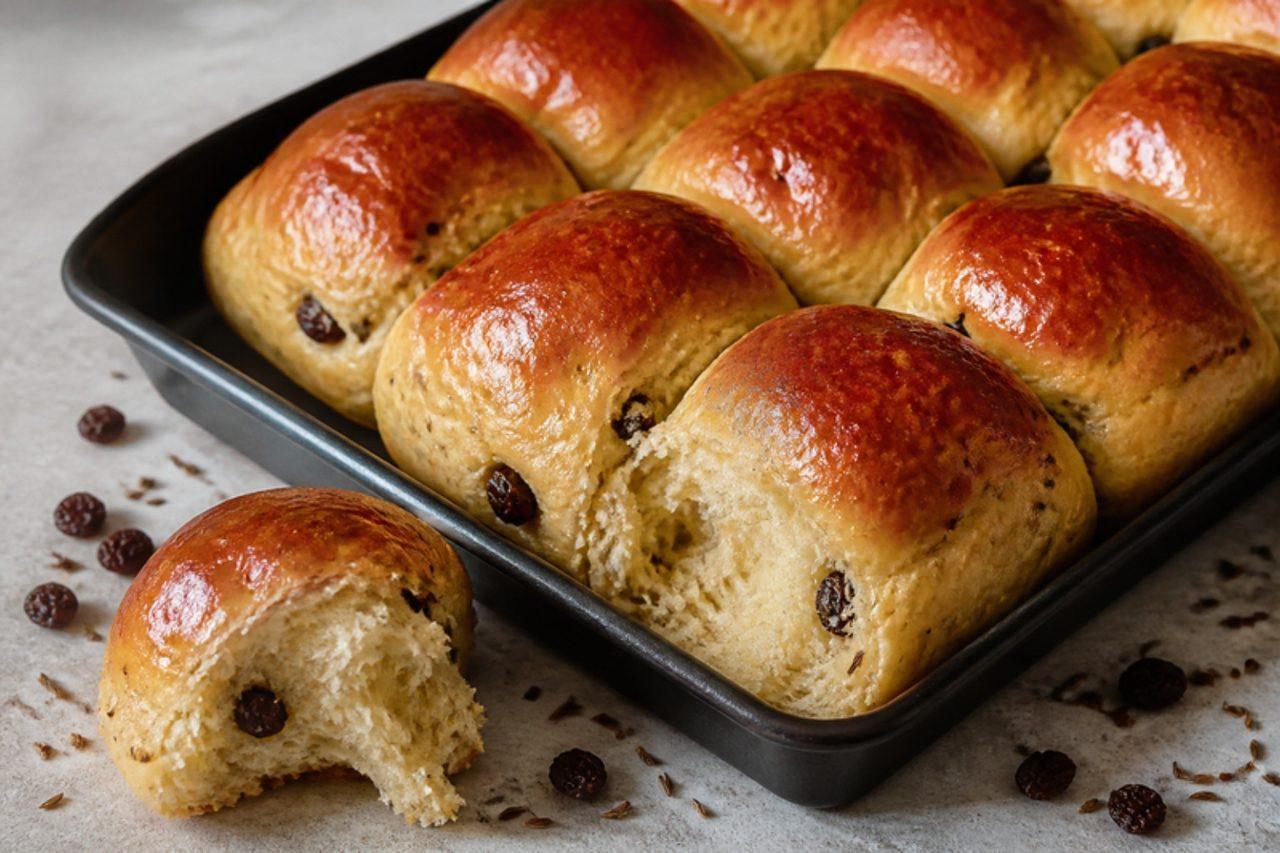
Mosbolletjies: soft Paarl aniseed buns raised with a grape juice and raisin starter, dried for rusks

Each harvest, wine farms around Paarl and the Boland once used foaming fresh grape must to raise these sweet, tear-apart buns, and some families still bake them every January and dry what is left into rusks for coffee dunking. This home method replaces the must with a starter of pure grape juice, raisins and a little yeast, bubbled overnight; the tiny trace of alcohol the fermentation makes bakes off in the oven. The buns are soft and feathery, gently sweet, scented with aniseed and glazed with a sticky sugar wash. Rushing is the mistake: this dough rises slowly overnight and needs to double properly at each stage, or the buns turn out dense. Chef's tip: use juice with no added preservatives, which stop the starter from fermenting.
- Total time
- 105 min
- Difficulty
- hard
- Serves
- 24
Ingredients
For the grape starter
- 1 cup red grape juice100% juice, no added preservatives
- 3 ½ oz raisinsunsulphured if possible
- 1 tsp instant dried yeast
- 3 ½ oz bread flour
For the dough
- 2 lb bread flourplus extra for kneading
- 5 ½ oz sugar
- 2 tsp salt
- 1 tbsp aniseedlightly crushed
- 1 cup milk
- 4 ½ oz butterplus extra for the tins
- ¾ cup lukewarm wateras needed
For the glaze
- 2 tbsp sugar
- 2 tbsp water
Shop this recipe on Amazon
What you'll need
Links open Amazon in a new tab. As an Amazon Associate, WhatToEat.Today earns from qualifying purchases.
Method
0/13 doneStep 1: Warm 1 cup red grape juice to lukewarm, pour it into a large jar and add 3 ½ oz raisins. Bruise the raisins against the side with a spoon, then stir in 1 tsp instant dried yeast.
Step 2: Cover loosely and leave at warm room temperature for 8–12 hours, until the raisins float and the juice is frothy and smells winey.
Step 3: Strain the liquid into a bowl, pressing the raisins to squeeze out their juice, and discard the raisins. Whisk in 3 ½ oz bread flour to a thick batter, cover and leave for 1 hour until bubbly.
60 minStep 4: Mix 2 lb bread flour, 5 ½ oz sugar, 2 tsp salt and 1 tbsp aniseed in a very large bowl.
Step 6: Pour the starter and the milk mixture into the flour and mix, adding ¾ cup lukewarm water a little at a time, until you have a soft dough.
Step 7: Knead on a lightly floured surface until smooth, silky and elastic; it is a big dough, so take your time.
12 minStep 8: Put it in a buttered bowl, cover well and leave somewhere cool overnight, 8–10 hours, until doubled. Don't put it somewhere hot to hurry it.
Step 9: Knock the dough back and divide into about 24 even pieces. Roll each into a smooth ball and pack them snugly side by side in two buttered 30 x 10 cm loaf tins or a deep roasting tin.
Step 10: Cover and leave until risen and puffy, just above the rim of the tins, 2–3 hours.
Step 11: Heat the oven to 350°F (325°F fan). Bake until deep golden on top and the loaves sound hollow when tapped underneath.
40 minStep 12: Dissolve 2 tbsp sugar in 2 tbsp water and brush it over the hot buns straight from the oven for a sticky shine. Cool in the tins for 10 minutes, then turn out.
2 minStep 13: Eat them fresh and buttered, or make beskuit: the next day, pull the buns apart, lay them on racks in the oven at 80–194°F with the door slightly ajar and dry for 5–6 hours, until completely crisp right through. Stored airtight, the rusks keep for weeks.
Nutrition per serving
- Calories
- 245 kcal
- Protein
- 6 g
- Carbs
- 44 g
- Fat
- 5 g
- Fibre
- 2 g
Nutrition values are estimates.
KrazyBadal
Good to know
- How long does mosbolletjies take?
- About 105 minutes in total: 60 minutes to prepare and 45 minutes to cook.
- How many people does it serve?
- 24 as written. Change the servings above the ingredients and every amount scales to match.
- Is it vegetarian?
- Yes. It has no meat or fish.
- Can I make it ahead?
- Yes. It keeps well, so you can cook it earlier in the day or the day before and reheat it.
- What can I use instead of sugar?
- Caster sugar, same amount.
- What can I use instead of aniseed?
- Fennel seeds, same amount (milder).
Reviews
No reviews yet. Be the first to cook it.
Rate this recipe
Sign in to rate and review this recipe.
You might also like
Reform torta
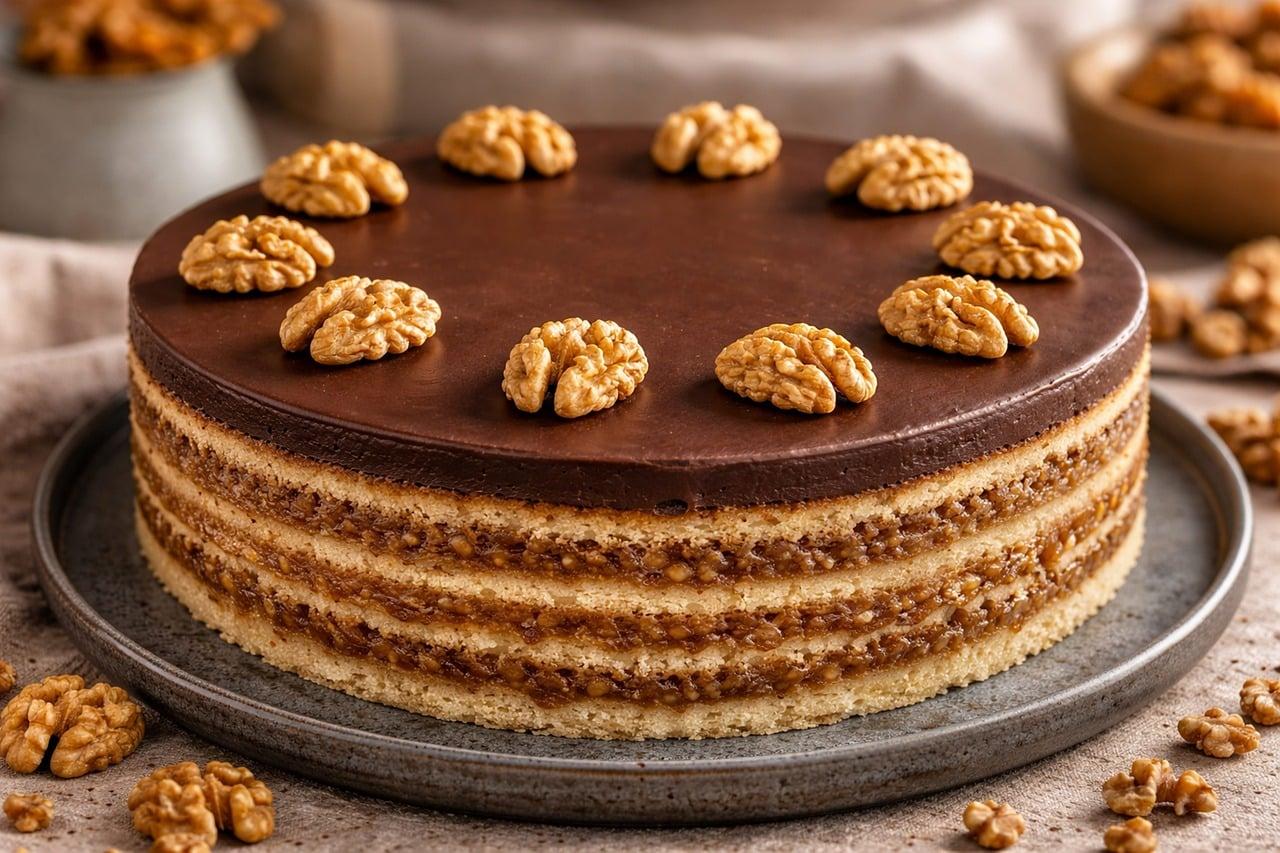
Belgrade pastry shops have sold reform torta since the early twentieth century, and it is still the cake Serbian families bring out for birthdays, weddings and the slava. Three thin layers of walnut meringue, crisp at the edge and chewy inside, are stacked with a dense chocolate butter cream made with egg yolks cooked over steam until thick. It is very rich, so cut thin slices and serve with strong coffee. The usual slip is beating the butter into a chocolate mixture that is still warm, which melts it and splits the cream; let it cool to room temperature first. Chef's tip: assemble the cake the day before; overnight in the fridge the meringue softens a little and the cake slices cleanly with a hot knife.
Ma'amoul
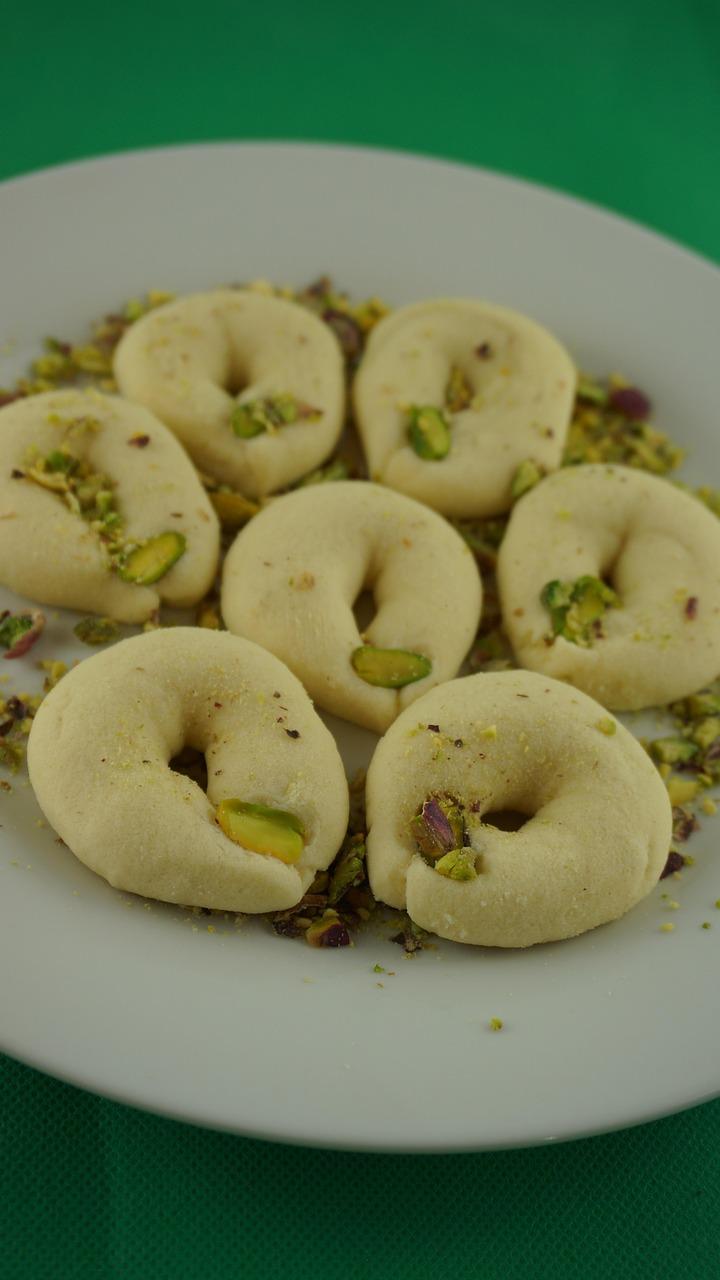
Ma'amoul are delicate shortbread-like pastries made for Eid and Easter across the Middle East. A soft, rose-scented butter dough is wrapped around a filling of dates, walnuts, almonds and pistachios cooked with cinnamon, marked with a fork, baked pale and dusted with icing sugar. Makes 35; they keep well in a tin.
Banana and cashew slice
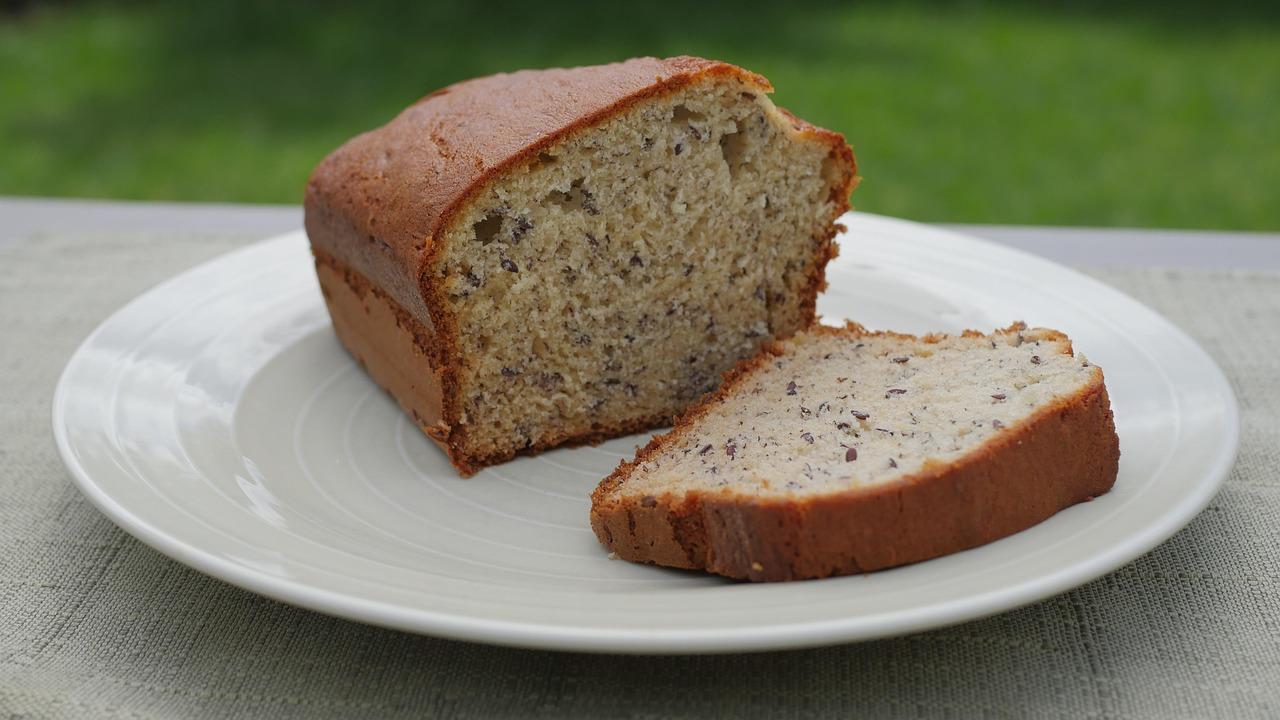
A soft, moist low-calorie slice made without flour, eggs or refined sugar: ripe bananas are blended with sunflower oil, vanilla and cardamom, then cashews, desiccated coconut, oats and grated apple. Baked and cut into wedges, it is naturally sweet and good with tea or in a lunch box.
 Indian
