
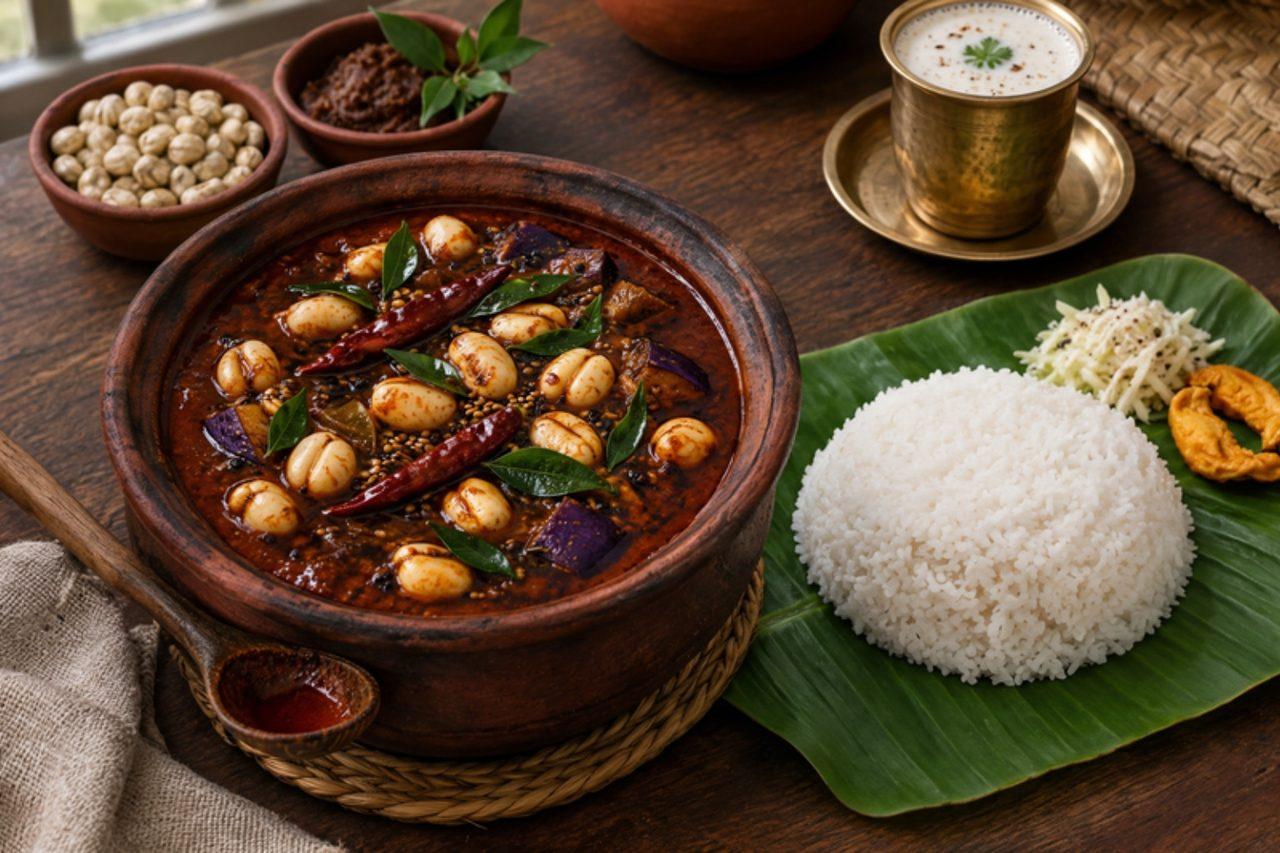
AI-generated image
Mochai kottai kuzhambu
மொச்சை கொட்டை குழம்பு (mochai kottai kuzhambu): Tamil dried field beans and brinjal in thick tamarind gravy


Across Tamil Nadu, from Madurai to Tirunelveli, mochai kottai kuzhambu is a winter and weekend curry: dried field beans and small brinjals stewed in a thick tamarind and sambar-powder gravy with shallots and garlic. It is cooked in a big batch, because everyone agrees it tastes better the next day, and eaten with rice, a spoon of sesame oil and appalam or a simple keerai. The beans turn creamy and the brinjal melts into the sauce. Dried field beans must be soaked and boiled until completely soft; never eat them undercooked. The usual mistake is adding the tamarind before the beans are tender, because acid stops them softening. Slow-cooker: boil the soaked beans hard on the hob for 10 minutes first, then cook everything on low for 6 hours. Chef's tip: fry the brinjal in the oil before the gravy goes in, so it holds its shape instead of dissolving.
- Total time
- 85 min
- Difficulty
- medium
- Serves
- 4
Ingredients
For the beans
- 5 ½ oz dried field beans (mochai)soaked overnight in plenty of water
- 4 ¼ cups water
For the gravy
- 3 tbsp sesame oil (gingelly)
- 1 tsp mustard seeds
- ¼ tsp fenugreek seeds
- 2 sprigs curry leaves
- 12 shallotspeeled, halved
- 6 cloves garlichalved
- 9 oz small brinjals (aubergines)quartered, kept in water
- 1 tomatochopped
- ½ tsp ground turmeric
- 2 tbsp sambar powder
- 1 oz tamarindsoaked in 500 ml hot water
- 1 tsp jaggery
- 1 ¼ tsp salt
Shop this recipe on Amazon
What you'll need
Spices & pantry
Fresh ingredients (5)
Links open Amazon in a new tab. As an Amazon Associate, WhatToEat.Today earns from qualifying purchases.
Method
0/8 doneStep 1: Drain the soaked 5 ½ oz dried field beans (mochai) and throw away the soaking water. Put them in a heavy pot with the 4 ¼ cups water, bring to a boil and boil hard for 10 minutes, skimming off the foam.
15 minStep 2: Lower the heat, cover and simmer for 35–40 minutes until a bean crushes easily between two fingers. Drain, keeping 250 ml of the cooking liquid, and tip the beans into a bowl. (Pressure cooker: 5 whistles after the hard boil.)
40 minStep 3: Wipe the pot, heat 3 tbsp sesame oil (gingelly) over a medium heat and add 1 tsp mustard seeds and ¼ tsp fenugreek seeds. When the mustard pops, add 2 sprigs curry leaves and ¼ tsp asafoetida (gluten-free hing).
1 minStep 4: Add 12 shallots and 6 cloves garlic and fry for 4 minutes until golden. Drain the 9 oz small brinjals (aubergines), add it and fry for 4 minutes until the cut sides are lightly browned.
8 minStep 5: Add 1 tomato, ½ tsp ground turmeric and 2 tbsp sambar powder and cook for 3 minutes until the tomato is soft and the powder smells toasty.
3 minStep 7: Add the beans and simmer, partly covered, for 15 minutes, stirring now and then, until the brinjal is soft and the gravy is thick enough to coat a spoon, with oil showing at the edges.
15 minStep 8: Rest for 10 minutes before serving with rice and a spoon of sesame oil. It keeps for 3 days in the fridge and thickens as it stands; loosen with a splash of water.
1 min
Nutrition per serving
- Calories
- 240 kcal
- Protein
- 10 g
- Carbs
- 30 g
- Fat
- 11 g
- Fibre
- 9 g
Nutrition values are estimates.
KrazyBadal
Good to know
- How long does mochai kottai kuzhambu take?
- About 85 minutes in total: 15 minutes to prepare and 70 minutes to cook.
- How many people does it serve?
- 4 as written. Change the servings above the ingredients and every amount scales to match.
- Is it vegan?
- Yes. It has no meat, fish, dairy or eggs.
- Is it gluten free?
- Yes, as written. Check the labels on stock, sauces and spice mixes, which sometimes contain gluten.
- Can I make it ahead?
- Yes. It keeps well, so you can cook it earlier in the day or the day before and reheat it.
- What can I use instead of mustard seeds?
- Cumin seeds, same amount (different flavour, same crackle).
- What can I use instead of fenugreek seeds?
- Leave them out, or add a little extra mustard seed (you lose the slightly bitter, maple-like note).
Reviews
No reviews yet. Be the first to cook it.
Rate this recipe
Sign in to rate and review this recipe.
You might also like
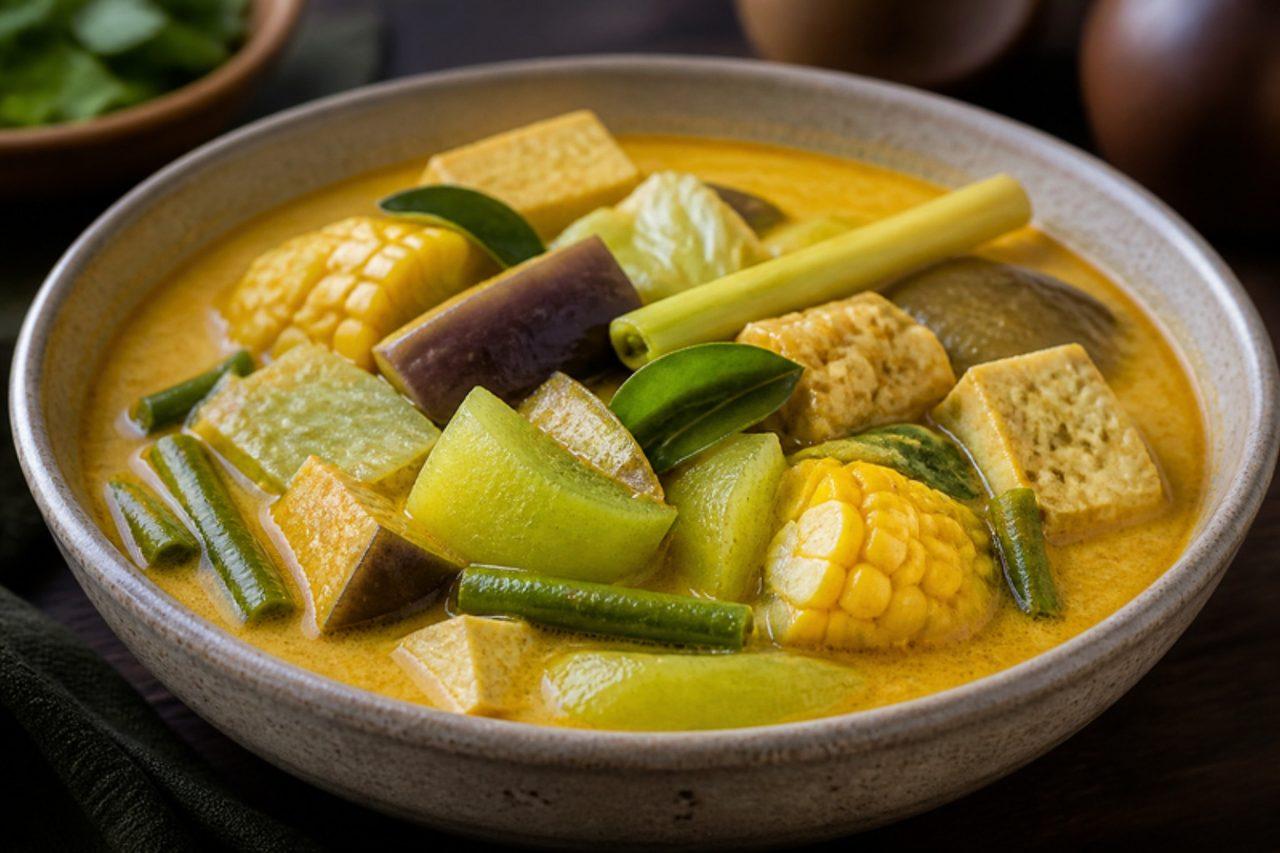
Sayur lodeh
Sayur lodeh is everyday cooking in Central Java, made in big pots in Solo and Semarang kitchens and ladled over rice, with lontong rice cakes at Lebaran, or alongside opor and sambal goreng on festive tables. It's soupy rather than thick: a fragrant broth of coconut milk, galangal, lemongrass and lime leaf that carries chunks of aubergine, long beans, chayote and sweetcorn, plus tempeh and tofu to make it a meal. The flavour is mellow and slightly sweet, so the heat comes from sambal on the side. Chef's tip: keep the pot at a gentle simmer once the coconut milk goes in and stir now and then — a rolling boil splits the coconut milk into oily curds.
 Indonesian


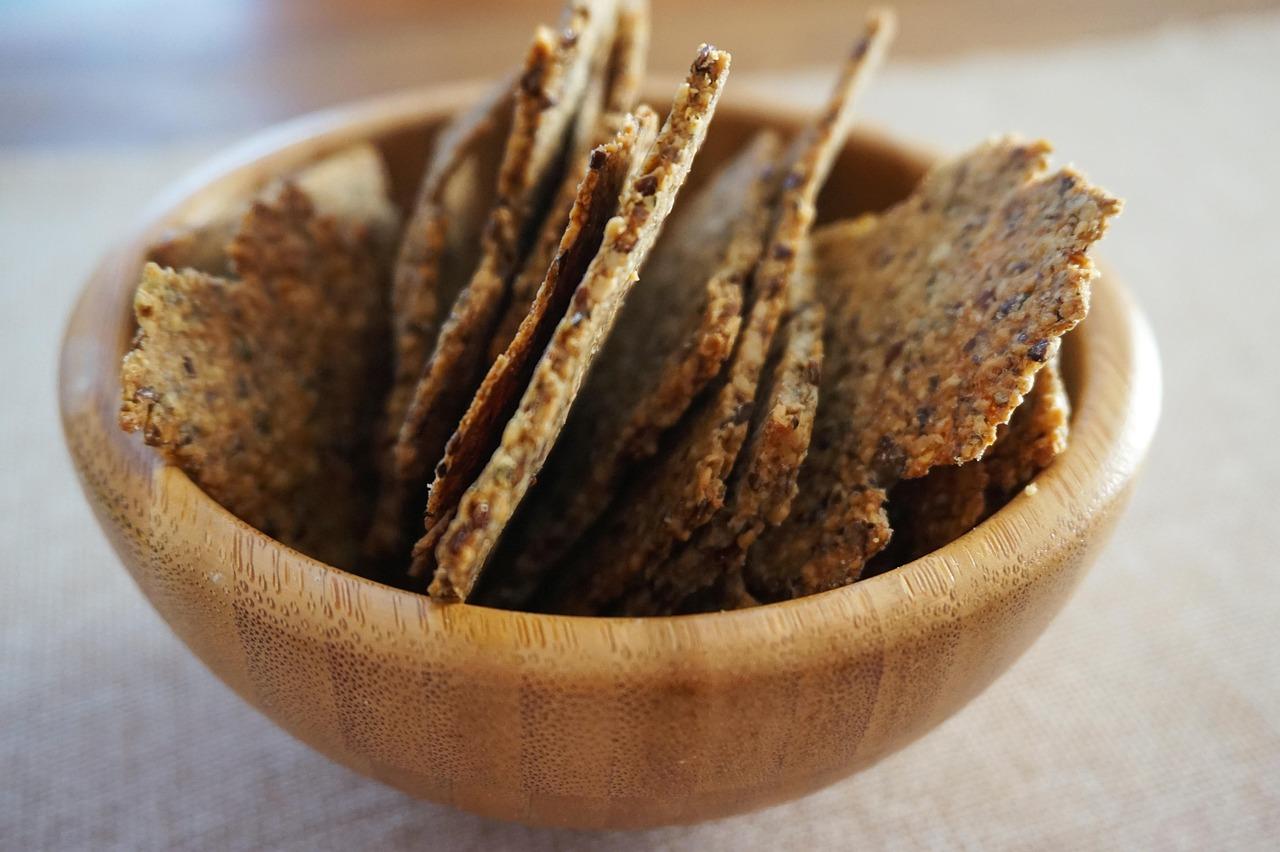
Masala khakhra
Khakhra are thin chapaties roasted slowly on a griddle until they turn crisp, like a cracker. This masala version adds gram flour, fresh fenugreek, turmeric and chilli to the wheat dough. They are a light Gujarati breakfast or tea-time snack, and lovely with pickle, chutney or a smear of butter. You can also make them in a roti maker.
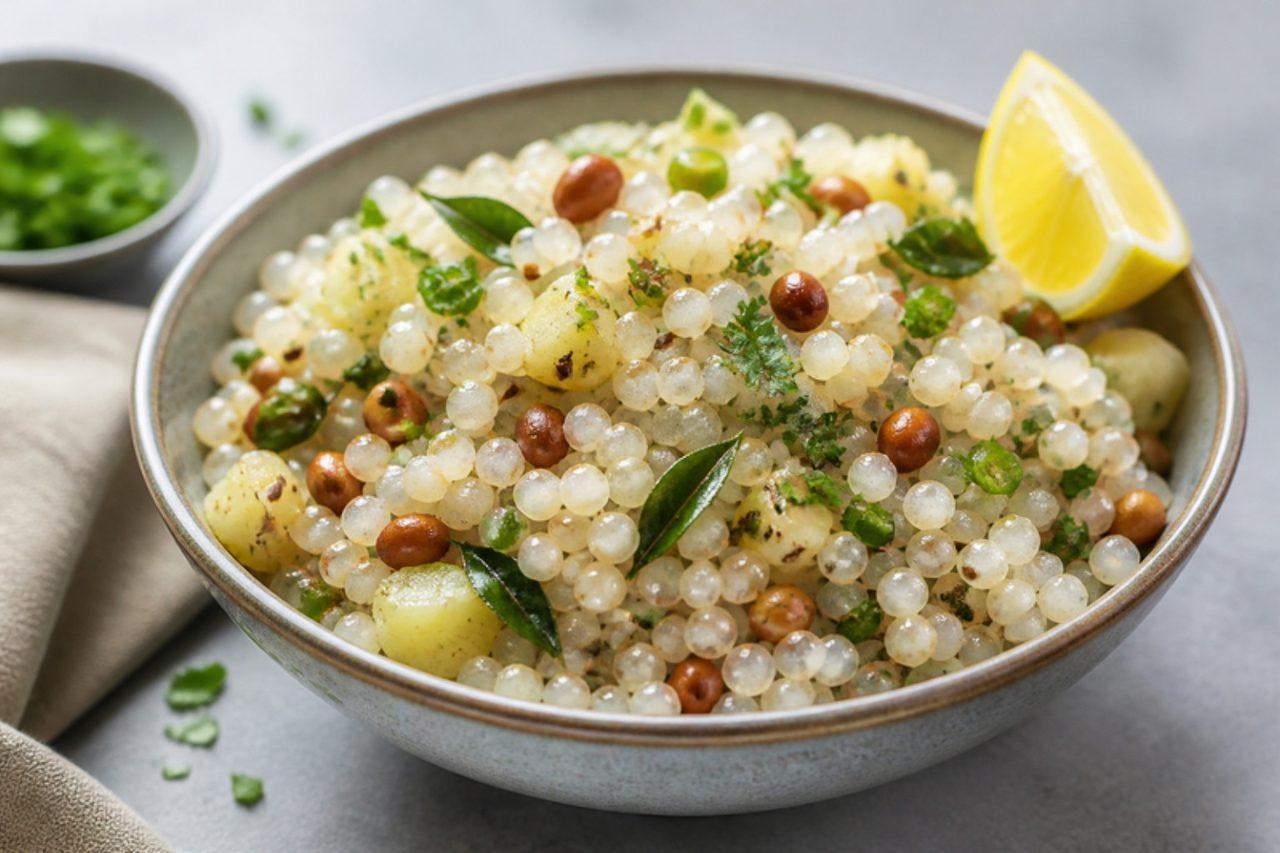
Sabudana khichdi
Sabudana khichdi is the dish that sees Maharashtra through every vrat (fast), from Navratri to Ekadashi, but it's so good that people eat it any day of the week. Soaked sago pearls are tossed in a pan with crushed roasted peanuts, cubes of potato, cumin and green chilli until each pearl turns glassy and separate, then finished with lemon and coriander. It's soft, chewy, nutty and gently hot. Fasting rules vary from family to family, so check yours; this version uses rock salt and no asafoetida, onion or garlic. Traditionally it's cooked in ghee; use ghee instead of oil if you aren't keeping it vegan. Chef's tip: soak the sago in just enough water to cover by the height of the pearls themselves, no more; too much water is the reason khichdi turns into one sticky lump.