
Milmyeon
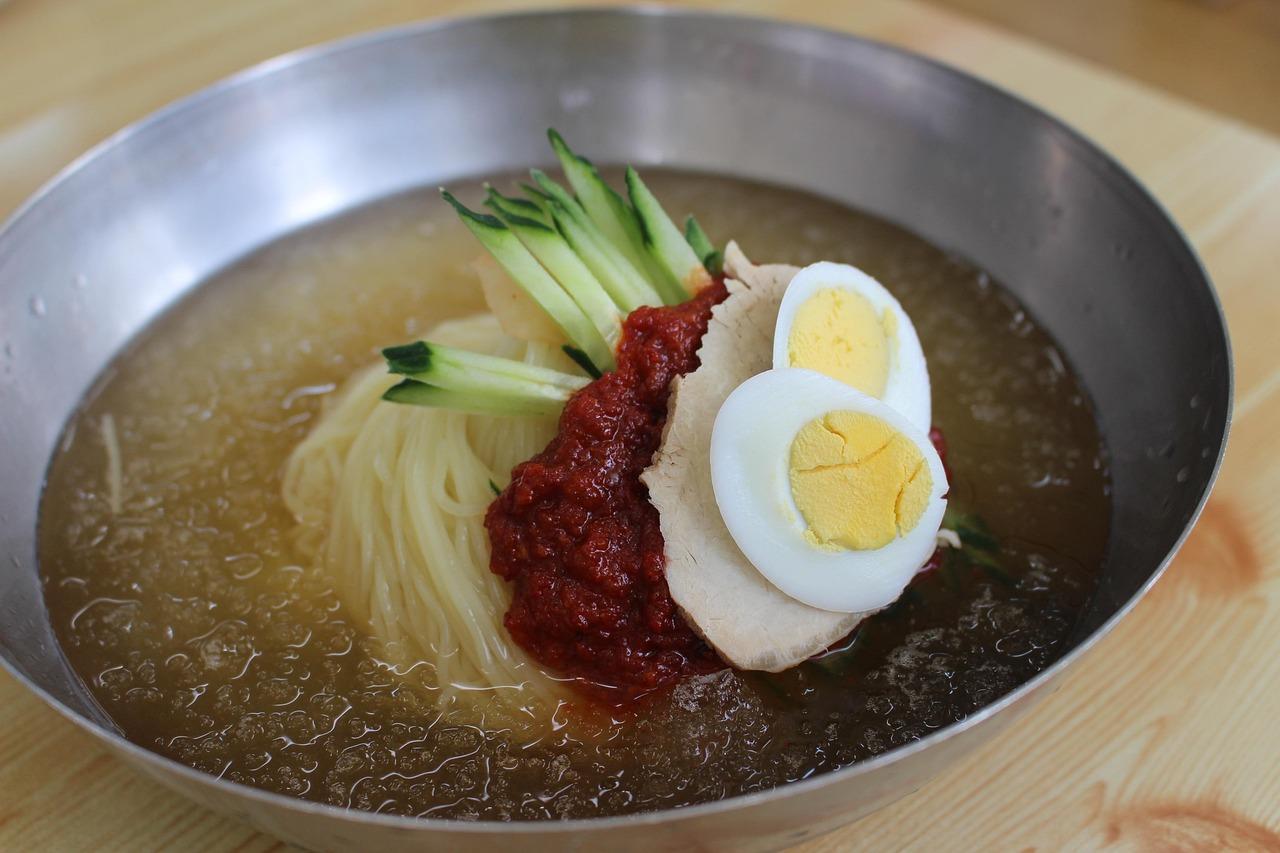
밀면: chewy wheat noodles in an icy, tangy beef broth with a spicy red sauce

Busan's milmyeon was born in the refugee years of the Korean War, when people from the north who had fled to the port city wanted the cold buckwheat noodles of home but could only get wheat flour, much of it from food aid. The noodles that resulted are chewier and paler than naengmyeon, and the broth is flavoured with beef bones, vegetables and sometimes medicinal herbs, then served icy cold. A spoonful of spicy red sauce sits on top, and diners add vinegar and mustard to taste. In summer, long queues form outside milmyeon shops across Busan. Making the broth the day before is easiest, though an ice bath and the freezer get it cold in about an hour. Chef's tip: serve the broth so cold that a slushy layer of ice floats on top, as Busan shops do; a wide container in the freezer gets it there.
- Total time
- 180 min
- Difficulty
- medium
- Serves
- 4
Ingredients
For the broth
For the spicy sauce (dadegi)
For the toppings
For the noodles
Method
0/12 doneStep 1: Soak 1 ⅛ lb beef shank or brisket in cold water for 20 minutes, then drain. Put it in a large pan with 10 ½ cups water and bring to the boil over a high heat, skimming off the grey foam that rises.
30 minStep 2: Add 7 oz Korean radish or mooli, 1 onion, 6 cloves garlic, ⅔ oz ginger, 3 spring onions and 1 tsp black peppercorns. Lower the heat, partly cover and simmer gently for 1½ hours, until the beef is tender when pierced with a skewer.
90 minStep 3: Lift out the beef and wrap it tightly in cling film so it doesn't dry out. Strain the broth through a fine sieve into a bowl; you should have about 1.5 litres. Discard the vegetables.
Step 4: Stir 2 tbsp Korean soup soy sauce (guk-ganjang), 1 tbsp sugar, 3 tbsp rice vinegar and 1 tsp salt into the hot broth. Taste it: it should be clearly seasoned, a little sweet and tangy, because cold dulls flavour.
Step 5: Cool the broth quickly: stand the bowl in a sink of iced water and stir for 15 minutes, until it feels cold. Skim off the fat that rises. If you're making it ahead, refrigerate the broth and beef overnight and lift off the solid fat the next day.
15 minStep 6: Toss 5 ½ oz Korean radish or mooli with 3 tbsp rice vinegar, 1 ½ tbsp sugar and ½ tsp salt and chill for at least 30 minutes.
Step 7: Mix 3 tbsp Korean chilli flakes (gochugaru), 3 cloves garlic, 3 tbsp Asian pear or apple, 1 tbsp soy sauce, 1 tbsp sugar and 1 tsp toasted sesame oil with 3 tablespoons of the broth to a thick paste. Leave it to rest for 30 minutes, so the chilli softens and the colour deepens.
Step 8: Boil 2 eggs for 9 minutes, cool in cold water, peel and halve. Slice the chilled beef thinly across the grain.
10 minStep 9: Pour the cold broth into a wide metal or plastic container and freeze for 45 to 60 minutes, stirring once, until it's icy and slushy at the edges. Put the serving bowls in the fridge too.
50 minStep 10: Bring a large pan of water to the boil and cook 1 ⅛ lb milmyeon noodles or other thin chewy wheat noodles following the packet, usually 1 to 2 minutes for fresh and 4 to 5 for dried, stirring so they don't stick.
3 minStep 11: Common mistake: just draining the noodles. Wheat noodles left coated in starch turn gummy and warm the broth. Drain, then rub them firmly between your hands under cold running water and finally in a bowl of iced water, until they're cold and springy.
Step 12: Twist the noodles into nests in the chilled bowls. Top with the beef slices, drained radish pickle, ½ cucumber, half an egg and a spoonful of spicy sauce. Ladle in the icy broth and serve with 2 tsp Korean or English mustard and 2 tbsp rice vinegar, stirring the sauce in as you eat.
Nutrition per serving
- Calories
- 560 kcal
- Protein
- 37 g
- Carbs
- 82 g
- Fat
- 9 g
- Fibre
- 4 g
Nutrition values are estimates.
KrazyBadal
Good to know
- How long does milmyeon take?
- About 180 minutes in total: 90 minutes to prepare and 90 minutes to cook.
- How many people does it serve?
- 4 as written. Change the servings above the ingredients and every amount scales to match.
- Is it very spicy?
- It has some heat. Use less chilli for a milder version, or more if you like it hot.
- Can I make it ahead?
- Yes. It keeps well, so you can cook it earlier in the day or the day before and reheat it.
- What can I use instead of onion?
- 2 shallots per onion.
- What can I use instead of garlic?
- ½ tsp garlic paste or ⅛ tsp garlic powder per clove.
Reviews
No reviews yet. Be the first to cook it.
Rate this recipe
Sign in to rate and review this recipe.
You might also like
Boiled pasta
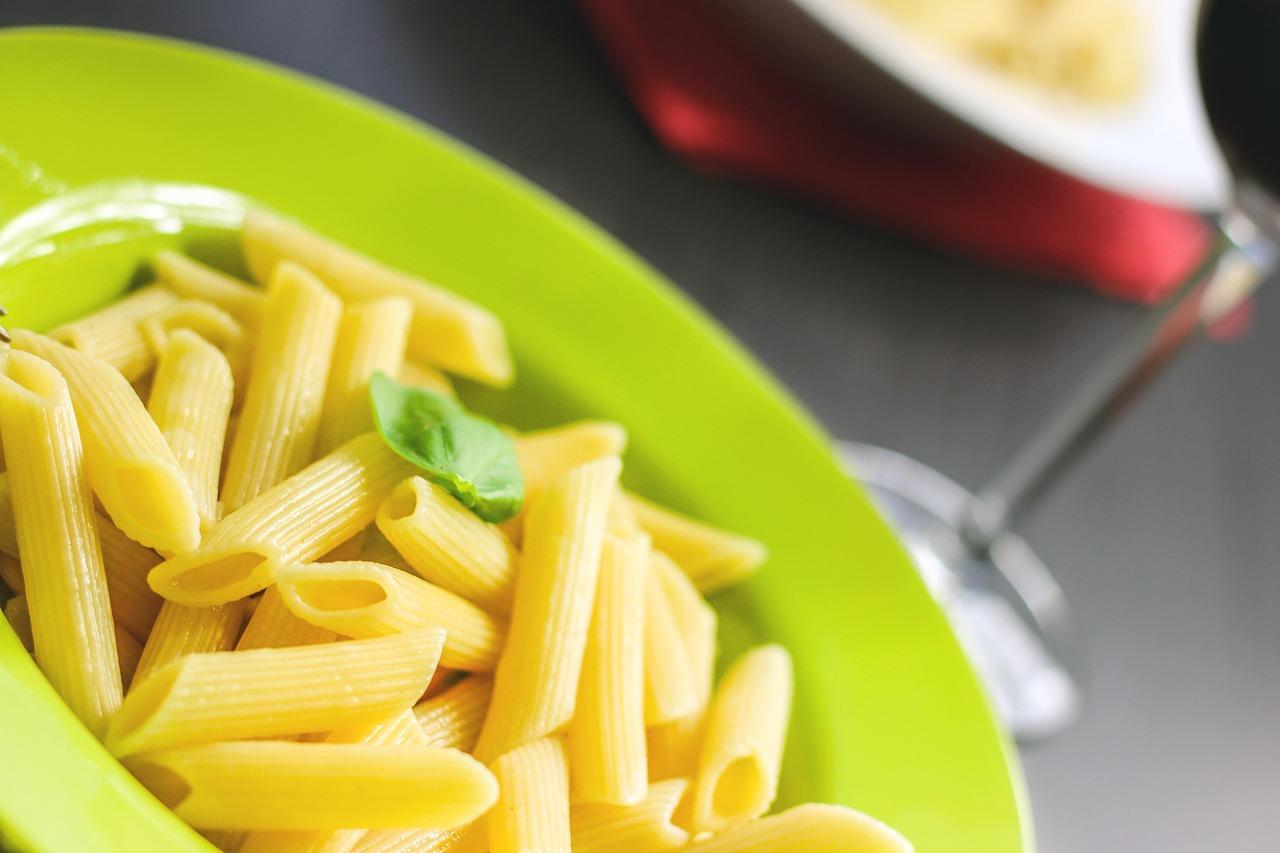
The basic method for any dried pasta, from penne to spaghetti. A large pan of salted boiling water keeps the pasta from sticking, and you cook it only until just done, with a little bite left. Use it in salads, bakes or with any sauce.


Tteokbokki
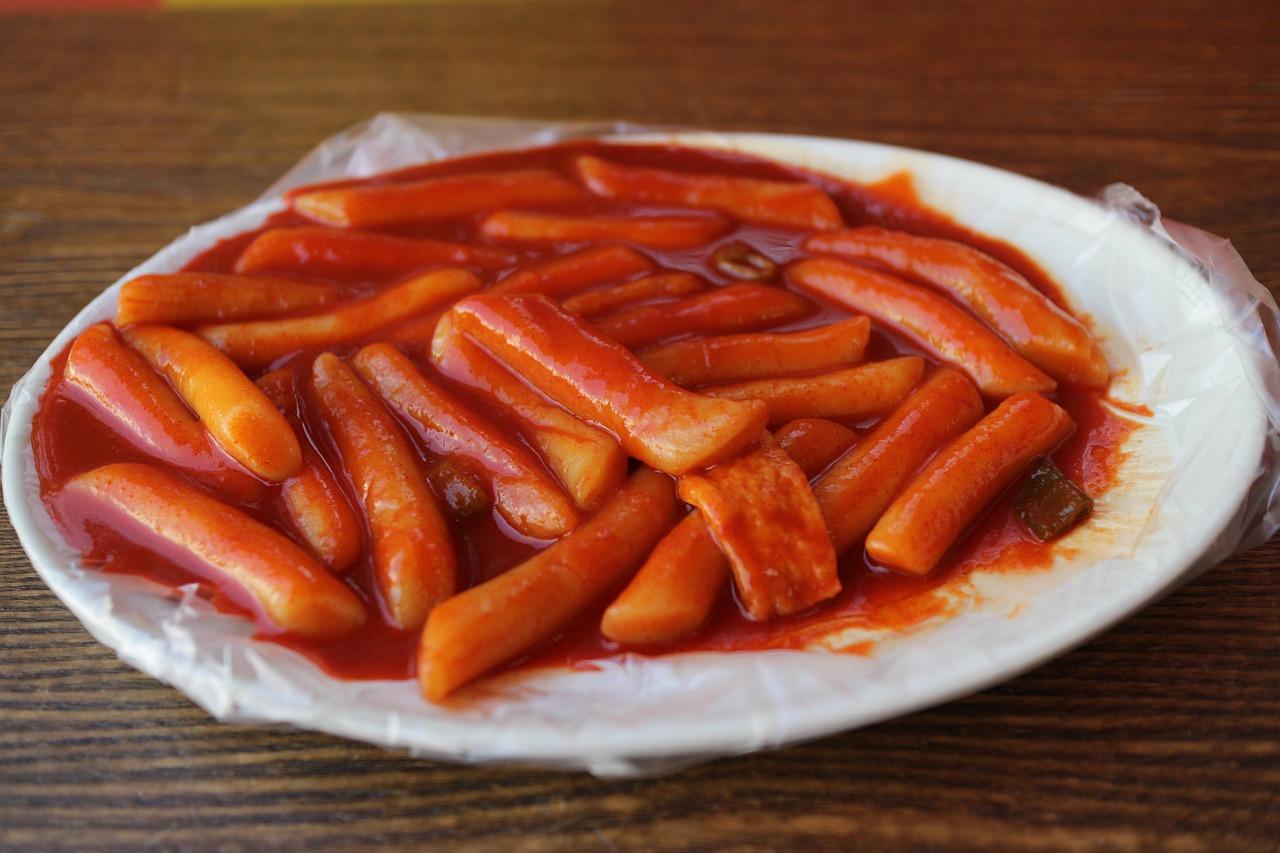
Tteokbokki (떡볶이) is Korea's best-loved street snack: chewy cylinders of rice cake simmered in a thick, glossy, sweet and spicy red sauce. It became a classic in Seoul, where it is sold from street stalls and snack bars in every neighbourhood. Street versions use anchovy stock and fish cakes; this vegan version uses a quick kelp and shiitake stock with cabbage and spring onions, and has all the same punch. Eat it hot, while the rice cakes are soft and stretchy. Chef's tip: keep stirring and scrape the bottom; the rice cakes release starch that thickens the sauce but also catches. The sauce is right when it clings to the spoon in a glossy coat.

Pasta and eggplant
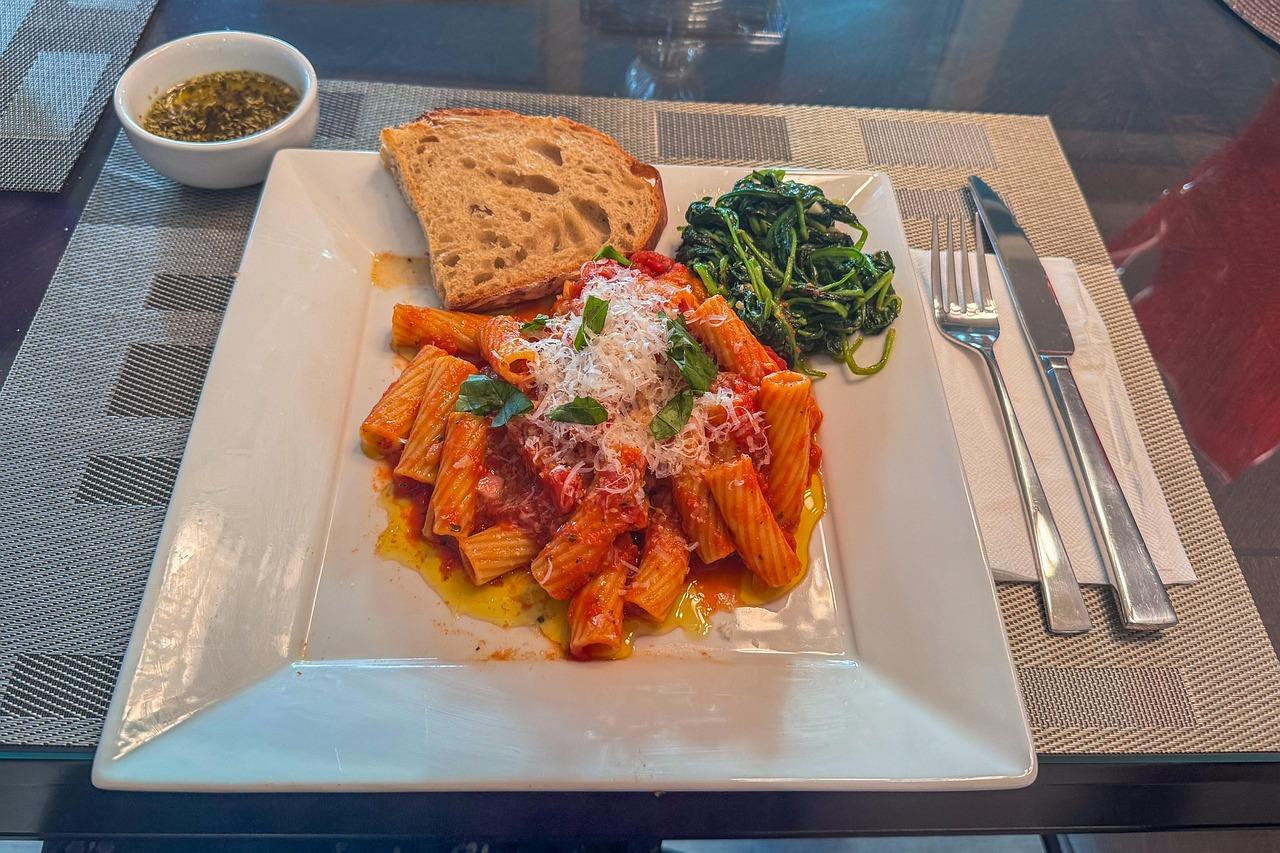
Rigatoni tossed in a thick tomato sauce with soft aubergine, celery and garlic, with an optional splash of brandy for depth, and topped with grated cheddar.