
AI-generated image
Menestra de lentejas
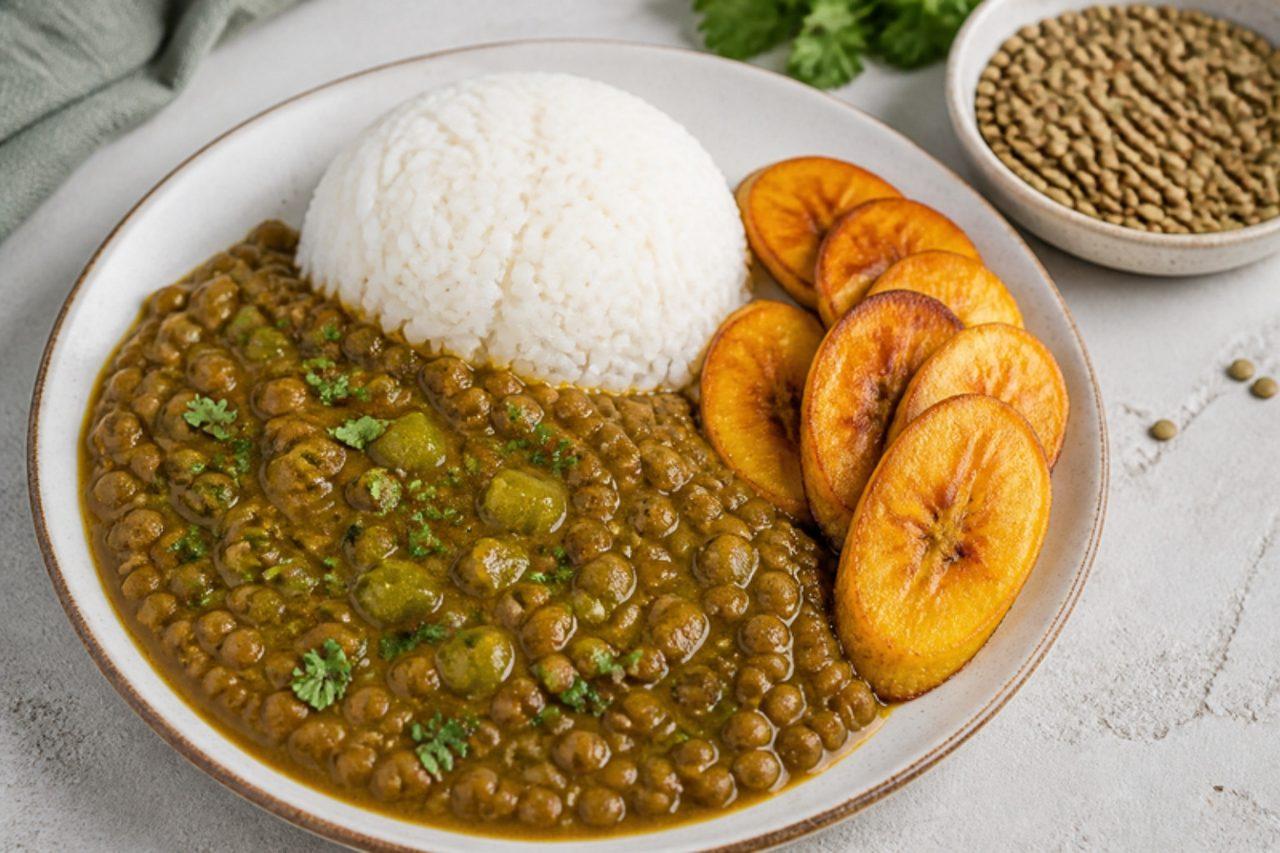
Ecuadorian thick cumin-scented lentil stew served with rice and fried plantain


Menestra is the backbone of Ecuador's set lunches: in Guayaquil's almuerzo cafés, plates arrive with white rice, a ladle of thick menestra, fried plantain (patacones or maduros) and a little salad, usually beside grilled meat. On its own it makes a complete meatless meal. Lentils are cooked down with a refrito of onion, pepper, garlic, cumin and achiote until thick enough to hold a mound. Chef's tip: stir in a handful of chopped coriander right at the end; it's the fresh lift that makes menestra taste Ecuadorian.
- Total time
- 50 min
- Difficulty
- easy
- Serves
- 4
Ingredients
Method
0/4 doneStep 1: Heat 2 tbsp vegetable oil and 1 tsp achiote oil or sweet paprika in a pot over a medium heat. Add 1 red onion and 1 green sweet pepper and fry for 6–7 minutes until soft and sweet. Add 3 cloves garlic and 1 ½ tsp ground cumin for 1 minute, then 1 tomato and cook for 3 minutes until jammy. This refrito is where all the flavour comes from.
11 minStep 2: Add 10 ½ oz brown or green lentils and 4 ¼ cups water. Bring to the boil, then simmer, partly covered, for 25–30 minutes, stirring now and then, until the lentils are completely soft.
30 minStep 3: Mash about a quarter of the lentils against the side of the pot and simmer uncovered for 5 minutes until thick enough to hold a soft mound on a plate. Common mistake: serving it soupy; menestra should sit next to rice, not run into it.
5 minStep 4: Season with 1 ½ tsp salt and stir in 1 handful fresh coriander. Serve with rice and fried plantain.
Nutrition per serving
- Calories
- 320 kcal
- Protein
- 19 g
- Carbs
- 48 g
- Fat
- 7 g
- Fibre
- 9 g
Nutrition values are estimates.
KrazyBadal
Good to know
- How long does menestra de lentejas take?
- About 50 minutes in total: 10 minutes to prepare and 40 minutes to cook.
- How many people does it serve?
- 4 as written. Change the servings above the ingredients and every amount scales to match.
- Is it vegan?
- Yes. It has no meat, fish, dairy or eggs.
- Is it gluten free?
- Yes, as written. Check the labels on stock, sauces and spice mixes, which sometimes contain gluten.
- Can I make it ahead?
- Yes. It keeps well, so you can cook it earlier in the day or the day before and reheat it.
- What can I use instead of achiote oil or sweet paprika?
- Smoked paprika, half the amount.
- What can I use instead of red onion?
- White onion or shallots, same amount (soak raw onion in cold water for 10 minutes to soften it).
Reviews
No reviews yet. Be the first to cook it.
Rate this recipe
Sign in to rate and review this recipe.
You might also like
Sayur lodeh
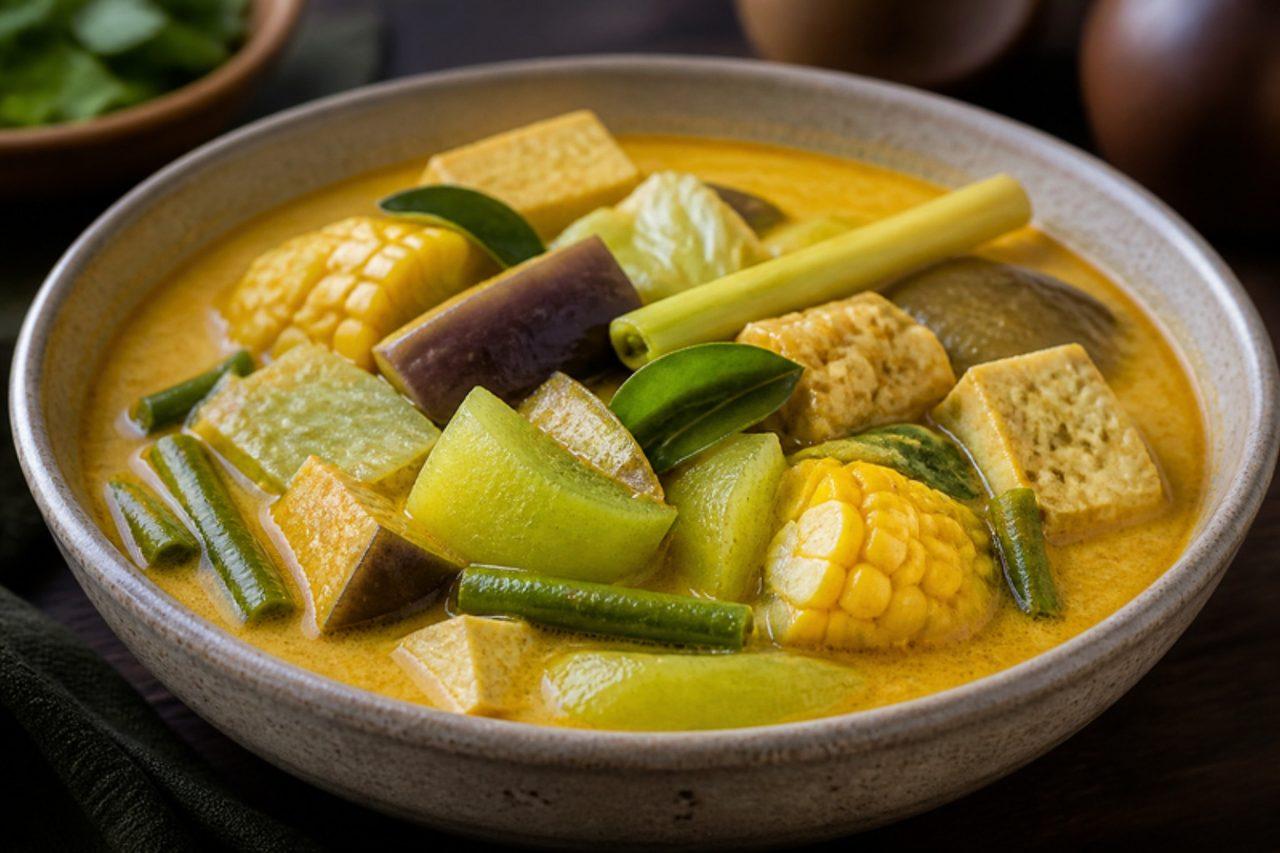
Sayur lodeh is everyday cooking in Central Java, made in big pots in Solo and Semarang kitchens and ladled over rice, with lontong rice cakes at Lebaran, or alongside opor and sambal goreng on festive tables. It's soupy rather than thick: a fragrant broth of coconut milk, galangal, lemongrass and lime leaf that carries chunks of aubergine, long beans, chayote and sweetcorn, plus tempeh and tofu to make it a meal. The flavour is mellow and slightly sweet, so the heat comes from sambal on the side. Chef's tip: keep the pot at a gentle simmer once the coconut milk goes in and stir now and then — a rolling boil splits the coconut milk into oily curds.


Chana masala
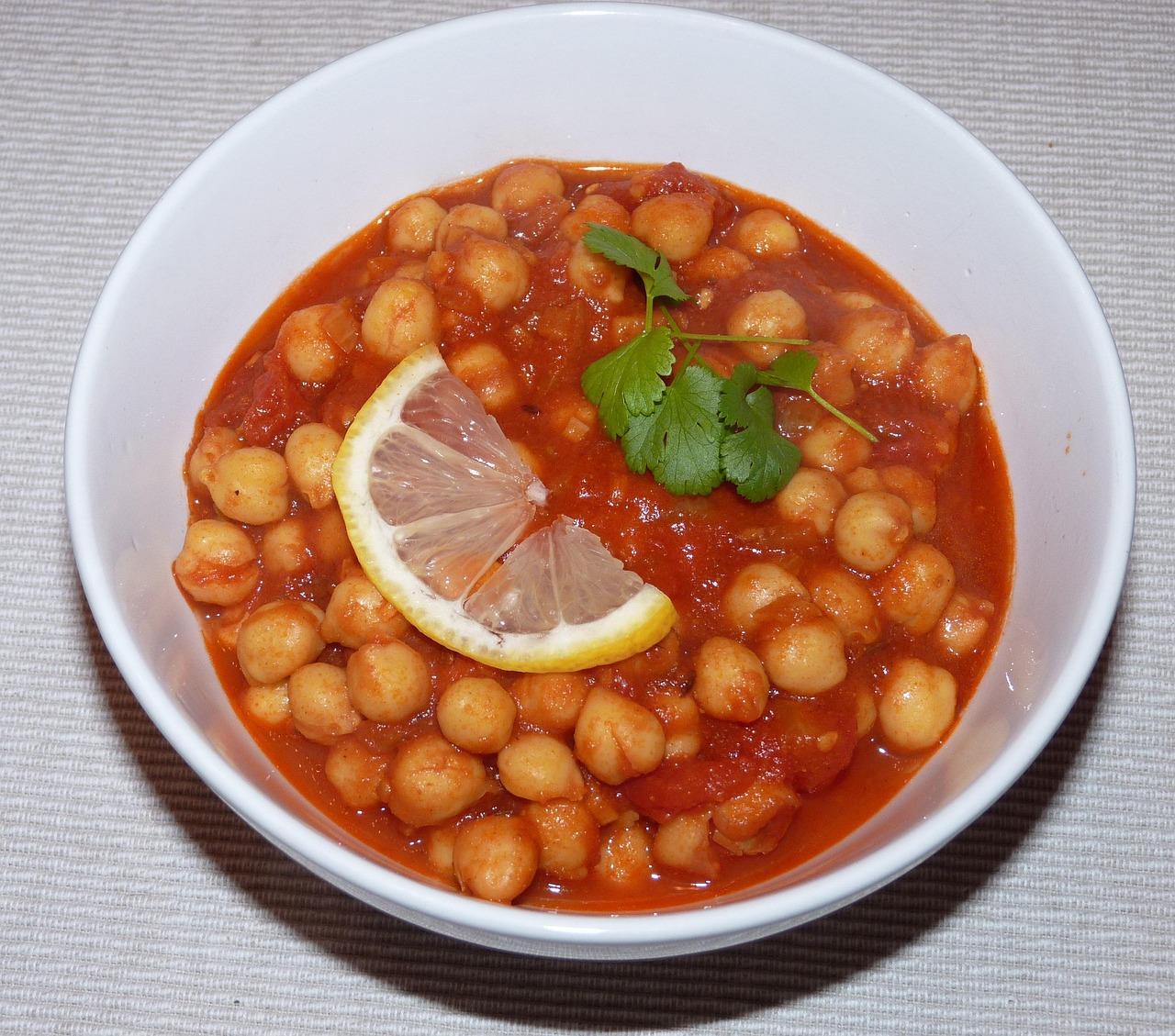
A North Indian staple that comes together from the store cupboard. Toasted cumin, slow-softened onion and a good spoonful of garam masala give tinned chickpeas real depth. Serve with rice, naan or a stack of warm rotis.

Smoky spiced aubergine
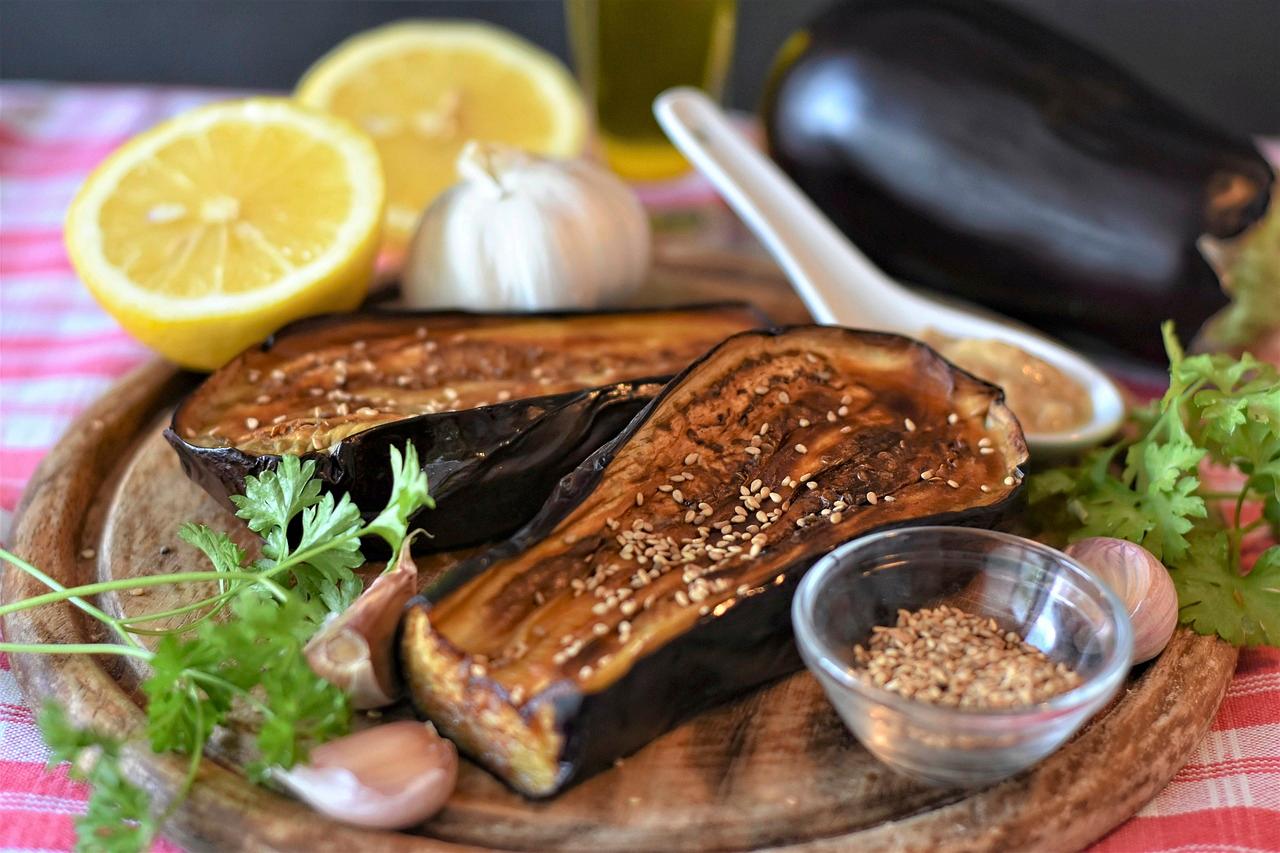
Whole aubergines charred over a flame until the skin blackens and the flesh turns soft and smoky, then chopped and tossed with onion, tomato, ginger, garlic and green chillies. A few black specks left in the flesh add to the smoky flavour. Serve hot with yogurt and millet rotla.
