
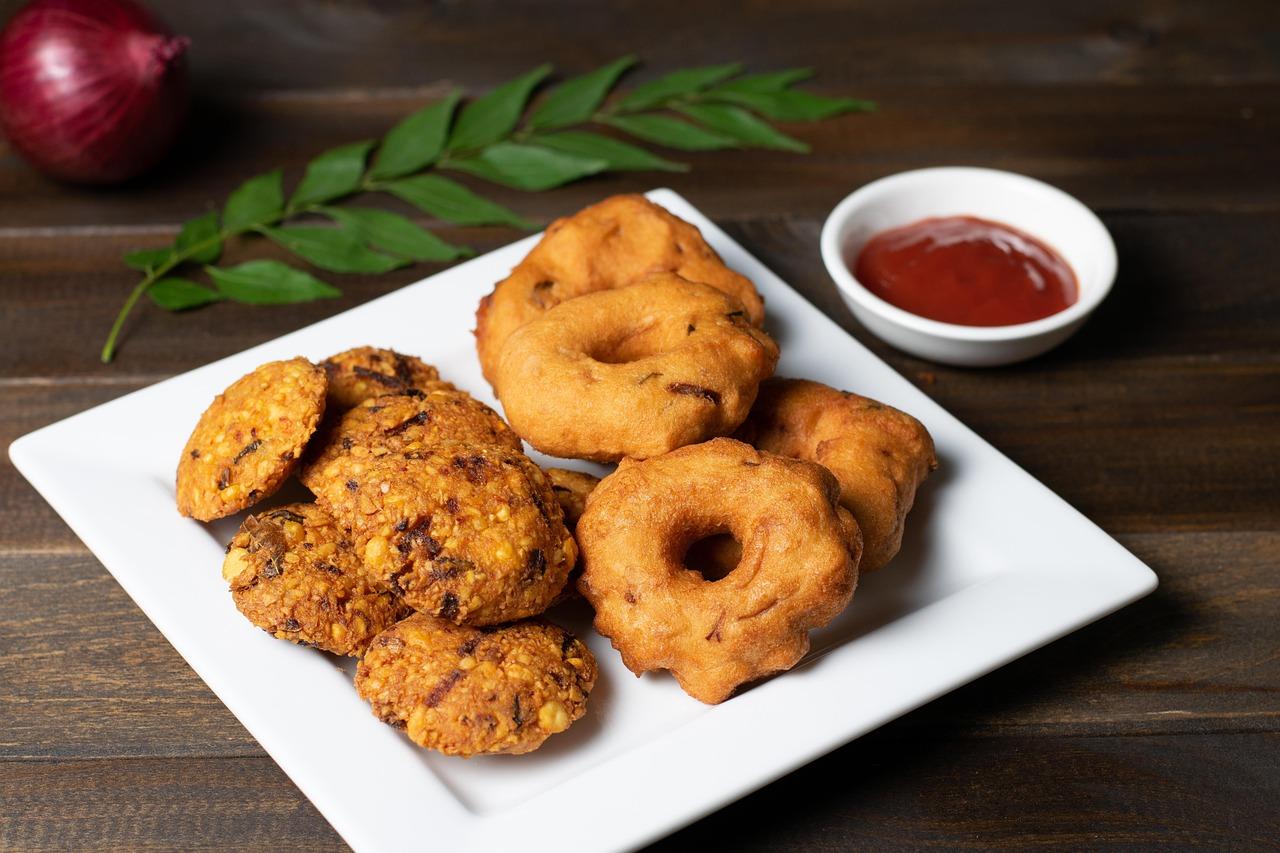
Medu vada
Crisp, fluffy Tamil Nadu urad dal doughnuts with pepper and curry leaves (plus 4 hours soaking)


Medu vada are the ring-shaped lentil fritters eaten all over Tamil Nadu and the rest of the south for breakfast, with idli, sambar and coconut chutney. A good one has a thin, crisp, golden shell and an inside as light and airy as a cloud, flecked with black pepper, ginger, green chilli and curry leaves. The secret is a very thick batter ground with as little water as possible and then whipped full of air. Serve them hot, dunked in sambar, or soaked in rasam as 'rasa vada'. Chef's tip: drop a little batter into a bowl of water before you shape them; if it floats, it's airy enough, and if it sinks, beat it by hand for another few minutes.
- Total time
- 40 min
- Difficulty
- medium
- Serves
- 4
Ingredients
For the batter
For frying
To serve
Method
0/8 doneStep 1: Rinse 7 oz whole husked urad dal (white) in three changes of water and soak it in plenty of fresh water for 4 hours, no longer: over-soaked dal grinds into a sticky batter that soaks up oil. Drain it very well in a sieve for 10 minutes.
Step 2: Grind the dal in a wet grinder or a strong blender, adding ¼ cup ice-cold water a tablespoon at a time, only when the blades stop catching. Grind in short bursts, scraping down often, for 5–8 minutes, until the batter is smooth, thick and fluffy, like whipped cream that holds soft peaks. Ice-cold water keeps the blender from heating the batter, which makes vadas dense.
8 minStep 3: Tip the batter into a large bowl and beat it with your hand in a circular motion for 3–4 minutes to whip in air; it will turn paler and lighter. Do the float test: a small blob dropped into water should float.
4 minStep 4: Fold in 1 tbsp rice flour (it helps the crust crisp), 1 tsp salt, 1 tsp black peppercorns, 1 tbsp fresh ginger, 2 green chillies, 12 curry leaves, and 1 small onion and 2 tbsp fresh coconut if using. Add salt only now, just before frying; salted batter turns runny on standing.
Step 5: Heat 3 ¼ cups sunflower or groundnut oil in a kadai or deep pan over a medium heat to 350°F; a drop of batter should rise to the top within 2–3 seconds, sizzling steadily but not furiously. Too hot and the outside browns before the inside cooks; too cool and they drink oil.
6 minStep 6: Set a small bowl of water beside you. Wet your hand, take a lemon-sized ball of batter on your fingers, flatten it slightly and poke a hole in the middle with your wet thumb. Slide it gently off your fingers into the oil. If shaping by hand feels tricky, shape it on a piece of wet banana leaf or cling film instead.
Step 7: Fry 3–4 at a time for 4–5 minutes, turning once, until deep golden-brown and crisp; they should sound hollow and crackly when tapped with a spoon. Lift out and drain on kitchen paper. Let the oil come back to temperature between batches.
15 minStep 8: Serve straight away with 1 ¾ cups sambar and coconut chutney and chutney if using. Medu vada lose their crispness within half an hour, so fry them just before eating.
Nutrition per serving
- Calories
- 290 kcal
- Protein
- 12 g
- Carbs
- 30 g
- Fat
- 13 g
- Fibre
- 6 g
Nutrition values are estimates.
KrazyBadal
Good to know
- How long does medu vada take?
- About 40 minutes in total: 20 minutes to prepare and 20 minutes to cook.
- How many people does it serve?
- 4 as written. Change the servings above the ingredients and every amount scales to match.
- Is it vegan?
- Yes. It has no meat, fish, dairy or eggs.
- Is it gluten free?
- Yes, as written. Check the labels on stock, sauces and spice mixes, which sometimes contain gluten.
- What can I use instead of black peppercorns?
- Ground black pepper, a little less than the amount.
- What can I use instead of fresh ginger?
- ¼ tsp ground ginger per tbsp fresh (add it with the spices).
Reviews
No reviews yet. Be the first to cook it.
Rate this recipe
Sign in to rate and review this recipe.
You might also like
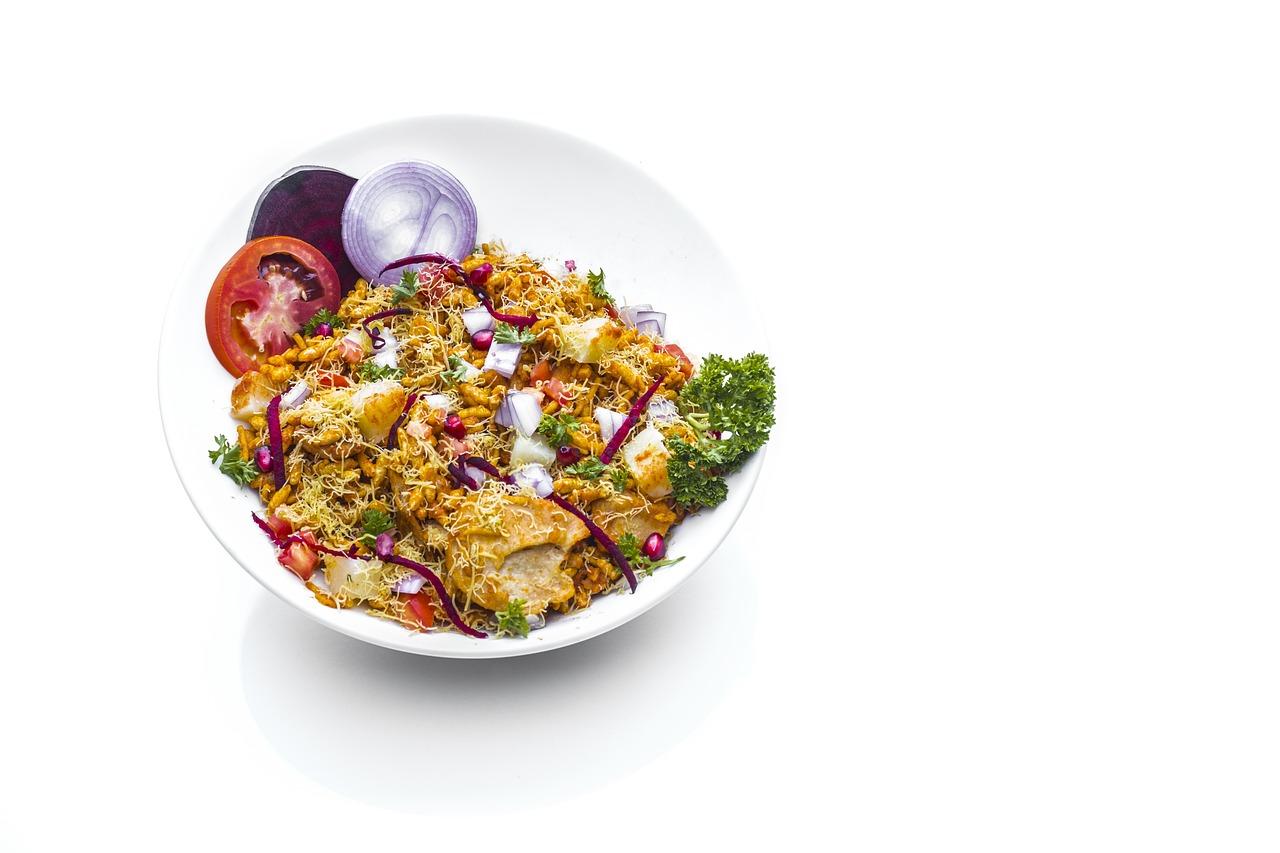
Coastal Mombasa mix
A Mombasa street-food bowl: chickpeas and potato simmered in coconut milk with raw mango and chilli, ladled into small bowls and topped with crisp lentil fritters, crunchy chevdo and red, green and tamarind chutneys. Make the fritters and chevdo ahead and assemble at the table. It's sweet, sour, hot and crunchy all at once.

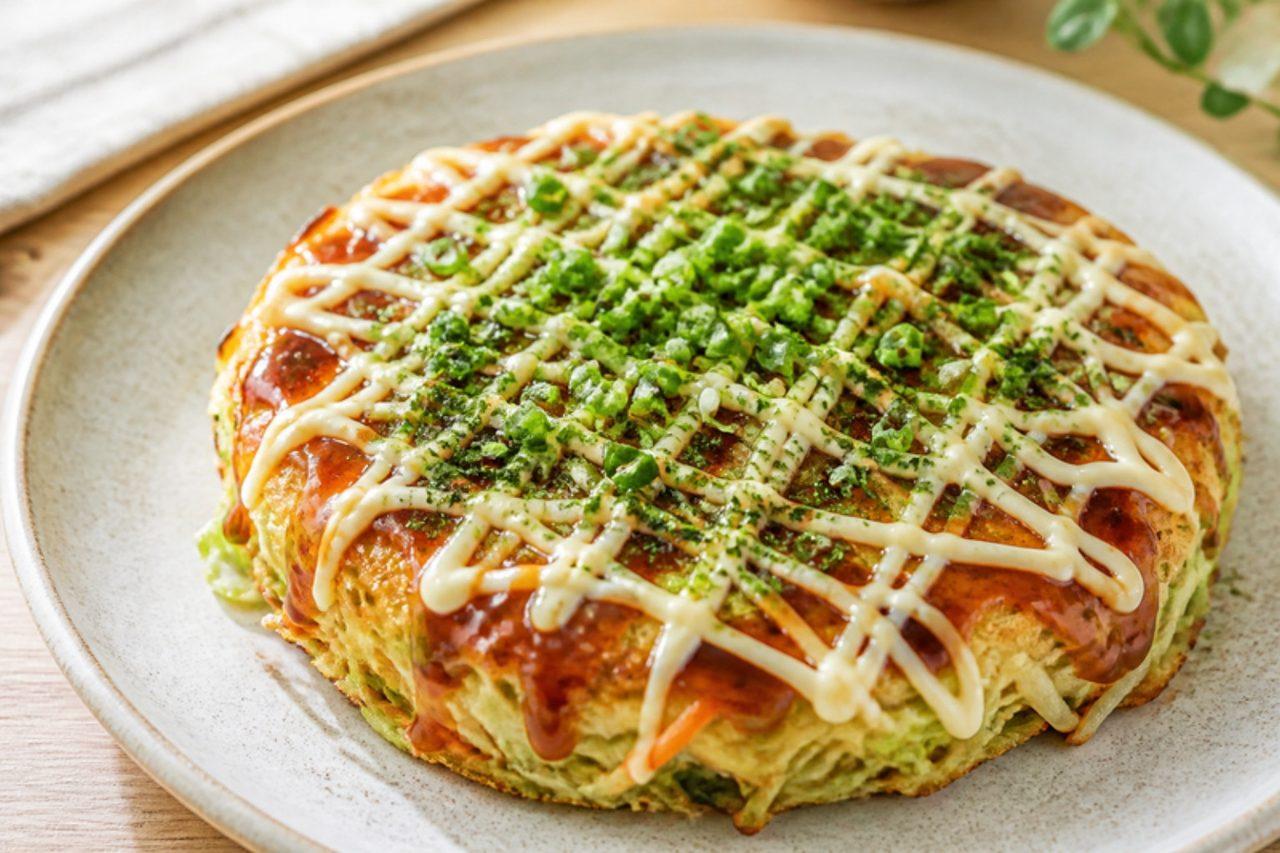
Okonomiyaki
Okonomiyaki (お好み焼き, 'grilled as you like it') is the pride of Osaka, where it's cooked on hot iron griddles in lively restaurants. Finely shredded cabbage is folded into a light batter with egg and spring onion, then fried into a thick, soft pancake with a crisp outside. It's painted with a fruity brown sauce and zigzagged with mayonnaise. Bonito flakes are usual on top; this vegetarian version uses seaweed flakes and pickled ginger instead. Chef's tip: don't press the pancake down with your spatula while it cooks. Osaka cooks leave it alone so the cabbage steams inside and stays light and fluffy; pressing squeezes out the air.
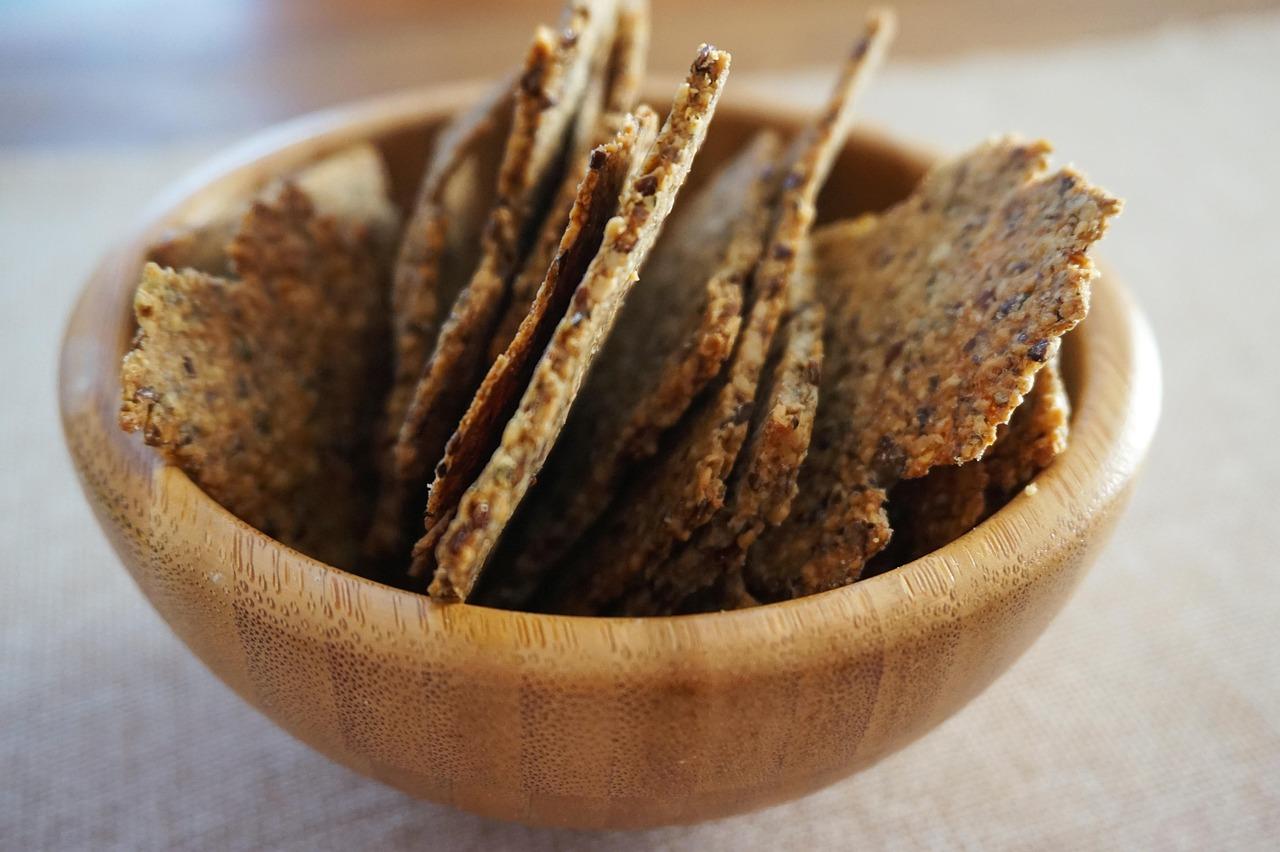
Masala khakhra
Khakhra are thin chapaties roasted slowly on a griddle until they turn crisp, like a cracker. This masala version adds gram flour, fresh fenugreek, turmeric and chilli to the wheat dough. They are a light Gujarati breakfast or tea-time snack, and lovely with pickle, chutney or a smear of butter. You can also make them in a roti maker.
