
AI-generated image
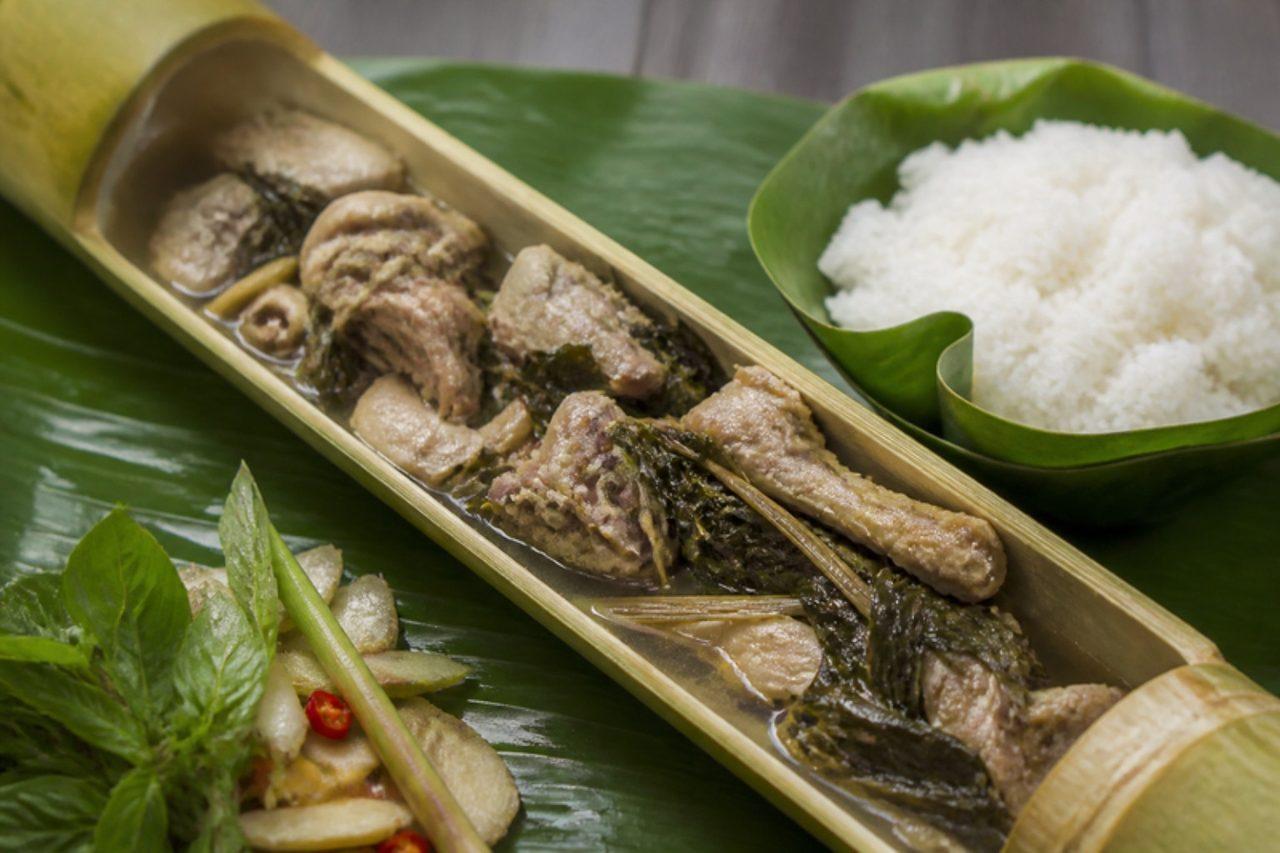
Manok pansoh
Manok pansoh — Iban chicken cooked in bamboo with lemongrass and tapioca leaves (oven method)

Iban longhouses in Sarawak cook manok pansoh for Gawai, the harvest festival at the start of June: chicken pieces packed into lengths of fresh bamboo with lemongrass, ginger, shallots and tapioca leaves, plugged with leaves and leaned over an open fire. No stock or water goes in; the chicken steams in its own juices, which turn into a clear, herby broth that tastes faintly of green bamboo. At home a lidded casserole wrapped in banana leaf gets you very close. Serve it with plain rice, and with the broth spooned over. Chef's tip: bruise the lemongrass and ginger hard with a pestle before packing; with no added liquid, crushed aromatics are what flavour the juices.
- Total time
- 90 min
- Difficulty
- medium
- Serves
- 4
Ingredients
Method
0/8 doneStep 1: Tapioca leaves contain natural cyanide-forming compounds and must never be eaten raw. Boil fresh or frozen 7 oz tapioca (cassava) leaves in plenty of water for 10 minutes, drain, squeeze dry and chop coarsely. If using kale or spinach instead, just wash and chop.
10 minStep 2: Heat the oven to 350°F (325°F fan).
Step 3: In a bowl, toss 2 ⅝ lb chicken thighs and drumsticks with 2 tsp salt, 4 stalks lemongrass, 1 ¾ oz fresh ginger, 1 oz galangal, 8 shallots, 6 cloves garlic, 4 bird's eye chillies and the turmeric leaf if using. Use a separate board for the raw chicken and wash it straight after.
Step 4: Line a heavy casserole with 2 banana leaves, glossy side up. Layer in the chicken and aromatics alternately with the tapioca leaves, pressing down firmly. Add no water.
Step 5: Fold the leaves over the top, cover with a tight lid (or a sheet of foil and then the lid) to trap the steam, and cook in the oven for 60 minutes.
60 minStep 6: Lift the lid: the chicken should be sitting in plenty of clear juices. Check the largest piece reaches 165°F (165 °F) near the bone and the juices run clear; if not, return for 10 minutes. Opening the pot too often during cooking is a common mistake; every peek lets out the steam that does the cooking.
10 minStep 7: Taste the juices and add a pinch of salt if needed. Serve the chicken, leaves and broth over rice.
Step 8: For the traditional fire method: pack the mixture into the 2 fresh bamboo sections, plug the open end with a twist of tapioca or banana leaf and lean it over a wood fire at a 45° angle, turning every 10 minutes, for 50–60 minutes until the outside is charred and the chicken reaches 165°F. Tip it out carefully; the steam inside is very hot.
Nutrition per serving
- Calories
- 410 kcal
- Protein
- 44 g
- Carbs
- 9 g
- Fat
- 22 g
- Fibre
- 4 g
Nutrition values are estimates.
KrazyBadal
Good to know
- How long does manok pansoh take?
- About 90 minutes in total: 20 minutes to prepare and 70 minutes to cook.
- How many people does it serve?
- 4 as written. Change the servings above the ingredients and every amount scales to match.
- Is it gluten free?
- Yes, as written. Check the labels on stock, sauces and spice mixes, which sometimes contain gluten.
- What can I use instead of fresh ginger?
- ¼ tsp ground ginger per tbsp fresh (add it with the spices).
- What can I use instead of shallots?
- Half an onion per 2 shallots.
Reviews
No reviews yet. Be the first to cook it.
Rate this recipe
Sign in to rate and review this recipe.
You might also like
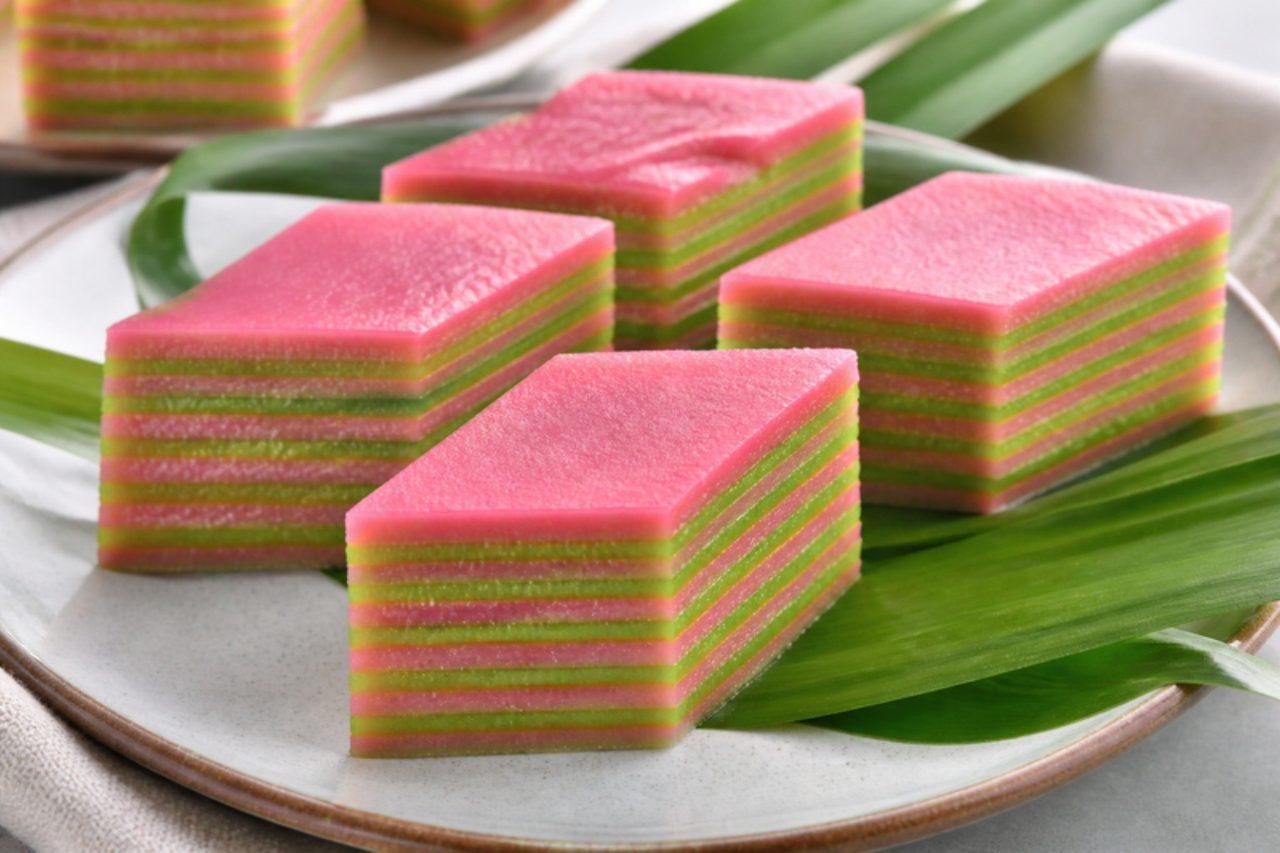
Kuih lapis
Kuih lapis is the striped, bouncy cake piled on trays at Malaysian pasar malam (night markets) and laid out for guests at Hari Raya, Deepavali and Chinese New Year open houses. It's built from a thin coconut-milk batter of rice flour and tapioca starch, steamed one layer at a time, so each slice shows nine neat stripes, and children everywhere peel them off one by one. The texture is soft, springy and slightly chewy; the flavour is gentle coconut and pandan. It takes patience rather than skill. Chef's tip: steam the empty tin for 5 minutes before the first layer, so it sets evenly from the bottom.


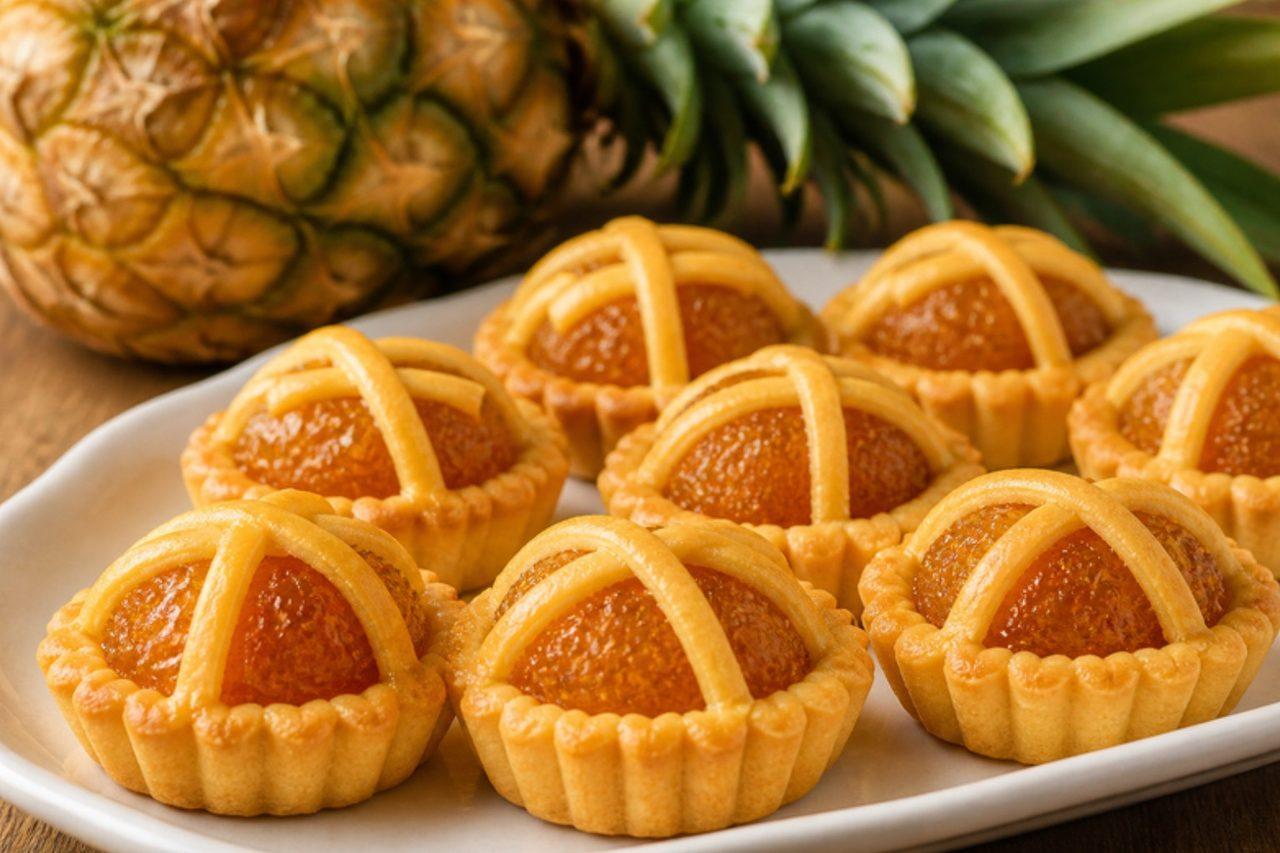
Pineapple tarts
Every Malaysian household seems to have someone who makes pineapple tarts in the weeks before Chinese New Year or Hari Raya, and the plastic tubs of them go round every visit and open house. In Hokkien the pineapple, 'ong lai', sounds like 'fortune comes', which is why they matter so much at the New Year. This is the rolled 'nastar' style: a little ball of golden, slow-cooked pineapple jam, scented with cinnamon, star anise and clove, wrapped in rich, crumbly butter pastry. Chef's tip: grate the pineapple by hand rather than blending it; the fibres give the jam its chewy body.
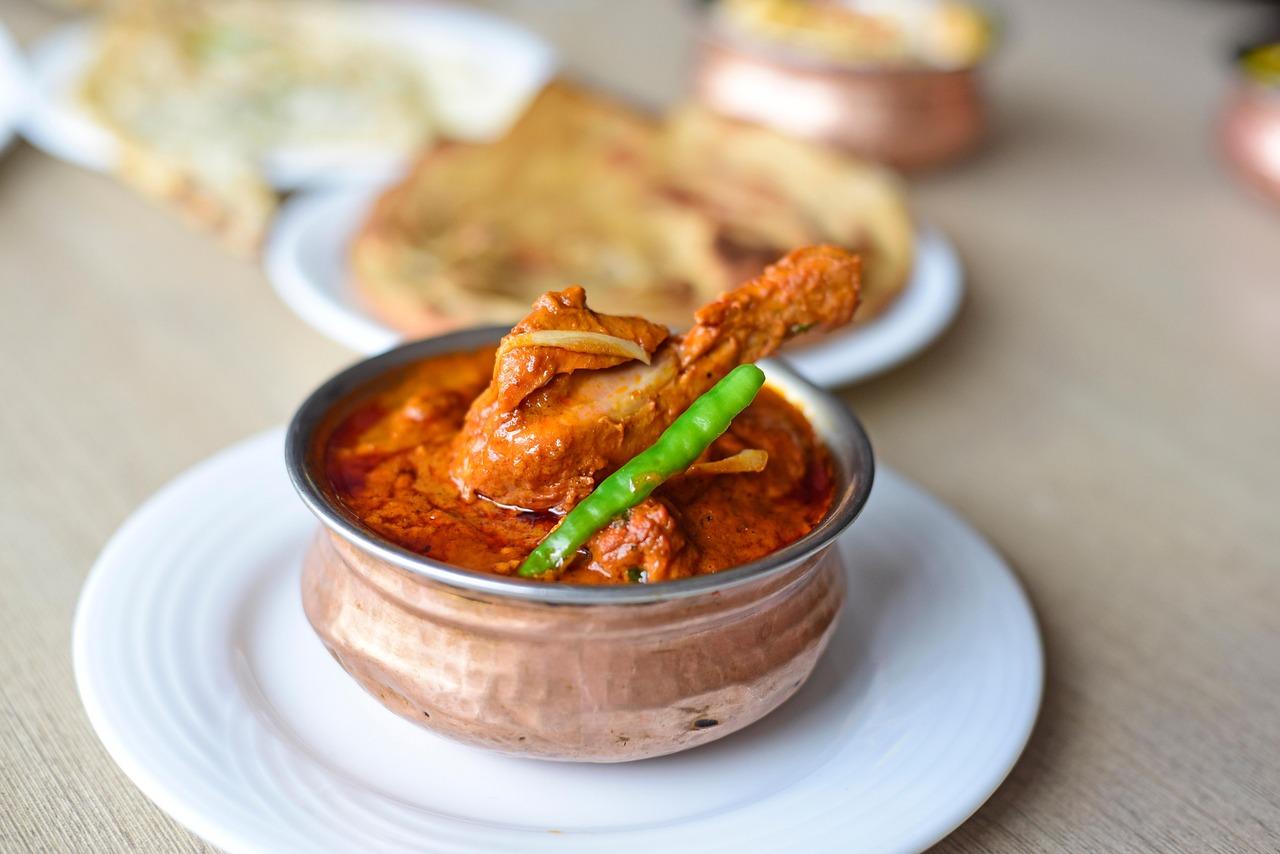
Chicken tikka masala
Marinating the chicken in spiced yoghurt keeps it tender, and a few minutes under a hot grill gives it the smoky char of a tandoor. The sauce is rich but not heavy, finished with a little cream and dried fenugreek leaves.
