
AI-generated image
Water chestnut cake
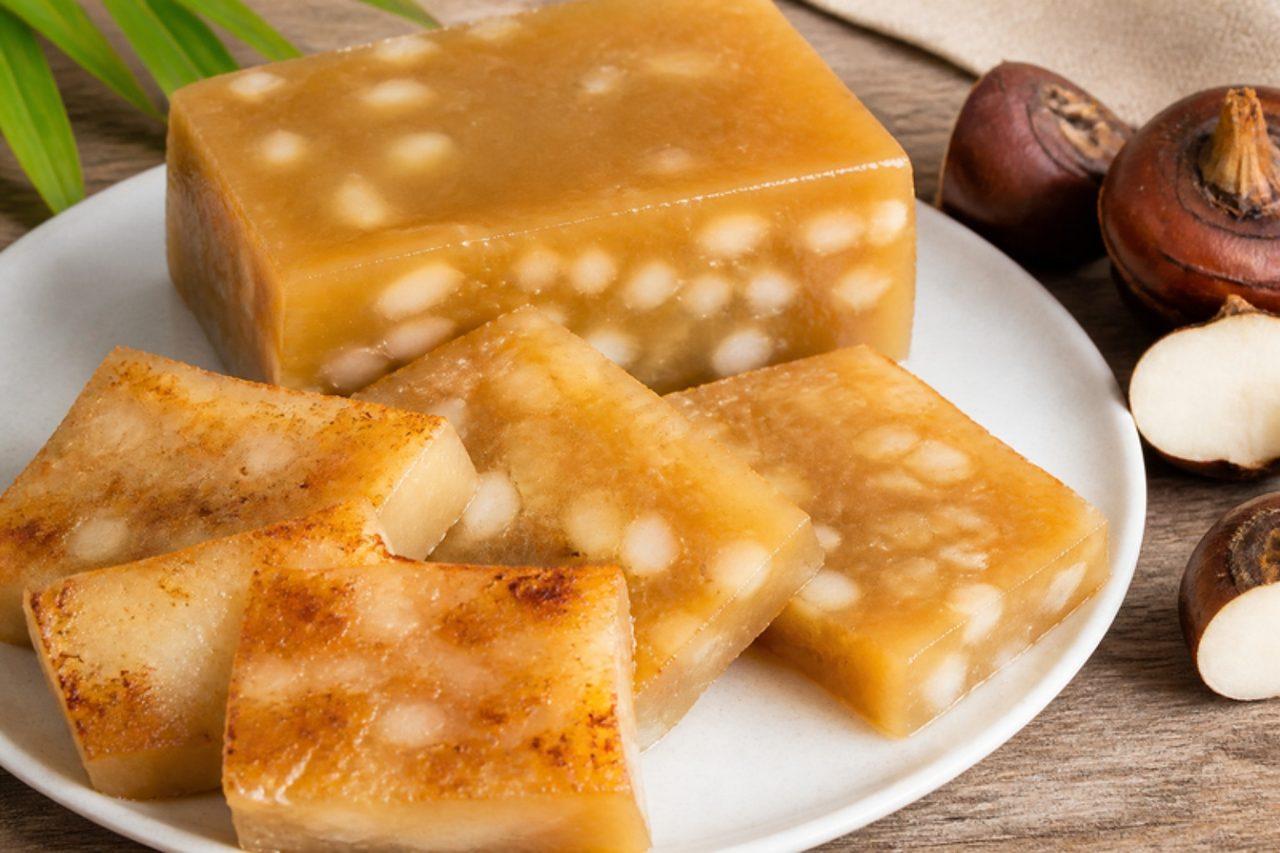
Mǎ tí gāo (馬蹄糕): amber, glassy water chestnut slices with a crunch, pan-fried golden


Dim sum halls across Hong Kong lay out amber squares of water chestnut cake on small plates, and every Lunar New Year home kitchens steam a tray to give away to visitors. Set from water chestnut starch and brown slab sugar, the cake is translucent and gently chewy, flecked with pieces of fresh water chestnut that stay crisp and juicy. It is eaten cold and wobbly in summer, or sliced and pan-fried until the outside forms a caramel crust with a soft centre, with a cup of jasmine or oolong tea. A frequent problem is a lumpy, cloudy cake, which comes from pouring the hot syrup into the starch all at once without stirring. Chef's tip: let the cake set completely, ideally overnight in the fridge, before slicing with a knife dipped in water.
- Total time
- 65 min
- Difficulty
- medium
- Serves
- 8
Ingredients
For the cake
- 3 ¼ cups cold water
- 9 oz Chinese brown slab sugar or dark brown sugarslab sugar broken into pieces
- 3 ¼ cups water
- 10 fresh or tinned water chestnutspeeled and finely diced
To fry
- 2 tbsp neutral oil
Shop this recipe on Amazon
Spices & pantry
Links open Amazon in a new tab. As an Amazon Associate, WhatToEat.Today earns from qualifying purchases.
Method
0/10 doneStep 2: Stir 9 oz water chestnut starch and 3 ¼ cups cold water together in a large bowl until completely smooth, with no lumps left on the bottom. This is the raw batter.
Step 3: Put 9 oz Chinese brown slab sugar or dark brown sugar and 3 ¼ cups water in a pan over a medium heat and stir until the sugar has dissolved and the syrup comes to a full boil.
6 minStep 4: Add 10 fresh or tinned water chestnuts to the syrup and boil for 1 minute.
1 minStep 5: Stir the raw batter again, as the starch settles fast. Ladle about a third of it into the boiling syrup, stirring constantly over a low heat, until it thickens into a translucent, glossy paste.
2 minStep 6: Take the pan off the heat and pour the hot paste slowly into the remaining raw batter, whisking hard, until smooth and evenly thick like custard. This half-cooked batter keeps the water chestnuts suspended.
Step 7: Pour the batter into the hot tin, smooth the top and cover the wok. Steam over a high heat for 30–35 minutes, until the cake has turned from cloudy beige to translucent amber all the way to the centre.
35 minStep 8: Lift out the tin and cool to room temperature, then chill for at least 3 hours, or overnight, until firm enough to slice cleanly.
Step 9: Turn out the cake and cut into slices 1.5 cm thick with a wet knife.
Step 10: To serve warm, heat 2 tbsp neutral oil in a non-stick frying pan over a medium heat and fry the slices for 3–4 minutes per side, until golden with a crisp crust. Serve chilled slices as they are.
8 min
Nutrition per serving
- Calories
- 250 kcal
- Protein
- 1 g
- Carbs
- 62 g
- Fat
- 4 g
- Fibre
- 1 g
Nutrition values are estimates.
KrazyBadal
Good to know
- How long does water chestnut cake take?
- About 65 minutes in total: 20 minutes to prepare and 45 minutes to cook.
- How many people does it serve?
- 8 as written. Change the servings above the ingredients and every amount scales to match.
- Is it vegan?
- Yes. It has no meat, fish, dairy or eggs.
- Is it gluten free?
- Yes, as written. Check the labels on stock, sauces and spice mixes, which sometimes contain gluten.
- Can I make it ahead?
- Yes. It keeps well, so you can cook it earlier in the day or the day before and reheat it.
- What can I use instead of chinese brown slab sugar or dark brown sugar?
- White sugar + 1 tbsp molasses or treacle per 200g.
Reviews
No reviews yet. Be the first to cook it.
Rate this recipe
Sign in to rate and review this recipe.
You might also like
Baklava
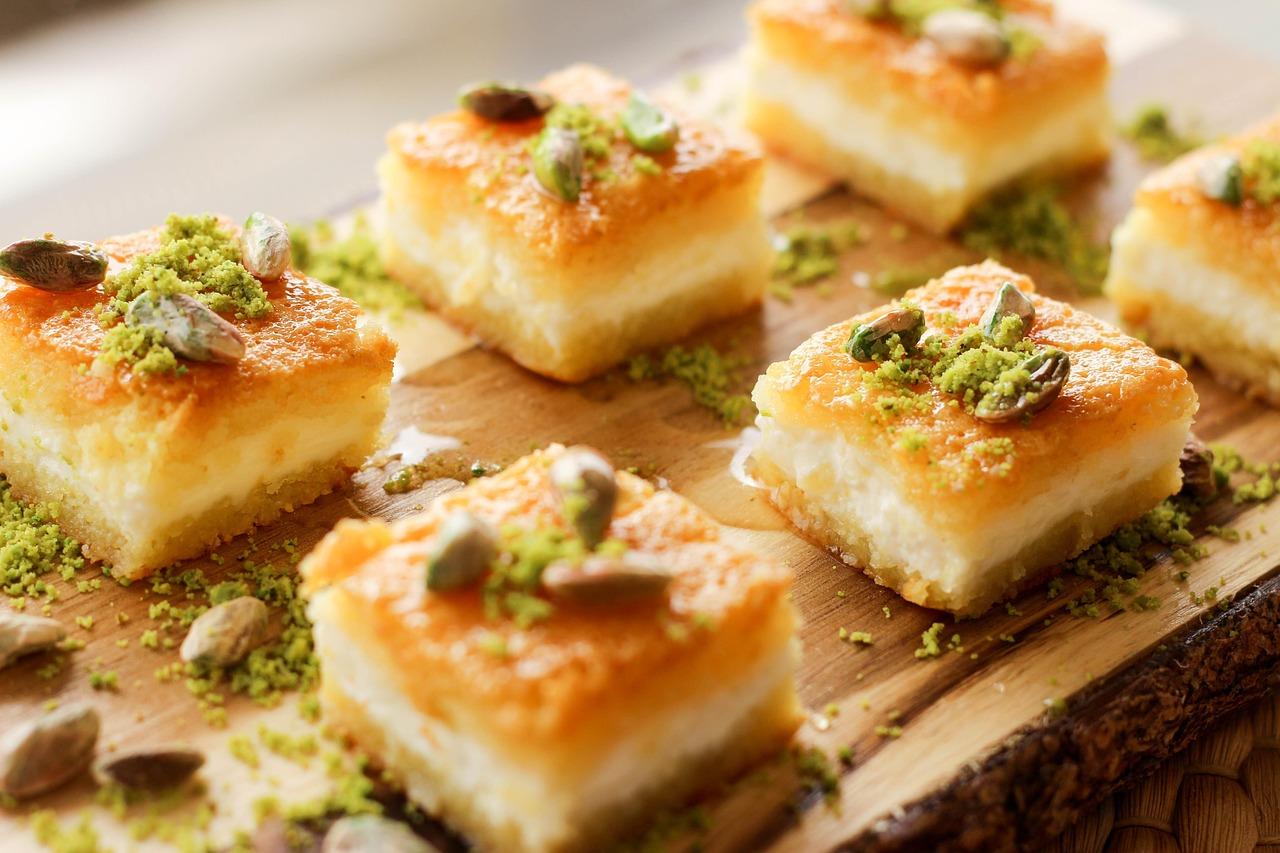
The famous layered pastry: crisp sheets of buttered fillo sandwich a filling of almonds, pistachios and cashews spiced with cinnamon, cardamom and saffron. After baking, the hot baklava is soaked in a syrup of sugar, honey, lemon, rose and cardamom and decorated with almond and pistachio flakes. Cut into 40 diamonds; serve with fresh cream or ice cream.
Undu walalu
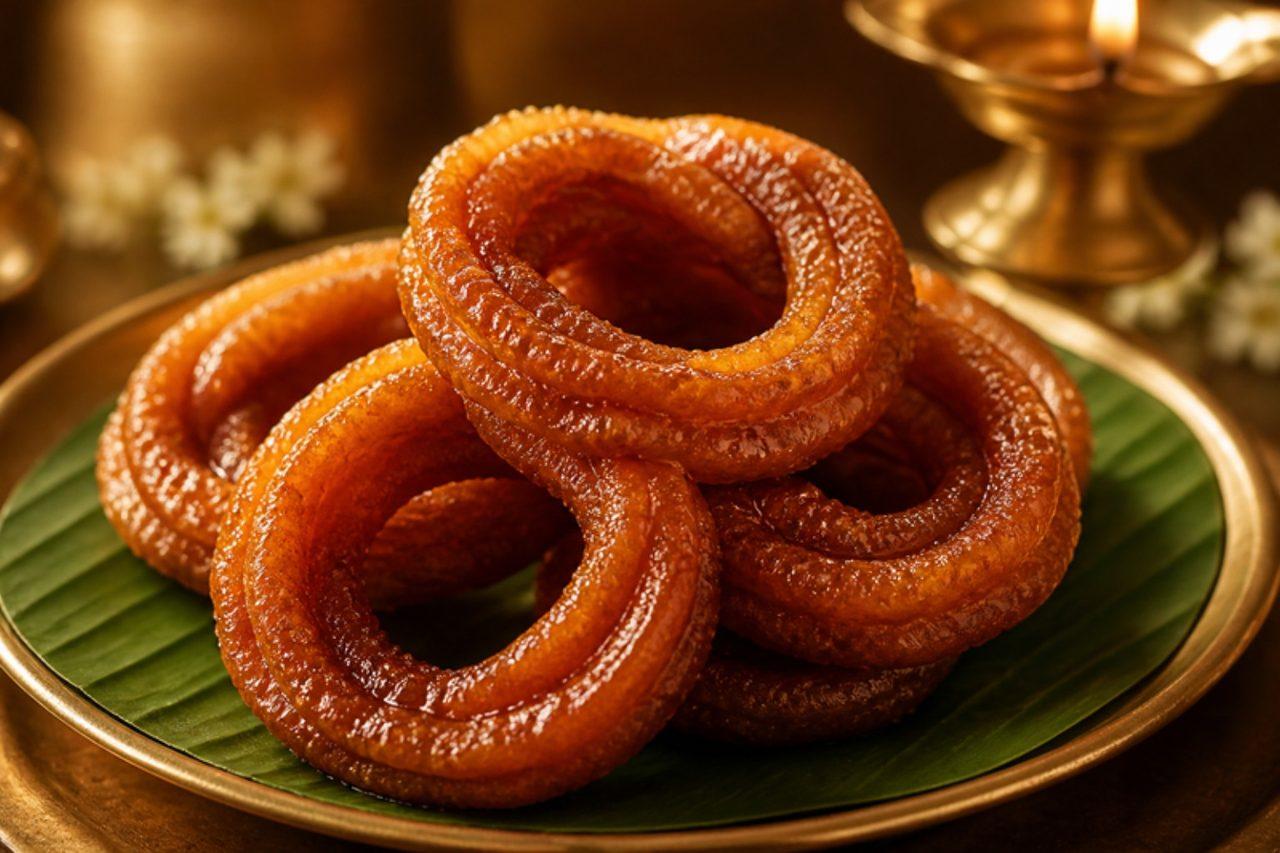
Walalu means bangles, and these dark, sticky rings of fried urad dal soaked in kithul treacle are a sweet that Sinhala families bring out for Avurudu and for special almsgivings, often made in large batches by an aunt known for her steady hand. A thick, fluffy paste of ground black gram is piped into loops and fried until crisp, then plunged straight into warm treacle, so the rings stay crunchy on the outside while drinking up the syrup. They taste a little like a darker, smokier jalebi, with a toffee finish from the palm treacle. Watery batter is what ruins them; it spreads into flat blobs, so grind the soaked dal with as little water as possible and beat it until light. This recipe uses no asafoetida, so it is naturally gluten free. Chef's tip: pipe the rings onto small squares of baking paper and lower them into the oil paper and all; the paper peels away in seconds.
 Sri Lankan


Marquesitas
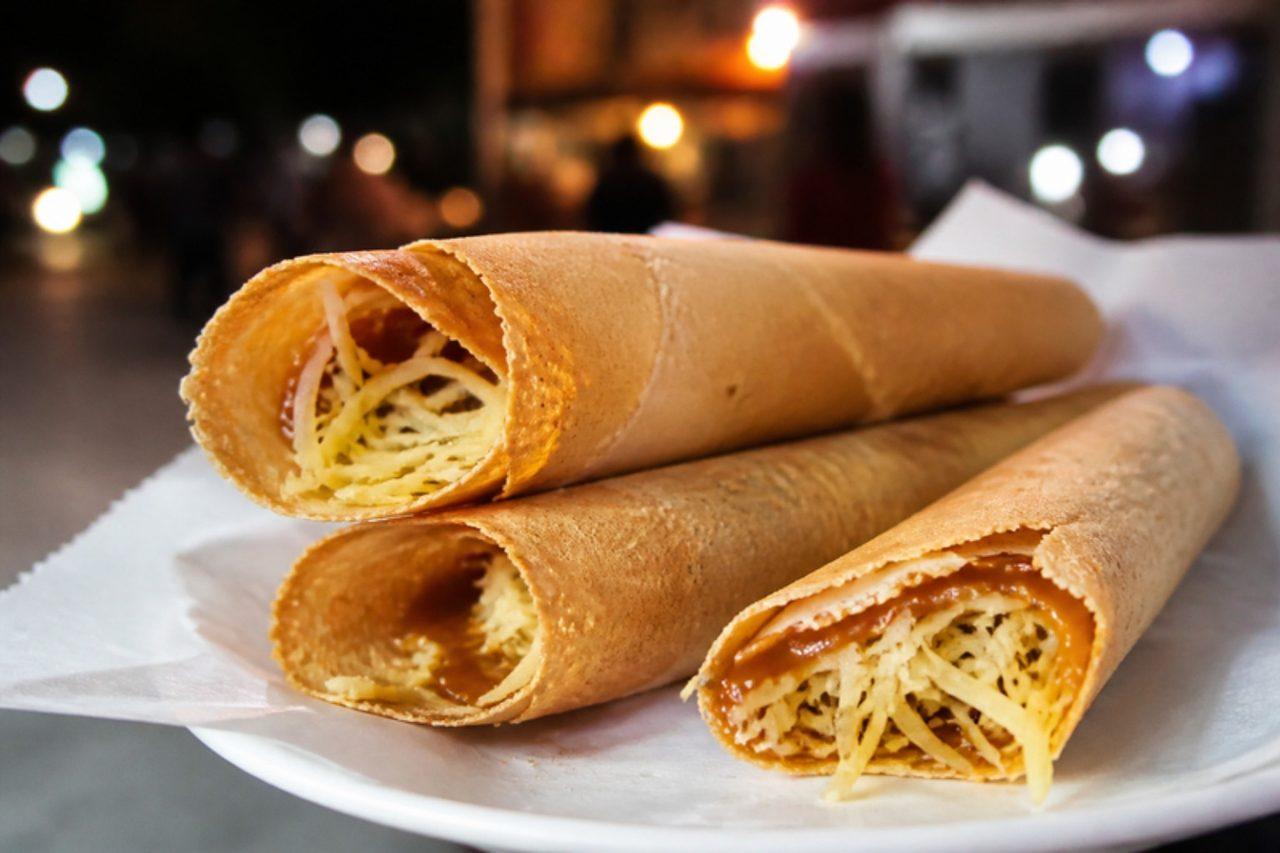
Evening in Mérida's Plaza Grande means the smell of marquesitas: thin batter pressed in hot hinged irons until crisp, then rolled like a cigar around grated Edam cheese and a sweet filling such as cajeta, chocolate-hazelnut spread or jam. Edam came to the Yucatán through the port trade with the Netherlands and became part of the local cooking, and the salty-sweet combination is the whole point. At home you can cook them in a thin, wide frying pan. Edam is usually made with animal rennet, so check the label or use a vegetarian Gouda-style cheese. Chef's tip: roll while the crêpe is still in the pan and hot; within seconds it hardens and will crack.
 Mexican