
 Taiwanese
Lu rou fan
Braised pork belly rice
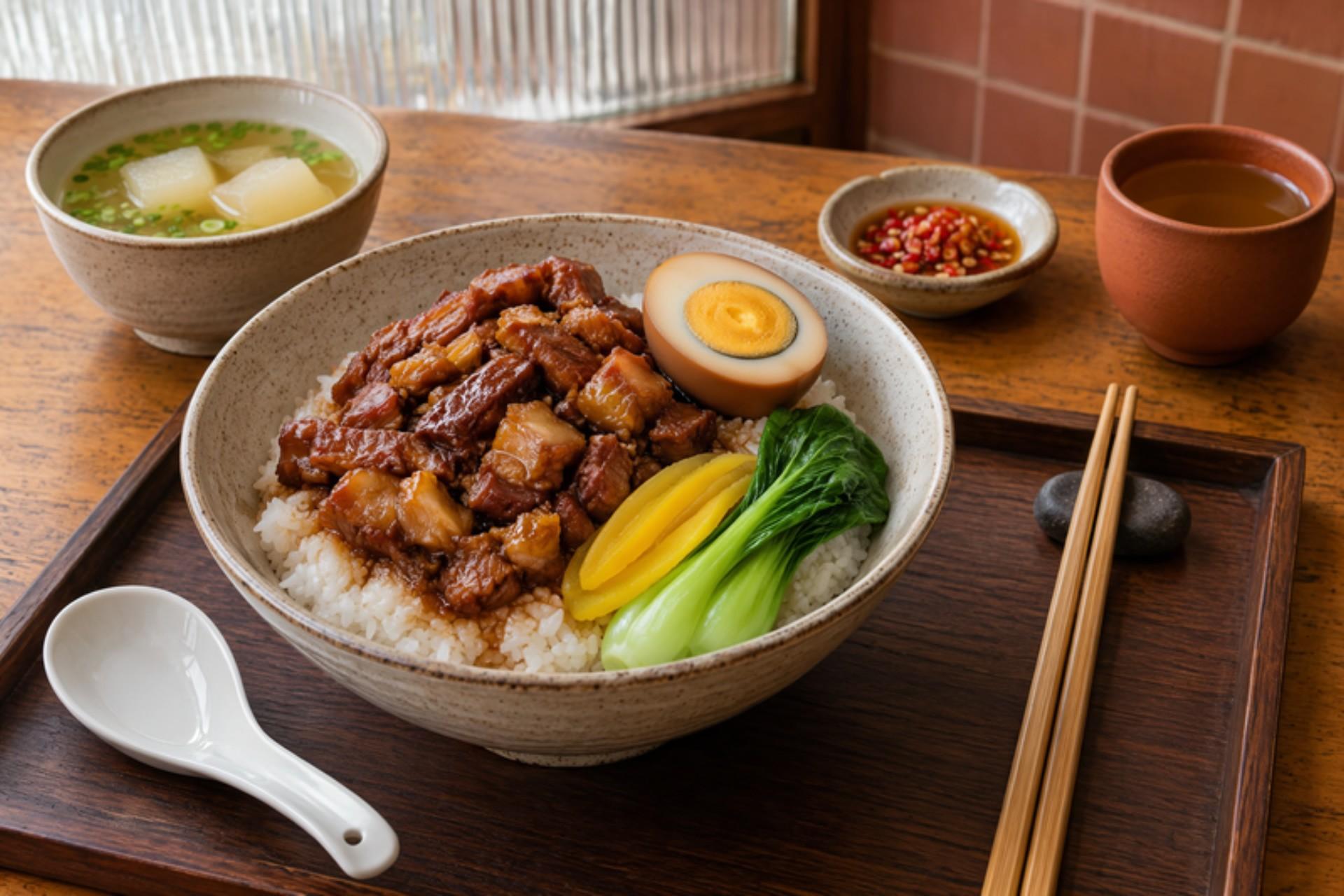
Lu rou fan (滷肉飯): Taiwanese braised minced pork belly over rice with soy egg
Lu rou fan is Taiwan's comfort bowl, eaten at breakfast, lunch and midnight in Taipei snack shops and made in big pots at home. Pork belly is cut into tiny pieces and braised slowly in soy sauce, rice wine, five-spice and crisp fried shallots until it melts into a sticky, glossy sauce, then spooned over plain rice with a braised egg and pickled greens. It contains pork, egg, soya and gluten (soy sauce); the braise has rice wine, most of which cooks off, or use water for alcohol-free. The common mistake is mincing the pork in a machine: hand-cut pieces keep their texture and the fat stays in jewels instead of turning greasy. Chef's tip: braise it a day ahead; overnight in the fridge the flavour deepens and the set fat lifts off easily.
- Prep
- 25 min
- Cook
- 90 min
- Difficulty
- Medium
- Serves
- 4
- Per serving
- 720 kcal
Ingredients
For the braise
- 1 ⅓ lb skinless pork bellycut into 5 mm pieces
- 1 tbsp sunflower oil
- 6 shallotsthinly sliced
- 4 cloves garlicchopped
- ¼ cup rice wine (Shaoxing)or water for alcohol-free
- 4 tbsp light soy sauce
- 1 ½ tbsp dark soy sauce
- 1 ½ tbsp rock sugar or brown sugar
- ½ tsp Chinese five-spice
- ¼ tsp ground white pepper
- 2 cups water
- 4 eggsboiled 8 minutes, peeled
To serve
- 10 ½ oz jasmine or short-grain ricecooked
- 7 oz pak choiblanched
- 4 tbsp pickled mustard greens or daikon (optional)
Tick what you have; the rest goes in the basket.
Method
0/6 doneStep 1: Heat 1 tbsp sunflower oil in a heavy pot over a medium heat and fry 6 shallots, stirring, until deep golden and crisp, 6–8 minutes. Lift out half and set aside.
8 minStep 2: Add 1 ⅓ lb skinless pork belly and fry over a medium-high heat for 8 minutes, until the fat runs and the pieces lose all pinkness and brown lightly.
8 minStep 3: Add 4 cloves garlic and fry 1 minute, then pour in ¼ cup rice wine (Shaoxing) and let it bubble for 1 minute.
2 minStep 4: Add 4 tbsp light soy sauce, 1 ½ tbsp dark soy sauce, 1 ½ tbsp rock sugar or brown sugar, ½ tsp Chinese five-spice, ¼ tsp ground white pepper, 2 cups water and the reserved shallots. Bring to the boil, then add 4 eggs.
Step 5: Cover and simmer very gently for 1 hour 15 minutes, stirring now and then and turning the eggs, until the pork is meltingly soft (well above 160°F all through) and the sauce is thick and glossy. Add a splash of water if it gets too dry.
75 minStep 6: Spoon the pork and sauce over bowls of 10 ½ oz jasmine or short-grain rice, add a halved egg, 7 oz pak choi and 4 tbsp pickled mustard greens or daikon. Cooled leftovers keep 4 days in the fridge; reheat until piping hot.
KrazyBadal
Reviews
No reviews yet. Be the first to cook it.
Rate this recipe
Sign in to rate and review this recipe.
You might also like
Mixed sprout pullao
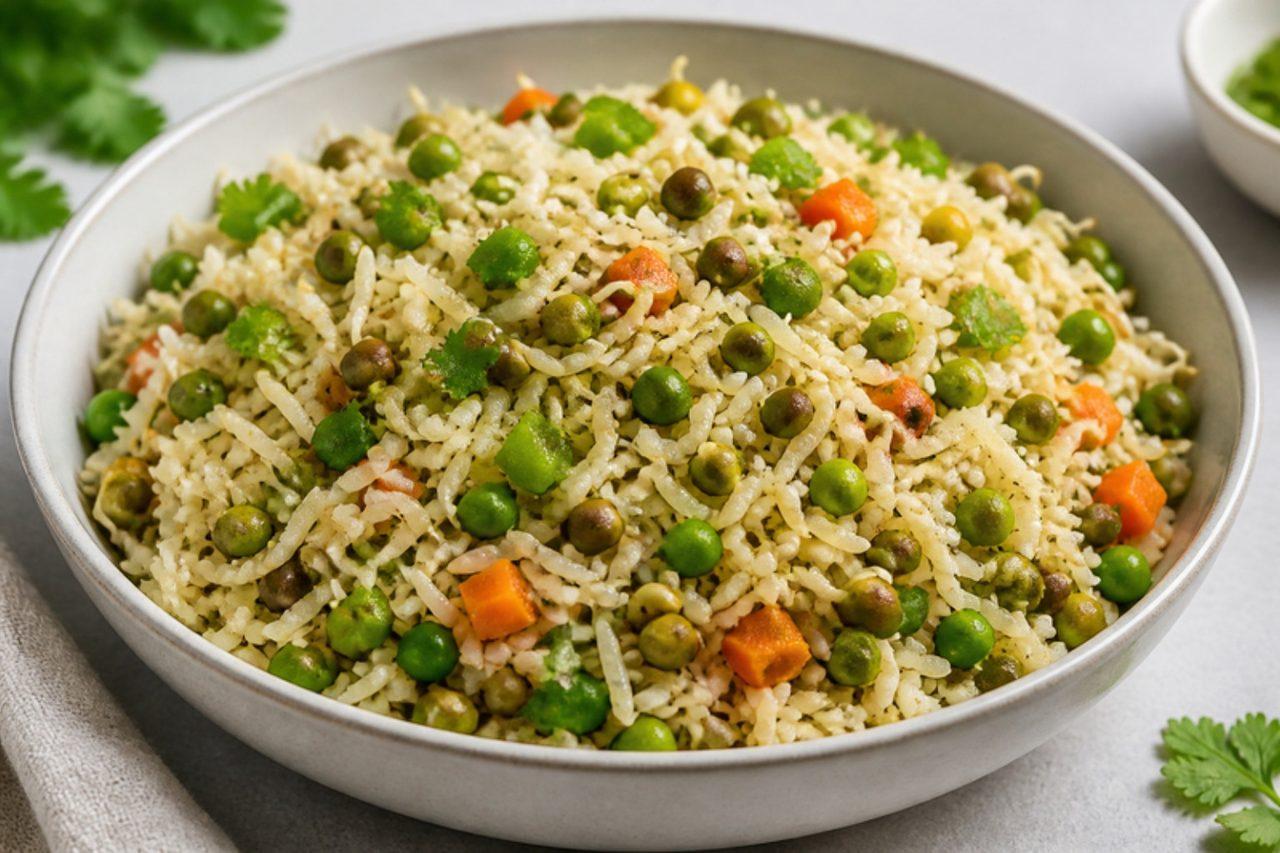
A quick, low-calorie way to use leftover rice: sprouted moth beans and green grams are cooked with garlic, ginger, green chilli, capsicum, spring onions and a few spices over a cumin and asafoetida tempering, then tossed with cooked rice. Served hot with fresh tomato and coriander.
 Indian


Paneer biryaniRice and moong dal in coconut milk
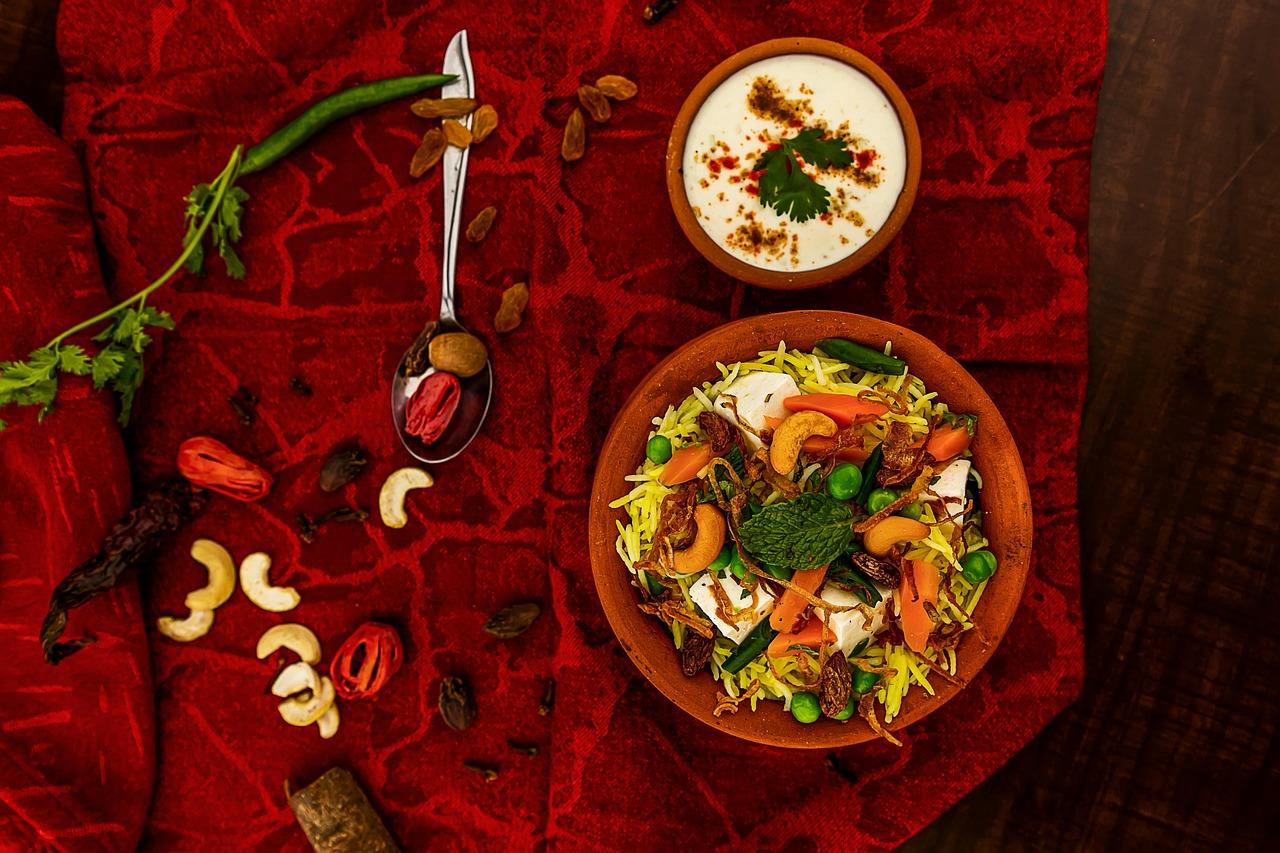
A mild, creamy biryani: rice and husked green gram roasted in ghee, then cooked in coconut milk with peas, carrots, potatoes, peanuts and cashews, and finished with soft fried paneer and a fresh coriander yogurt. Serve hot, garnished with more fried cashews and paneer.
Taiwanese grilled corn
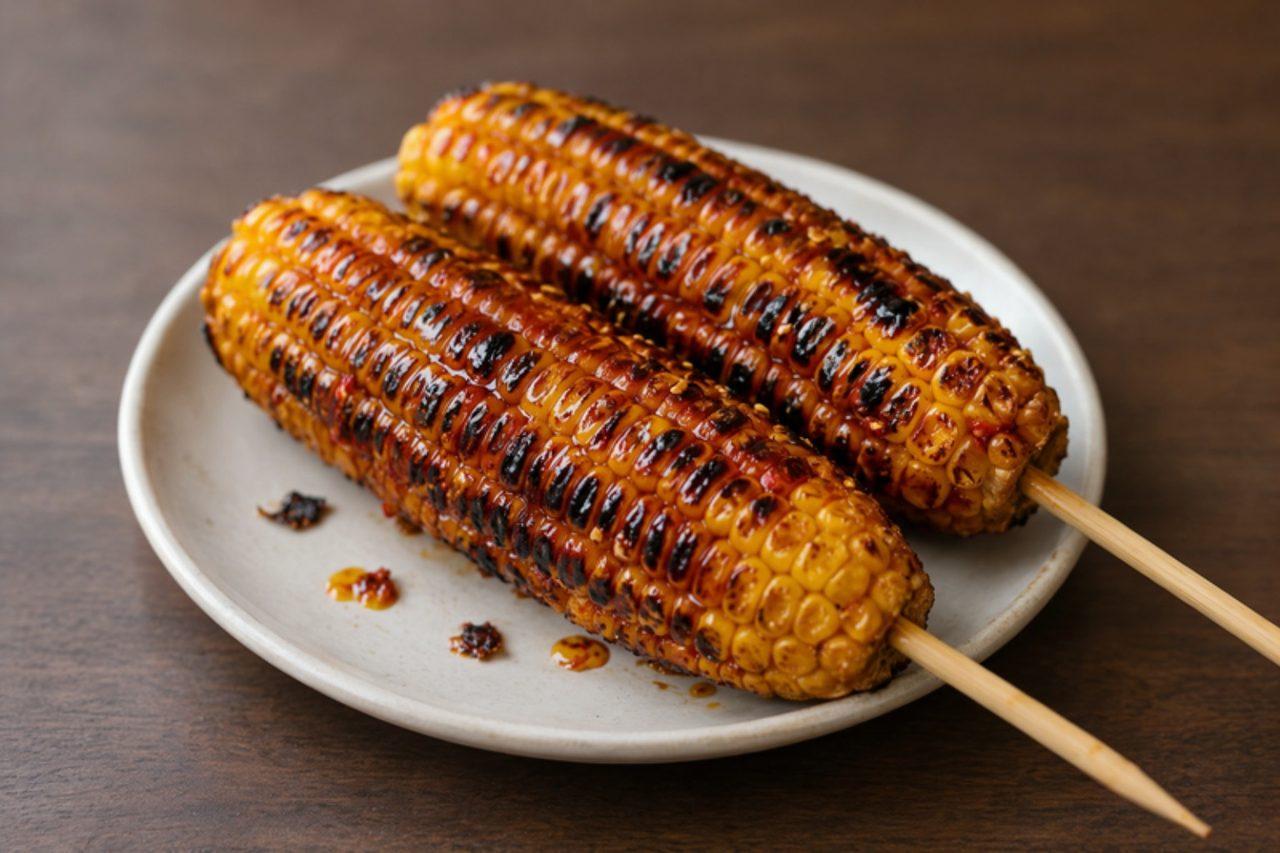
At Raohe and Shilin night markets the grilled-corn stalls are easy to find: look for the queue and the smoky, sweet smell. Cobs are par-cooked, then turned slowly over charcoal while the cook brushes them with a dark glaze of sacha sauce, thick soy paste, garlic and chilli, layer after layer, until the kernels are sticky, slightly charred and deeply savoury. It is eaten hot from a paper sleeve while walking the market. Sacha (shacha) sauce, a Taiwanese barbecue paste, usually contains dried fish and shrimp; vegetarian sacha is sold in Asian shops. Contains soy, wheat and fish. Chef's tip: brush thin coats and turn often; one thick coat burns before the corn chars.