

Korean corn dog
핫도그: sausage and mozzarella on a stick in a crisp yeasted batter, rolled in sugar
In Korea a 'hot dog' means this: a sausage, often with a stick of mozzarella above it, dipped in a sweet yeasted batter and rolled in breadcrumbs or tiny potato cubes before frying. They are sold from stalls in Myeongdong in Seoul, outside schools and at every busy station, and the cheese pull is half the fun. A roll in sugar straight from the oil, then a zigzag of ketchup and mustard, is the classic finish. Chef's tip: freeze the skewered sausages and cheese for 15 minutes before dipping; the cold cheese holds its shape and the batter grips better.
- Total time
- 50 min
- Difficulty
- medium
- Serves
- 4
Ingredients
For the batter
For the corn dogs
To finish
Method
0/9 doneStep 1: Mix 7 oz strong white bread flour, 2 tbsp caster sugar, ½ tsp salt and ⅛ oz fast-action dried yeast in a bowl. Add ¾ cup warm milk and 1 egg and beat with a spoon for 2 minutes into a very thick, stretchy batter, thicker than pancake batter.
2 minStep 2: Cover and leave in a warm place for 30 minutes, until bubbly and risen by about half.
30 minStep 3: Meanwhile push a stick of 5 ½ oz low-moisture mozzarella onto each of the 8 8 wooden skewers or chopsticks, then a half of 4 frankfurter sausages below it, pressing them together. Freeze for 15 minutes.
15 minStep 4: If using 1 potato, boil the cubes for 2 minutes, drain and dry very well on kitchen paper. Mix them with 3 ½ oz panko breadcrumbs in a shallow tray.
Step 5: Pour 4 ¼ cups vegetable oil, for deep-frying into a deep, heavy pan, no more than one third full, and heat to 350°F. Use a thermometer, keep the handle turned inwards and never leave hot oil alone. Keep a lid nearby; never use water on an oil fire.
8 minStep 6: Stir the batter down and pour it into a tall glass. Dip a skewer in, twist it to coat it evenly, and lift out. Common mistake: a thin, runny coat. The batter must be thick enough to wrap the sausage and cheese completely, or the cheese leaks into the oil and spits.
Step 7: Roll the coated skewer in the panko mix, pressing so the crumbs stick all over.
Step 8: Lower 2 or 3 corn dogs into the oil and fry for 3 to 4 minutes, turning, until deep golden. The sausage must be steaming hot all the way through (165°F/165 °F in the middle). Let the oil come back to 350°F between batches.
12 minStep 9: Drain on a rack for 1 minute, then roll in 4 tbsp caster sugar while still hot. Zigzag with 4 tbsp tomato ketchup and 2 tbsp yellow mustard and eat while the cheese is melted. Let the oil cool completely before you move or throw it away.
Nutrition per serving
- Calories
- 560 kcal
- Protein
- 19 g
- Carbs
- 64 g
- Fat
- 25 g
- Fibre
- 2 g
Nutrition values are estimates.
KrazyBadal
Good to know
- How long does korean corn dog take?
- About 50 minutes in total: 35 minutes to prepare and 15 minutes to cook.
- How many people does it serve?
- 4 as written. Change the servings above the ingredients and every amount scales to match.
- What can I use instead of strong white bread flour?
- Plain flour, same amount (the dough will be softer and rise a little less).
- What can I use instead of caster sugar?
- Caster sugar, same amount.
Reviews
No reviews yet. Be the first to cook it.
Rate this recipe
Sign in to rate and review this recipe.
You might also like
Tteokbokki
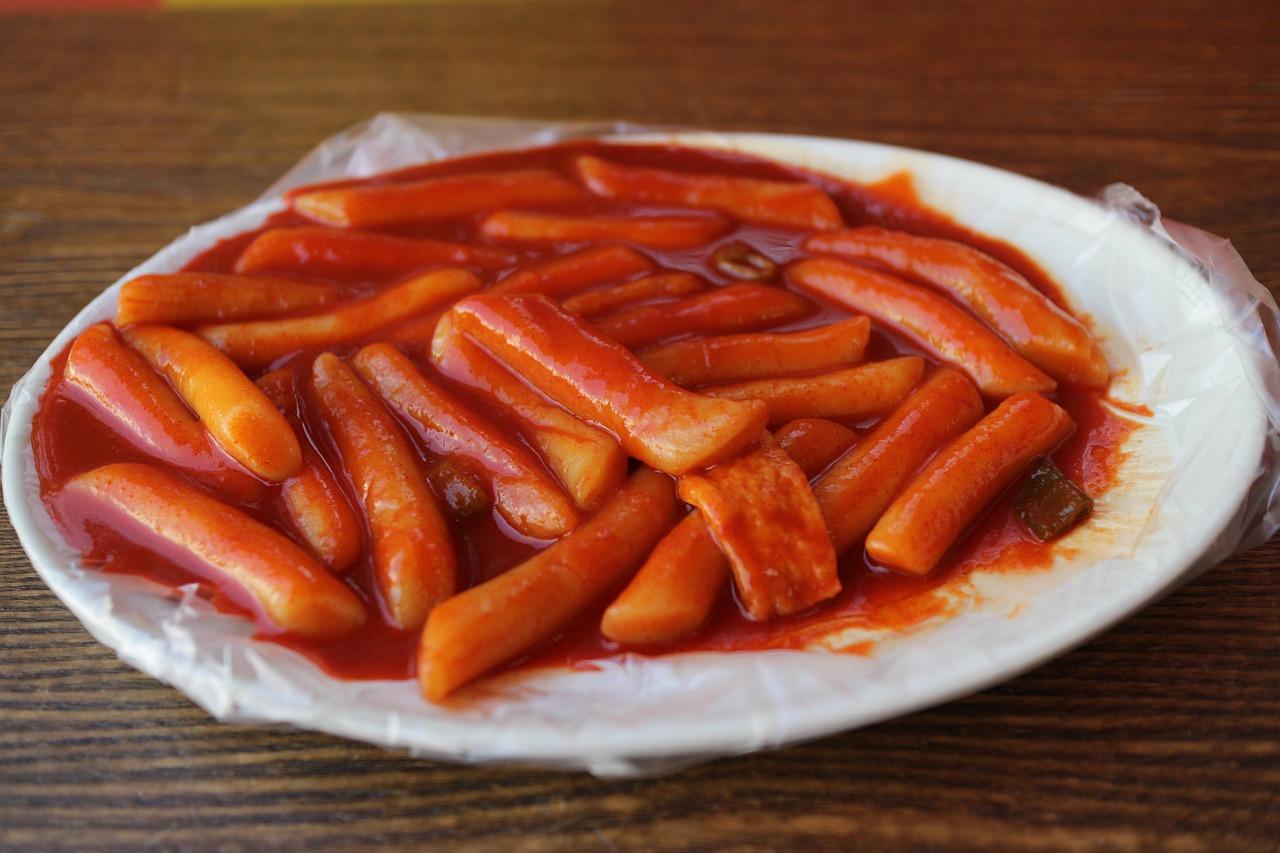
Tteokbokki (떡볶이) is Korea's best-loved street snack: chewy cylinders of rice cake simmered in a thick, glossy, sweet and spicy red sauce. It became a classic in Seoul, where it is sold from street stalls and snack bars in every neighbourhood. Street versions use anchovy stock and fish cakes; this vegan version uses a quick kelp and shiitake stock with cabbage and spring onions, and has all the same punch. Eat it hot, while the rice cakes are soft and stretchy. Chef's tip: keep stirring and scrape the bottom; the rice cakes release starch that thickens the sauce but also catches. The sauce is right when it clings to the spoon in a glossy coat.


Bibimbap
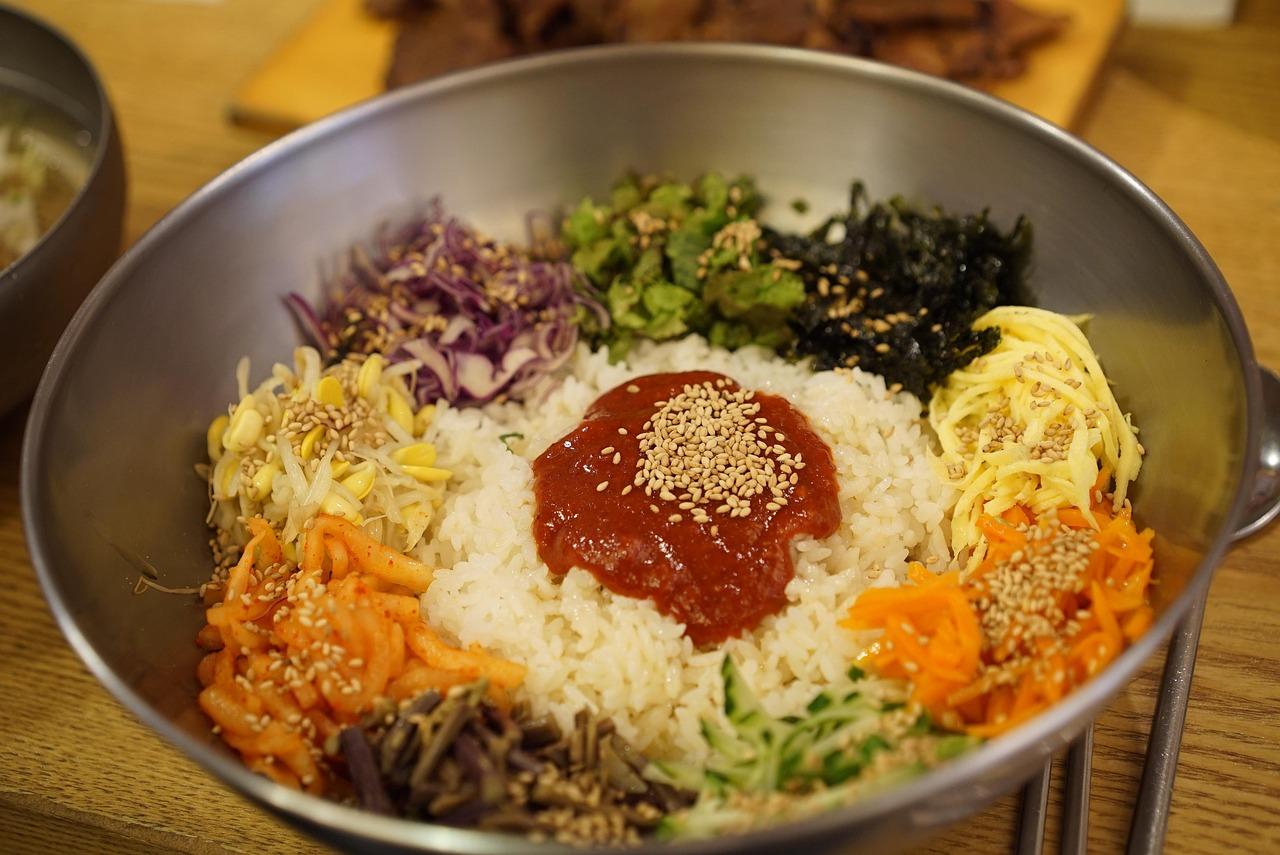
Bibimbap (비빔밥) means 'mixed rice': a bowl of warm rice topped with small heaps of separately seasoned vegetables, a fried egg and a spoonful of gochujang sauce, all stirred together at the table. The city of Jeonju in North Jeolla province is famous for it and serves it with a dozen or more toppings; this home version keeps five that are easy to find. Each vegetable is cooked on its own so it keeps its colour and texture, and the sauce brings sweetness, heat and a nutty sesame finish. Serve with kimchi and a light soup. Chef's tip: season every vegetable on its own, lightly, and taste each one. If each heap is good alone, the mixed bowl will be balanced; if they are all dressed alike, the bowl tastes flat.
Thai bean burger
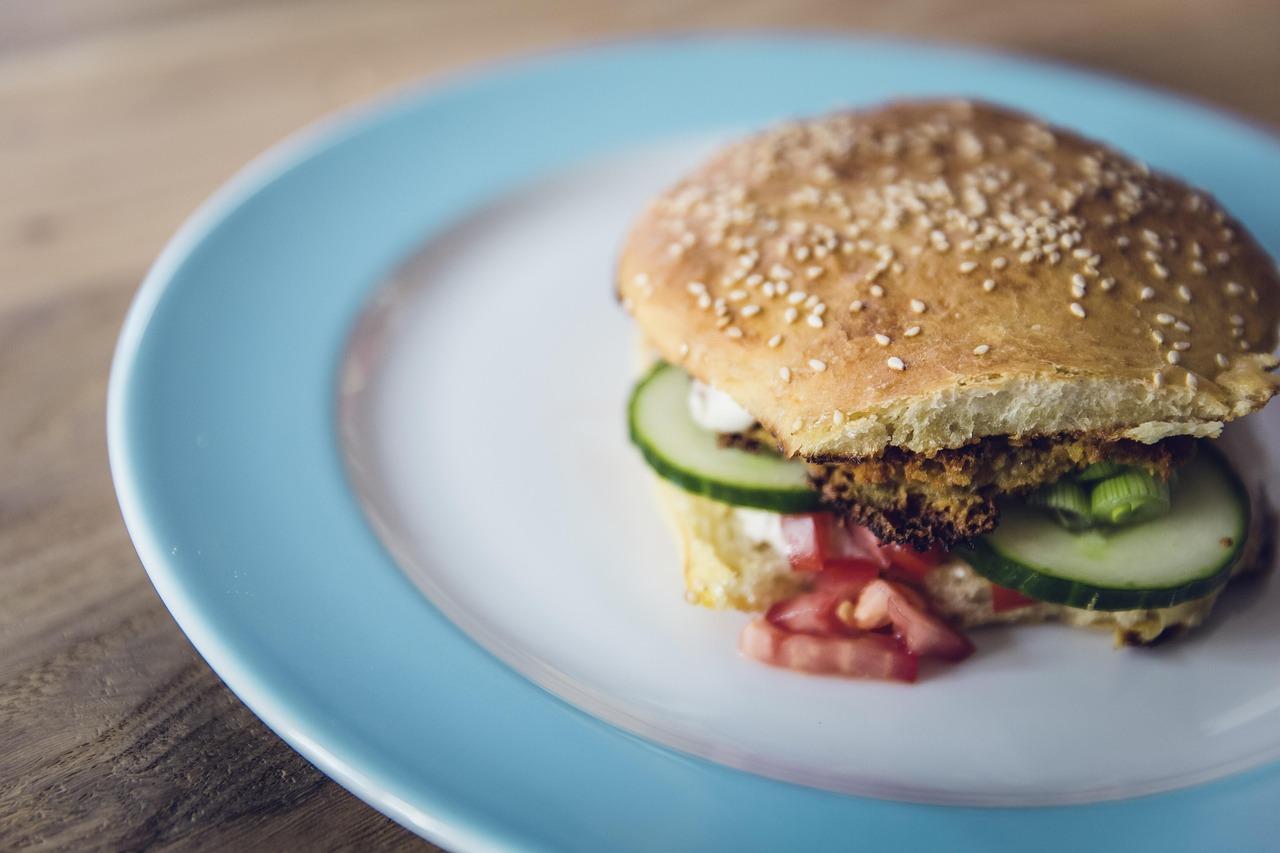
A Thai-flavoured veggie burger: butter beans are blended with fresh coconut, spring onions, coriander, roasted peanuts and red curry paste into coarse patties, shallow-fried until crisp and stacked in toasted buns with lettuce, onion and a little sweet chilli sauce. Filling, crunchy and full of flavour. Serve with a salad or chips.