
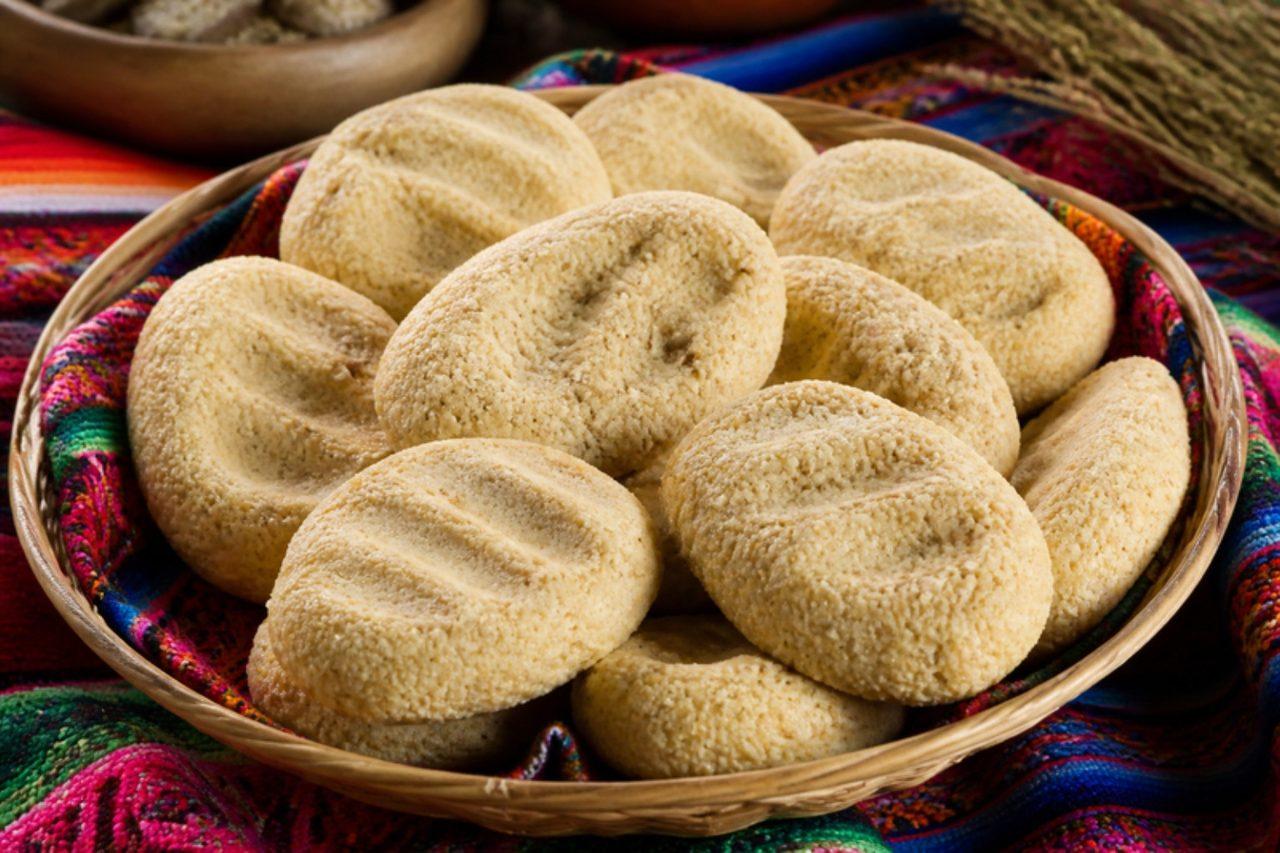
AI-generated image
Kispiño
Kispiño: Puno's hand-pressed steamed quinoa cakes, a travel food that keeps for days


Pressed in a fist so each one carries the marks of the cook's fingers, kispiño are small, dense quinoa cakes from the Puno highlands, steamed and then left to dry so they keep for weeks on journeys, herding trips and pilgrimages. Traditional ones are bound with a little lime water (from cal, the mineral) and fat; this home version uses oil and a pinch of aniseed and sugar, so they're vegan and pleasantly savoury-sweet. They're firm and chewy, a little like a grain cake, and good with hot tea, coca tea or a soup on a cold day. The common mistake is making the dough too wet, so the cakes slump in the steamer; it should feel like damp sand that holds its shape when squeezed. Ground quinoa is quinoa flour; grind your own from rinsed, dried and toasted grain, or buy it ready ground. Chef's tip: toast the ground quinoa in a dry pan first until it smells nutty, which takes away any bitterness.
- Total time
- 55 min
- Difficulty
- medium
- Serves
- 6
Ingredients
Shop this recipe on Amazon
What you'll need
Spices & pantry
Links open Amazon in a new tab. As an Amazon Associate, WhatToEat.Today earns from qualifying purchases.
Method
0/6 doneStep 1: Toast 10 ½ oz ground quinoa in a wide dry pan over a medium-low heat, stirring constantly, until it smells nutty and darkens a shade, 5–6 minutes. Tip into a bowl and cool for 5 minutes.
11 minStep 2: Mix in ½ tsp salt, 1 tbsp sugar and 1 tsp aniseed, then add 2 tbsp vegetable oil and rub it in with your fingertips.
Step 3: Add ¾ cup warm water a little at a time, mixing with your hand, until the dough is like damp sand and holds firmly when squeezed. You may not need it all.
Step 4: Take a walnut-sized lump, about 30 g, and squeeze it firmly in your fist so it forms a ridged, finger-marked cake. Repeat with the rest; you should get about 18.
Step 5: Set the cakes on a steamer lined with baking paper, leaving gaps. Steam over simmering water, covered, until firm and slightly glossy, 25–30 minutes.
30 minStep 6: Cool on a rack. Eat warm, or leave uncovered for a day to dry and harden for keeping.
Nutrition per serving
- Calories
- 240 kcal
- Protein
- 7 g
- Carbs
- 33 g
- Fat
- 8 g
- Fibre
- 3 g
Nutrition values are estimates.
KrazyBadal
Good to know
- How long does kispiño take?
- About 55 minutes in total: 25 minutes to prepare and 30 minutes to cook.
- How many people does it serve?
- 6 as written. Change the servings above the ingredients and every amount scales to match.
- Is it vegan?
- Yes. It has no meat, fish, dairy or eggs.
- Is it gluten free?
- Yes, as written. Check the labels on stock, sauces and spice mixes, which sometimes contain gluten.
- What can I use instead of sugar?
- Caster sugar, same amount.
- What can I use instead of aniseed?
- Fennel seeds, same amount (milder).
Reviews
No reviews yet. Be the first to cook it.
Rate this recipe
Sign in to rate and review this recipe.
You might also like
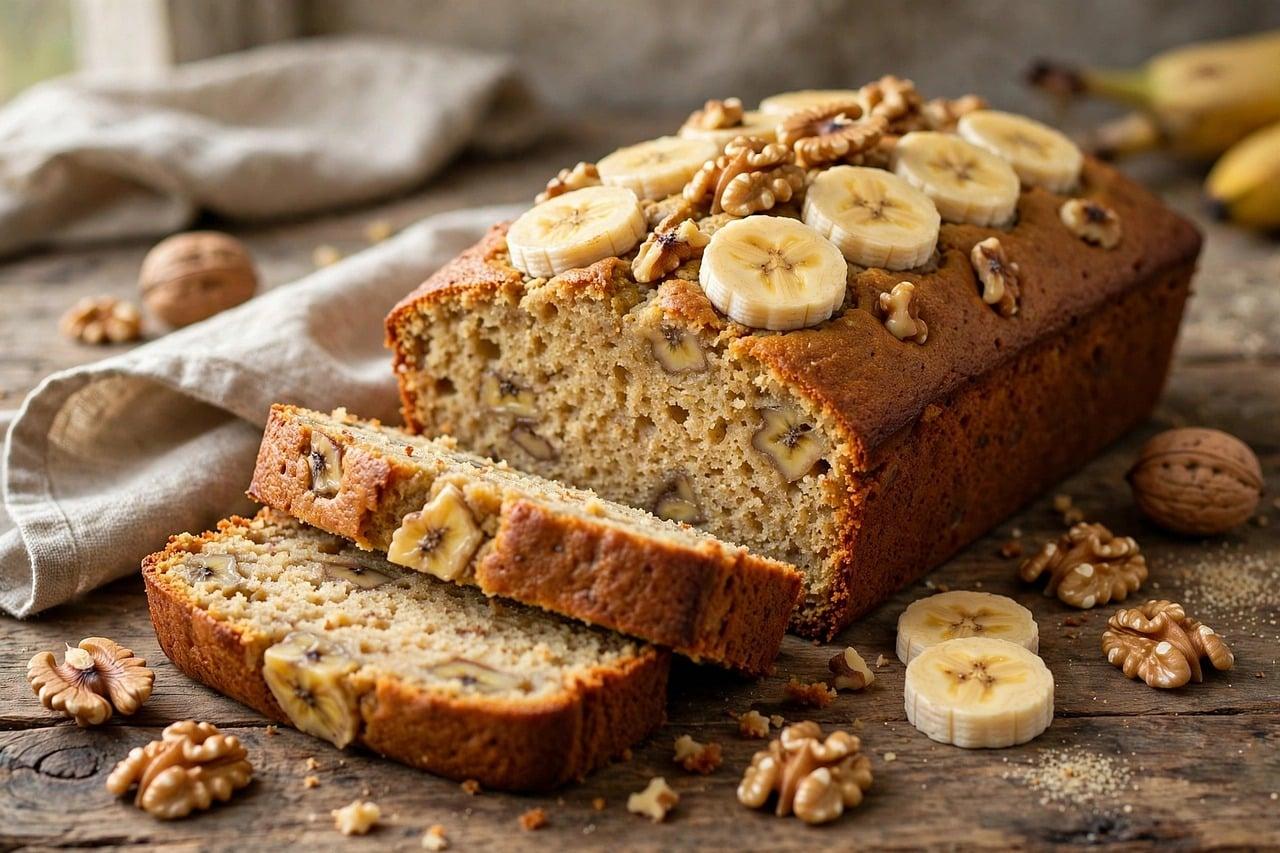
Moist banana bread
The blacker the bananas, the better the loaf. This one is mixed in a single bowl with melted butter and a little brown sugar, so it's soft, deeply banana-y and keeps well for days.
 American
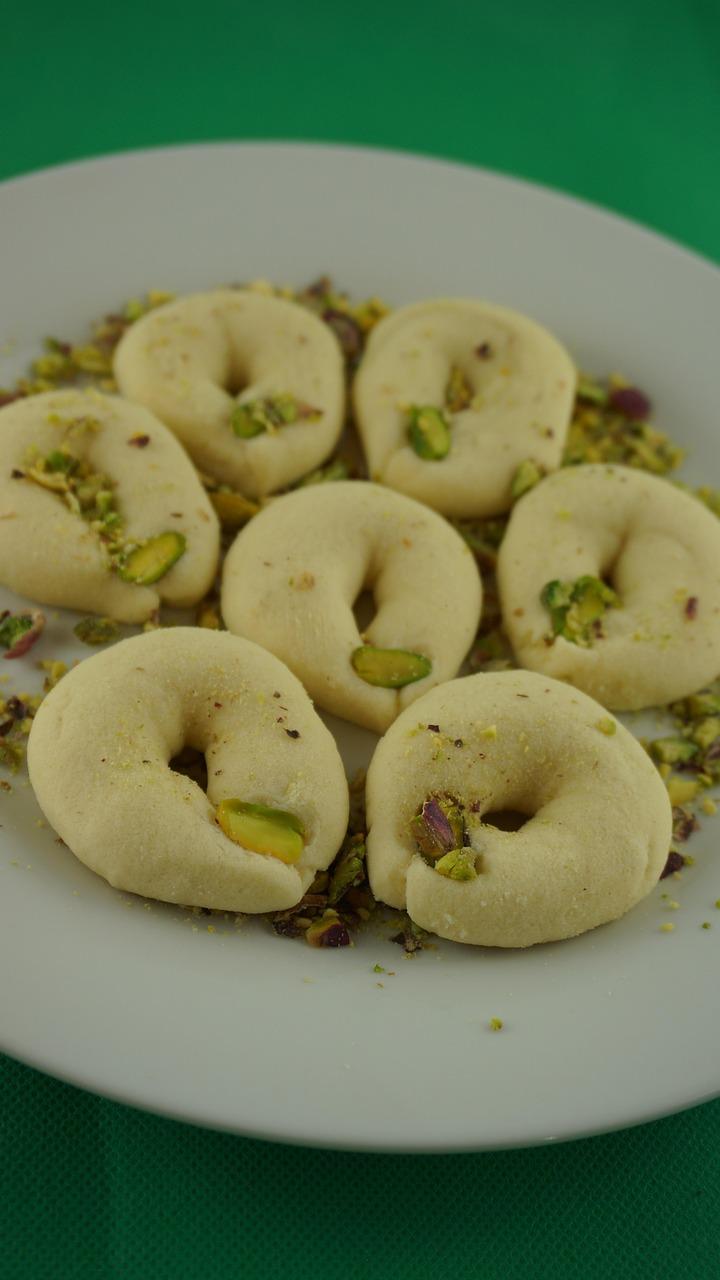
Ma'amoul
Ma'amoul are delicate shortbread-like pastries made for Eid and Easter across the Middle East. A soft, rose-scented butter dough is wrapped around a filling of dates, walnuts, almonds and pistachios cooked with cinnamon, marked with a fork, baked pale and dusted with icing sugar. Makes 35; they keep well in a tin.
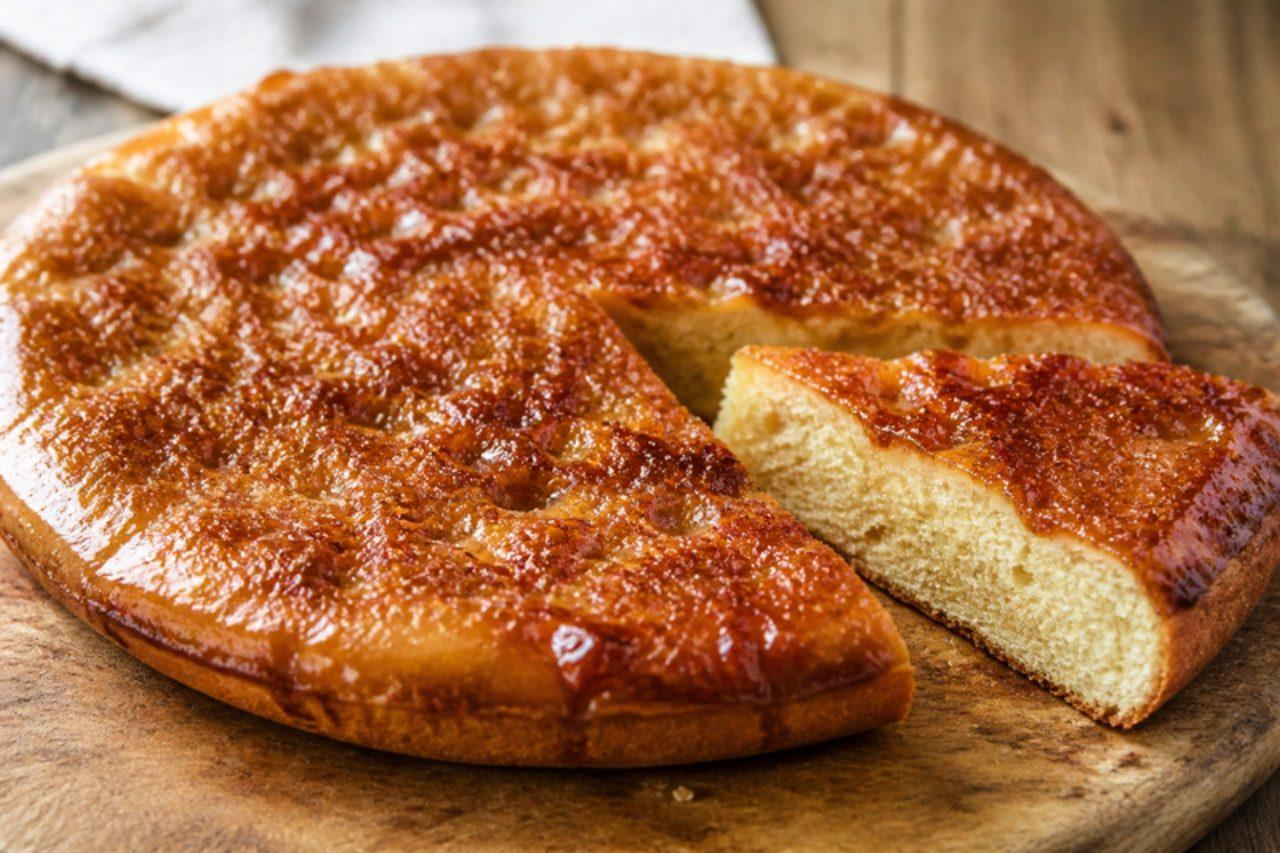
Tarte au sucre lilloise
In Lille and across the Nord, a sugar tart is not pastry at all but a flat round of soft brioche dough, dimpled and covered with brown cassonade sugar, butter and a little egg and cream, which bakes into a sticky, caramelised top over a fluffy base. Families buy it from the boulangerie for Sunday breakfast and goûter, or bake one when guests come for coffee. The Nord's own beet sugar, vergeoise, gives it a deep, almost molasses flavour; soft dark brown sugar is the closest swap. Chef's tip: press deep dimples into the risen dough with your fingertips before adding the topping; the sugar and cream collect in them and bake into little pools of caramel.
 French